- Published on
Xiaomi Reports 90.2% Success Rate in Humanoid "Internship" at Beijing EV Factory
One tap, and our reporting appears more often in your Google Top Stories. It makes a real difference to a small newsroom.


Your guide
Rich Robinson
Jee Chee Ren · Executive tour
See China’s AI and robotics ecosystem first-hand.
Six days exploring AI, robotics and advanced manufacturing.
With Rich Robinson, Clinical Professor of Entrepreneurship at Peking University
Beijing · Guangzhou · Shenzhen
29 November–4 December 2026
Referral partnership · We earn a commission on referred bookings.
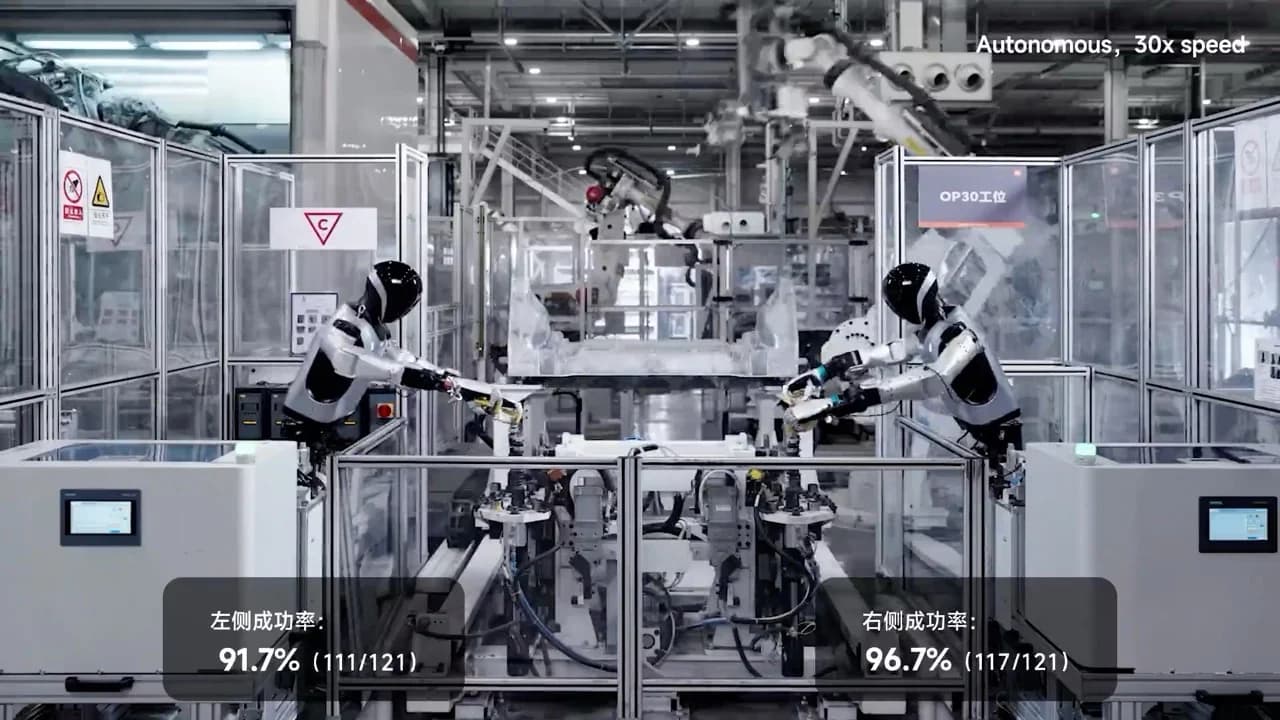
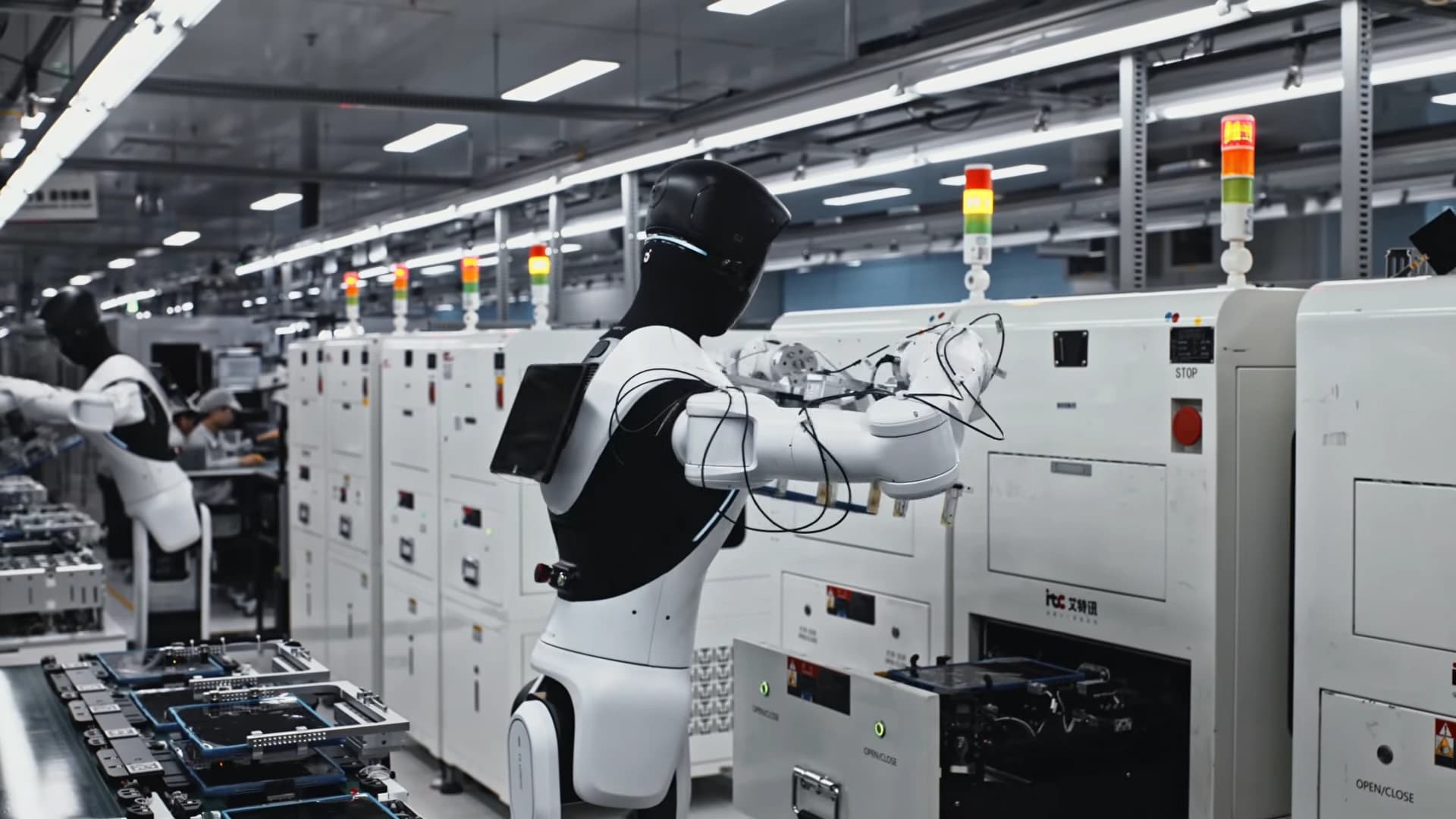
Xiaomi has provided a rare look into the performance of its humanoid robots on the assembly line, reporting that its machines have successfully transitioned from laboratory "apprentices" to functional "interns" at its Beijing EV facility. In a technical update shared via Weixin, the electronics giant revealed that its humanoid platform achieved a 90.2% success rate during a three-hour autonomous pilot at a self-tapping nut installation station.
The announcement follows CEO Lei Jun’s recent prediction that humanoids will be working at a large scale within five years across the company’s manufacturing footprint.
Precision at Production Speed
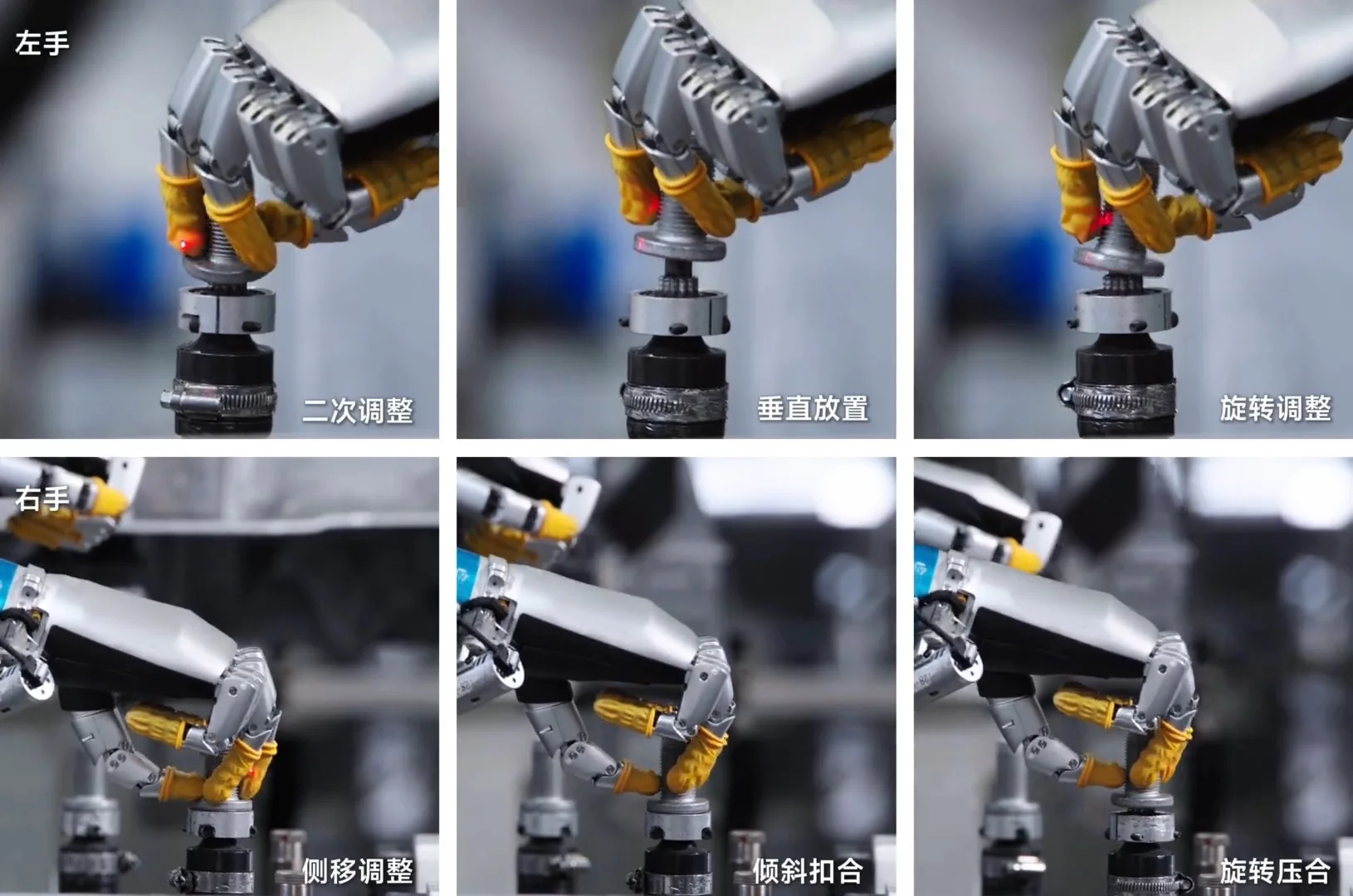
The pilot focused on a high-difficulty task: picking self-tapping nuts from an automated feeder and installing them onto integrated die-cast rear floor parts. The task requires the robot to account for the internal spline structure of the nuts, inconsistent orientations within the gripper, and magnetic interference from positioning pins.
Beyond the 90.2% success rate for simultaneous dual-side installation, the robot met a critical industrial benchmark: a 76-second cycle time. This aligns with the "production beat" required for modern automotive lines, addressing a common criticism that humanoid platforms are often too slow for real-world deployment.
The weekly humanoid robotics briefing
One email a week: the launches, funding and research that mattered, with context from Humanoids Daily.
Read recent issuesFor comparison, these metrics place Xiaomi in a similar performance bracket to other Western leaders. UK-based startup Humanoid recently reported a 90% success rate during its Siemens pilot, while exceeding pick-per-hour targets at Ford by 60%.
Solving the "Tactile Puzzle"
Xiaomi attributes this reliability to a dual-model software stack that prioritizes sensory feedback over rigid programming:
- Xiaomi-Robotics-0 (VLA): A Vision-Language-Action foundation model that provides the "brain" for spatial understanding and task planning.
- TacRefineNet: A specialized tactile-based model that fine-tunes grasping in real-time.
By fusing head-mounted cameras, wrist-mounted vision, and fingertip tactile sensors, the robot can detect if a nut is misaligned or slipping before a failure occurs. This focus on tactile sensing is an attempt to solve what researchers call "Moravec’s paradox"—the fact that high-level reasoning is often easier for AI than the low-level motor skills required to handle small, slippery industrial components.
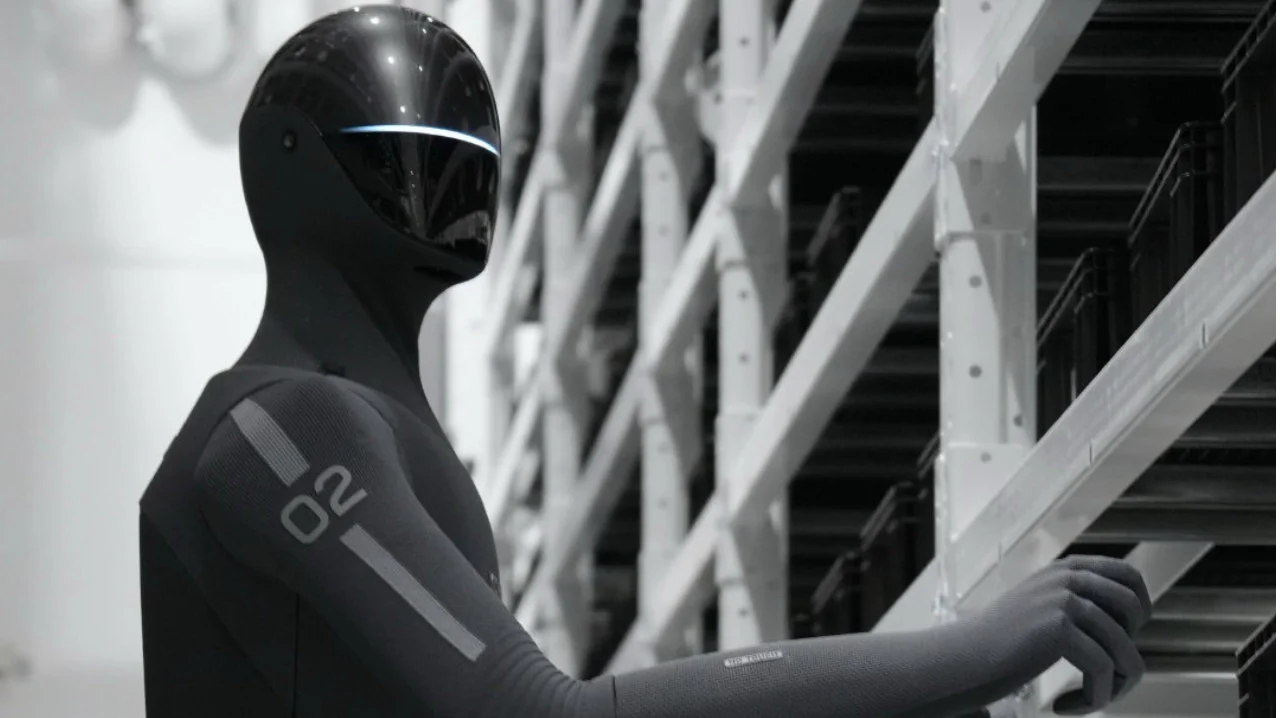
Xiaomi’s "end-to-end" approach mirrors the technical shift seen at Figure AI. Following the retirement of the Figure 02 fleet at BMW, Figure CEO Brett Adcock noted that future iterations would abandon hybrid C++ code in favor of full-body neural networks to improve generalization.
Watch a clip from the pilot below:
Hybrid Motion Control
To maintain stability on the factory floor, Xiaomi utilizes a hybrid motion control architecture. A Quadratic Programming (QP) optimizer handles balance and safety constraints with a solve time of less than 1ms, while a Reinforcement Learning (RL) controller—trained on billions of simulated disturbances—manages recovery from extreme physical interference.
This "simulation-first" training allowed for zero-shot deployment, meaning the balance strategies learned in virtual environments worked immediately on the physical factory floor without manual tuning.
The Road to Large-Scale Deployment
Despite the success, Xiaomi remained transparent about "typical failure cases," such as jams caused by spline misalignment or limited visibility in cluttered environments. The company is currently validating the robot at other stations, including front emblem installation and tote handling—tasks similar to those Mercedes-Benz is exploring with Apptronik’s Apollo.
By tethering its robotics development directly to its EV production lines—which recently celebrated the production of its 500,000th vehicle—Xiaomi is positioning itself as its own best customer. As the industry moves toward a 2026 IPO rush for robotics firms, Xiaomi’s ability to prove high-uptime, production-speed labor could give it a significant edge over startups still seeking their first long-term factory residency.
Share this article
Read next
- Published on
- Reading time
- 4 min read
Xiaomi Debuts CyberOne V2 at Investor Day, Moving Beyond the Factory Floor
- Published on
- Reading time
- 5 min read
Sweating the Details: Xiaomi Unveils Upgraded CyberOne Hand with "Bionic Glands" and Full-Palm Touch
- Published on
- Reading time
- 3 min read
Humanoid Robots Take Center Stage at 2025 Zhongguancun Forum
- Published on
- Reading time
- 3 min read
RoboParty Opens RP1 Humanoid Designs, From Mechanical Parts to Motion Policies
- Published on
- Reading time
- 2 min read
Shanghai Wants 8,000 Humanoid Robots in Factories by 2028
- Published on
- Reading time
- 3 min read
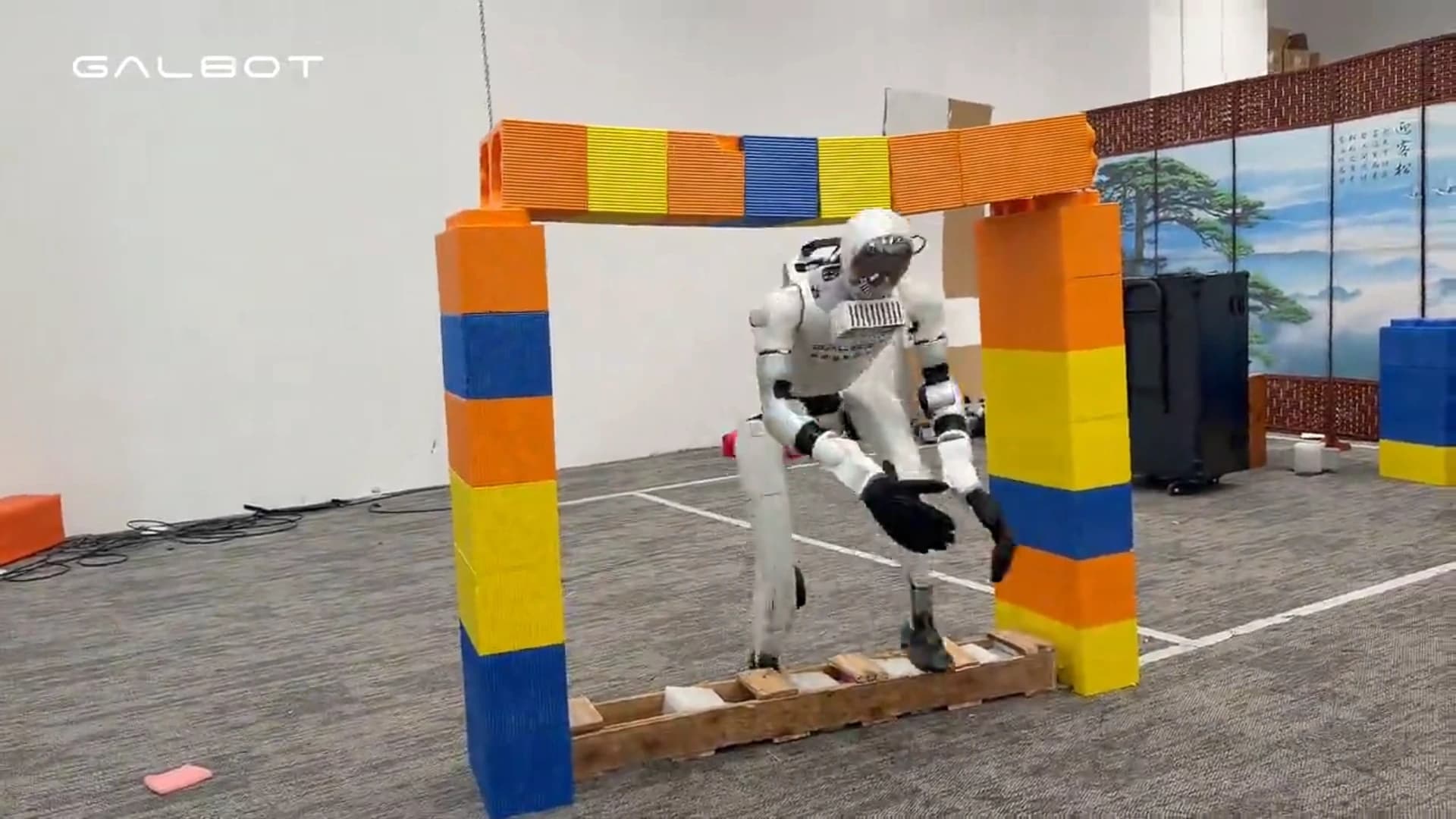
Galbot’s PASSAGE Helps Humanoids Step Over, Duck Under and Squeeze Past Obstacles


The weekly humanoid robotics briefing
One email a week: the launches, funding and research that mattered, with context from Humanoids Daily.
Read recent issues