- Published on
1X Goes Vertical: Inside the Hayward Factory Aiming for 100,000 Humanoids
One tap, and our reporting appears more often in your Google Top Stories. It makes a real difference to a small newsroom.

- 1X has launched its Hayward, California "NEO Factory," a 58,000 sq ft facility already ramping toward an initial production capacity of 10,000 humanoids annually.
- The company utilizes a strictly vertically integrated production model, manufacturing its Revo2 motors, batteries, tendons, and 22 DoF hands entirely in-house.
- A second facility in San Carlos is planned to bring total production capacity to 100,000 units per year by the end of 2027.
- Every NEO features the "NEO Cortex" powered by NVIDIA Jetson Thor, supporting dual 8.85MP 90Hz stereo cameras for real-time AI inference.
- While the first consumer deliveries are reaffirmed for 2026, current production is being diverted to an internal home-testing program to refine the human-in-the-loop strategy.
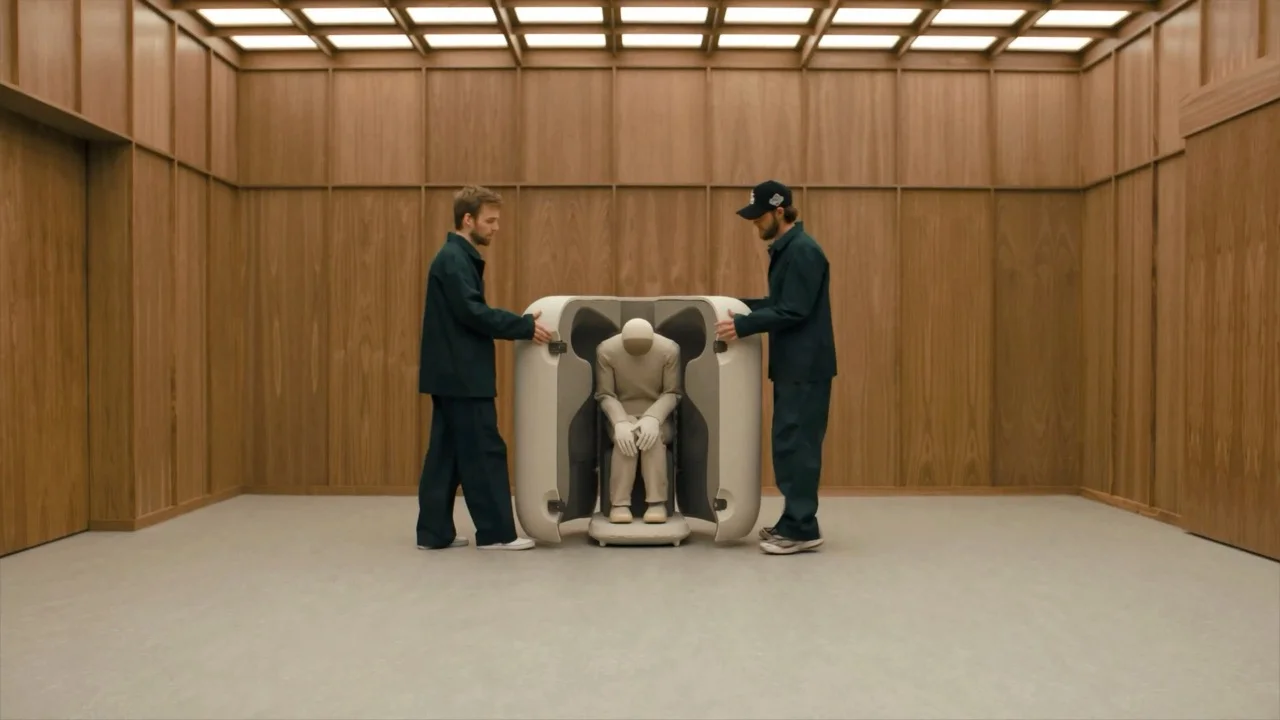
Following yesterday's glimpse of a NEO humanoid tucked inside a delivery capsule, 1X Technologies has pulled back the curtain on the industrial engine intended to fill those boxes. In a detailed update, the company revealed that its 58,000-square-foot "NEO Factory" in Hayward, California is now fully operational, marking a significant transition from research prototyping to high-volume manufacturing.
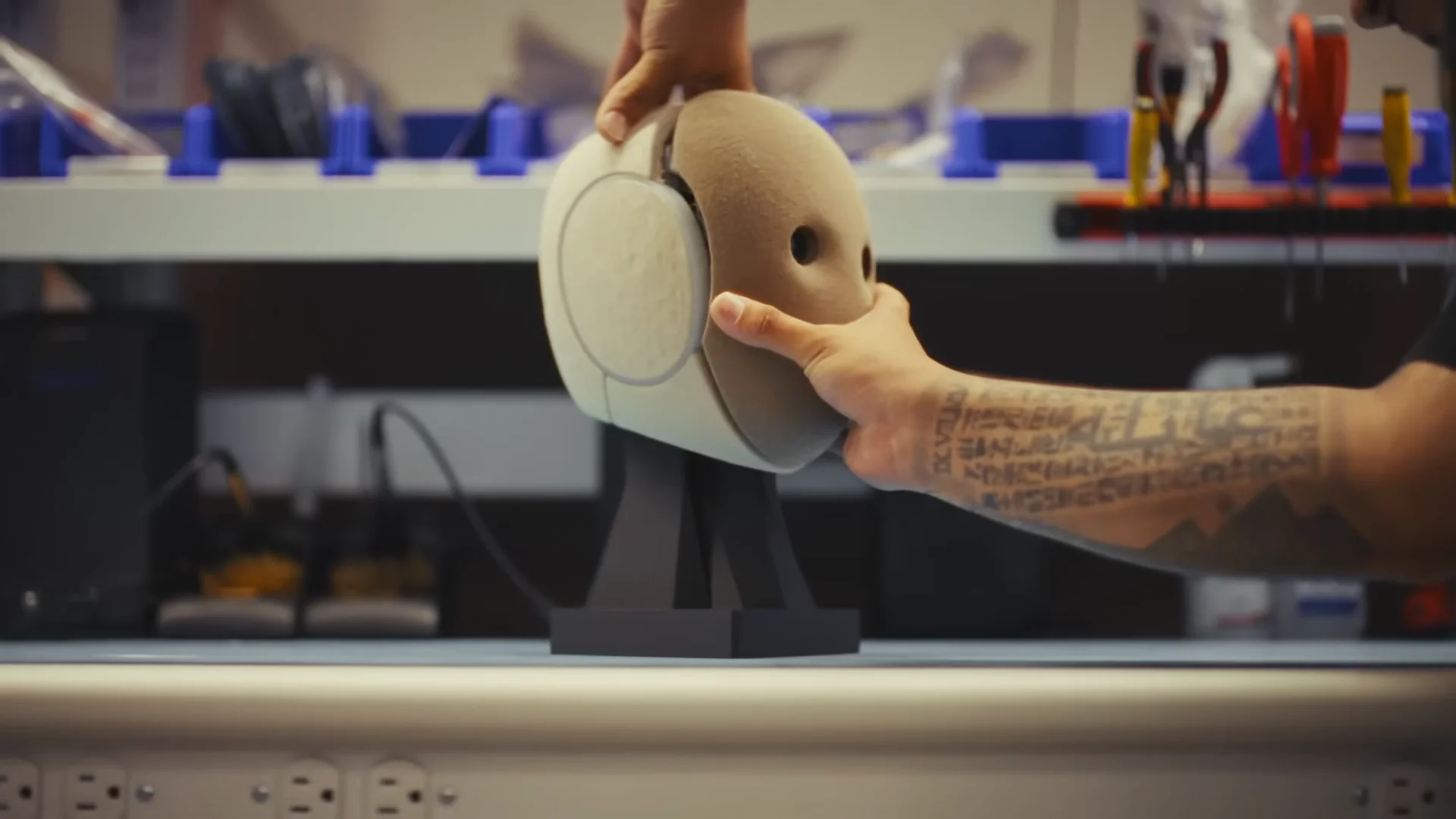
The facility currently employs over 200 staff and was reportedly stood up in just three months. This aggressive expansion follows a preorder campaign that 1X claims booked out its initial production capacity of 10,000 units in just five days. While the company is still targeting a 2026 delivery window for customers, the Hayward site—and a planned facility in San Carlos—are being built to support a staggering goal: 100,000 robots per year by the end of 2027.
The Case for Vertical Integration
While many competitors rely on global supply chains for specialized actuators, 1X is doubling down on a vertically integrated philosophy. The Hayward factory handles nearly every critical subsystem from scratch, including motors, electronics, battery packs, and the robot’s unique tendon-driven anatomy.
“Production makes prototypes look easy. So we built the machine that builds the machines”, stated 1X CEO Bernt Børnich.
The proprietary Revo2 motor—the "heart" of the robot—is manufactured on-site, starting with raw copper spools and steel. 1X claims to have already produced 17,000 motors, utilizing automated lines that wind coils and fabricate stators in-house. This level of control allows the company to optimize for torque-to-weight density while insulating the $20,000 android from geopolitical supply chain volatility.
Follow humanoid robotics without following every announcement.
Get the week’s most important launches, funding and research—and why they matter—in one email from Humanoids Daily.
Once a week. Unsubscribe anytime.
Read recent issuesThe factory also produces NEO’s 22-degree-of-freedom (DoF) hands. This dedicated line includes the molding of proprietary polymers for the robot's "flesh" and the integration of a tactile sensing stack, ensuring the hands can handle the delicate tasks required in domestic environments.
NEO Cortex: NVIDIA at the Edge
Under the hood, 1X revealed that the "NEO Cortex"—the robot's central processing unit—is powered by the NVIDIA Jetson Thor SoC. This hardware enables the robot to run safety-critical functions, perception, and reasoning locally, avoiding the latency associated with cloud-heavy computing.
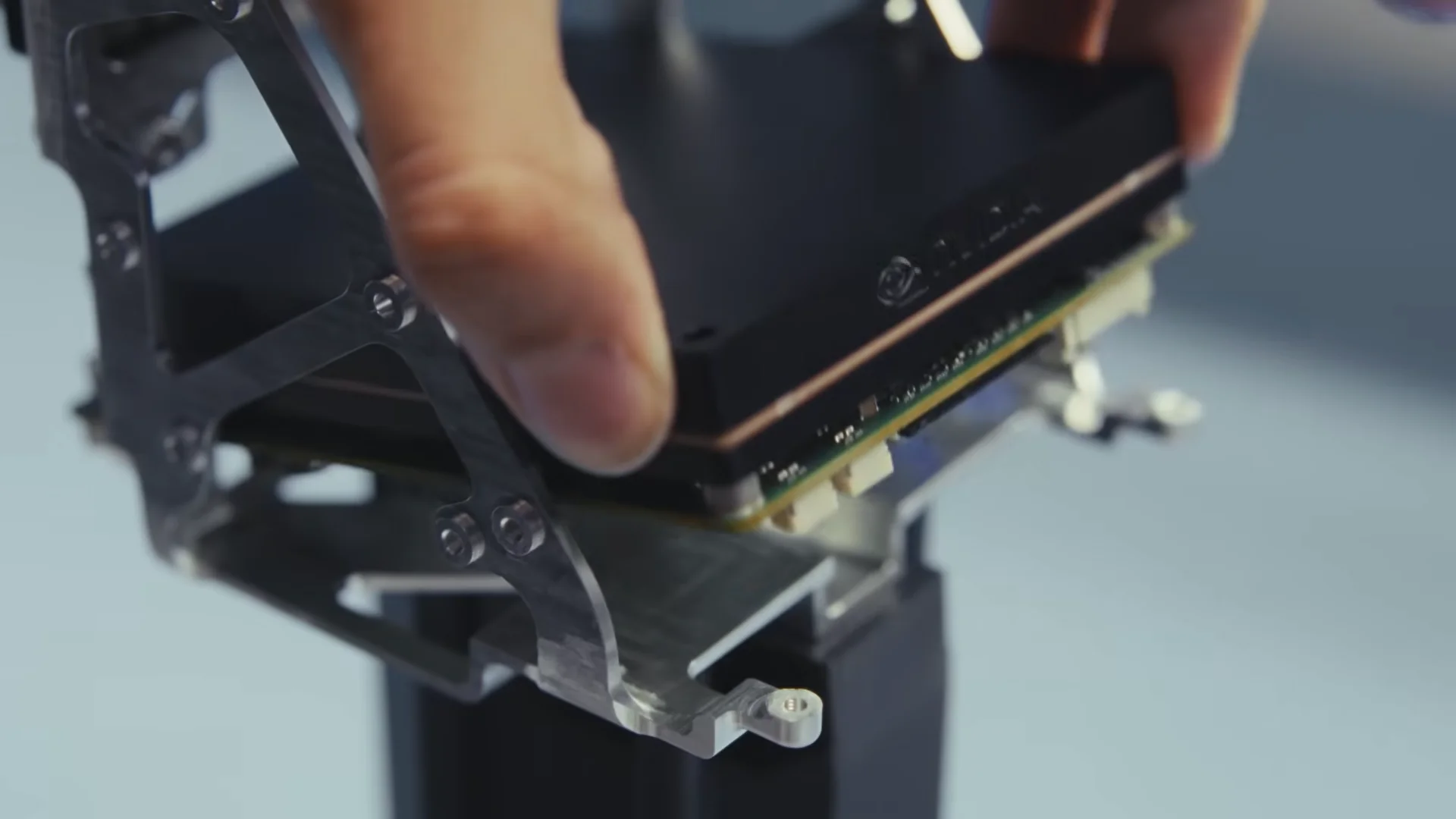
The sensor suite integrated into the Cortex is equally high-spec:
- Vision: Dual 8.85MP stereo fisheye cameras running at 90Hz.
- Audio: Beam-forming microphones for directional sound sensing.
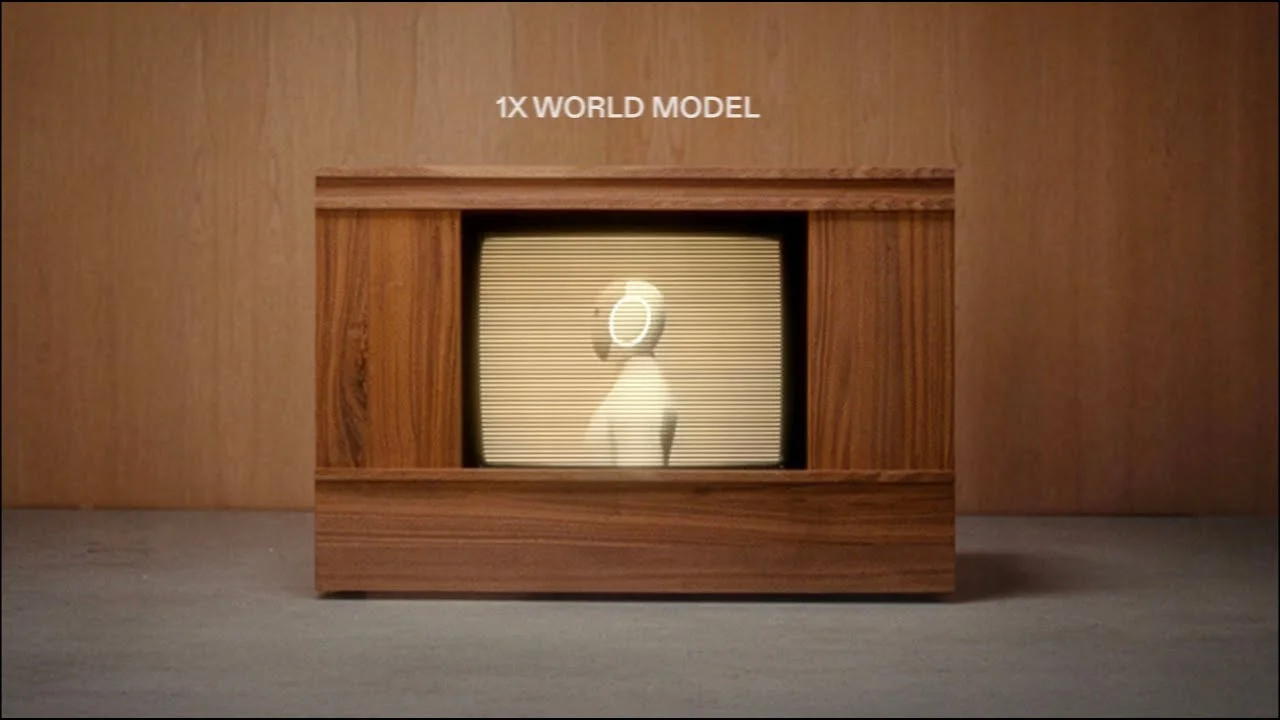
- Inference: On-board real-time AI for the "1X World Model."
Robots Building Robots
In a nod to the "lights-out" manufacturing trends recently highlighted by rival Figure’s 24x throughput surge, 1X confirmed that NEO units are already working on the Hayward floor. These robots are performing logistics tasks and stocking parts for human assembly technicians, effectively serving as the first test subjects for the company's autonomous data collection.
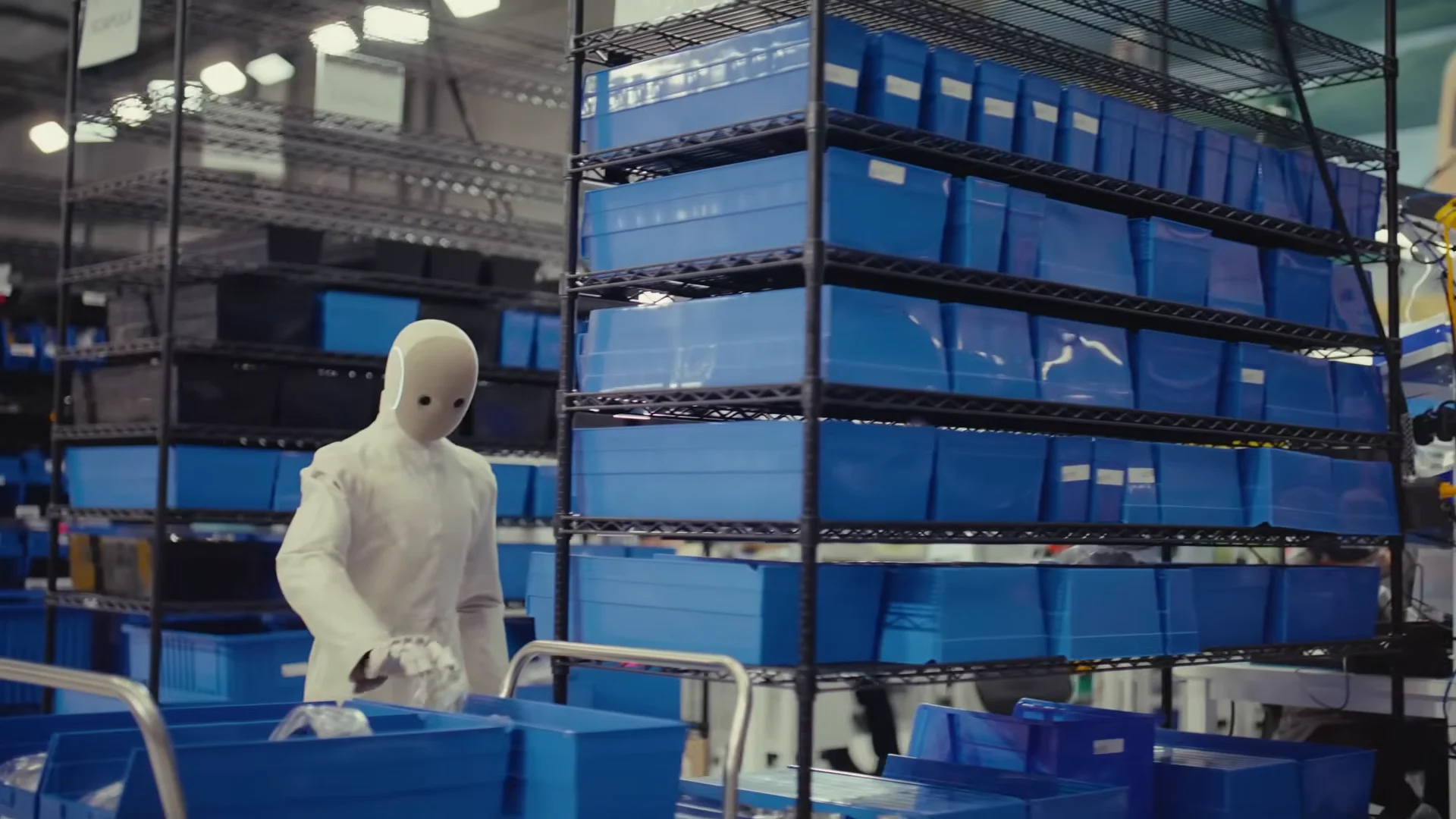
However, 1X remains cautious about the immediate consumer rollout. The company noted that current units rolling off the line are being prioritized for an internal employee home-testing program. This phase is critical for hardening the hardware and refining the software before the first consumer-ready units are shipped to the general public.
As 1X and Figure both race to move beyond the "one robot per hour" milestone, the focus has clearly shifted. The humanoid industry is no longer just about making a machine walk; it is about building the infrastructure to manufacture them by the thousands.
Share this article
Follow humanoid robotics without following every announcement.
Get the week’s most important launches, funding and research—and why they matter—in one email from Humanoids Daily.
Once a week. Unsubscribe anytime.
Read recent issuesRead next
- Published on
- Reading time
- 5 min read
1X Aims to Ship 50,000 Robots—But Keeping Them Working Is the Test
- Published on
- Reading time
- 6 min read
1X CEO Bernt Børnich Predicts "Hard Takeoff" in 3 Years, Details NEO Platform and Data Strategy
- Published on
- Reading time
- 4 min read
One Roof, Four Weeks: Inside 1X’s Vertical Speed Hack as NEO Ramps for 2026 Deliveries
- Published on
- Reading time
- 4 min read
The Robot in the Box: 1X Teases NEO Delivery Logistics as Humanoid Production War Heats Up
- Published on
- Reading time
- 5 min read
1X Unveils 1XWM: The Video-to-Action "Brain" That Lets NEO Imagine Its Chores
- Published on
- Reading time
- 3 min read
Cozy Robotics: 1X Technologies Debuts Lifestyle "Home Collection"