- Published on
24x Throughput: Figure Scales Manufacturing to One Robot Per Hour
One tap, and our reporting appears more often in your Google Top Stories. It makes a real difference to a small newsroom.

- Figure has increased its manufacturing throughput by 24x in under 120 days, moving from producing one robot per day to one robot per hour.
- The company has manufactured over 350 Figure 03 units to date, with a target of 55 humanoids to be built this week alone.
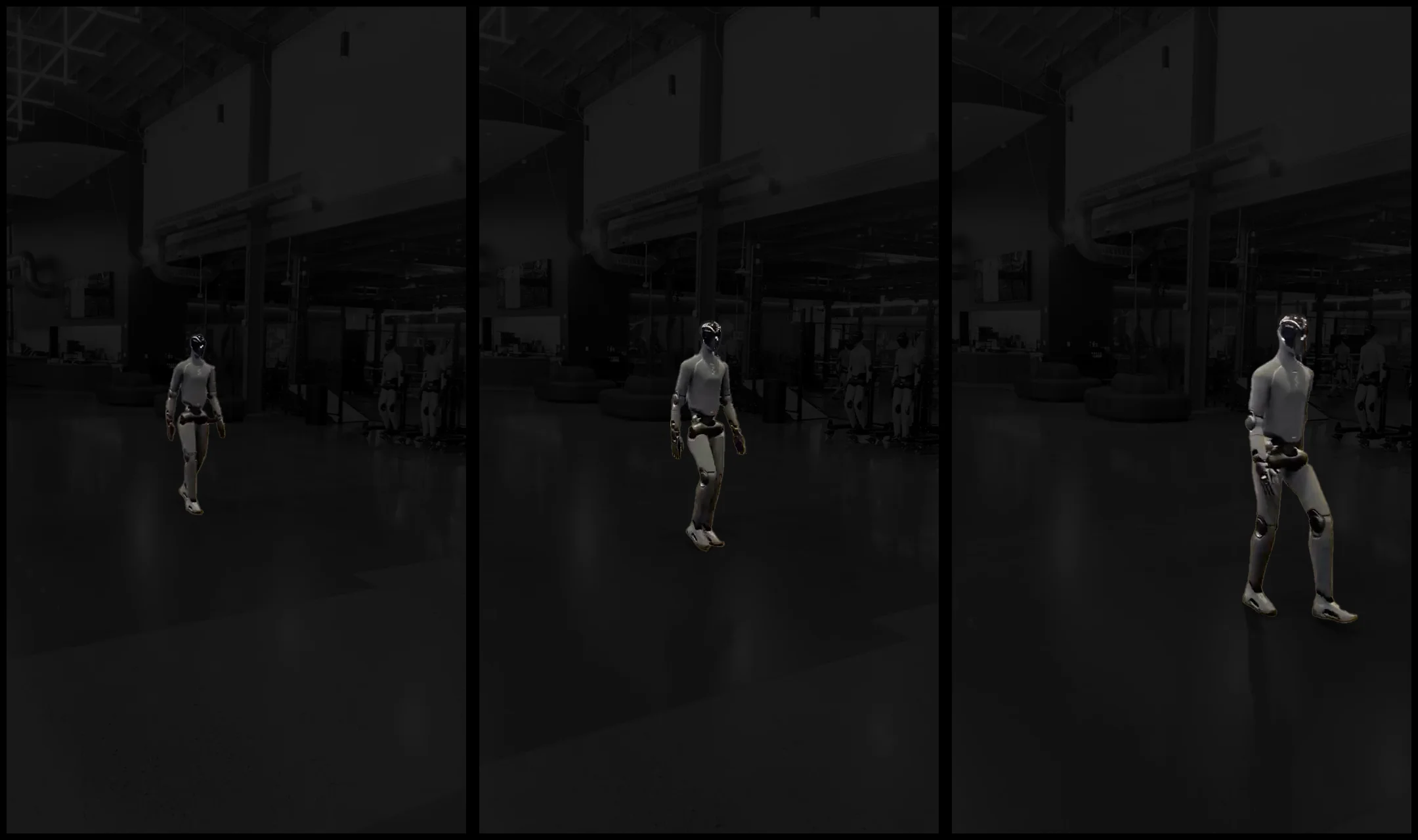
- A new AI milestone, System 0 (S0), allows the Figure 03 to traverse stairs and uneven terrain "zero-shot" by integrating vision into its whole-body control policy.
- Manufacturing maturity at the BotQ facility has reached an 80% first-pass yield, supported by the production of over 9,000 custom actuators.
In the race to achieve industrial-scale humanoid deployment, Figure has shifted from "hockey stick" projections to tangible assembly line results. The Sunnyvale-based robotics firm announced today that its BotQ manufacturing facility has achieved a 24x increase in throughput over the last four months.
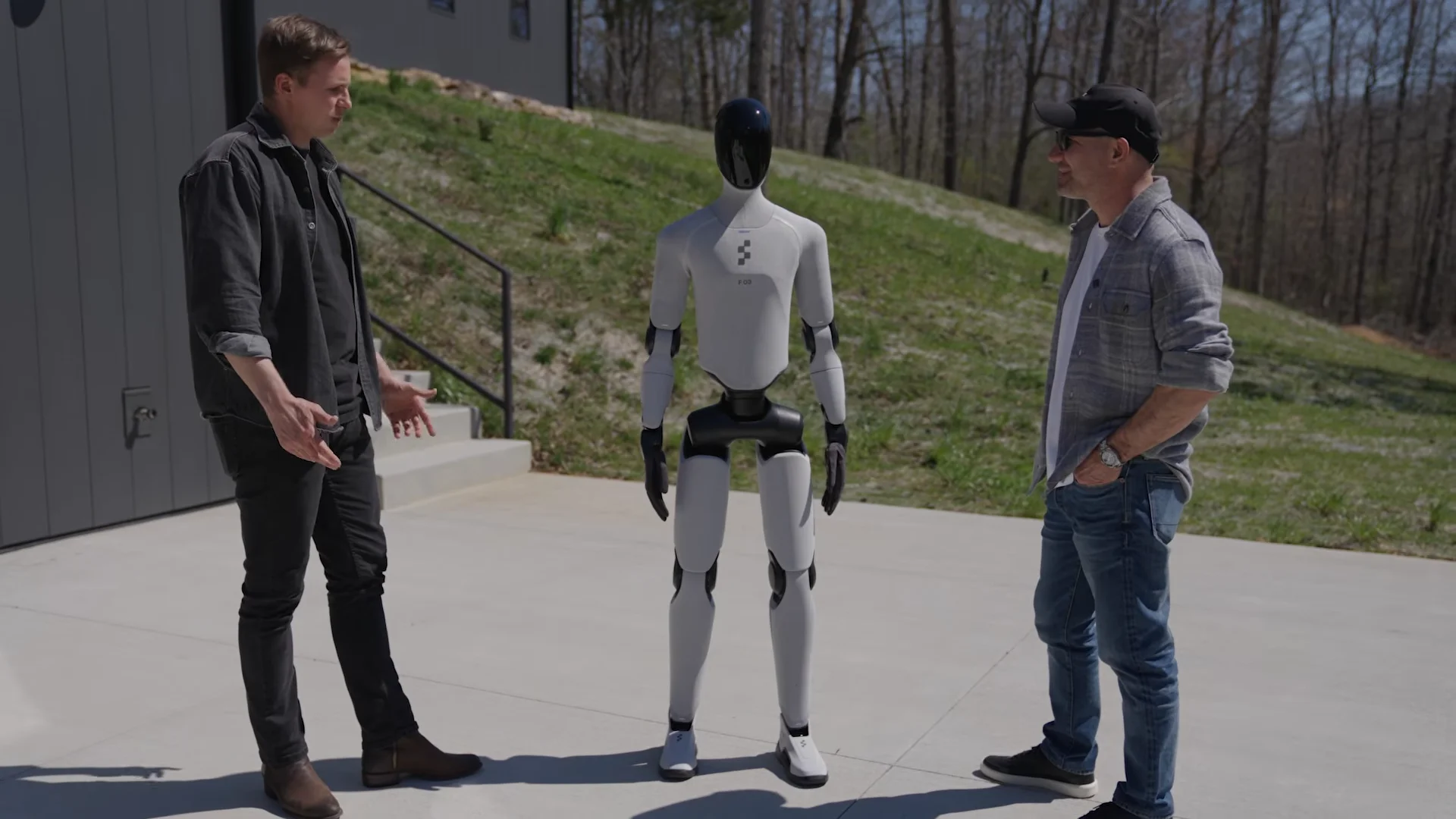
The company is now producing one Figure 03 humanoid every hour, a significant jump from its January rate of one unit per day. CEO Brett Adcock confirmed that the company is on track to manufacture 55 robots this week, signaling that the transition from research-level prototyping to mass manufacturability is effectively complete.

Inside the BotQ Machine
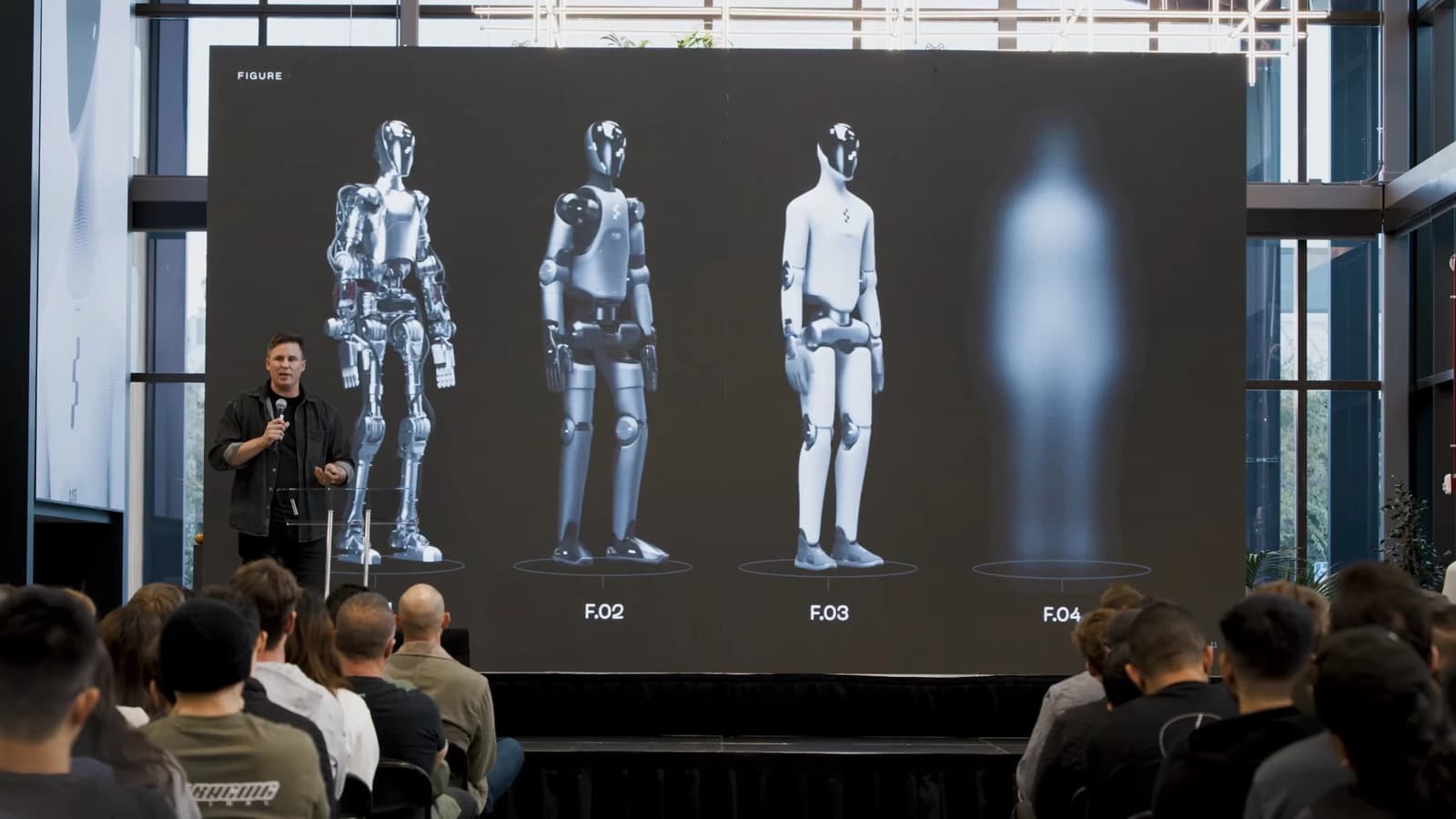
The acceleration at BotQ—the facility Figure claims is central to its supply chain decoupling strategy—is driven by a custom manufacturing execution system (MES) running across 150 networked workstations. Unlike the retired Figure 02 fleet, which relied on lower-volume processes, the Figure 03 was designed for this specific ramp-up.
Key manufacturing metrics released by the company include:
Follow humanoid robotics without following every announcement.
Get the week’s most important launches, funding and research—and why they matter—in one email from Humanoids Daily.
Once a week. Unsubscribe anytime.
Read recent issues- Production Volume: Over 350 Figure 03 units have been delivered to date.
- Component Scale: The facility has manufactured 9,000 actuators across 10 distinct SKUs.
- Yield Rates: End-of-line first-pass yield has surpassed 80%, while the dedicated battery line has achieved a 99.3% yield over 500 packs.
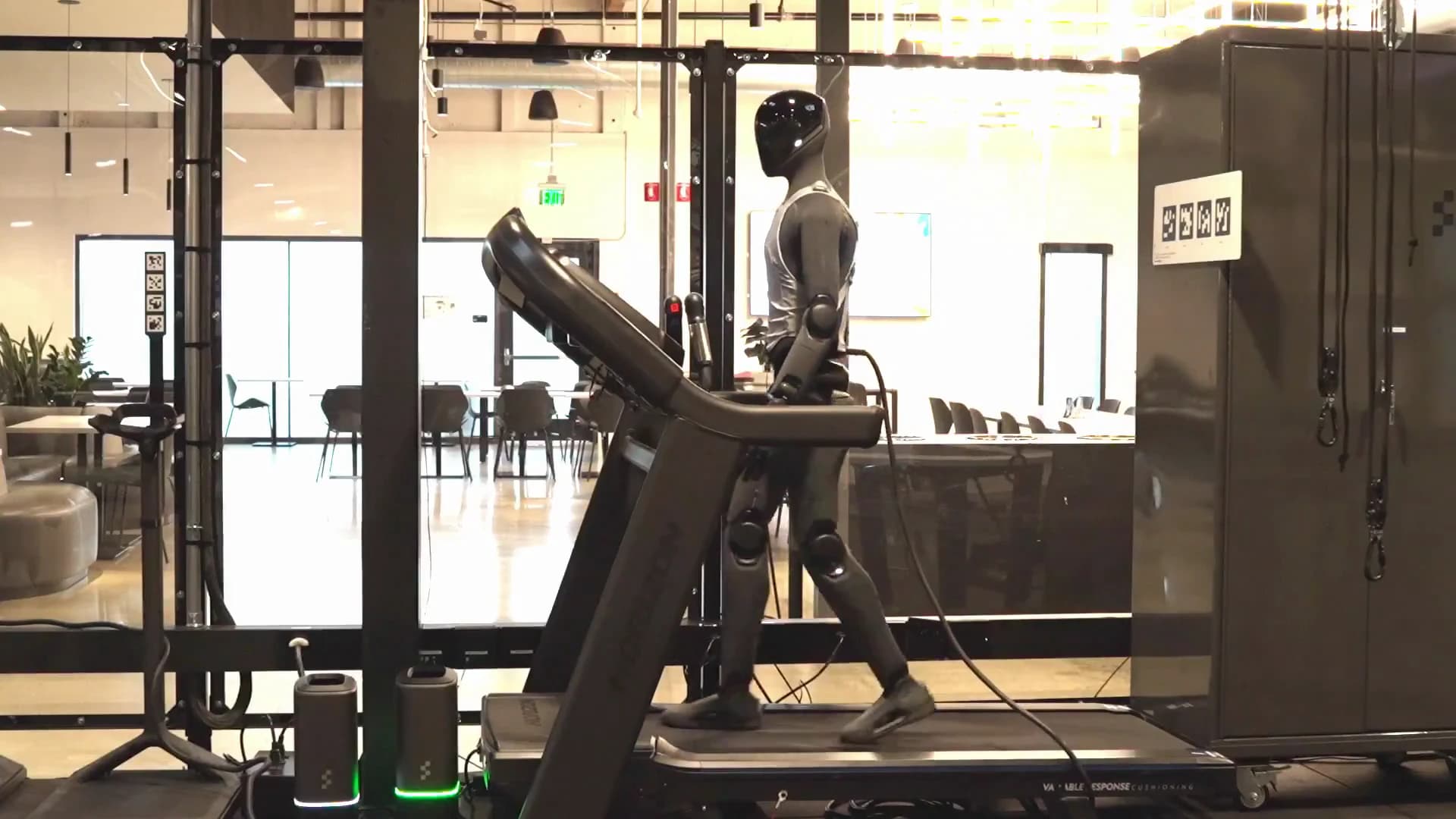
To ensure reliability at this volume, each robot undergoes 80 functional verification tests, including "burn-in" sessions that involve thousands of cycles of squats, presses, and jogging to identify hardware infants deaths before they leave the factory.
System 0: Closing the Perception Gap
Alongside the hardware surge, Figure unveiled a major software update to its System 0 (S0) AI model. Previously, the robot's whole-body controller was "blind," relying on proprioception (sensing its own limb positions) to walk on flat ground. While stable, this made stairs and ramps impossible without hand-tuned code.
The new "perception-conditioned" S0 integrates RGB images from the head cameras directly into the control policy. By passing vision through a stereo model that creates a 3D representation of the world, the robot can now "see" the obstacles it is stepping on.

Remarkably, Figure claims this capability was achieved via zero-shot transfer. The AI was trained entirely in simulation across thousands of randomized terrains and deployed to physical hardware without any real-world fine-tuning. This effectively bridges the "sim-to-real" gap that has long hindered autonomous locomotion in unstructured environments.
Solving the "Long Tail" of Failures
The purpose of scaling the fleet to hundreds of units is not just for commercial delivery, but for data collection. Adcock notes that a larger fleet allows Figure to encounter "invisible" failures that only appear after thousands of cumulative operating hours.

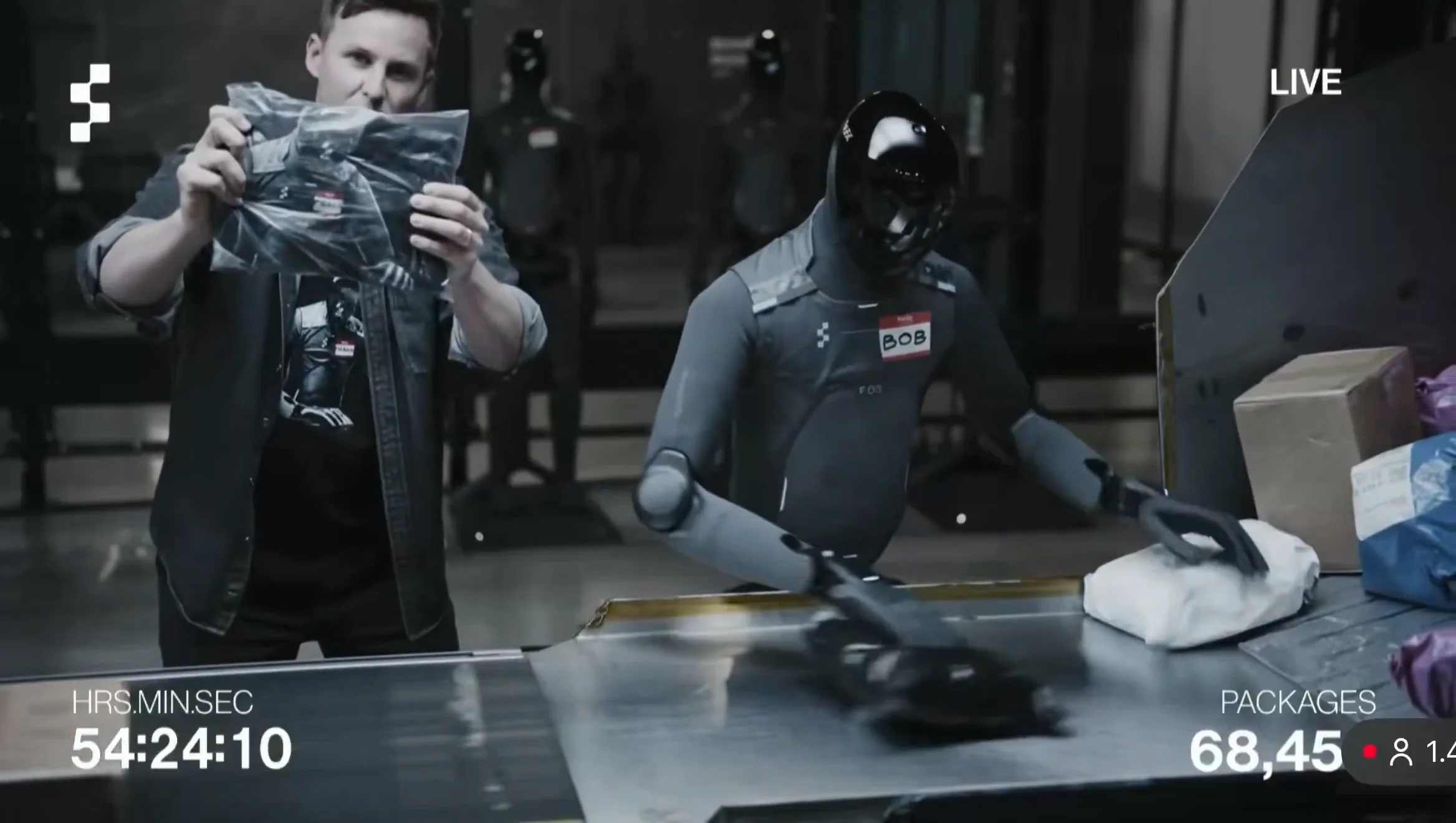
To manage this growing population of machines, Figure has deployed an internal Field Service Management system and a Fleet Management System. These tools allow the company to track real-time health and deploy Over-the-Air (OTA) updates to the entire fleet simultaneously. This infrastructure is critical for the 24/7 autonomous operations Figure is currently running in Sunnyvale.
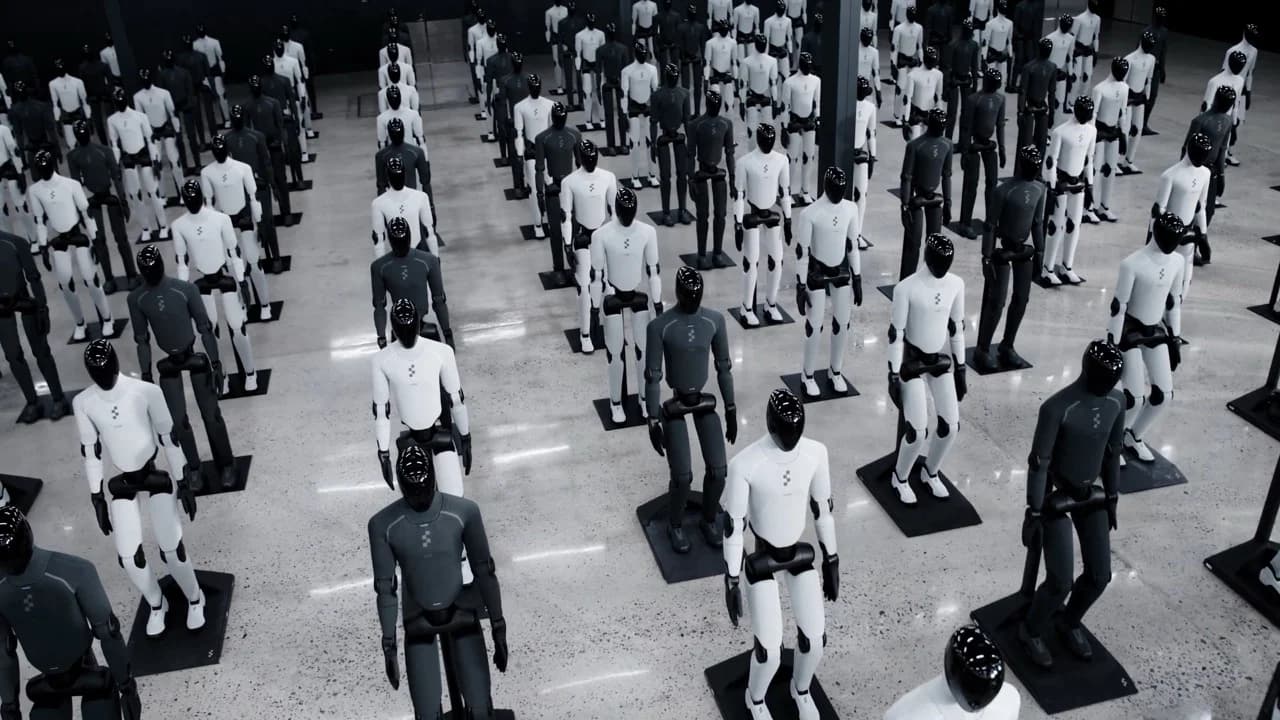
As production approaches the target of 50,000 units per year, Figure is shifting its focus from high-frequency bugs to the "long tail" of edge cases. With a production rate of one robot per hour, the company is now generating the data streams required to harden its Helix 02 architecture for the messy reality of both industrial floors and residential homes.
Share this article
Follow humanoid robotics without following every announcement.
Get the week’s most important launches, funding and research—and why they matter—in one email from Humanoids Daily.
Once a week. Unsubscribe anytime.
Read recent issuesRead next
- Published on
- Reading time
- 8 min read
Beyond the 60-Hour Mark: Figure AI’s Endurance Marathon Signals Playbook for Figure 4 and Supply Chain Independence
- Published on
- Reading time
- 3 min read
Compute War Chest: Figure and Hark Secure Full Datacenter of NVIDIA B200s
- Published on
- Reading time
- 4 min read
"I Fired Them": Brett Adcock on the OpenAI Split, Robot Self-Repair, and the Kid-Safety Test
- Published on
- Reading time
- 3 min read
Lights-Out in Sunnyvale: Figure 03 Fleet Shifts to 24/7 Autonomous Operation
- Published on
- Reading time
- 4 min read
The End of C++: Brett Adcock on Helix 02 and Figure’s Path to "Room-Scale" Autonomy
- Published on
- Reading time
- 3 min read
Figure AI Secures Over $1B to Accelerate Humanoid Robot Rollout