- Published on
Audi Tests Agile Robots’ Mobile Humanoids for Automotive Parts Sequencing
One tap, and our reporting appears more often in your Google Top Stories. It makes a real difference to a small newsroom.

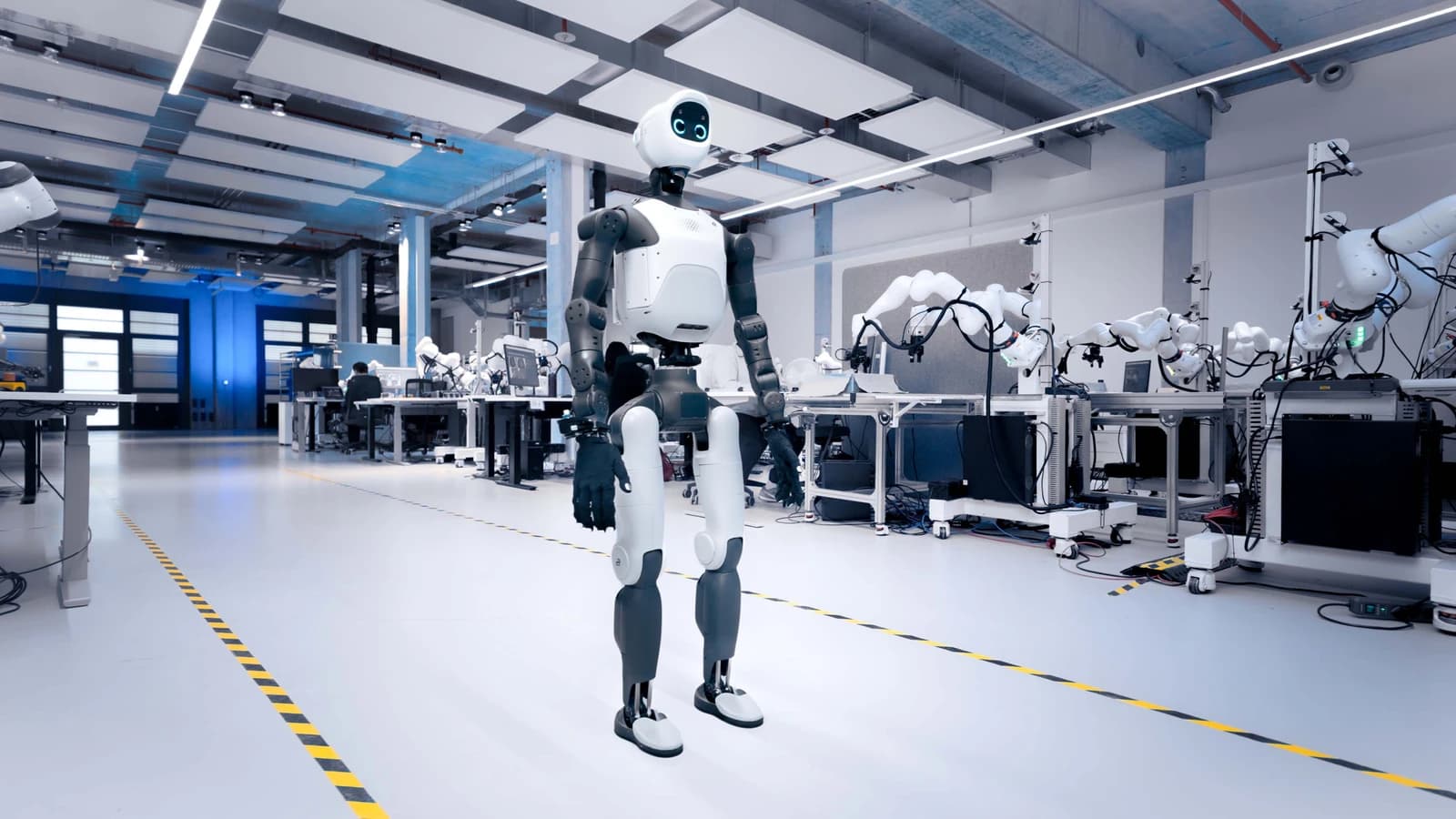
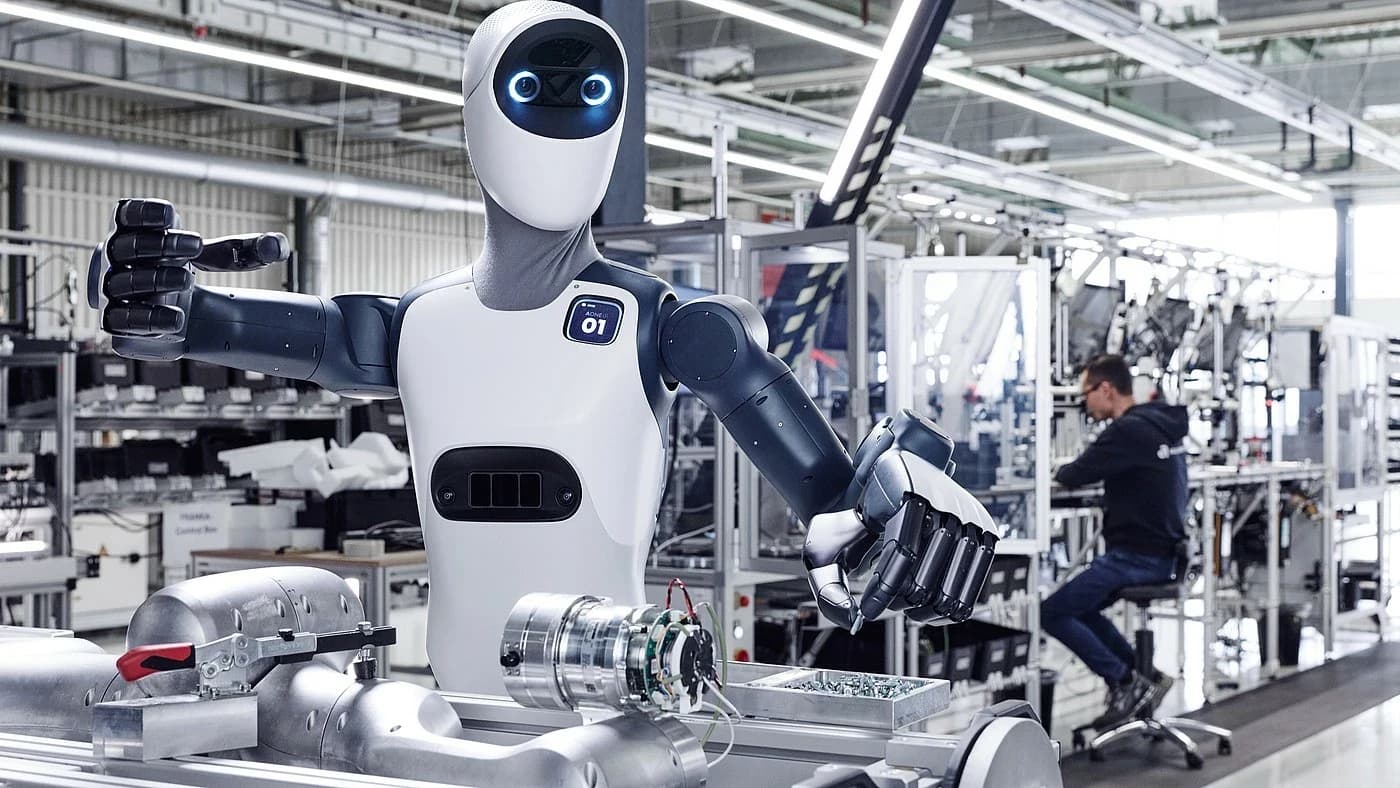
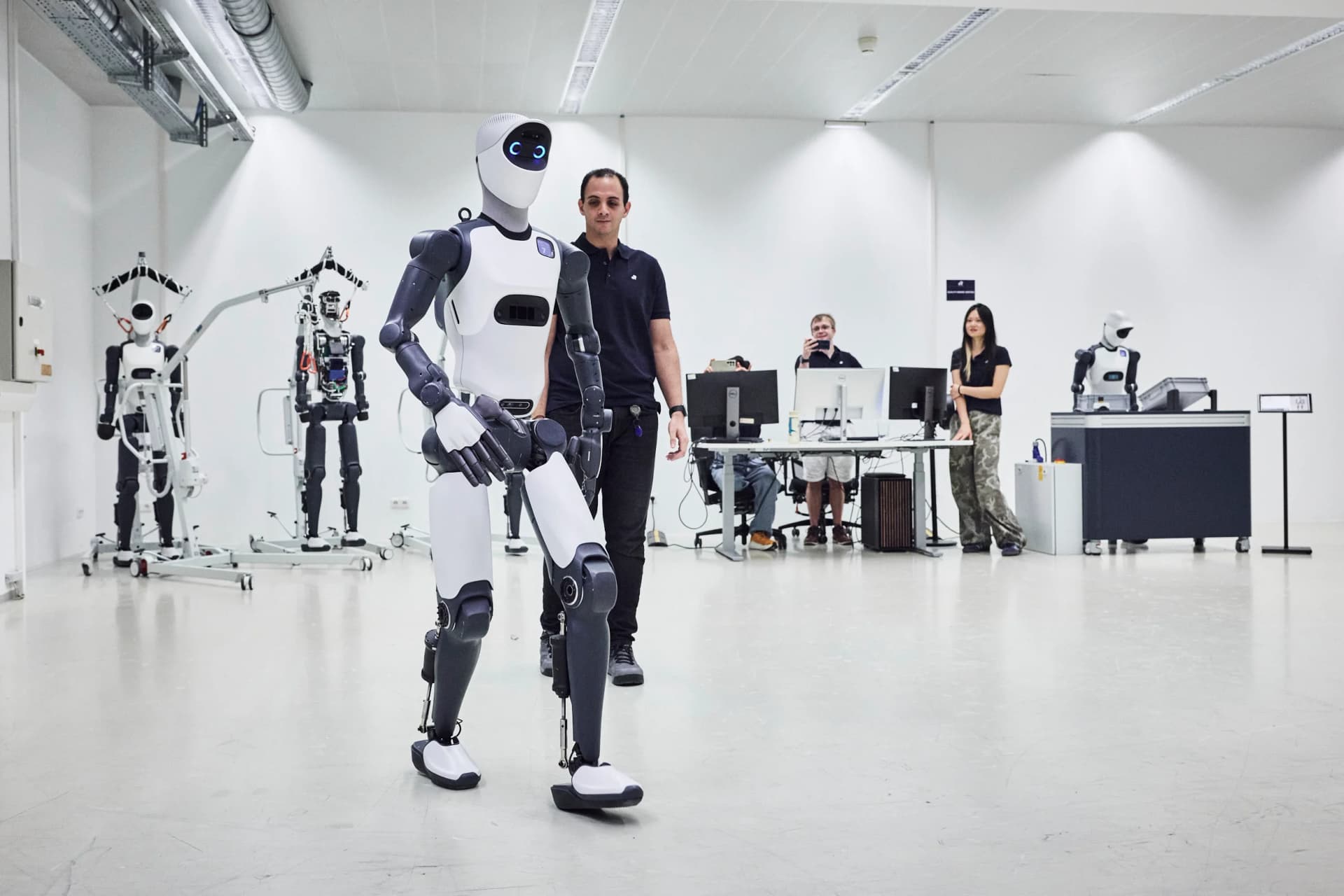
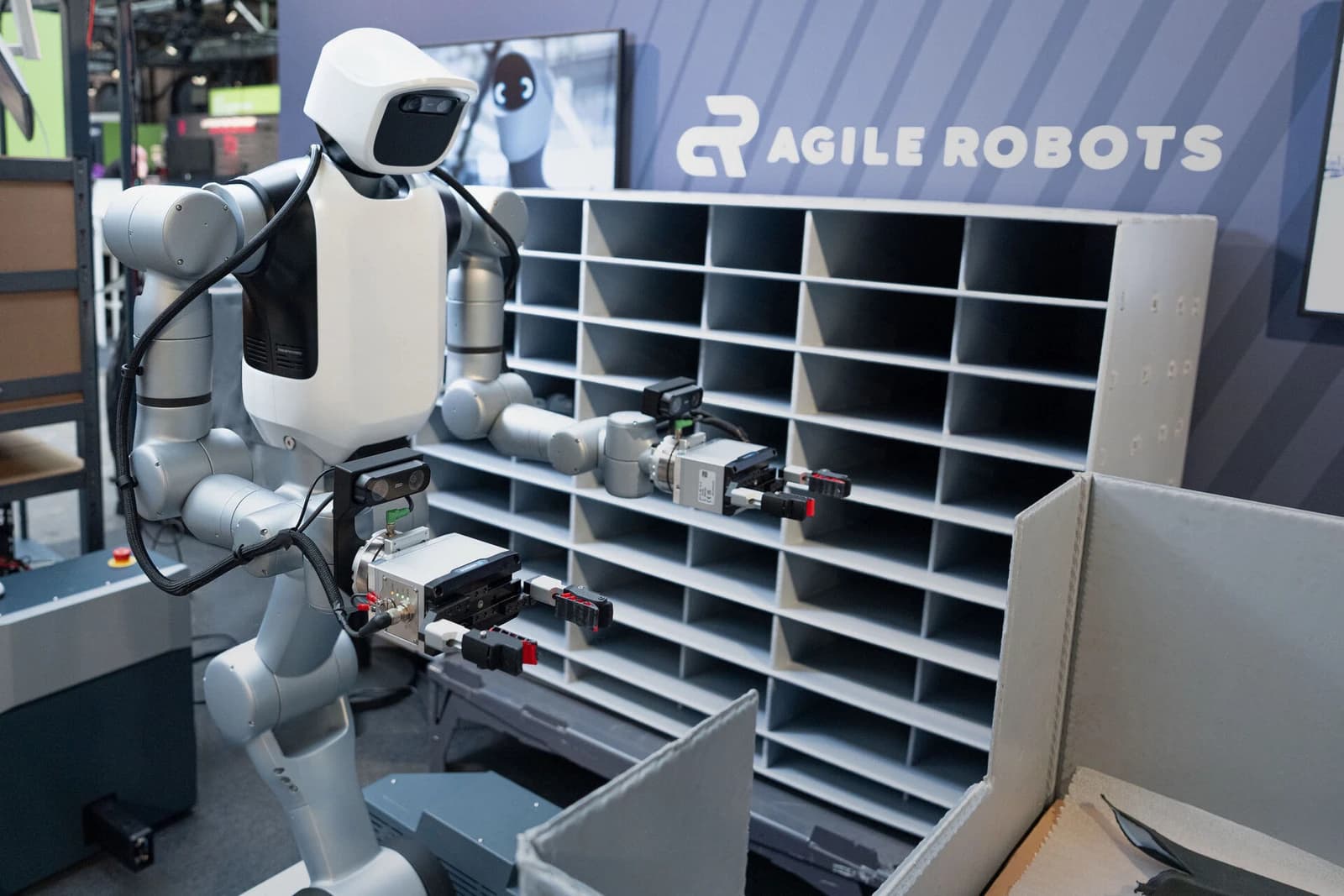
Audi is testing Agile Robots’ mobile humanoids for parts sequencing at its Ingolstadt Production Lab, adding another automotive project to the growing list of humanoid trials. Announced on October 21 at NVIDIA GTC Berlin, the proof of concept involves Dassault Systèmes and NVIDIA.
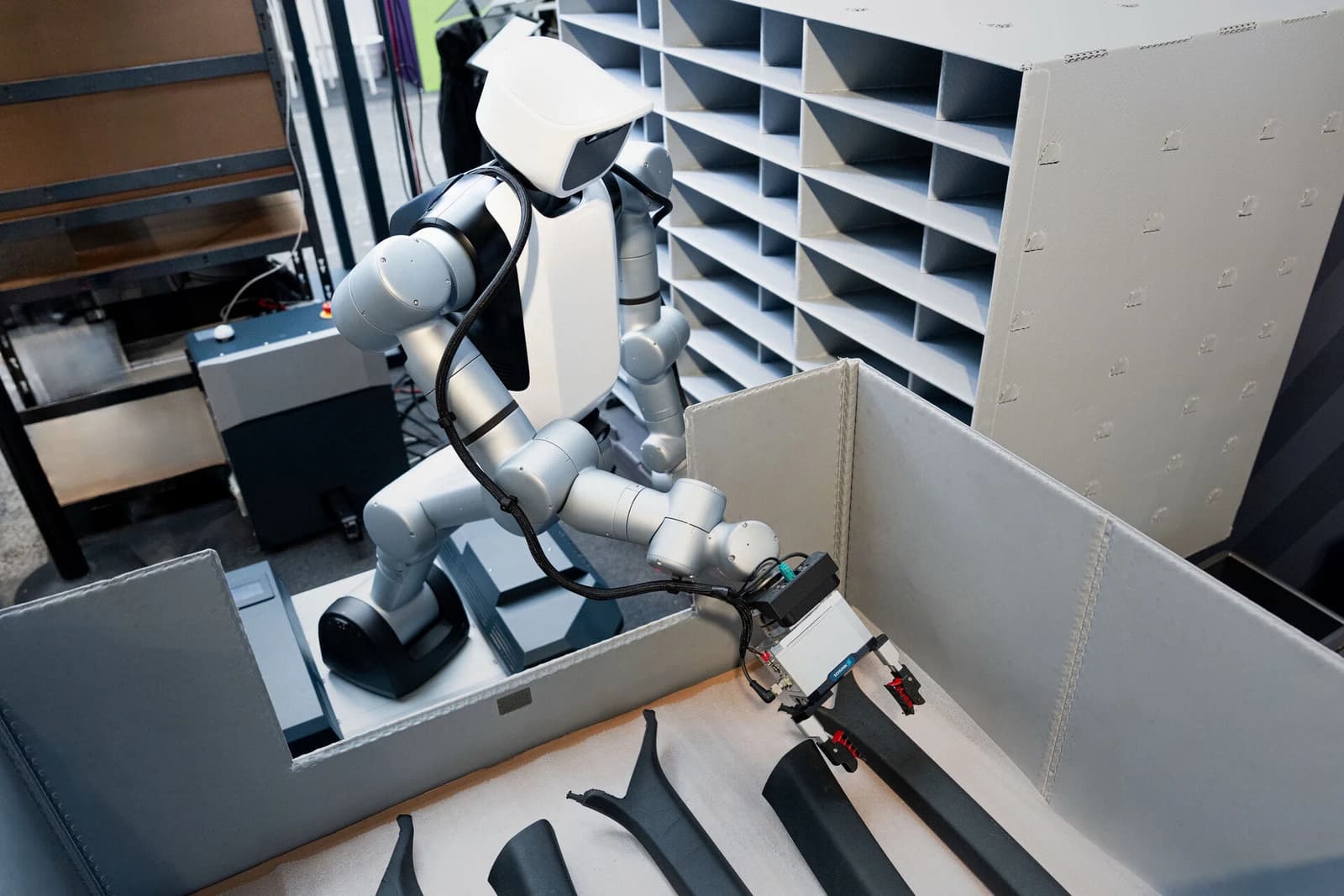
- Audi’s project targets picking components from containers and arranging them for assembly.
- Agile Robots supplies mobile humanoids, while Dassault Systèmes and NVIDIA support virtual testing.
- The announcement describes a proof of concept, without quantified performance results or a factory-wide rollout timetable.
Getting the right parts to assembly
According to Audi’s announcement, its material-supply operations involve around one million picks daily. That is the existing workflow’s scale, not the robots’ demonstrated throughput.
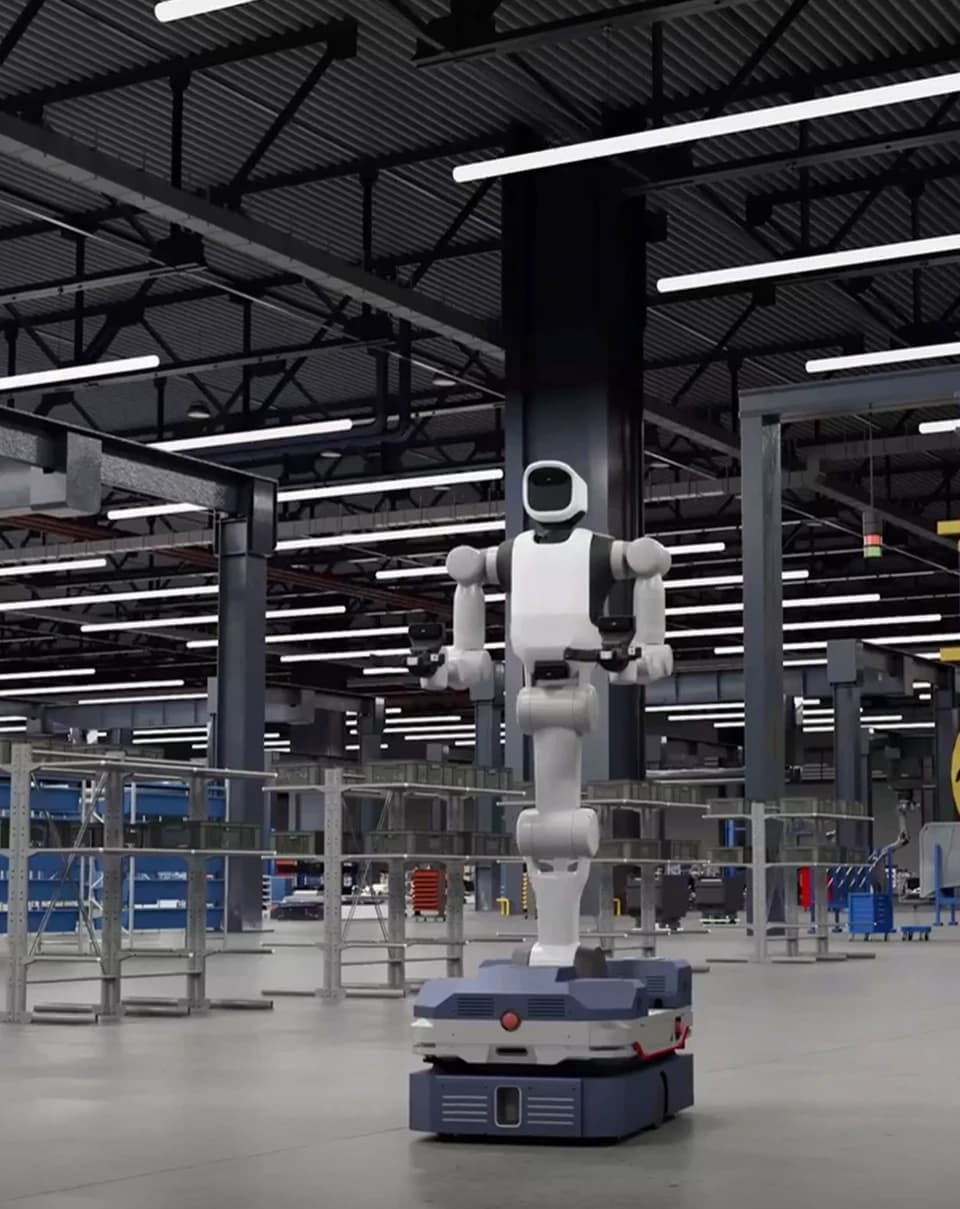
The robots combine dual-arm manipulation and human-height reach with a mobile base. The partners aim to handle varied, flexible and unsorted components in existing logistics environments.
A virtual twin built with DELMIA on Dassault Systèmes’ 3DEXPERIENCE platform, using NVIDIA Omniverse libraries, will support checks on feasibility, timing, ergonomics and safety before wider deployment. Audi contributes the sequencing requirements and operational expertise.
Follow humanoid robotics without following every announcement.
Get the week’s most important launches, funding and research—and why they matter—in one email from Humanoids Daily.
Once a week. Unsubscribe anytime.
Read recent issuesAutomakers converge on material handling
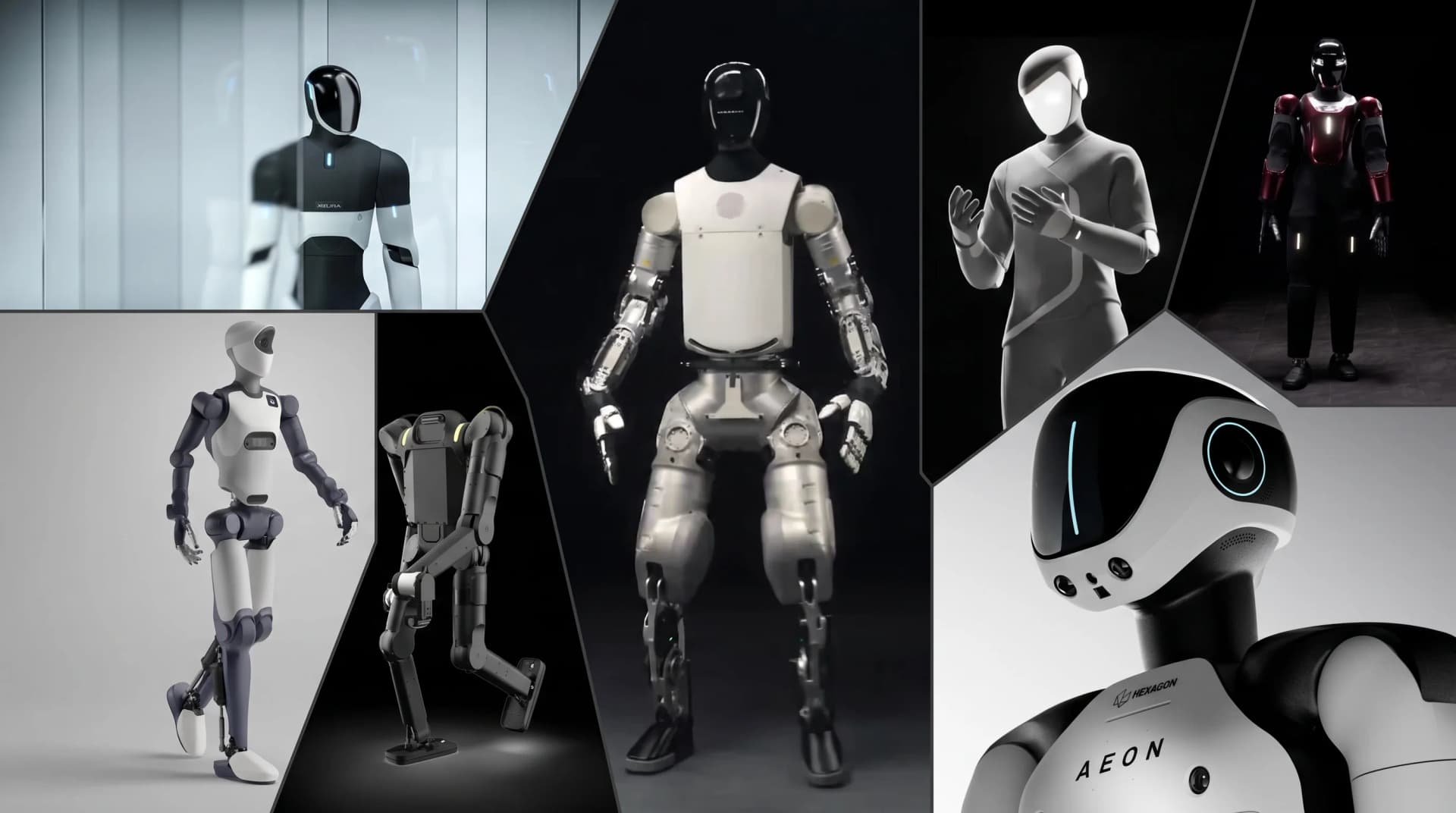
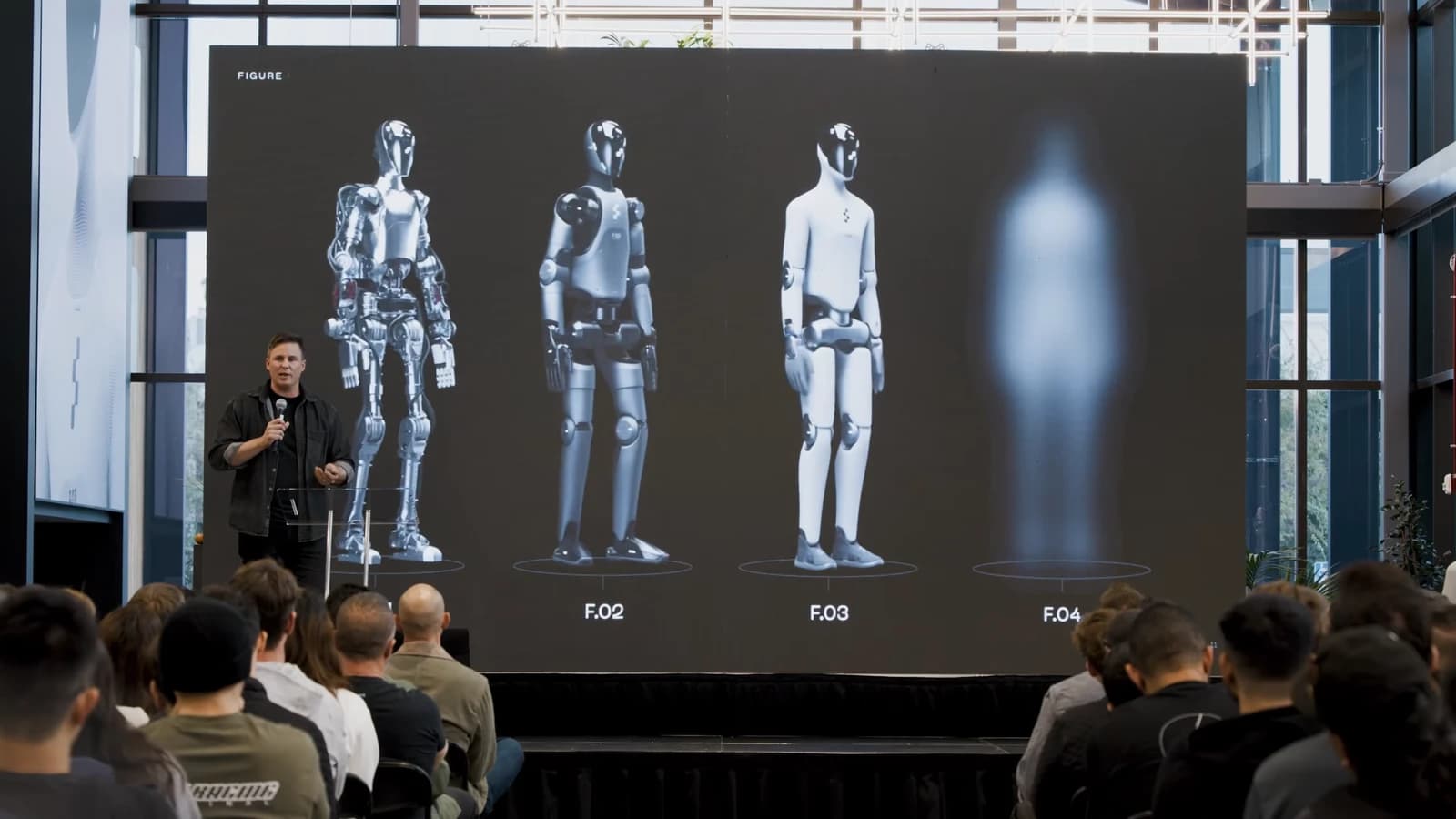
One close parallel is BMW’s Figure 03 project at Spartanburg. As we reported in June, that work also focuses on sequencing: taking unsorted components from larger containers and placing them into trolleys for onward delivery to assembly. BMW has also announced a project with Hexagon’s AEON at Leipzig, exploring applications including component manufacturing and high-voltage battery assembly.
Boston Dynamics is pursuing the same use case with Atlas at its Robotics Metaplant Application Center at Hyundai’s Georgia manufacturing campus. The center opened in September with an initial focus on automotive parts sequencing. Hyundai’s roadmap targets factory deployment from 2028, making this a training effort ahead of planned production use.
Toyota Motor Manufacturing Canada’s agreement with Agility Robotics, announced in February after a pilot, provides another example of automotive demand for humanoids in production and logistics. These projects are at different stages; a commercial agreement and an experimental use case should not be treated as equivalent deployment milestones.
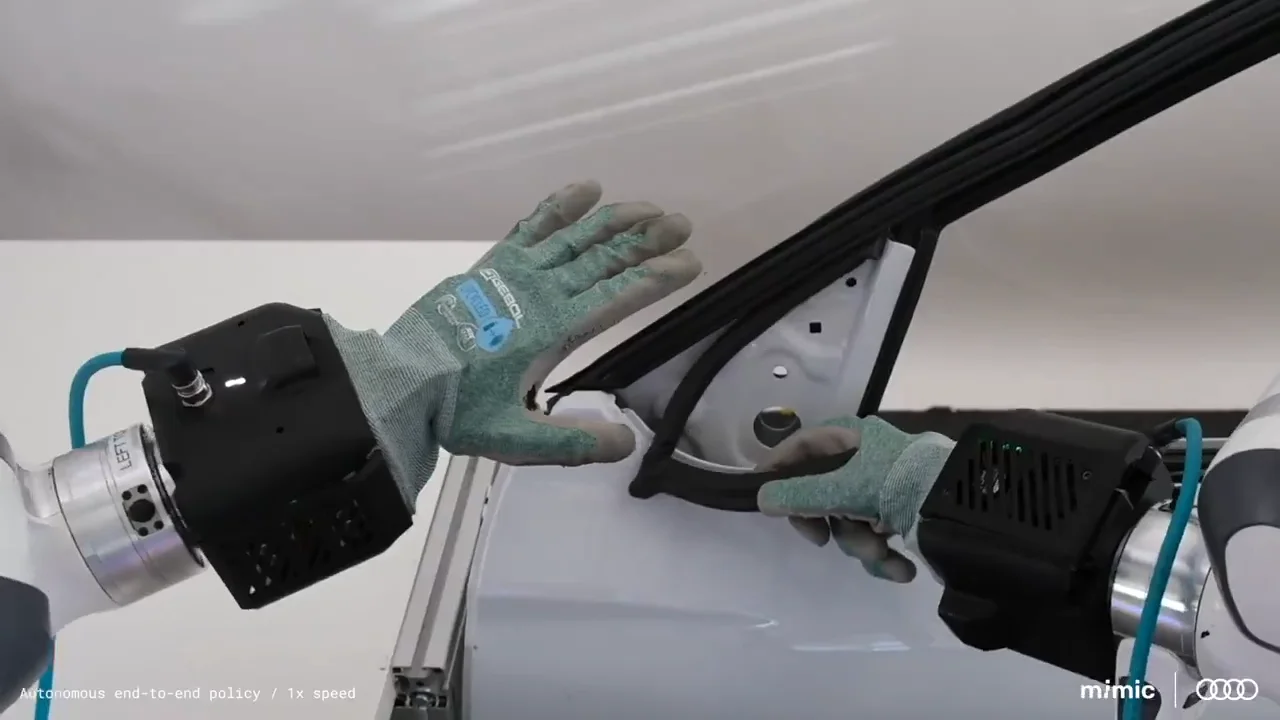
Audi itself has already explored another part of the manipulation problem through its collaboration with Mimic Robotics. That demonstration involved two robotic arms installing a flexible weather seal onto a car door frame. The Agile Robots project addresses the supply of components rather than that assembly task.
The business case depends on consistency
Sequencing is a useful test of industrial robotics because success is more demanding than simply grasping an object. A system must identify the correct component, handle it without damage and put it in the required position and order, repeatedly and at a useful pace.
The comparison across automakers points to a practical question: can increasingly adaptable robots close material-handling gaps without requiring extensive changes to the factory around them?
For Audi’s trial, the next meaningful evidence would be sustained pick rates, intervention frequency, component coverage and operating cost. Virtual testing can help engineers prepare a deployment; the production case ultimately depends on consistent physical performance.
Share this article
Follow humanoid robotics without following every announcement.
Get the week’s most important launches, funding and research—and why they matter—in one email from Humanoids Daily.
Once a week. Unsubscribe anytime.
Read recent issuesRead next
- Published on
- Reading time
- 4 min read
Audi Partners with Mimic Robotics for AI-Driven Automotive Assembly
- Published on
- Reading time
- 3 min read
Agile Robots Unveils Agile ONE SN as NVIDIA Expands Its Isaac Robotics Platform
- Published on
- Reading time
- 2 min read
Agile Robots and Hitachi Partner on Physical AI for Manufacturing
- Published on
- Reading time
- 25 min read
The Humanoids of Europe: Built by Their Customers
- Published on
- Reading time
- 7 min read
Agile Robots CEO Predicts Physical AI Will Surpass Automotive by 10x
- Published on
- Reading time
- 5 min read
SoftBank in Talks to Back Agile Robots in $800 Million Funding Round