- Published on
BMW Brings "Physical AI" to Germany with Hexagon’s AEON Humanoid
One tap, and our reporting appears more often in your Google Top Stories. It makes a real difference to a small newsroom.

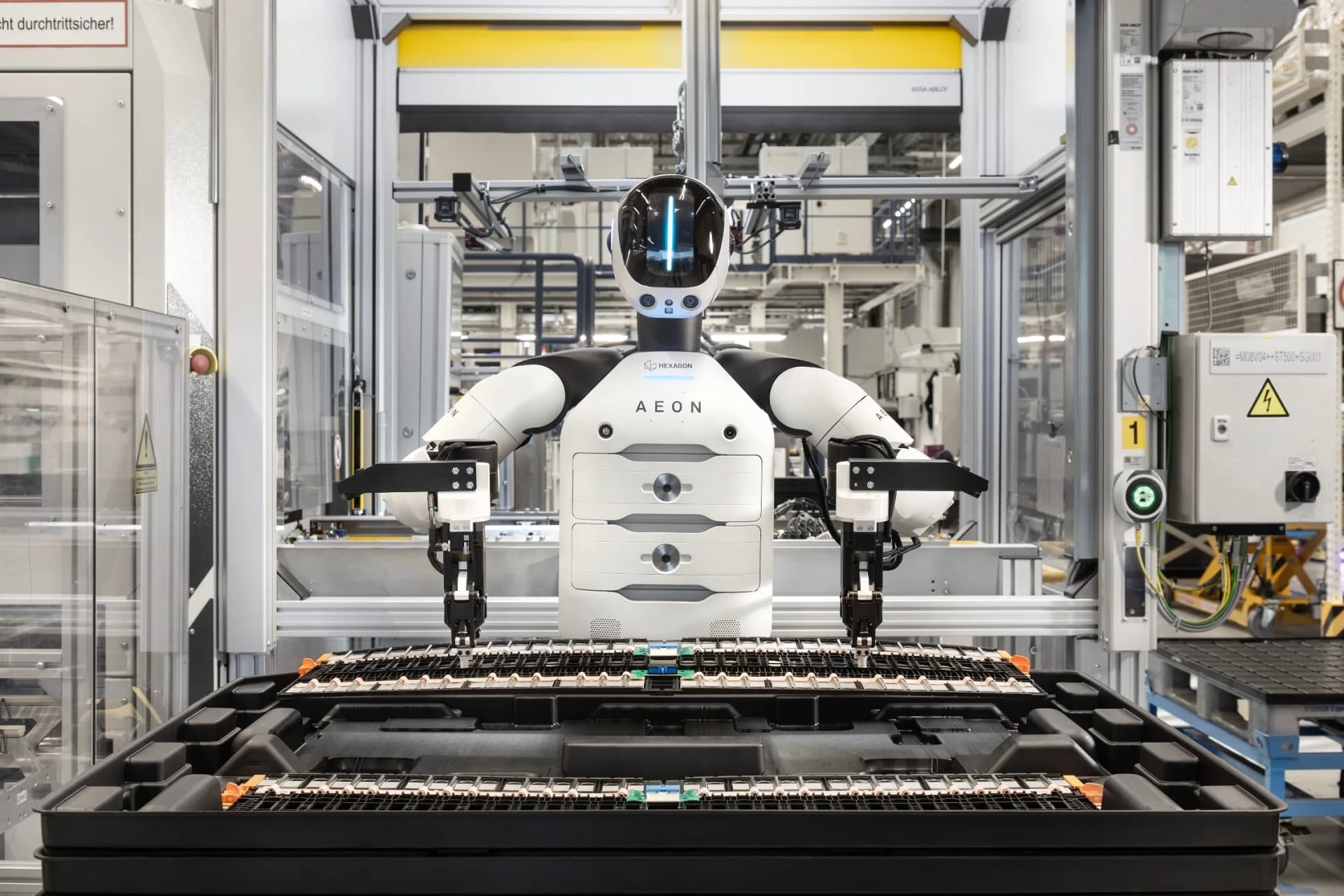
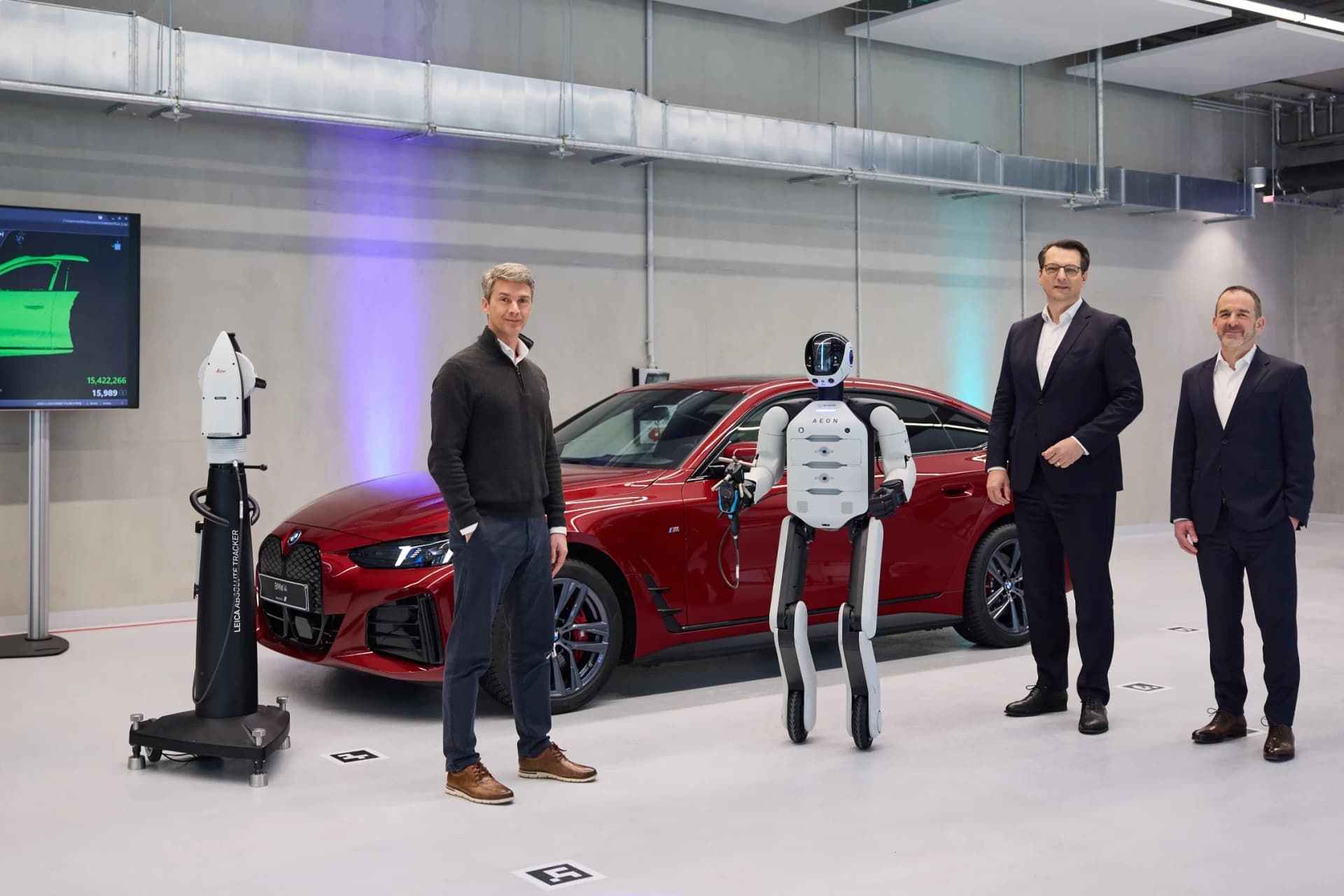
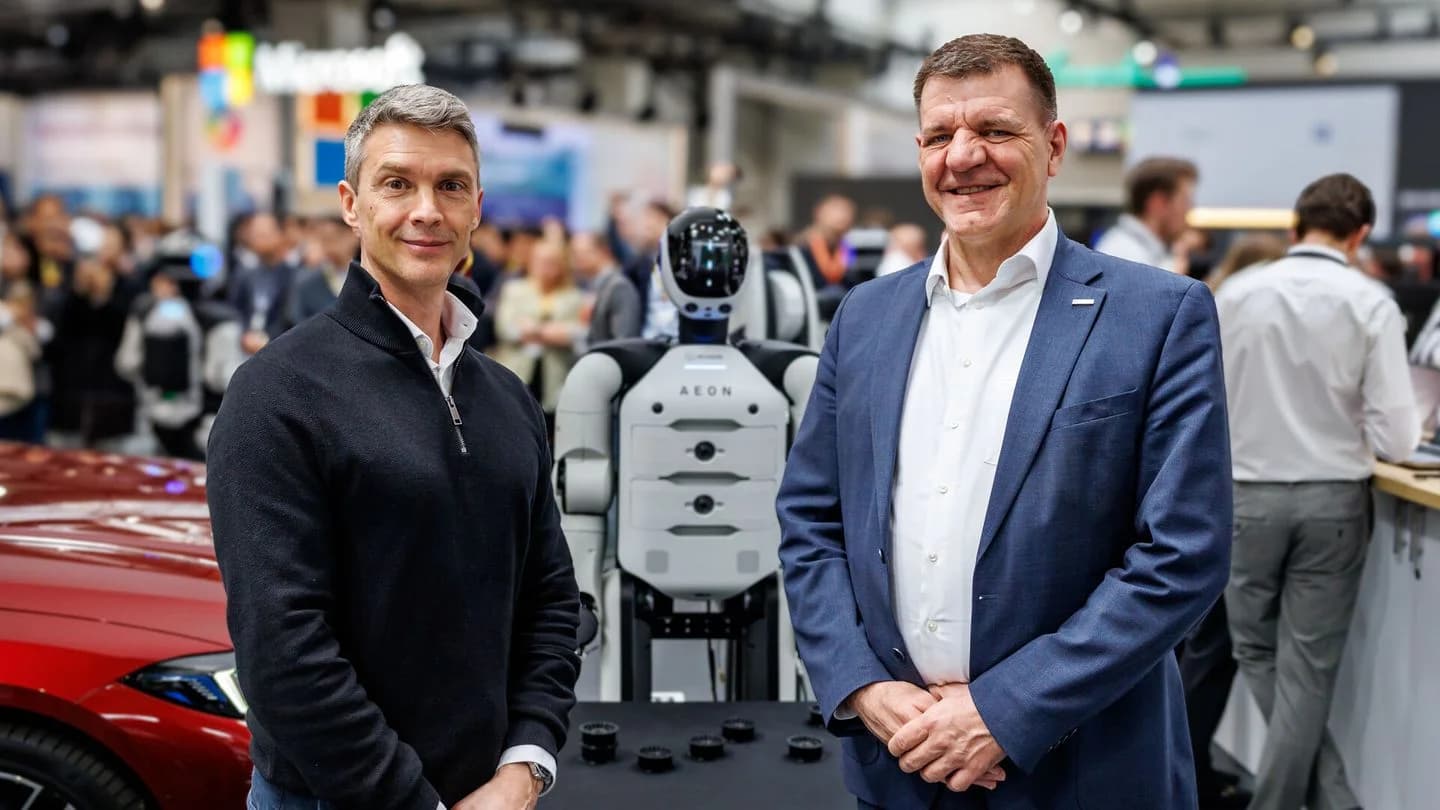
BMW is officially bringing its humanoid robotics strategy to its home turf. The automaker announced today that it will deploy the AEON humanoid robot at its Leipzig plant, marking the first time the company has integrated such machines into its German production lines.
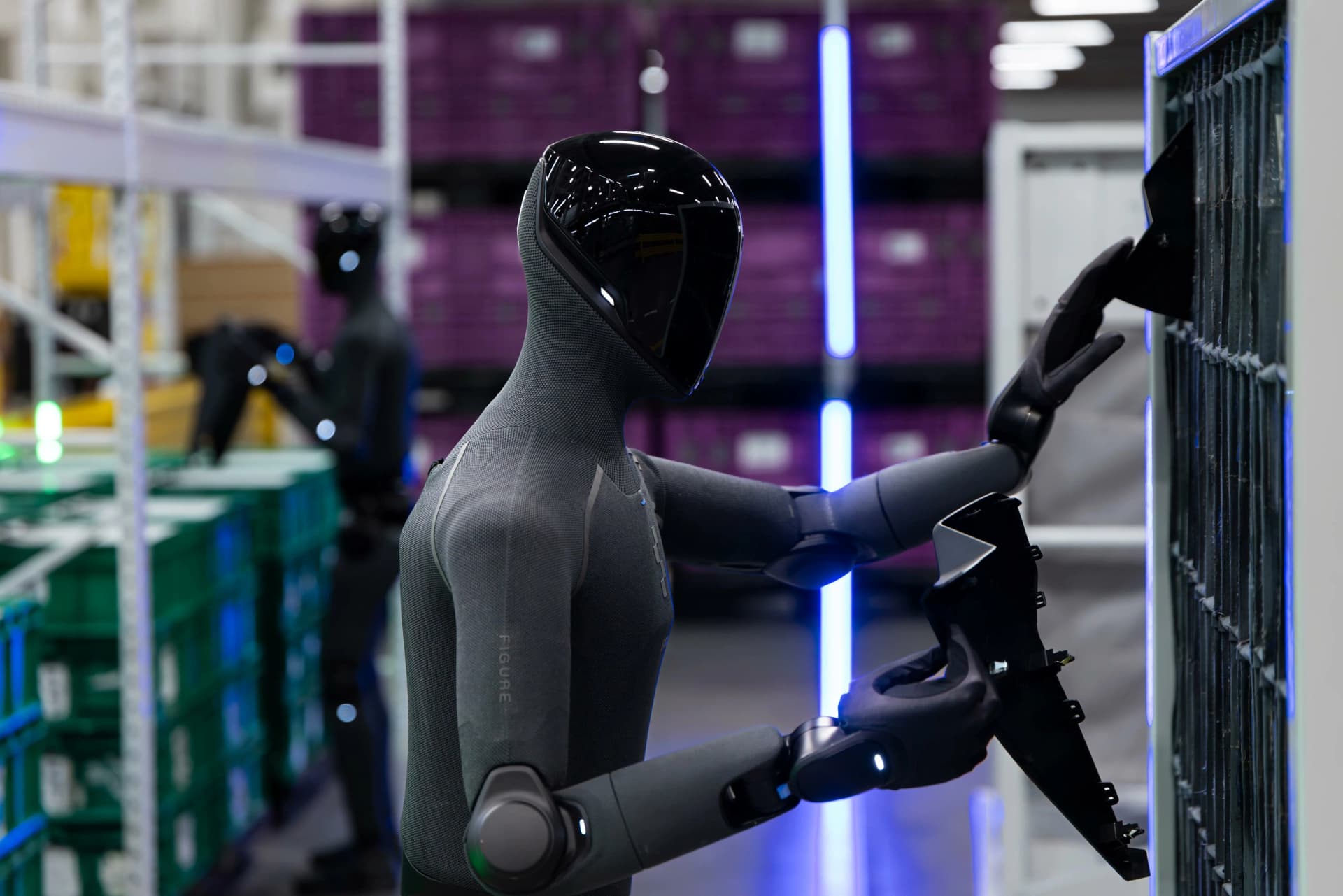
The move is part of a broader push into "Physical AI"—the convergence of digital artificial intelligence with mobile, manipulative hardware. This European expansion follows an intensive 11-month residency at BMW’s Spartanburg facility in the United States, where Figure AI’s F.02 fleet was recently retired after assisting in the production of 30,000 vehicles.
The Shift to Multifunctionality
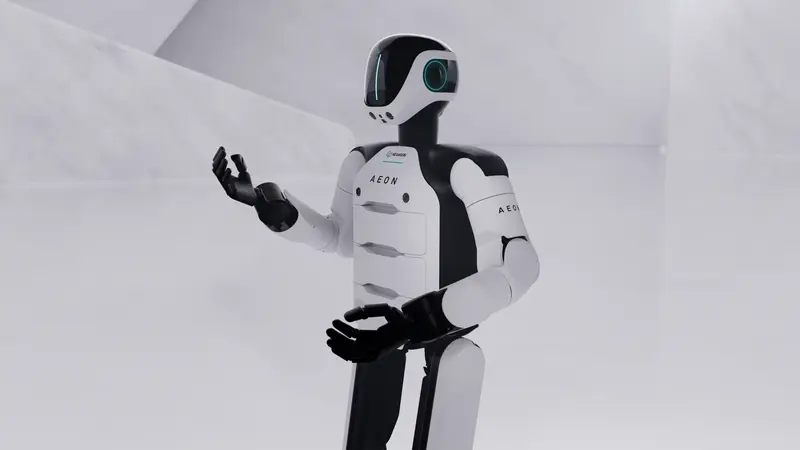
While the Spartanburg pilot focused on the singular, repetitive task of sheet-metal loading, the Leipzig project aims for versatility. BMW is partnering with Zurich-based Hexagon Robotics, which unveiled the AEON platform in June 2025.
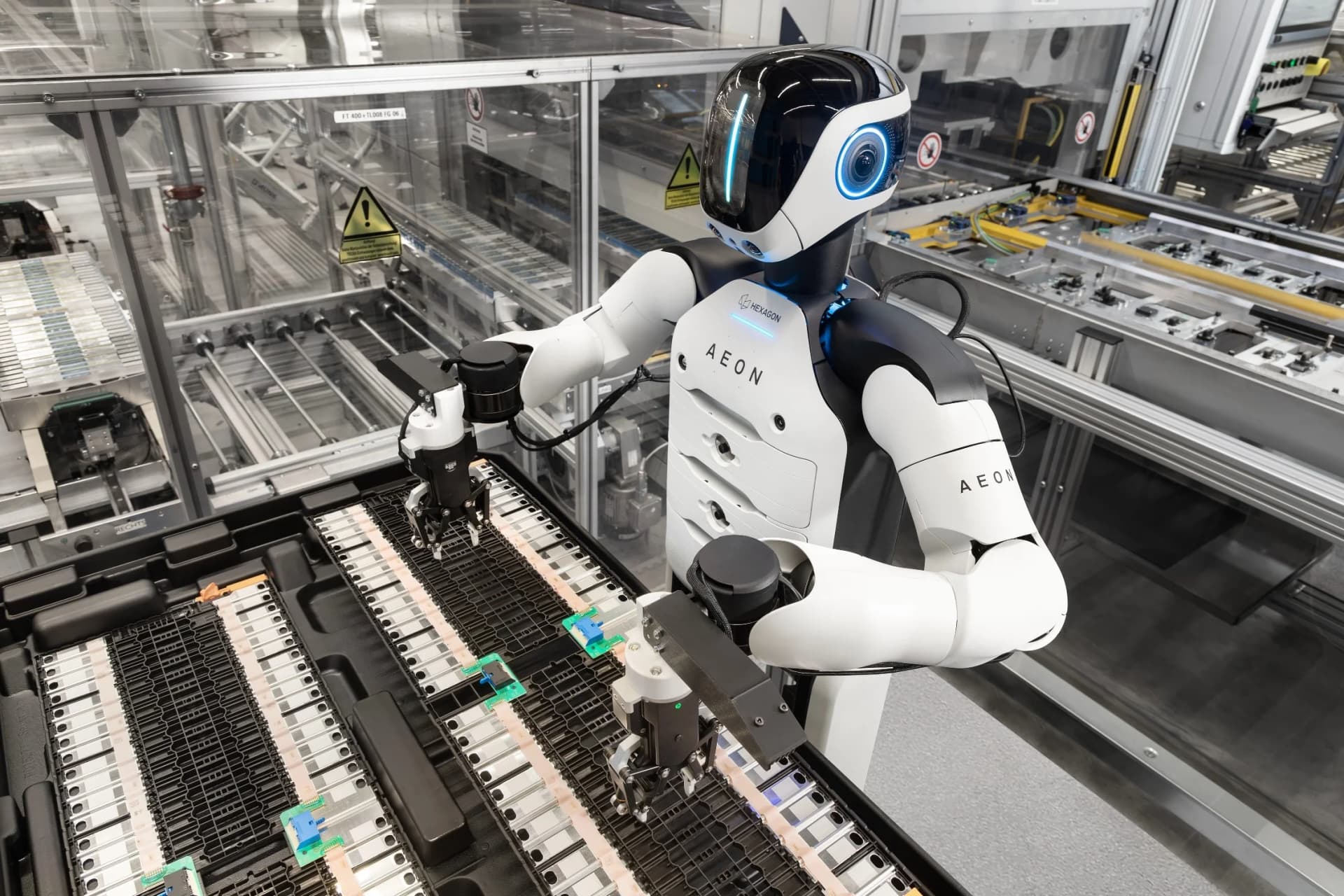
Unlike many of its bipedal contemporaries, AEON’s design enables dynamic use on wheels and features a modular attachment system for various hand, gripper, or scanning tools. BMW intends to test the robot’s "multifunctional" capabilities across several areas:
The weekly humanoid robotics briefing
One email a week: the launches, funding and research that mattered, with context from Humanoids Daily.
Read recent issues- High-voltage battery assembly: Assisting in the production of energy modules.
- Component manufacturing: Handling exterior parts and materials.
- Logistics and Inspection: Leveraging Hexagon’s legacy in precision measurement for quality control and reality capture.
"Our focus is on step-by-step integration into our production system to explore a wide range of applications," said Michael Ströbel, Head of Process Management and Digitalization at BMW Group.
Lessons from the "Battle-Scarred" F.02
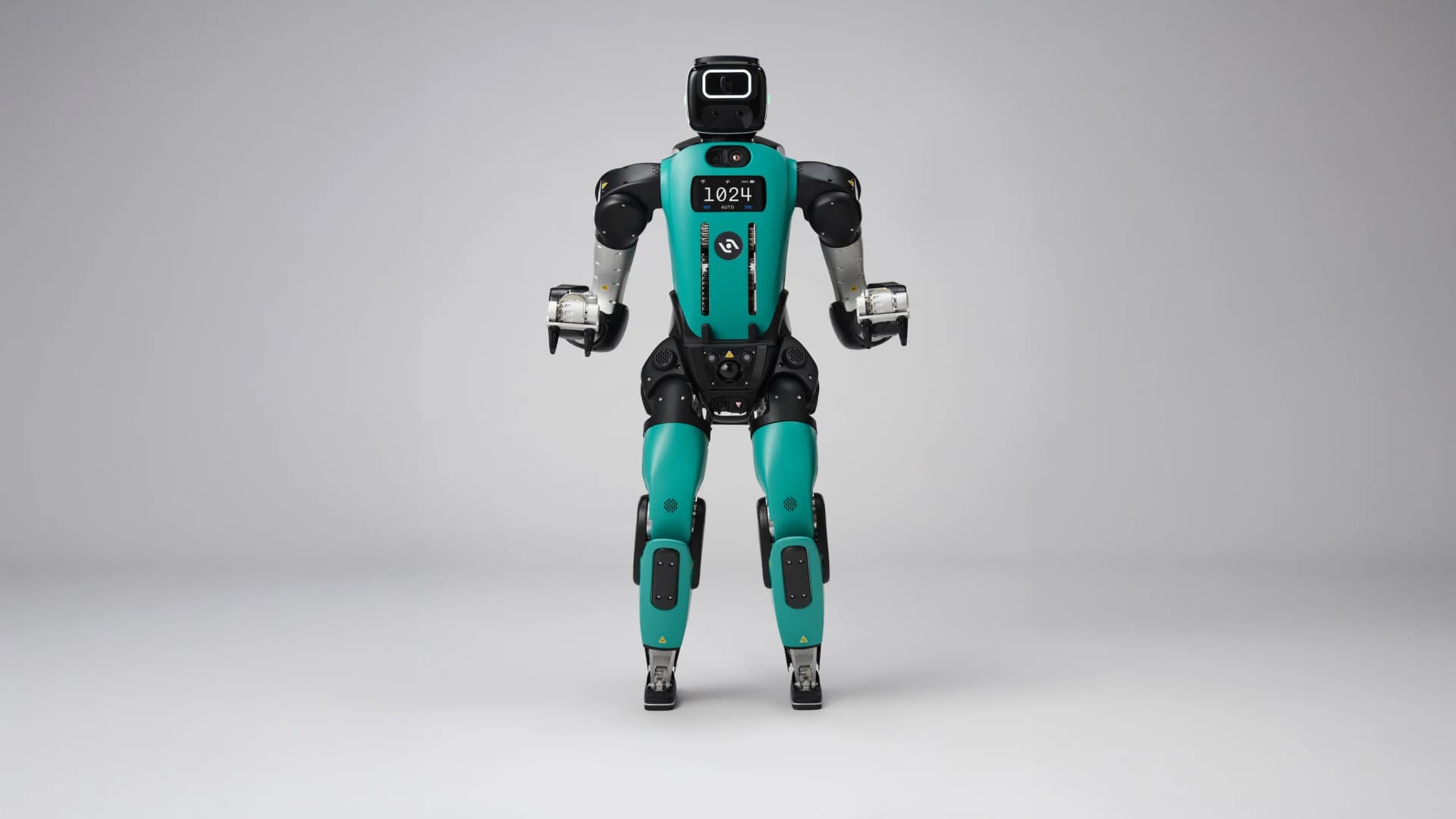
The deployment in Leipzig is not starting from scratch. BMW is leveraging data from the Spartanburg pilot, which provided a reality check for the industry. During that 1,250-hour deployment, the Figure 02 robots demonstrated that they could achieve millimeter-level precision in a factory environment, but they also highlighted significant hardware failure points, particularly in the forearm and cabling.
To streamline future rollouts, BMW has established a new Center of Competence (CoC) for Physical AI in Production. This Munich-based team is responsible for evaluating technology partners, conducting laboratory tests, and ensuring that robots like AEON can be integrated into the existing "BMW Smart Robotics" ecosystem via standardized interfaces.
A Crowded Factory Floor
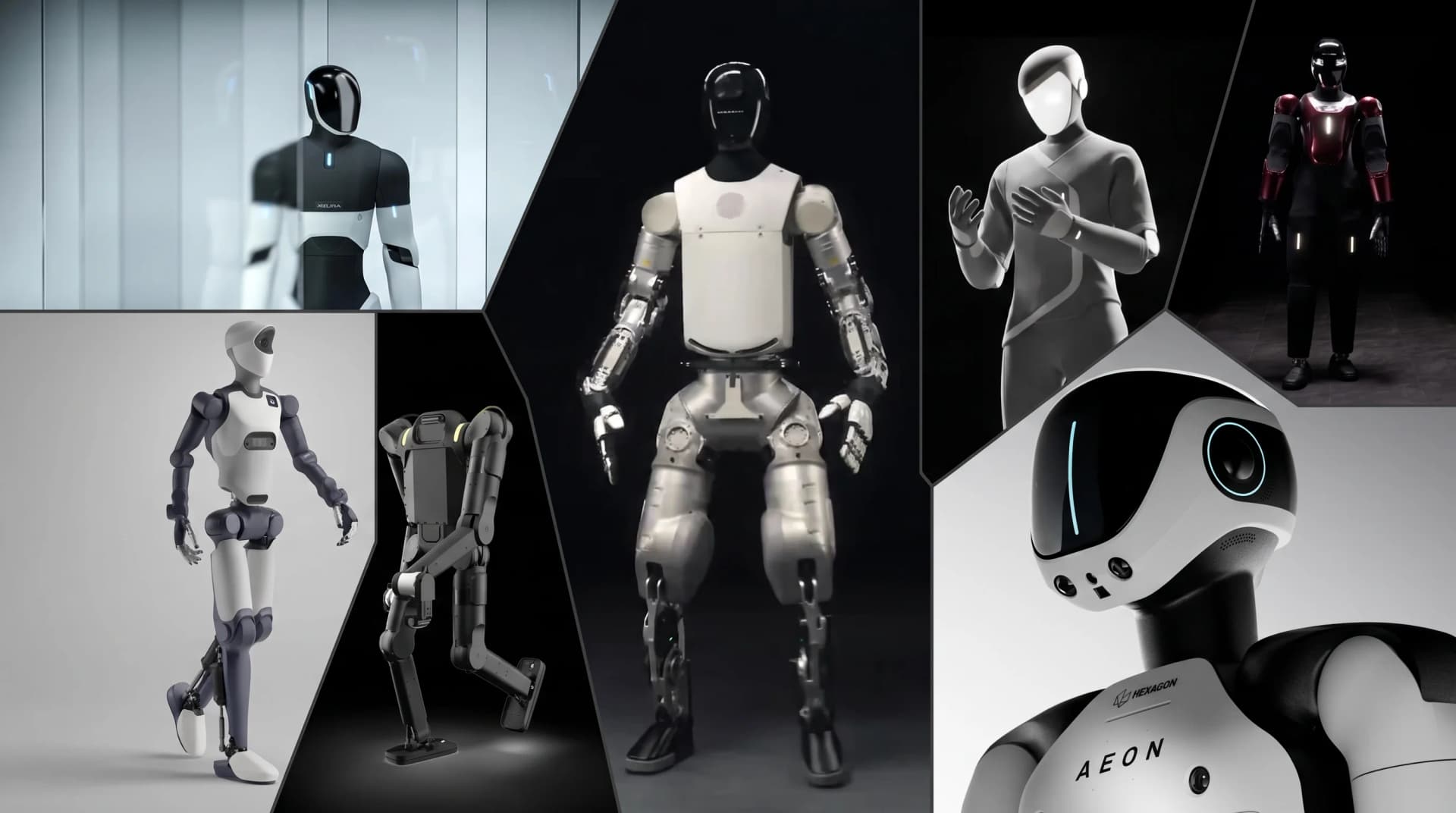
BMW is far from alone in its humanoid ambitions. The automotive sector has become the primary proving ground for Phase One humanoid deployments:
- Mercedes-Benz has integrated Apptronik’s Apollo into its Berlin-Marienfelde facility for kitting and inspection tasks.
- Audi recently partnered with Mimic Robotics to explore AI-driven assembly using high-DoF dexterous hands.
- Hyundai is preparing a production-ready version of Boston Dynamics’ Atlas for its Georgia Metaplant.
- UK based Humanoid has conducted trials in Cologne with Ford.
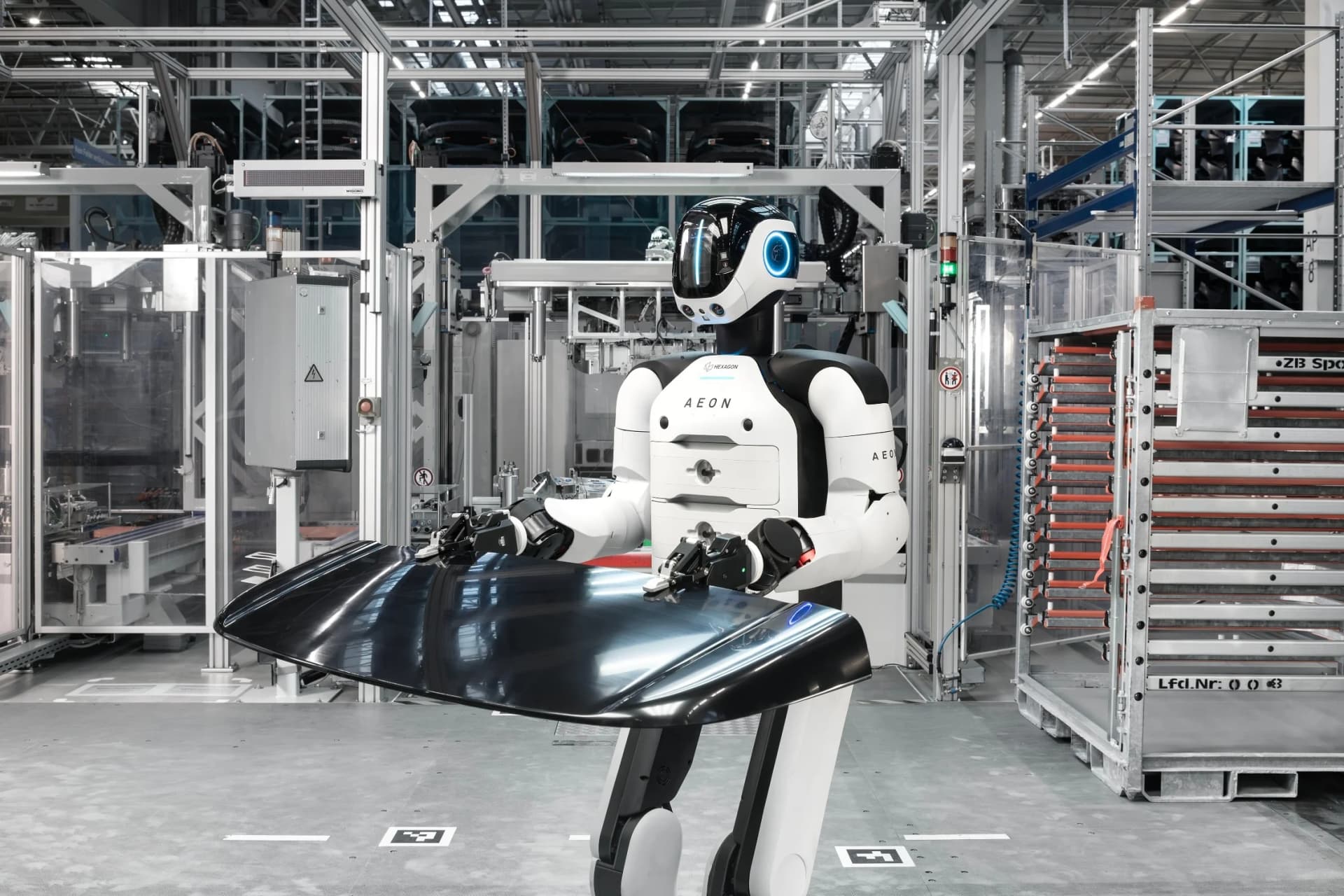
For BMW and Hexagon, the next few months are critical. Following successful laboratory tests in late 2025, a secondary test deployment is scheduled for April 2026. If the robot meets BMW’s industrialization criteria, the full pilot phase will begin in summer 2026.
The success of the AEON project will likely depend on whether its modular, wheeled design can offer a more flexible and cost-effective alternative to the specialized bipedal platforms currently dominating the headlines.
Share this article
Read next
- Published on
- Reading time
- 25 min read
The Humanoids of Europe: Built by Their Customers
- Published on
- Reading time
- 4 min read
The Tier 1 Play: Schaeffler Commits to 1,000 Hexagon AEON Humanoids in Deep Component Deal
- Published on
- Reading time
- 4 min read
Familiarity Breeds Trust: Hexagon Study Finds "Robot Anxiety" Spikes Where Visibility is Low
- Published on
- Reading time
- 4 min read
Hexagon Enters Humanoid Arena with AEON Robot for Industry
- Published on
- Reading time
- 3 min read
Wandercraft Expands Industrial Push, Inks Deal With Auto Supplier SAPA
- Published on
- Reading time
- 6 min read
Back to Spartanburg: Figure 03 Deploys at BMW for Complex Logistics Sequencing
The weekly humanoid robotics briefing
One email a week: the launches, funding and research that mattered, with context from Humanoids Daily.
Read recent issues