- Published on
Beijing Sets Humanoids a Rescue Challenge for October
One tap, and our reporting appears more often in your Google Top Stories. It makes a real difference to a small newsroom.

Supported by RoboStrategySupport for Humanoids Daily comes from RoboStrategy
Sponsored


Investing involves risk, including possible loss of principal. Read the prospectus before investing.
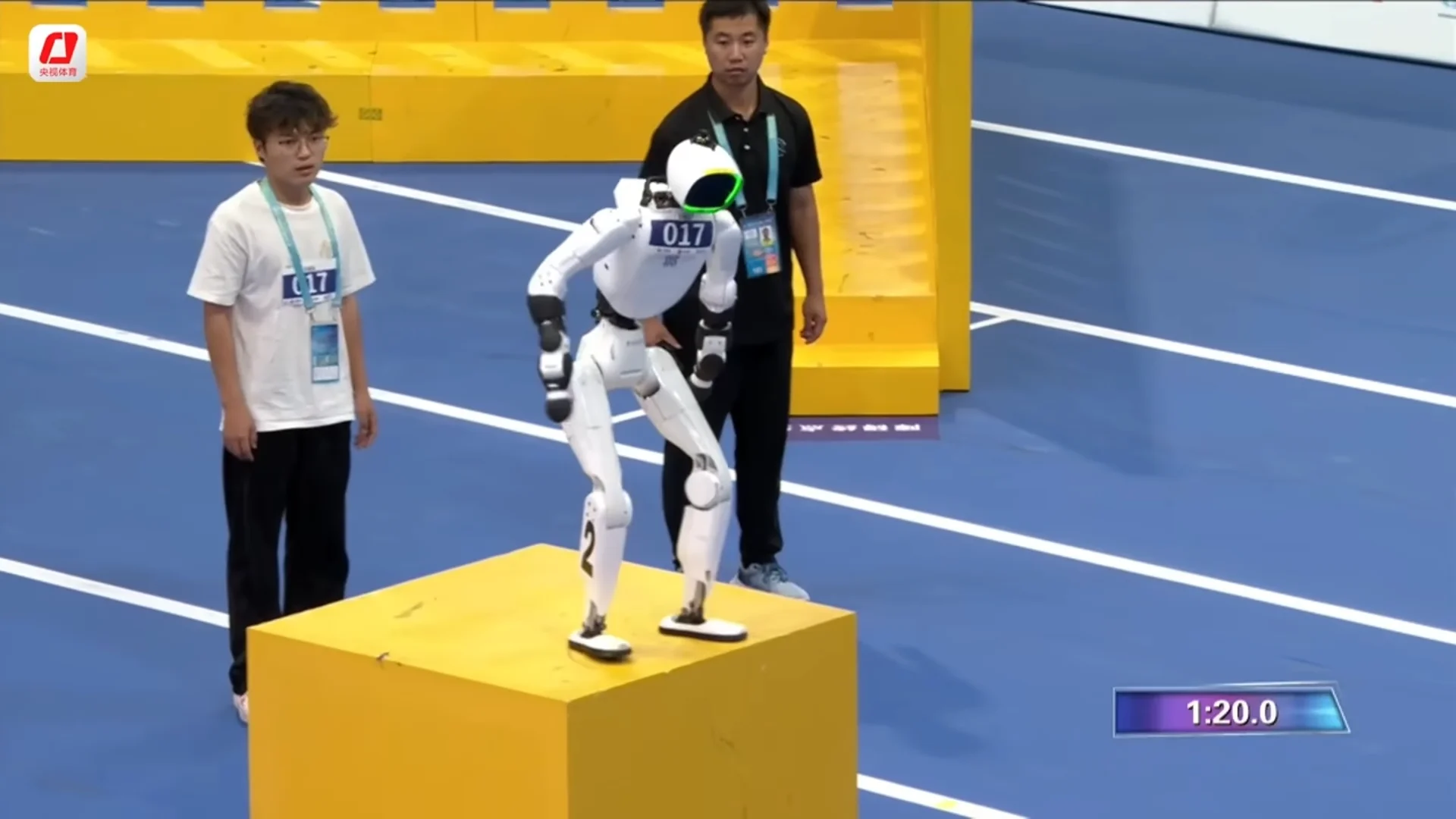
- Beijing will host the Robot Warrior Challenge fall competition on October 17–18, with 14 challenges built around practical tasks and simulated hazards.
- Humanoids, quadrupeds and wheeled quadrupeds will compete in separate categories, with remote operation and autonomous navigation distinguished.
- The event can expose weaknesses in robot mobility and manipulation, but competition results alone will not establish readiness for emergency deployment.
Beijing is preparing to put robots through another test of practical capability: opening doors, closing valves and negotiating disaster-style obstacles. The 2026 Robot Warrior Challenge Fall Competition is scheduled for October 17–18, according to Global Times, citing Beijing E-Town’s official WeChat account.
The report says 24 teams had registered, with 14 challenges spanning emergency rescue, industrial inspection and urban management. Humanoid tasks include simulated explosive-hazard handling and firefighting, while other robot types face inspection and delivery exercises. These are competition scenarios, rather than announced operational deployments.
Six categories divide humanoids, quadrupeds and wheeled quadrupeds between remote operation and autonomous navigation. That distinction will matter when interpreting footage: navigation autonomy does not necessarily mean every manipulation task is performed without human assistance.
A course with a practical purpose
The event follows an April edition that already tested more than locomotion. An official Beijing account of that competition describes a 3,500-square-meter course with 17 obstacles, including narrow bridges, window-entry rescue and emergency valve closure. It drew 36 teams from 19 organizations, with humanoids given 12 minutes and quadruped or wheeled-legged machines eight minutes to complete their runs.
The weekly humanoid robotics briefing
One email a week: the launches, funding and research that mattered, with context from Humanoids Daily.
Read recent issuesOrganizers also described follow-up support for strong teams, including access to municipal inspection, emergency-response and security application sites. That provides a potential connection between a competition performance and later field testing, although it does not establish that any particular robot has secured a deployment.
For Humanoids Daily readers, this extends a theme from our coverage of Beijing’s World Humanoid Robot Games and their focus on practical tasks. A race tests sustained movement; a task course asks whether a machine can reach an object, position itself and then do useful work with it.
What the results should tell us
The most useful evidence will be how consistently robots complete those sequences, how often operators intervene and what happens after a mistake. A door-opening success is more informative when viewers can see the approach, grasp, passage and recovery attempts together.
Remote operation can itself be useful in hazardous environments: keeping a person away from danger does not require the machine to make every decision. But reporting the control mode remains essential to understanding what the robot—and its operator—actually achieved.
October’s event should offer a closer look at those capabilities. Establishing reliability in an unfamiliar, damaged building would require further testing beyond a prepared competition course.
Share this article
Read next
- Published on
- Reading time
- 4 min read
XPENG’s IRON Remembers Car Buyers in New Interaction Demo
- Published on
- Reading time
- 3 min read
Unitree Unveils Human-Sized Robot Hand Starting at $6,500
- Published on
- Reading time
- 4 min read
PrimeBOT Launches Personal Robots at 19,999 Yuan, Betting on Apps and Companionship
- Published on
- Reading time
- 3 min read
AGIBOT Says A3 Ultra Is Going to Work in Hotels, Shops and Metro Inspection
- Published on
- Reading time
- 3 min read
Unitree Says It Won’t Become a Robot Integration Company
- Published on
- Reading time
- 5 min read
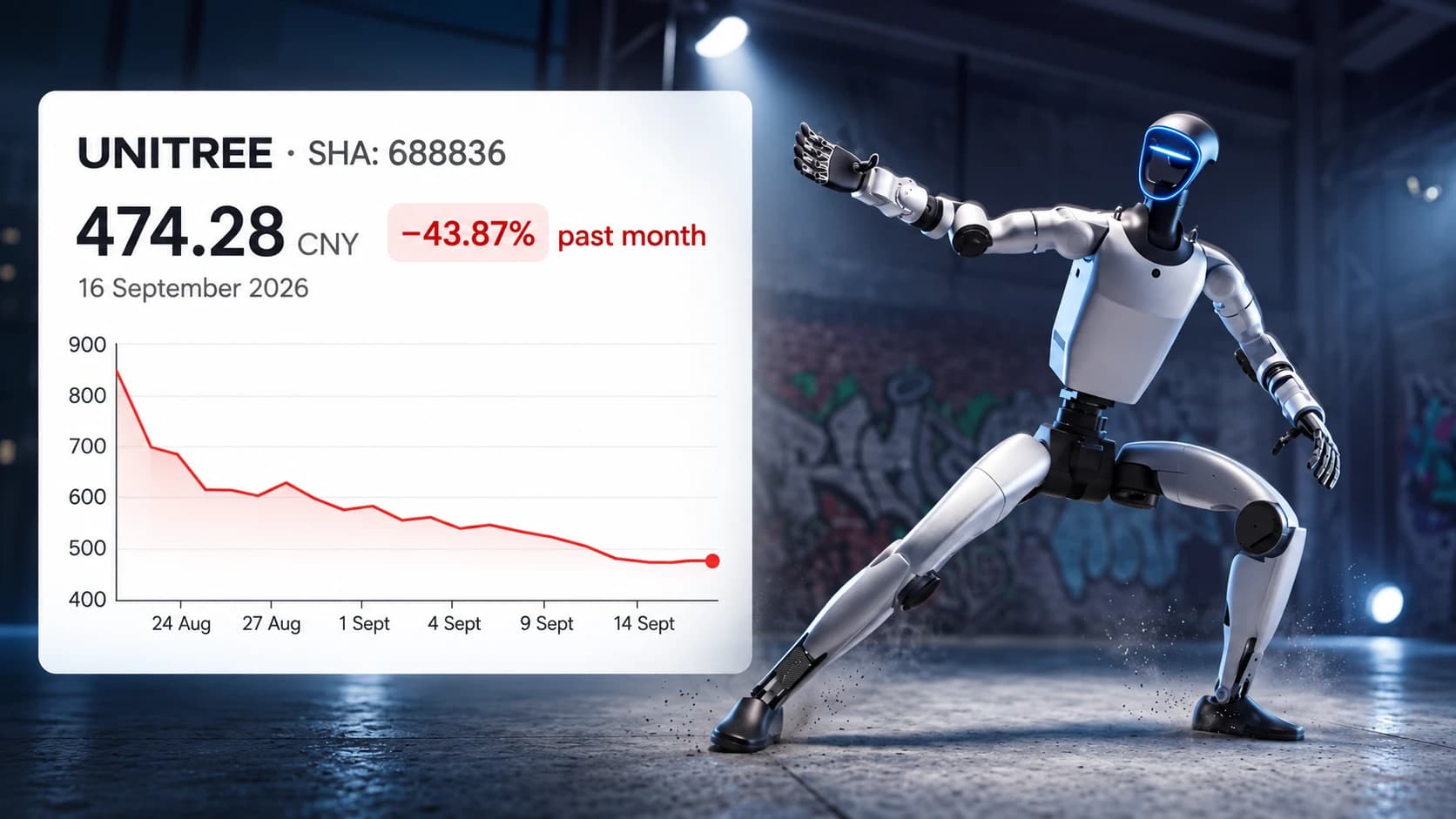
Unitree’s Stock Slump Puts China’s Robot IPOs Under Scrutiny



The weekly humanoid robotics briefing
One email a week: the launches, funding and research that mattered, with context from Humanoids Daily.
Read recent issues