- Published on
Apptronik CEO Warns America Is Missing the Parts to Build Humanoids
One tap, and our reporting appears more often in your Google Top Stories. It makes a real difference to a small newsroom.

Supported by RoboStrategySupport for Humanoids Daily comes from RoboStrategy
Sponsored
Investing involves risk, including possible loss of principal. Read the prospectus before investing.
- Apptronik CEO Jeff Cardenas says the U.S. lacks the gear supply base needed for humanoid robotics, alongside constraints on rare-earth materials used in motors.
- Actuators can account for up to 60% of a robot’s bill of materials, he said, making hardware supply a central part of the competition with China.
- His comments connect with Tesla’s reported supplier work in Ningbo and European efforts to manufacture cheaper robot joints, while U.S. import restrictions add pressure to localize production.
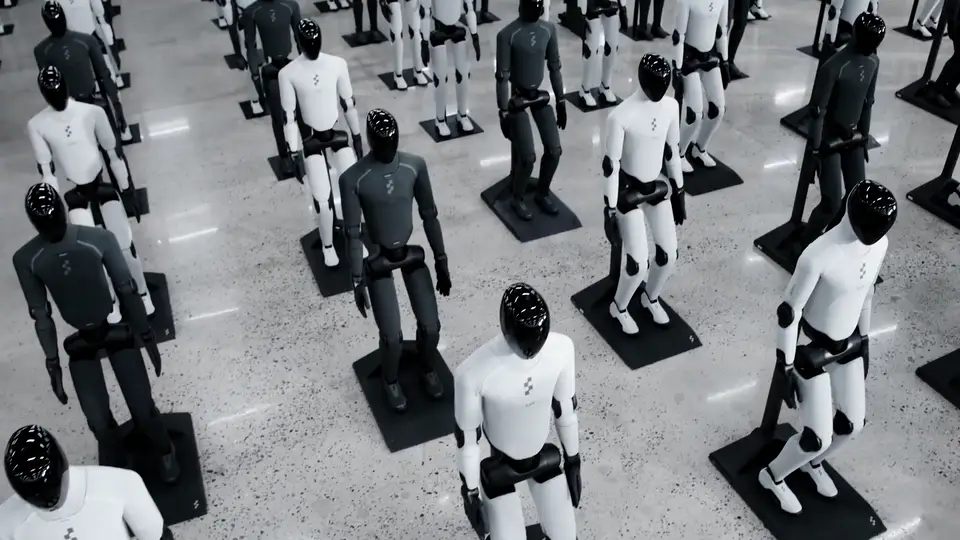
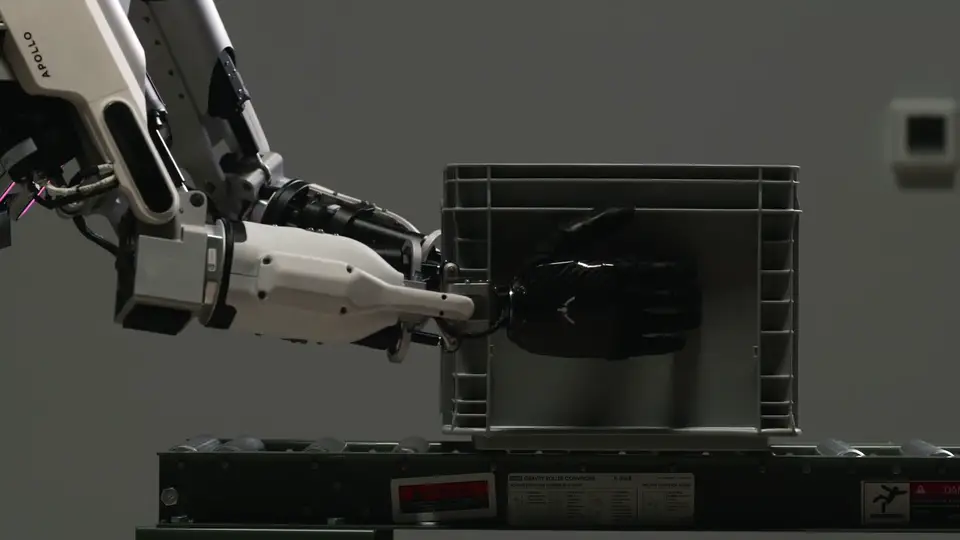
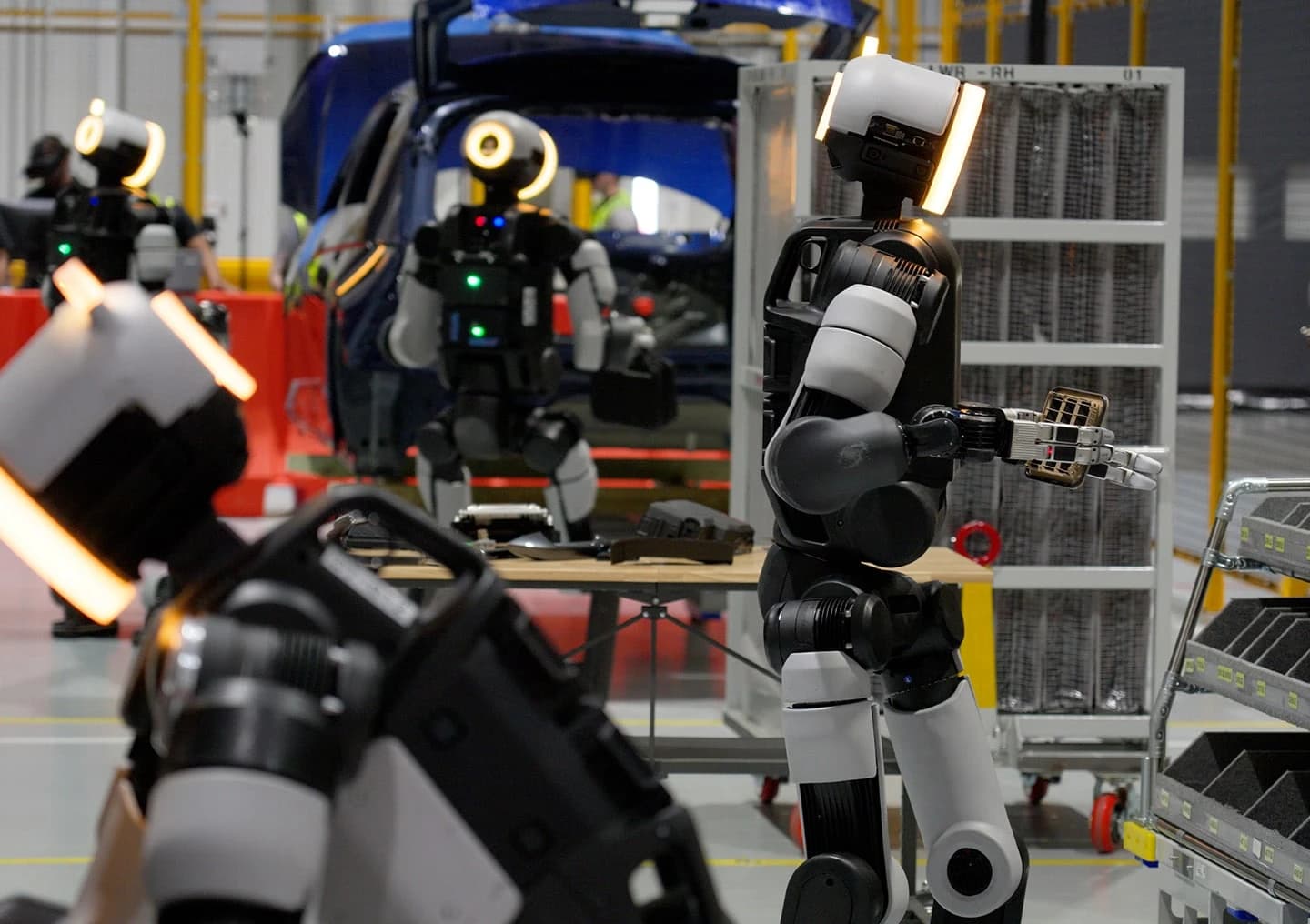
- Apptronik is focusing Apollo 2 on relatively simple industrial tasks. Cardenas expects home robots within a few years, but says broad household usefulness will take longer.
America’s humanoid ambitions face a shortage of the components that make robots move, according to Apptronik CEO Jeff Cardenas. Speaking on Fox Business, he singled out gears as a weakness in the domestic supply chain, alongside the better-known constraints on rare-earth materials used in electric motors.
“We have major shortages in things like gears where we don’t have the supply base that we need,” Cardenas said in the Making Money segment, dated September 22.
Cardenas argued that the U.S. remains ahead in AI, while China has a strong industrial base directed toward robotics. That assessment is his view of the competitive landscape. His more concrete point was that software leadership needs a manufacturing foundation: Apptronik wants to help build that capability in Texas and the wider United States.
The cost inside the joints
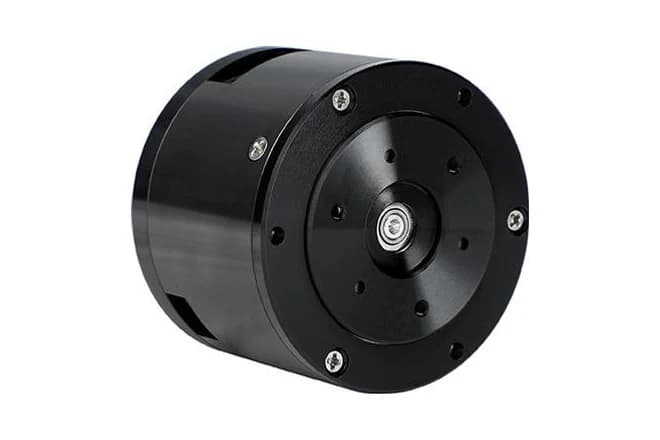
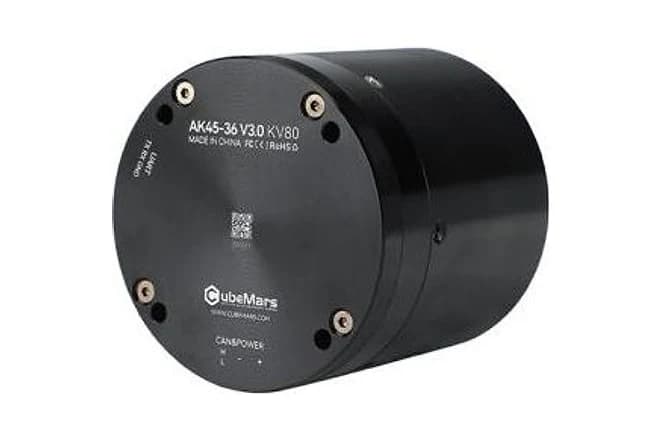
Cardenas described actuators—assemblies combining motors, gearboxes and electronics—as the robot’s muscles. They can represent up to 60% of its bill of materials, he said. That is a claim about the cost of the parts, rather than the robot’s selling price or its lifetime operating expense.
The weekly humanoid robotics briefing
One email a week: the launches, funding and research that mattered, with context from Humanoids Daily.
Read recent issuesHe also said Apptronik has developed more than 80 distinct electric actuators since its founding. The company’s experience designing them, however, is a separate question from whether the surrounding supplier base can deliver enough components at an acceptable price.
“It’s not just enough to have the software,” he said. “We’ve also got to have world-class hardware to go along with it.”
The interview did not include an actuator production target, supplier list or a date by which Apptronik expects to close the gaps he identified. It was an argument for building domestic capability, rather than an announcement that the supply problem has been solved.
Why Ningbo—and Schaeffler—matter
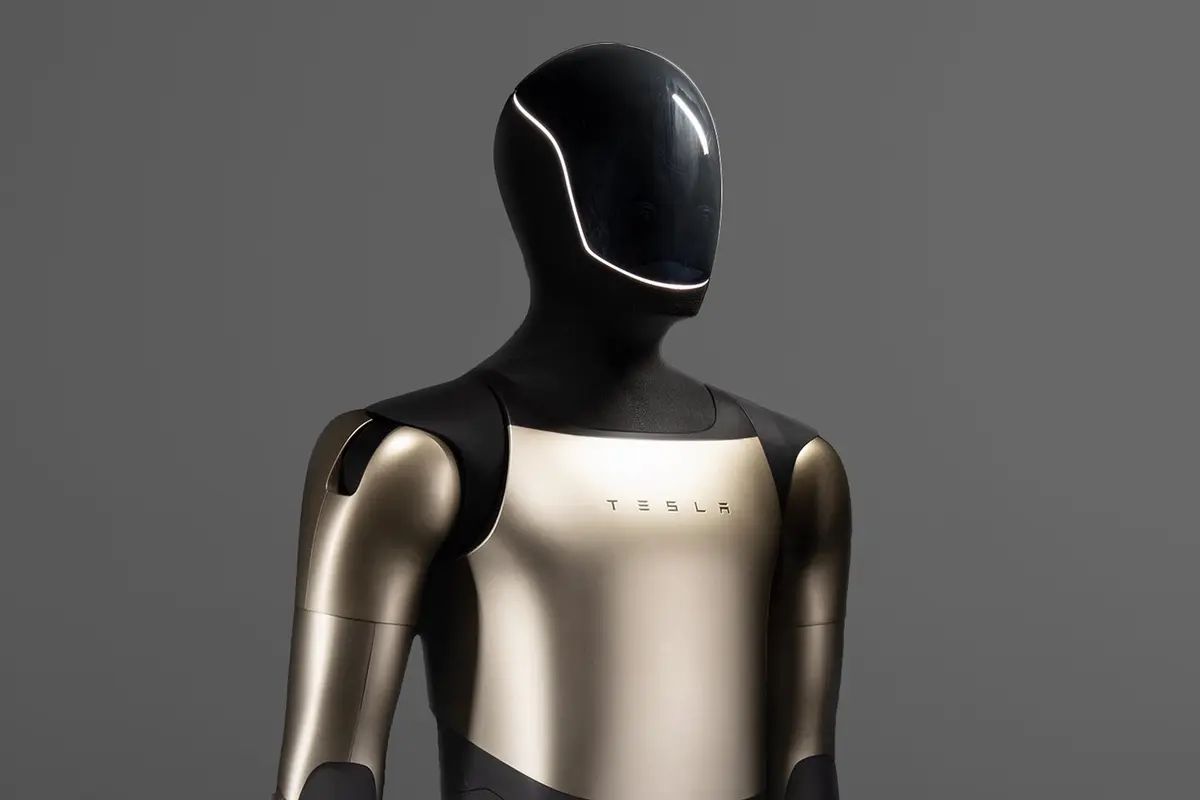
The remarks offer an American perspective on the manufacturing question behind Tesla’s reported Optimus supplier audits in Ningbo. Our coverage examined how the Yangtze River Delta’s automotive suppliers could support humanoid production through precision gears, motors, electronics and experience making consistent parts in volume.
Cardenas did not discuss Tesla’s visit. The connection is that replacing such a network requires more than choosing a new location for final assembly. It requires suppliers capable of repeatedly meeting demanding specifications.
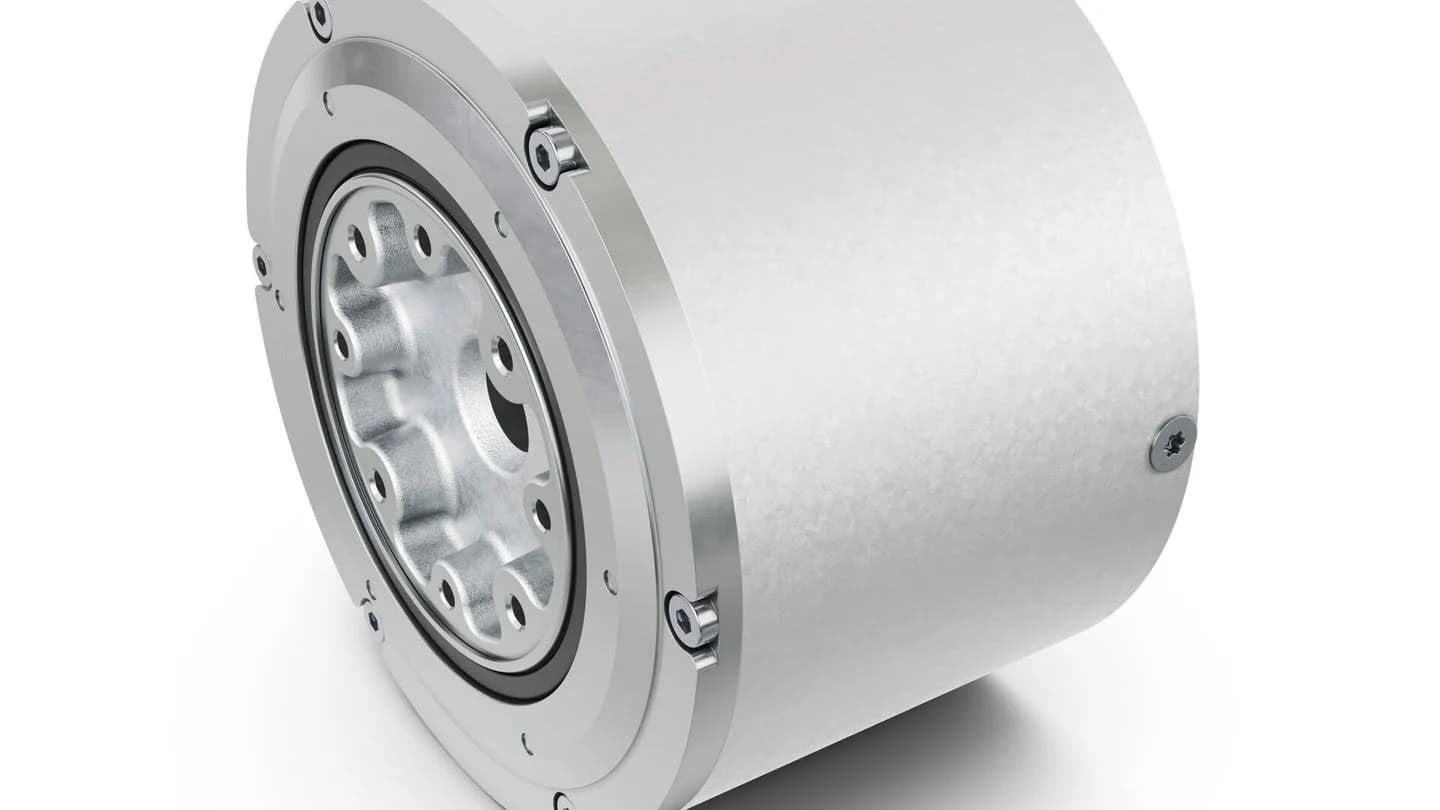
Europe also has relevant manufacturing expertise. As we reported in August, Germany’s Schaeffler is adapting forming technology to produce strain wave gearboxes for humanoids.
Schaeffler says the process reduces gearbox manufacturing costs by more than 25% and material consumption by more than 75%, with mass manufacturing planned for 2027. Those are company claims about a particular component and production method, not evidence that the overall cost of humanoid actuation has been resolved. They nevertheless show how established industrial suppliers are targeting the same constraint Cardenas highlighted.
Reshoring under policy pressure
That supply-chain work now sits alongside the FCC’s restrictions on foreign-produced advanced robotic devices. The policy blocks new equipment authorizations for covered devices, subject to conditional approvals.
The distinction between a complete robot and its parts matters. Sidley Austin’s analysis explains that individual components are not separately listed under the robotics entry, but their origin and cost can affect whether a finished machine qualifies as a domestic product.
Cardenas did not directly address the FCC policy in this interview. Its relevance is the additional pressure it places on a manufacturing transition that already requires investment, supplier qualification and time.
Industrial work first, homes later
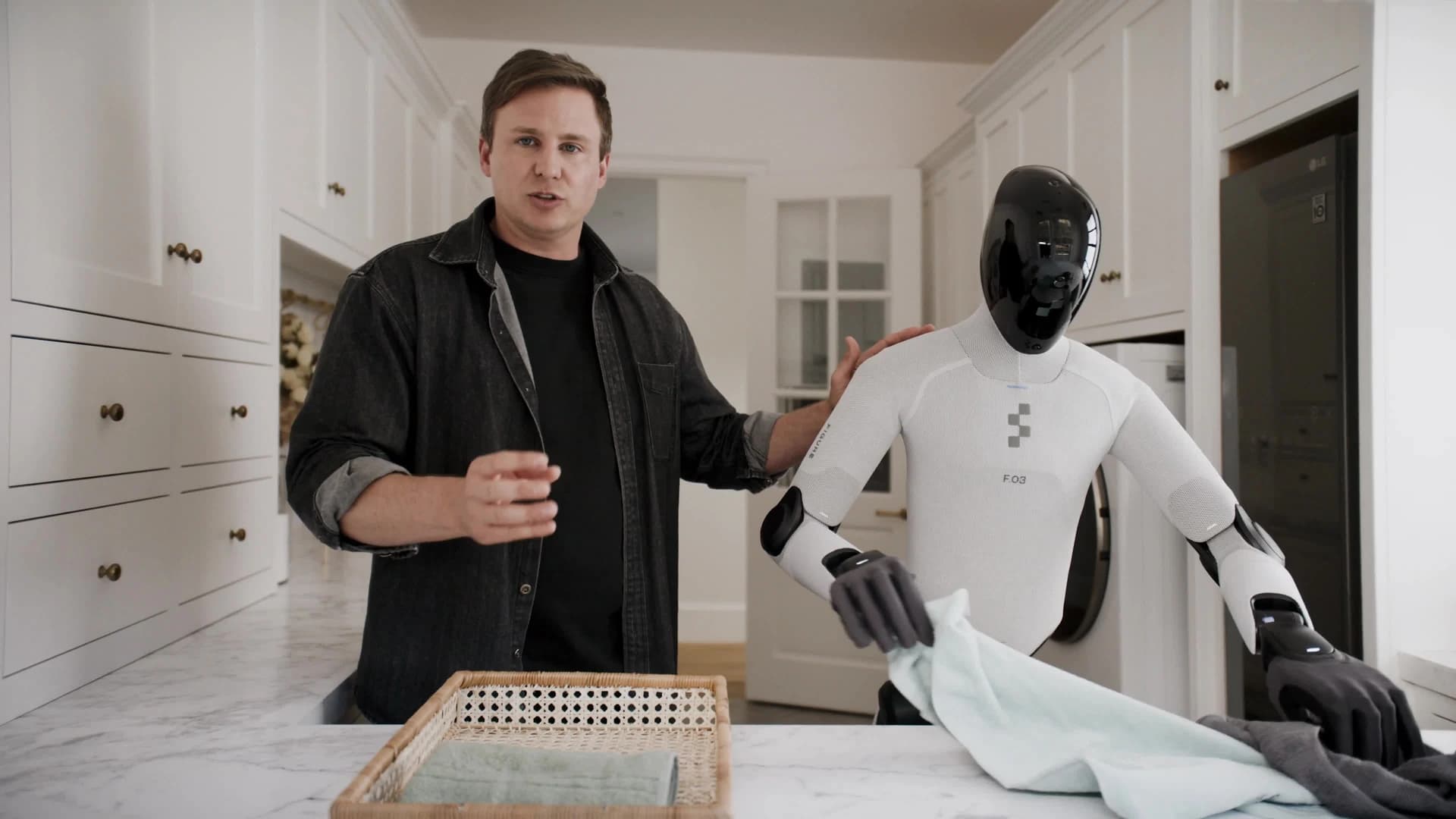
For now, Cardenas said Apollo 2 is focused on relatively simple material-moving and sorting applications in manufacturing and logistics. He named Mercedes-Benz and GXO as partners, alongside Google DeepMind on AI.
He compared humanoids’ development to personal computing in the early 1980s, describing the industry as being at the beginning of a roughly 40-year cycle. His expected progression runs from heavy industry into retail and healthcare, then broader domestic use. He predicted humanoids would start entering homes in the next few years, while qualifying that doing the full range of chores people want would take longer.
Asked about a potential listing on the Texas Stock Exchange, Cardenas gave no IPO timetable, emphasizing delivery instead. His reference to having raised a billion dollars broadly aligns with Apptronik’s February announcement: a $520 million extension brought its Series A financing above $935 million and total capital raised to nearly $1 billion. It was not a new funding announcement in the interview.
Share this article
Read next
- Published on
- Reading time
- 3 min read
Tesla Targets 1 Million Unit Optimus Production Line, V3 Prototype Set for Q1
- Published on
- Reading time
- 3 min read
The Taicang Nexus: Schaeffler Launches Dedicated Embodied AI Subsidiary in China
- Published on
- Reading time
- 4 min read
Schaeffler Unveils "All-in-One" Actuator for Humanoids, Targeting the Industry’s Supply Chain Bottleneck
- Published on
- Reading time
- 2 min read
China's First '7S' Humanoid Robot Store Opens in Wuhan, Offering Sales, Service, and Training
- Published on
- Reading time
- 3 min read
Neura Robotics Quietly Establishes €45 Million Subsidiary in China, Signaling Major Supply Chain Move
- Published on
- Reading time
- 3 min read
Boston Dynamics Opens Atlas Training Center at Hyundai’s Georgia Factory

The weekly humanoid robotics briefing
One email a week: the launches, funding and research that mattered, with context from Humanoids Daily.
Read recent issues