- Published on
Inside Unitree's Hangzhou Factory, Robots Are Still Mostly Built by Hand
One tap, and our reporting appears more often in your Google Top Stories. It makes a real difference to a small newsroom.

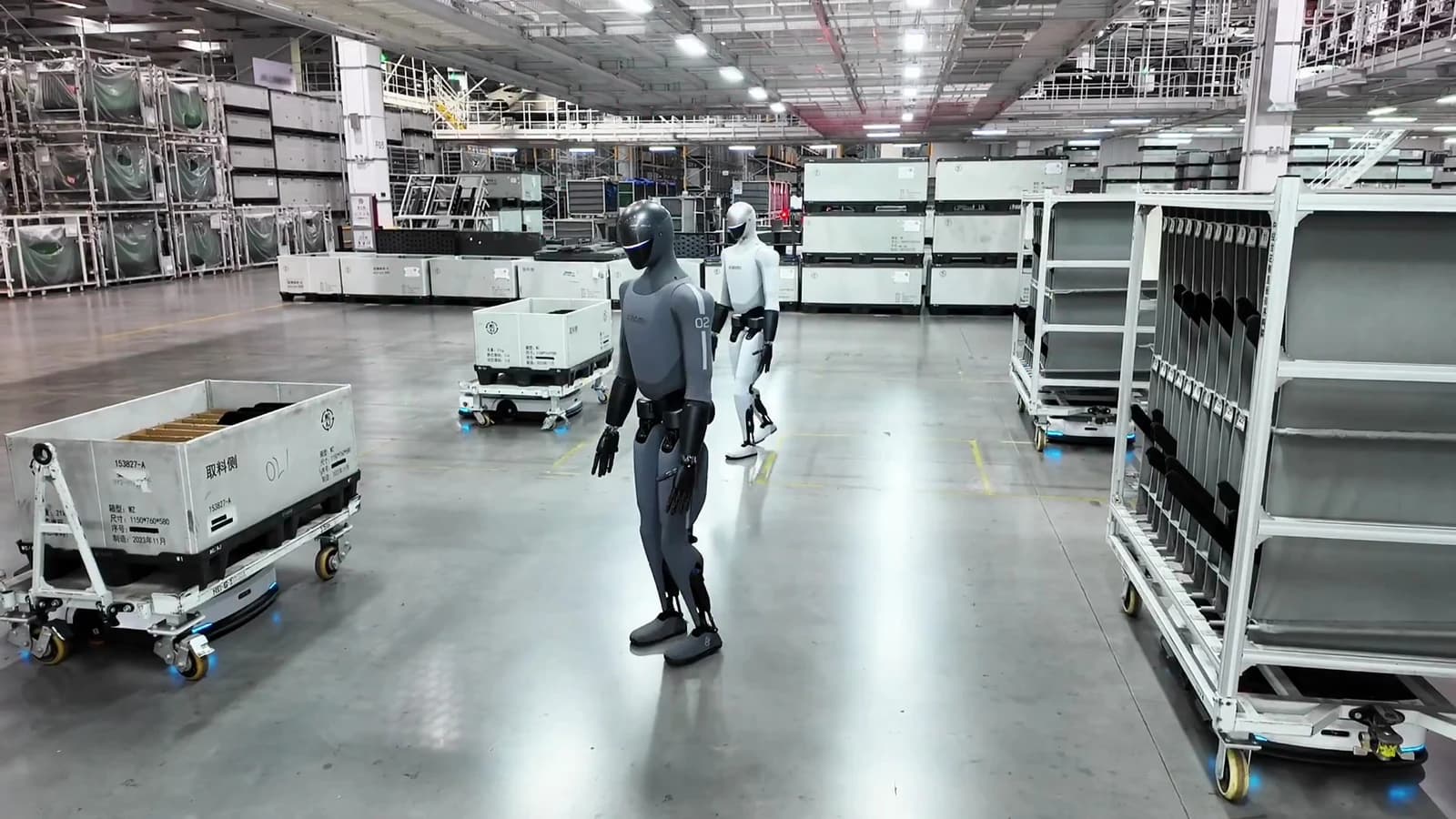
Most of Unitree's robots are still put together by hand. That is the main finding of a visit to the company's Hangzhou factory by Josef Chen, founder of the company Kaikaku and an investor in several US hardware startups, who published his notes on November 5. In the actuator building he saw "one or two new automated lines"; the rest of the floor was people running winding machines. Visitors were not allowed to take photos inside.
Chen uses the visit, together with figures from Unitree's IPO filings, to argue that the machines that build robots are still up for grabs, and that Western equipment makers are well placed to supply them.
- Josef Chen toured Unitree's Hangzhou factory and found most actuator production still manual, with one or two new automated lines.
- Unitree's filings put its machinery at about $1.7 million on the books at the end of 2025, roughly $50 for each of the almost 32,000 robots it made that year.
- Direct labour was 8.1% of Unitree's 2025 cost of goods. Chen estimates it would be about 40% at US wages.
- He argues that US trade barriers, including the FCC's July rule on robot imports, make factory automation far more valuable to American robot makers than to Unitree.
What the filings say about Unitree's factory
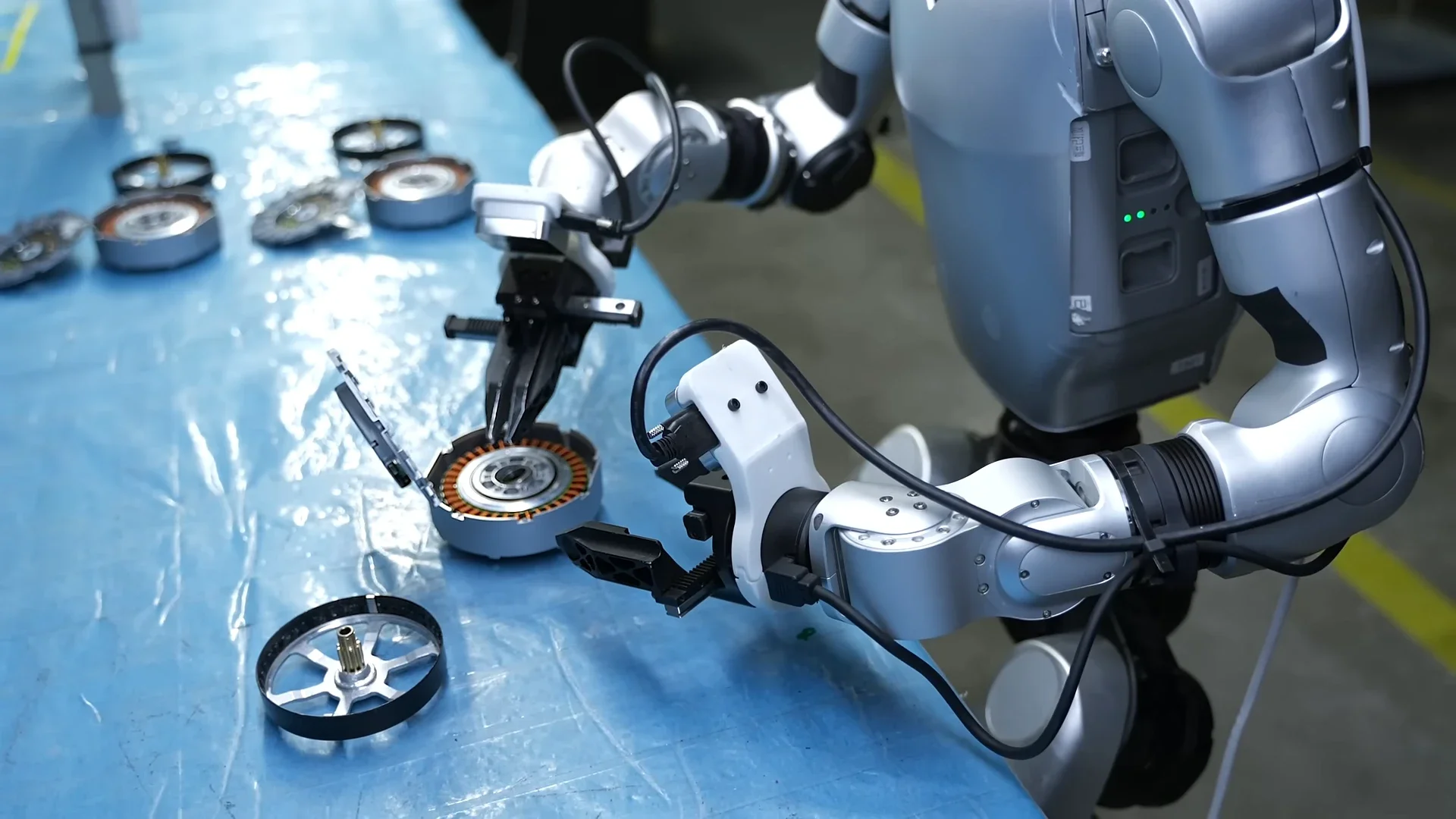
In February, Unitree released a video of G1 humanoids assembling parts on its own production line, running its UnifoLM-X1-0 model. The company called it an actual deployment, and the clip passed 28 million views. Unitree's prospectus is more cautious: it describes the humanoid work as a pilot and says assembly is "currently mainly manual."
Chen's figures come from the prospectus and Unitree's 20 March reply to Shanghai Stock Exchange questions. All of the company's machinery was worth about $1.7 million on the books at the end of 2025. Unitree made almost 32,000 robots that year, about 26,000 of them quadrupeds, so the machinery works out to roughly $50 per robot.
Follow humanoid robotics without following every announcement.
Get the week’s most important launches, funding and research—and why they matter—in one email from Humanoids Daily.
Once a week. Unsubscribe anytime.
Read recent issuesLabour is a small part of the bill. Unitree's 2025 cost of goods split into 81.7% materials, 10.2% overhead and 8.1% direct labour, including outsourced assemblers. The labour needed per robot has roughly halved since 2023, which the filing puts down to scale, standardised processes and more experienced staff.
That explains why automation has been slow. Unitree expects its new motor line to cut labour per motor by 57%, but the cost of the robot model it goes into by only 1.7%. Product lines also change every year, so tooling built for one model can become scrap. Unitree is automating its joint modules first because they are shared across the most products.
Unitree CEO Wang Xingxing made a related point at WRC in August, when he said humanoids were not yet ready to scale in factories. The prospectus figures Chen cites back that up from the customer side: three quarters of Unitree's humanoid revenue in the first nine months of 2025 came from research and education, and less than 5% from factories or other industrial work. Half or more of the "industry" category was robots giving guided tours.
Why the numbers change in the US
Chen puts the cost of an hour of factory work in the US at about 7.5 times the Chinese level. At US wages, he estimates, labour would be around 40% of Unitree's costs. The same motor line that saves 1.7% of a robot's cost in Hangzhou would save about 9% in America, which in his estimate makes the machine worth five or six times as much to a US manufacturer.
US policy is pushing in that direction. In July the FCC stopped approving new foreign-made humanoids and robot dogs unless they are made in America with more than 65% US parts by cost, rising to 75% from 2029. From August 2027, Pentagon-funded drones must use motor stators wound outside China. A White House statement on October 28 said the US relies on foreign imports for most types of robotics and industrial machinery.
Chen compares the situation to California's processing-tomato harvest after the US ended the bracero farmworker programme in 1964. Machines picked 0.5% of the crop in 1961 and 99.9% by 1970, after the tomato itself was bred to suit them.
How US humanoid makers are building
Several US companies are already putting the factory near the top of their plans, and Chen points to them as examples:
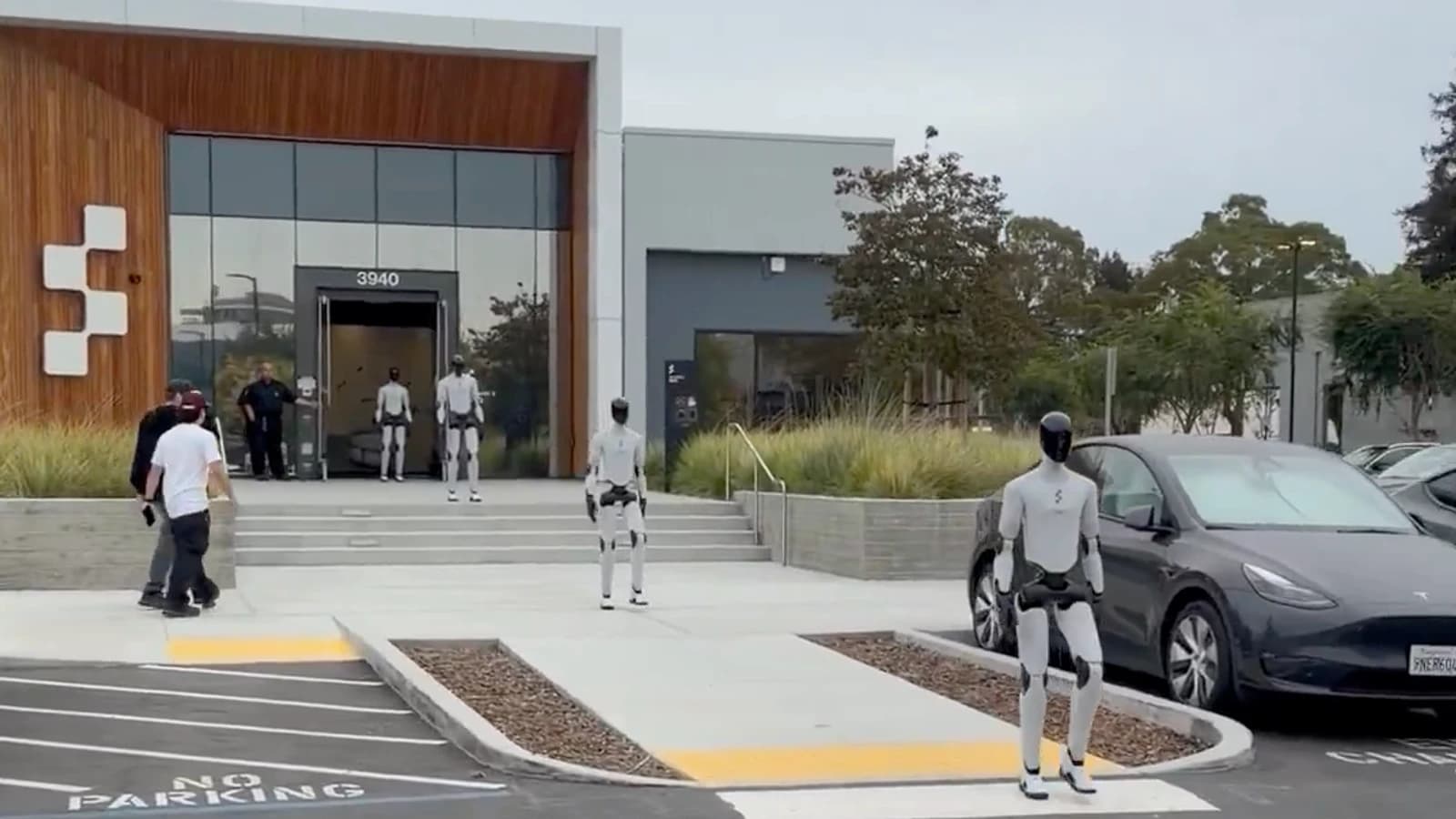
- 1X winds its own motors in its Hayward, California factory, going from a spool of copper to a finished actuator on machines its own engineers built. We covered the setup in more detail after a factory tour in May.
- Figure took BotQ from one humanoid a day to one Figure 03 an hour in under four months.
- Tesla said in October that production-quality Optimus robots are coming off its Fremont line, where it is installing much of a line sized for a million robots a year.
- Agility, which builds Digit in Oregon, began trading on Nasdaq on November 5 after selling $1.78 million of robots in 2025.
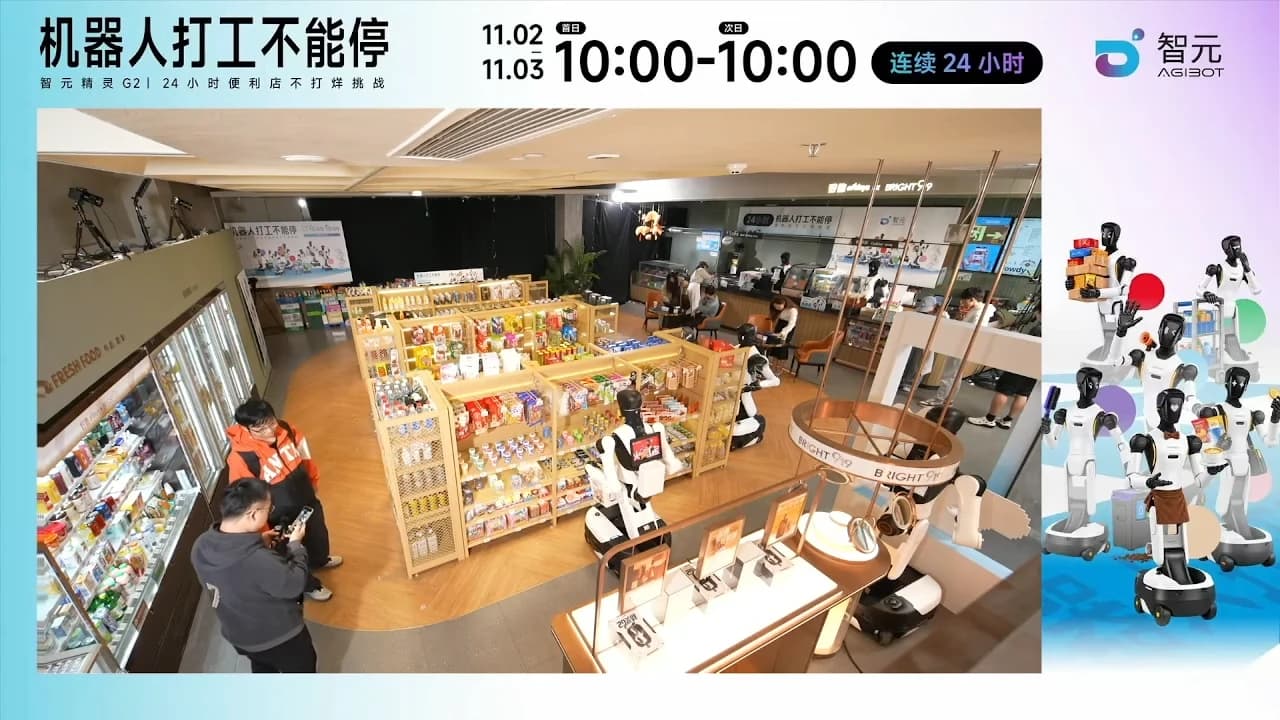
None of these companies' output yet comes close to Unitree's. In China, AGIBOT said in September it had built 20,000 robots in total, and IDC put AGIBOT at the top of first-half 2026 humanoid shipments. AGIBOT is also expanding abroad, with partner Minth Group opening a humanoid production line in Serbia.
Where Chen expects the money to be
AI is what changes the economics, Chen argues. According to the International Federation of Robotics, programming and integration typically make up 50 to 70% of the cost of a robot installation, and that has historically meant automation only paid off once a product design was frozen. He cites recent claims that AI tools cut that work sharply: HD Hyundai and Palantir say average robot-programming fix time fell from 21.5 days to 7.9.
His advice to investors and founders is to build motors and the lines that make them, rather than more humanoids. Schaeffler counts 25 to 30 actuators in a humanoid's main joints, before the hands, so a million Optimus robots a year would need around 25 million motors. He suggests standardising designs the way Japan's Mabuchi did with small motors, and building stator lines that can be retooled quickly as robot designs change.
Chen also lists the risks. China makes most of the world's magnets, though MP Materials has finished qualifying its magnets with GM and its Texas plant is due to start deliveries before the end of 2026. Chinese hairpin-winding lines have caught up with German and Italian rivals, sell for up to half the price and are already exported to Europe. By 2022 all ten of the largest solar-panel equipment makers were Chinese.
Chen discloses investments in Standard Manufacturing, Dirac, Isembard, RMFG and Minerva, a US humanoid maker that he says benefits from the FCC rule. The Unitree post is the first in a series of notes from two weeks inside Chinese companies. The next one covers a BYD plant he visited the day after Unitree, where most of the final assembly was automated.
Share this article
Follow humanoid robotics without following every announcement.
Get the week’s most important launches, funding and research—and why they matter—in one email from Humanoids Daily.
Once a week. Unsubscribe anytime.
Read recent issuesRead next
- Published on
- Reading time
- 10 min read
The Great Valuation Chasm: A 2025 Guide to the Humanoid Robotics Capital Race
- Published on
- Reading time
- 3 min read
Tesla Targets 1 Million Unit Optimus Production Line, V3 Prototype Set for Q1
- Published on
- Reading time
- 8 min read
Analysts See a PEEK Boom in Humanoid Robots. Kingfa’s Robotics Lead Says Most of It Is Hype
- Published on
- Reading time
- 4 min read
Supply Chain Rumors Hint at Massive Optimus Order as Fremont Production Line Ramps Up
- Published on
- Reading time
- 5 min read
Apptronik CEO Warns America Is Missing the Parts to Build Humanoids
- Published on
- Reading time
- 5 min read
The FCC Bans Foreign Humanoids: Unpacking the Sweeping New Restrictions on Robotic Devices