- Published on
From Marathons to the Factory Floor: Beijing’s World Humanoid Robot Games Pivot to Real-World Utility
One tap, and our reporting appears more often in your Google Top Stories. It makes a real difference to a small newsroom.


- The second World Humanoid Robot Games kicks off on August 22 in Beijing, expanding its scale to host 2,056 robots from 666 teams across 16 countries.
- Organizers are heavily shifting focus toward commercial utility, introducing 21 scenario-based events that test robots in simulated factory, hotel, and retail environments.
- Autonomy rules have been strictly tightened, with task time limits slashed and remote-controlled operations facing severe scoring penalties.
- The event coincides with a larger industry reckoning over commercial viability, highlighted by Unitree's massive public debut and growing concerns regarding sweeping US import restrictions on foreign robotic devices.
The humanoid robotics industry has spent the last two years captivating audiences with backflips, choreographed dances, and record-breaking marathon times. Now, the conversation is aggressively shifting from viral spectacle to economic reality.
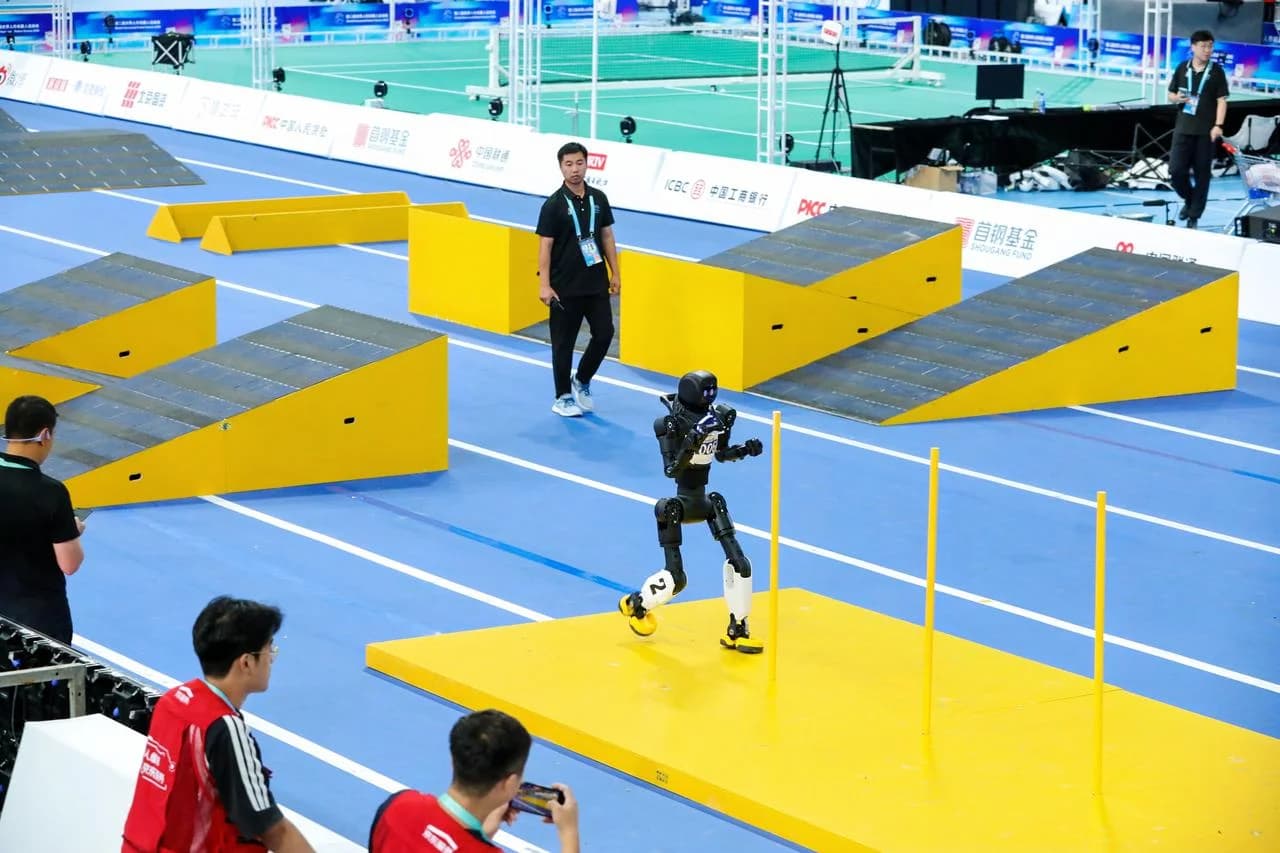
Starting August 22, the second World Humanoid Robot Games (WHRG) will commence at Beijing's National Speed Skating Oval. While the five-day event will still feature headline-grabbing athletic competitions, the underlying theme of this year's games is an uncompromising push toward commercialization, testing whether these bipedal machines can perform reliable, autonomous work to generate actual economic value.
Massive Scale and Global Participation
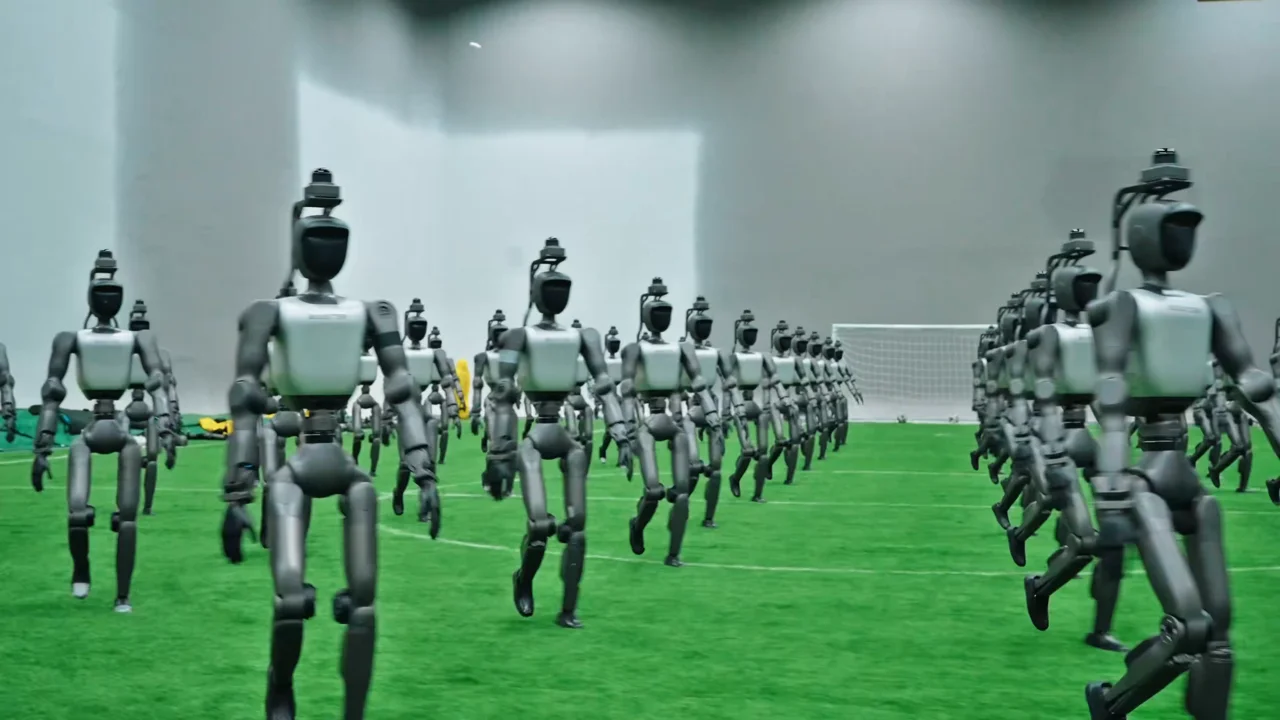
The sheer volume of hardware descending on Beijing illustrates the sector's rapid acceleration. The event will host 2,056 robots from 666 teams, representing a fourfold increase in robots compared to the inaugural 2025 event. While the field is heavily dominated by domestic Chinese manufacturers—accounting for 1,975 of the competing machines—teams from 16 countries, including the United States, Germany, Japan, and Brazil, are participating.
To manage this unprecedented deployment, organizers have constructed a "Robot Home" on-site. Functioning much like an Olympic athletes' village, the facility acts as a centralized support center capable of housing over 1,500 robots and actively charging 1,200 batteries. Digital check-in systems can retrieve a specific robot in 30 seconds. This infrastructure mirrors industrial asset management systems, proving that the logistics of deploying and maintaining massive robot fleets are maturing alongside the hardware itself.
The weekly humanoid robotics briefing
One email a week: the launches, funding and research that mattered, with context from Humanoids Daily.
Read recent issuesStricter Rules and the "Last-Meter" Challenge
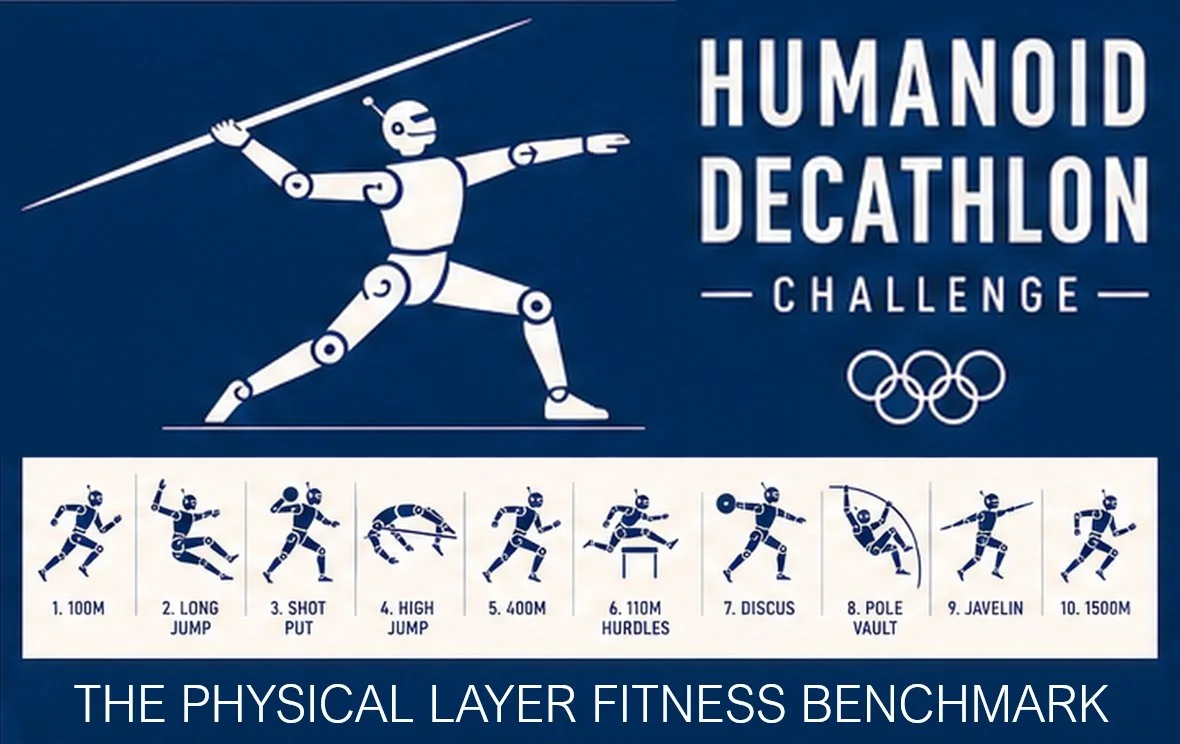
Athleticism remains a draw, but the benchmarks for success have become significantly more demanding. Time limits for track events have been drastically reduced; the 100-meter dash limit was cut from three minutes to a single minute.
More importantly, autonomy is being strictly enforced. Remote-controlled operations are either barred entirely from most track events or penalized heavily in scenario events, where autonomous completion earns a full 1.0 weight coefficient compared to 0.5 for teleoperation. Even in robot soccer, a new rule mandates that at least two teammates must touch the ball before a goal can be scored, enforcing software coordination over individual hardware prowess.
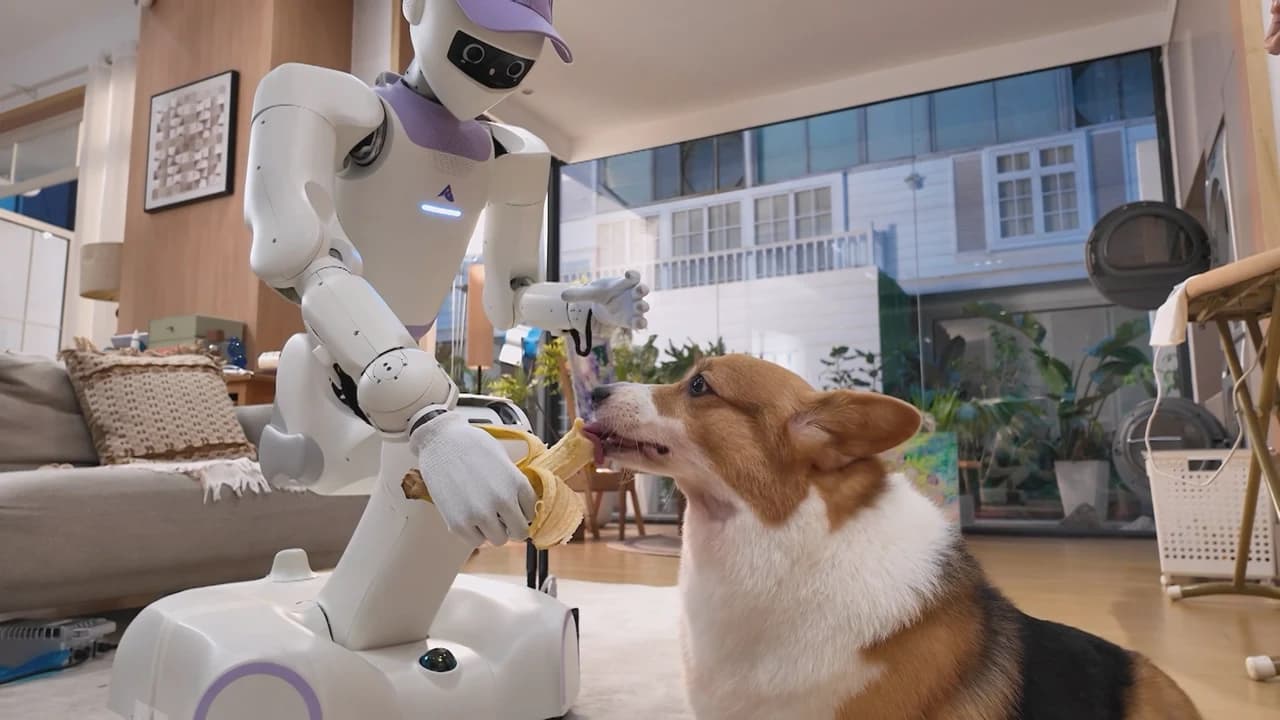
The most critical changes lie in the expansion of scenario-based events, which have increased from six last year to 21. These contests drop robots into simulated households, libraries, retail centers, factories, and logistics hubs to test practical capabilities like industrial assembly, vehicle charging, and cable routing.
A newly introduced Dexterous Hand Challenge will force robots to execute high-precision tasks such as weighing powder, driving nails, and opening bottles. Another addition, the "Integrated Five" Challenge, requires machines to perform heavy lifting and stable object transfer while running a 100-meter dash. As Jiang Guangzhi, director of the Beijing Municipal Bureau of Economy and Information Technology, noted, mastering these fine motor skills allows companies to translate competition medals directly into commercial orders.
The Commercial Crucible
The WHRG arrives at a pivotal moment for the embodied AI sector. While investor enthusiasm is peaking—evidenced by Unitree Robotics' massively oversubscribed initial public offering on the Shanghai stock market this week—customers and analysts are increasingly judging these platforms on their ROI.
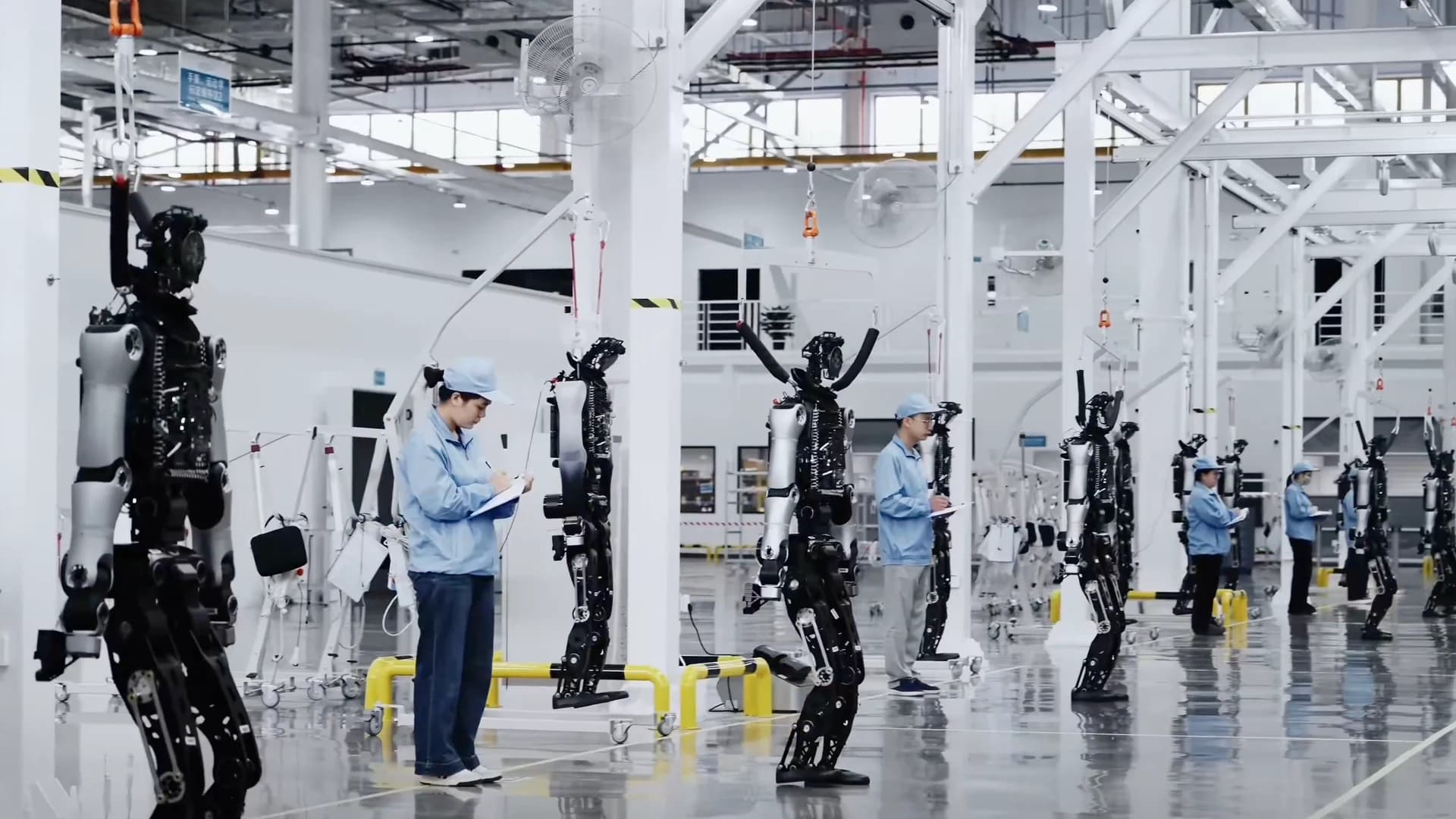
Currently, an industrial humanoid typically costs between 300,000 and 500,000 yuan, according to the think tank MERICS. However, Chinese brokerage Guotai Securities estimates the price needs to drop to 160,000 yuan, including maintenance, to effectively replace a human worker earning 80,000 yuan annually and achieve a two-year payback period. Georg Stieler, an industrial robotics analyst, estimates that up to 70% of humanoids produced in China this year might simply be utilized in "data factories" for training models, rather than performing productive tasks for paying enterprise clients.
Furthermore, geopolitics threatens to fracture the global deployment of these platforms. The U.S. Federal Communications Commission's recent move in July to restrict equipment authorizations for foreign-made advanced robotic devices adds a massive layer of uncertainty for Chinese manufacturers looking at international expansion.
Ultimately, the games in Beijing serve as a highly public stress test. As the humanoid sector transitions from open tracks to messy real-world environments, the ultimate winners will not just be the machines that run the fastest, but the platforms that can reliably get the job done when engineers step away.
Share this article
Read next
- Published on
- Reading time
- 4 min read
AGIBOT Tops Medal Table at 2nd World Humanoid Robot Games as Beijing Showdown Concludes
- Published on
- Reading time
- 5 min read
The "No Bot of Theseus" Challenge: Scott Walter Proposes a Strict Decathlon Benchmark for Humanoids
- Published on
- Reading time
- 3 min read
Galbot Prices ET1 Humanoid From 79,000 Yuan Across Three Versions
- Published on
- Reading time
- 3 min read
UBTECH CEO Tours Robot Factory, Says Monthly Output Could Reach 1,500 Units
- Published on
- Reading time
- 3 min read
Astribot Brings Its $18,000 T1 Robot to North America at IROS
- Published on
- Reading time
- 3 min read
IDC Puts H1 Humanoid Shipments Near 25,000, With AGIBOT Leading
The weekly humanoid robotics briefing
One email a week: the launches, funding and research that mattered, with context from Humanoids Daily.
Read recent issues