- Published on
Geopolitics Meets High-Tech: German Chancellor Merz Visits Unitree Robotics
One tap, and our reporting appears more often in your Google Top Stories. It makes a real difference to a small newsroom.

A Diplomatic Milestone in Hangzhou
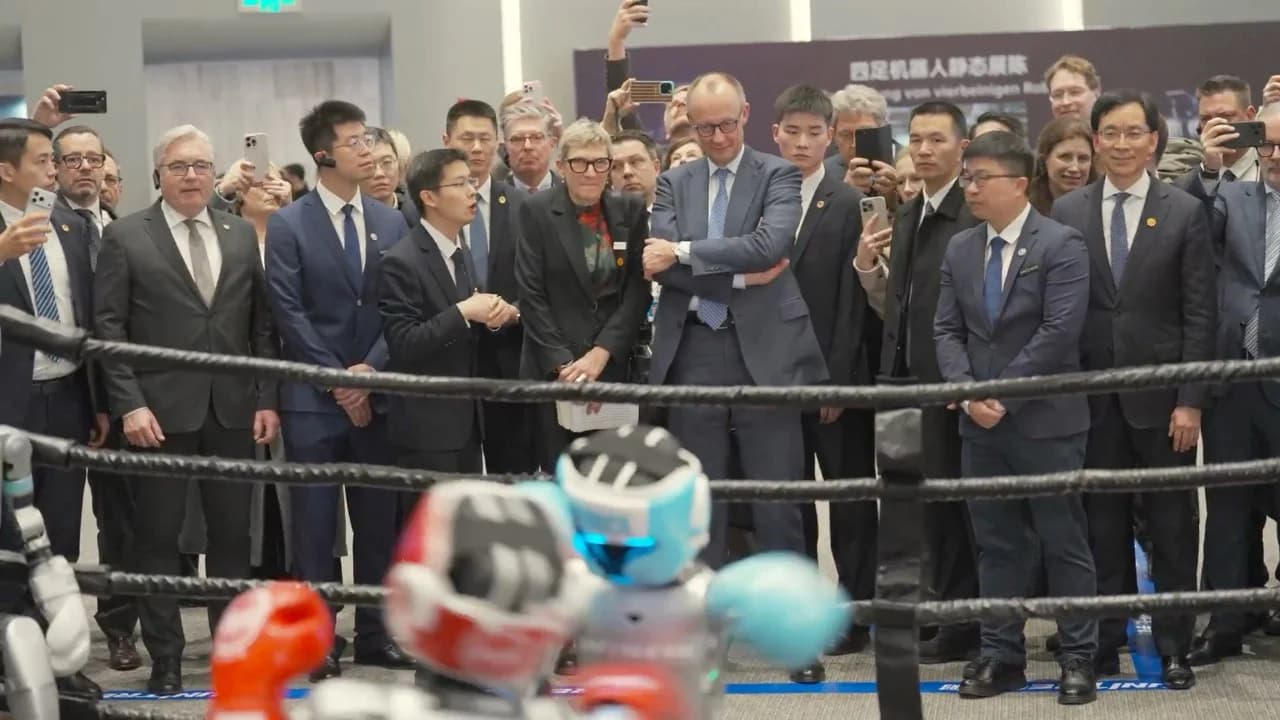
In a clear signal of the growing industrial weight of humanoid robotics, German Chancellor Friedrich Merz visited the headquarters of Unitree Robotics in Hangzhou on Thursday, February 26, 2026. The visit, which took place during the second leg of Merz’s two-day trip to China, marks a significant moment for a company that has recently dominated headlines more for high-profile entertainment spectacles than for diplomatic summits.
Accompanied by a heavyweight delegation of approximately 30 senior executives from leading German firms—spanning the automotive, chemical, and machinery manufacturing sectors—Merz was given a front-row seat to the current state of Chinese humanoid hardware.
From "Showbiz" to Practical Cooperation
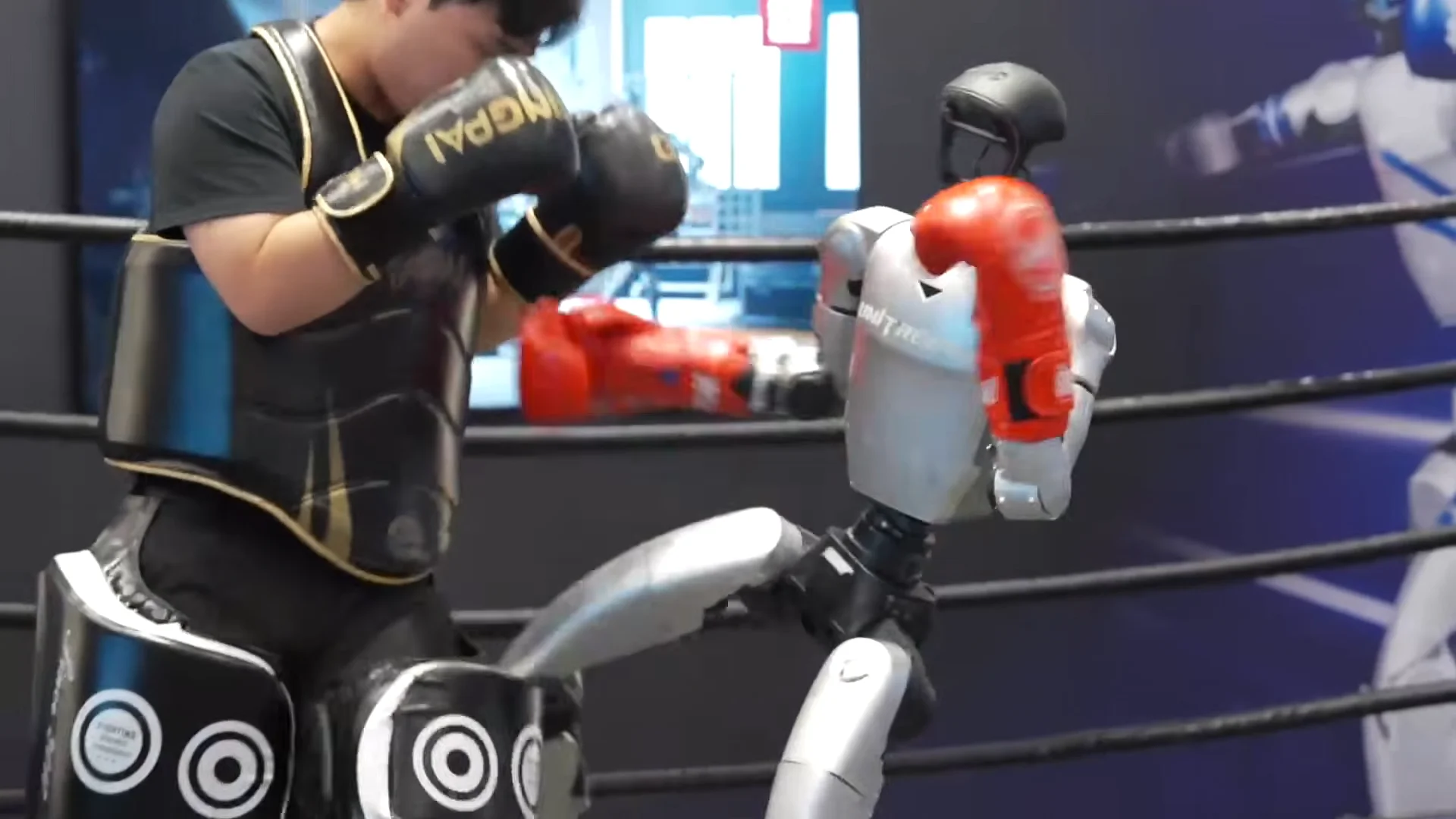
During the visit, Unitree founder Wang Xingxing showcased the company’s "WuBot" martial arts performance and robot fighting demonstrations. These displays are essentially refined versions of the "Martial BOT" routines that recently captivated hundreds of millions of viewers during the 2026 Spring Festival Gala.
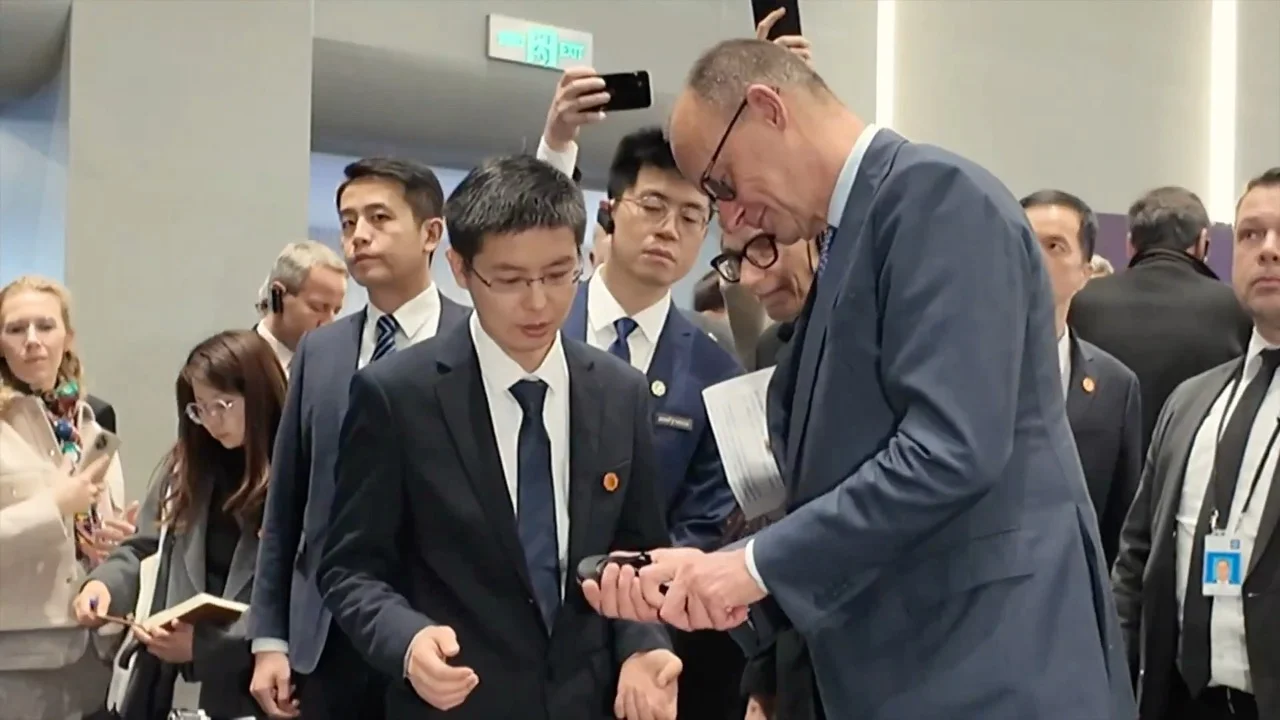
While these performances highlight the platforms' balance and high-precision motor control, the Chancellor’s interest appeared to extend beyond the novelty of "drunken boxing" maneuvers. On the factory floor, Merz was observed closely examining robot components and discussing technical specifications with Wang. This level of scrutiny suggests that the German delegation is looking past the "dedicated purpose" strategy—which has seen Unitree humanoids deployed as entertainment acts on cruise ships—and toward their potential utility in structured industrial environments.
The weekly humanoid robotics briefing
One email a week: the launches, funding and research that mattered, with context from Humanoids Daily.
Read recent issuesThe Industrial Pivot
For Unitree, the visit provides a crucial "window" for expansion into the European market. Wang Xingxing noted that the German market possesses "huge potential," particularly as the industry looks to move beyond the current "utility gap".
The presence of German automotive and machinery titans is particularly telling. As Unitree attempts to scale toward its aggressive goal of shipping 20,000 units in 2026, securing partnerships with high-precision manufacturing leaders could be the key to transitioning from "showbiz" hardware to indispensable industrial tools.
The Battle for the European Foothold
The high-level diplomatic focus on Unitree comes just days after its primary rival, Shanghai-based AgiBot, made its own aggressive play for the European market. On February 24, 2026, AgiBot held a major launch event in Munich, where it announced a strategic partnership with Minth Group, a global Tier 1 automotive supplier.
The AgiBot-Minth collaboration aims to establish localized technical teams and production facilities in Germany to provide immediate productivity gains for European enterprises.
This competition between the two giants has now officially moved from disputed shipment data in China to a competition for the favor of the German industrial machine. Whether Chancellor Merz’s visit to Hangzhou will result in a formal counterweight to AgiBot’s Munich expansion remains a key question for the sector.
A Shifting Landscape
This diplomatic engagement comes at a time of intense competition within the sector. While Unitree has spent upwards of $13.7 million on domestic marketing to secure its status as a household name, the arrival of a foreign head of state and a massive business delegation elevates the stakes from consumer interest to global trade strategy.
Whether this visit will result in immediate joint ventures remains to be seen, but it underscores a growing consensus: the humanoid robotics industry is no longer just a spectacle of synchronized jumps and dance moves. It is increasingly becoming a core pillar of the next industrial revolution.
Share this article
Read next
- Published on
- Reading time
- 3 min read
Unitree Unveils Human-Sized Robot Hand Starting at $6,500
- Published on
- Reading time
- 3 min read
Unitree Says It Won’t Become a Robot Integration Company
- Published on
- Reading time
- 5 min read
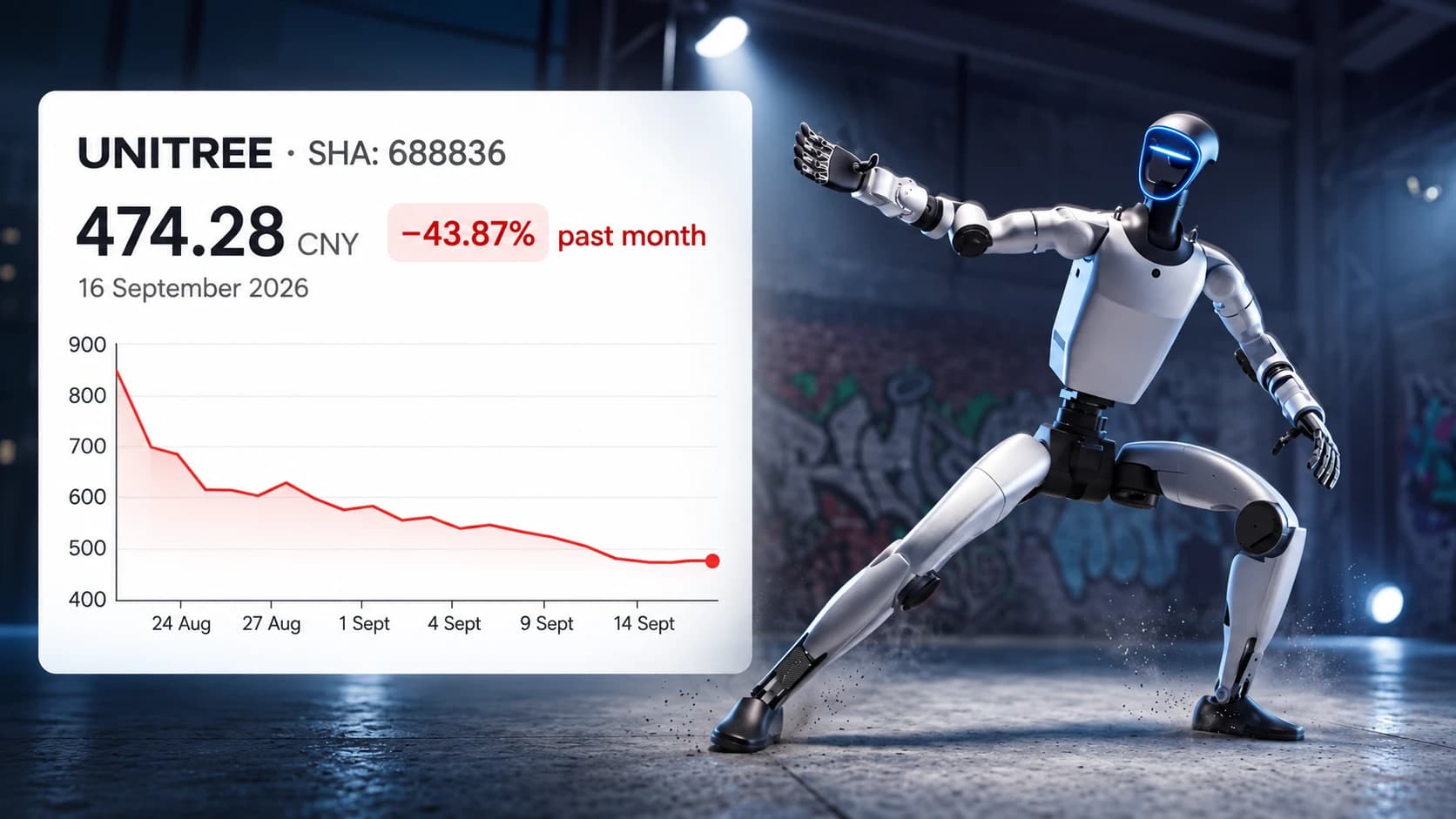
Unitree’s Stock Slump Puts China’s Robot IPOs Under Scrutiny
- Published on
- Reading time
- 7 min read
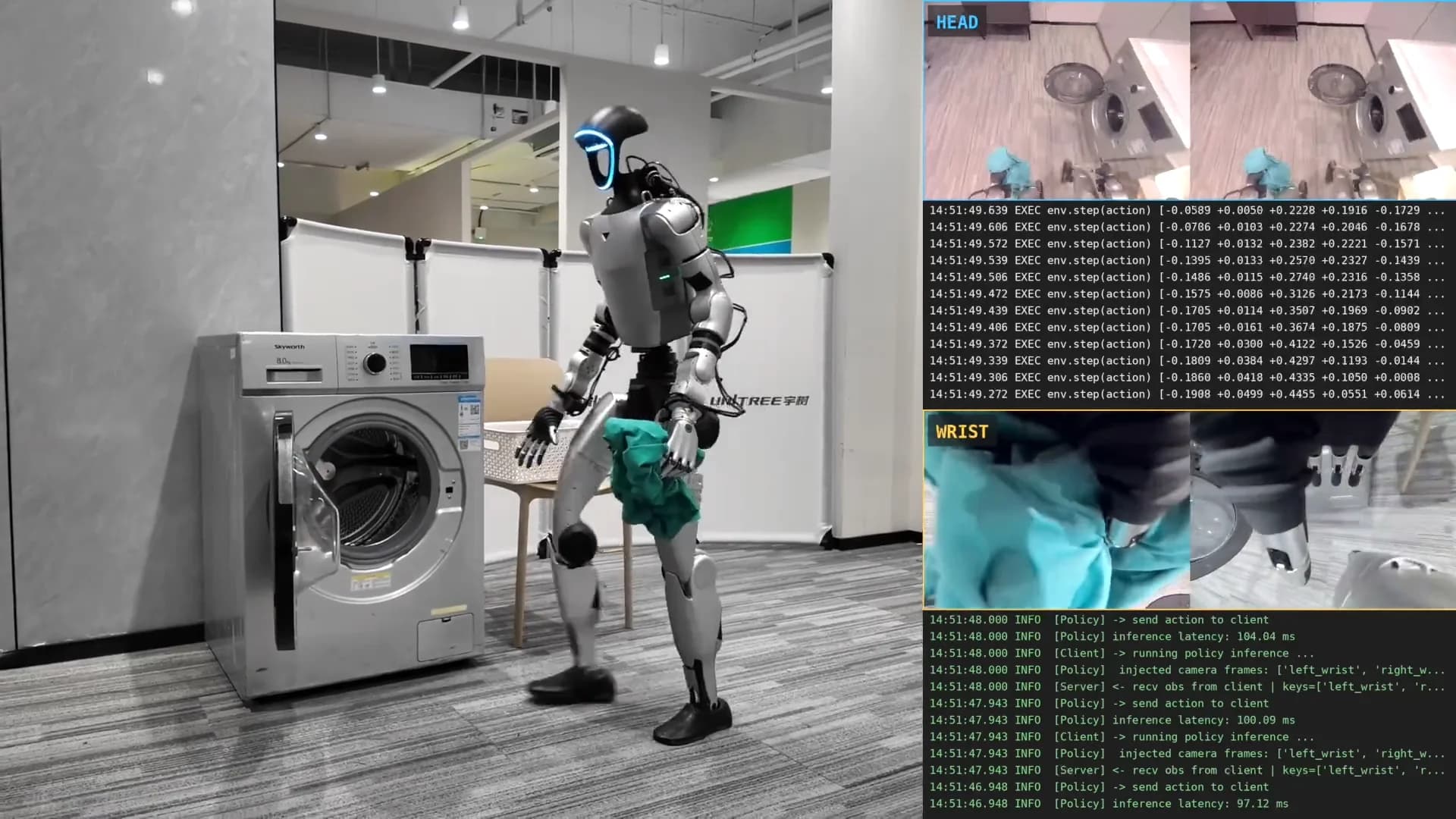
Unitree’s AI models explained: UniFoLM, WLA and X2
- Published on
- Reading time
- 3 min read
Unitree launches G1+ with stronger motors, a moving neck and a $15,000 price
- Published on
- Reading time
- 7 min read
Unitree Begins Open Release of UnifoLM-WLA-1.0 to Tackle Humanoid Generalization
The weekly humanoid robotics briefing
One email a week: the launches, funding and research that mattered, with context from Humanoids Daily.
Read recent issues