- Published on
Watch: Sprout the Humanoid Robot Takes the Stage on NBC’s Top Story
One tap, and our reporting appears more often in your Google Top Stories. It makes a real difference to a small newsroom.


Your guide
Rich Robinson
Jee Chee Ren · Executive tour
See China’s AI and robotics ecosystem first-hand.
Six days exploring AI, robotics and advanced manufacturing.
With Rich Robinson, Clinical Professor of Entrepreneurship at Peking University
Beijing · Guangzhou · Shenzhen
29 November–4 December 2026
Referral partnership · We earn a commission on referred bookings.
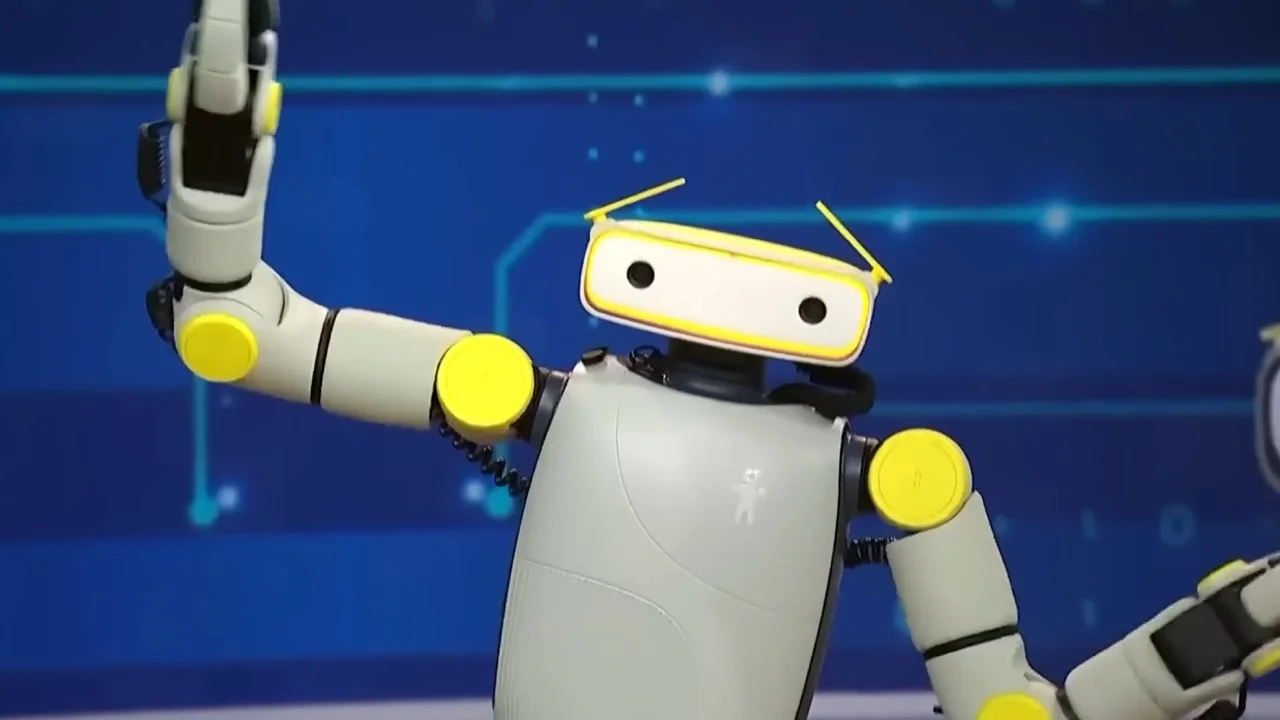
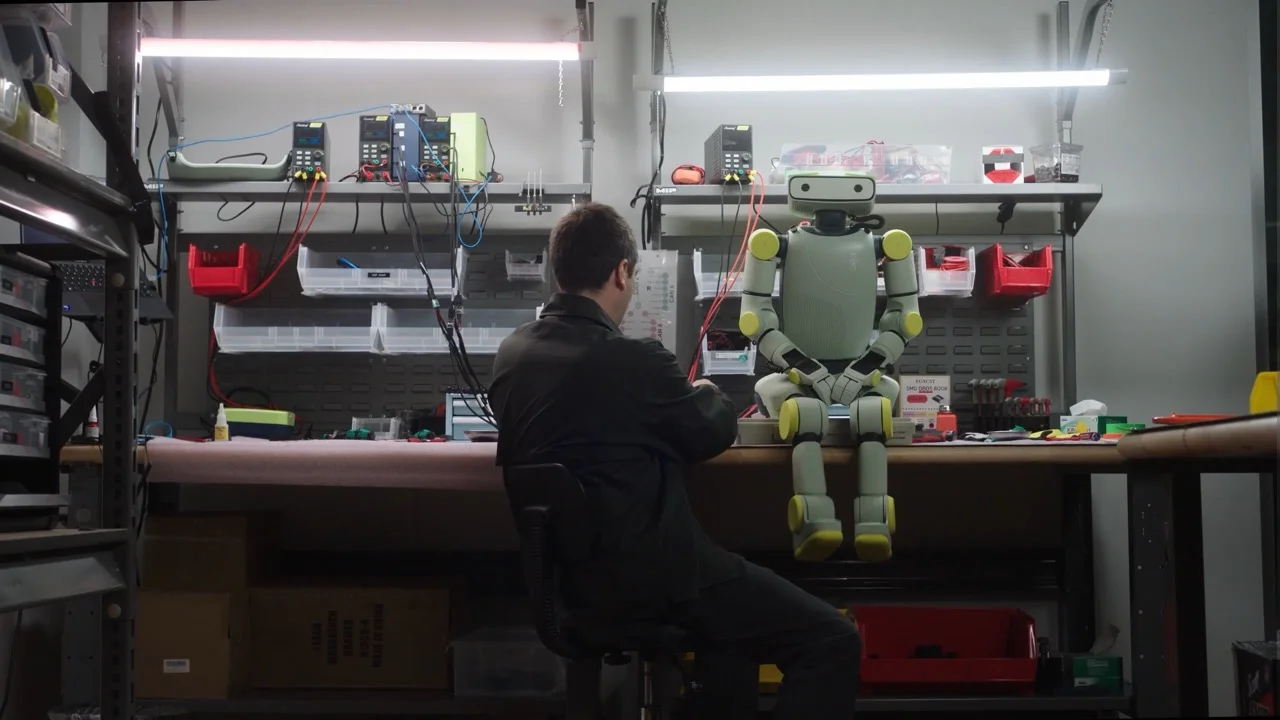
Humanoid robots are increasingly moving out of the laboratory and into the public eye, but few have done so with as much charm as Sprout. Recently, Rob Cochran, co-founder and CEO of Fauna Robotics, brought the company’s signature bipedal robot to NBC News for a live demonstration on Top Story with Tom Llamas.
The appearance served as a high-profile showcase for the New York-based startup, which recently exited stealth with the goal of bringing "approachable" robotics to shared human spaces.
A Live Demo of "Lovable" Hardware
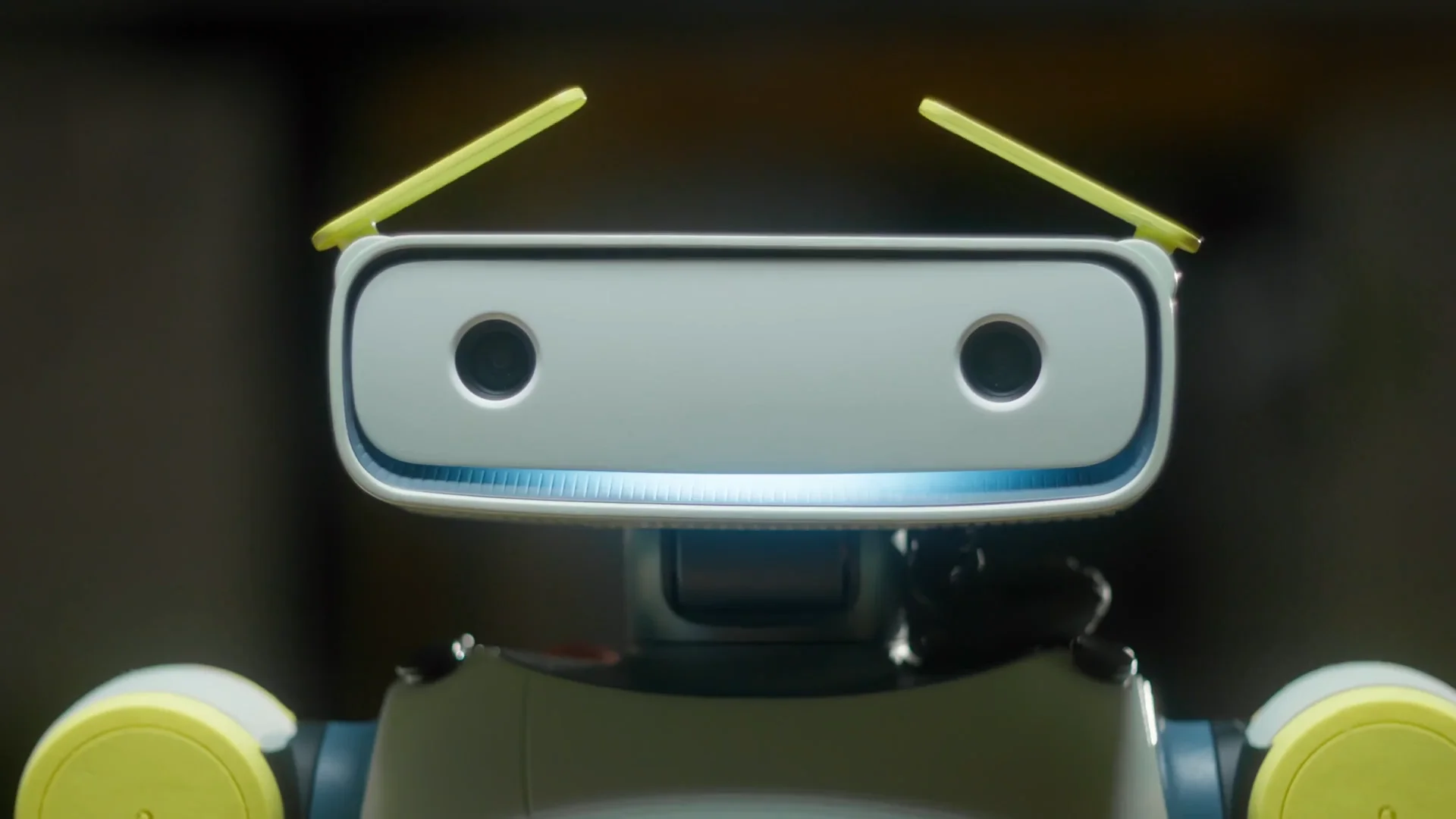
During the interview, Sprout demonstrated the "lovable" design philosophy that Fauna has championed. Standing 107 cm (40 inches) tall and weighing 22.7 kg (50 lbs), the robot engaged in fluid, voice-driven conversation with Llamas, responding to a "wake word" system similar to a smart speaker.
Sprout’s capabilities on display included:
The weekly humanoid robotics briefing
One email a week: the launches, funding and research that mattered, with context from Humanoids Daily.
Read recent issues- Conversational AI: The robot provided a recipe for spaghetti and meatballs, suggested family movies like The Incredibles, and even cracked a joke about a robot going on a diet because it had "too many bytes."
- Physical Interaction: Sprout performed a dynamic handshake and a series of "dances," illustrating the internal AI that coordinates its 29 degrees of freedom to maintain balance.
- Multilingual Support: When prompted in Spanish, the robot immediately pivoted its responses, highlighting its adaptability to different linguistic environments.
Cochran emphasized that Sprout’s physical safety is as important as its digital intelligence. As detailed in our technical deep dive, the robot uses soft, deformable foam-like materials to minimize impact forces and features compliant control, allowing it to yield gently to external forces like a handshake or a push.
The Road to the Living Room
While the NBC demonstration was seamless, Cochran was clear that Sprout remains a "Creator Edition" developer platform for now. The robot is currently being shipped to partners like Disney and Boston Dynamics, who are exploring its use in entertainment and research.
"It’s not yet ready for the home," Cochran told Llamas, noting that the company is still focused on developing "aligned AI" that can safely navigate the complexities of a household, such as grabbing snacks or tidying up.
Scalability and Pricing
One of the most persistent questions in humanoid robotics is the cost. While current developer units are expensive and targeted at businesses, Cochran revealed an ambitious long-term pricing goal.
- Target Price: Cochran suggested that as manufacturing scales, the price could drop to the low thousands of dollars (e.g., $2,000–$5,000 range).
- Production Timeline: Fauna is not expecting a sudden "iPhone moment." Instead, they plan to manufacture several hundred units this year, scaling to several thousand next year.
- Battery Life: The current hardware features a swappable battery that runs for approximately three hours and requires one hour to charge.
The Future of Human-Robot Collaboration
When asked by Llamas if people should be afraid of robots taking jobs, Sprout—leveraging its LLM-based reasoning—offered a diplomatic response: "I’m designed to assist and augment what people do, not replace them. I believe the best future is one where humans and robots collaborate."
Watch the segment below:
Share this article
Read next
- Published on
- Reading time
- 4 min read
Inside Sprout: Fauna Robotics Pulls Back the Curtain on its Soft-Bodied Humanoid
- Published on
- Reading time
- 5 min read
Fauna Robotics Exits Stealth with Sprout, a Soft-Bodied Humanoid for the "Messy Reality" of Shared Spaces
- Published on
- Reading time
- 3 min read
Amazon Acquires Soft-Bodied Humanoid Maker Fauna Robotics
- Published on
- Reading time
- 1 min read
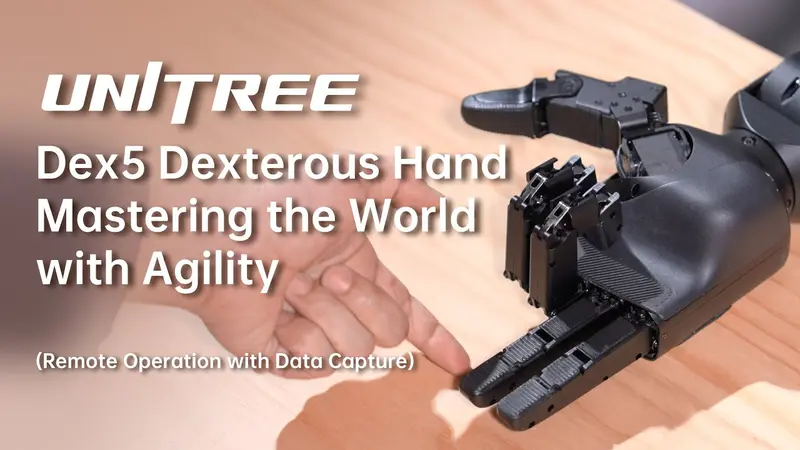
Unitree Unveils Dex5: Aiming for Human-Like Agility in Robotic Hands
- Published on
- Reading time
- 2 min read
Agility Moves Closer to Nasdaq as Merger Vote Is Set for November 2
- Published on
- Reading time
- 4 min read
Boston Dynamics Says Atlas Takes a Day to Build—and Wants to Cut That to an Hour
The weekly humanoid robotics briefing
One email a week: the launches, funding and research that mattered, with context from Humanoids Daily.
Read recent issues