- Published on
BMW Reflections: Why the Spartanburg Pilot Succeeded and Why Figure 02 Had to Die
One tap, and our reporting appears more often in your Google Top Stories. It makes a real difference to a small newsroom.


Your guide
Rich Robinson
Jee Chee Ren · Executive tour
See China’s AI and robotics ecosystem first-hand.
Six days exploring AI, robotics and advanced manufacturing.
With Rich Robinson, Clinical Professor of Entrepreneurship at Peking University
Beijing · Guangzhou · Shenzhen
29 November–4 December 2026
Referral partnership · We earn a commission on referred bookings.
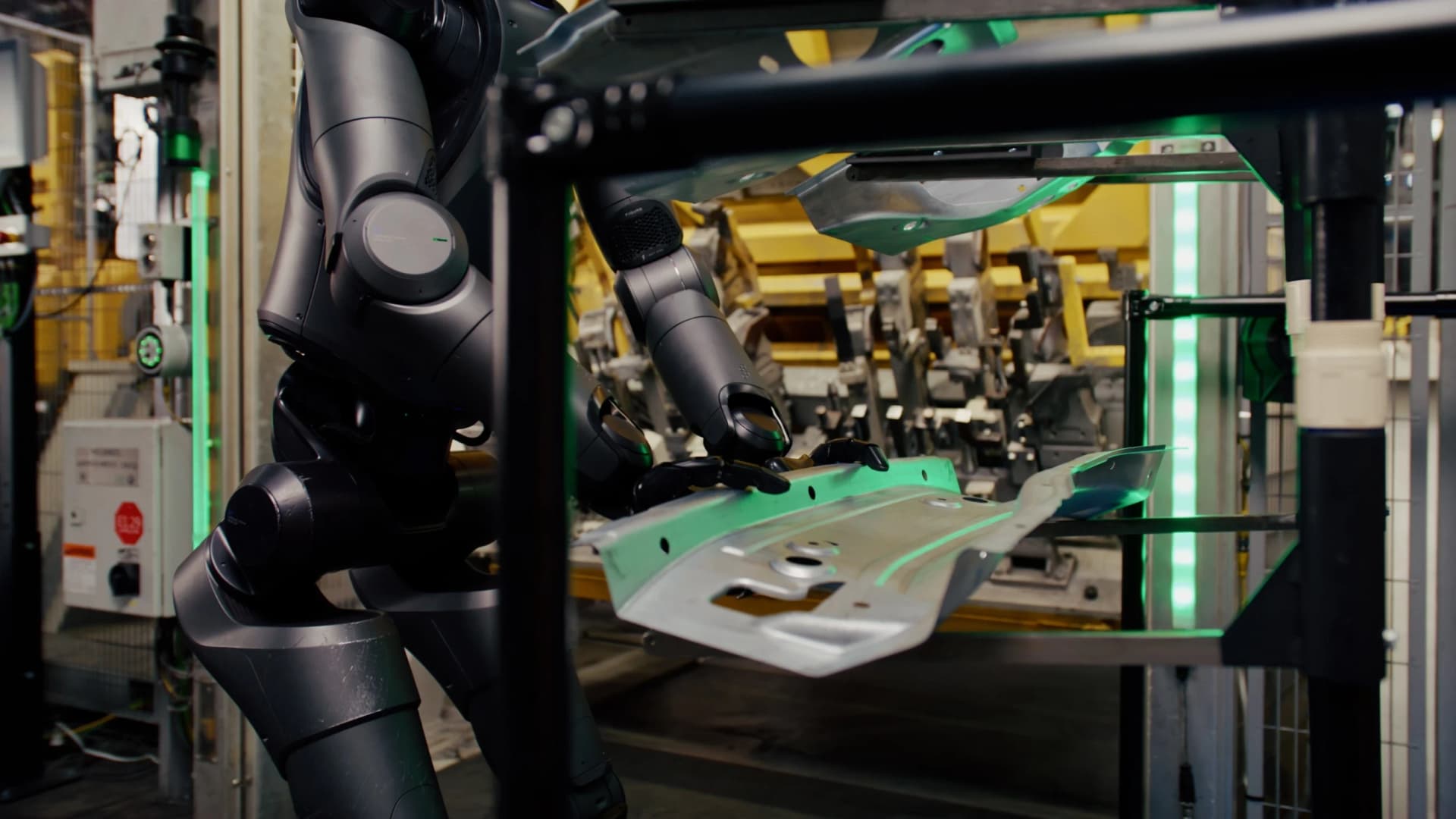
When BMW announced this week that it was bringing Hexagon’s AEON humanoid to its Leipzig plant, the automaker also offered a rare, reflective look at its first major humanoid experiment in South Carolina. While the industry has obsessed over the technical specs of the now-retired Figure 02 fleet, the new data paints a picture of a pilot that was as much about cultural integration as it was about sheet-metal loading.
The post-mortem reveals a surprising reality: in a factory setting, the "human" part of the equation might be easier to solve than the "robot" part.
The Human Element: "A Natural Part of Everyday Work"
One of the most striking tidbits from BMW’s latest report is how quickly the "uncanny valley" vanished on the factory floor. Despite initial skepticism from the public regarding small-scale feasibility studies, BMW claims the robots "quickly became a natural part of everyday work" for the human staff in Spartanburg.

BMW attribute this to two factors:
The weekly humanoid robotics briefing
One email a week: the launches, funding and research that mattered, with context from Humanoids Daily.
Read recent issues- Transparency: The project team prioritized early communication with employees to ensure the "Physical AI" was seen as a tool, not a replacement.
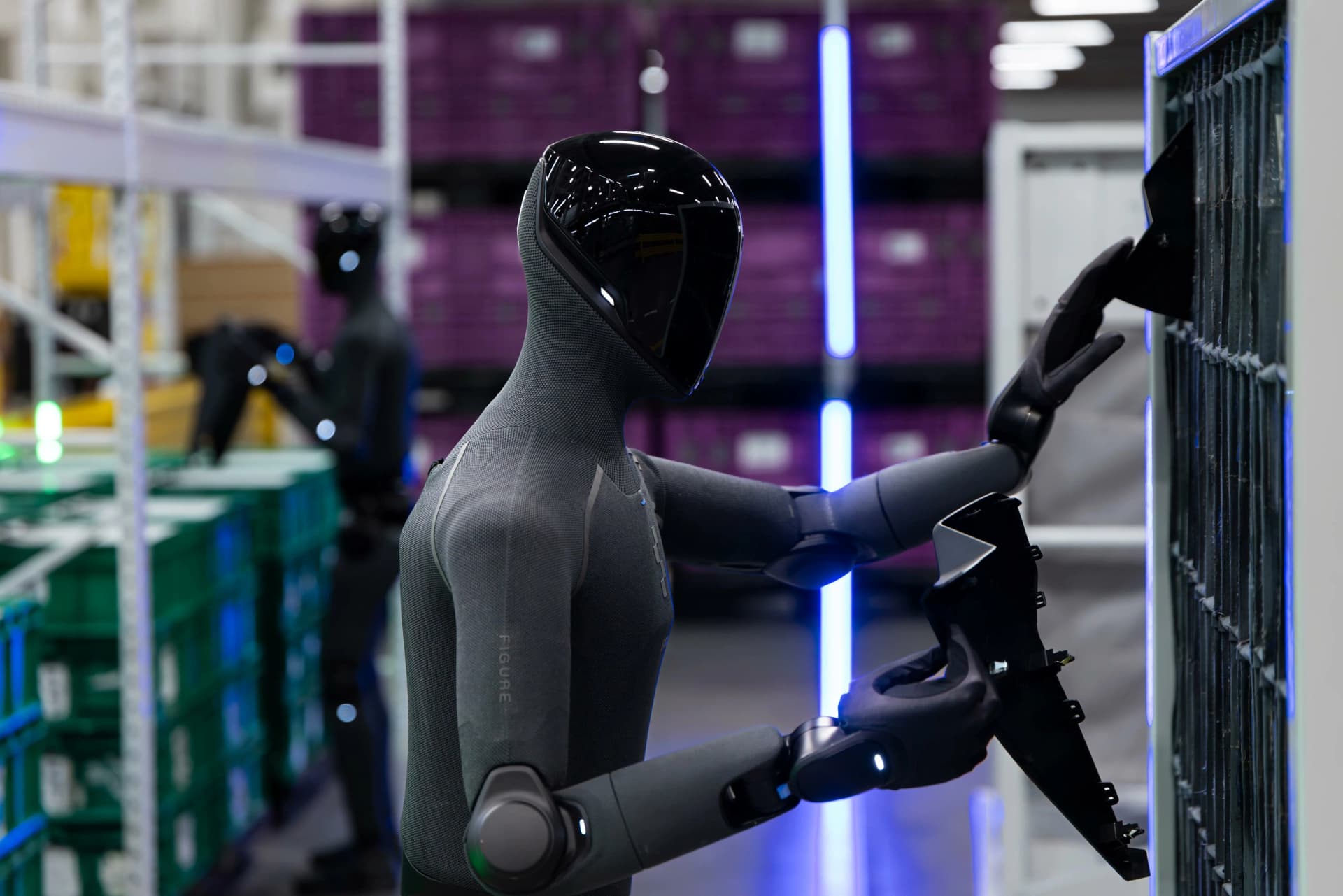
- Strategic Placement: The body shop was chosen specifically because it was already highly automated, meaning staff were comfortable working alongside smart transport robots (STR) and other advanced systems.
Perhaps most importantly for the future of the industry, BMW noted that the transition from the laboratory to the production environment was "faster than expected." Motion sequences trained in simulation and lab settings were able to be transferred into stable shift operations with minimal friction.

The Brute Force Problem
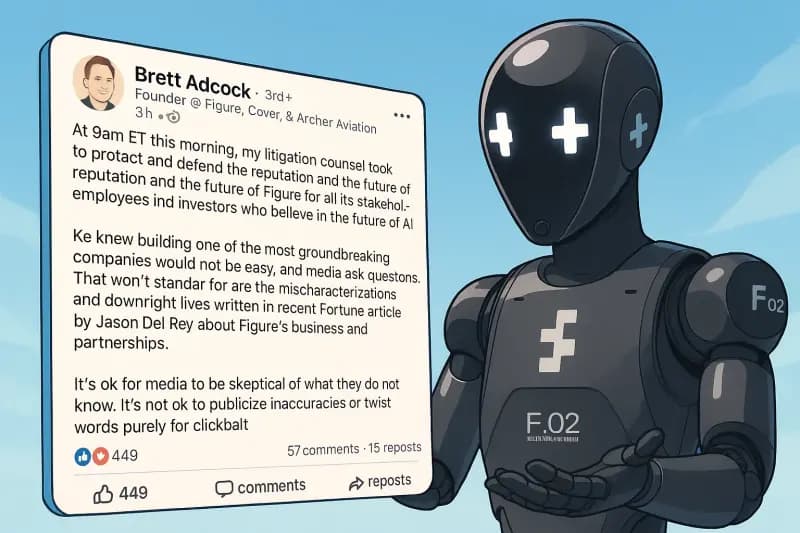
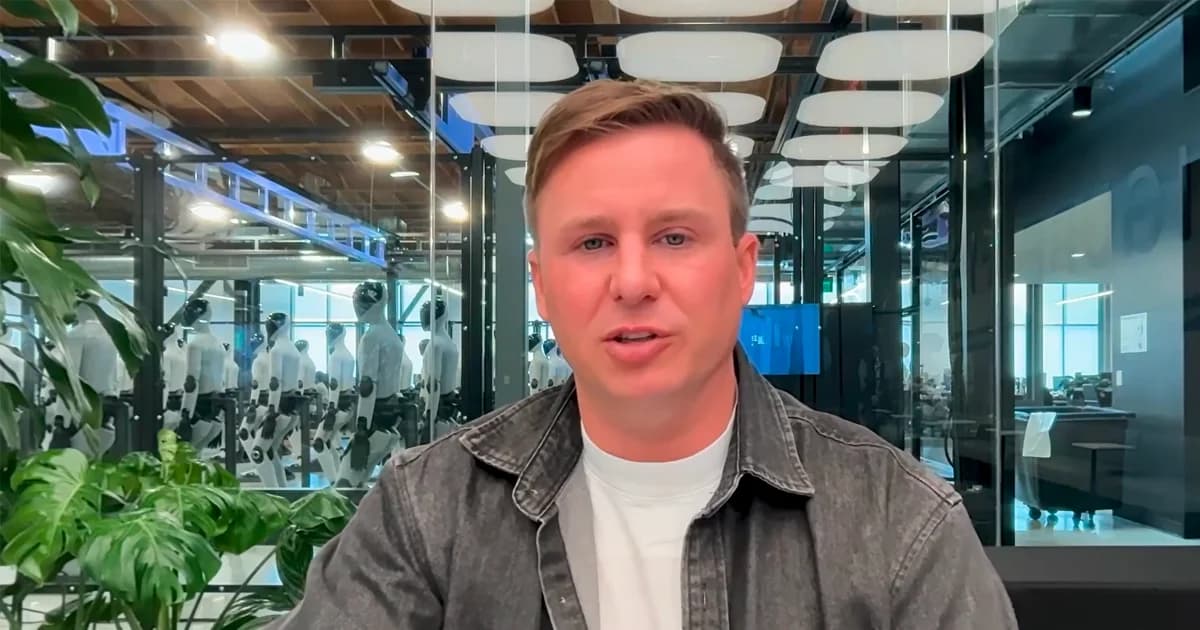
While BMW was satisfied with the trial, Figure CEO Brett Adcock recently provided a more critical assessment of the hardware. In a technical deep-dive, Adcock admitted that while the Figure 02 was a functional workhorse—contributing to 30,000 vehicles—its internal architecture was a dead end.
"I don’t want to ship 100,000 robots in this architecture stack," Adcock explained. "It’d be too brute force."
The "bitter lesson" of the Spartanburg pilot was that the Figure 02 relied on a hybrid software system. The upper body ran on neural networks, but the lower body controller was still written in rigid C++ code. This made the robot capable of specific tasks but limited its ability to generalize or learn from the massive datasets required for mass-market deployment.
Helix 2.0: Designing for Data
The failure points of the Spartanburg pilot have directly dictated the design of the Figure 03 and its new Helix 2.0 operating system.
Key technical shifts include:
- End-to-End Neural Nets: Moving away from C++ for the lower body, the new stack is full-body neural networks, allowing the robot to learn locomotion and manipulation simultaneously.
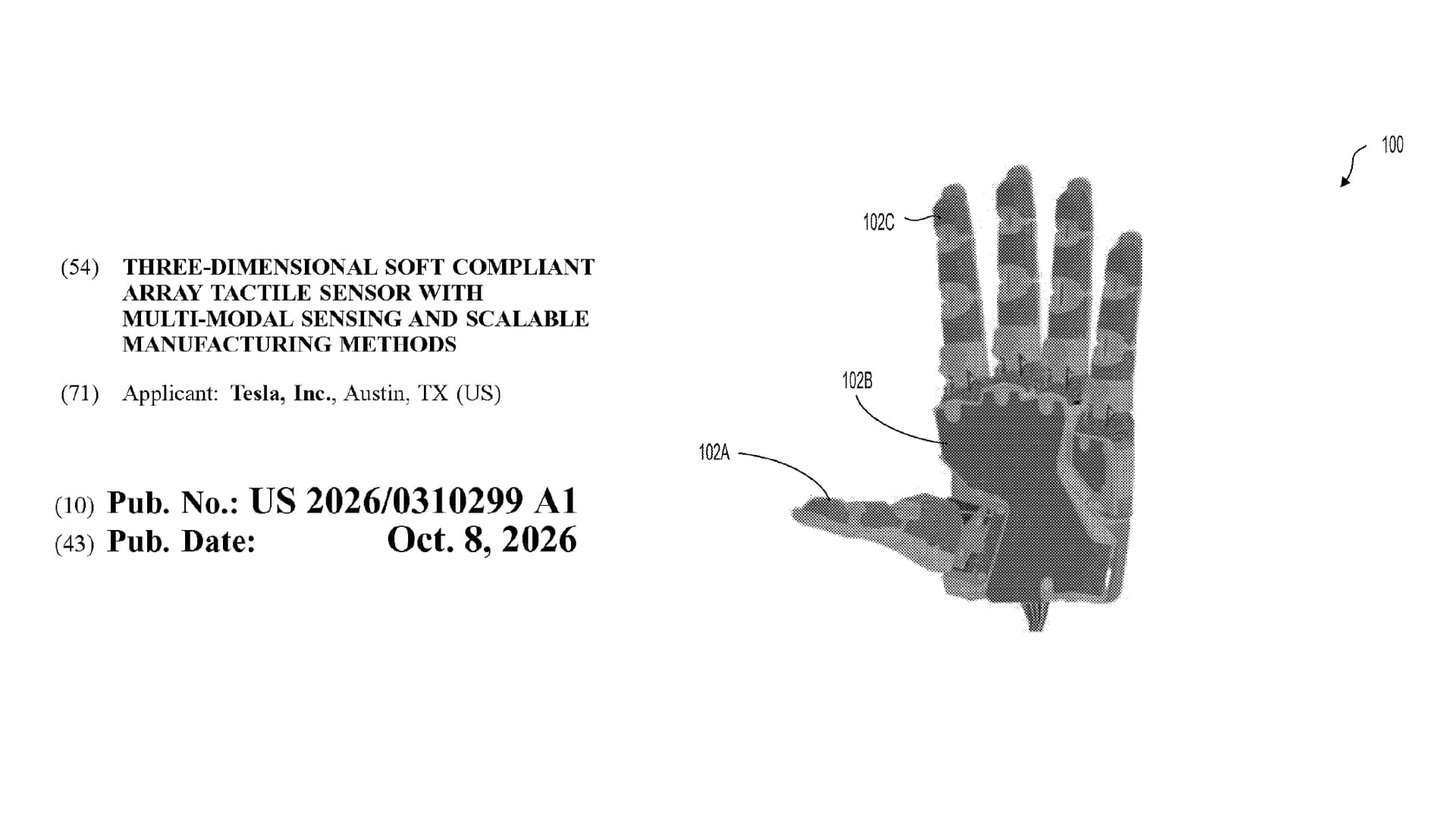
- Tactile Feedback: Every fingertip on the new 7th-gen hand features tactile sensors, and palm cameras have been added to assist when the robot's "head" cameras are occluded by its own hands.
- Hardware Simplification: After identifying the forearm as the top failure point at BMW, Figure eliminated the distribution boards and dynamic cabling that were prone to snapping under the stress of 10-hour shifts.

What Comes Next?
BMW is not slowing down. The company has established a new Center of Competence (CoC) for Physical AI in Production in Munich to standardize how these machines interact with the "BMW Smart Robotics" ecosystem.
While the AEON robot begins its residency in Leipzig, BMW and Figure are reportedly evaluating use cases for the Figure 03. The goal remains the same: moving from "battle-scarred" prototypes to a reliable, scalable workforce that can survive more than a few months on the line.
Share this article
Read next
- Published on
- Reading time
- 4 min read
The End of C++: Brett Adcock on Helix 02 and Figure’s Path to "Room-Scale" Autonomy
- Published on
- Reading time
- 6 min read
Back to Spartanburg: Figure 03 Deploys at BMW for Complex Logistics Sequencing
- Published on
- Reading time
- 4 min read
Figure AI CEO Threatens Defamation Lawsuit Against Fortune Over Partnership Reporting
- Published on
- Reading time
- 5 min read
From Pixels to Torque: Figure Unveils Helix 02 and the Era of Whole-Body Autonomy
- Published on
- Reading time
- 3 min read
The Dishwasher Wars: Figure Fires Back at Sunday Robotics with Glassware Demo
- Published on
- Reading time
- 6 min read
Figure CEO Brett Adcock Claims Humanoids Are Already Delivering ROI Amid Severe Labor Shortages
The weekly humanoid robotics briefing
One email a week: the launches, funding and research that mattered, with context from Humanoids Daily.
Read recent issues