- Published on
CATL Deploys Humanoid Fleet to High-Voltage Lines, Claims Production Breakthrough
One tap, and our reporting appears more often in your Google Top Stories. It makes a real difference to a small newsroom.

Supported by RoboStrategySupport for Humanoids Daily comes from RoboStrategy
Sponsored
Investing involves risk, including possible loss of principal. Read the prospectus before investing.
Luoyang, China — As the global humanoid sector shifts its focus from dynamic movement to industrial utility, Contemporary Amperex Technology Co. Limited (CATL) is prioritizing a different metric entirely: amperage.
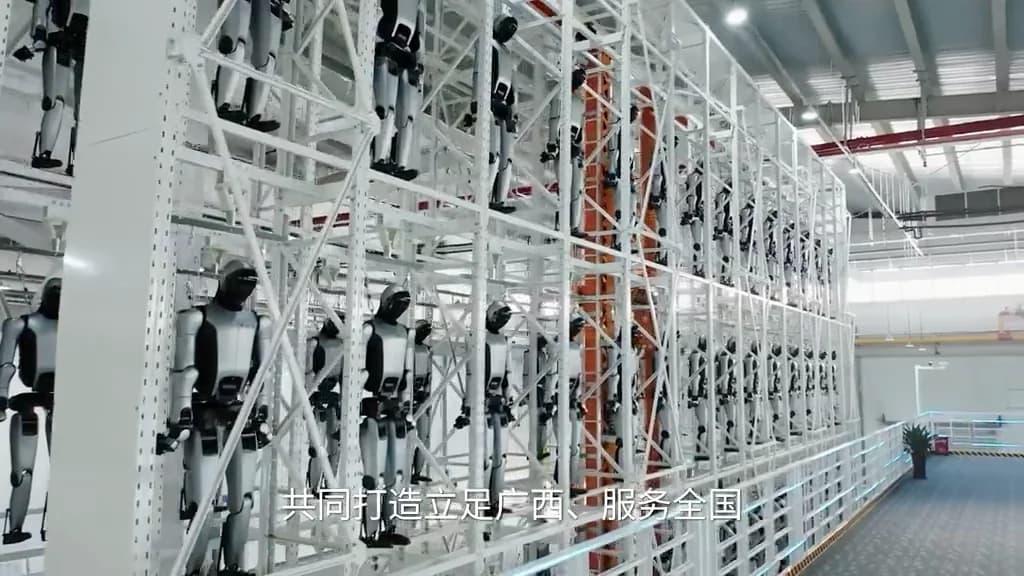
The world’s largest battery manufacturer announced on Wednesday that it has successfully deployed a fleet of humanoid robots, developed by its portfolio company Spirit AI, into live production at its Zhongzhou facility. The deployment, which CATL characterizes as the "world's first large-scale implementation" of humanoids in battery manufacturing , targets a specific, high-risk bottleneck: the testing of high-voltage battery packs.
The Robot: Meet "Moz"
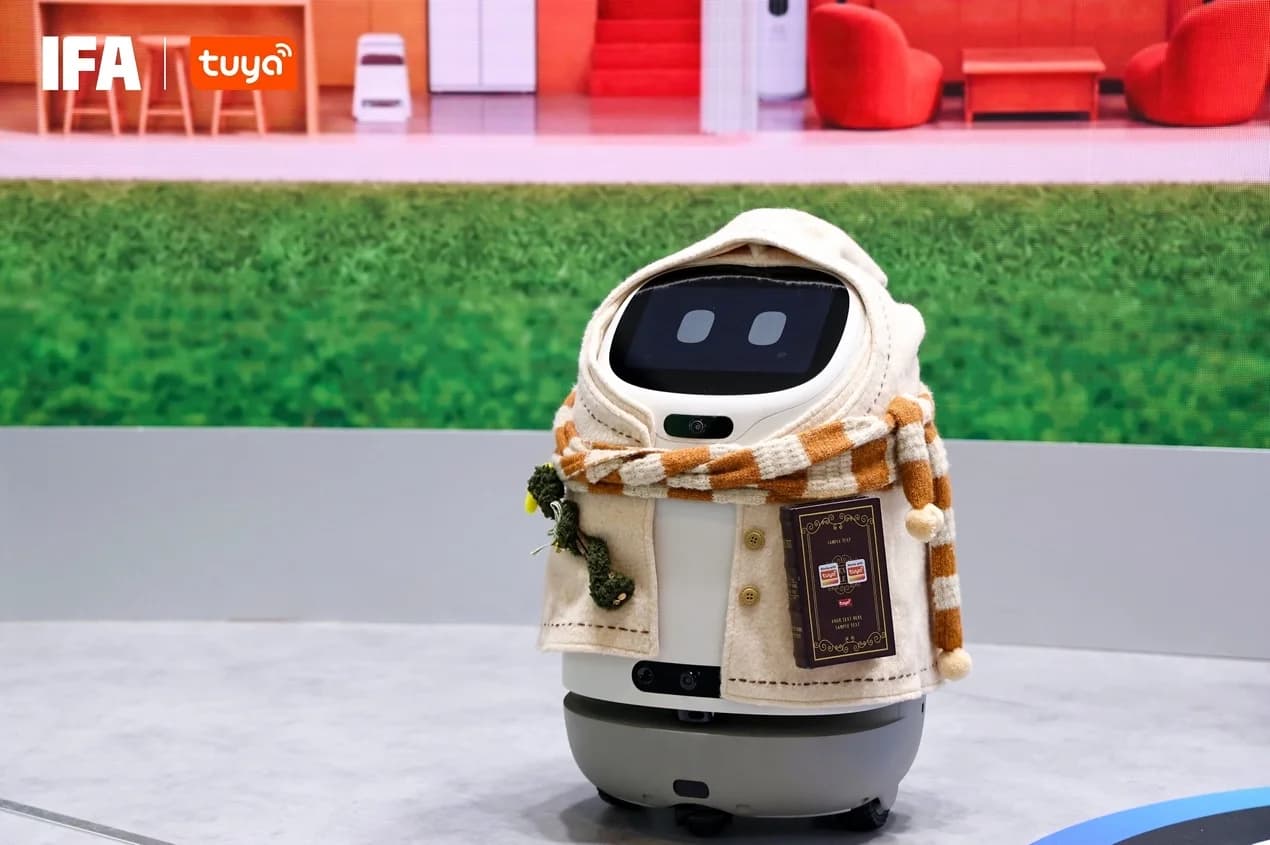
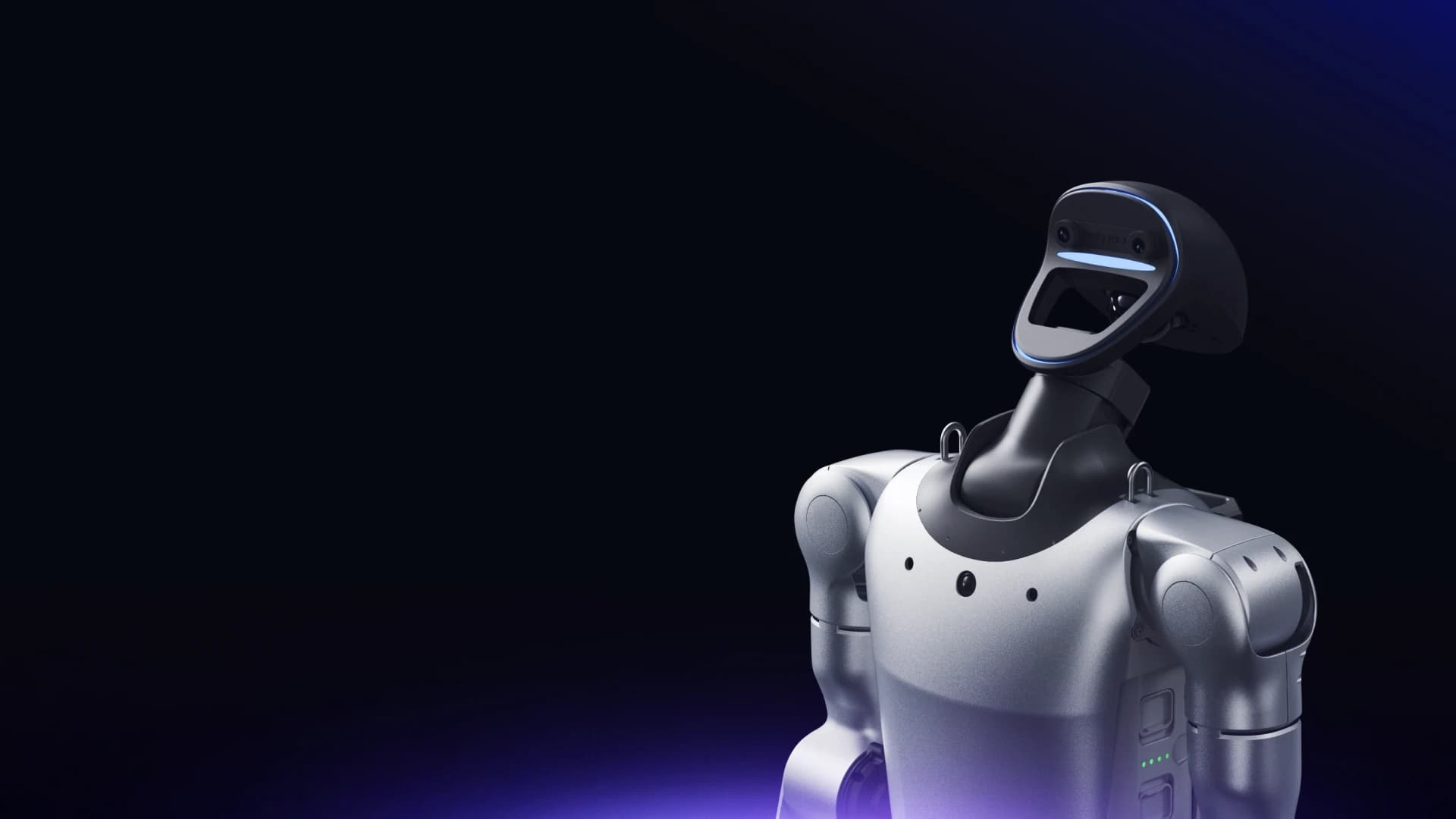
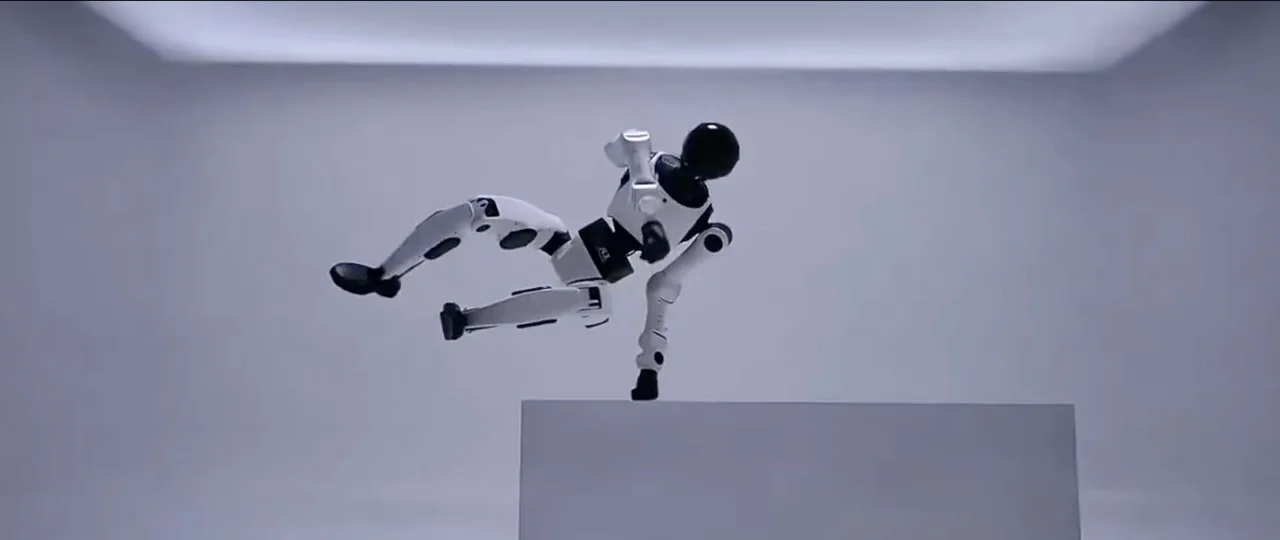
The robot, referred to as "Moz" (or "Xiaomo" in Chinese media), was developed by Spirit AI, a Hangzhou-based startup founded in 2024. Crucially, Spirit AI is backed by CATL, mirroring the Hyundai-Boston Dynamics strategy of an industrial giant incubating its own automation solution.

The Job: High Voltage, Flexible Cables
The specific application for Moz is the "End of Line" (EOL) and "Direct Current Resistance" (DCR) testing stations. This is a critical quality control step where high-voltage plugs must be inserted into the battery pack to verify performance.
The weekly humanoid robotics briefing
One email a week: the launches, funding and research that mattered, with context from Humanoids Daily.
Read recent issuesFor human workers, this station is fraught with risk. The packs carry hundreds of volts, creating a constant danger of arcing and electric shock. For traditional robots, however, the task is equally daunting for a different reason: deformable objects.
Inserting a plug attached to a flexible wire harness is notoriously difficult for "blind" industrial arms. If a cable twists or sags even slightly, a pre-programmed robot will miss the socket or strip the threads.
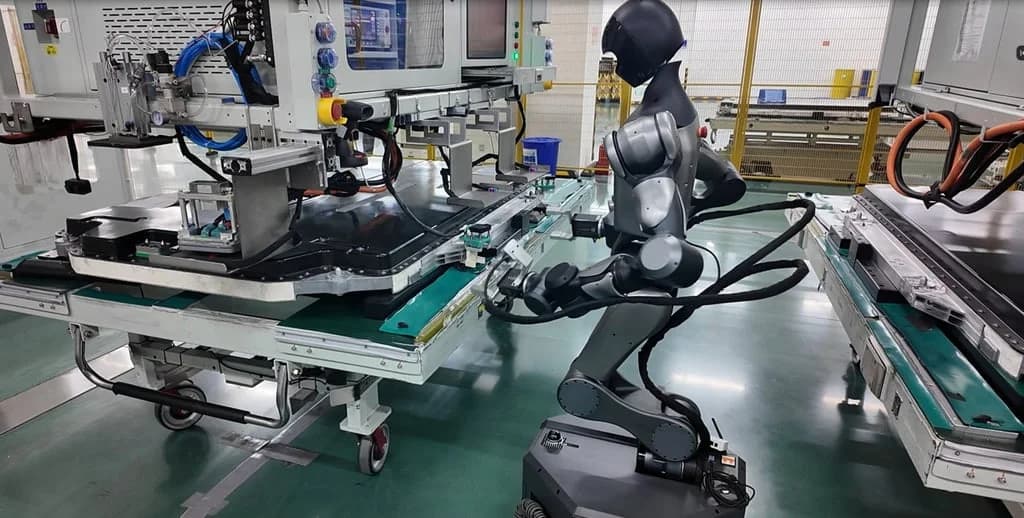
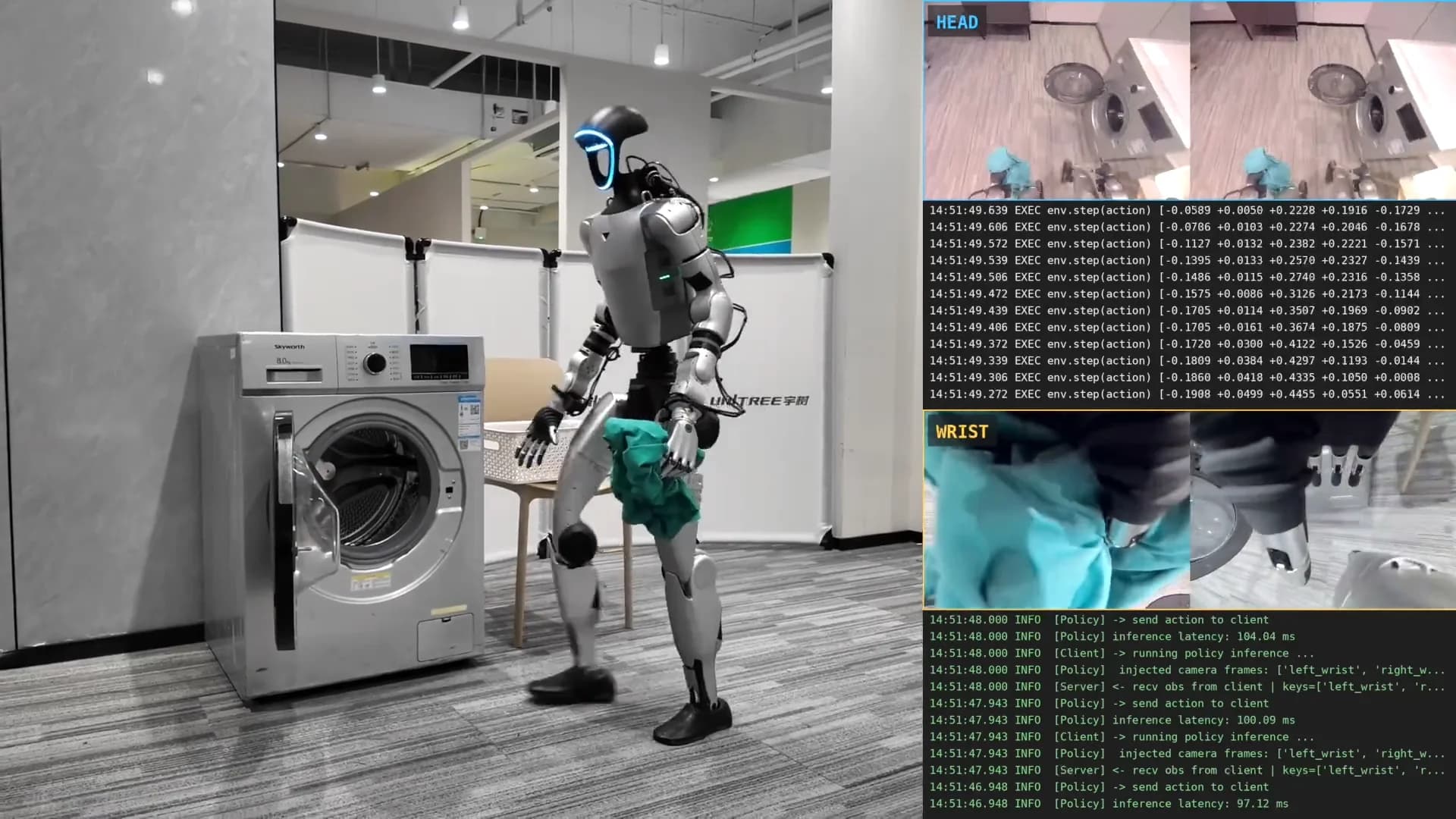
CATL claims that Moz solves this using a Vision-Language-Action (VLA) model—similar to the architecture recently unveiled by Robotera for logistics. This "end-to-end" approach allows the robot to:
- Perceive: Recognize the orientation of the plug and socket in real-time.
- Adapt: Adjust its grip and approach angle to compensate for loose or twisted cables.
- Feel: Modulate force during insertion to prevent damage to the connectors.
According to CATL, the robots have achieved a 99% success rate and match the cycle time of skilled human workers. Because the robots operate 24/7 without breaks, the company reports a threefold increase in daily workload compared to manual labor.
CATL is deploying technology it helped fund directly into its own proprietary lines. This vertical integration allows for fast feedback loops—a necessity when dealing with the "Phase Two" challenges of manufacturing reliability.
The deployment also serves as a strategic hedge against Beijing's recent crackdown on technological redundancy. By proving that its robots are not just "repetitive clones" but essential safety tools in a critical supply chain, Spirit AI validates its existence in an increasingly crowded market.
Share this article
Read next
- Published on
- Reading time
- 5 min read
The $1.4 Billion Sprint: Inside China’s Post-Gala Humanoid Funding Frenzy
- Published on
- Reading time
- 3 min read
AGIBOT Says A3 Ultra Is Going to Work in Hotels, Shops and Metro Inspection
- Published on
- Reading time
- 3 min read
Unitree Says It Won’t Become a Robot Integration Company
- Published on
- Reading time
- 5 min read
Unitree’s Stock Slump Puts China’s Robot IPOs Under Scrutiny
- Published on
- Reading time
- 6 min read
Global Humanoid Shipments Surpass 22,000 in H1 2026 as AGIBOT Leads and Form-Factor Debates Intensify
- Published on
- Reading time
- 3 min read
Beijing Humanoid Robot Innovation Center Secures $100 Million to Scale Commercial Operations

The weekly humanoid robotics briefing
One email a week: the launches, funding and research that mattered, with context from Humanoids Daily.
Read recent issues