- Published on
Delta Intelligence Targets Energy and Infrastructure Beyond Its Household Robot Demo
One tap, and our reporting appears more often in your Google Top Stories. It makes a real difference to a small newsroom.

Supported by RoboStrategySupport for Humanoids Daily comes from RoboStrategy
Sponsored
Investing involves risk, including possible loss of principal. Read the prospectus before investing.
- Delta Intelligence’s Δ₀ demo shows household tasks, but founder Xiaojian Ma says energy and infrastructure are the company’s near-term deployment priorities.
- Delta is developing a head-and-backpack system to bring its models to different humanoid platforms, alongside work with partners on complete bipedal robots.
- Ma says whole-body data collection was part of the plan from day one, with larger-scale pretraining, reinforcement learning and outdoor testing next.
- Delta reports task-success improvements, including 89% on a dishwasher evaluation; these are research results, not evidence of reliable operation at industrial sites.
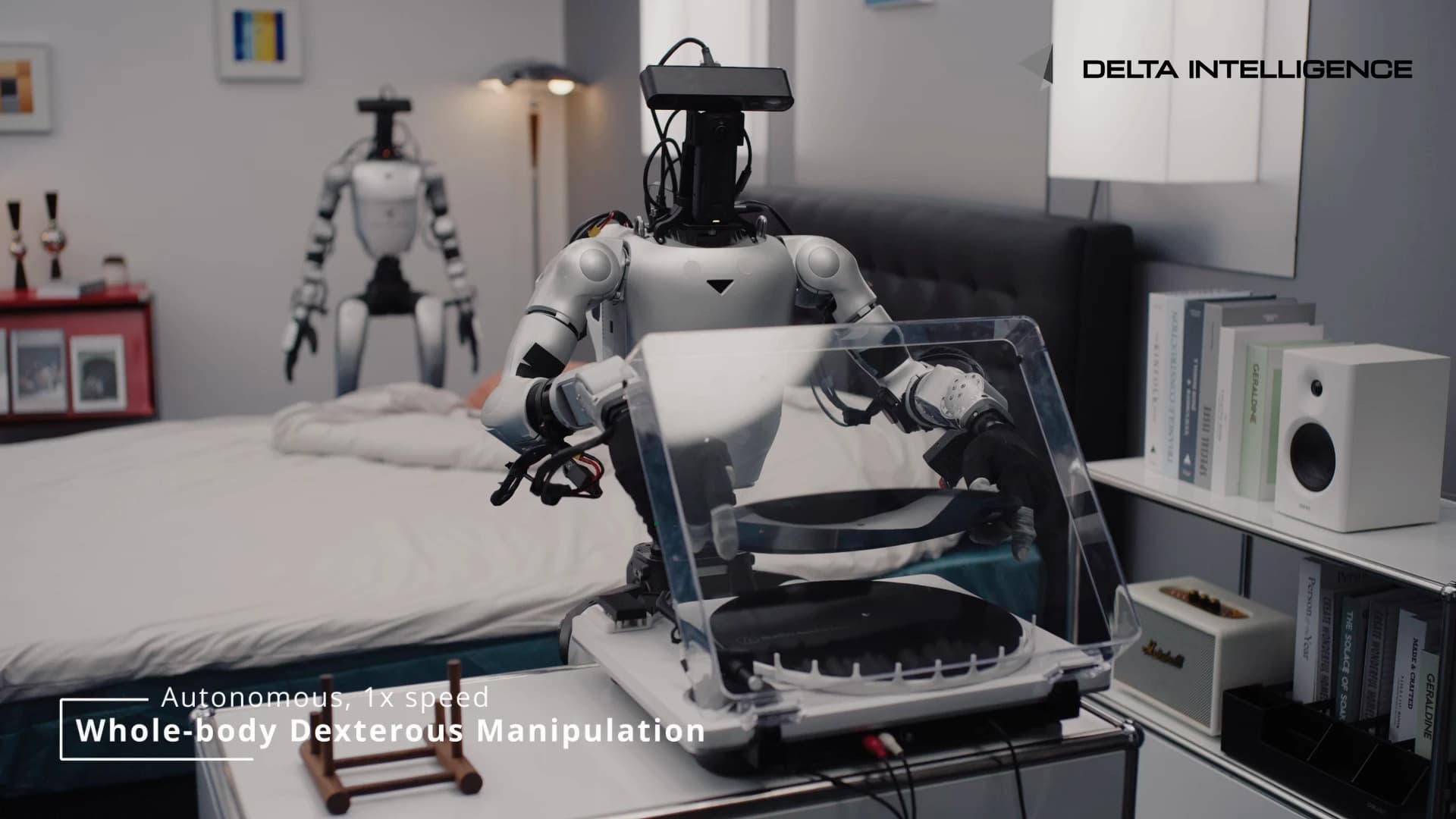
Delta Intelligence’s new humanoid demo features familiar household activities. But the Beijing-based company’s founder, Xiaojian Ma, says its first commercial opportunities are likely to lie in places where people would rather not work at all.
In written answers to Humanoids Daily following the Δ₀ launch, Ma described energy and infrastructure as Delta’s near-term deployment priorities. Homes remain a longer-term opportunity.
“We focused on household tasks in the Δ₀ demo because they are intuitive and relatable to a broad audience,” Ma said. “Our near-term deployment priorities, however, are energy and infrastructure.”
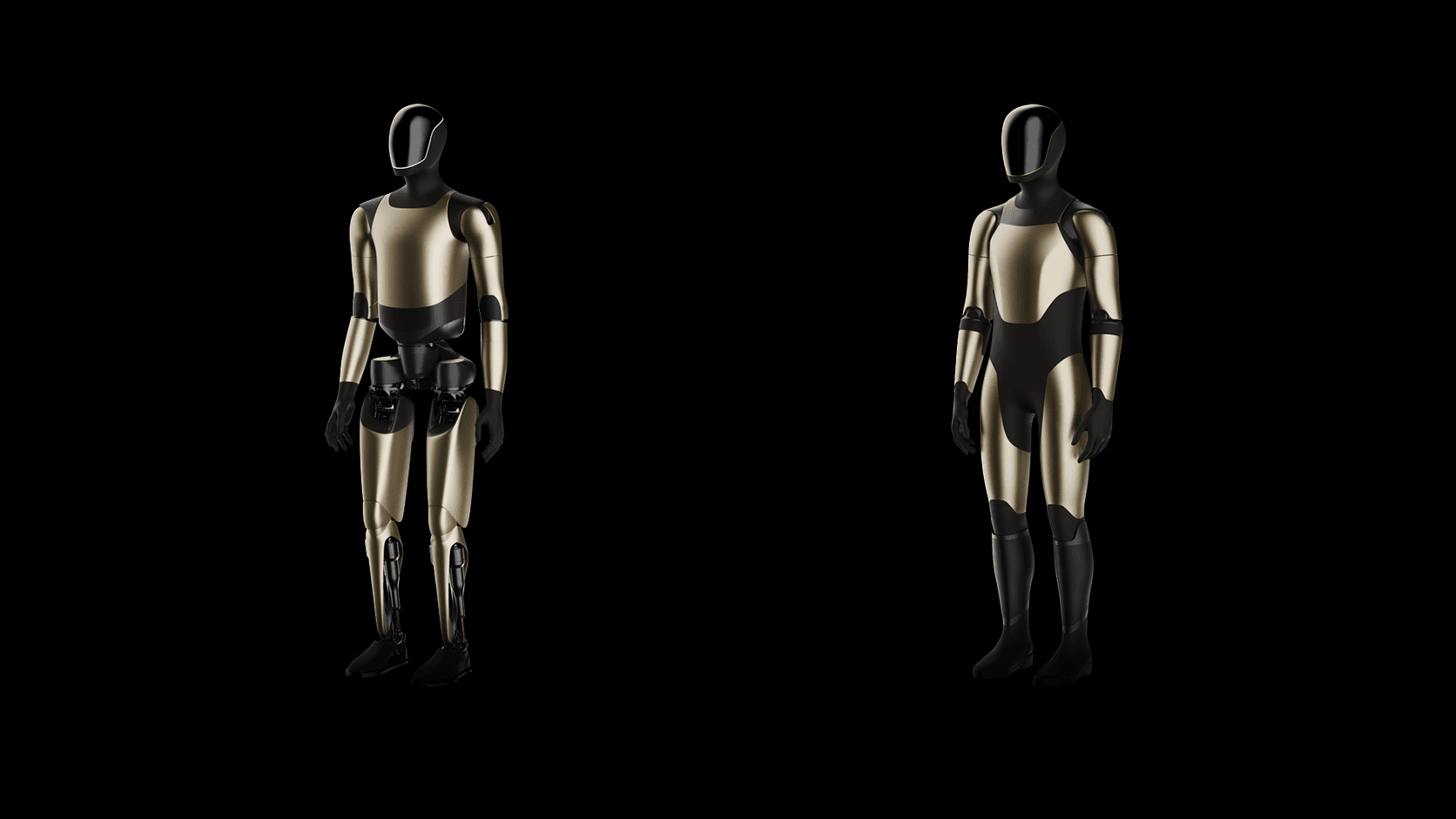
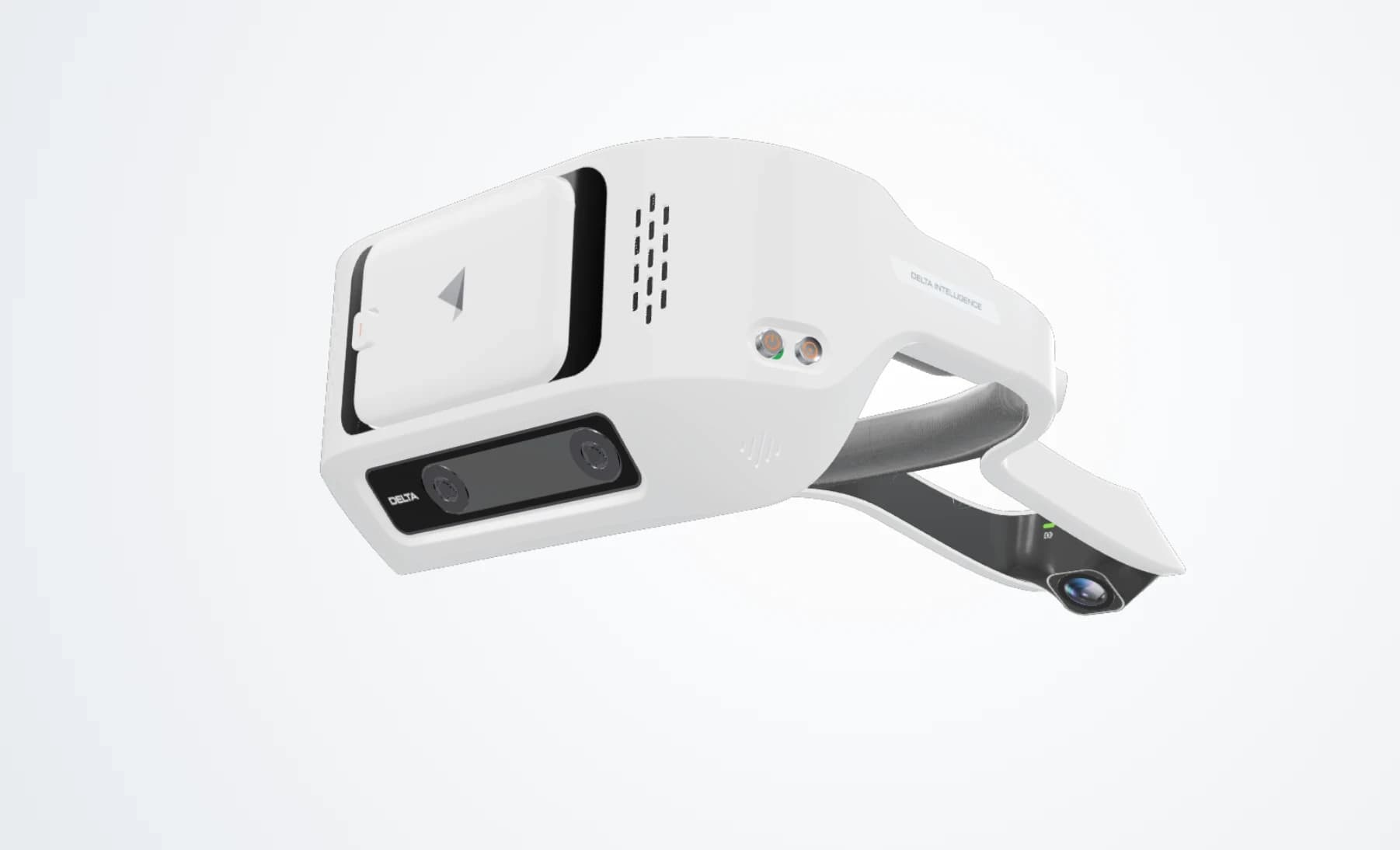
The answers also explain a hardware teaser accompanying the release: a camera-equipped head and a backpack carrying compute, a battery and the model, intended to mount on different humanoid platforms.
The weekly humanoid robotics briefing
One email a week: the launches, funding and research that mattered, with context from Humanoids Daily.
Read recent issuesAn intelligence layer with hardware attached
Delta’s ambition is to supply intelligence across robot brands. Its founder argues that doing so requires a physical system through which the model can perceive and act.
The head-and-backpack configuration is one route. Rather than describing a software-only offering, Ma outlined a package combining perception and onboard resources with the foundation model.
Delta is also working with robotics and automotive partners on the design of complete bipedal humanoids, according to Ma, who emphasized that model development remains the current priority. Those partners were not named in the answers.
That leaves two planned forms for the technology: a system fitted to other humanoids and complete robots developed with partners.
Why the home demo points toward harsher environments
Ma calls the initial target environments “Mars on Earth”: underground facilities, offshore sites and locations with extreme heat or humidity. The argument is that these customers have urgent operational needs and a stronger willingness to pay for machines that can take people out of difficult or unsafe work.
Many such operators already use quadrupeds, Ma said. Delta’s thesis is that humanoids could combine mobility over stairs, steps and obstacles with the ability to manipulate tools and equipment.
Ma went further, arguing that bipedal humanoids could find compelling commercial applications sooner than wheeled robots in these settings. The household tasks communicate the capabilities Delta is pursuing, while the proposed first customers have a different set of operating requirements.
What Δ₀ demonstrates—and what the results measure
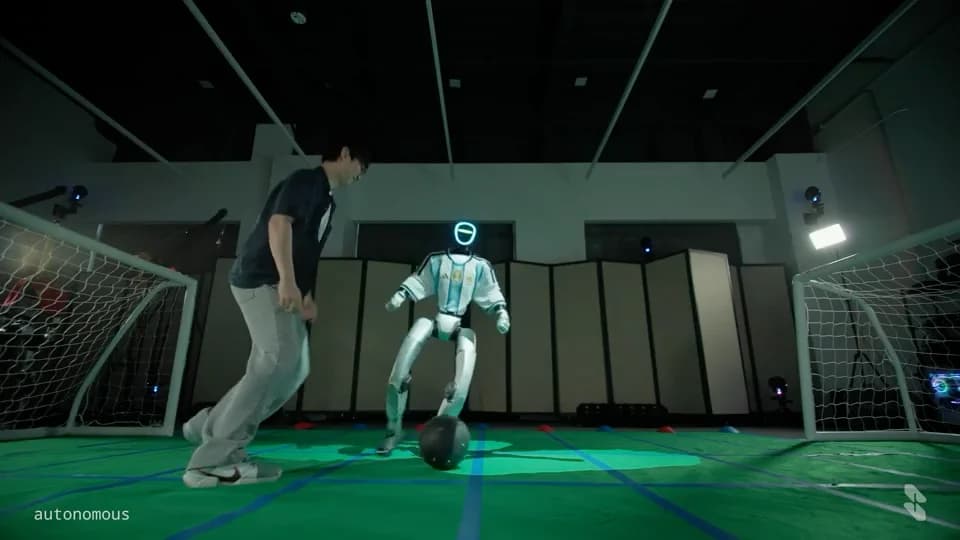
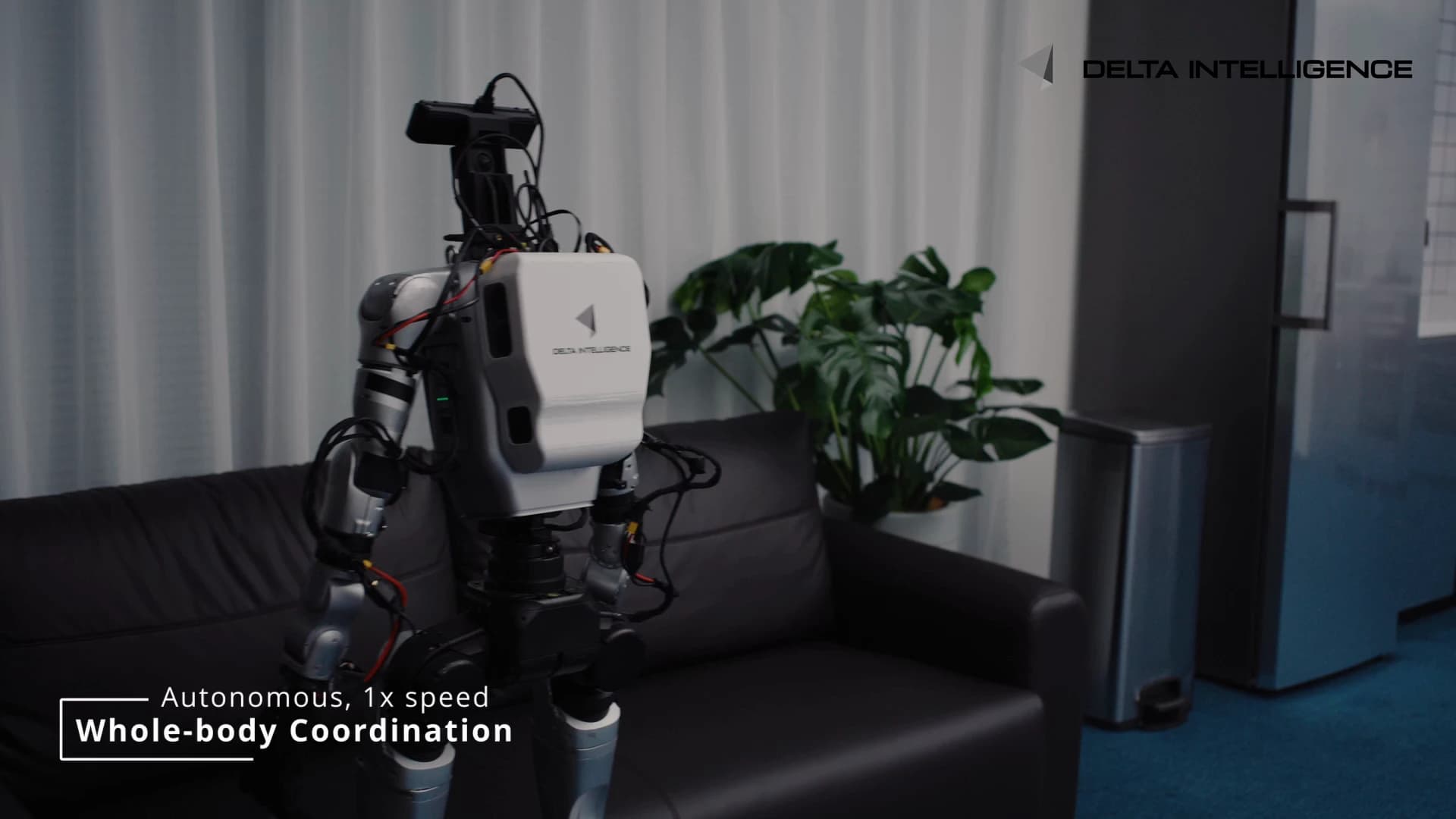
In its technical report, Delta describes a policy coordinating 69 degrees of freedom across the hands, arms, torso and legs of a modified Unitree G1. Its examples include making a bed, operating a turntable and opening a dishwasher. The company labels its task demonstrations autonomous.
The system combines a model that processes observations and instructions with a learned whole-body controller. Delta says pretraining uses more than 10,000 hours of paired human video and motion data.
On a dishwasher evaluation, reported real-world success rises from 23% to 89% as training-data usage increases; the corresponding simulation result reaches 86%. In a separate mirrored-kitchen experiment, success improves from four of 20 trials to 13 of 20 after collecting corrective experience and reinforcement-learning post-training in that layout. The latter is adaptation with additional training, not zero-shot success.
The report also says longer sequences use stage-level instructions from a higher-level model, agent or human. Autonomous physical execution therefore should not be read as proof that every demonstrated sequence was independently planned from one overall instruction.
D1 was part of the plan from the start
Delta sells a "panoramic full-body data capture device" called D1. Ma said the D1 data-capture system did not emerge as an incidental product after model development began.
“Data capture was part of our plan from day one,” Ma said, arguing that a model developer needs to understand and control how its training data is produced.
The emphasis is on whole-body behavior. Recording arms and hands alone misses how people maintain balance, generate force, squat, kneel or bend down while interacting with objects. In Ma’s account, D1 reflects a deliberate decision to own the infrastructure needed to collect that experience.
That fits the broader trend examined in our UMI Effect feature: the collection device is increasingly a central part of the robot-learning strategy. Delta’s particular emphasis is on capturing coordination beyond the hands and upper body.
More data, joint training and outdoor tests
Ma identified three priorities for the next phase: scaling whole-body pretraining data through D1, improving reinforcement learning, and taking humanoids into outdoor environments for data collection and testing.
For reinforcement learning, the goal is to optimize the high-level model and motion controller together. Ma described this as difficult but essential to the reliability Delta wants to achieve, rather than presenting deployment-grade reliability as already solved.
Outdoor testing would expand the range of terrain and situations robots encounter. Ma pointed to curbs and steps as examples, and expressed hope that more real-world activity would encourage clear licensing frameworks for humanoid testing in public spaces.
For Delta, the next test is whether the coordination shown in its household demonstrations can become dependable work in the energy and infrastructure settings its founder sees as the strongest early market.
Share this article
Read next
- Published on
- Reading time
- 5 min read
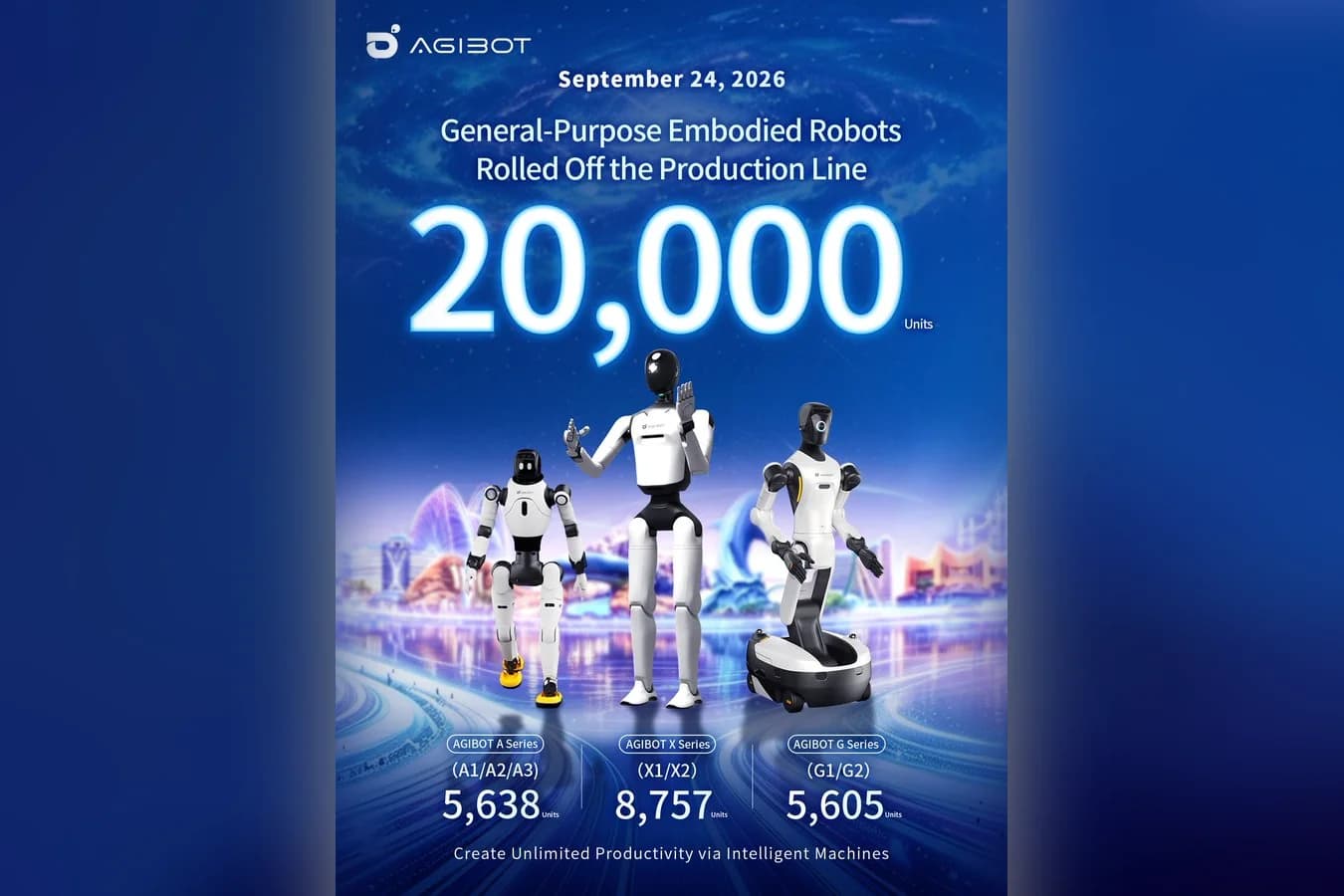
AGIBOT Has Built 20,000 Robots—Twice Its March Total
- Published on
- Reading time
- 8 min read
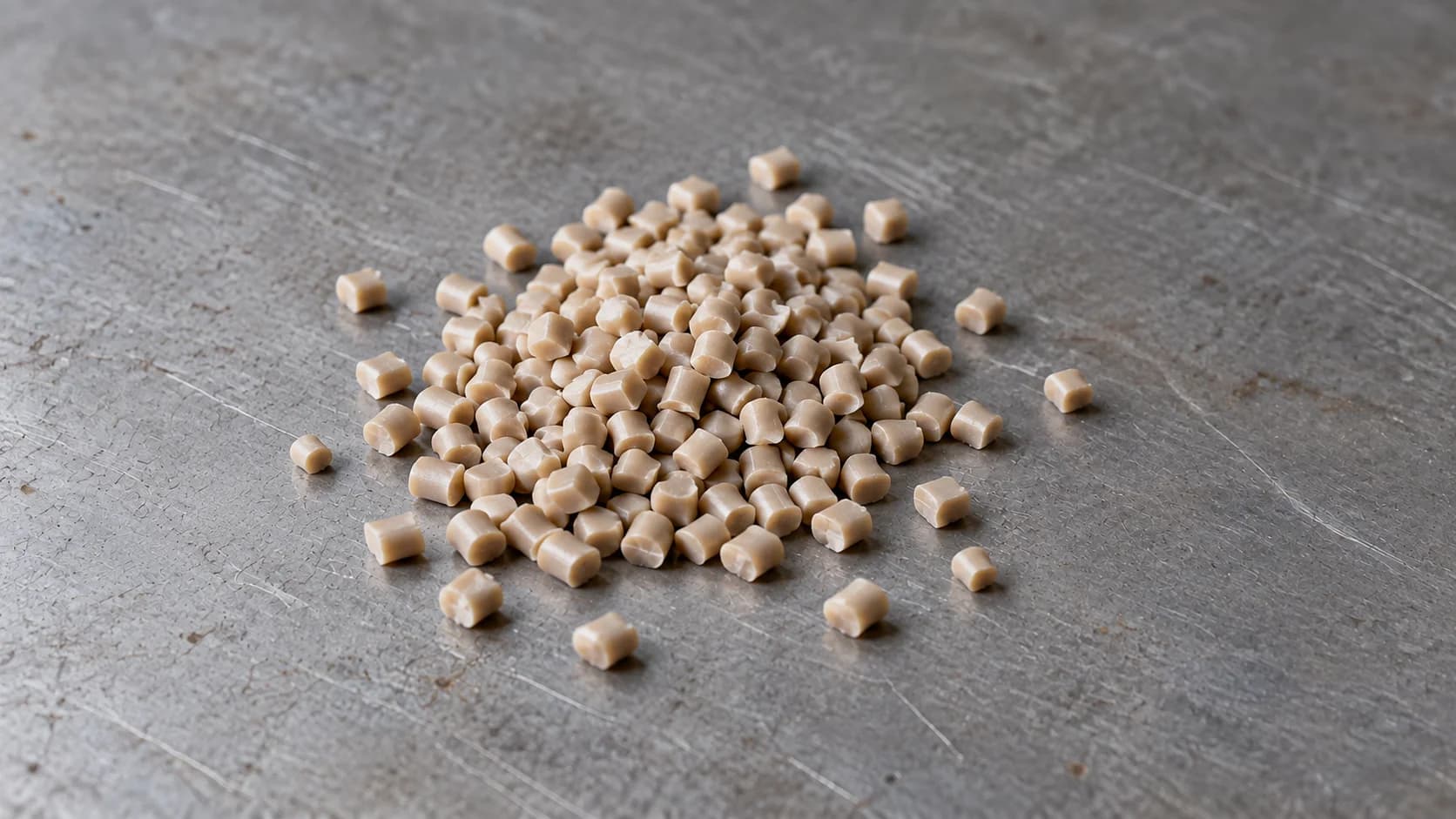
Analysts See a PEEK Boom in Humanoid Robots. Kingfa’s Robotics Lead Says Most of It Is Hype
- Published on
- Reading time
- 4 min read
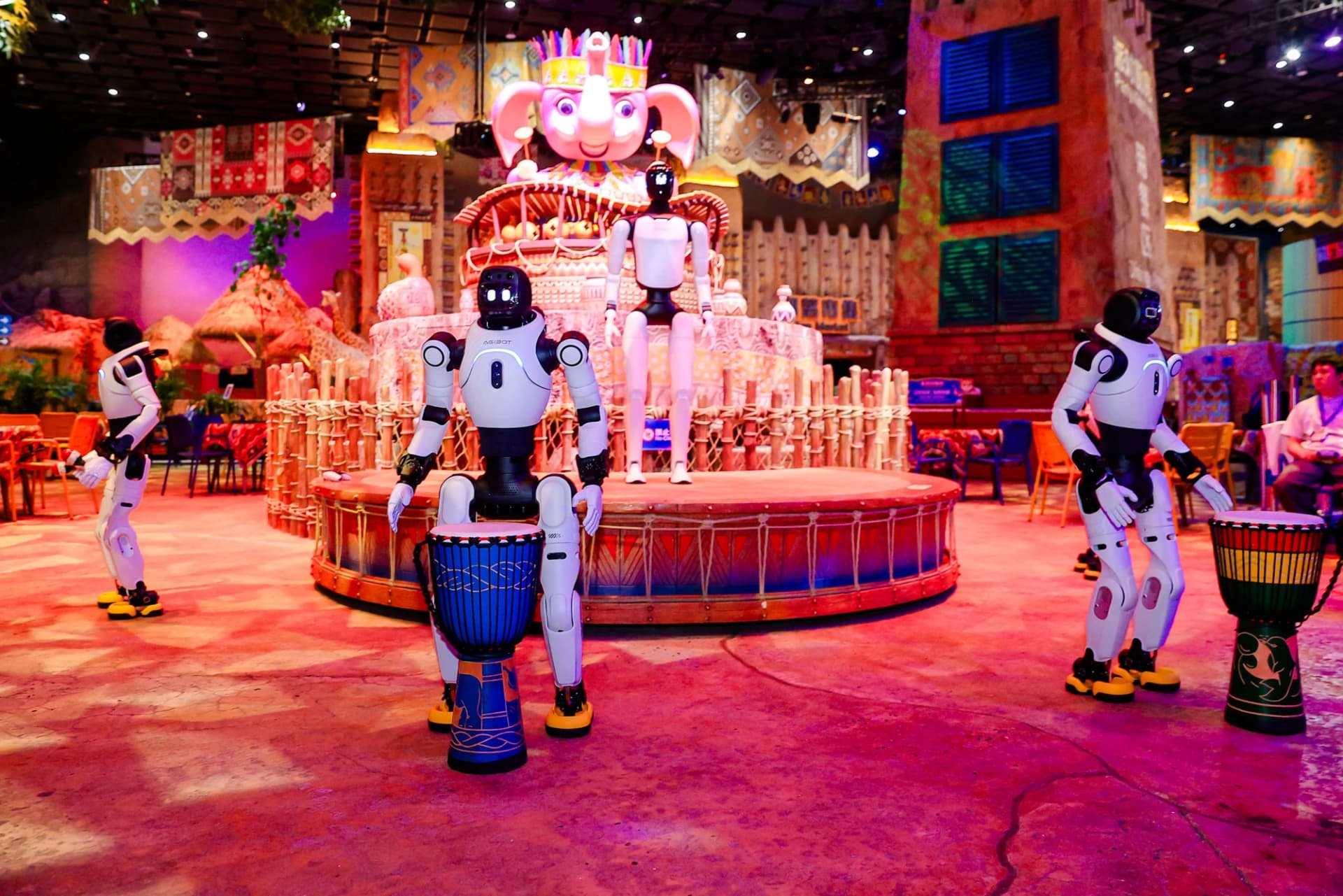
AGIBOT Brings 300-Plus Robots to Chimelong Theme Park
- Published on
- Reading time
- 4 min read
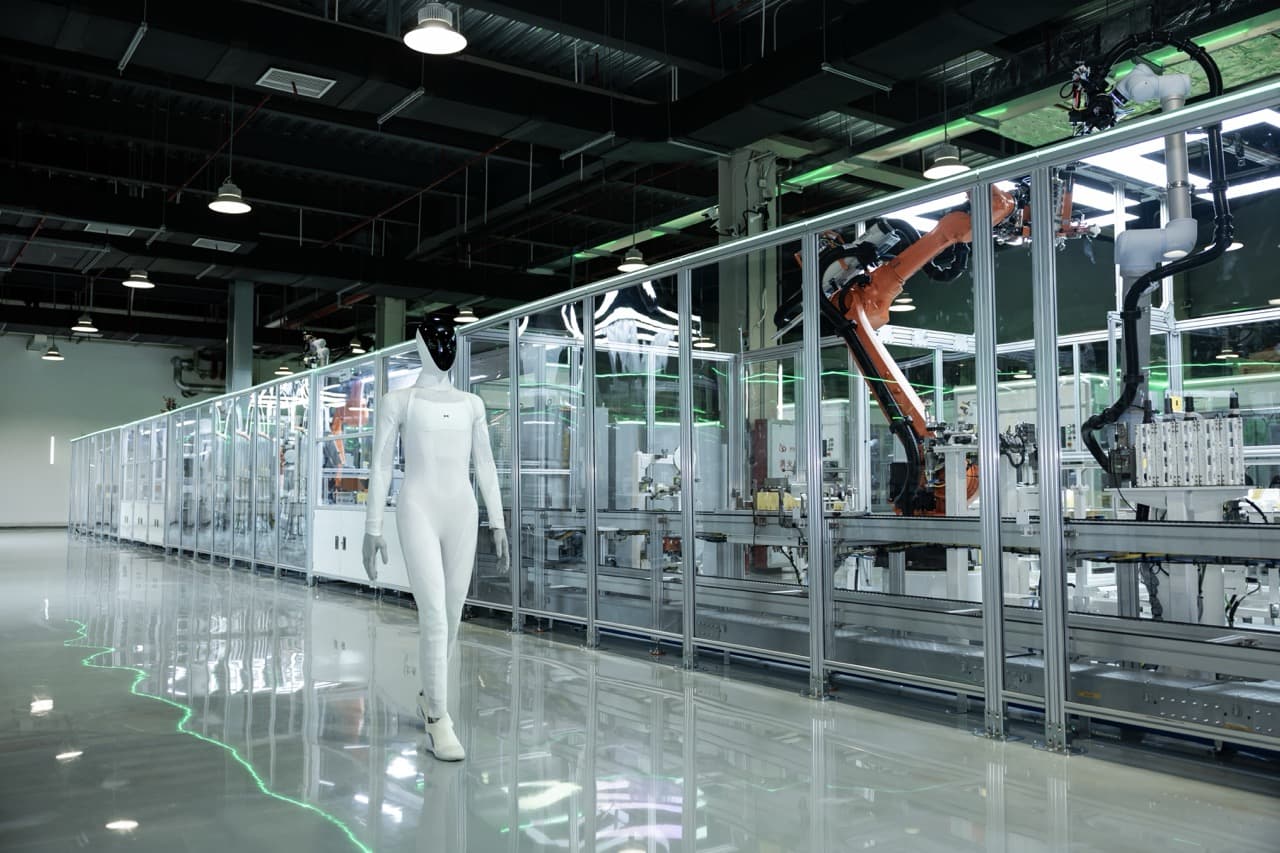
XPENG Lines Up Humanoid Suppliers Ahead of Year-End Production Target
- Published on
- Reading time
- 3 min read
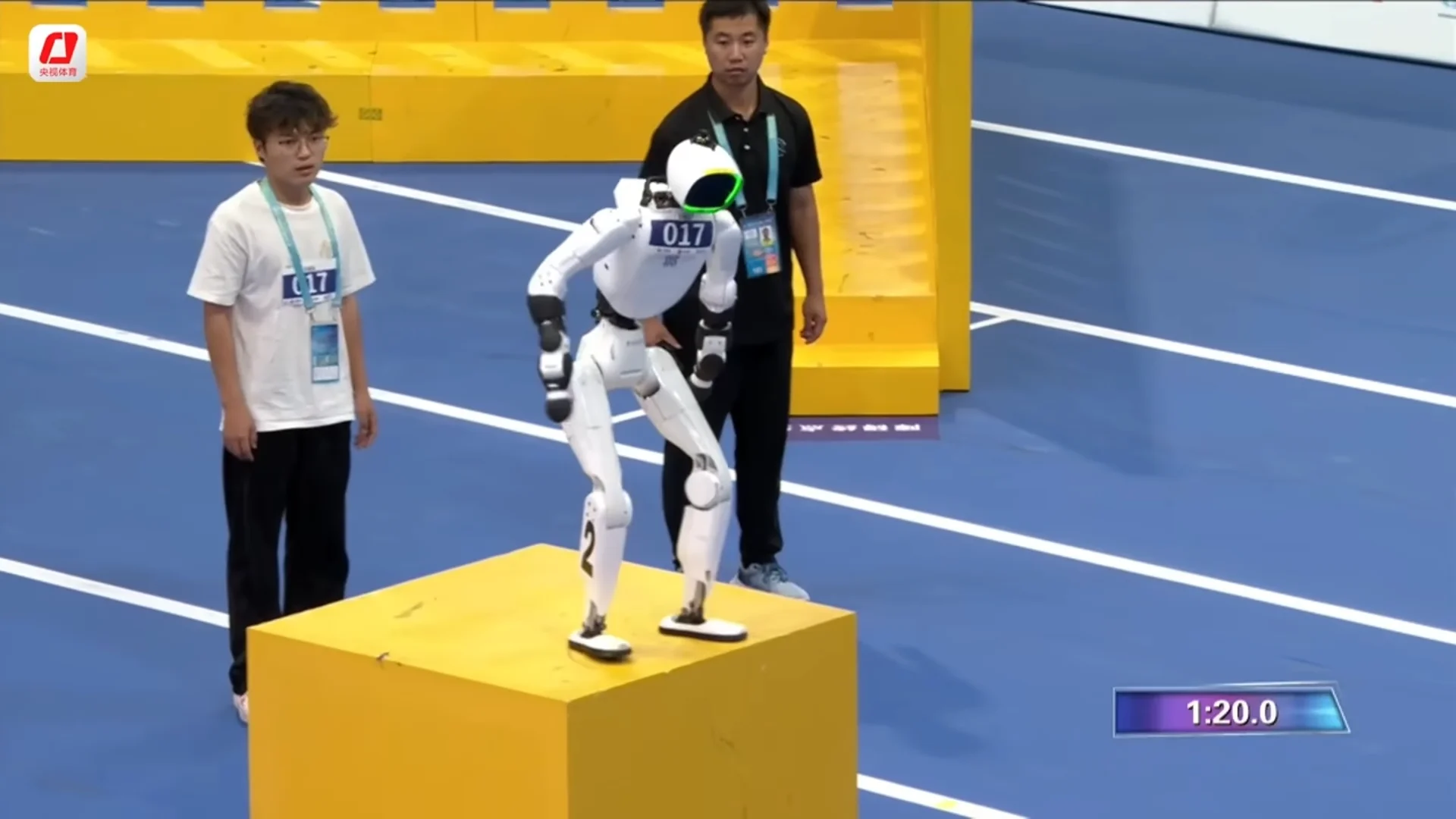
Beijing Sets Humanoids a Rescue Challenge for October
- Published on
- Reading time
- 4 min read
XPENG’s IRON Remembers Car Buyers in New Interaction Demo
The weekly humanoid robotics briefing
One email a week: the launches, funding and research that mattered, with context from Humanoids Daily.
Read recent issues