- Published on
PrimeBOT Builds Its 10,000th Personal Robot, 14 Days After Its 5,000th
One tap, and our reporting appears more often in your Google Top Stories. It makes a real difference to a small newsroom.

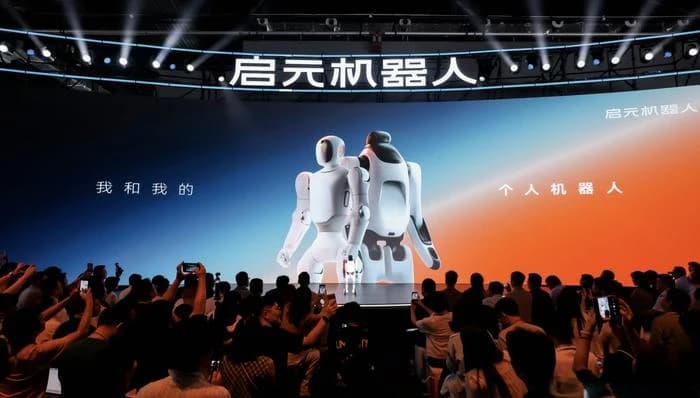
PrimeBOT, the personal-robot brand of Shanghai-listed Swancor Advanced Materials, said its 10,000th robot came off the production line on November 8. The 5,000th unit was completed on October 25, so the second batch of 5,000 took 14 days.
- PrimeBOT's 10,000th personal robot rolled off the line on November 8, 14 days after the 5,000th, with daily capacity now put at 240 units.
- Unit No. 10000 was a Q1, handed to a user at the event. The company has not said how many robots have been sold or delivered.
- PrimeBOT says more than 98% of users are active monthly, with three hours of average daily use and over 100 interactions per user per day. These are unaudited company figures.
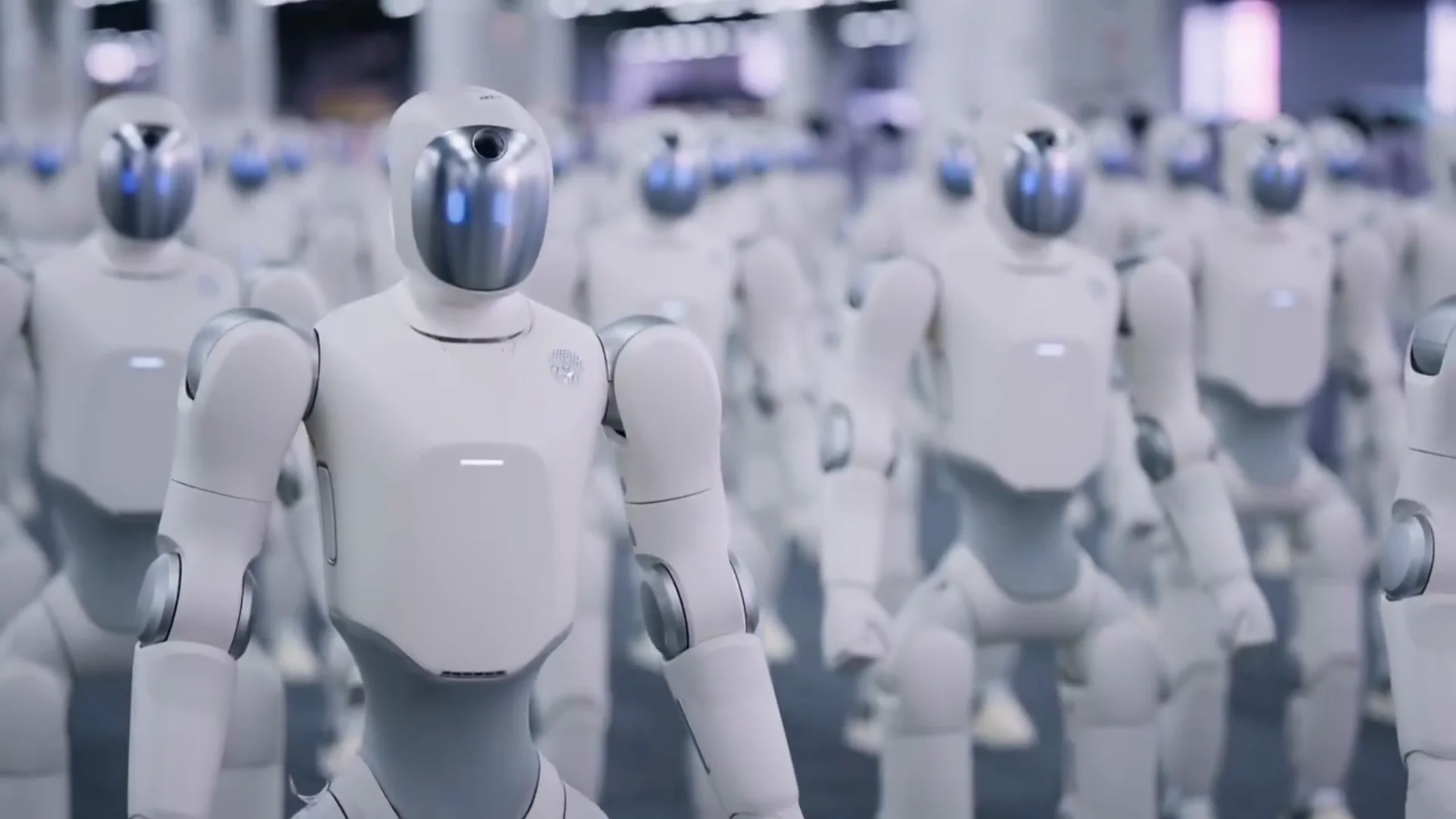
The figure counts robots built, not robots sold. PrimeBOT has not published sales, delivery or return numbers, so the milestone measures how fast the factory has ramped rather than how many homes now have one of its machines.
From zero to 10,000 in about six weeks
Sales of the Q1 and T1 opened on September 20 at 19,999 yuan for both base models, as we reported at launch. PrimeBOT began handing over its first robots on October 1 in seven Chinese cities, including Shanghai, Shenzhen and Hangzhou, according to Global Times. The company's assembly plant moved into mass production in October.
Liu Dongfang, co-president of PrimeBOT and president of its Q business unit, said the plant reached 10,000 units 14 days after hitting 5,000, according to the 21st Century Business Herald. The same report puts daily capacity at 240 robots. When the 5,000th unit came off the line in late October, the company was citing a capacity of just over 200 a day and a robot leaving the line every 2.5 minutes.
Follow humanoid robotics without following every announcement.
Get the week’s most important launches, funding and research—and why they matter—in one email from Humanoids Daily.
Once a week. Unsubscribe anytime.
Read recent issuesLiu called 10,000 units "the key commercial inflection point" for personal robots entering homes and pointed to 100,000 and eventually a million units as the next targets.
PrimeBOT describes its process as combining automotive-grade quality standards with the precision manufacturing used for consumer electronics. Lens Technology, the Apple and Samsung glass and assembly supplier, co-developed and co-manufactures the robots. Jiang Nan, Lens Technology's board secretary, vice president and president for China, said the company contributed more than 30 years of experience in precision manufacturing, whole-unit assembly and automation to cut costs.
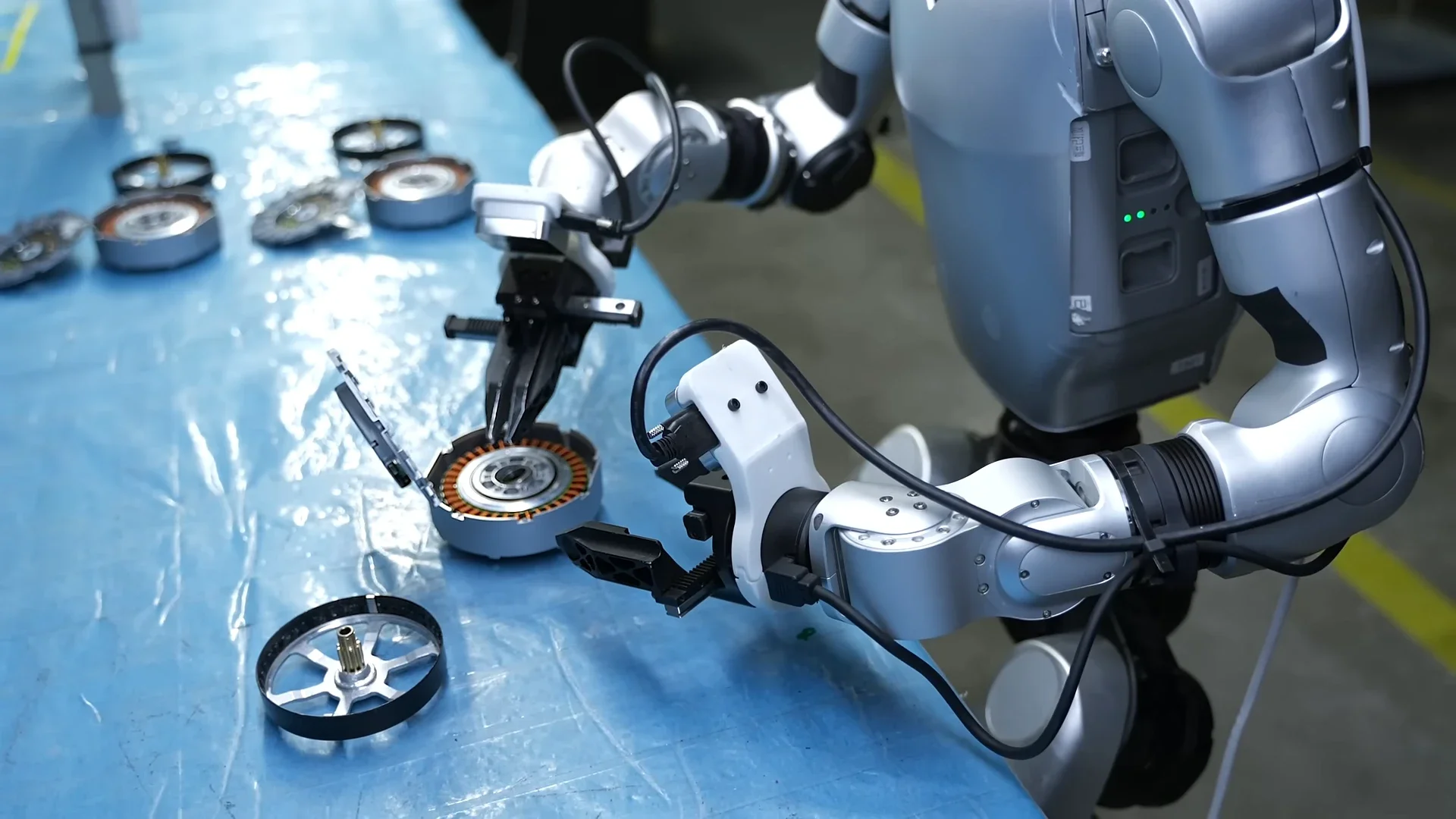
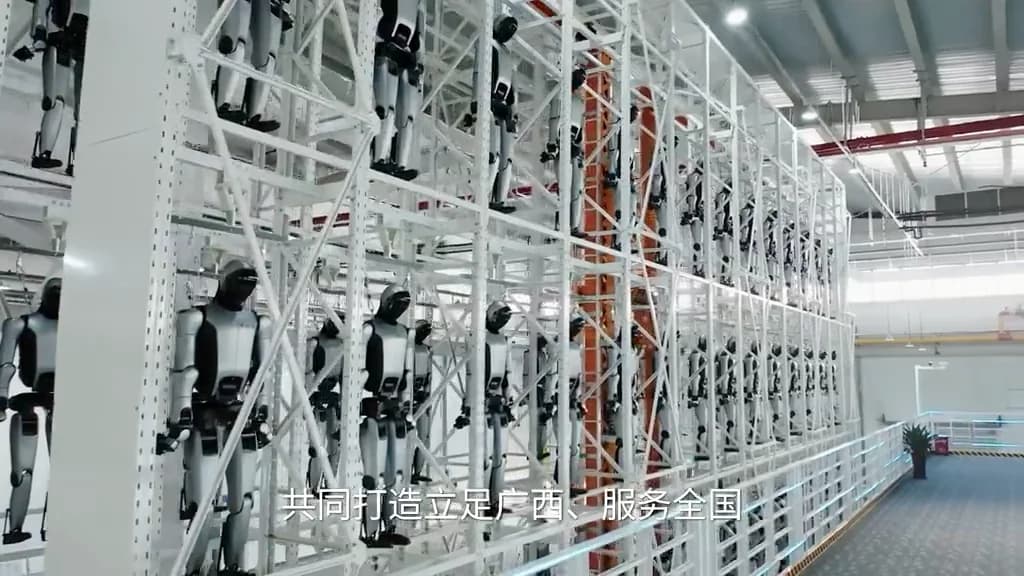
A factory video released with the announcement shows component production, robot assembly, automated stations and quality testing.
Q1 and T1
The robot carrying the number 10,000 was a Q1, which Liu handed to Wu Xiaobo, a representative user, at the event.
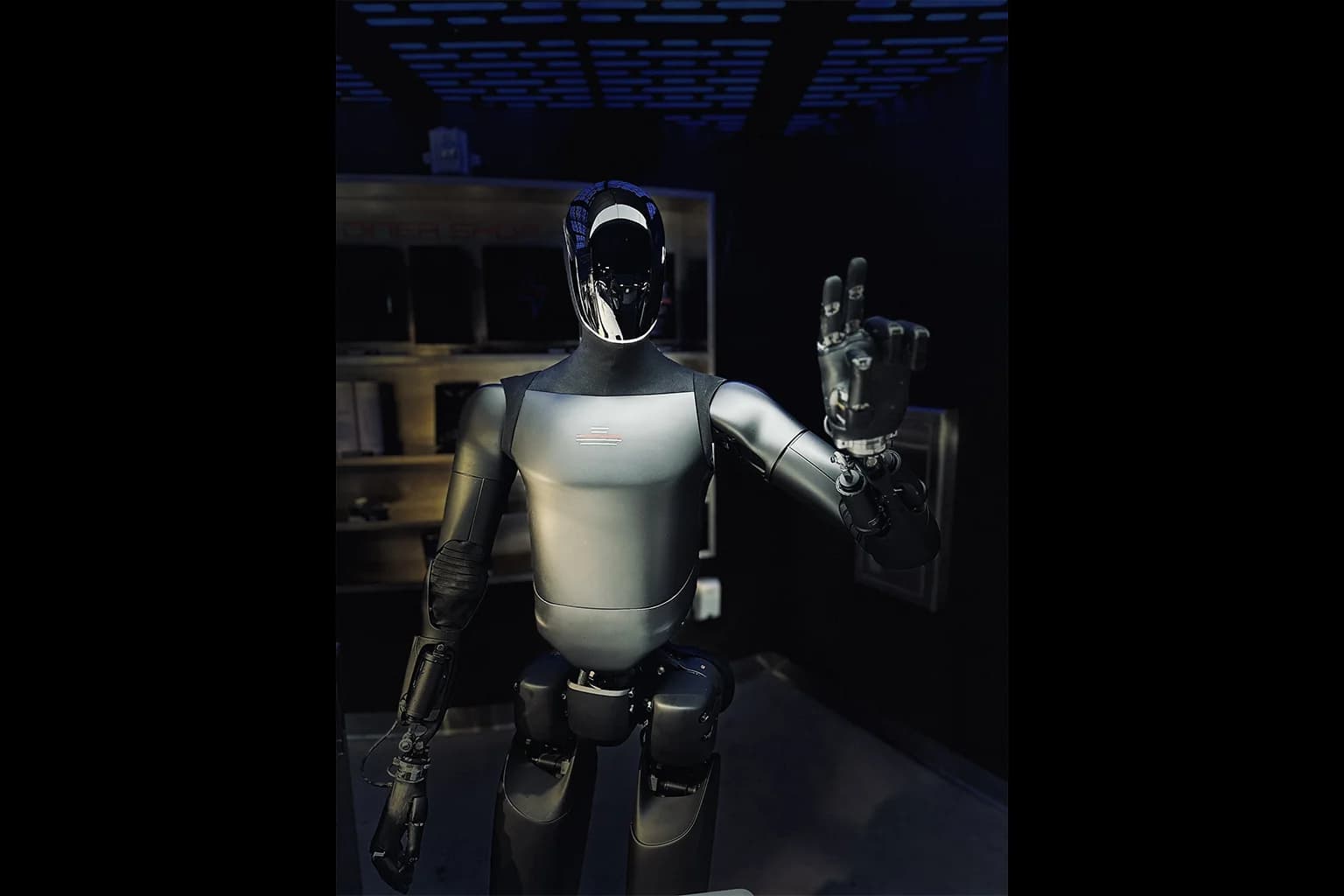
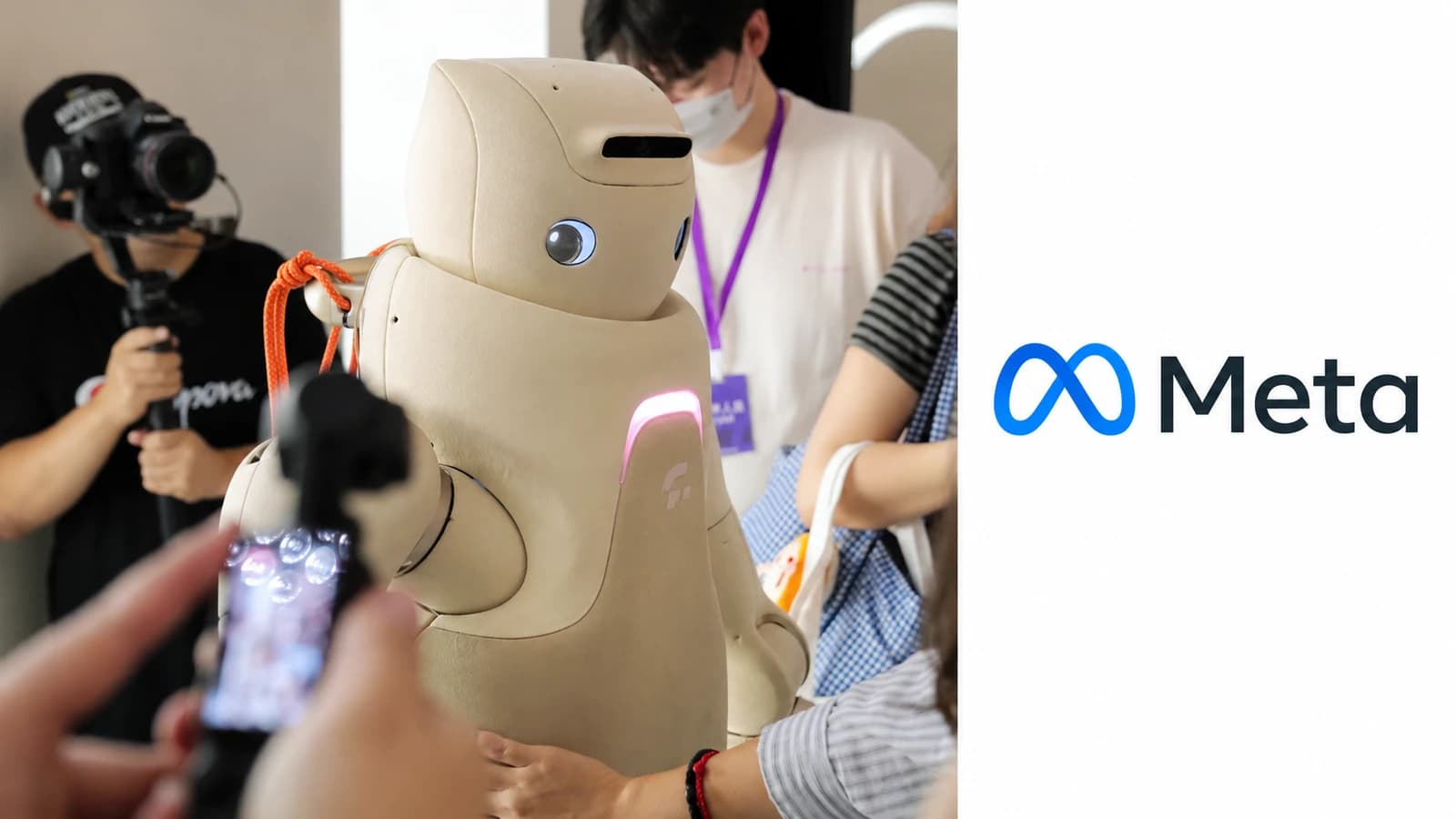
Q1 is an 88-centimeter humanoid with 22 force-controlled degrees of freedom that folds into a backpack. Owners can change its shell, voice and personality, including with 3D-printed parts. T1 is roughly a meter tall and switches between a wheeled humanoid form and a four-legged one. Both are aimed at companionship, entertainment and learning, not household chores.
Three days before the milestone, both robots received their first over-the-air update, with close to 50 changes. Q1 gained six official character personas, such as a storyteller and a science explorer, plus upgraded English conversation practice and early-learning courses. T1 gained terrain recognition with automatic switching between forms, a follow mode, and remote video viewing and movement control.
Usage figures
Liu gave four usage numbers: a monthly active rate above 98%, a daily peak of more than 40% of robots online at the same time, three hours of average daily online time, and more than 100 interactions per user per day. PrimeBOT did not say how many units the figures cover, over what period, or what counts as an interaction. "Online" time also measures a connected robot, which is not the same as a robot being actively used.
Most units shipped so far have been in owners' hands for weeks, not months. When the 5,000th unit came off the line, PrimeBOT co-president Gao Quanzhong said some recipients were using their robots for more than an hour a day.
Where PrimeBOT sits
Swancor has been under AGIBOT's control since late 2025, when a holding vehicle owned jointly by AGIBOT and its founder, chairman and CEO Deng Taihua completed a takeover that left it and its partners with 63.6% of the shares. Deng is now Swancor's actual controller. AGIBOT itself said in September it had built 20,000 robots across its industrial and commercial lines. PrimeBOT is the group's bet on consumers, at a price closer to a high-end laptop than to a service robot.
Unitree is the other Chinese company with consumer-scale volumes. Global Times cites estimates that it has produced between 10,000 and 20,000 G1 humanoids since May 2024, a figure that took around two and a half years to reach. PrimeBOT's 10,000 units were built in about six weeks, though the robots are smaller, simpler and sold mostly to families rather than labs and businesses.
Share this article
Follow humanoid robotics without following every announcement.
Get the week’s most important launches, funding and research—and why they matter—in one email from Humanoids Daily.
Once a week. Unsubscribe anytime.
Read recent issuesRead next
- Published on
- Reading time
- 4 min read
PrimeBOT Launches Personal Robots at 19,999 Yuan, Betting on Apps and Companionship
- Published on
- Reading time
- 7 min read
Inside Unitree's Hangzhou Factory, Robots Are Still Mostly Built by Hand
- Published on
- Reading time
- 2 min read
Noetix Bumi Shows Early Consumer Interest, Surpassing 500 Pre-Orders on JD.com
- Published on
- Reading time
- 2 min read
China's Noetix Robotics Prices 'Bumi' Humanoid Under $1,400, Targeting Consumers
- Published on
- Reading time
- 8 min read
Inside UBTECH’s 10,000-Unit Super Factory: How Robots Are Building Humanoids in Liuzhou
- Published on
- Reading time
- 4 min read
Supply Chain Rumors Hint at Massive Optimus Order as Fremont Production Line Ramps Up