- Published on
Enact Raises $30M Pre-Seed to Give Factory Robots a Sense of Force
One tap, and our reporting appears more often in your Google Top Stories. It makes a real difference to a small newsroom.


Your guide
Rich Robinson
Jee Chee Ren · Executive tour
See China’s AI and robotics ecosystem first-hand.
Six days exploring AI, robotics and advanced manufacturing.
With Rich Robinson, Clinical Professor of Entrepreneurship at Peking University
Beijing · Guangzhou · Shenzhen
29 November–4 December 2026
Referral partnership · We earn a commission on referred bookings.
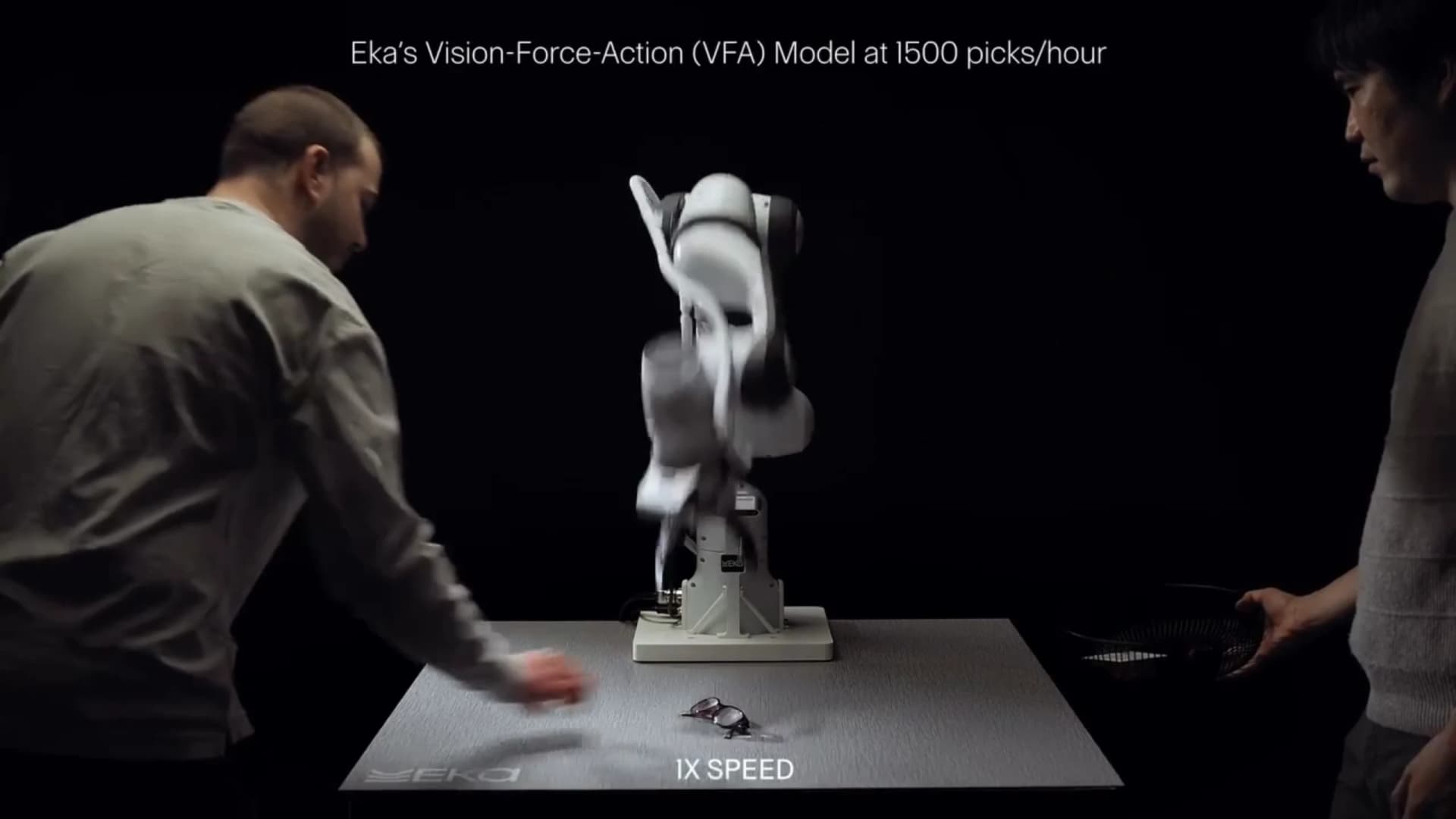
Zurich-based Enact Intelligence has raised a $30 million pre-seed round to develop robots that sense forces through their own actuators and learn assembly tasks from demonstrations. Founded in March 2026, the company is targeting work such as inserting cables, seating seals and handling screws, where knowing how an object resists movement can matter as much as seeing it.
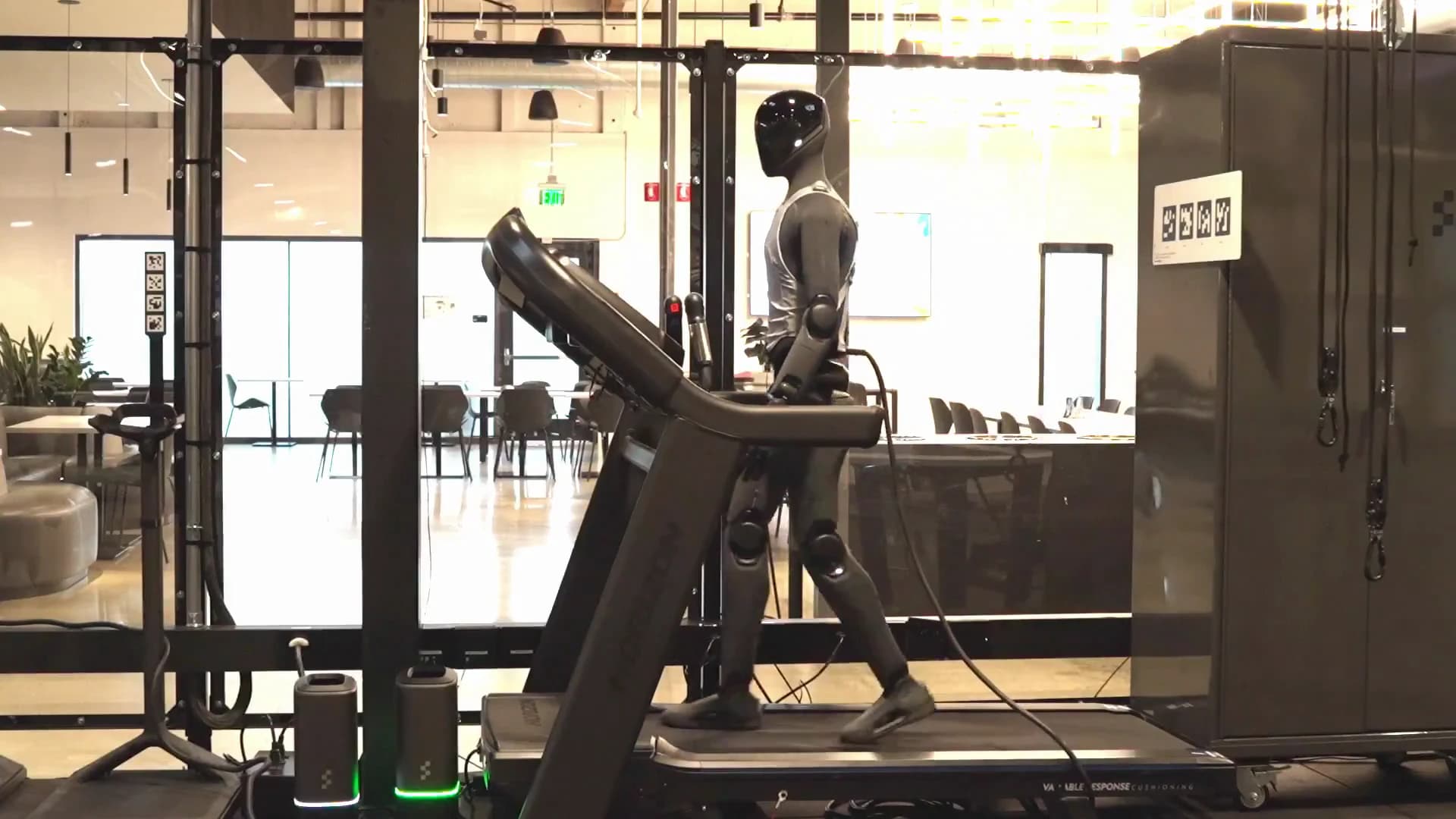
Founder and CEO Manuel Yves Galliker previously worked at 1X and Physical Intelligence. According to a company briefing supplied to Humanoids Daily, he led the team that taught 1X's NEO humanoid to walk before returning to Zurich to build Enact.
- Enact has raised $30 million at pre-seed, backed by redalpine, Notion Capital and firstminute capital.
- Its approach uses force information from actuators alongside AI, with small-batch factory assembly as the first target.
- The company is developing motors, control systems and models together, rather than supplying software alone.
- Enact says its first motors exist, but has not supplied product pricing, a delivery schedule or quantitative performance results.
Feeling whether a part has seated
Enact's pitch centers on a practical distinction: locating a connector does not tell a robot whether it has clicked into place. The company wants its machines to use forces encountered during movement to judge contact and adjust their actions.
It compares this to the way people sense tension through muscles and tendons. In the briefing, Enact says its approach does not require added tactile sensors or artificial skin. Its website describes the broader goal as whole-body force awareness, with model architectures, data pipelines, actuators and sensors developed together.
The weekly humanoid robotics briefing
One email a week: the launches, funding and research that mattered, with context from Humanoids Daily.
Read recent issuesThe aim is to make contact information useful to the learning system. A robot could then respond to resistance during insertion or recognize when an assembly step has succeeded. These are the intended capabilities; the company has not provided measured insertion accuracy, task success rates or production-cycle times in the supplied materials.
A workshop report by NZZ adds detail on the intended hardware. Galliker told the newspaper he wants the motors to measure force more than 1,000 times per second. He also predicted that richer force feedback could shorten training for new tasks from several months to a few days. These are development targets and forecasts, rather than demonstrated performance figures. The proposed benefit extends beyond responding to contact during a task: Enact also wants that feedback to make the training process more efficient.
Starting with small batches
Enact's initial market is the final stages of factory assembly, particularly work involving varied products and smaller production runs. Its argument is that programming each task separately can make automation difficult to justify when the work changes frequently.
Learning from demonstrations is intended to reduce that setup burden, while force feedback helps with the physical details that a visual observation may miss. Enact says it is designing the motors, control system and model together to support that approach. The company reports that its first motors exist and that it has validated the approach, although it has not published supporting test results in the briefing.
A founder from 1X and Physical Intelligence
Galliker studied mechanical engineering at ETH Zurich and was a visiting researcher at Caltech before his roles at 1X and Physical Intelligence. Notion's company profile also identifies his work on NEO and AI-driven manipulation.
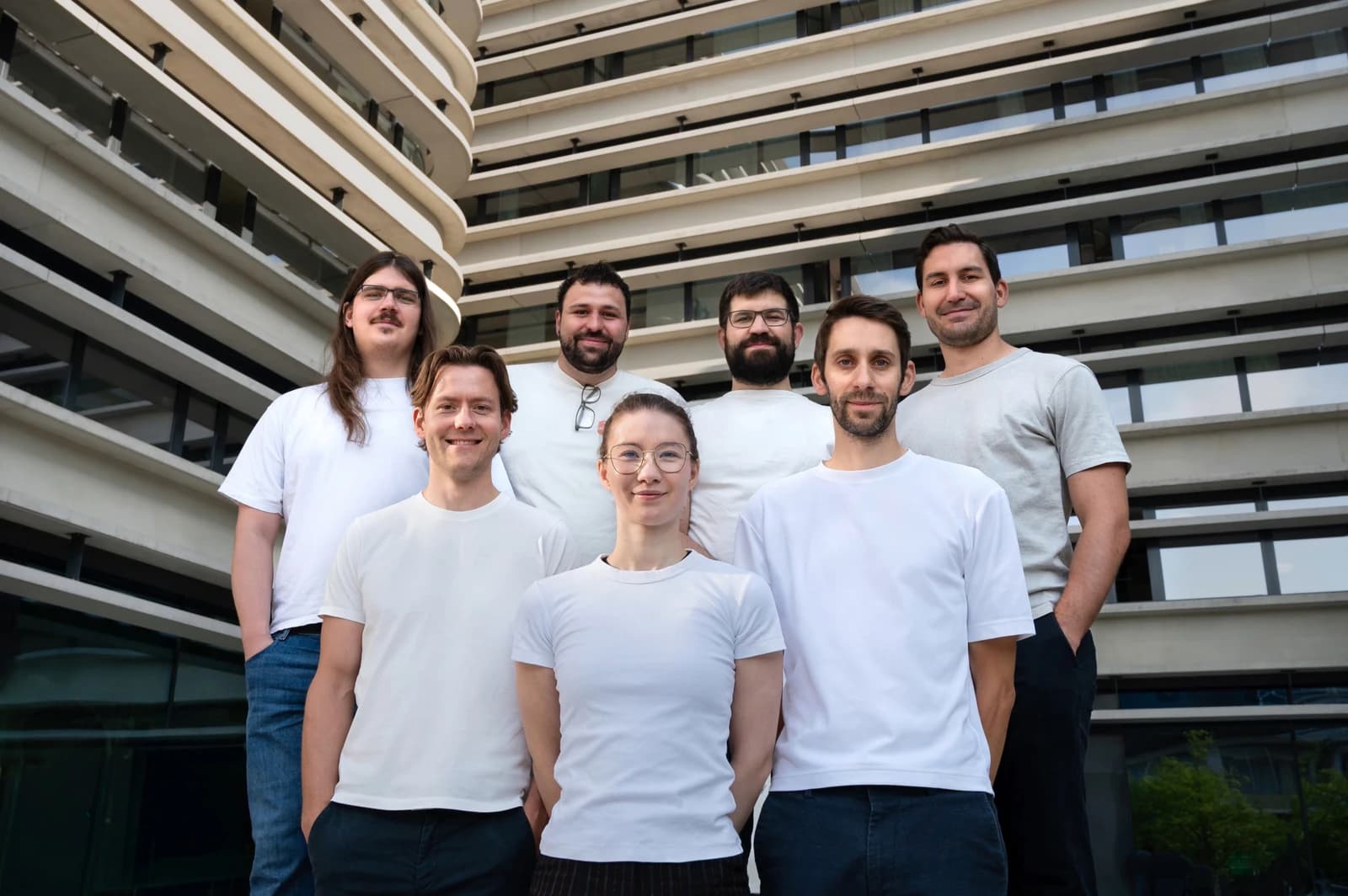
Enact's recruitment page lists experience across the team from organizations including 1X, Google DeepMind, Physical Intelligence, Helsing and Amazon Robotics. The company briefing describes a ten-person Zurich team and plans to quadruple it by the end of 2027.
Funding the hardware and the model
Notion Capital says it co-led the round with redalpine, with firstminute capital among the other backers. The briefing names Yann LeCun, Mistral CEO Arthur Mensch, Path Robotics' Andrew Lonsberry and former Tencent executive David Wallerstein as angel investors.
The financing supports an ambitious development scope before a commercial product is ready. Enact is taking responsibility for both the machine generating physical feedback and the model interpreting it. For prospective factory customers, the next milestone will be evidence that this combination can handle changing assembly tasks reliably and economically.
Share this article
Read next
- Published on
- Reading time
- 3 min read
The Billion-Dollar World Model: Yann LeCun’s AMI Labs Secures $1.03B to Challenge LLM Dominance
- Published on
- Reading time
- 4 min read
Yann LeCun Predicts "Paradigm Shift" in Robotics by 2027, Dismisses LLMs as "Intrinsically Unsafe"
- Published on
- Reading time
- 4 min read
Yann LeCun’s World Model Vision Gets a Leaner Engine: Introducing LeWorldModel
- Published on
- Reading time
- 4 min read
The World Model Rebellion: Yann LeCun Launches AMI Labs to Challenge the 'LLM-Pilled' Consensus
- Published on
- Reading time
- 6 min read
Meta AI Chief Yann LeCun Claims Humanoid Firms "Have No Idea" How to Build Generally Useful AI
- Published on
- Reading time
- 3 min read
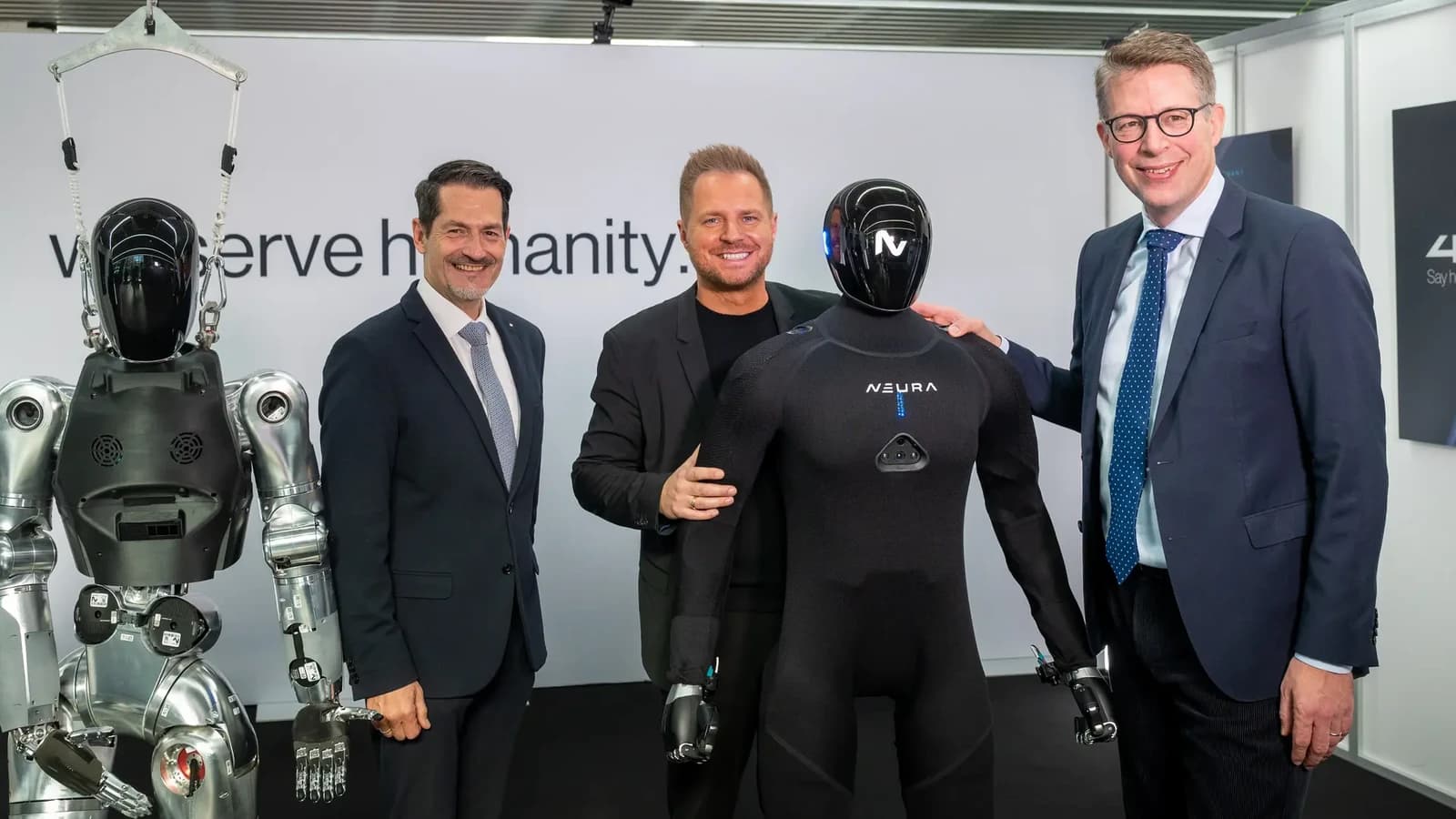
NEURA Unveils Lighter 4NE1 Gen 4 as TUM RoboGym Opens in Munich




The weekly humanoid robotics briefing
One email a week: the launches, funding and research that mattered, with context from Humanoids Daily.
Read recent issues