- Published on
Meta AI Chief Yann LeCun Claims Humanoid Firms "Have No Idea" How to Build Generally Useful AI
One tap, and our reporting appears more often in your Google Top Stories. It makes a real difference to a small newsroom.


Your guide
Rich Robinson
Jee Chee Ren · Executive tour
See China’s AI and robotics ecosystem first-hand.
Six days exploring AI, robotics and advanced manufacturing.
With Rich Robinson, Clinical Professor of Entrepreneurship at Peking University
Beijing · Guangzhou · Shenzhen
29 November–4 December 2026
Referral partnership · We earn a commission on referred bookings.

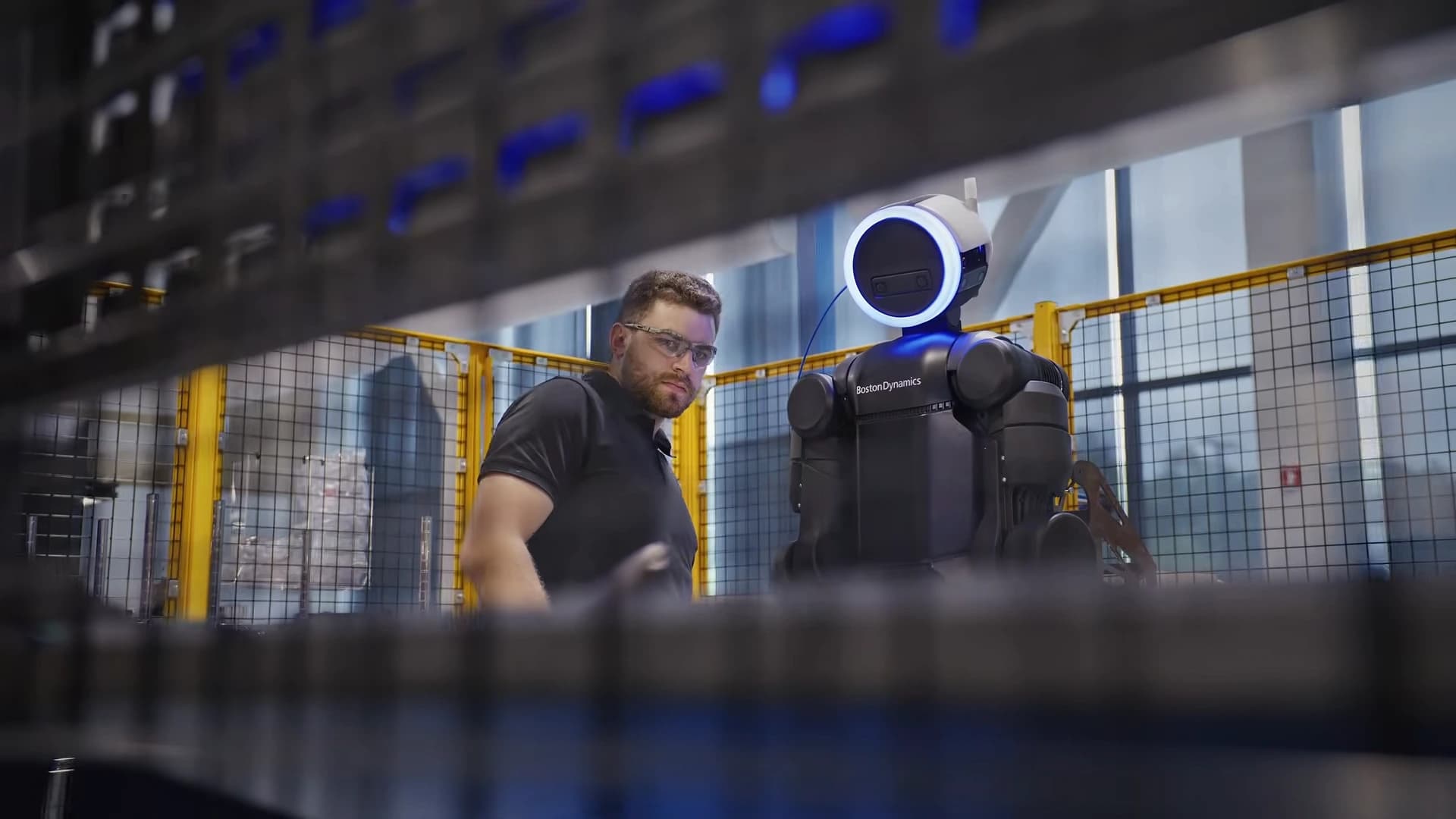
Meta's Chief AI Scientist, Yann LeCun, has issued a stark warning to the burgeoning humanoid robot industry, claiming that most companies are building hardware without a clear path to the intelligence required to make them truly useful.
Speaking at an MIT event, LeCun, a Turing Award winner and a pioneer of deep learning, stated that the "big secret" of the industry is that current companies "have no idea how to make those robots smart enough to be generally useful".
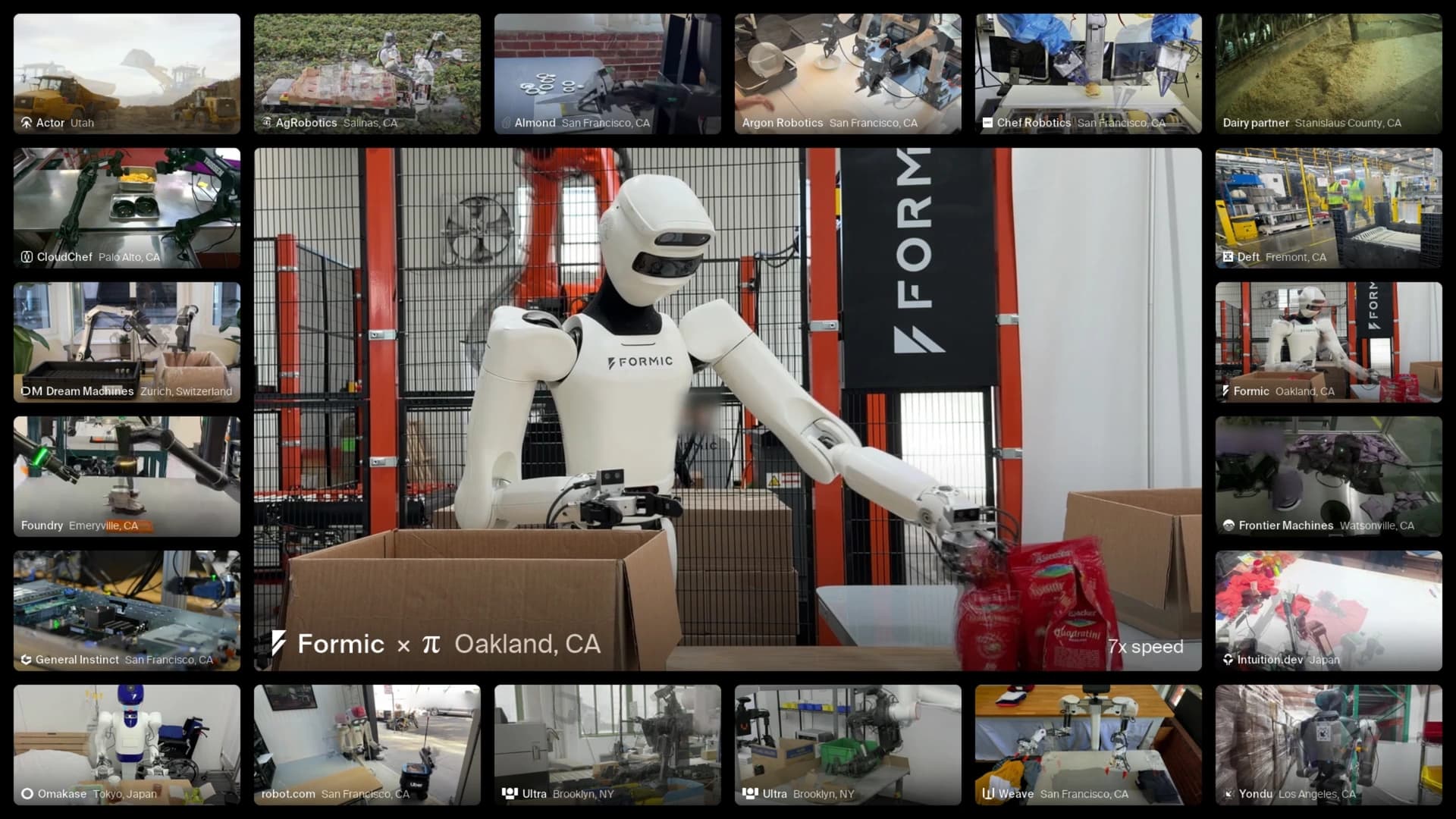
LeCun drew a sharp distinction between narrow and general capabilities. "We can train those robots for particular tasks, maybe in manufacturing and things like this," he explained. "But your domestic robot, there is a bunch of breakthroughs that need to arrive in AI before that's possible".
He argued that the future of these companies, which have attracted billions in investment, is entirely dependent on achieving "significant progress" in a new class of "world model planning-type architectures".
The weekly humanoid robotics briefing
One email a week: the launches, funding and research that mattered, with context from Humanoids Daily.
Read recent issuesThe 'LLM Dead End' and the Need for World Models
LeCun's criticism is rooted in his long-held belief that Large Language Models (LLMs), the technology behind systems like ChatGPT and Meta's own Llama, are a "dead end for human-level intelligence".
During his talk, he argued that text is a "low-bandwidth" data source and that "we're never going to get to human-level intelligence by just training on text". He contrasted the trillions of tokens used to train an LLM with the vast amount of sensory data a child processes. "A four-year-old has seen as much data through vision as the biggest LLMs trained on all the publicly available text," LeCun said.
The solution, in his view, lies in systems that can learn from high-bandwidth video and sensory input to build an internal understanding of the physical world—a "world model". He referenced his own research on non-generative, self-supervised architectures like V-JEPA (Video Joint Embedding Predictive Architecture), which are trained to predict what will happen next in a video in an abstract representation space.
This, he claims, is how machines will acquire "a little bit of common sense" and the ability to plan. Such a model would allow a robot to "accomplish a task zero shot," meaning it could figure out how to complete a novel task without ever being specifically trained for it.
Industry Ambition vs. Foundational Research
LeCun's sober assessment of a research-level bottleneck stands in sharp contrast to the aggressive timelines promoted by several industry leaders.

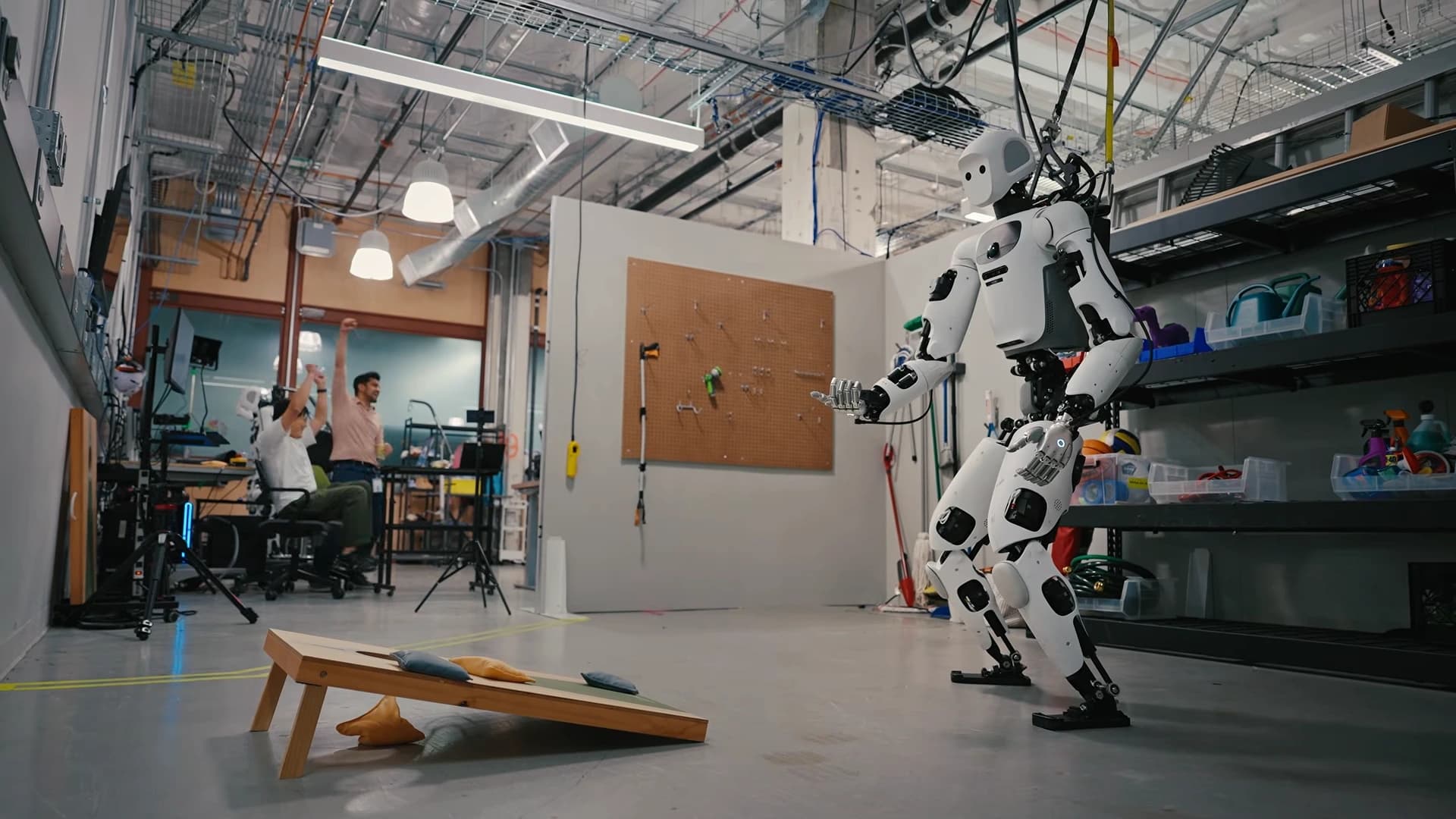
Figure AI, for instance, has been particularly bullish. CEO Brett Adcock recently claimed his company could have its robots performing "general purpose work... in unseen places like a home it's never been in next year". Interestingly, Adcock's diagnosis aligns with LeCun's on one key point: he has also dismissed manufacturing as the primary obstacle, stating, "The race right now for humanoids is who can solve general robotics". The core disagreement appears to be how close that solution actually is.
“Somebody tell Yann to come down from his perch and get his hands dirty”
The debate has since spilled over onto social media. In a reply to Humanoids Daily on X (formerly Twitter) regarding LeCun's critique, Adcock dismissed the Meta scientist's position, stating, "Somebody tell Yann to come down from his perch and get his hands dirty". The comment underscores a clear cultural divide between academic researchers focused on foundational breakthroughs and engineers pushing for rapid productization. A follow-up question from Humanoids Daily asking whether Figure's "Helix" AI system implements the specific "world-model / planning-type" architecture LeCun advocates, or if it remains primarily task-based, has not received a public reply.
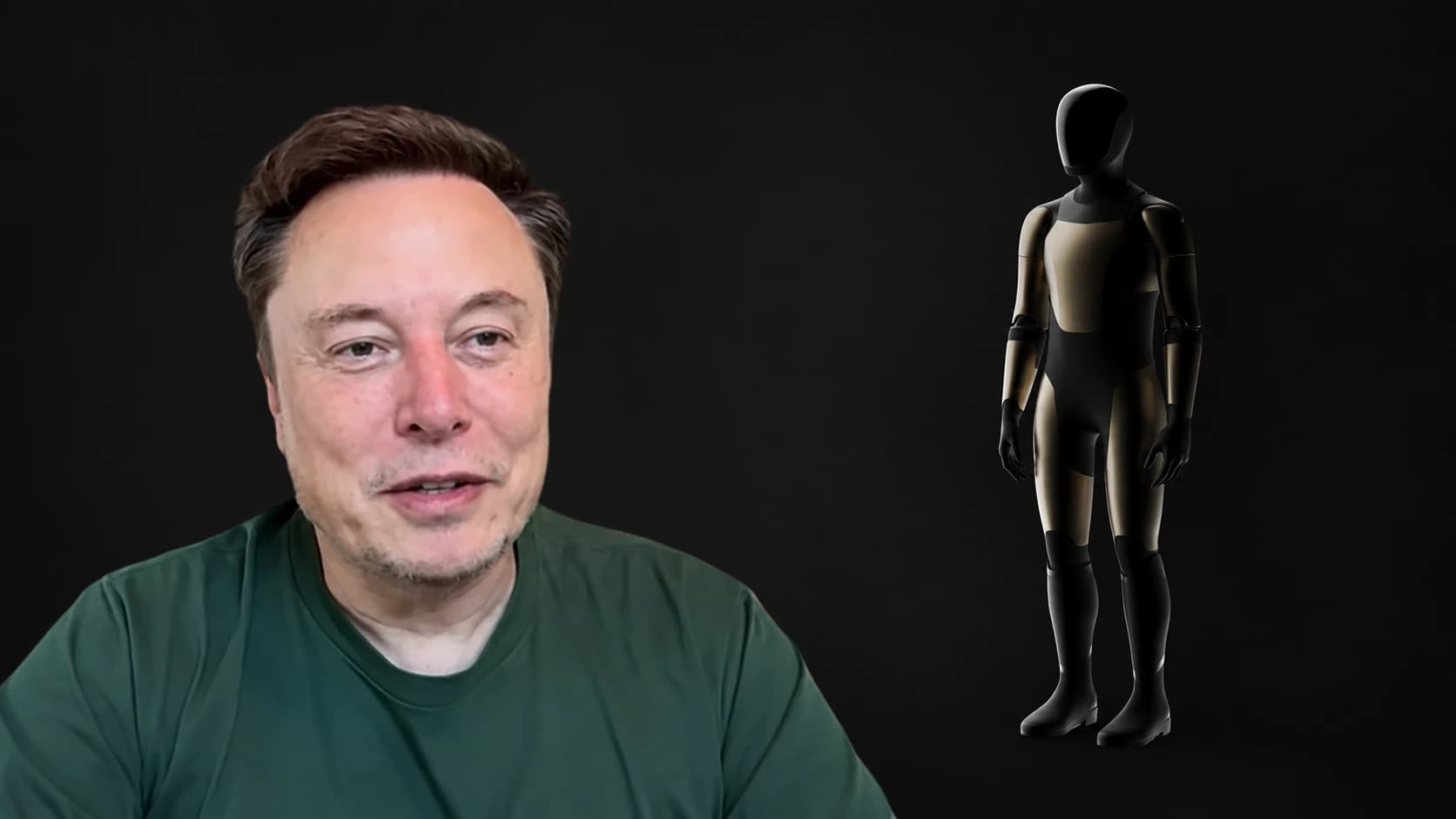
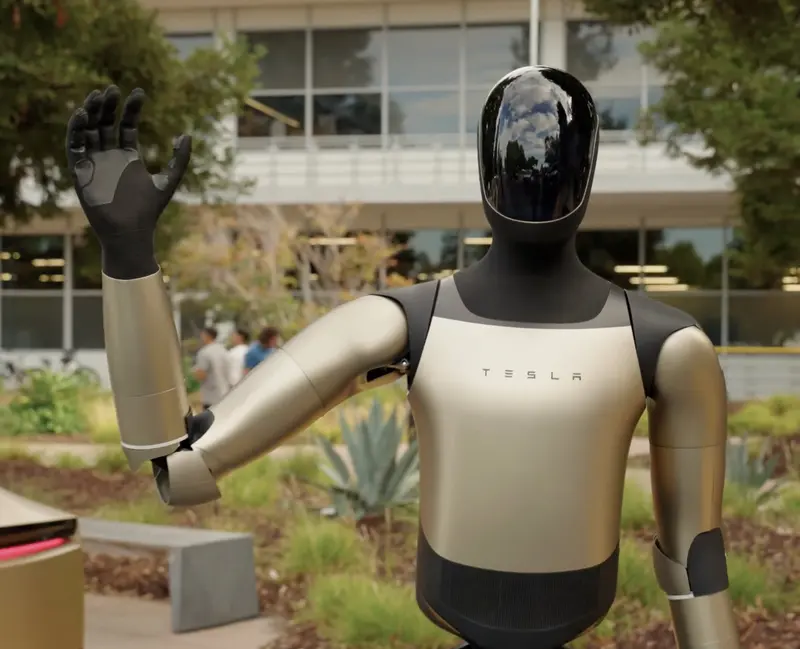
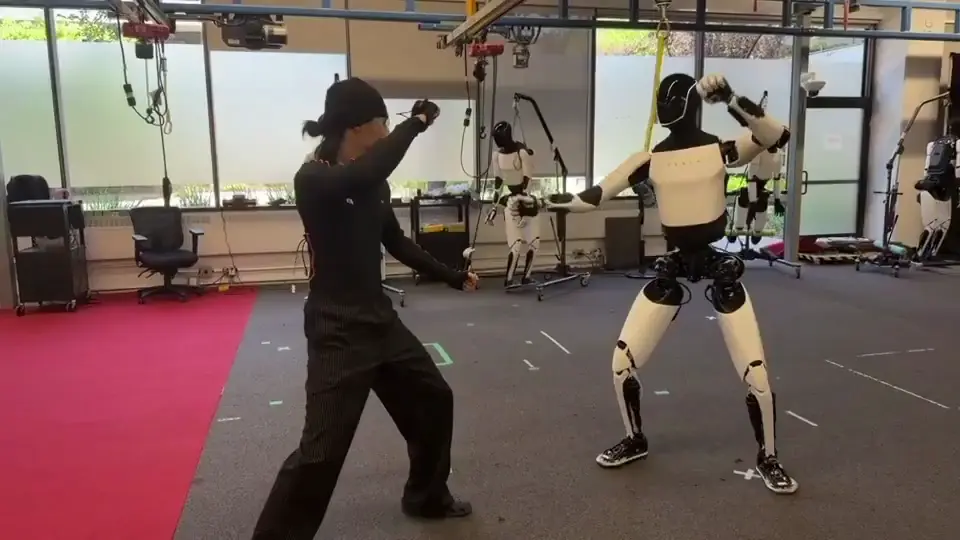
Tesla, meanwhile, is tackling the problem from a different angle. CEO Elon Musk has focused on the "immense" manufacturing challenge, noting that a "supply chain doesn't exist" for humanoids at scale. The company is reportedly installing production lines for a 1-million-unit-per-year Optimus line and aims to show a "production-intent" V3 prototype by early 2026.
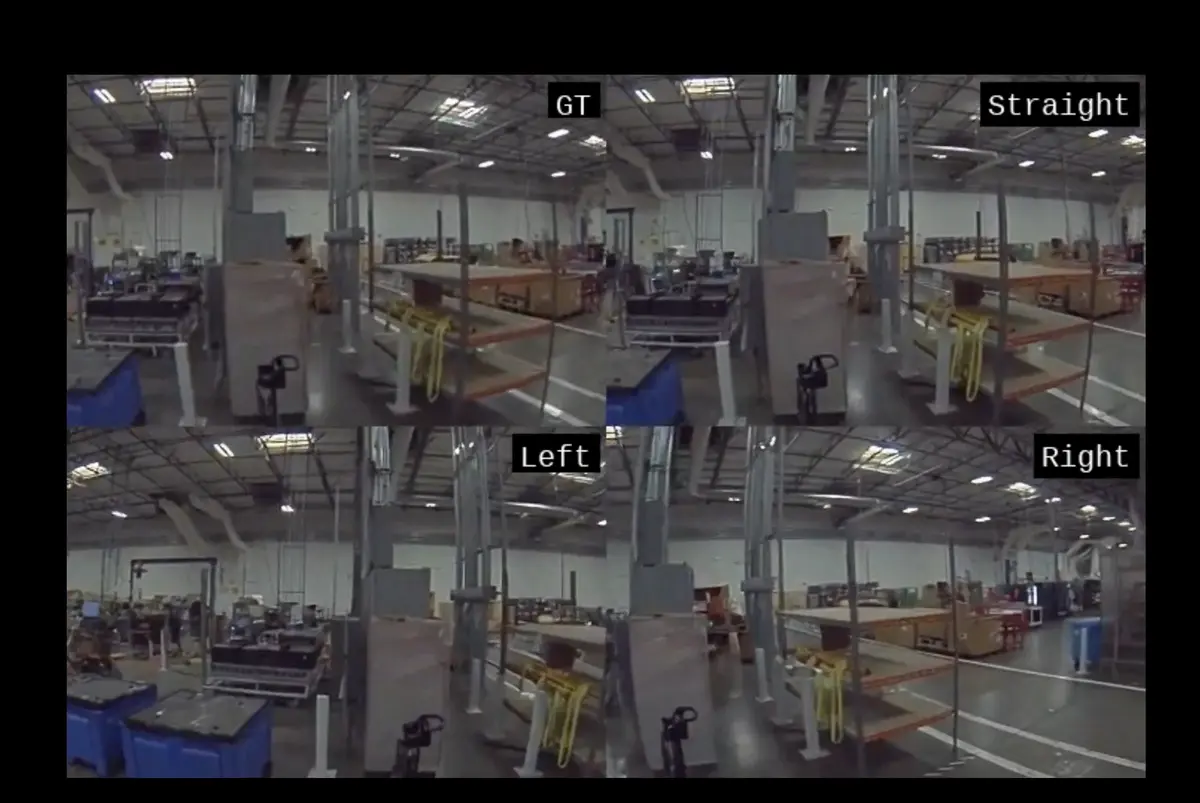
This focus on manufacturing, however, does not mean Tesla is ignoring the AI challenge. In a recent technical deep-dive, Tesla's AI chief Ashok Elluswamy detailed the company's "neural world simulator," an end-to-end system trained on video data from its vehicle fleet. Elluswamy confirmed this same architecture—which he presents as a direct answer to the world model problem—will "seamlessly transfer" to power the Optimus robot. Read the full story here.
The Hunt for a Real-World Model
While LeCun's comments could be seen as a dismissal of the entire sector, some companies are already publicly aligning their work with the very "world model" concept he is advocating.
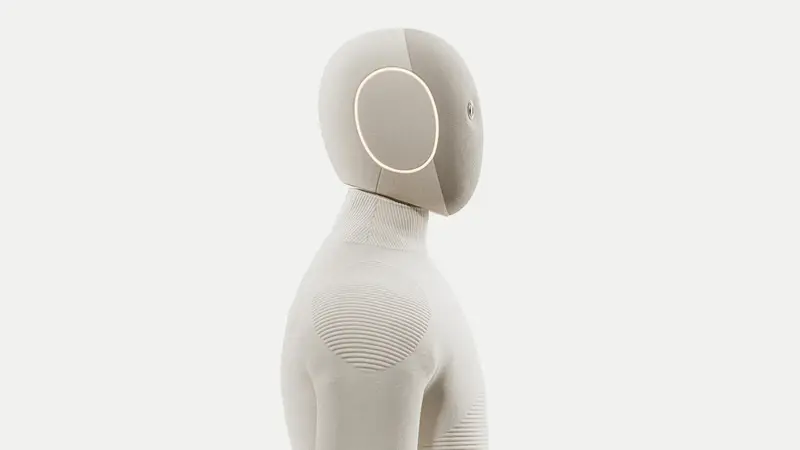
1X Technologies, a Norwegian firm backed by OpenAI, recently unveiled its own "World Model". The company describes its system as an "action-controllable" simulator that functions as a "data-driven digital twin". This allows 1X to "predict the outcomes" of its NEO robot's actions and rapidly "evaluate AI performance without costly, time-consuming physical trials".

This approach, which trains on real-world "failure data" to learn physics, is a direct practical application of the architecture LeCun described.
The 1X team has also echoed LeCun's caution about real-world deployment. CEO Bernt Børnich has spoken candidly about the "magical' and 'hard' realities" of bringing robots home, noting that the "real world is so freaking hard" and that mundane issues like "Wi-Fi is almost harder than robotics".
This pragmatic view, combined with a focus on a lightweight, tendon-driven design seen as "meaningfully safer", suggests an awareness that the "breakthroughs" LeCun mentioned are still a work in progress.
Ultimately, LeCun's warning reframes the humanoid race. It suggests that the winner may not be the company with the flashiest demo or the most ambitious production target, but the one that first solves the fundamental, and as-yet-unsolved, problem of teaching a machine to understand the physical world.
Watch the full interview here:
Share this article
Read next
- Published on
- Reading time
- 5 min read
Tesla AI Chief Details Unified 'World Simulator' for FSD and Optimus
- Published on
- Reading time
- 3 min read
1X Opens Pre-Orders for NEO Humanoid Robot at $20,000, Pivoting from R&D to Product
- Published on
- Reading time
- 3 min read
Tesla's Optimus Robot Becomes Shareholder Meeting Guide in New Video, Reveals Updated Design
- Published on
- Reading time
- 3 min read
Tesla Optimus Shows Off Kung Fu Moves, as AI Lead Highlights Unified Self-Driving Brain
- Published on
- Reading time
- 3 min read
Tesla Optimus AI Lead Departs in Latest High-Profile Exit
- Published on
- Reading time
- 4 min read
Yann LeCun Predicts "Paradigm Shift" in Robotics by 2027, Dismisses LLMs as "Intrinsically Unsafe"


The weekly humanoid robotics briefing
One email a week: the launches, funding and research that mattered, with context from Humanoids Daily.
Read recent issues