- Published on
O-ID Raises $1.2M to Build Humanoids With Swappable Parts
One tap, and our reporting appears more often in your Google Top Stories. It makes a real difference to a small newsroom.

Supported by RoboStrategySupport for Humanoids Daily comes from RoboStrategy
Sponsored
Investing involves risk, including possible loss of principal. Read the prospectus before investing.
- Tokyo-based O-ID has raised $1.2 million in pre-seed funding led by TAWANI Ventures to move its modular industrial robot from prototype toward production.
- The company says swappable joints, limbs and compute units will allow on-site repairs in minutes, with component monitoring intended to flag failures before they happen.
- O-ID is targeting Japanese automotive manufacturing and logistics first. Its Sumitomo Electric letter of intent concerns exploratory wire-harness discussions, not a robot purchase or deployment agreement.
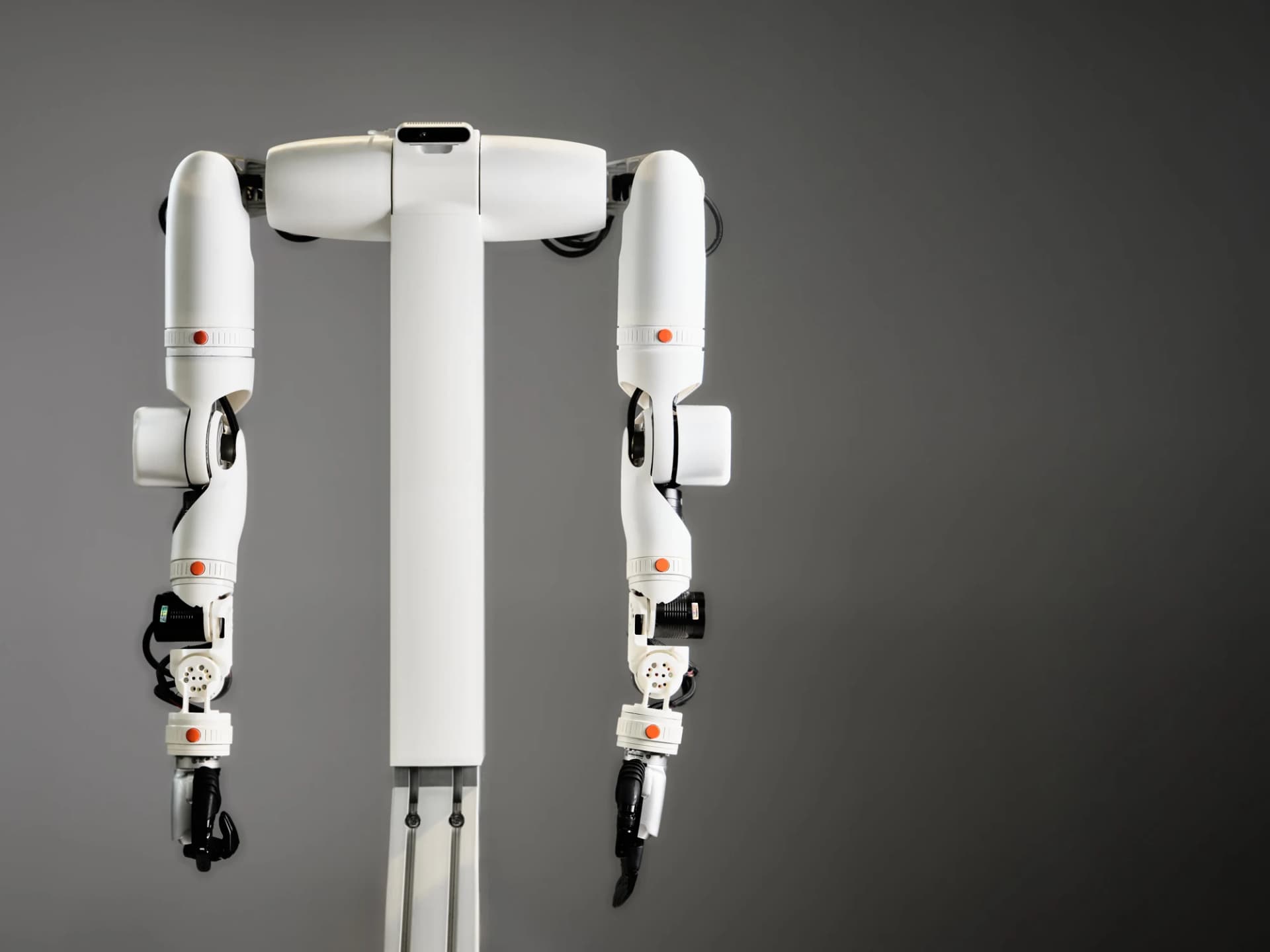
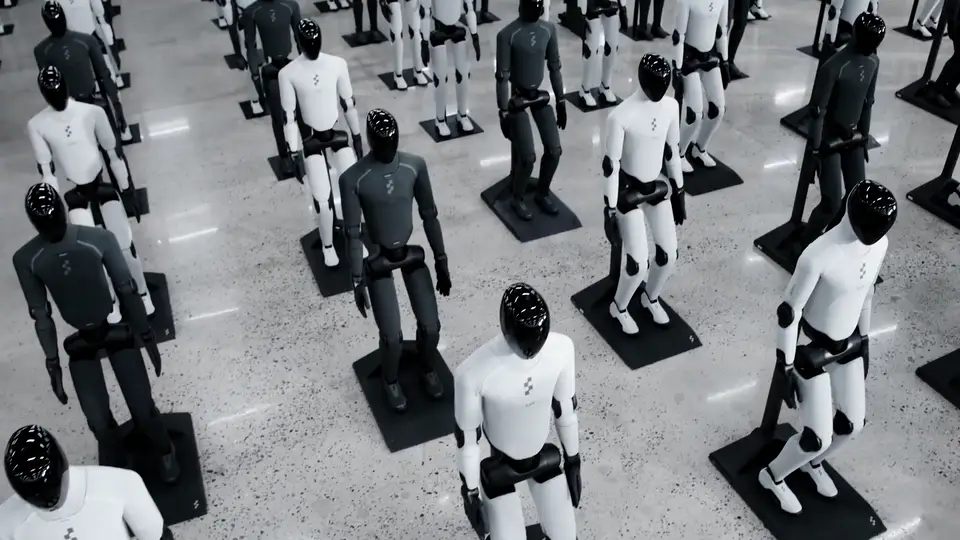
O-ID is betting that an industrial humanoid should be designed around what happens when something breaks. The Tokyo startup has raised $1.2 million to develop modular robots whose joints, limbs and computing hardware can be replaced individually, with the aim of making factory repairs a matter of minutes.
According to a press release supplied to Humanoids Daily, the pre-seed round was led by Chicago-based TAWANI Ventures, with participation from Hustle Fund, Techstars and angel investors, including the founders of Humanoid Guide. O-ID plans to use the money to move its first robot from prototype toward production, initially targeting automotive manufacturing and logistics in Japan.
Building repairability into the robot
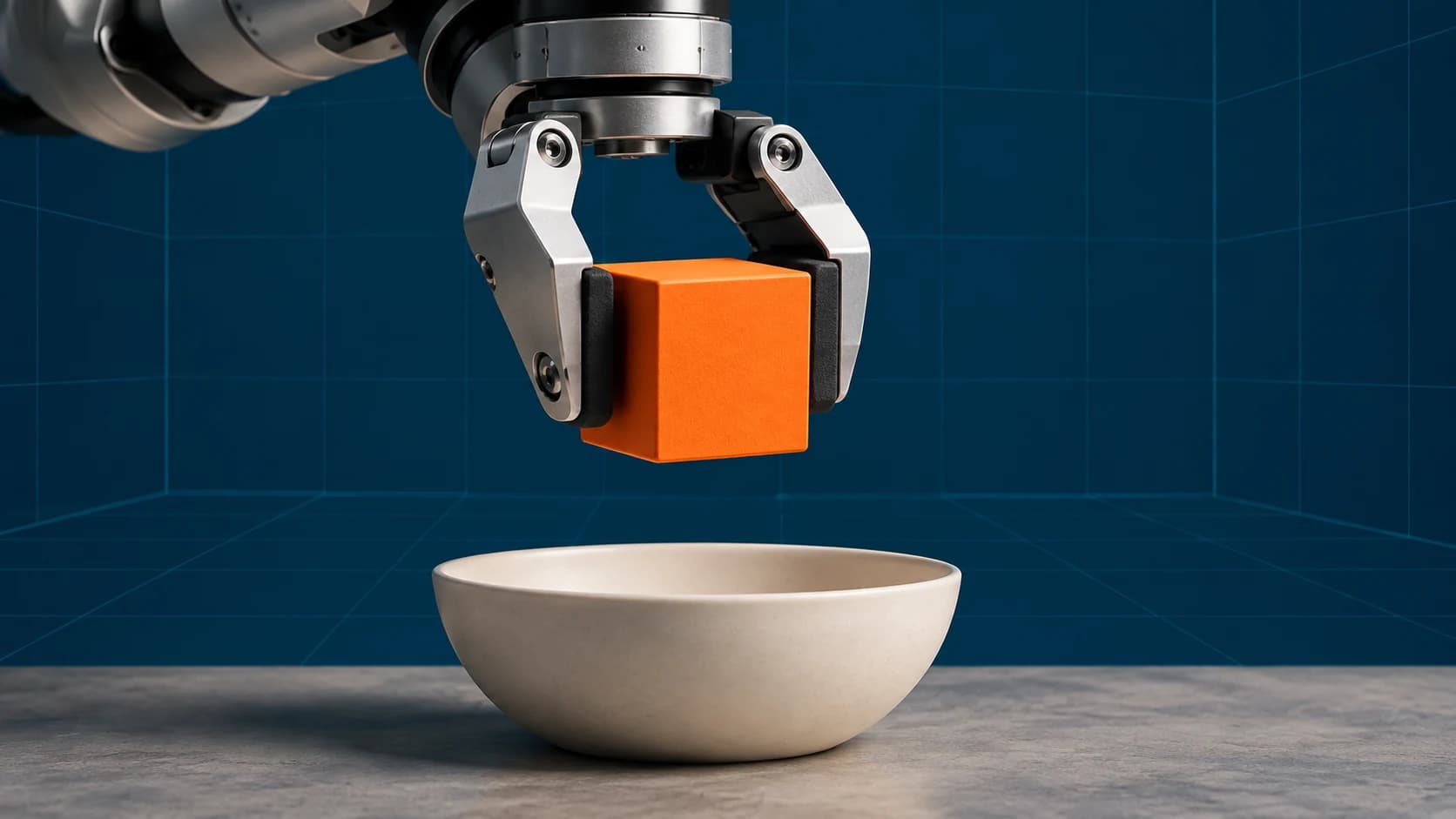
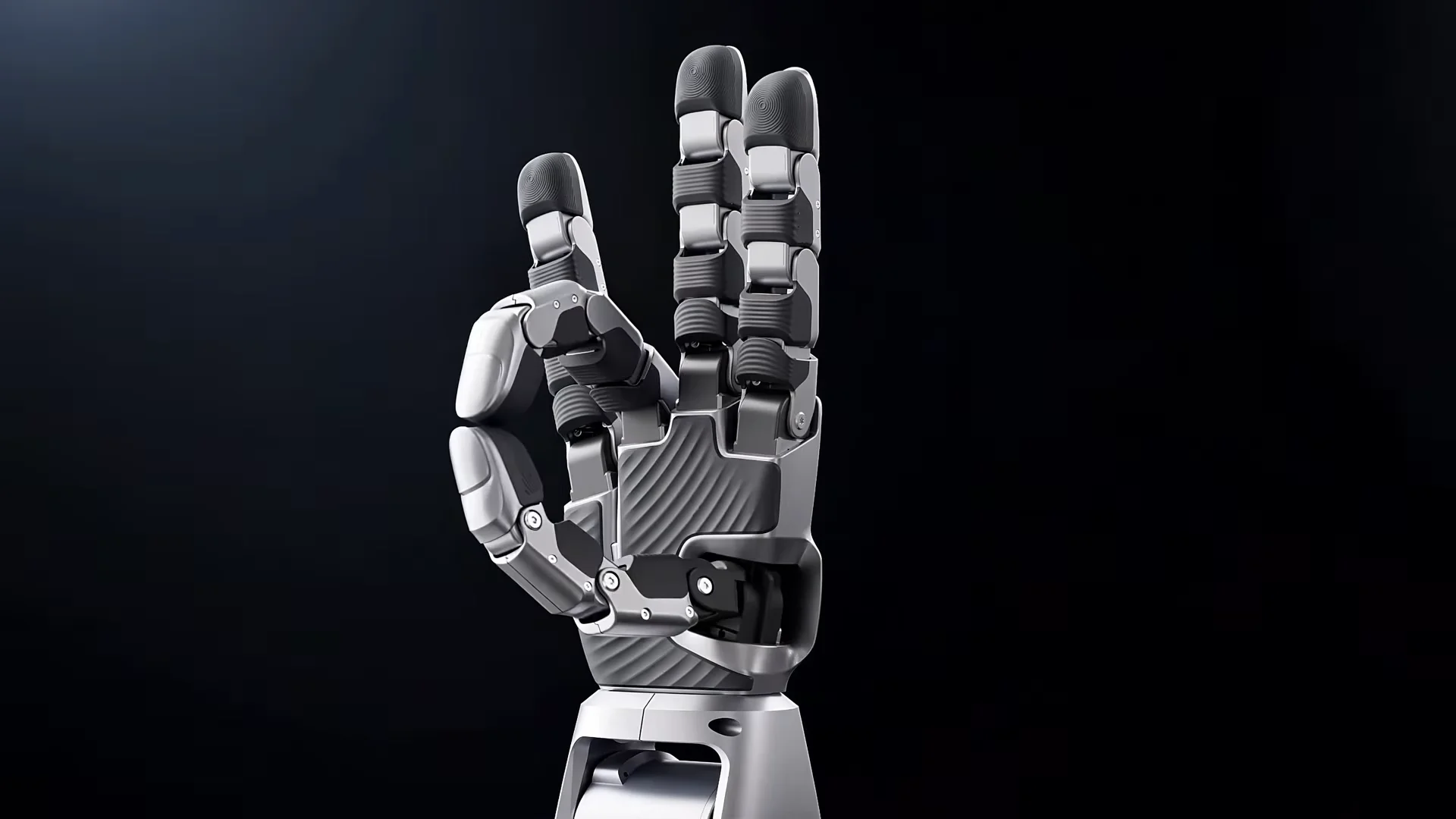
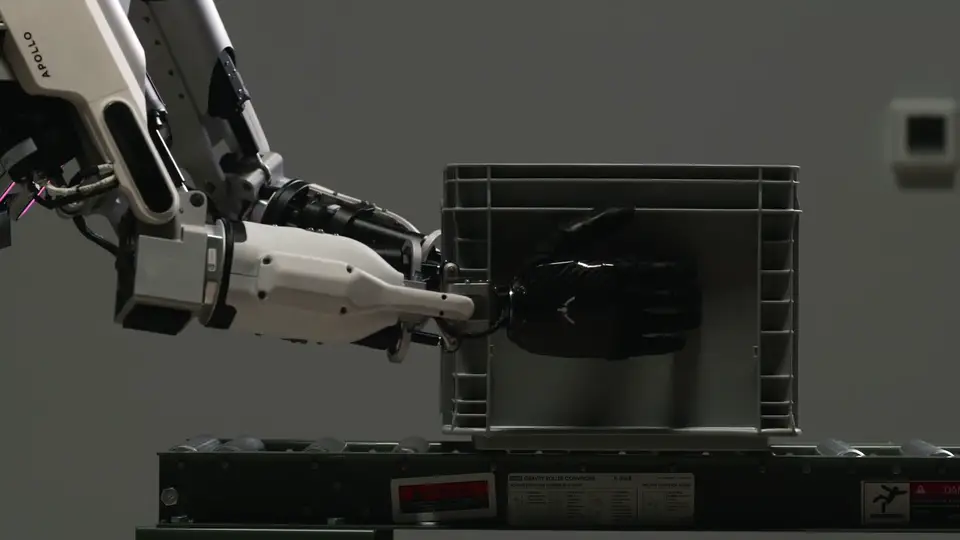
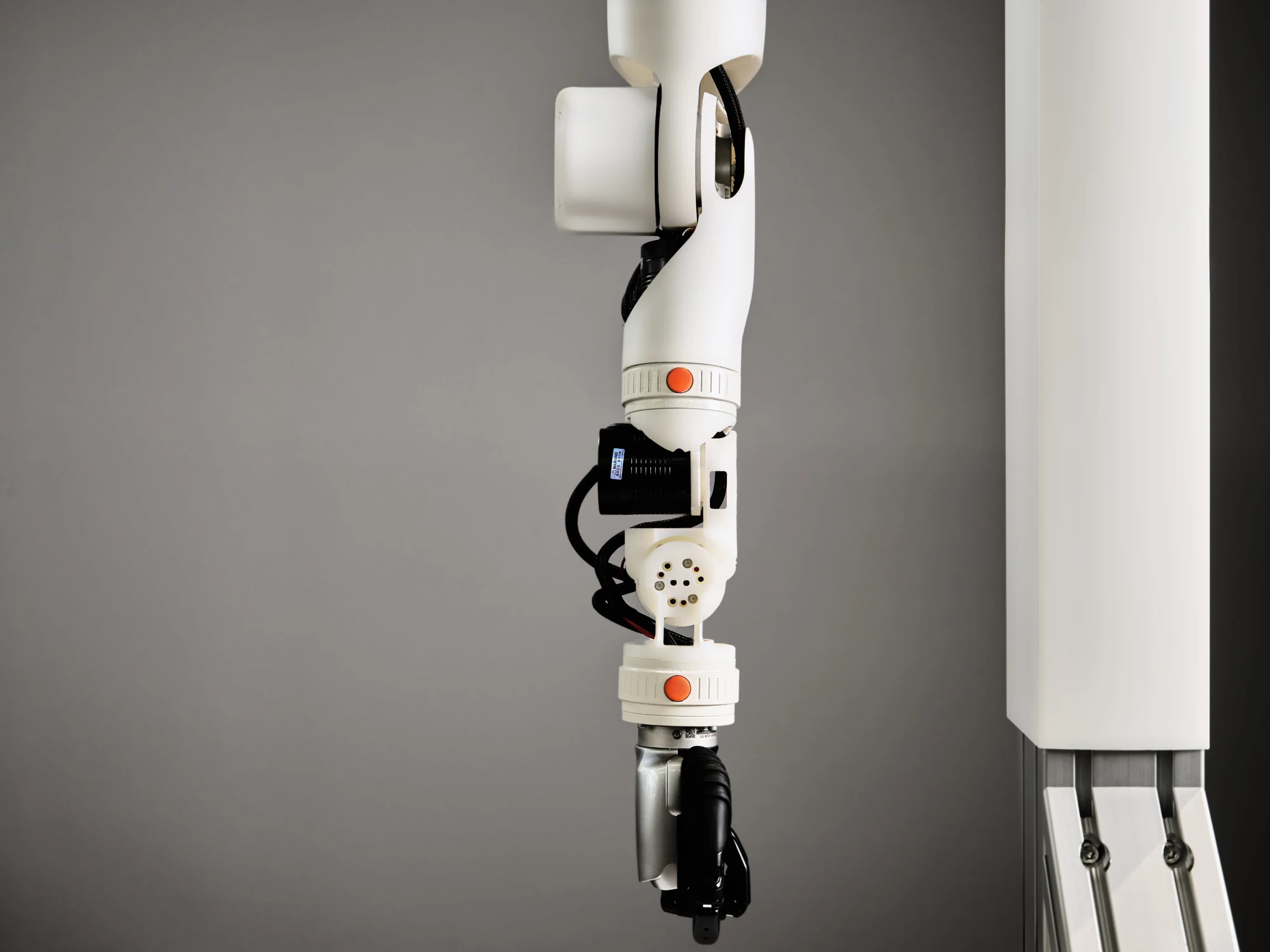
O-ID describes an architecture with hot-swappable joints, limbs and compute units. Rather than sending an entire machine away for a failed component, the company says customers will be able to replace a module on-site in minutes.
The proposal also includes monitoring component wear. O-ID says onboard sensors will identify parts approaching failure, allowing replacements to be shipped before a breakdown interrupts work. The release does not provide measured replacement times, reliability results or details of how accurately the system predicts failures.
The weekly humanoid robotics briefing
One email a week: the launches, funding and research that mattered, with context from Humanoids Daily.
Read recent issuesThat distinction matters at this stage: the supplied modularity video is a product animation illustrating how parts connect and separate, rather than a filmed maintenance trial. Still, it makes the design priority clear. Serviceability is being presented as a core feature of the platform, alongside the ability to change its configuration.
The company’s website lists indicative specifications of 172 centimeters in height, 70 kilograms in weight, a 16-kilogram payload and 30 degrees of freedom, with more than nine modules and a holonomic base. The advertised platform therefore includes a wheeled configuration; the humanoid label should not be read as a promise of a walking biped.
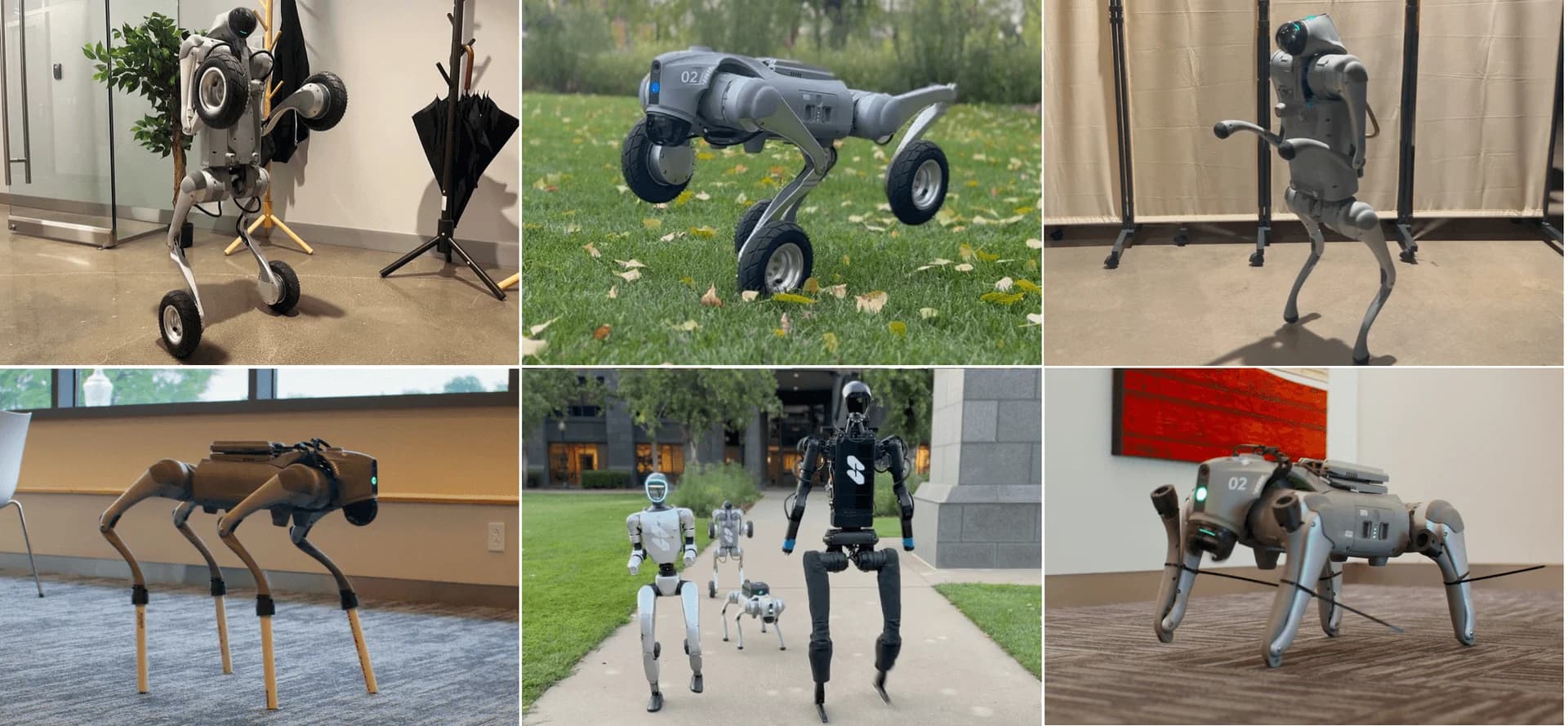
Modularity is already appearing elsewhere in the sector, including Unitree’s dual-arm R1 platforms with fixed and wheeled bases and LimX Dynamics’ reconfigurable TRON 2. O-ID’s particular pitch emphasizes the maintenance and replacement process on a working factory floor.
Japanese manufacturing, with a limited but relevant supplier step
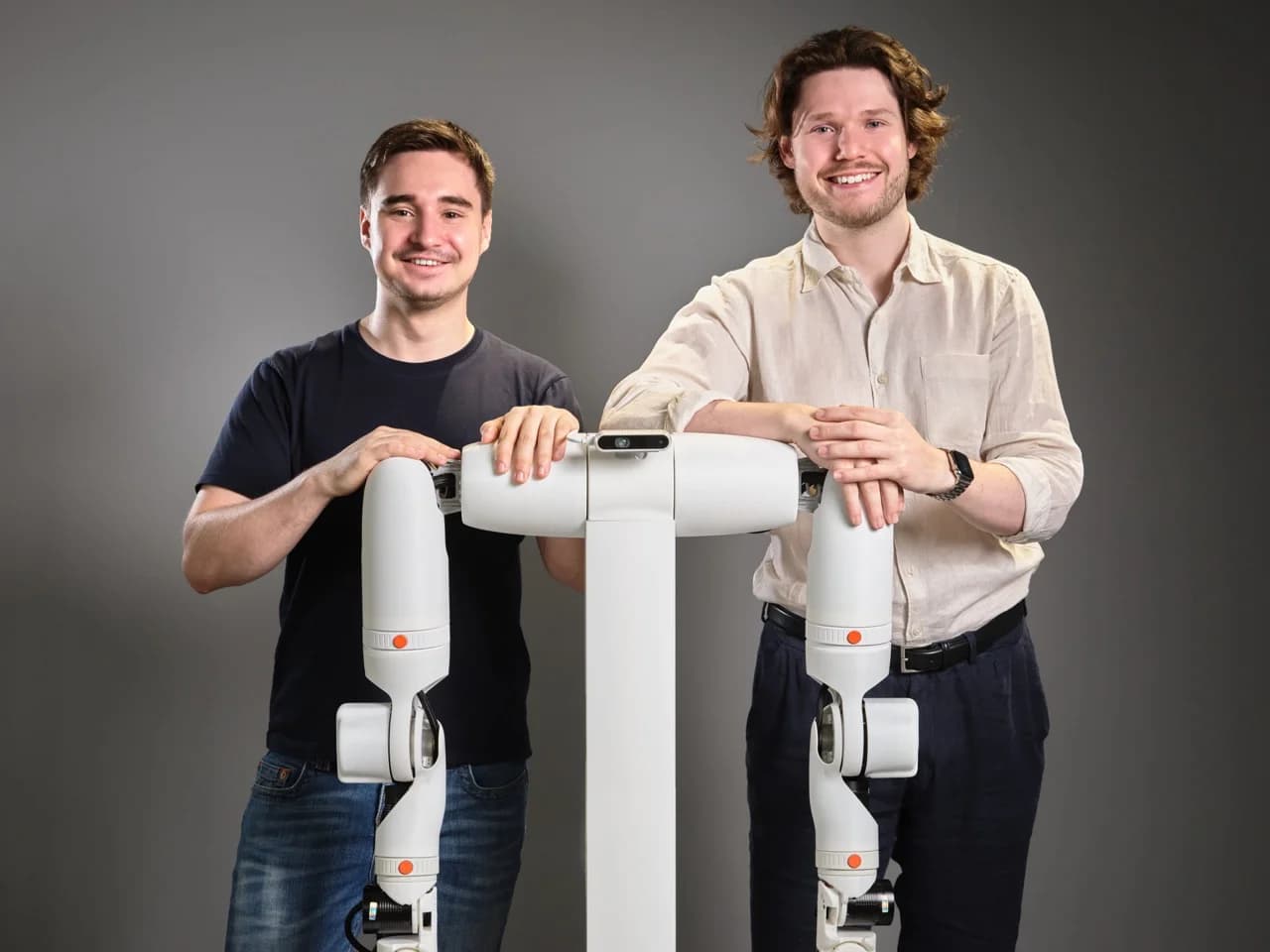
O-ID was founded in Tokyo in 2025 by CEO Stian Jakobsen, from Norway, and CTO Simon Gormuzov, from the Netherlands, who met at Waseda University. Jakobsen previously worked in cyber defense; Gormuzov has a background in mechanical engineering and industrial robotics.
The company says its robots will be built and manufactured in Japan. It has also signed a letter of intent with Sumitomo Electric Industries to begin discussions about potentially applying the manufacturer’s technologies to humanoid robot wire harnesses.
That is a relevant area for a machine designed to be repeatedly disconnected and reassembled. But the agreement described in the release is exploratory: it does not establish a production supply contract, a customer order or a factory deployment. O-ID has also filed a provisional U.S. patent application for its modular connector technology.
From a labor shortage to a working product
Japan offers a clear motivation for labor-saving automation. A Recruit Works Institute forecast projects a shortfall of roughly 11 million workers by 2040, although that economy-wide figure is not a measure of jobs humanoid robots can perform.
O-ID says its robots are intended to fit existing factory layouts and meet current industrial safety standards. The announcement does not identify those standards, provide certification details or set out the integration work required for particular tasks. Pricing, production volumes and a dated customer rollout schedule are also absent.
For O-ID, the next meaningful evidence will be a working deployment showing both useful task performance and the promised ease of repair. Swapping a failed part quickly could improve the economics of a robot fleet—but customers will also need to know how often parts fail, what replacements cost and how quickly the machine can safely return to work.
Share this article
Read next
- Published on
- Reading time
- 4 min read
Tokyo Now Has a Dedicated 911 Service—for Busted Humanoid Robots
- Published on
- Reading time
- 6 min read
SoftBank in Talks for Majority Stake in 1X at $6 Billion — Below the $10 Billion It Sought Last Year
- Published on
- Reading time
- 4 min read
Mitsubishi Electric and Chiba Tech Forge 3-Year Pact to Build "Homegrown" Physical AI
- Published on
- Reading time
- 4 min read
Tokyo Robotics Steps Into the Bipedal Arena with RL-Driven Humanoid
- Published on
- Reading time
- 5 min read
SoftBank and NVIDIA Reportedly Near Deal to Value Skild AI at $14 Billion
- Published on
- Reading time
- 4 min read
Japan Enters the Alliance War: ''KyoHA'' Taps Industrial Giants to Reclaim Humanoid Glory

The weekly humanoid robotics briefing
One email a week: the launches, funding and research that mattered, with context from Humanoids Daily.
Read recent issues