- Published on
South Korea's Base Group Plans $150 Million Lifeline for Foundation
One tap, and our reporting appears more often in your Google Top Stories. It makes a real difference to a small newsroom.

Supported by RoboStrategySupport for Humanoids Daily comes from RoboStrategy
Sponsored
Investing involves risk, including possible loss of principal. Read the prospectus before investing.
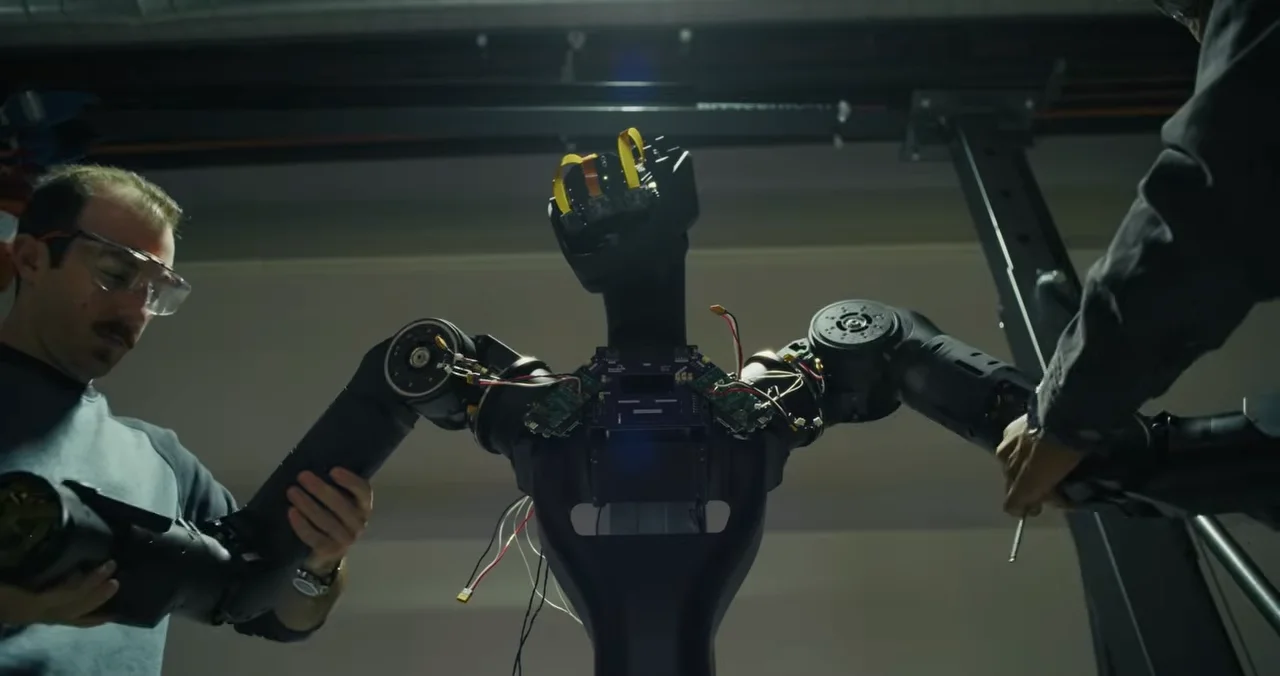
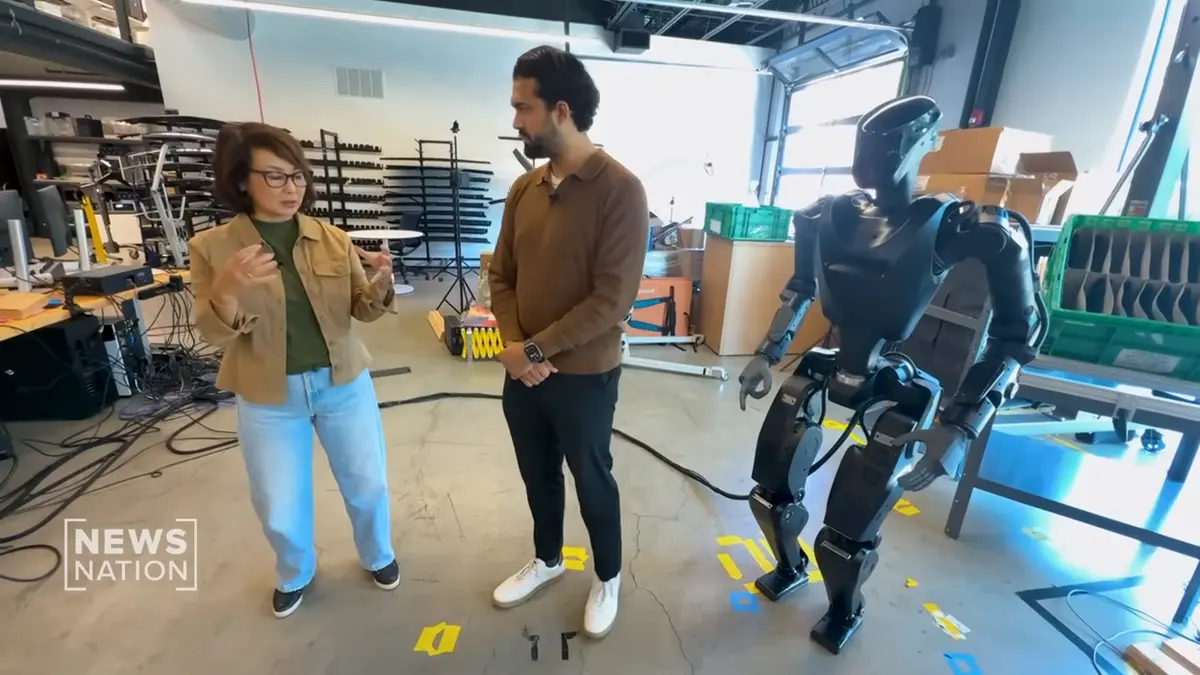
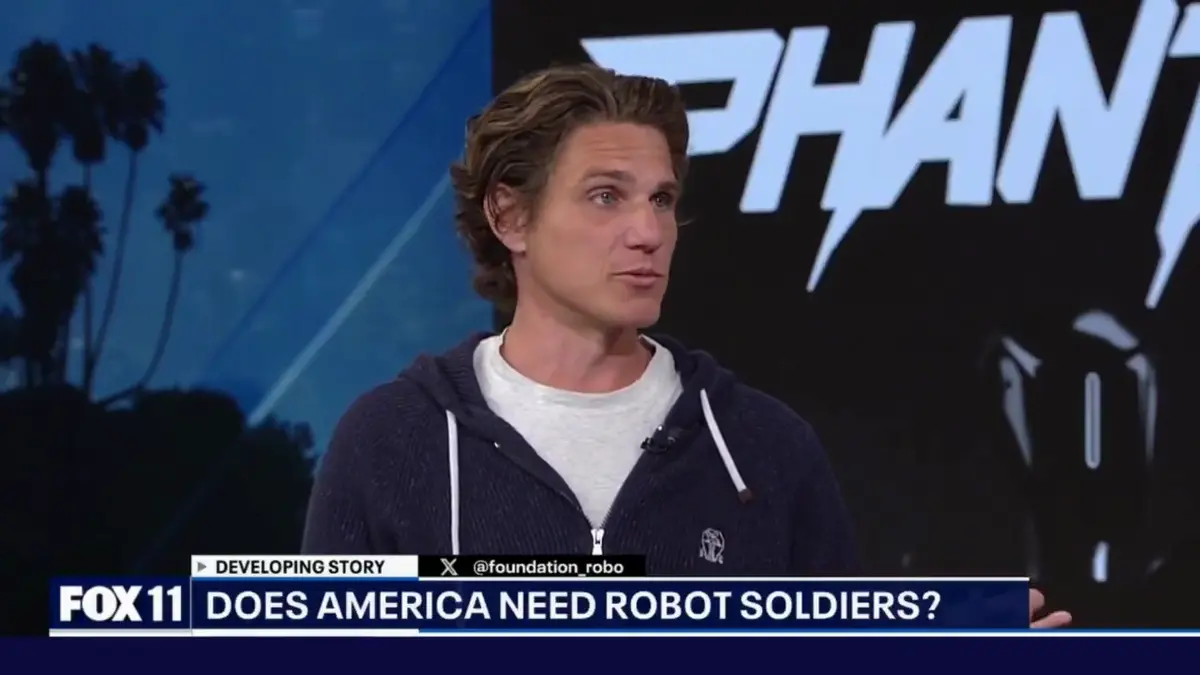
Base Group, a conglomerate based in Seoul, is preparing to invest $150 million in Foundation Future Industries, the San Francisco maker of the military-focused Phantom humanoid, Reuters reported on November 19. The report cites internal emails from CEO Sankaet Pathak to employees, who have not been paid since October 30. A Base Group spokesperson confirmed the company was considering an investment in Foundation, "recognizing the long-term value and growth potential of humanoid robotics."
- Base Group is preparing a $150 million investment in Foundation, according to Pathak's emails to staff seen by Reuters. Base confirmed it is considering an investment but did not say how much or when.
- Pathak told employees in a November 8 email that the missed payroll was "a timing issue, not an existential one," and is pinning the company's future on the Base money.
- The deal would include a joint venture in which Base supplies aluminum for Foundation's robots and lithium for their batteries.
- Base has worked with the Trump Organization since 2017 and is building a golf course with it in South Korea. In August, Democratic senators questioned a $2 million payment Base made to the Trump Organization in 2025. Eric Trump is Foundation's chief strategy advisor.
- Foundation has raised $11 million from outside investors, according to Pitchbook, against the $3 billion valuation Pathak has been seeking this year.
- On November 18, Pathak told Fast Company that Foundation plans to start producing a second-generation Phantom MKII in early 2027. The company has not shown the robot on its own channels.
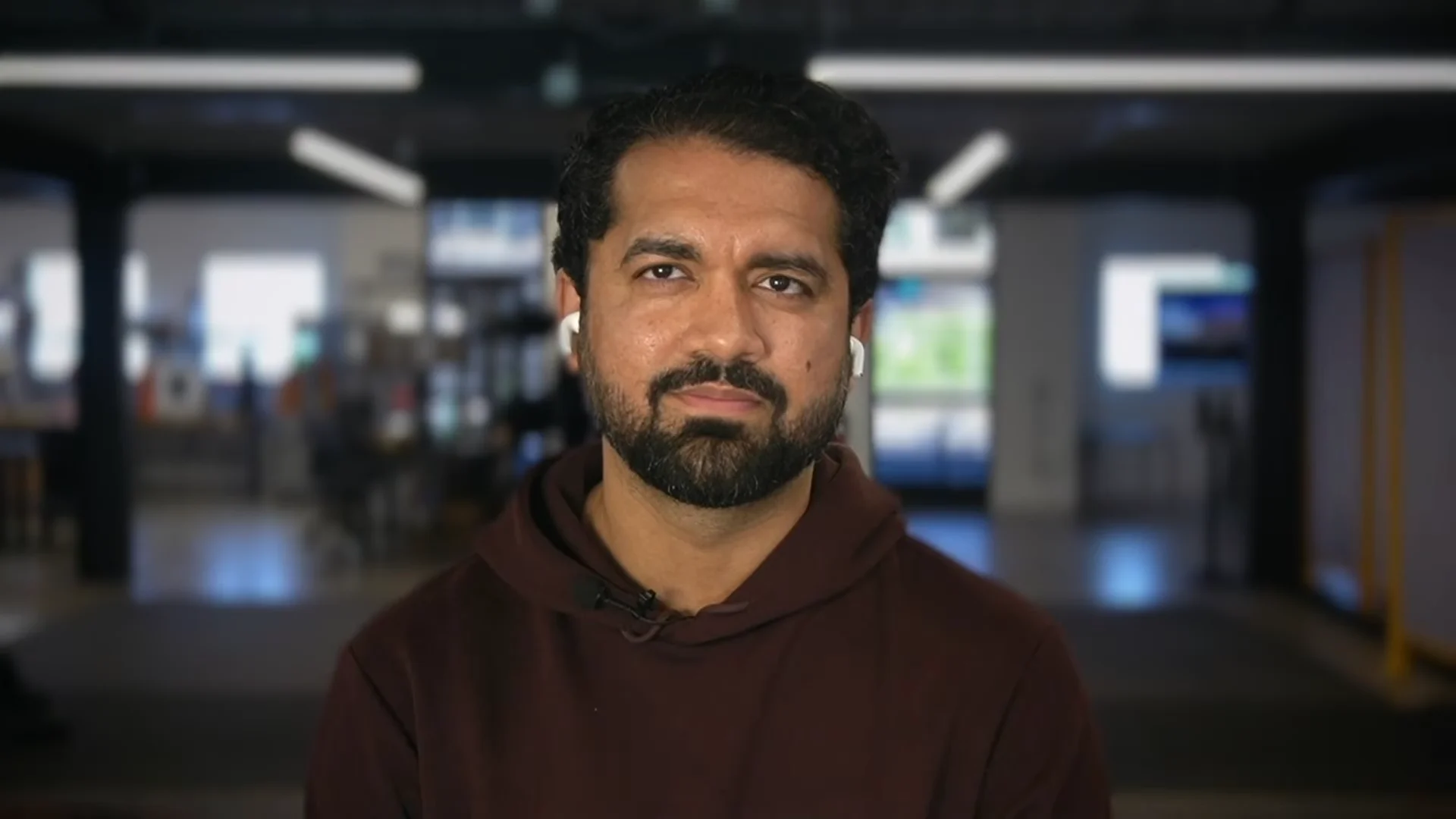
What Pathak told employees
Foundation missed its October 30 payroll, CNBC reported on November 14, and staff had still not been paid when that report ran. CNBC also reported that Pathak had borrowed $4.6 million from the company in 2025 to buy a home in Sausalito, California. The emails Reuters reviewed show Pathak telling employees that Base's funding would resolve the shortfall.
"My read, given where Base is, this is a timing issue, not an existential one for the company," Pathak wrote on November 8. Four days later he described the deal as "a long-term partnership and not just a financing event." According to the emails, Base would also form a joint venture with Foundation to supply aluminum for the robots and lithium for their batteries.
Pathak wrote that Base Chairman Kim Seong-jip "sees humanoid robotics as the biggest unlock for the labor constraints across their businesses. He sees Foundation as the company doing it right."
Follow humanoid robotics without following every announcement.
Get the week’s most important launches, funding and research—and why they matter—in one email from Humanoids Daily.
Once a week. Unsubscribe anytime.
Read recent issuesIn another email, Pathak said the $4.6 million loan had been agreed in August 2025 and "had no relationship to the current cash situation." Foundation and Pathak did not respond to Reuters' requests for comment. Base did not answer questions beyond its statement.
At $150 million, the investment would be more than thirteen times what Foundation has raised from outside investors so far. Pitchbook puts that figure at $11 million, from investors including Tribe Capital, Defined and Gaingels. Pathak has been trying since at least January to raise hundreds of millions of dollars at a $3 billion valuation. Reuters did not report the terms or valuation of the Base deal.
Base Group and the Trump family
Base's ties to the Trump family go back at least to 2017, when one of its subsidiaries signed an agreement to import wine from Trump Winery. In February this year, Base hosted Eric Trump, the president's son, in Seoul for a summit on business partnerships between the United States and South Korea, according to local media reports cited by Reuters. In August, the Trump Organization announced that it was building Trump International Golf Club Korea in Hanam in partnership with Base.
The same month, Democratic senators sent Base an open letter asking it to explain its relationship with the Trump family. They questioned whether a $2 million payment Base made to the Trump Organization in 2025 was connected to its efforts to win relief from U.S. tariffs on aluminum, and said any such quid pro quo would be an "egregious example of Trump Administration corruption." Base did not address the letter in its statement to Reuters.
Eric Trump was introduced as a Foundation investor and chief strategy advisor in an April Fox Business interview alongside Pathak, where he said he got involved to help the United States beat China in humanoids. The size of his stake has not been disclosed. In November, a spokesperson for Trump told the Financial Times that he has had no involvement in Foundation's management, operations or commercial activities, including government contracts. Spokespeople for the Trump Organization and Eric Trump did not respond to Reuters.
Where Foundation stands
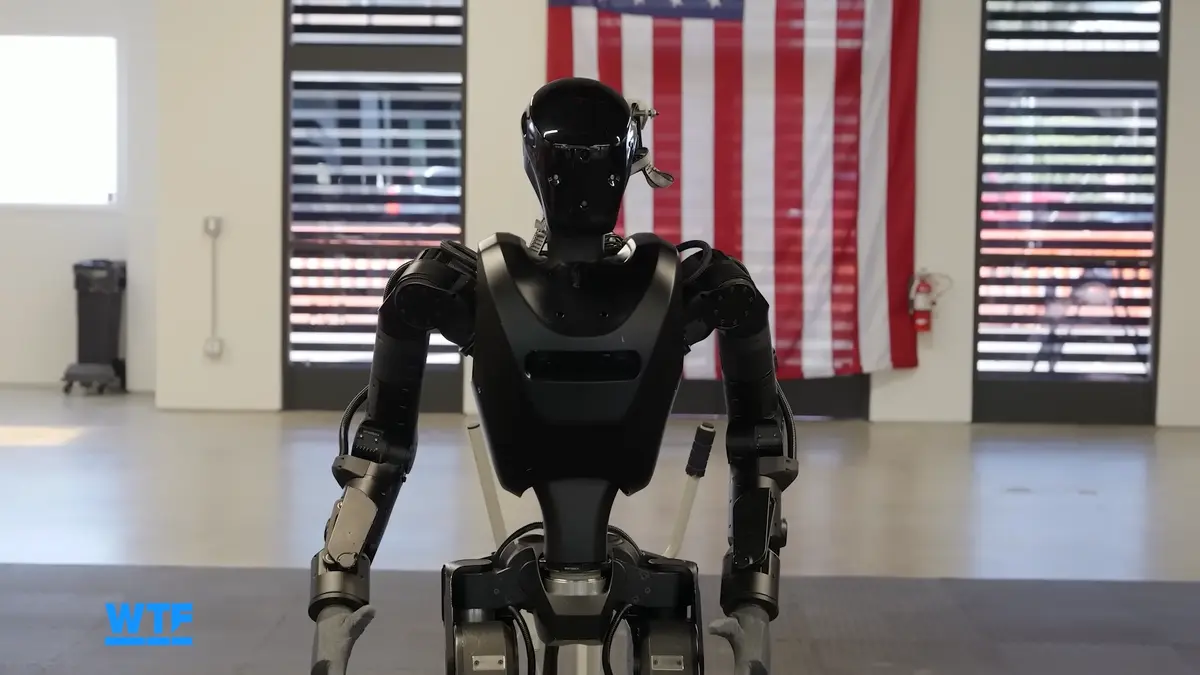
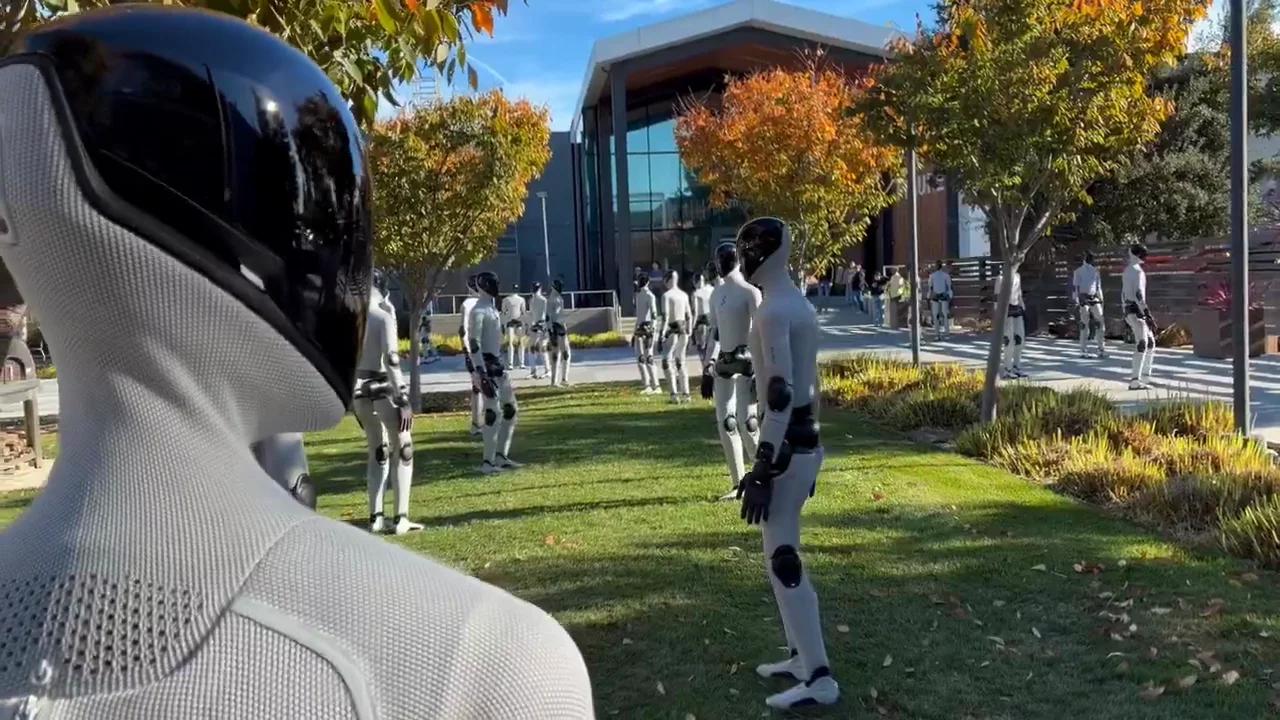
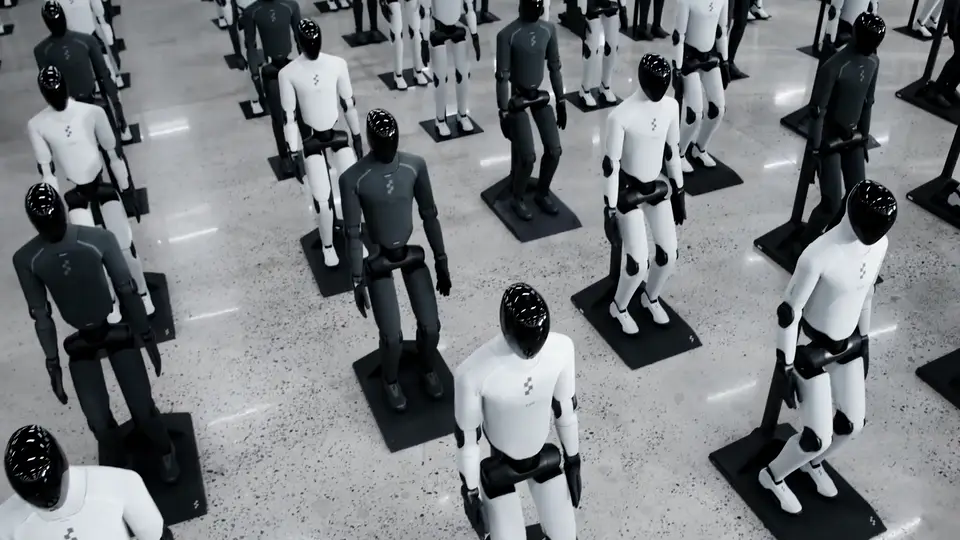
Foundation's Phantom MK1 is marketed for defense work. On November 11, the Financial Times reported that the company is in talks with the Israel Defense Forces about using the robots in Hamas tunnels under Gaza, with a possible order of up to 1,000 units that has not been signed. Speaking to Fast Company on November 18, Pathak disputed that account. "We're not in talks with the IDF in any official capacity on deploying robots there," he said, describing the contacts as "very early exploration conversations" with nothing moving toward a contract. Foundation has also hosted Ukrainian military officers at its San Francisco headquarters and says it ran a pilot in Ukraine earlier this year.
The company's widely cited $24 million in Pentagon contracts came with its late-2024 acquisition of Boardwalk Robotics, a spinout of Florida's Institute for Human and Machine Cognition, according to CNBC's sources. Public award records reviewed by independent journalist Mike Kalil show about $3 million in Pentagon awards, all inherited from Boardwalk.
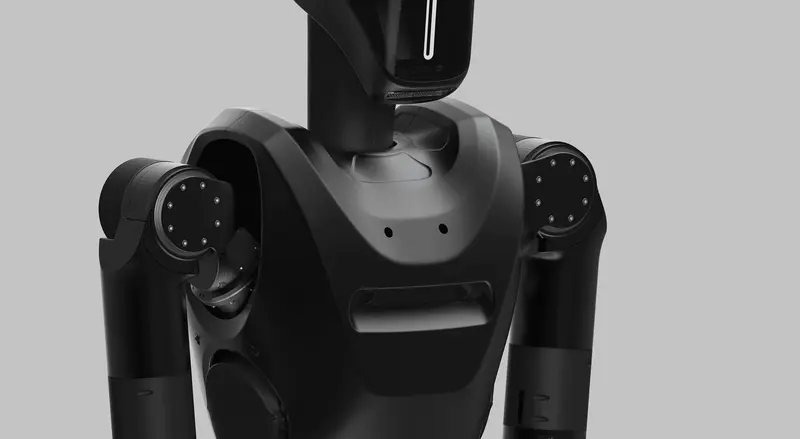
In the same Fast Company interview, Pathak described the second-generation Phantom MKII and an AI system called Cortex II. He said the robot can walk carrying 200 pounds, up from roughly 50 to 60 pounds for the MK1, with weather-resistant joints and up to six hours of battery life. He also said the redesigned actuators had halved the robot's bill of materials, and that Foundation plans to start production in the San Francisco Bay Area in early 2027, building several hundred units before ramping to a few thousand by the end of that year. According to Pathak, Cortex II can learn some tasks from as few as 60 human demonstrations. As of November 20, Foundation had not published images, video or specifications of the MKII on its own channels. In March, Pathak had described the next robot as a roughly six-foot "Phantom 2".
Before Foundation, Pathak led the fintech startup Synapse, which filed for bankruptcy in April 2024. More than 100,000 Synapse customers were locked out of a combined $265 million in deposits when it collapsed.
Share this article
Follow humanoid robotics without following every announcement.
Get the week’s most important launches, funding and research—and why they matter—in one email from Humanoids Daily.
Once a week. Unsubscribe anytime.
Read recent issuesRead next
- Published on
- Reading time
- 8 min read
Foundation Misses Payroll After CEO Borrowed $4.6 Million to Buy a Home
- Published on
- Reading time
- 5 min read
Watch: Inside Foundation’s Humanoid Factory and the Anatomy of a "War Machine"
- Published on
- Reading time
- 4 min read
Foundation CEO Details Path to Armed Robots, Aims for 10,000-Unit Production in 2026
- Published on
- Reading time
- 3 min read
CNET Goes Hands-On With Foundation's 'Phantom' Humanoid as CEO Discusses Arming Robots
- Published on
- Reading time
- 3 min read
Foundation CEO Discusses 'Dual-Use' Humanoids, From Factory Floors to Future Battlefields
- Published on
- Reading time
- 4 min read
'Don't Send a Marine, Send a Robot': Foundation Co-Founder Details Military Pitch for Humanoids