- Published on
Foundation Misses Payroll After CEO Borrowed $4.6 Million to Buy a Home
One tap, and our reporting appears more often in your Google Top Stories. It makes a real difference to a small newsroom.

Supported by RoboStrategySupport for Humanoids Daily comes from RoboStrategy
Sponsored
Investing involves risk, including possible loss of principal. Read the prospectus before investing.
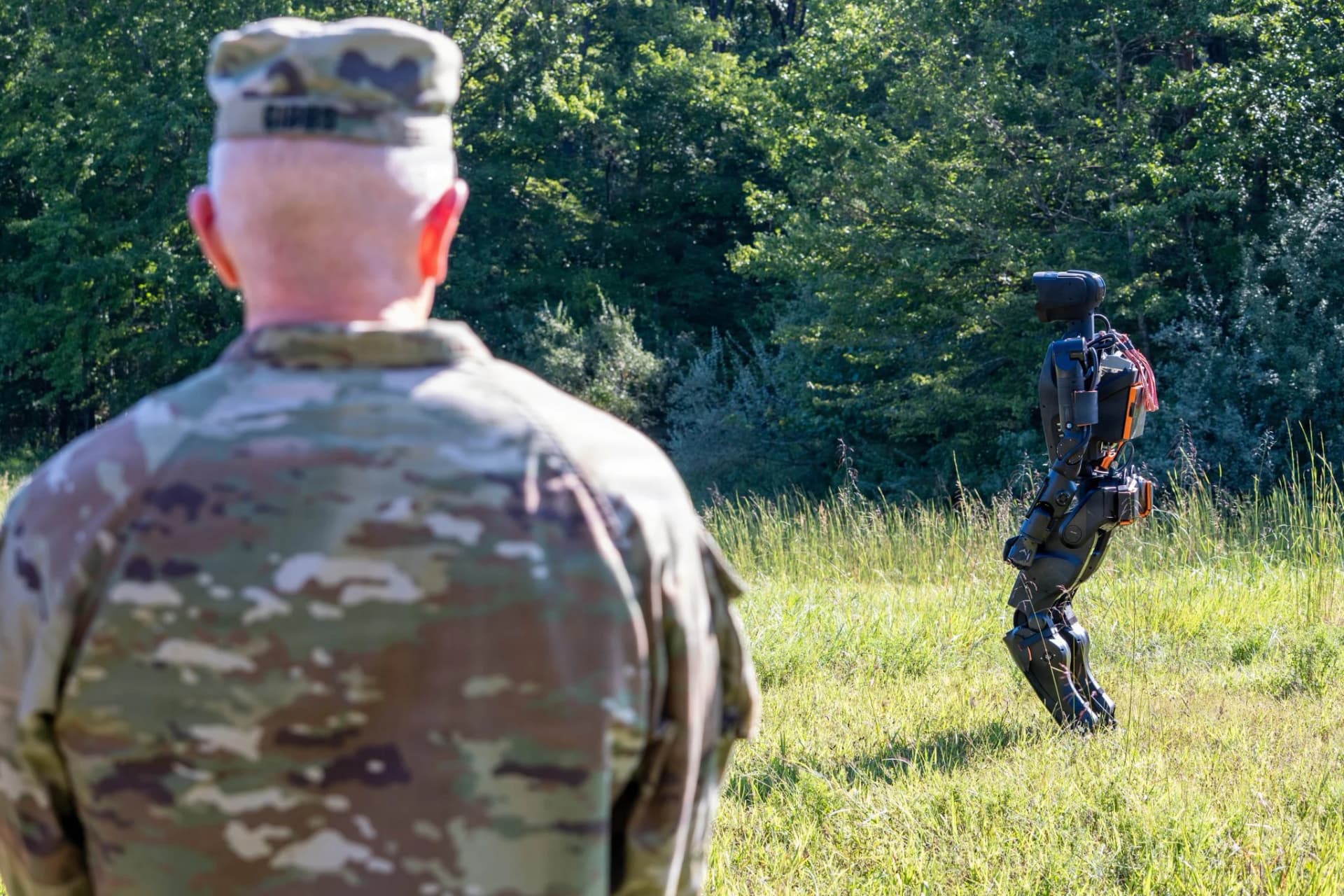
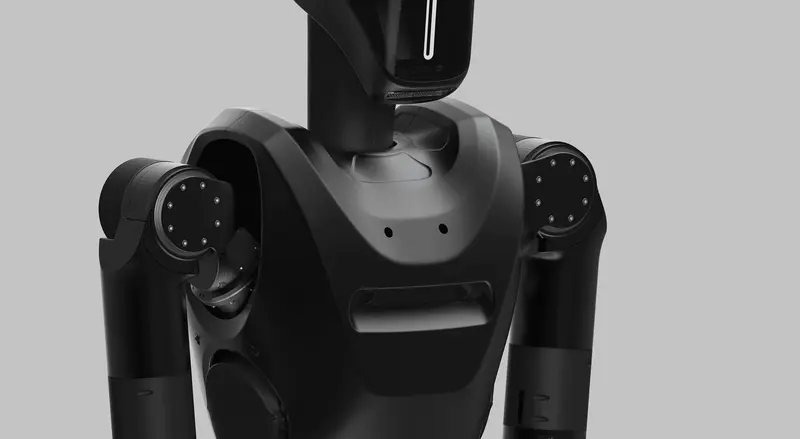
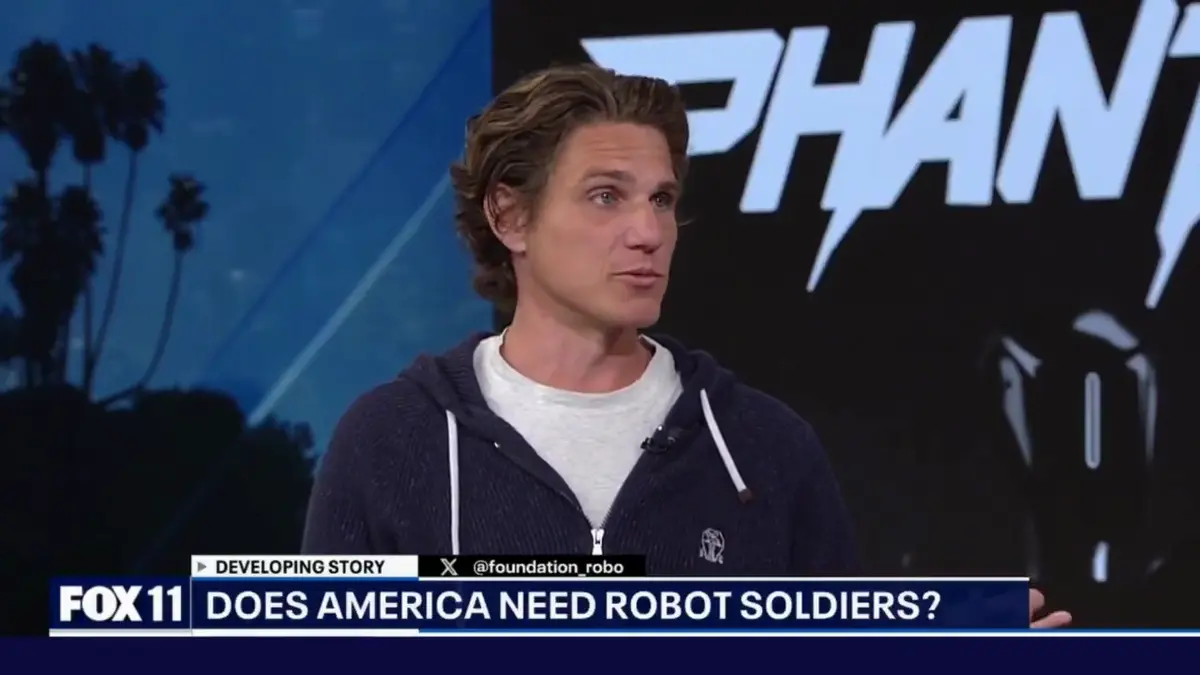
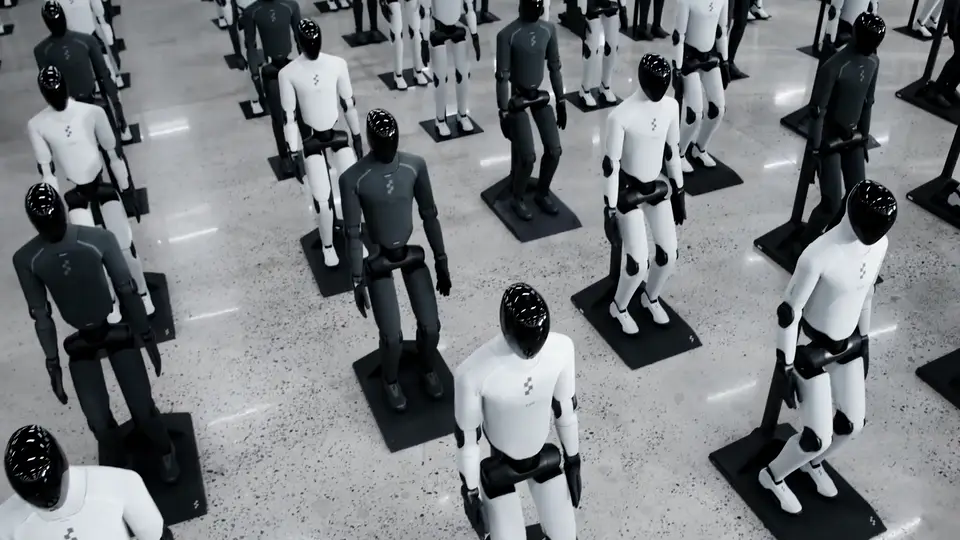
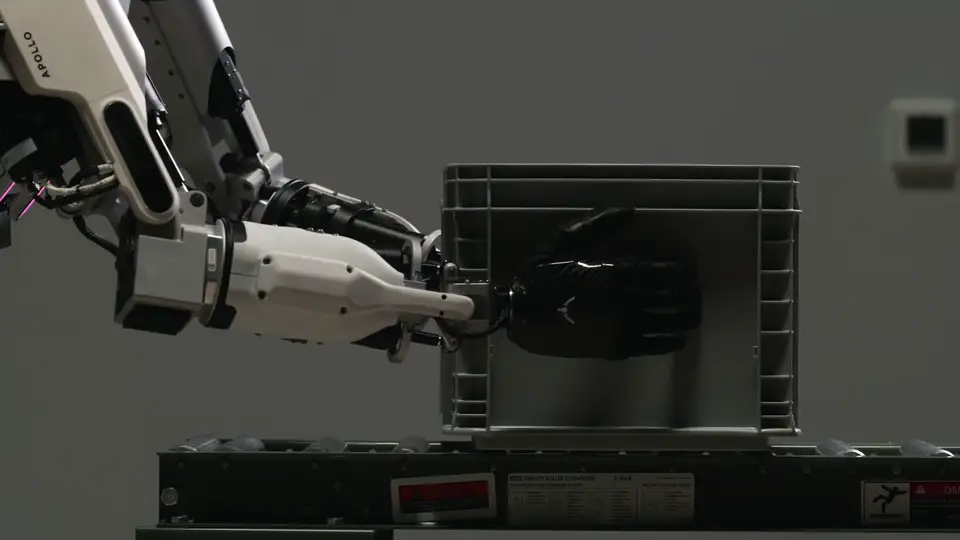
Foundation Future Industries, the San Francisco startup that builds the Phantom humanoid and markets it for military use, has not paid its employees since it missed payroll on October 30, CNBC reported on November 14. Citing people familiar with the matter, CNBC's Hugh Son also reported that CEO and co-founder Sankaet Pathak borrowed $4.6 million from the company in 2025 to buy a home in Sausalito, California.
- Foundation missed its October 30 payroll and employees had still not been paid as of November 14, according to CNBC. The company also ran short of payroll cash in August, when staff waited about two days for a bridge loan from an existing investor.
- Pathak, the company's only board member and majority shareholder, borrowed $4.6 million from Foundation in 2025. An LLC with Pathak as sole principal bought a $4.6 million Sausalito property in October 2025.
- CNBC's sources say the $24 million in Pentagon contracts widely credited to Foundation came with its late-2024 acquisition of Boardwalk Robotics, and that performance milestones in that deal have not been met.
- Days before the CNBC report, the Financial Times reported that Foundation is in talks with the Israeli military about using Phantom robots in Gaza's tunnels.
- Pathak has been trying to raise hundreds of millions of dollars at a $3 billion valuation since at least January. He did not respond to CNBC's requests for comment.

Two payroll shortfalls in three months
According to CNBC, Foundation has not paid staff since October 30 because its cash reserves have run down. It was the second shortfall this year. In August the company also ran out of money for payroll, and employees waited about two days until an existing investor provided a bridge loan.
This week Pathak told employees in a memo that he was working on sourcing money to pay back wages, CNBC reported. A spokesman for Pathak acknowledged receiving a detailed list of the story's main points on November 12 but did not respond to requests for comment.
The $4.6 million loan dates to 2025. Pathak described it as a short-term loan at the time, according to CNBC's sources, and existing investors know about it from the company's financial disclosures. Public records show that an LLC naming Pathak as its sole principal bought a $4.6 million house in Sausalito, overlooking San Francisco Bay, in October 2025. The people CNBC spoke with said the money could have covered wages.
Follow humanoid robotics without following every announcement.
Get the week’s most important launches, funding and research—and why they matter—in one email from Humanoids Daily.
Once a week. Unsubscribe anytime.
Read recent issuesPathak is Foundation's sole board member and owns most of its shares, which the sources said is how he was able to borrow the money. That structure has also raised governance concerns among prospective investors. "This is what happens in a company with no governance," one of the people told CNBC.
Pathak has been seeking to raise hundreds of millions of dollars at a $3 billion valuation since at least January. In May 2025, the company was reported to be raising $100 million at a $1 billion valuation. Pathak founded Foundation in April 2024 with Tribe Capital CEO Arjun Sethi and Mike LeBlanc, a former Marine who co-founded security robot maker Cobalt Robotics. The company has hired dozens of engineers, including some from Tesla and Amazon's Zoox.
Where the $24 million came from
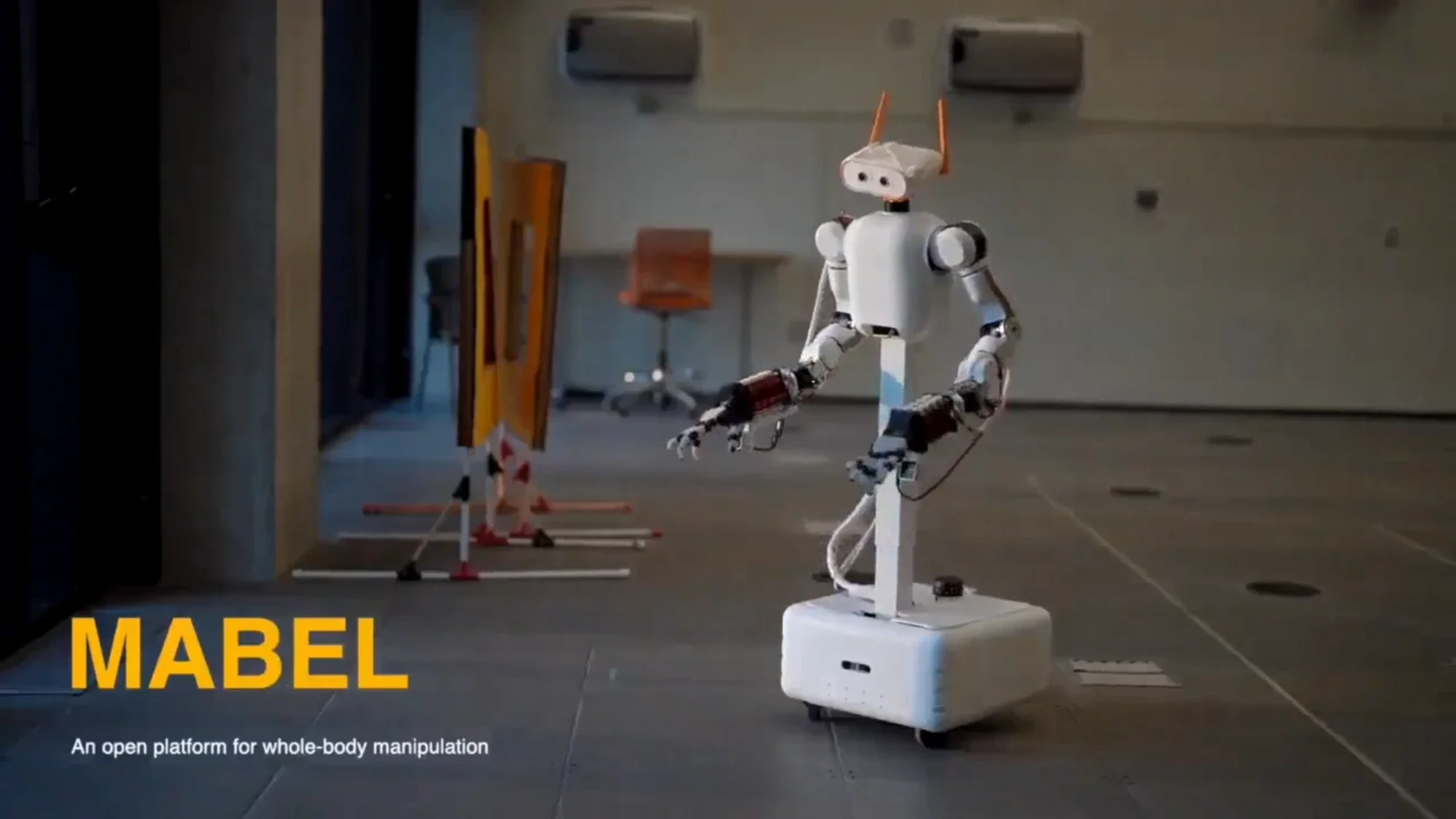
Over the past year, interviews and articles in outlets including Fox News, NBC News and the Wall Street Journal said Foundation had won $24 million in Pentagon contracts. According to CNBC's sources, Foundation did not win that money itself. It came with Boardwalk Robotics, a spinout of Florida's Institute for Human and Machine Cognition (IHMC) that Foundation acquired in late 2024 and that already held government research contracts. Foundation's first robot, the Phantom MK1, was based on Boardwalk's Alex, one person told CNBC. A separate person with direct knowledge of the acquisition said it included performance milestones for the robot that have not been reached.
Independent journalist Mike Kalil has been questioning the contract figure since September. In public award records he found about $3 million in Pentagon awards, all inherited from Boardwalk. On October 4 he said Foundation's law firm, Blank Rome, had sent him a cease-and-desist letter after he reported on its claims about military funding and robot deployments in Ukraine. According to Kalil, the letter identified as Foundation's a 2026 pitch deck he had found on a company-run domain, which made even larger claims about military contracts.
IHMC remains a separate nonprofit research institute. Its own version of Alex was one of five winners of the U.S. Army's xTechHumanoid competition in September.
A Ukrainian delegation in San Francisco
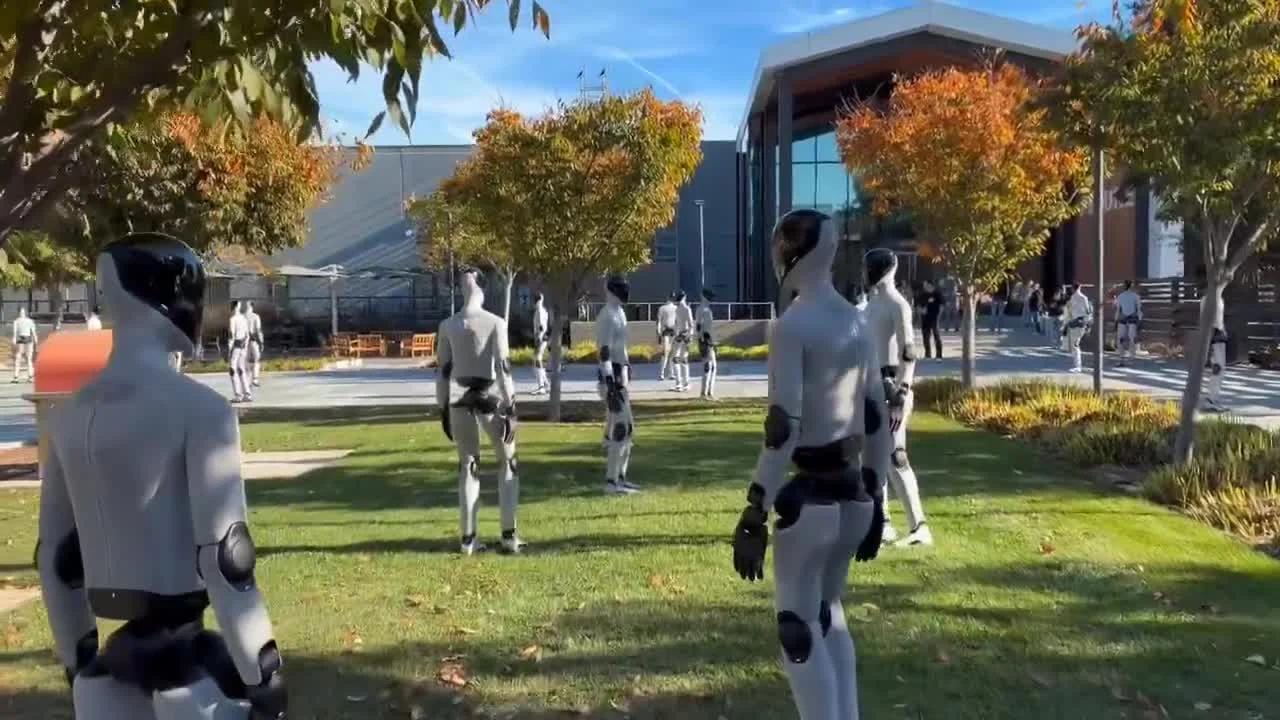
On October 21, Foundation posted a video of a visit to its San Francisco headquarters by two officers of the Armed Forces of Ukraine: Colonel Andrii Ostriev, chief of the Innovation Projects Monitoring and Evaluation Directorate, and Igor Bigun. In the video, Pathak says Foundation showed them robots handling materials and navigating autonomously, along with its "soon to be released MK2 platform." Bigun thanks the United States for its assistance to Ukraine. The officers say Foundation's first contacts and cooperation with Ukraine began at the start of the year, and that "our generals were very excited and interested." Speaking in Ukrainian, one of them adds that after the war the robots could be used for humanitarian demining and for rebuilding destroyed structures.
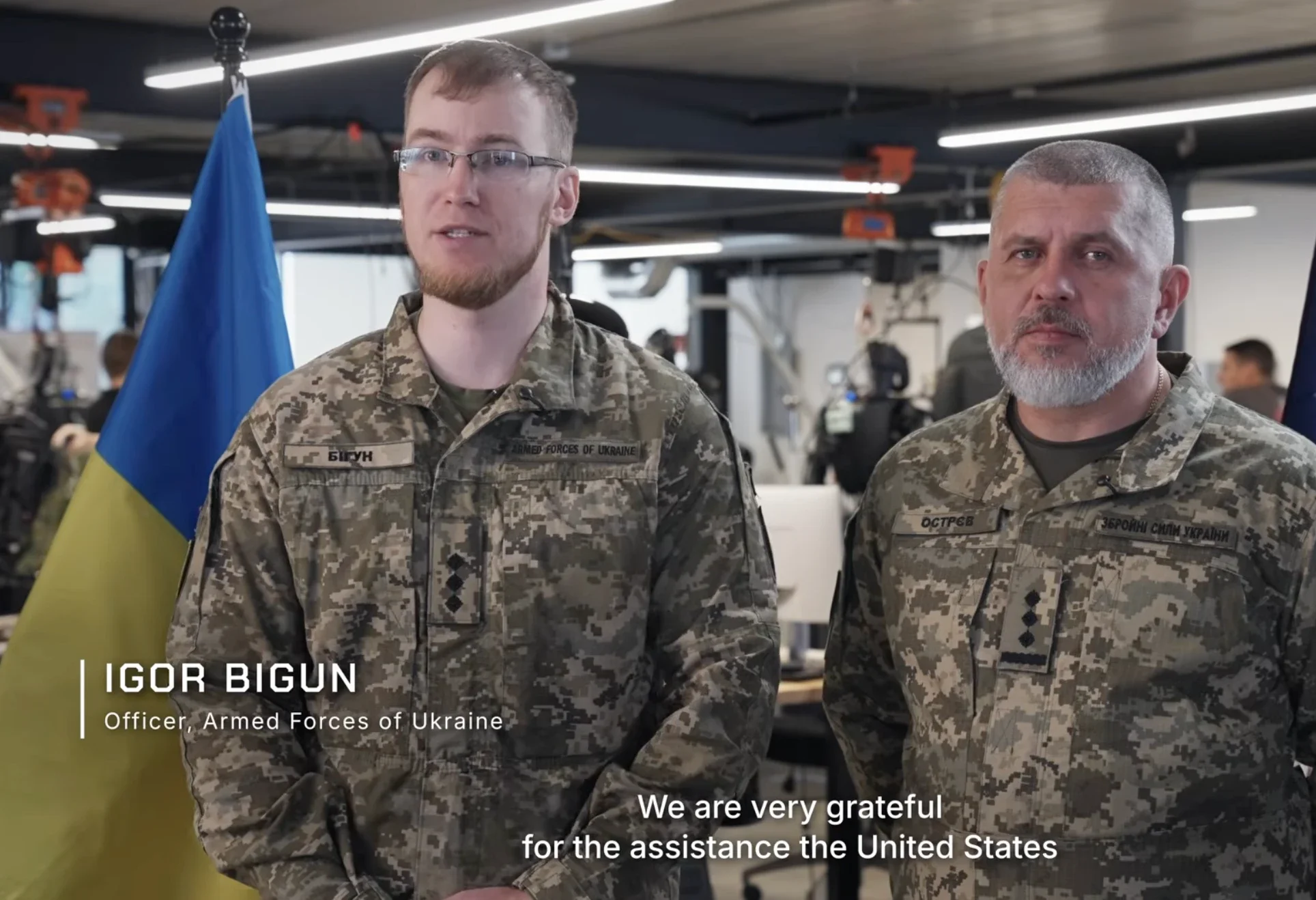
The video was filmed at Foundation's headquarters and does not mention a contract, an order or a deployment. In March, Pathak said Foundation had run a pilot in Ukraine focused on supply pickups, but the company has not published details of where or how it ran.
Talks with the Israeli military
On November 11, the Financial Times reported that Foundation is in talks with the Israel Defense Forces about using Phantom MK1 robots in Hamas tunnels under Gaza. According to outlets that cited the FT interview, LeBlanc said he met senior Israeli commanders in September and visited the tunnels with a robot. The robots' early tasks would be finding tripwires and clearing traps. Later, the robots could patrol tunnel systems and eventually take part in combat. The reports put a possible order at up to 1,000 units, though nothing has been signed.
LeBlanc also told the FT that Foundation has more than $70 million in U.S. military contracts and funding, including through the company it acquired.
Eric Trump and Synapse
Eric Trump, the president's son, was introduced as a Foundation investor and chief strategy advisor in an April Fox Business interview. The size of his stake has not been disclosed. "We have to win robotics in the United States of America," he said at the time. Senator Elizabeth Warren (D-Mass.) responded on X: "This looks like corruption in plain sight." A spokesperson for Trump told the FT that he has had no involvement in Foundation's management, operations or commercial activities, including government contracts, and LeBlanc told the paper that he handled the company's deals himself. According to CNBC, people inside Foundation have speculated that a Democratic-led Congress could investigate the company.
Pathak's previous company, the fintech middleman Synapse, collapsed in 2024. More than 100,000 Americans were locked out of a combined $265 million in deposits, and its bankruptcy trustee, former FDIC chair Jelena McWilliams, said as much as $96 million in customer funds was missing. Fintech consultant Jason Mikula reported that Pathak withdrew $320,000 in loans from Synapse as it headed toward bankruptcy. In 2024, CNBC also reported that Pathak's letters to prospective Foundation investors cited a $300 million purchase order from General Motors, which GM denied.
Earlier this year, Pathak said Foundation was close to unveiling a next-generation robot. In March he described it as a roughly six-foot "Phantom 2", and in April he told Fox Business it would be "the strongest humanoid robot that exists anywhere in the world."
Share this article
Follow humanoid robotics without following every announcement.
Get the week’s most important launches, funding and research—and why they matter—in one email from Humanoids Daily.
Once a week. Unsubscribe anytime.
Read recent issuesRead next
- Published on
- Reading time
- 6 min read
Military Humanoids: Army Trials, New Entrants and the Gap Between Ambition and Deployment
- Published on
- Reading time
- 5 min read
Watch: Inside Foundation’s Humanoid Factory and the Anatomy of a "War Machine"
- Published on
- Reading time
- 4 min read
Foundation CEO Details Path to Armed Robots, Aims for 10,000-Unit Production in 2026
- Published on
- Reading time
- 3 min read
CNET Goes Hands-On With Foundation's 'Phantom' Humanoid as CEO Discusses Arming Robots
- Published on
- Reading time
- 3 min read
Foundation CEO Discusses 'Dual-Use' Humanoids, From Factory Floors to Future Battlefields
- Published on
- Reading time
- 4 min read
'Don't Send a Marine, Send a Robot': Foundation Co-Founder Details Military Pitch for Humanoids