- Published on
Generative Bionics Plans Major Humanoid Training Hub in Italy With AMD
One tap, and our reporting appears more often in your Google Top Stories. It makes a real difference to a small newsroom.


Your guide
Rich Robinson
Jee Chee Ren · Executive tour
See China’s AI and robotics ecosystem first-hand.
Six days exploring AI, robotics and advanced manufacturing.
With Rich Robinson, Clinical Professor of Entrepreneurship at Peking University
Beijing · Guangzhou · Shenzhen
29 November–4 December 2026
Referral partnership · We earn a commission on referred bookings.
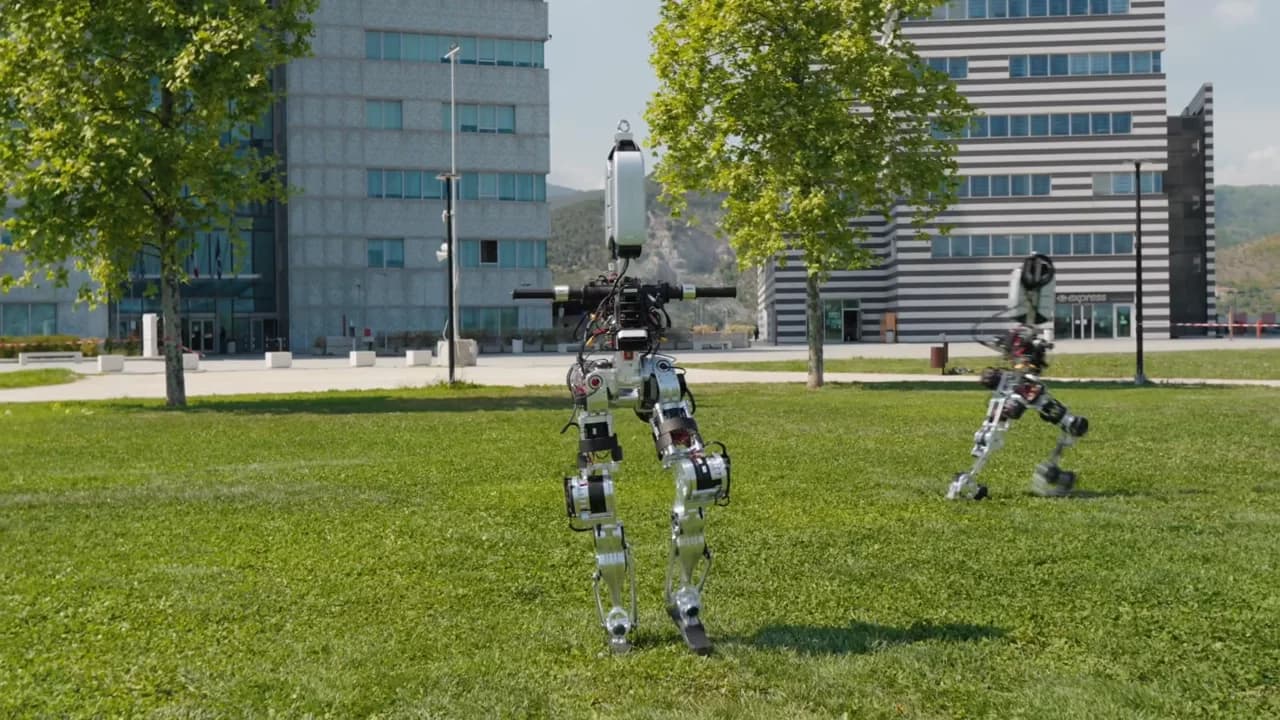
Generative Bionics plans to build a 5,000-square-metre humanoid robot training hub in Italy, powered by AMD AI infrastructure, as the first site in a proposed three-facility Physical AI Data Factory network. The Italian hub is scheduled to become operational in the fourth quarter of 2027.
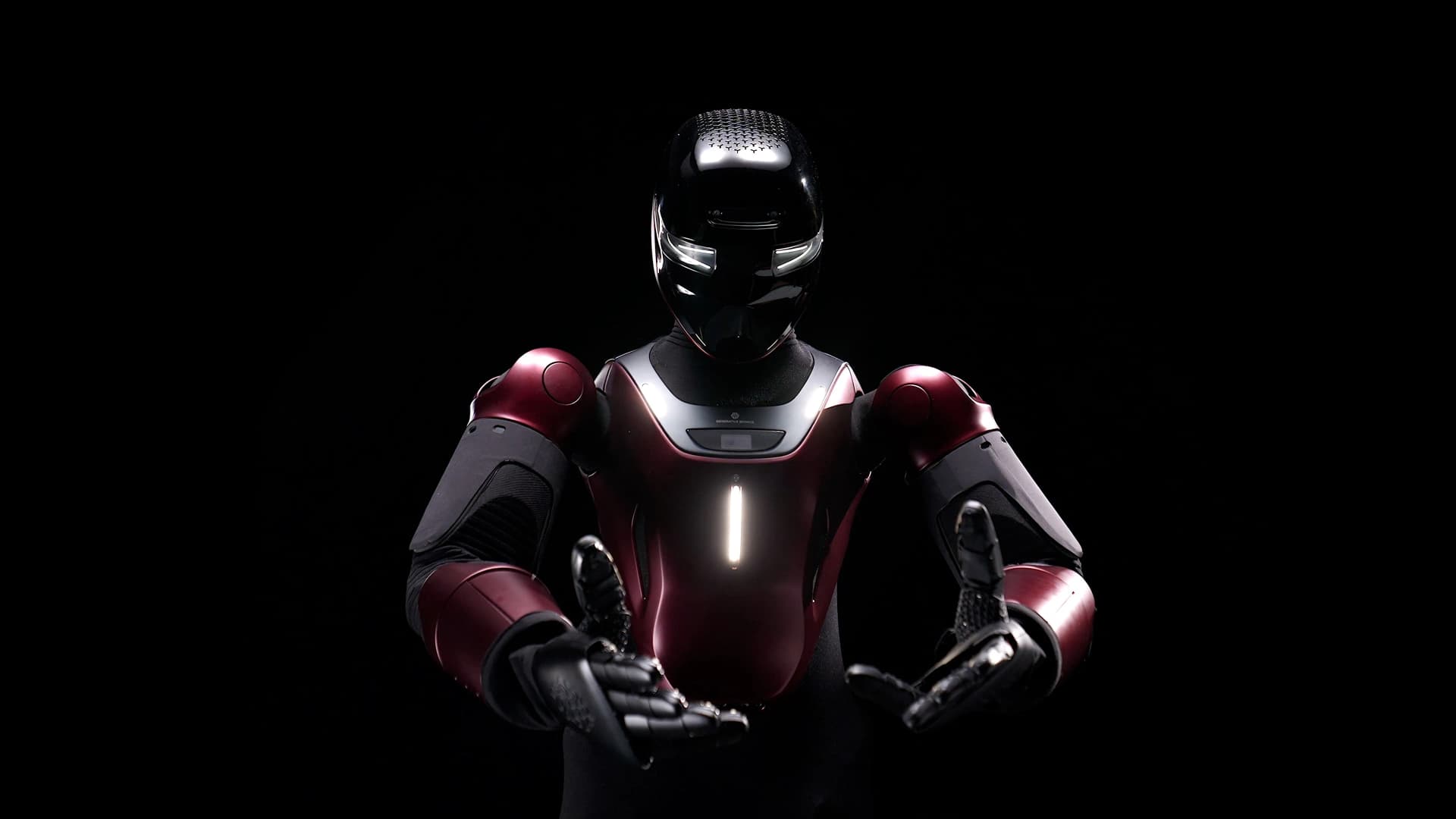
In a press release dated October 21 for CES Unveiled Milan, the company describes a system that would connect real industrial tasks, digital-twin simulation and model training. The aim is to prepare its GENE.01 humanoids for customer environments before deployment, then use operating data to improve subsequent models.
- The first 5,000-square-metre hub is planned for Italy, with operations targeted for Q4 2027; two additional facilities would follow.
- AMD Helios infrastructure is intended to support model training, physical and synthetic data processing, and parallel digital-twin simulations.
- Generative Bionics calls the proposed Italian hub Europe’s largest Physical AI training facility for humanoids, a company claim rather than an independently verified ranking.
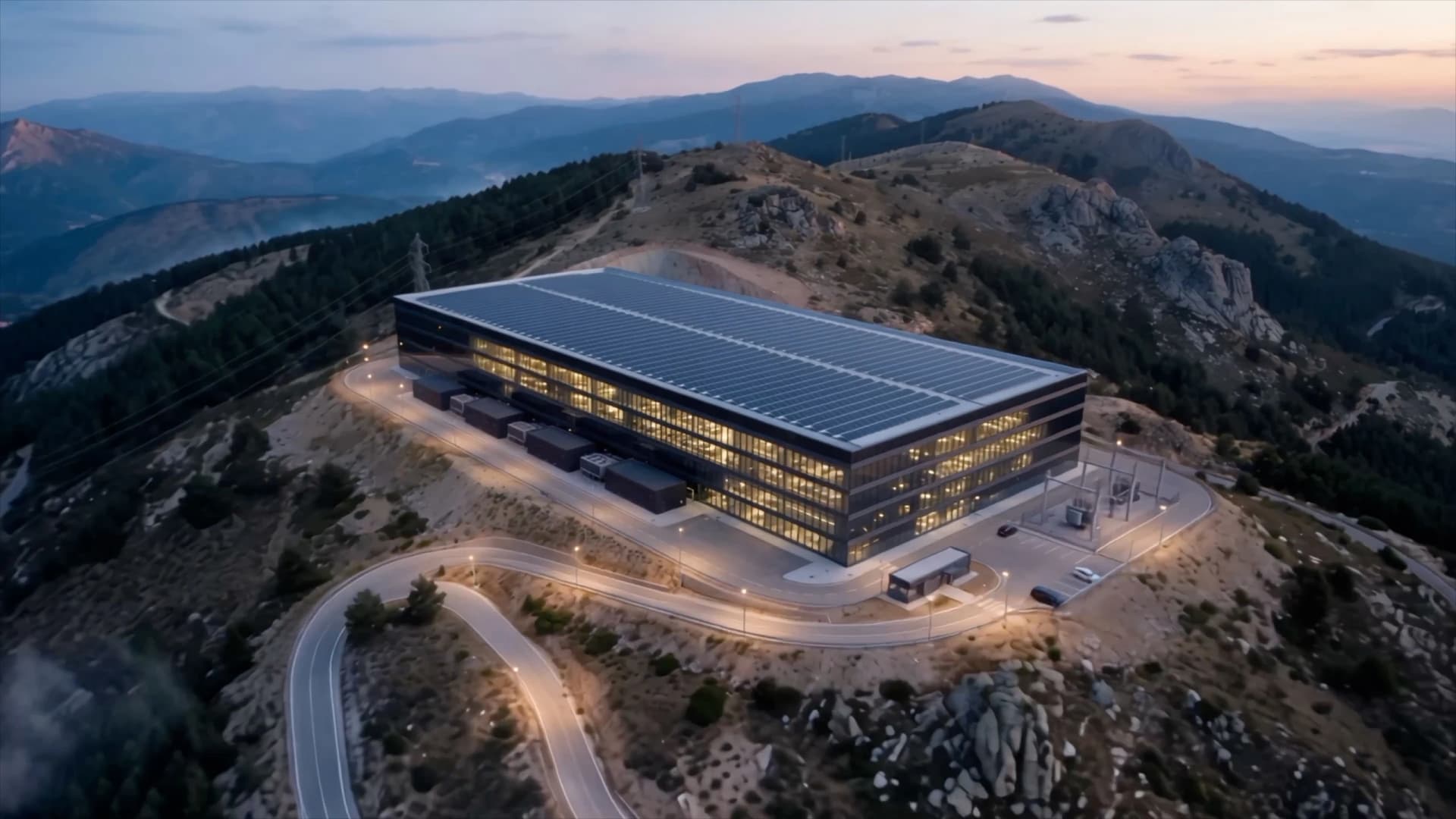
Recreating industrial work, physically and digitally
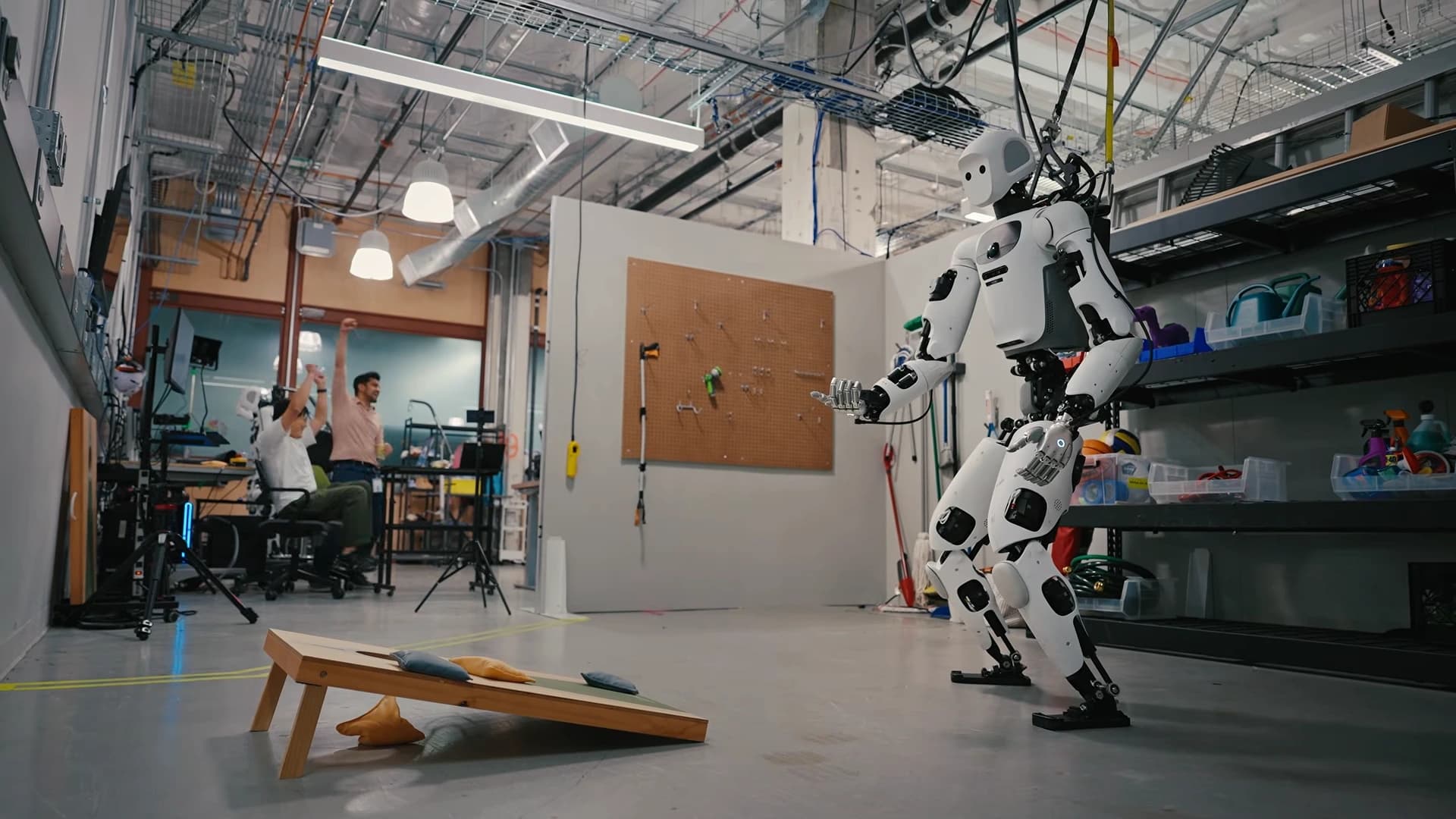
The facilities would reproduce industrial environments selected with partners, allowing fleets of GENE.01 robots to practice tasks and generate data. Alongside vision and motion, Generative Bionics says the training pipeline would capture contact, force, proximity, temperature and signals from the robot’s full-body multimodal skin.
Each physical environment and robot configuration would also have a digital twin. Tasks could then be repeated with variations in layout, objects, materials and failure conditions that would be difficult to reproduce at comparable scale in a physical facility.
The weekly humanoid robotics briefing
One email a week: the launches, funding and research that mattered, with context from Humanoids Daily.
Read recent issuesModels trained in simulation would return to the robots for real-world validation. The company calls this a real-to-sim-to-real cycle and says it would support the development of World Action Models, as well as validation of perception, control, safety behavior and task execution.
“We are replicating the world, physically and digitally, to train humanoid robots at scale before they ever enter it,” CEO Daniele Pucci said in the release.
The proposed network would extend beyond the Italian hub to a second facility elsewhere in Europe and a third serving global markets. The announcement does not specify locations or opening dates for those subsequent sites.
AMD’s role extends from the robot to the training infrastructure
The plan expands an existing relationship with AMD. AMD Ventures participated in Generative Bionics’ €70 million seed round, and the company says GENE.01 already uses AMD compute onboard. AMD Helios systems are now intended to provide the network’s large-scale training and simulation infrastructure.
Generative Bionics plans to bring robotics, AI and data-engineering teams together at the facilities to manage the flow from raw robot data through model development and deployment.
The company frames the project as a contribution to European technological sovereignty: building the data, models and expertise behind industrial humanoids on the continent. That ambition concerns control of the development pipeline; the proposed compute infrastructure comes from its US technology partner AMD.
Generative Bionics already has an industrial partnership with Fincantieri to develop humanoid welders. Separately, the shipbuilder’s October 14 update on its BOOST² program outlined a broader push to deploy robotics, Physical AI and digital twins across its shipyards. That announcement does not name Generative Bionics or establish a connection to the planned Data Factory network.
A growing network of robot training grounds
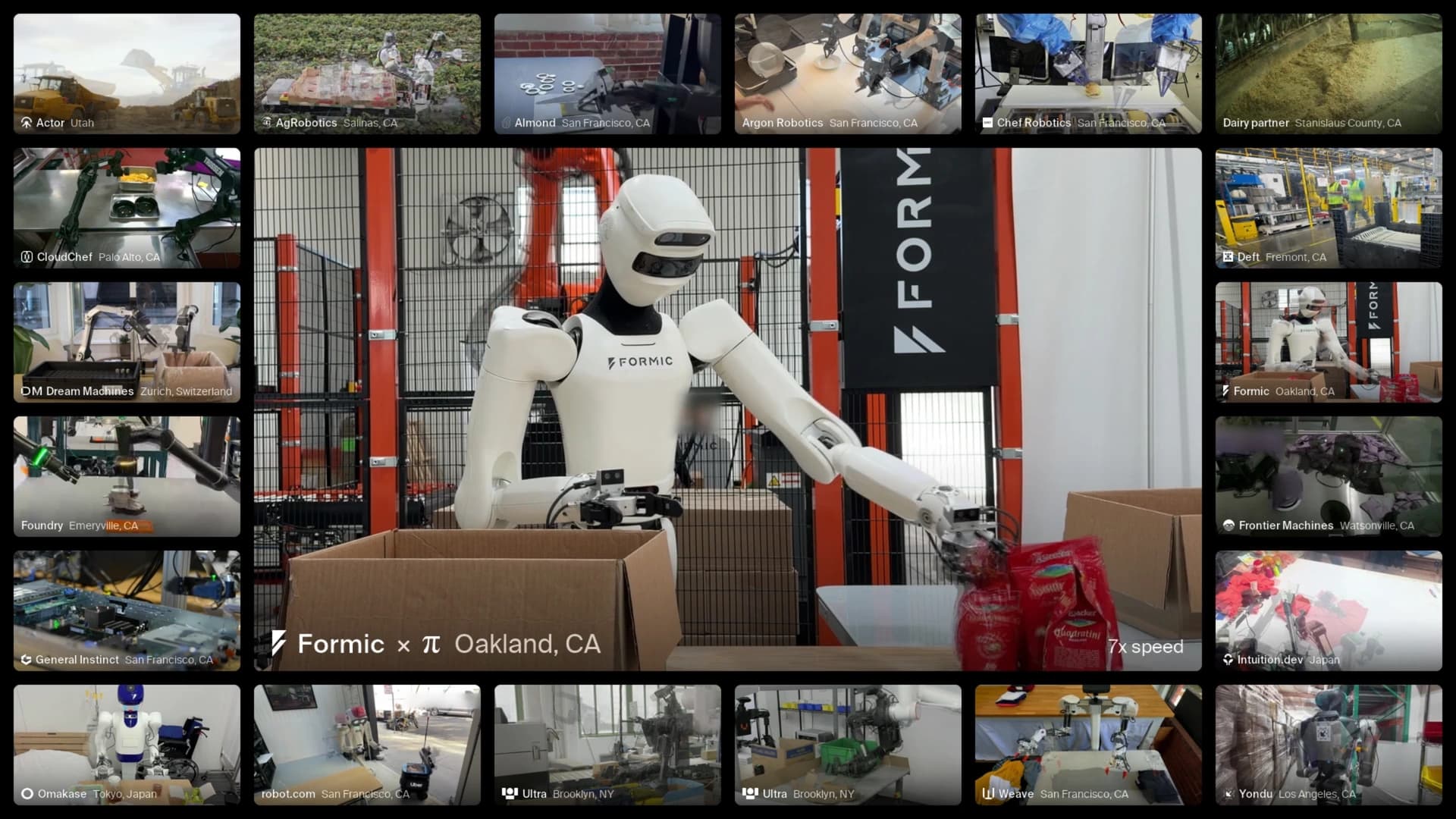
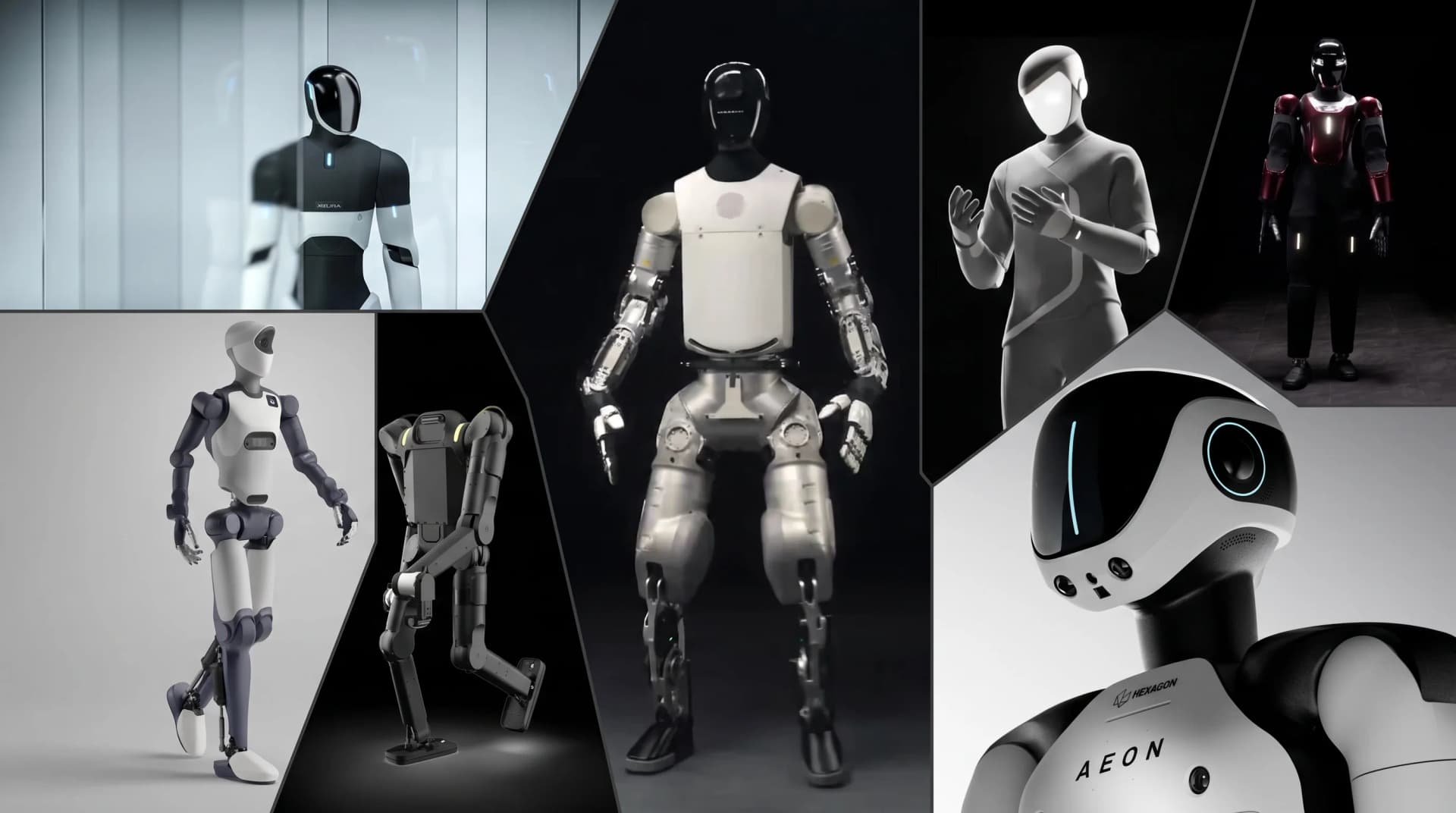
The proposal joins a wider push to give humanoids dedicated places to practice. NEURA Robotics and TUM’s RoboGym was announced as a 2,300-square-metre facility at Munich Airport for collecting realistic training data. Its claim to be Europe’s largest scientific Physical AI training center has a different scope from Generative Bionics’ proposed humanoid facility, so the labels are not directly interchangeable.
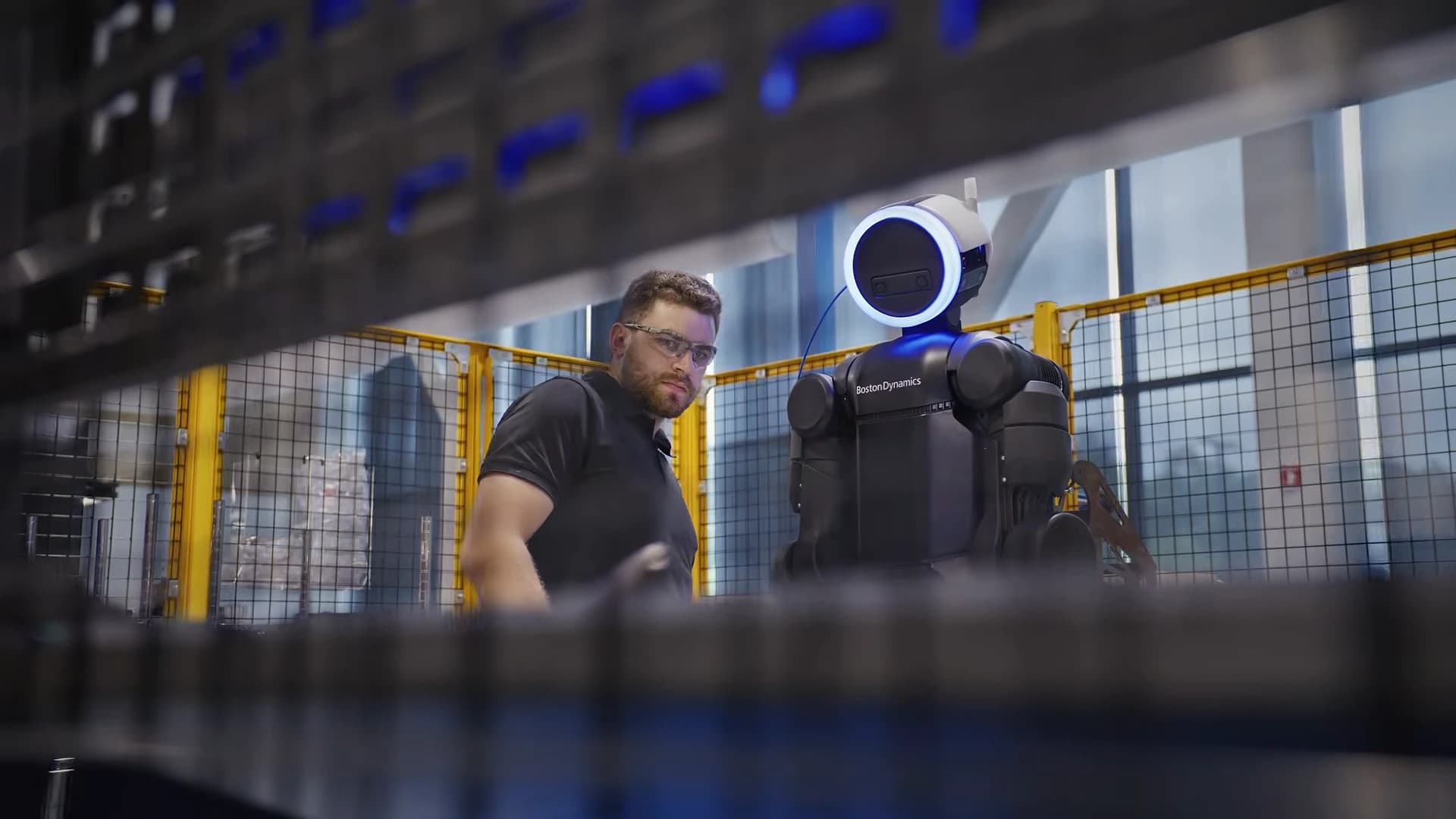
In the US, Apptronik’s Robot Park collects data with Apollo 2 robots to support its work with Google DeepMind, while Boston Dynamics’ RMAC trains Atlas at Hyundai’s Georgia manufacturing campus, initially on automotive parts sequencing. The facilities differ in focus, but share a practical goal: turning repeated physical experience into skills that transfer to customer operations.
A deployment plan with details still to come
The announcement describes planned infrastructure, rather than an operating training facility. It does not disclose the project’s investment budget, the Italian location, the number of robots or the scale of the Helios installation.
Its practical significance is the attempt to validate robots against realistic working conditions before putting them into customer facilities. Whether the network delivers on that aim will depend on how well the simulated variations and physical practice translate into reliable performance on actual industrial tasks.
Share this article
Read next
- Published on
- Reading time
- 3 min read
Eni and Generative Bionics Explore Industrial Humanoids, Smart Footwear and AI Computing
- Published on
- Reading time
- 25 min read
The Humanoids of Europe: Built by Their Customers
- Published on
- Reading time
- 7 min read
Generative Bionics Unveils GENE.01: A Smart-Skin Humanoid Built on Peer-Reviewed Ergonomics
- Published on
- Reading time
- 5 min read
Fincantieri and Generative Bionics Partner to Bring Humanoid Welders to Italian Shipyards
- Published on
- Reading time
- 3 min read
Generative Bionics Demonstrates Outdoor Locomotion, Taps Italdesign for Mass Production
- Published on
- Reading time
- 4 min read
Italy Enters the Chat: Generative Bionics Raises €70M to Bring "Physical AI" to Industry

The weekly humanoid robotics briefing
One email a week: the launches, funding and research that mattered, with context from Humanoids Daily.
Read recent issues