- Published on
Industrial Armor: Persona AI and Under Armour Partner to Develop "Performance Gear" for Humanoids
One tap, and our reporting appears more often in your Google Top Stories. It makes a real difference to a small newsroom.

Supported by RoboStrategySupport for Humanoids Daily comes from RoboStrategy
Sponsored
Investing involves risk, including possible loss of principal. Read the prospectus before investing.
- Persona AI has launched a research and development partnership with Under Armour to evaluate performance materials for humanoid robots in heavy industry.
- The collaboration focuses on thermal regulation, abrasion resistance, and durability for machines operating in hazardous environments like shipyards and steel mills.
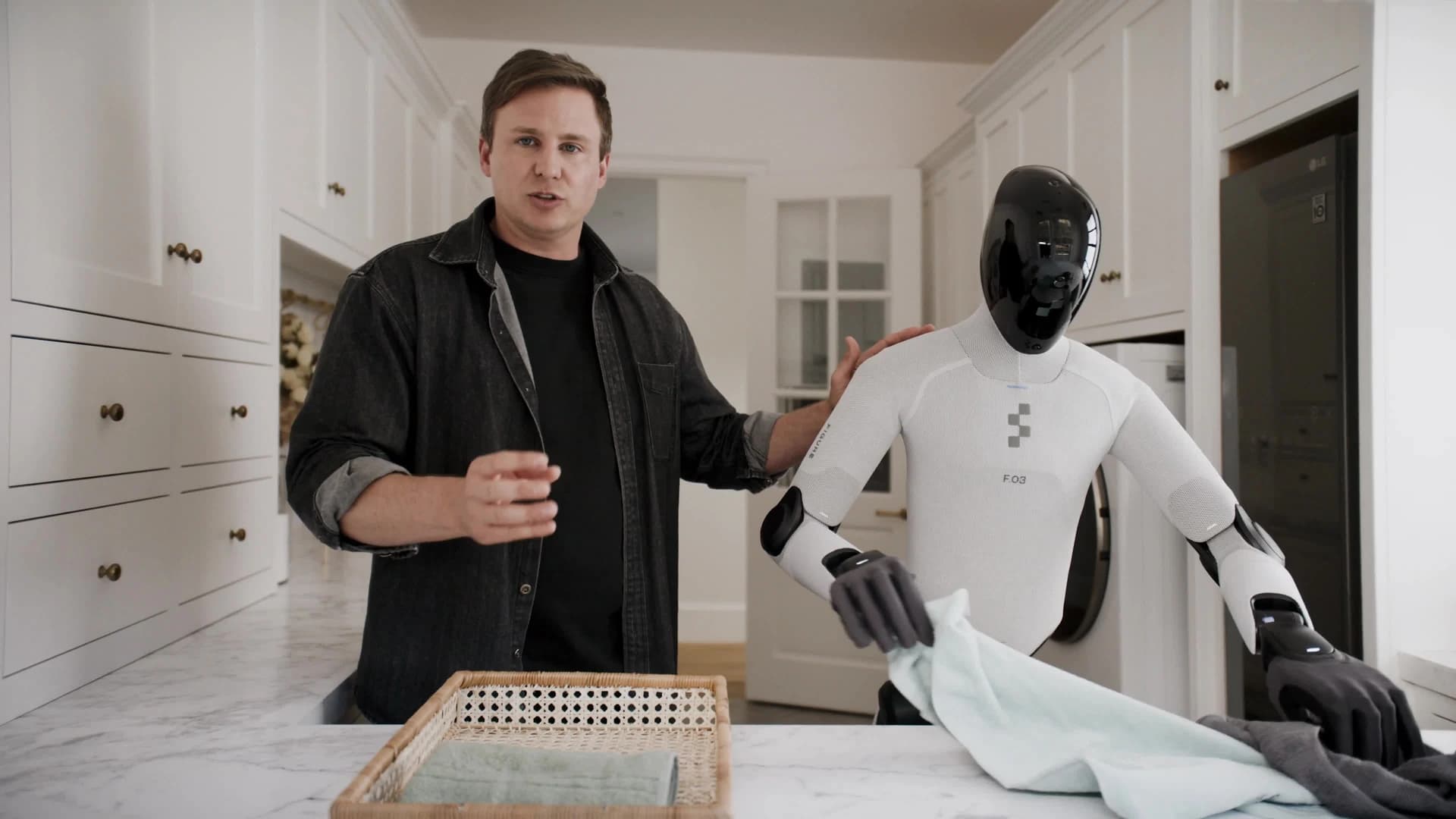
- This movement toward specialized "soft goods" mirrors trends in the consumer sector, such as the textile-covered Figure 03.
- Parallel to corporate efforts, a grassroots aftermarket industry is emerging to provide custom body kits and functional garments for open-source platforms like Asimov.
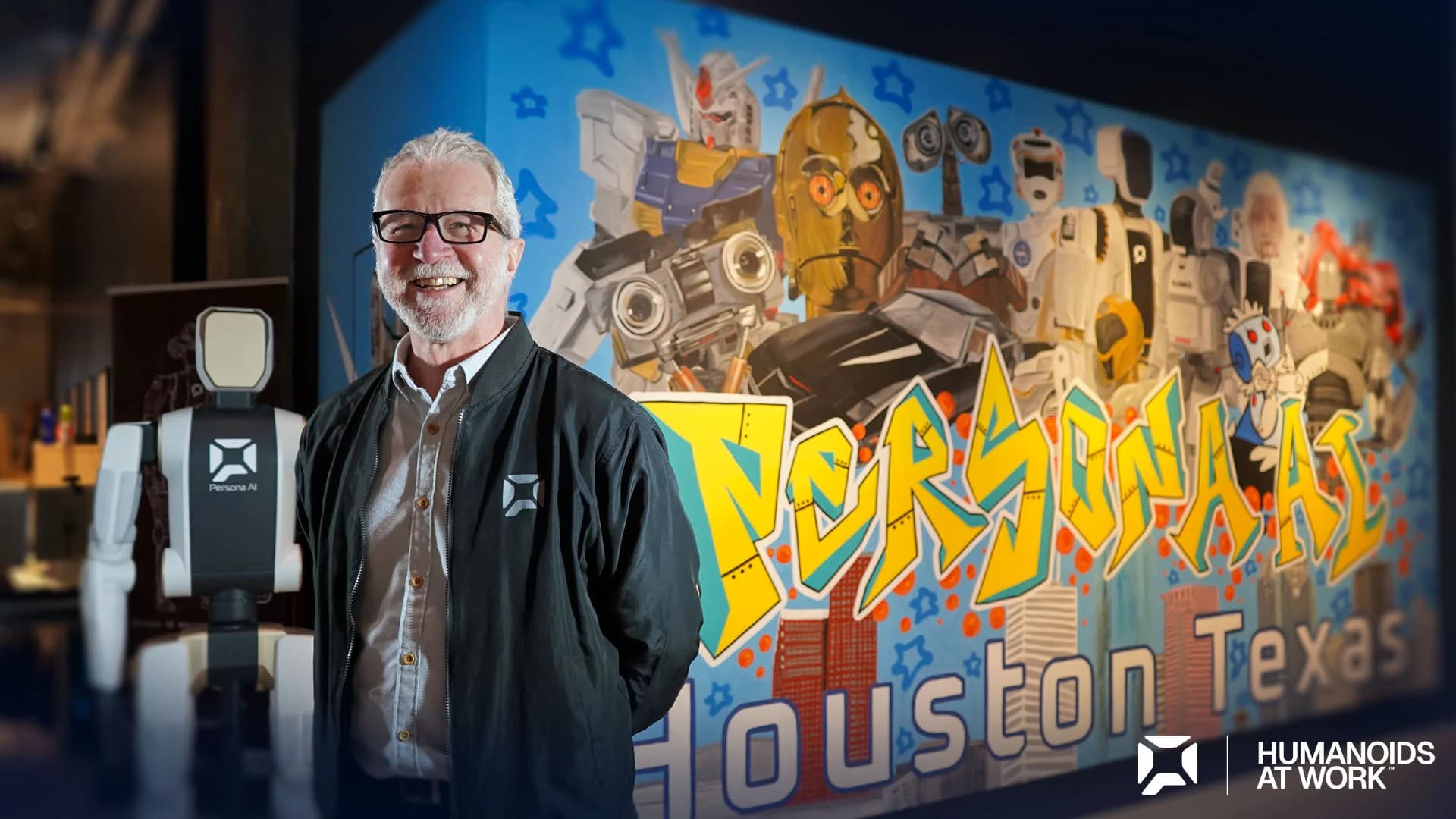
As humanoid robots transition from laboratory prototypes to high-volume industrial tools, the question of how to protect sensitive hardware in "4D" (dull, dirty, dangerous, and declining) environments has become a critical engineering hurdle. Houston-based Persona AI announced today it is tackling this challenge through a formal R&D collaboration with athletic apparel giant Under Armour.
The partnership aims to translate high-performance textile technology into "industrial-rated" protective gear for humanoids. By evaluating how advanced materials handle extreme heat, friction, and repetitive motion, the two companies hope to establish a global standard for robot-specific performance wear.
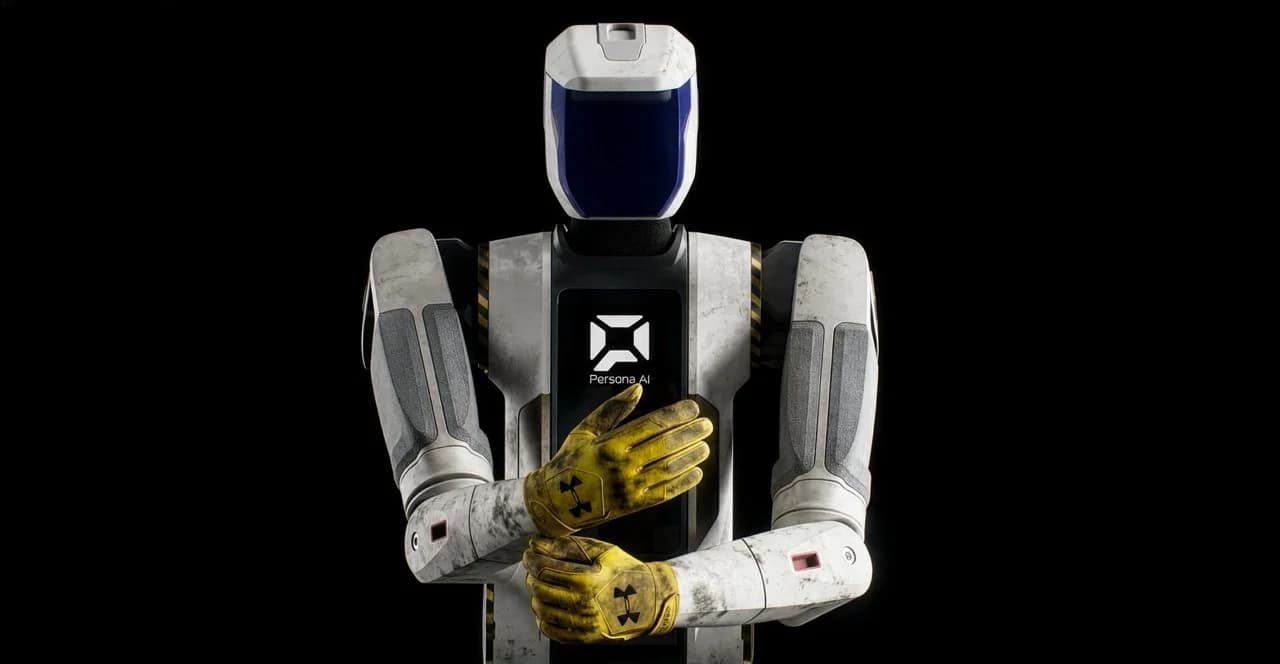
Protecting the 4D Workforce
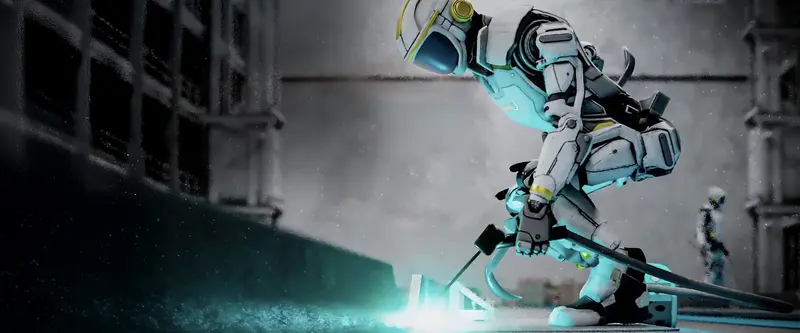
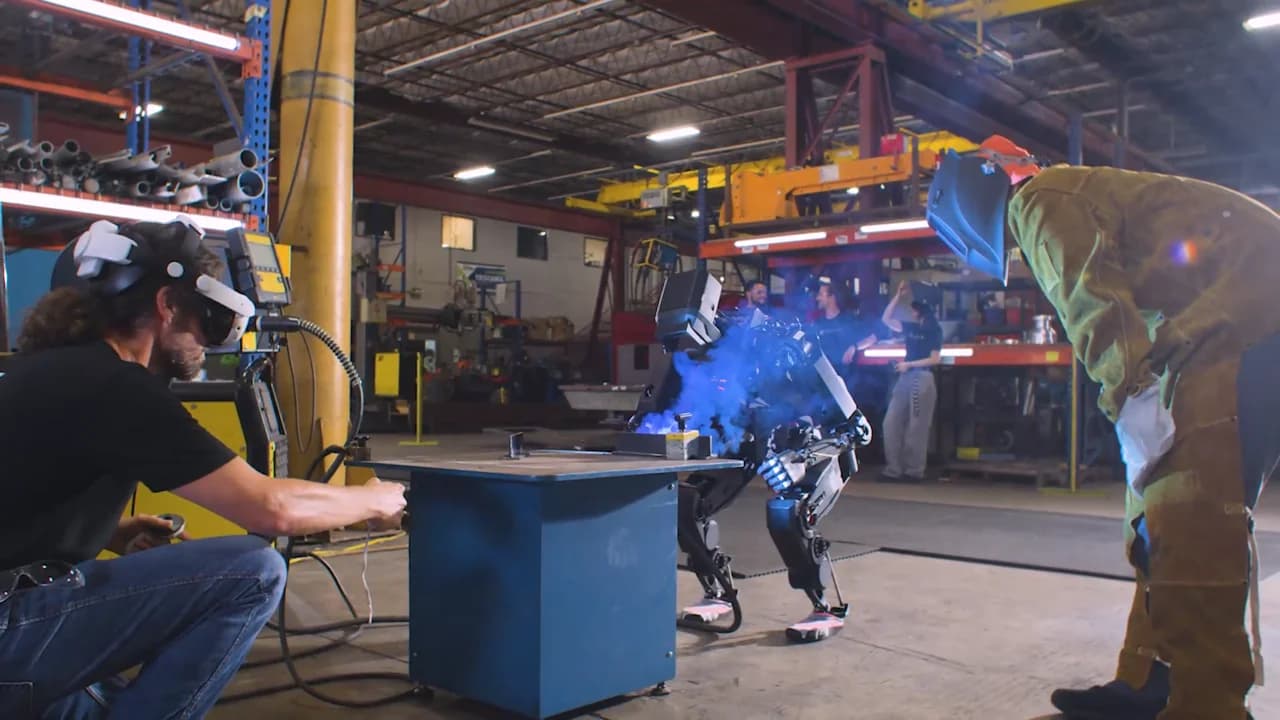
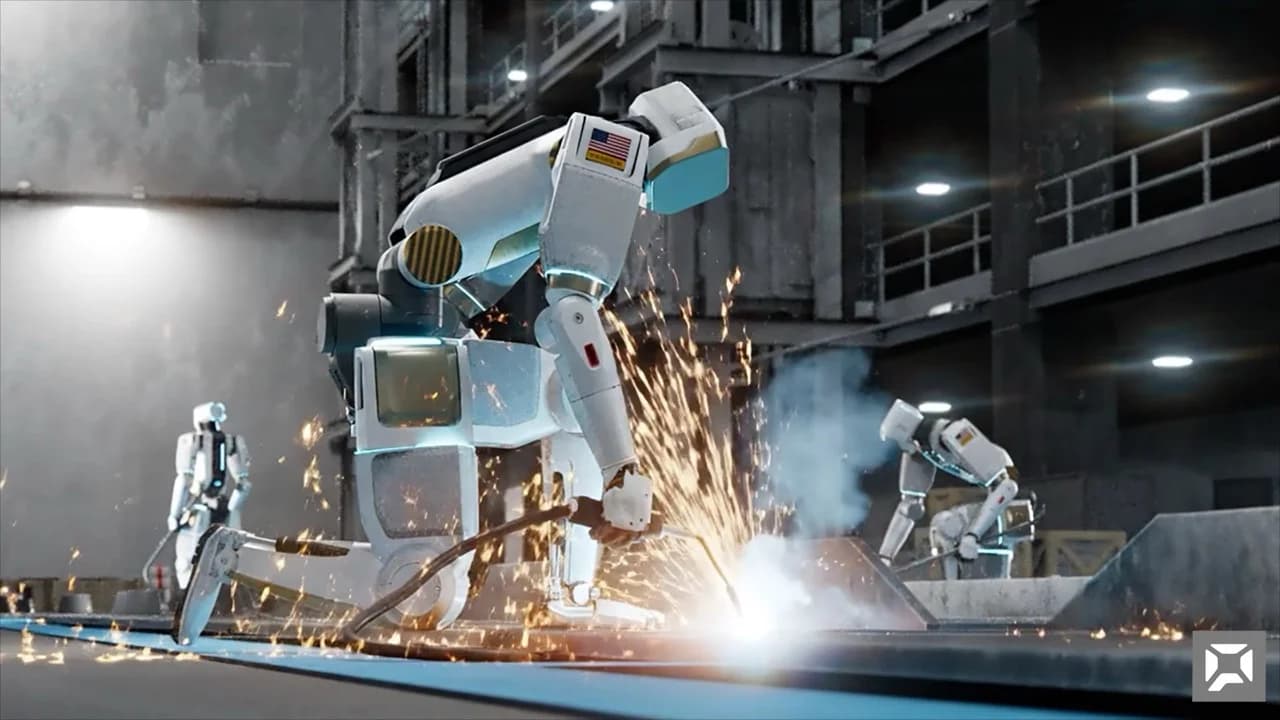
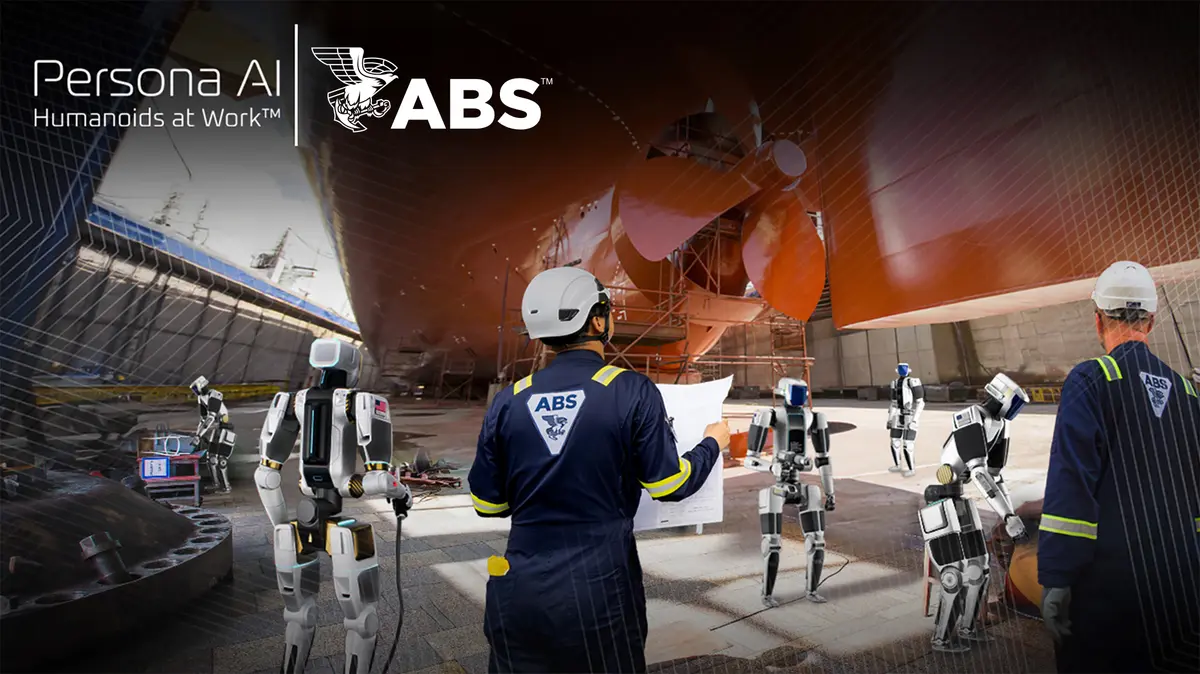
For Persona AI, the collaboration is a logical extension of its recent commercial expansion. The company has already solidified a welding partnership with HD Hyundai and initiated pilots with POSCO Group and the State of Louisiana. These roles frequently place bipedal robots in environments that would be lethal or highly stressful for unshielded electronics and actuators.
"We chose to work with Under Armour because of their track record of innovation with these types of performance materials," said Persona AI CEO Nic Radford in the announcement. Radford, a veteran of NASA and Nauticus Robotics, noted that as the company develops humanoids for hazardous environments, these materials will be essential for "long-term reliability" and protecting the "workers in the field."
The weekly humanoid robotics briefing
One email a week: the launches, funding and research that mattered, with context from Humanoids Daily.
Read recent issuesThe research will focus on several key areas:
- Thermal Regulation: Managing the internal heat generated by high-torque actuators while resisting external temperatures in environments like steel mills.
- Abrasion Resistance: Protecting the robot’s "limbs" during the complex, non-uniform movements required for shipyard welding and inspections.
- Agility: Ensuring that protective layers do not impede the 25+ degrees of freedom required for humanoid mobility.
From Industrial Armor to "Robot Fashion"
While Persona AI focuses on heavy-duty industrial resilience, the broader humanoid sector is seeing a similar shift toward "soft" exteriors for different reasons. Figure AI recently unveiled the Figure 03, which replaced exposed machined parts with soft textiles and multi-density foam to ensure safety in domestic and commercial environments. Figure CEO Brett Adcock recently posted a video on social media showcasing different outfits, simply labeling it "Robot Fashion."
However, what looks like "fashion" in a living room is a survival necessity in a shipyard. Persona AI’s use of capital—including a $27 million pre-seed round secured in 2025—is increasingly being directed toward these "last mile" reliability problems that determine whether a robot can survive a full shift.
The Rise of the Humanoid Aftermarket
As major players like Persona AI and Under Armour build the corporate playbook for robotic gear, a grassroots ecosystem is emerging for open-source and developer-tier hardware. An independent project titled GRAFT 外装 (Graft Exteriors) has recently gained traction, proposing the first true "aftermarket" for humanoid robots.
The project, started by developer @graftoverflow, utilizes the precise CAD dimensions of platforms like the Asimov v1 to create snap-on body kits and garments. Unlike purely cosmetic "skins," these kits are designed with joint clearance and heat venting in mind. The project aims to provide:
- Customization: 100+ designs ranging from functional industrial pieces to "pop-culture" aesthetics.
- Accessibility: Open-source DIY kits with 3D print files and instructions for home builders.
- Universality: Expanding beyond the $15,000 Asimov kit to fit mass-market units like the Unitree G1.
A New Standard for Resilience
The involvement of a multi-billion dollar apparel brand like Under Armour suggests that the humanoid industry is moving past the "lab curiosity" phase. For Persona AI, establishing a "global standard" for robot gear is a strategic move to de-risk their Robotics-as-a-Service (RaaS) model. If a robot’s "skin" can be easily swapped or repaired—much like the washable textiles on the Figure 03—the operational cost of maintaining a fleet in harsh conditions drops significantly.
As Radford and his team continue to scale manufacturing under the leadership of former Amazon Robotics exec Brian Davis, these "soft" innovations may prove just as critical as the AI "brains" driving the machines.
Share this article
Read next
- Published on
- Reading time
- 4 min read
Persona AI and HD Hyundai Forge Alliance for Humanoid Welding Robots in Shipyards
- Published on
- Reading time
- 4 min read
Persona AI Humanoids Touch Down in Korea Following Successful Teleoperated Welding Demo
- Published on
- Reading time
- 3 min read
Persona AI Takes Gen 1 Humanoid for a Stroll in the Houston Heat—and It’s Wearing Under Armour
- Published on
- Reading time
- 4 min read
Scaling Up: Persona AI Taps Former Amazon Robotics Exec to Lead Global Manufacturing
- Published on
- Reading time
- 3 min read
From Prototype to Production: Persona AI and HD Hyundai Solidify Humanoid Welding Partnership
- Published on
- Reading time
- 3 min read
Persona AI Partners with Maritime Certifier ABS to Standardize Humanoid Robot Inspections in Shipyards
The weekly humanoid robotics briefing
One email a week: the launches, funding and research that mattered, with context from Humanoids Daily.
Read recent issues