- Published on
Beyond the Roomba: Colin Angle Unveils "Familiars" to Solve the Human Connection Gap
One tap, and our reporting appears more often in your Google Top Stories. It makes a real difference to a small newsroom.

Supported by RoboStrategySupport for Humanoids Daily comes from RoboStrategy
Sponsored
Investing involves risk, including possible loss of principal. Read the prospectus before investing.
- Colin Angle, co-founder of iRobot, has launched Familiar Machines & Magic (FM&M) to develop "Consumer Physical AI" focused on emotional intelligence.
- The company’s first prototype, a Familiar, is a quadruped designed with 23 degrees of freedom and a touch-sensitive coat to facilitate human bonding.
- To prioritize privacy and lower latency, FM&M utilizes on-device edge AI and small multimodal models (SMMs) rather than streaming data to the cloud.
- The venture intentionally avoids the humanoid form factor to manage user expectations and bypass the uncanny valley.
- A commercial launch is targeted for 2027, with a projected price point comparable to the cost of owning a pet.
Twenty-four years after the Roomba first began vacuuming living rooms, Colin Angle is returning to the home with a significantly more complex roommate. At The Wall Street Journal’s Future of Everything conference on May 4, 2026, the iRobot co-founder and former CEO officially brought his new venture, Familiar Machines & Magic (FM&M), out of stealth.
The company's debut is not another warehouse laborer or a kitchen-assistant humanoid. Instead, Angle is betting on "Artificial Life"—physically embodied AI systems called "Familiars" designed for trust, companionship, and what he calls the "emotional work" of daily life.

The $2.5 Trillion "Other Half"
Angle's thesis rests on a split in the burgeoning Physical AI market. While industrial giants and startups alike are pouring tens of billions into bipedal robots for logistics and manufacturing, Angle argues that factory automation represents only half of a projected $5 trillion opportunity.
The other half, he contends, belongs to consumer-facing robots that interact directly with humans. This "Consumer Physical AI" requires a fundamental shift in design philosophy: moving from task execution to human connection. It is a vision that shares DNA with Cartwheel Robotics, which focused on "lovable" humanoids before shutting down earlier this year due to capital constraints. Unlike Cartwheel, FM&M is leaning on a team of veterans from Disney Research, MIT, and Boston Dynamics to scale what they call "social reasoning."
The weekly humanoid robotics briefing
One email a week: the launches, funding and research that mattered, with context from Humanoids Daily.
Read recent issuesAvoiding the Humanoid Trap
In a notable departure from the current industry focus on bipeds, FM&M’s first "Familiar"—a prototype named Daphne—is a quadruped. During the reveal, Angle was explicit about why he avoided the humanoid form factor: expectations.
A humanoid form, Angle argues, creates an immediate mental checklist for the user: the robot should be able to pick up books, do dishes, and exhibit perfect human-like dexterity. By choosing an "abstract bear" or quadrupedal morphology, FM&M aims to bypass the "uncanny valley" and set expectations more aligned with a highly intelligent pet.
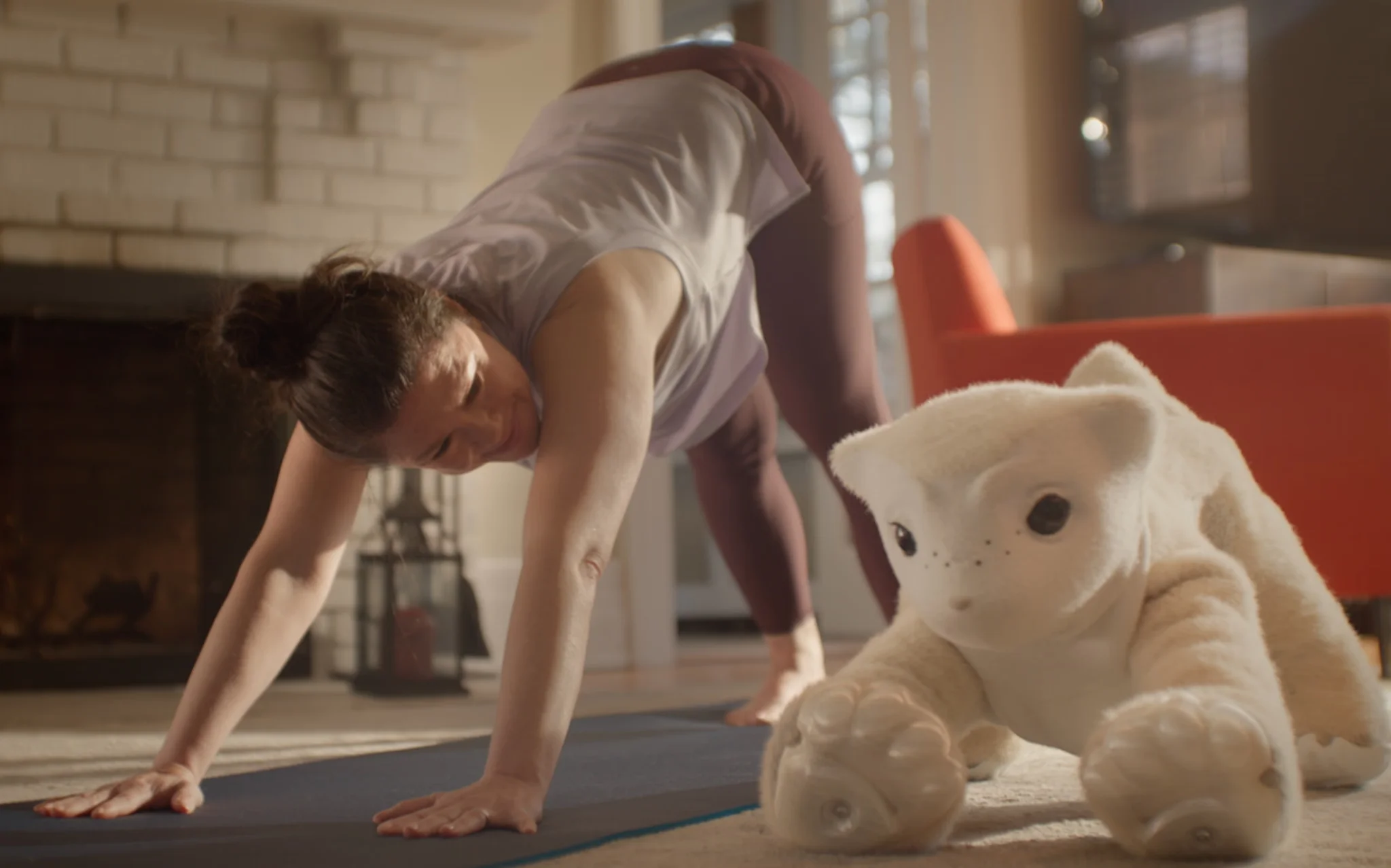
The hardware is nonetheless sophisticated. The Familiar features 23 degrees of freedom, enabling fluid, organic movement. It is covered in a custom, touch-sensitive "coat" designed to provide physiological benefits to the user, such as lowering blood pressure through haptic interaction—a stark contrast to the hard metallic shells of industrial models.
Privacy at the Edge
Privacy remains the "elephant in the room" for any robot entering the domestic sphere. FM&M’s architecture attempts to address this by running its entire AI stack at the "edge."
The system uses a small multimodal model (SMM) optimized for social reasoning, processing vision, audio, and touch data locally on the device. By avoiding continuous data streaming to the cloud, FM&M is positioning itself as a privacy-first alternative to current smart speakers. This technical approach mirrors the "lovable hardware" movement seen in Fauna Robotics' Sprout, which also emphasized safety and approachability before its acquisition by Amazon in March 2026.
From Prototypes to Products
While the WSJ appearance featured live demos of Daphne (the "expressive" prototype) and Winston (a "human-speed walking" prototype), FM&M was clear that these are not yet commercial products. However, Angle suggested that the transition from lab to living room would be swift, with a commercial launch planned for 2027.
The pricing strategy is equally ambitious. Angle stated that if a consumer can afford a pet, they will be able to afford a Familiar. If FM&M can deliver on that promise while maintaining the "magic" of its expressive motion—similar to the animation-informed physics seen in Disney's Olaf robot—the company may succeed in turning a decade of social robot failures into a viable category.
Whether consumers are ready for a hyper-loyal machine companion remains to be seen, but Angle’s track record of putting 50 million robots into homes suggests he is a better judge of domestic appetite than most.
Share this article
Read next
- Published on
- Reading time
- 4 min read
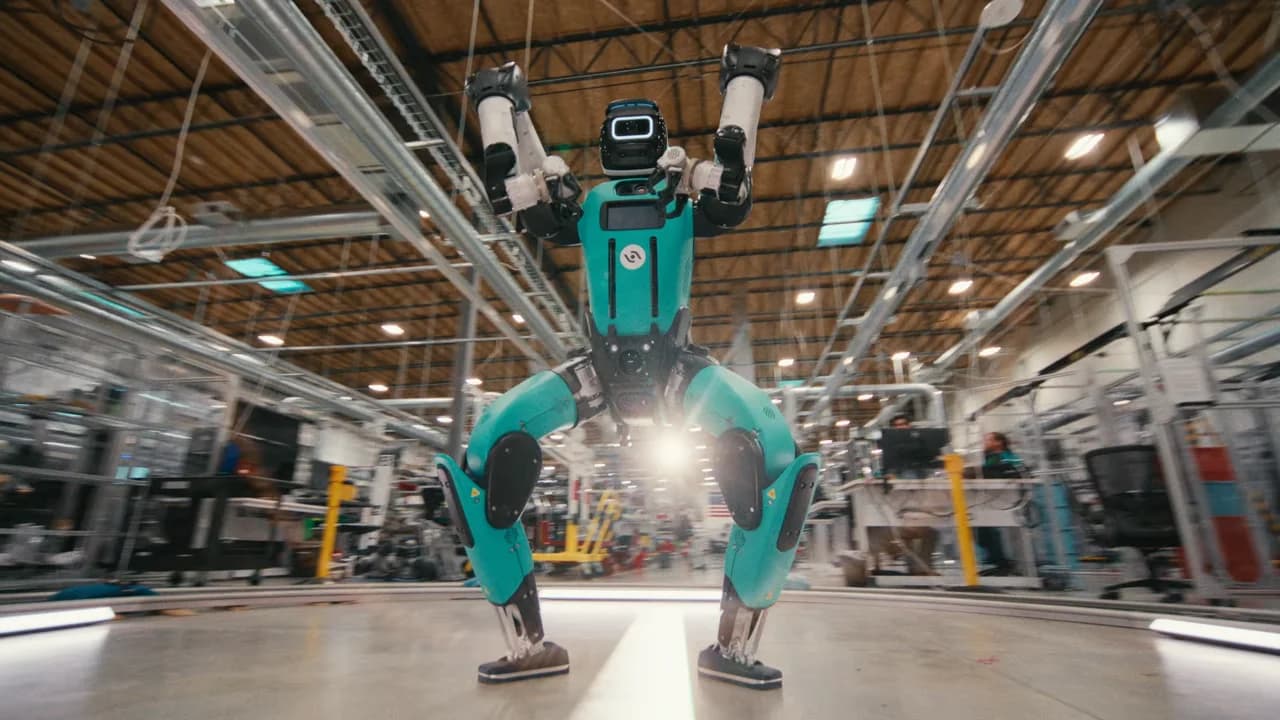
Agility’s Digit 5 Reveal Includes a Wheeled Robot Concept
- Published on
- Reading time
- 4 min read
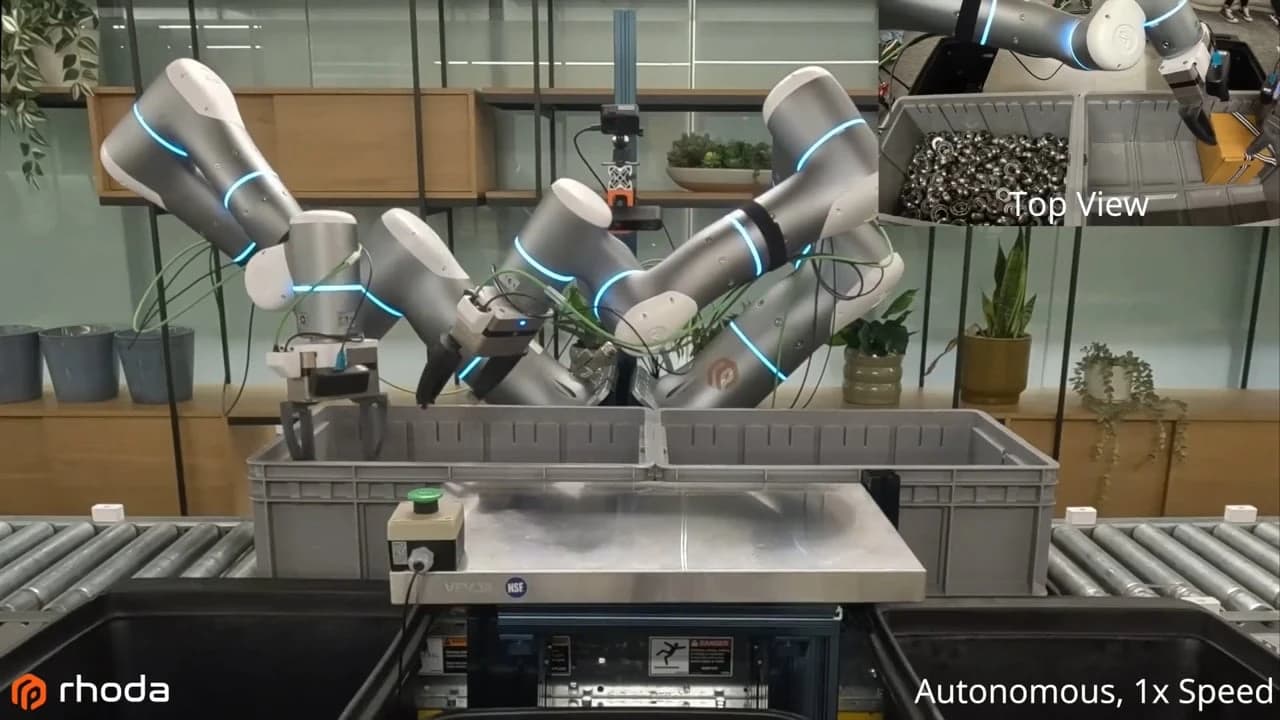
Rhoda Tests Whether Scaling Web-Video Pretraining Makes Robots Better at Real Work
- Published on
- Reading time
- 8 min read
Uncaged: Agility CEO Peggy Johnson and Co-Founder Jonathan Hurst Detail Digit 5 Architecture, AI Stack, and Supply Chains
- Published on
- Reading time
- 5 min read
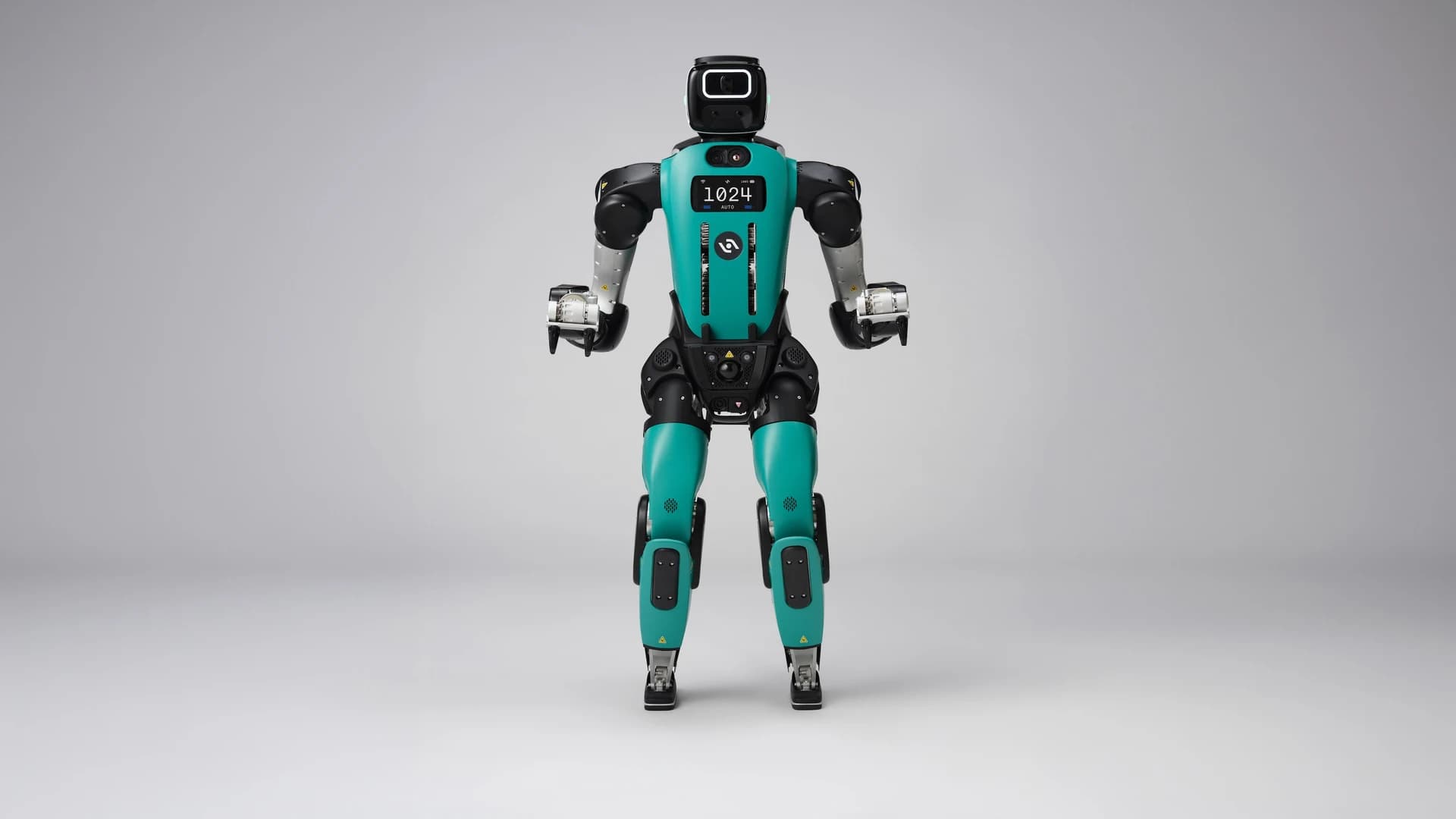
Agility unveils Digit 5, designed to work closer to people
- Published on
- Reading time
- 7 min read
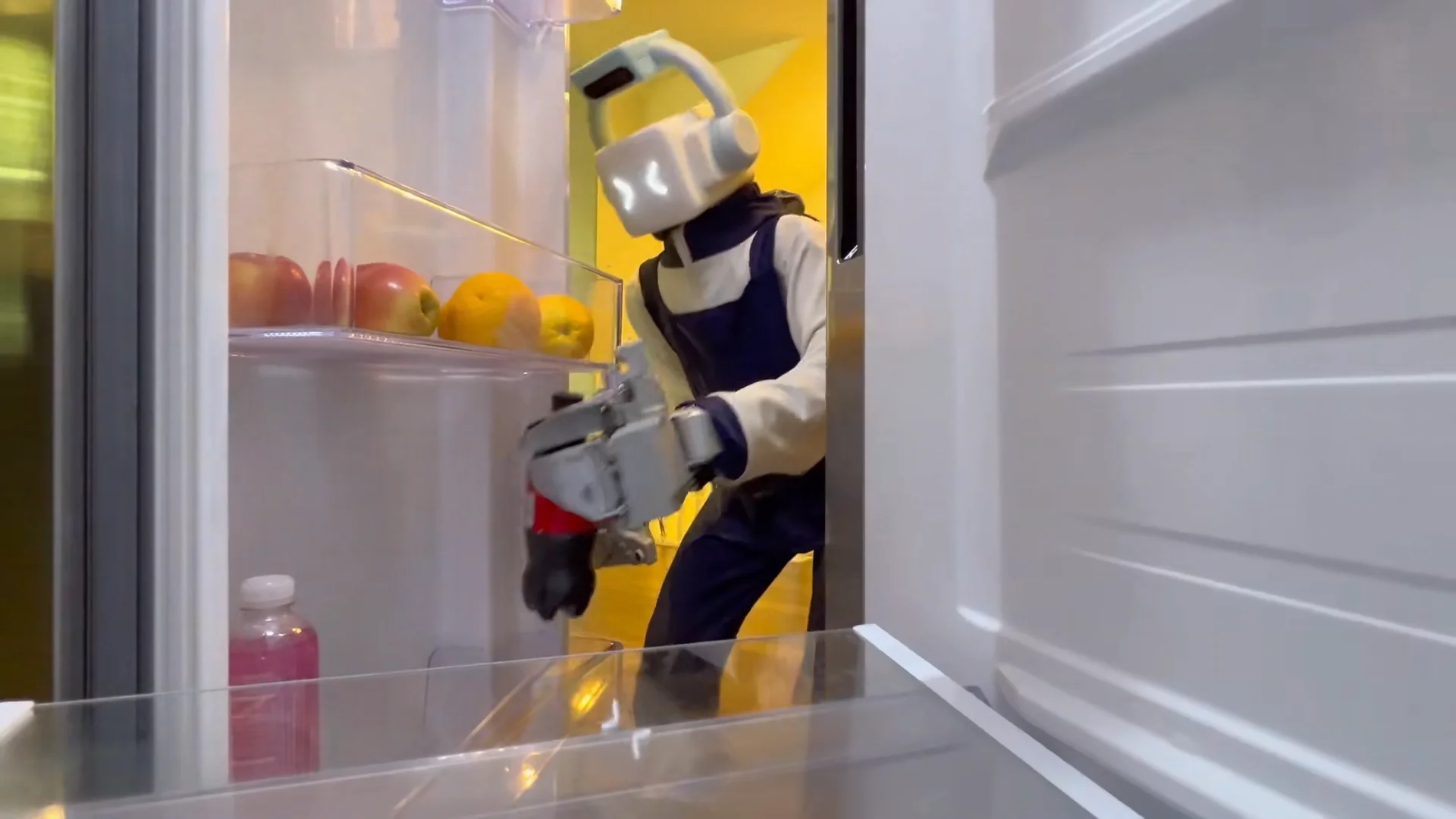
Reward AI Exits Stealth with OM-1, Pitching Zero-Shot Human-to-Robot Manipulation
- Published on
- Reading time
- 2 min read
Brett Adcock’s vehicle clip echoes Figure 03’s delivery demo

The weekly humanoid robotics briefing
One email a week: the launches, funding and research that mattered, with context from Humanoids Daily.
Read recent issues