- Published on
KIST’s KAPEX Humanoid Reportedly Uses Over 90% Korean-Made Core Components
One tap, and our reporting appears more often in your Google Top Stories. It makes a real difference to a small newsroom.

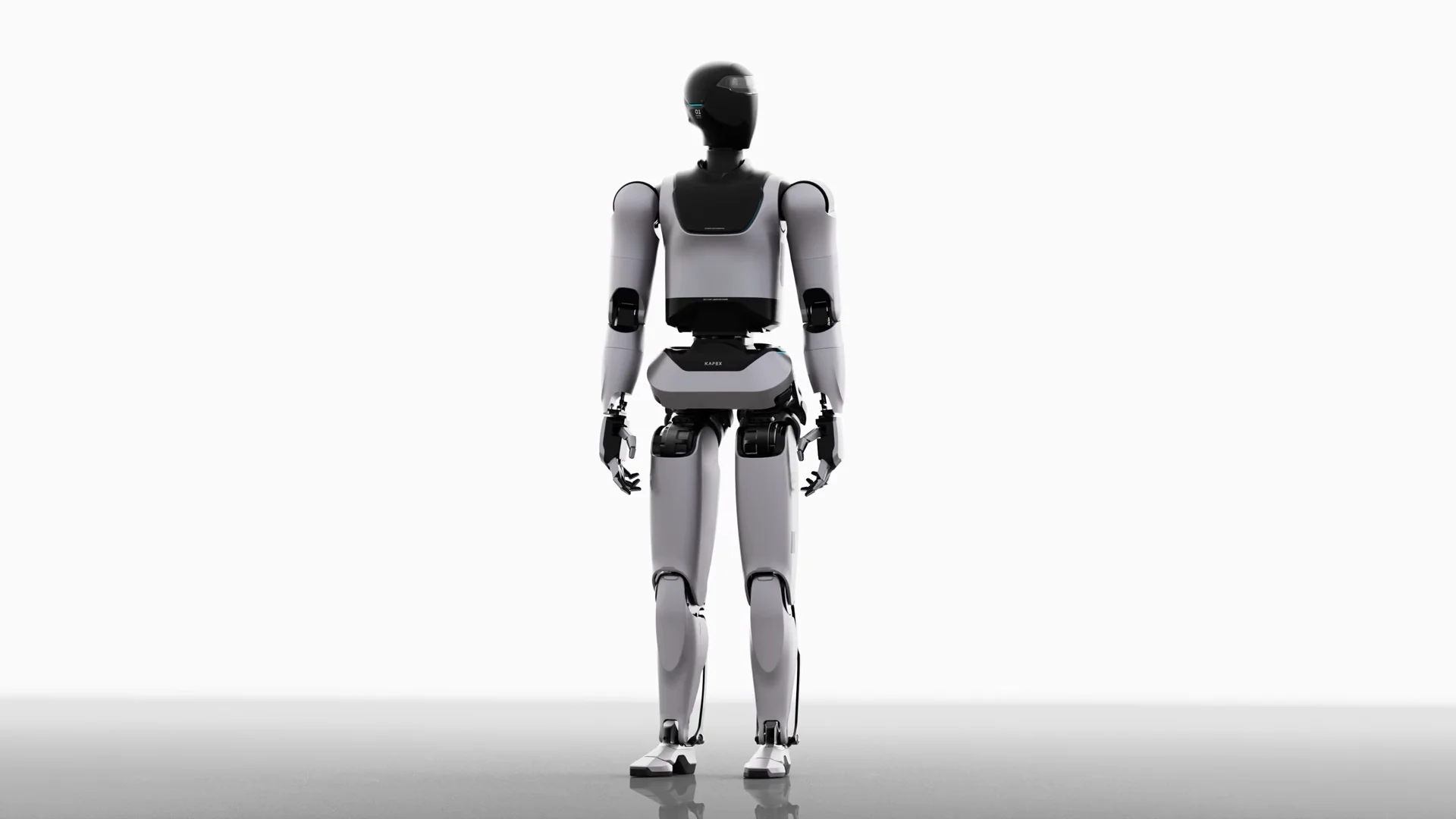
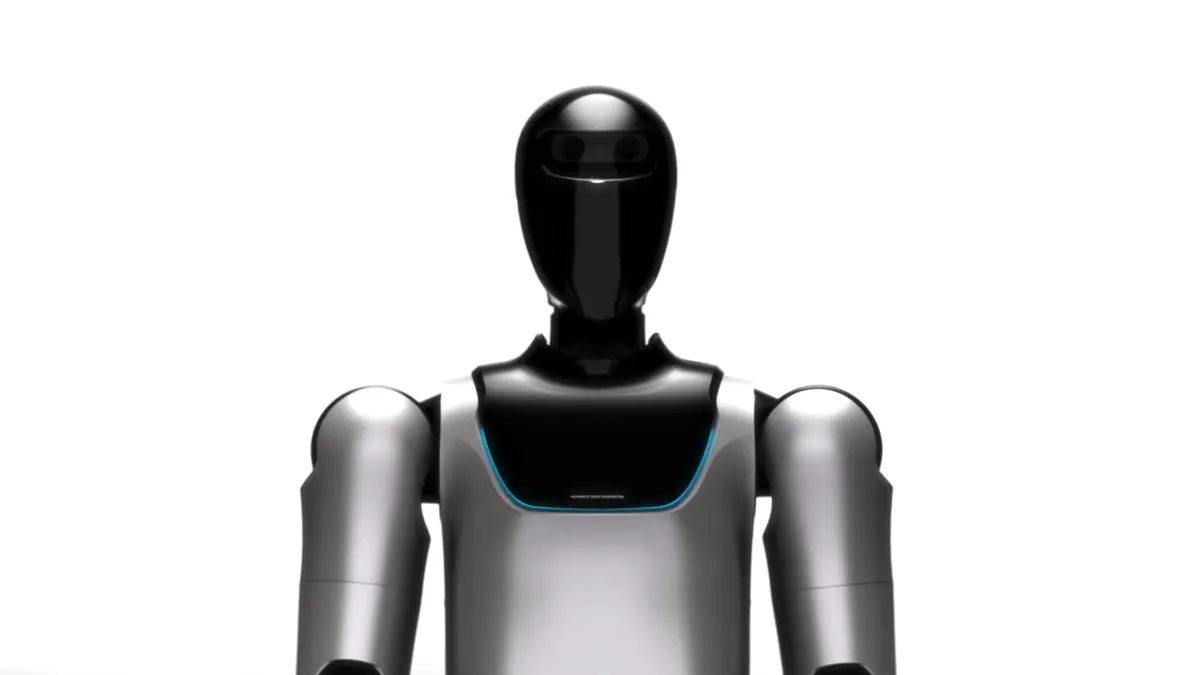
KIST's KAPEX humanoid uses domestically produced parts for more than 90% of its core components, according to a new Seoul Economic Daily report. The update outlines how the Korean research platform is moving toward commercialization with LG and other partners.
- More than 90% of KAPEX's core components are reportedly Korean-made.
- LG companies and Robostar have roles spanning the platform, AI, batteries and manufacturing.
- The project builds on KIST's wider push to develop a domestic humanoid industry.
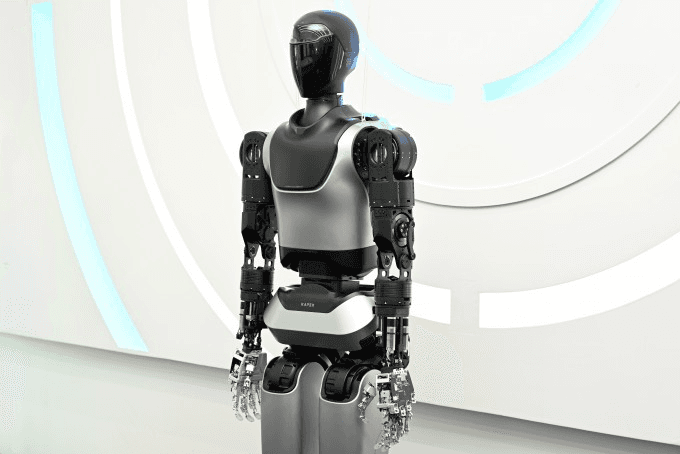
The report describes KAPEX walking with loads exceeding 20 kilograms and adjusting its grip through fingertip feedback.
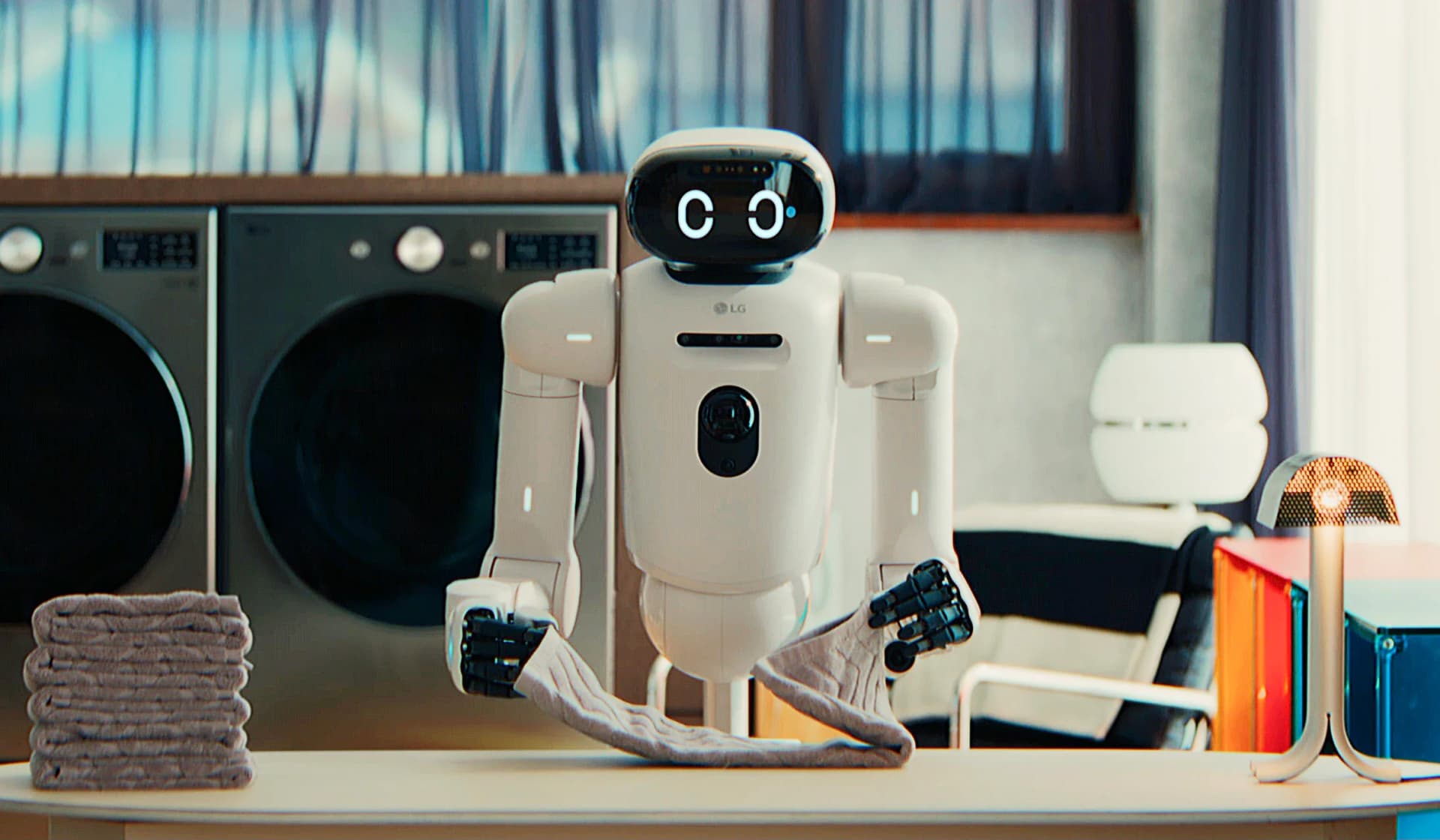
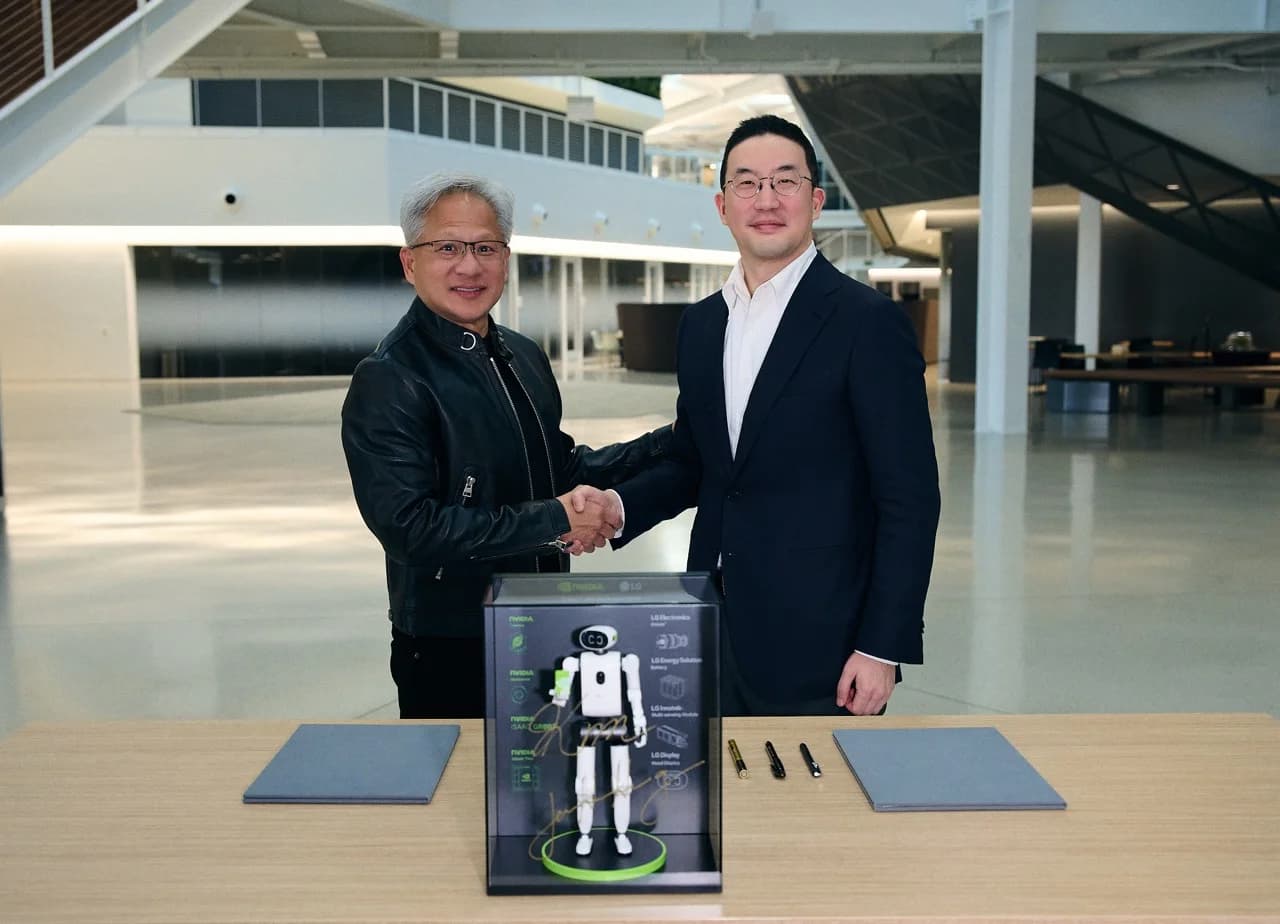
KIST transferred core technology to LG Electronics in September 2025. The reported partnership assigns platform work to LG Electronics, physical AI to LG AI Research, solid-state batteries to LG Energy Solution and mass production to Robostar. Those roles describe a development effort, rather than confirmation of a shipping robot with all those technologies installed.
Building on the KAPEX program
Our October 2025 coverage of KAPEX outlined LG and KIST's collaboration on a platform combining autonomous walking, dexterous hands and AI. At that stage, field demonstrations and commercialization were longer-term goals.
Follow humanoid robotics without following every announcement.
Get the week’s most important launches, funding and research—and why they matter—in one email from Humanoids Daily.
Once a week. Unsubscribe anytime.
Read recent issuesIn September, KIST president Oh Sang-rok argued that Korea could become a third major humanoid power alongside the US and China. That briefing also outlined work on Vision-Haptic-Language-Action models, bringing touch into the combination of visual perception, language and robot control, with demonstrations in industrial and everyday settings targeted for 2030.
The latest report describes a home-like living lab at KIST and plans for hospital and public-facility testing. It does not establish readiness for sustained commercial service.
For KAPEX, the domestic component share makes the supply-chain ambition more concrete. The next meaningful milestone will be evidence that the integrated system can perform useful tasks reliably beyond the research setting.
Share this article
Follow humanoid robotics without following every announcement.
Get the week’s most important launches, funding and research—and why they matter—in one email from Humanoids Daily.
Once a week. Unsubscribe anytime.
Read recent issuesRead next
- Published on
- Reading time
- 5 min read
KIST Chief Says Korea Can Join the US and China as a Humanoid Power
- Published on
- Reading time
- 3 min read
South Korea Challenges US and China with 'KAPEX' Humanoid Robot
- Published on
- Reading time
- 4 min read
The "One LG" Play: How the Korean Giant is Engineering a Humanoid Supply Chain
- Published on
- Reading time
- 3 min read
LG Targets Home Humanoids Around 2030, With Robots and Appliances Designed to Work Together
- Published on
- Reading time
- 5 min read
LG to Unveil Next-Gen Humanoid Built on NVIDIA Isaac GR00T in Early 2027
- Published on
- Reading time
- 2 min read
RobotWorld 2026 Opens With Humanoids and Physical AI in Focus