- Published on
SoftBank in Talks for Majority Stake in 1X at $6 Billion — Below the $10 Billion It Sought Last Year
One tap, and our reporting appears more often in your Google Top Stories. It makes a real difference to a small newsroom.

- SoftBank Group is in talks to acquire a majority controlling stake in OpenAI-backed humanoid developer 1X Technologies in a deal valuing the startup at roughly $6 billion, according to The Information.
- The figure sits below the $10 billion valuation 1X was reported to be seeking last September — though the two numbers describe different kinds of transactions and aren't directly comparable.
- Early investor OpenAI reportedly discussed acquiring 1X outright last year; those talks did not produce a deal.
- Key terms remain unreported, including the size of the stake, whether OpenAI is selling, and whether founder Bernt Børnich retains operational control.
- The talks come as 1X approaches the end of a year in which it promised its first $20,000 NEO deliveries — with no customer shipments yet publicly confirmed.
SoftBank Group is preparing to make its most direct wager yet on consumer-facing humanoid robotics. The Japanese technology giant is in talks to acquire a majority stake in 1X Technologies at a valuation of approximately $6 billion, according to a report from The Information. Reuters summarized the report the same day and said it could not independently confirm the details.
The talks remain ongoing and final terms could shift, but a completed deal would hand SoftBank founder Masayoshi Son controlling interest over one of the most prominent bipedal platforms in the West. It would also mark a defining financial milestone for 1X as the Norwegian-American startup attempts to transition from research prototypes to domestic hardware deployments.
Neither SoftBank nor 1X immediately responded to requests for comment.
From a $10 Billion Ask to a $6 Billion Controlling Deal
Last September, 1X was reported to be seeking up to $1 billion at a valuation of $10 billion or more — a figure described at the time as more than 12x what the company was worth at the start of 2024. Against that backdrop, $6 billion reads as a markdown.
The weekly humanoid robotics briefing
One email a week: the launches, funding and research that mattered, with context from Humanoids Daily.
Read recent issuesThe comparison deserves a caveat. The $10 billion was an ask that was never confirmed to have closed, and a majority purchase price is priced differently from a minority primary round. If anything, control normally trades at a premium to the venture mark, not a discount — which makes the gap more notable rather than less, but only if the two figures are understood as measuring different things. Against 1X's last widely reported institutional valuation, $6 billion remains a substantial step up.
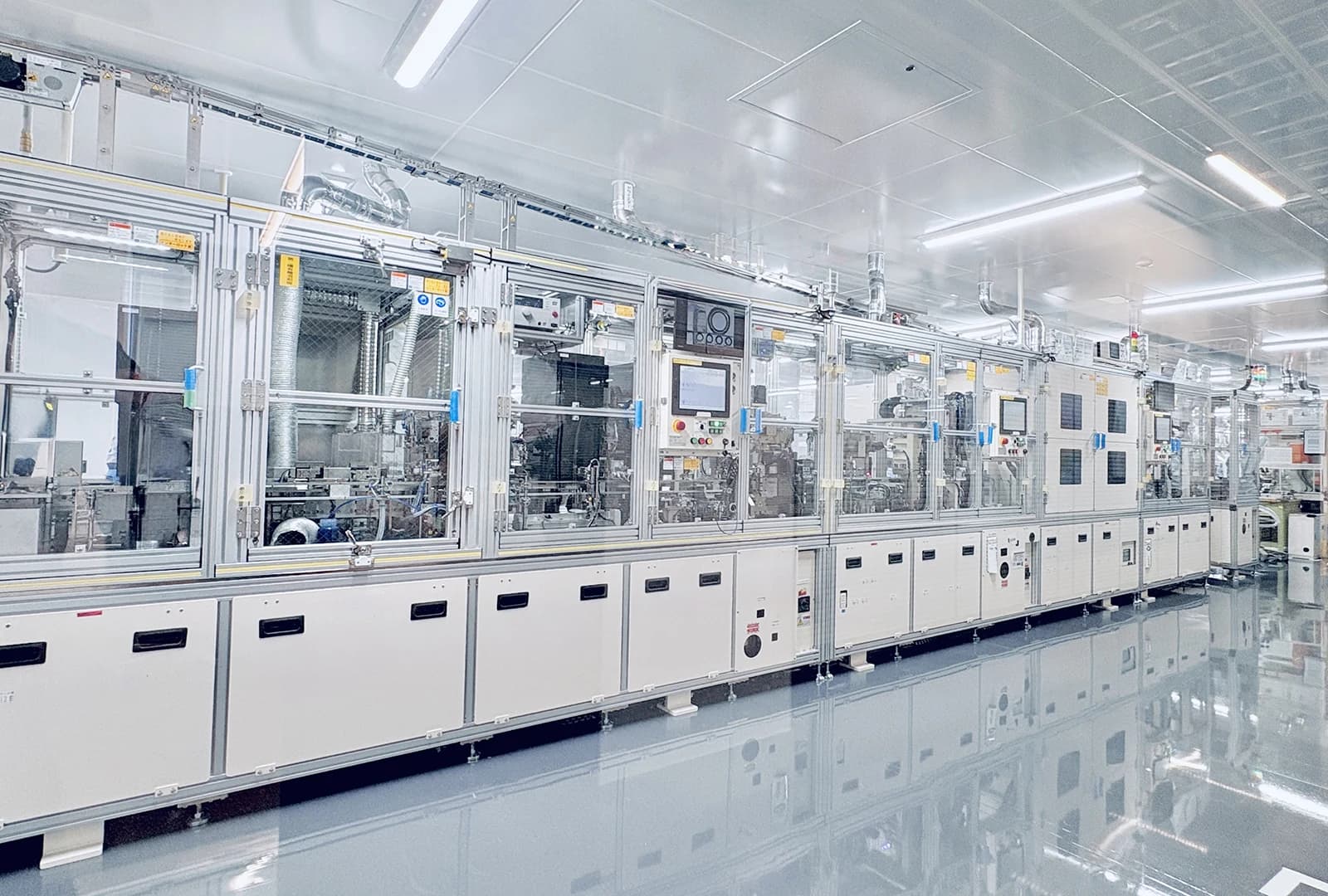
For 1X, surrendering a controlling interest buys something a venture round doesn't: long-term balance sheet stability. Building physical hardware is notoriously capital-draining, and 1X is scaling on several fronts at once, including:
- Low-volume production lines at its Hayward, California manufacturing facility.
- Compute for its 1X World Model Lab, pretraining native video-to-action models.
- Customer support and logistics infrastructure ahead of NEO consumer and developer deliveries.
What the Report Doesn't Say
Every outlet covering this story is working from a single source, and the reporting leaves the most consequential terms unaddressed. Among the open questions:
- How large is "majority"? A 51% position and an 80% position imply very different futures for 1X's independence.
- Is $6 billion pre- or post-money? Unspecified.
- Is this primary capital or secondary? Whether the money funds the company or cashes out existing holders determines whether this is a war chest or an exit.
- Is OpenAI selling? 1X's earliest institutional backer once weighed buying the company outright. If it is now exiting its position while SoftBank takes control, that is a meaningful realignment of who owns the consumer humanoid stack.
- Does Børnich keep control? No reporting addresses governance, board composition, or the founder's operational role.
A Tokyo Coincidence
Earlier this month, 1X Chief Designer Dar Sleeper shared images from Tokyo, including a visit to the studio of iconic industrial designer and former MUJI advisory board member Naoto Fukasawa. "It was an honor to be invited to his studio to work on some designs and talk about the future of humanoid robots," Sleeper posted on X.
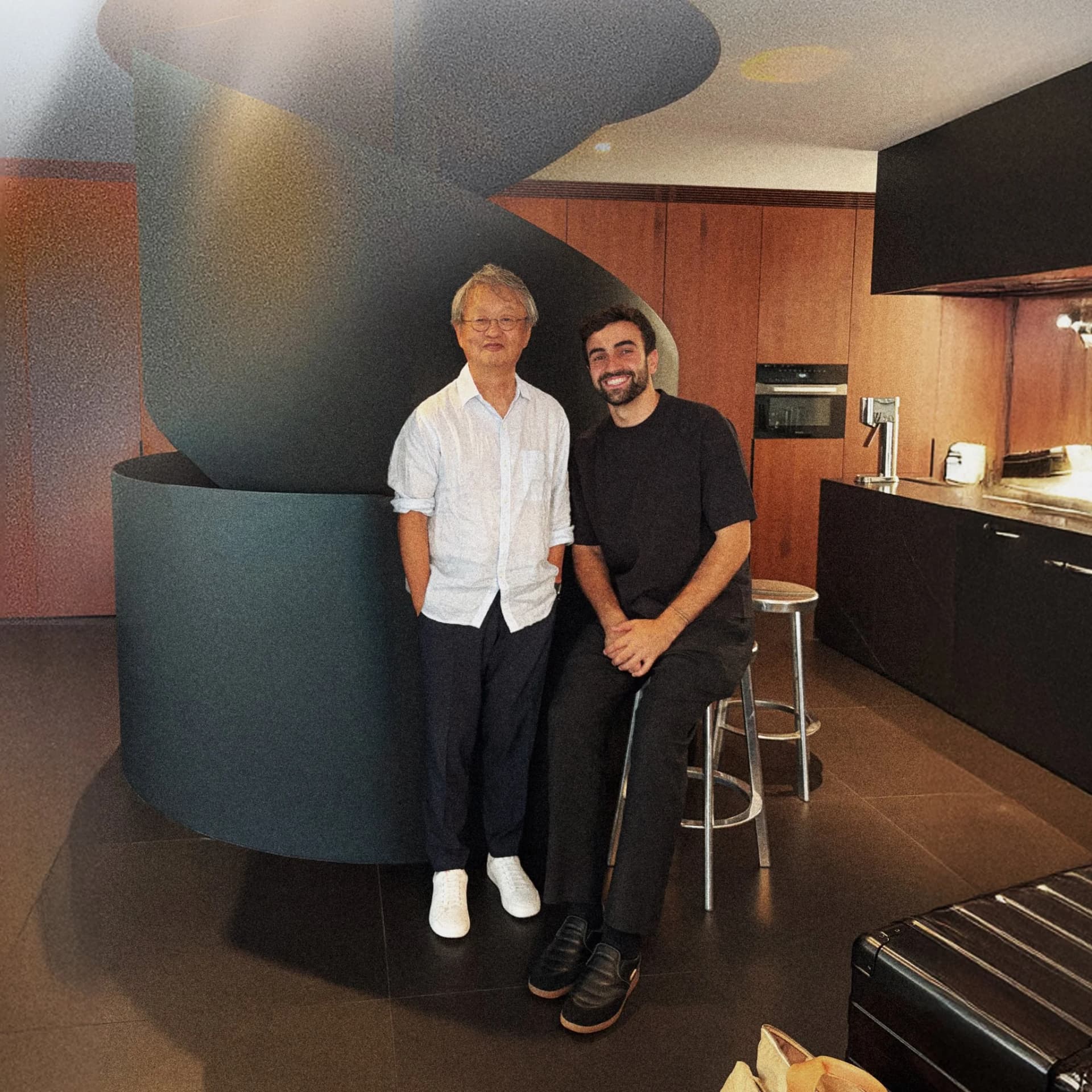
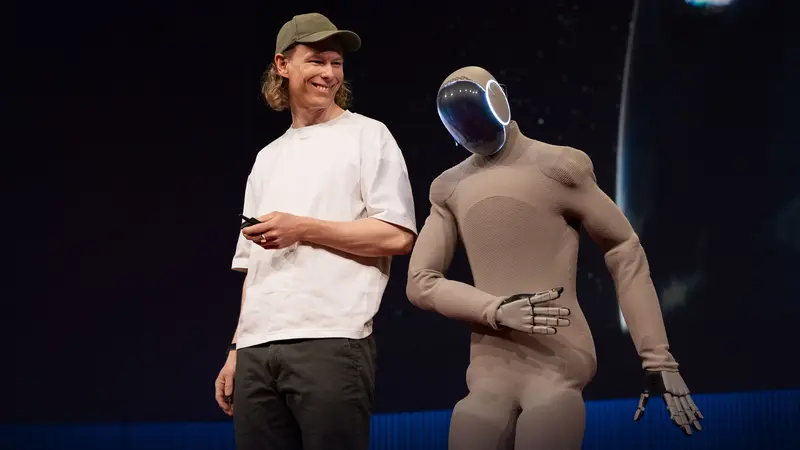
To be clear: there is no indication the visit had anything to do with the SoftBank talks, and Fukasawa has no known connection to the conglomerate. The visit is more interesting on its own terms — Fukasawa's design language, all soft edges and quiet domesticity, is a close philosophical match for NEO's knit-covered, compliance-first approach to putting a machine inside someone's living room.
SoftBank's Expanding Physical AI Jigsaw
For SoftBank, taking a majority stake in 1X fits into a sweeping consolidation of the robotics supply chain. After divesting its remaining stake in Boston Dynamics to Hyundai for $325 million earlier this summer, SoftBank has restructured its robotics investment thesis around a division of "brains and bodies."
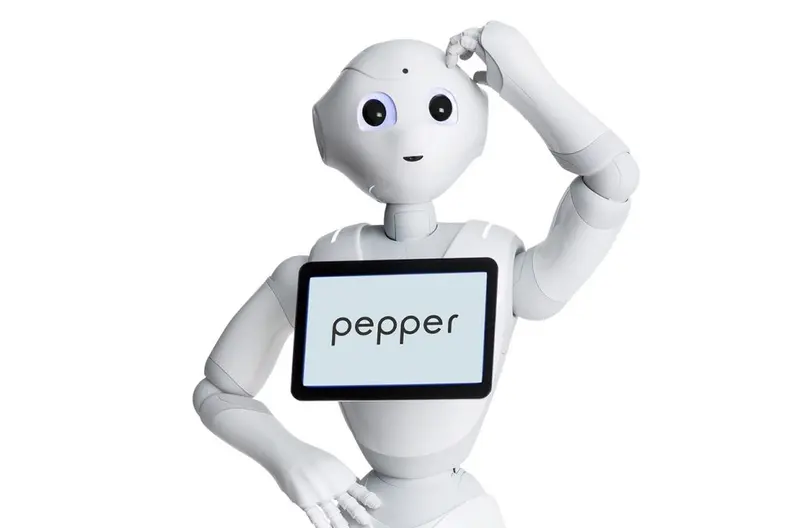
Rather than building consumer hardware internally as it did with the discontinued Pepper, SoftBank has deployed billions to secure the layers it considers foundational:
- Universal Software: Anchoring a $1.4 billion Series C round in Skild AI to build omni-bodied foundation models.
- Industrial Automation: A $5.4 billion acquisition of ABB's robotics division, plus reported talks to anchor an $800 million round for Munich-based Agile Robots.
- Consumer Embodiment: 1X's domestic, tendon-driven hardware architecture.
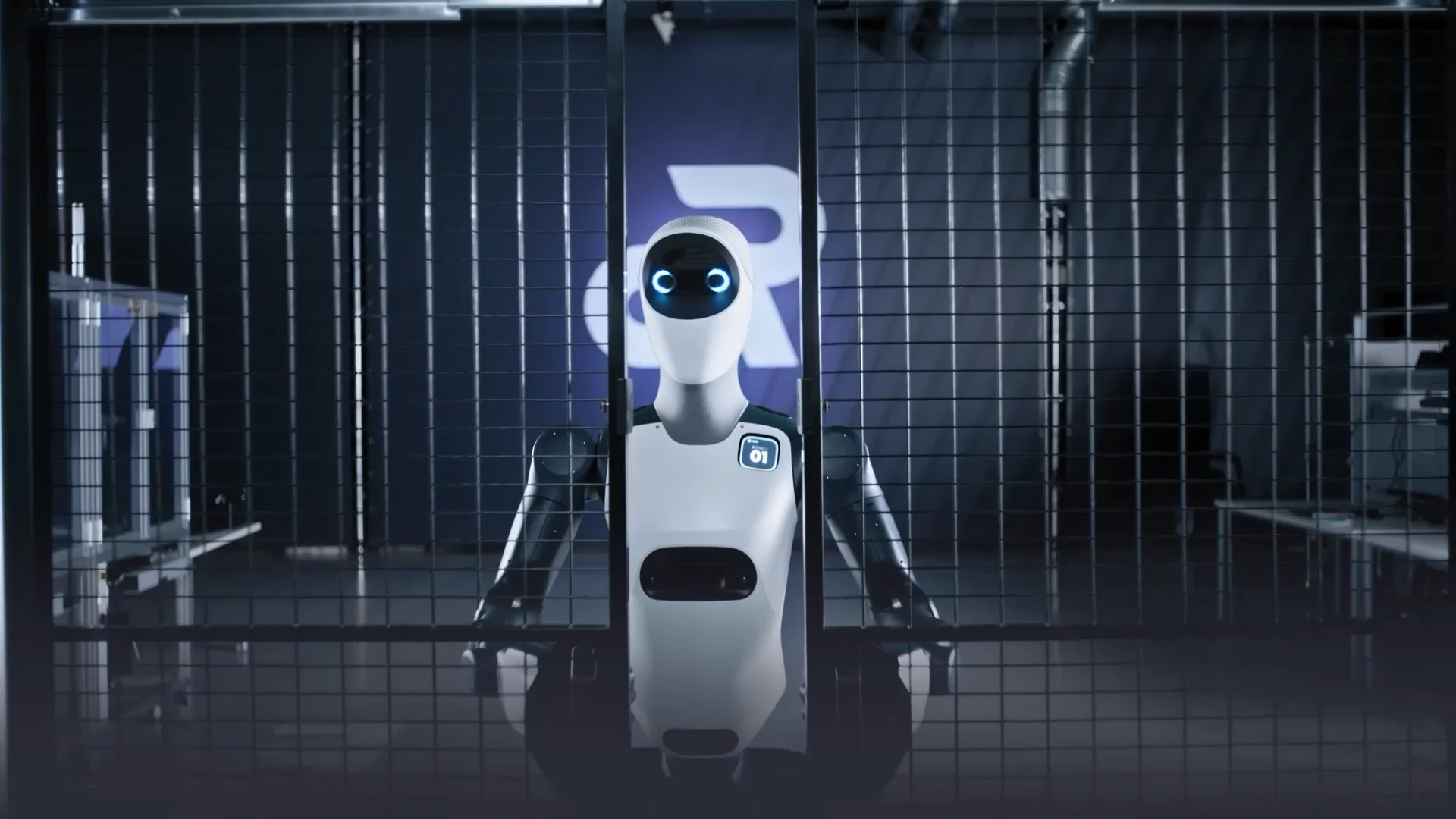
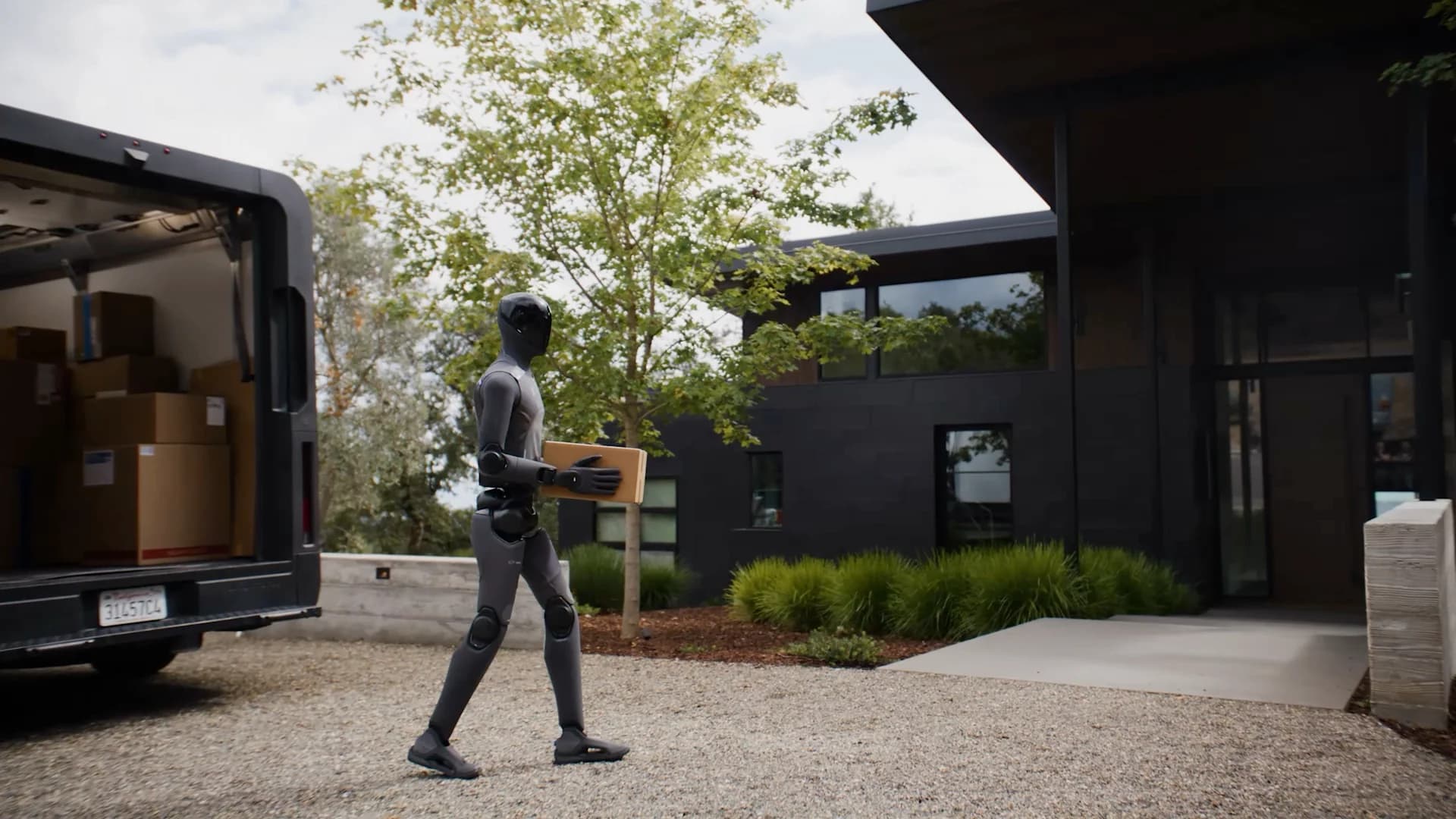
Unlike industrial humanoids built for rigid factory floors, NEO relies on compliance, quiet actuation, and next-generation 25-DoF tendon-driven hands designed to operate safely around people in unstructured homes. It is the one category ABB's arms cannot reach.
The Delivery Gap
The strongest argument that $6 billion undervalues 1X is demand. When preorders opened in October 2025 — at $20,000 outright or $499 per month on subscription — the company reportedly sold out its entire first year of production capacity in five days.
The strongest argument the other way is that none of it has shipped. 1X promised initial NEO deliveries in 2026. It is now late August, and no customer deliveries have been publicly confirmed; 1X has not announced that units have reached buyers, and no customer free to discuss their unit has surfaced. Whatever the order book says, the company has not yet demonstrated that it can put a general-purpose humanoid inside a stranger's home and support it there.
That gap is precisely what SoftBank's money would address — production lines, supply chain absorption, service infrastructure — and precisely what makes the timing of a control transaction worth watching. A majority buyout would give 1X the runway to close it. It would also mean that whoever is accountable for closing it answers to Tokyo.
Share this article
Read next
- Published on
- Reading time
- 3 min read
Masayoshi Son's SoftBank Renews Humanoid Robotics Hunt, Targeting AI-Driven Startups
- Published on
- Reading time
- 5 min read
SoftBank in Talks to Back Agile Robots in $800 Million Funding Round
- Published on
- Reading time
- 3 min read
SoftBank Reportedly Agrees to Buy Marc Raibert’s Robotics Institute
- Published on
- Reading time
- 5 min read
SoftBank and NVIDIA Reportedly Near Deal to Value Skild AI at $14 Billion
- Published on
- Reading time
- 10 min read
The Great Valuation Chasm: A 2025 Guide to the Humanoid Robotics Capital Race
- Published on
- Reading time
- 3 min read
Report: Humanoid Robotics Firm 1X Seeking Up to $1B at a Valuation of $10B or More
The weekly humanoid robotics briefing
One email a week: the launches, funding and research that mattered, with context from Humanoids Daily.
Read recent issues