- Published on
ISO Group Meets to Define Robot Safety Rules, as Memos From Figure's Ex-Safety Lead Detail 'Order of Magnitude' Challenge
One tap, and our reporting appears more often in your Google Top Stories. It makes a real difference to a small newsroom.


Your guide
Rich Robinson
Jee Chee Ren · Executive tour
See China’s AI and robotics ecosystem first-hand.
Six days exploring AI, robotics and advanced manufacturing.
With Rich Robinson, Clinical Professor of Entrepreneurship at Peking University
Beijing · Guangzhou · Shenzhen
29 November–4 December 2026
Referral partnership · We earn a commission on referred bookings.
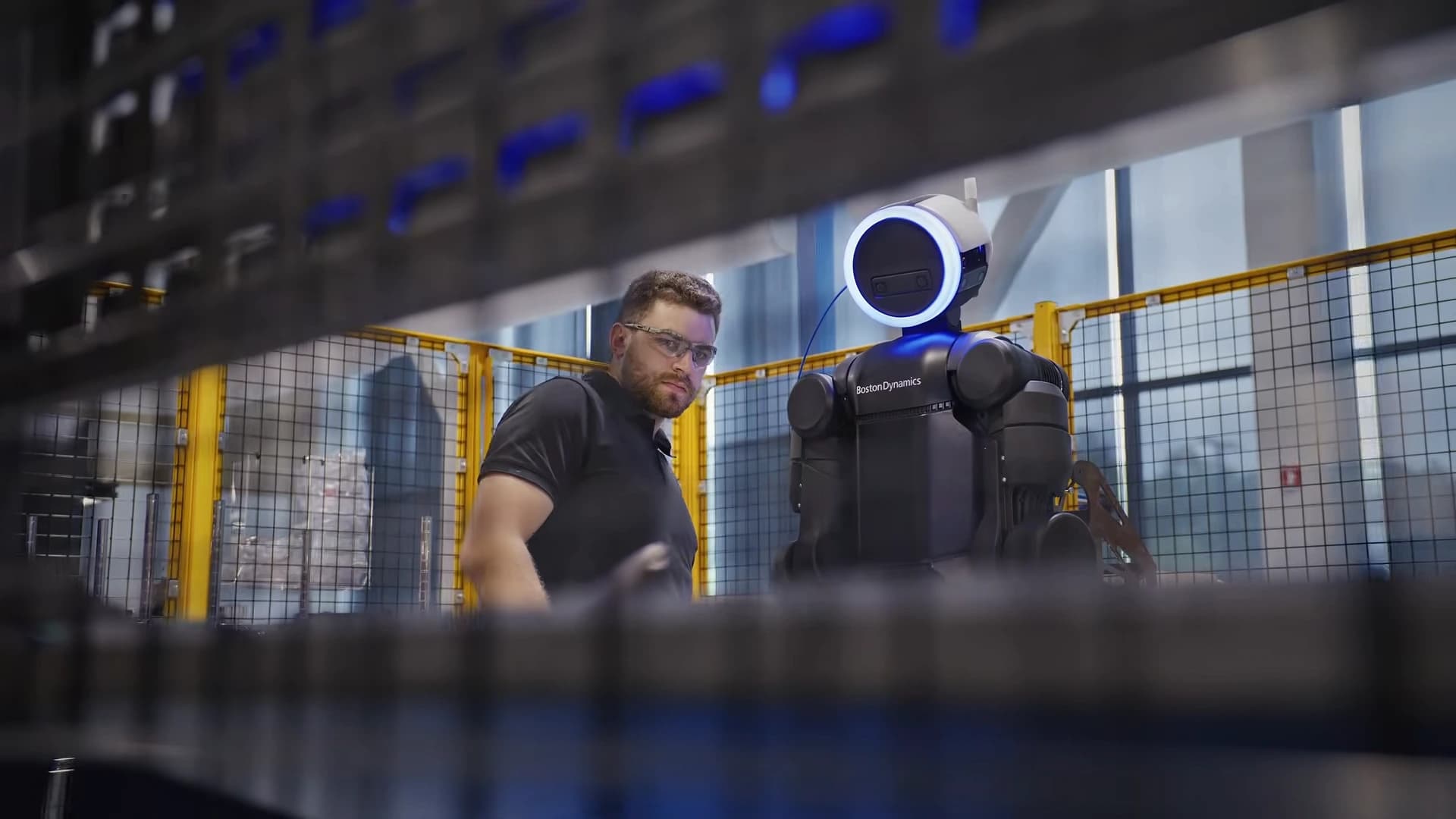
As investment in humanoid robotics soars, the sober, methodical work of writing the rulebook is quietly accelerating. This week, technology supplier Novanta is hosting an International Organization for Standardization (ISO) working group in Barcelona. The group's goal is to advance ISO 25785-1, a new, dedicated international safety standard for humanoid robots.
This formal standards work is running parallel to—and often in stark contrast with—the aggressive deployment timelines touted by some of the industry's most prominent CEOs.
While executives race to promise general-purpose robots in homes and workplaces, a series of detailed technical articles published earlier this year by Figure AI's then-head of robotics safety, Rob Gruendel, reveals the profound engineering challenges that standards bodies like ISO are now attempting to solve.
The memos, posted on LinkedIn while Gruendel was still at the company, provide a rare, expert-level glimpse into the specific risks that make humanoids a unique "public safety necessity".
The weekly humanoid robotics briefing
One email a week: the launches, funding and research that mattered, with context from Humanoids Daily.
Read recent issues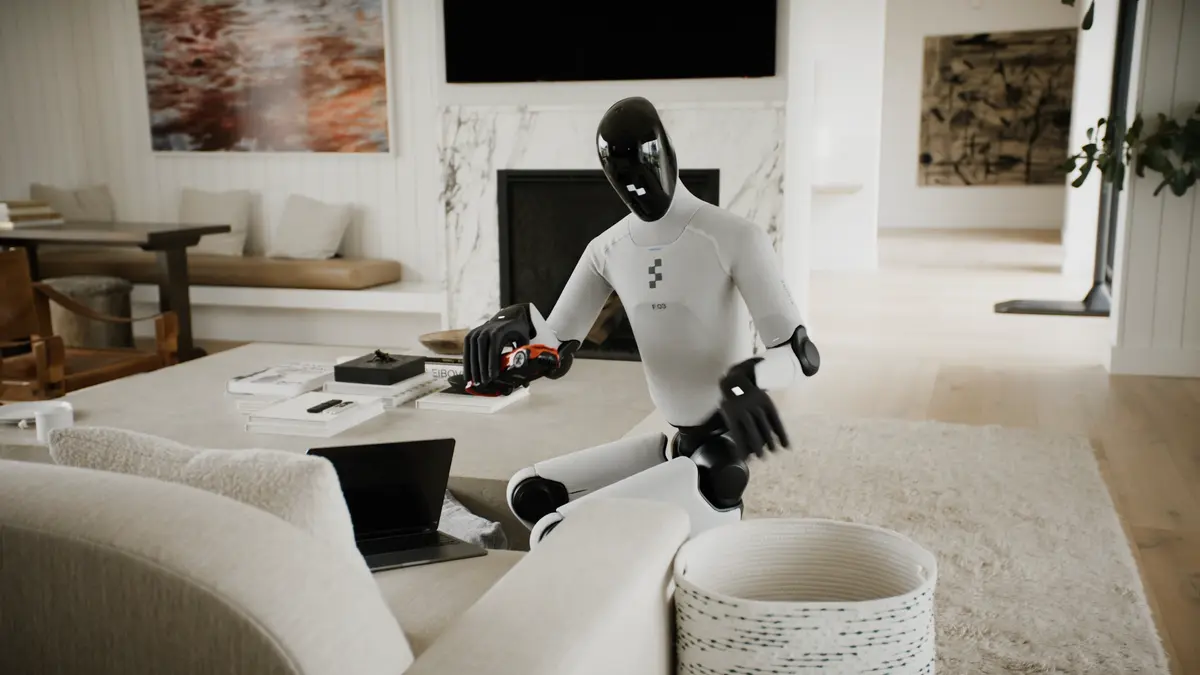
An 'Order of Magnitude' More Difficult
Gruendel, an ANSI/ISO committee member, wrote in January that he joined Figure after being "awestruck" by its attention to safety design. At the same time, he was candid about the hurdles.
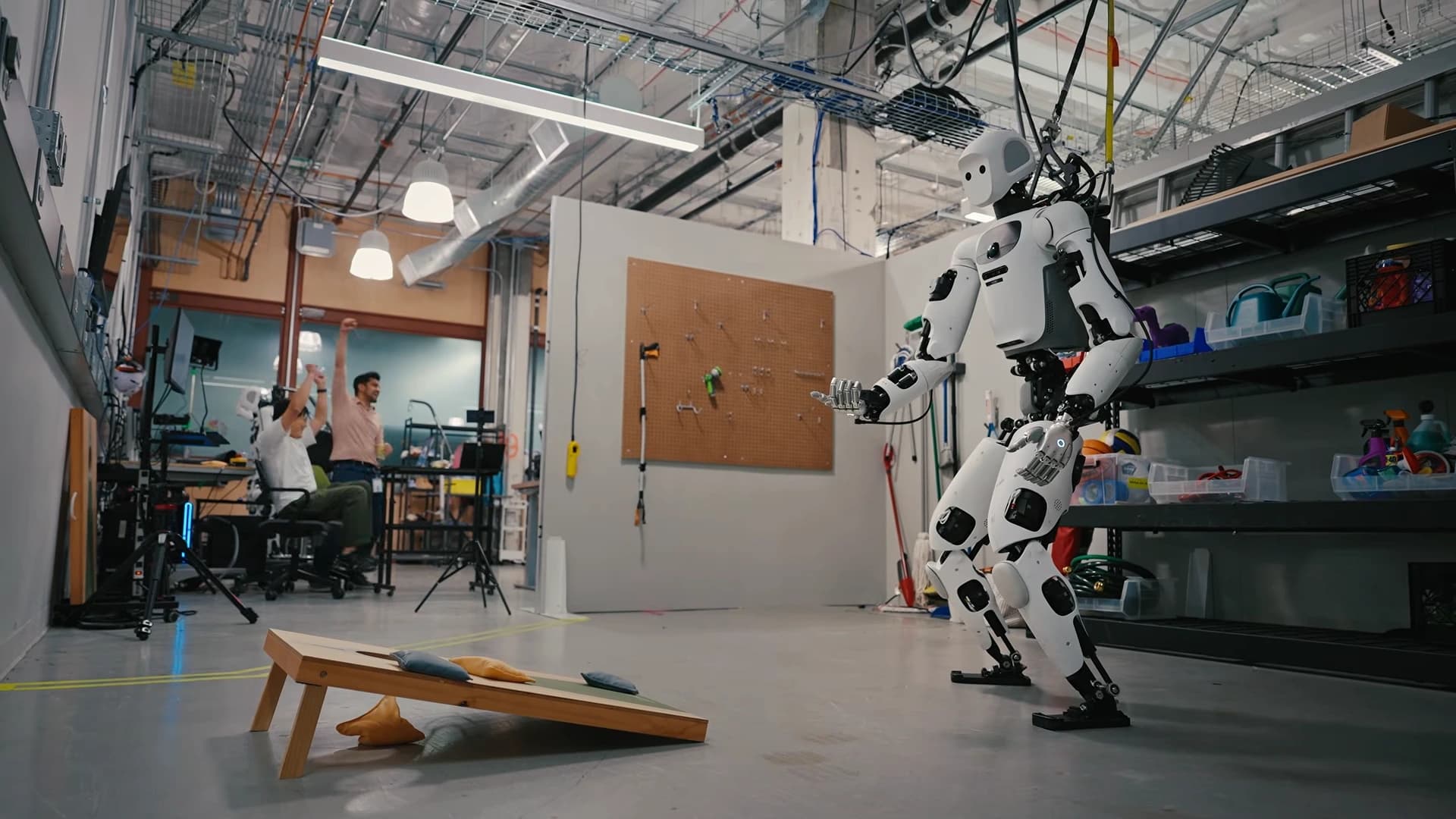
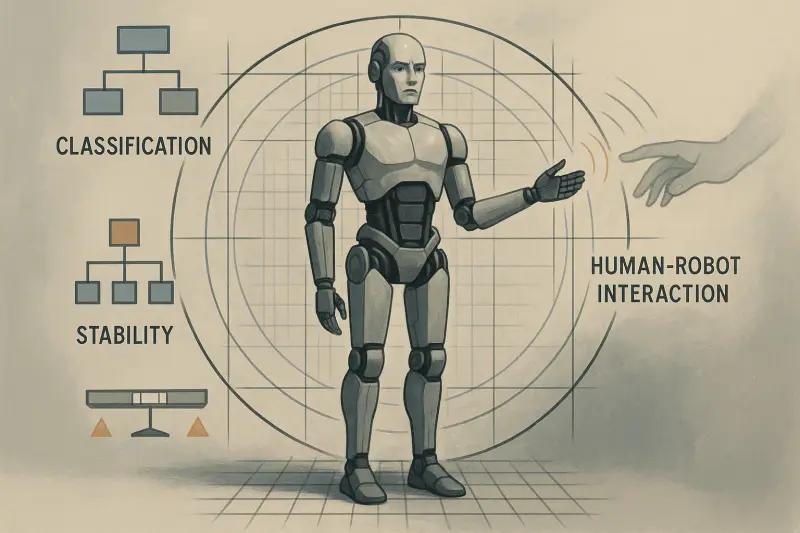
The core problem, he explained, is that bipedal robots are "dynamically stable," meaning they require active control just to stand up. Proving their safety, he wrote, "is an order of magnitude more difficult" than for traditional, statically stable robots.
This creates a dangerous paradox. For most industrial machines, the safest response to a fault is an immediate shutdown that removes power. For a humanoid, that's a catastrophic failure.
"Commanding a shutdown, as the immediate reaction to a fault, may be more dangerous than other options," Gruendel wrote in his March update, as the robot would simply fall.
The solution, he detailed, is to engineer "high availability" systems that can "ride through a fault", qualify the failure's severity, and choose the safest action—a vastly more complex and expensive engineering task.
Watch how researchers lose control of a Unitree H1 below:
The Home vs. The Factory
The memos also draw a sharp distinction between controlled industrial use and the chaos of a home environment.
- Industrial use involves trained adults, controlled access, and employer responsibility.
- Home use, by contrast, involves "untrained adults and children," as well as "infants, and pets".
This broadens the risk profile significantly. Gruendel highlighted several key challenges for any robot intended for a home:
- Battery Hazard: "Arguably, the highest risk to injury," which Figure sought to mitigate through third-party certification.
- Impact Risk: Quantifying impact force is "a very challenging problem". Unlike a robot bolted to the floor, a free-walking humanoid's force measurements are difficult to make repeatable and accurate.
- AI Safety: This, he stated, "is the most difficult risk to quantify". The danger lies in misinterpreting voice commands, misunderstanding human intent, or failing to react safely. He stressed that a certified "safety system must be capable of overriding the basic operational AI systems" to protect "living things".
The 'Ambiguous' Standards Gap
Gruendel's posts underscore precisely why the ISO meeting in Barcelona is so critical. As an industry insider, he repeatedly called the current rules "ambiguous".
"Humanoids do not have specific safety standards to address actively stable mobile robot characteristics," he wrote in March. He noted that the relevant standards for service robots and actively stable industrial robots are, at best, "in development" or "under consideration".
This standards gap is the central problem for commercial deployment. It's the reason groups like the IEEE have been publishing roadmaps to coordinate action, and it's a primary hurdle for insurers trying to quantify risk for new policies.
In his January post, Gruendel announced Figure was building a "Center for the Advancement of Humanoid Safety" and pledged to "post our successes and failures along our safety journey" in quarterly updates.
Gruendel is no longer with Figure, and the company's public-facing messaging, particularly from CEO Brett Adcock, has since focused on more aggressive timelines. Adcock recently claimed his robots could perform general tasks in new environments as soon as "next year."
This optimism, shared by investors bullish on 1X's potential for home deployment, is what's driving the industry forward. But as the ISO group meets in Barcelona, it's the complex, high-stakes challenges detailed by engineers like Gruendel that they are working to solve.
Share this article
Read next
- Published on
- Reading time
- 4 min read
IEEE Group Lays Groundwork for Humanoid Robot Standards to Ensure Safety and Trust
- Published on
- Reading time
- 5 min read
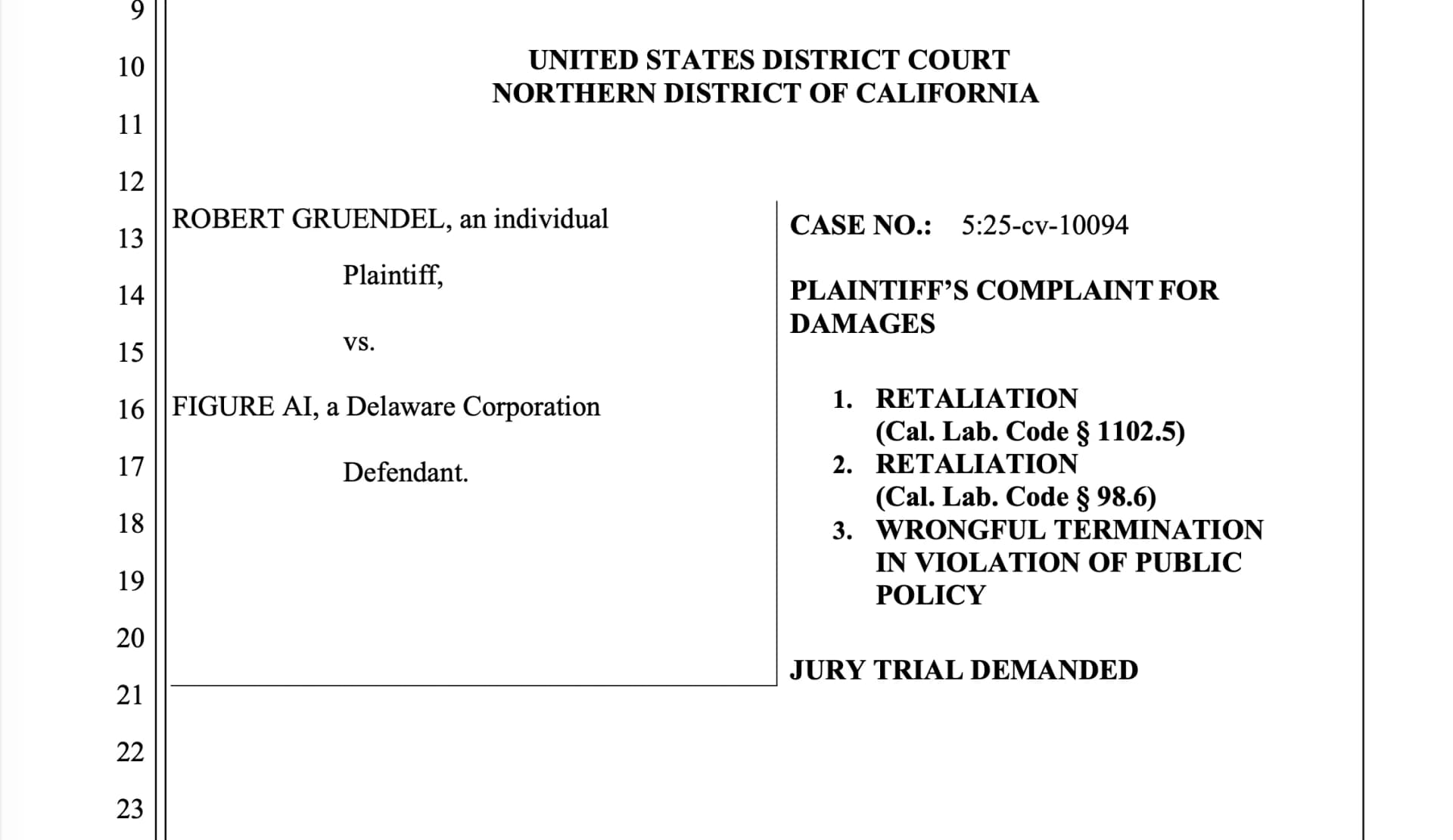
Ex-Safety Head Sues Figure AI, Alleging Retaliation Over "Skull-Fracturing" Robot Risks
- Published on
- Reading time
- 3 min read
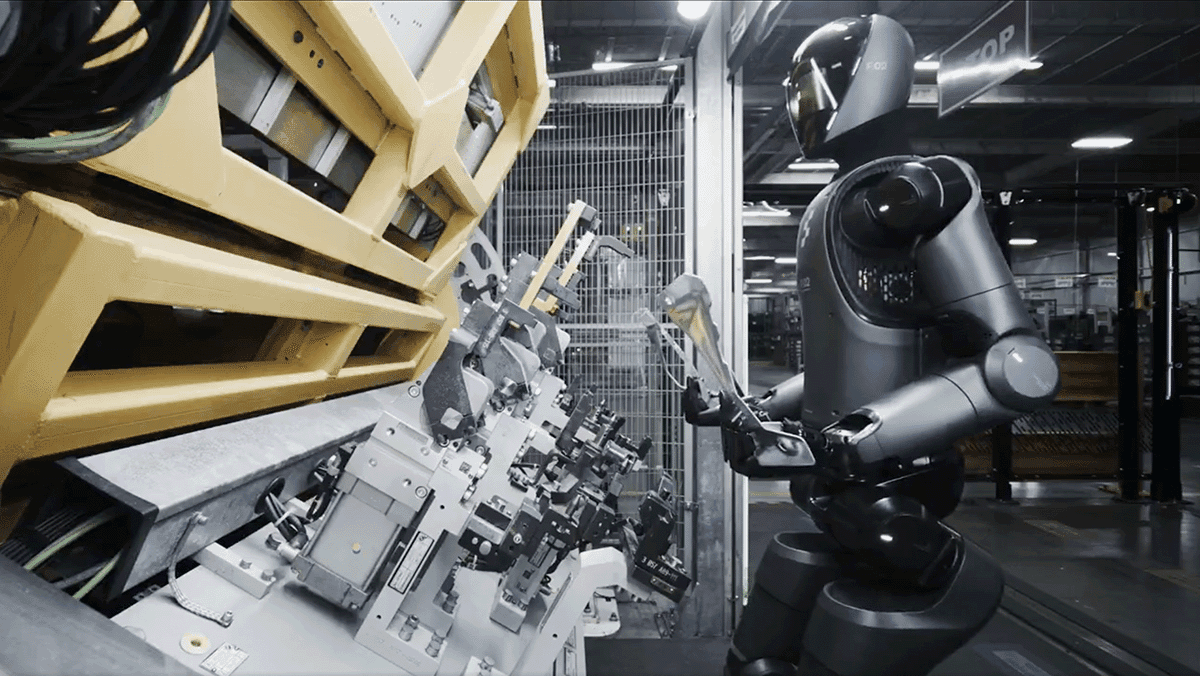
Figure Claims Humanoid Robot Has Worked Five Months on BMW Production Line
- Published on
- Reading time
- 6 min read
In-Depth with Figure AI: CEO Brett Adcock Dissects 60-Minute Logistics Demo, Touts Endurance Over Spectacle
- Published on
- Reading time
- 6 min read
NVIDIA and Agility Team Up on "Halos," the First Full-Stack Safety Architecture for Humanoids
- Published on
- Reading time
- 4 min read
Tesla’s Miami Mishap Highlights the Fragile Reality of Teleoperation
The weekly humanoid robotics briefing
One email a week: the launches, funding and research that mattered, with context from Humanoids Daily.
Read recent issues