- Published on
NVIDIA and Agility Team Up on "Halos," the First Full-Stack Safety Architecture for Humanoids
One tap, and our reporting appears more often in your Google Top Stories. It makes a real difference to a small newsroom.

Supported by RoboStrategySupport for Humanoids Daily comes from RoboStrategy
Sponsored
Investing involves risk, including possible loss of principal. Read the prospectus before investing.
- NVIDIA has introduced Halos for Robotics, adapting its autonomous vehicle safety architecture into the industry's first full-stack safety system for physical AI.
- Agility Robotics is the first humanoid developer to integrate the platform, using the NVIDIA IGX Thor compute module to enable "cooperative safety" for its upcoming fifth-generation Digit robot.
- The Halos system includes an open-source "Outside-In Safety Blueprint," which uses external facility cameras to monitor environments and dynamically manage a robot's onboard safety constraints.
- To streamline regulatory approvals, NVIDIA has launched the Halos AI Systems Inspection Lab, an ANAB-accredited program designed to pre-assess safety components before final third-party certification.
The race to commercialize humanoid robots is quietly shifting from hardware acrobatics to industrial compliance. On Monday, NVIDIA announced NVIDIA Halos for Robotics, a standardized, full-stack safety system designed to unify artificial intelligence compute with rigorous safety protocols.
Agility Robotics, which previously secured a landmark OSHA-recognized approval for its bipedal robot Digit, confirmed it is the first company to integrate the Halos platform. The partnership aims to solve one of the most stubborn bottlenecks in physical AI: building robots that are inherently safe enough to work seamlessly alongside human employees without relying on physical barriers.
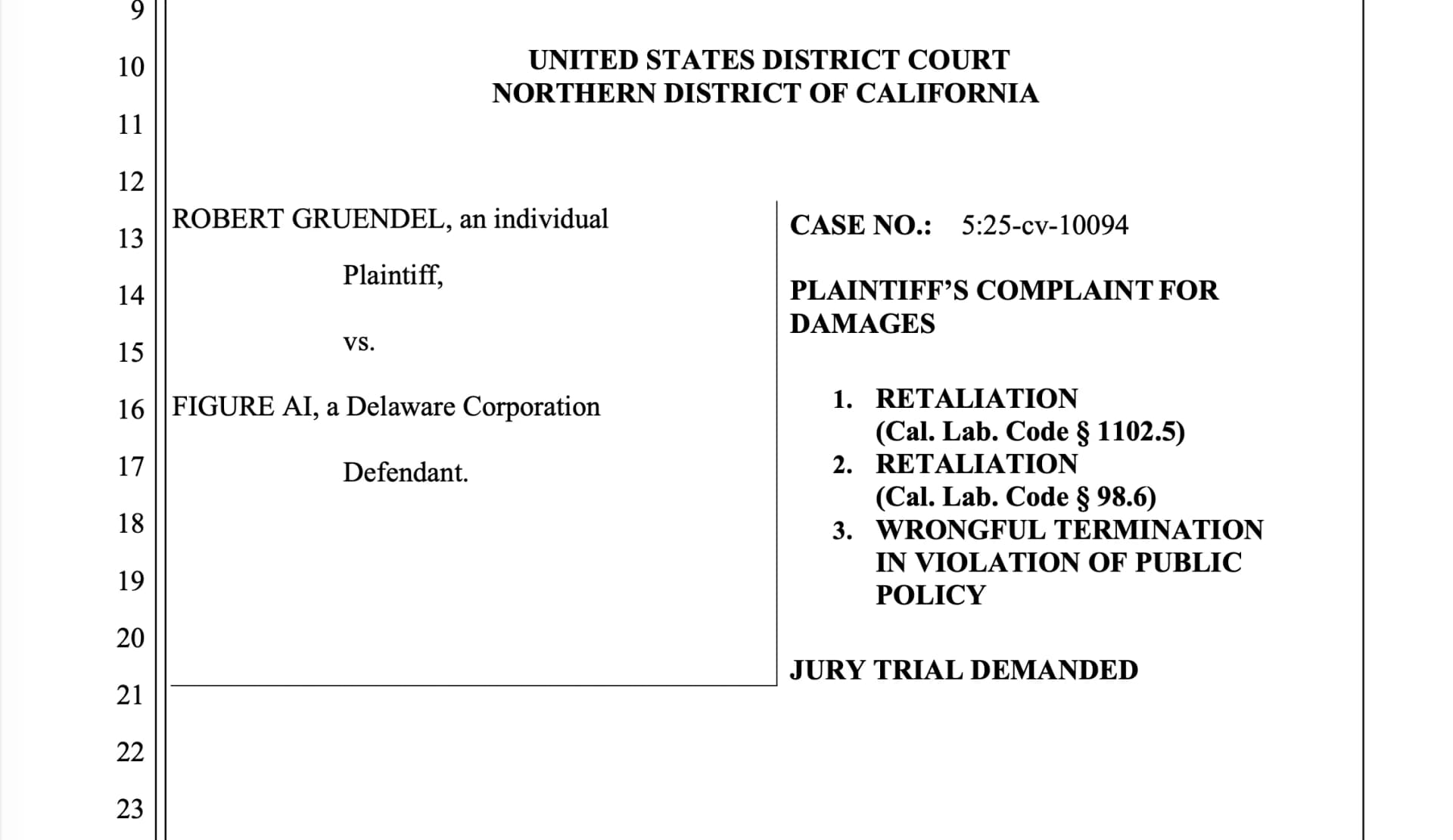
The announcement arrives at a critical juncture for the robotics sector. While organizations like IEEE have begun laying the groundwork for humanoid standards and ISO groups meet to codify international rules, the broader industry has faced intense scrutiny regarding its approach to risk. A recent whistleblower lawsuit against Figure AI underscored the friction between Silicon Valley's rapid development cycles and the severe, real-world consequences of heavy machinery. NVIDIA's Halos system attempts to bridge this gap by offering a pre-built, certifiable foundation.
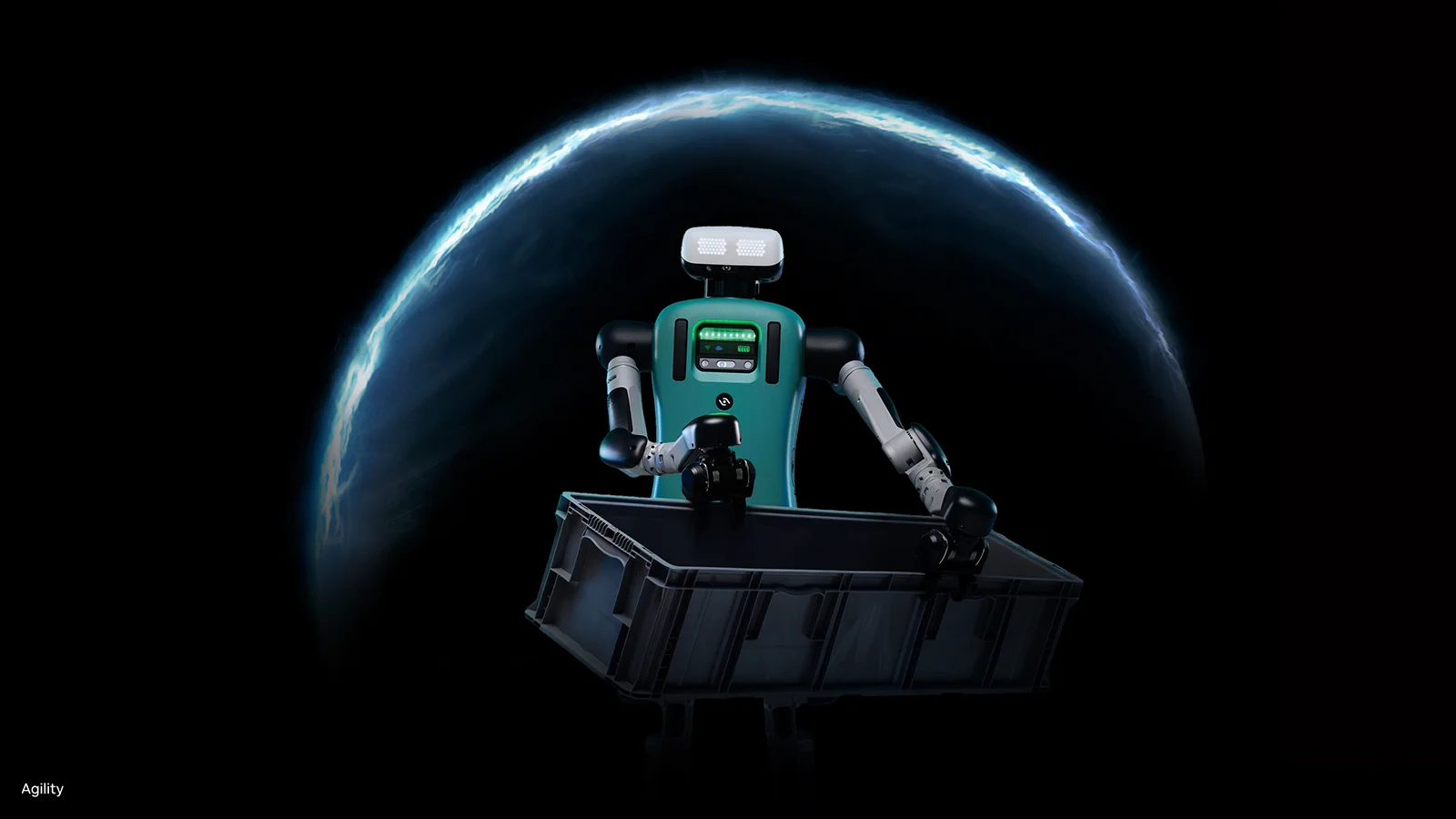
Translating AV Safety to the Factory Floor
NVIDIA did not build its robotics safety architecture from scratch. Halos OS draws heavily on the company's autonomous vehicle (AV) programs, inheriting the results of more than 18,000 engineering years of vehicle safety development and over 7 million lines of safety-assessed code.
The weekly humanoid robotics briefing
One email a week: the launches, funding and research that mattered, with context from Humanoids Daily.
Read recent issuesThe Halos for Robotics stack spans three core hardware and software layers:
- NVIDIA IGX Thor & Holoscan Sensor Bridge: The hardware foundation features an industrial-grade AI compute module containing an isolated, IEC 61508 SIL 3 capable Functional Safety Island (FSI). The Holoscan Sensor Bridge (HSB) connects sensors to the compute platform with low latency, extending functional safety all the way to the edge.
- NVIDIA Halos OS: A specialized software stack running on IGX Thor, incorporating Halos Core to manage safety-critical operating functions and hardware error dispatch.
- Ecosystem Safety: The NVIDIA Halos AI Systems Inspection Lab, an ANAB-accredited ISO/IEC 17020 Inspection Body, allows manufacturers to have their systems pre-assessed against recognized standards before seeking final certification from third-party agencies like TÜV Rheinland or UL Solutions.
Breaking Out of the Workcell
For Agility Robotics, adopting the NVIDIA stack is a strategic necessity to unlock broader commercial markets. Historically, the company has deployed its Digit humanoids behind physical safety barriers, known as workcells, to mitigate motion and stability risks. Previous safety iterations included remote E-stops, external safety controllers, and onboard safety Programmable Logic Controllers (PLCs) capable of triggering a controlled stop.
However, Agility's forthcoming fifth-generation robot is designed for "cooperative safety"—the ability to operate in shared spaces with humans without requiring a fence. As CEO Peggy Johnson outlined at the recent Abundance Summit 2026, the company targets late 2026 to deploy this cooperatively safe version of Digit. By running onboard safe human detection functions via the NVIDIA IGX Thor platform, Agility aims to prove that the machine can dynamically interpret and react to human presence.
This fifth-generation model will also feature a 50-pound lift capacity, deliberately aligned with OSHA’s recommended manual lifting limits for human workers. To fuel the scaling and manufacturing of these unconstrained units, the company—currently valued at approximately $2 billion—is preparing for a new funding round later this year.
"Partnering with NVIDIA to implement and optimize the Halos for Robotics system extends our leadership in responsible automation, which is a nonnegotiable requirement for bringing humanoids safely into industrial workflows," said Johnson.
The "Outside-In" Blueprint
One of the most notable features of the Halos rollout is the "Outside-In Safety Blueprint," an open-source framework that extends a robot's perception using external facility infrastructure.
Traditional "inside-out" robotic safety relies entirely on onboard sensors, which can limit operational efficiency in constrained environments. For instance, an autonomous forklift operating inside a cluttered trailer might crawl at a slow pace because its onboard sensors mistake the trailer walls for obstacles.
The Outside-In architecture addresses this by fusing data from external cameras into a four-stage pipeline:
- Sensor Input Processing Pipeline (SIPP): Converts facility camera streams into actionable tracking events.
- Safety AI Monitor (SAIM): Watches for environmental degradation, such as a burnt-out lightbulb, and flags out-of-distribution events.
- Safety Event Integrator (SEI): Validates and fuses the camera data, discarding stale timestamps.
- Safety Decision Maker (SDM): Runs on the isolated Functional Safety Island to dictate the robot's behavior.
In a warehouse loading scenario, if the external system confirms that no humans are in the area, the SDM can temporarily mute the robot's onboard speed constraints, allowing it to work faster. If a worker steps into the region of interest, the system immediately reactivates the robot's safety guardrails.
Ultimately, the release of NVIDIA Halos and its rapid adoption by Agility Robotics signals a maturing industry. The path to consumer-facing, general-purpose robotics will not simply be paved by better neural networks, but by the exhaustive, certifiable hardware architectures required to make those networks insurable and safe for the physical world.
Share this article
Read next
- Published on
- Reading time
- 5 min read
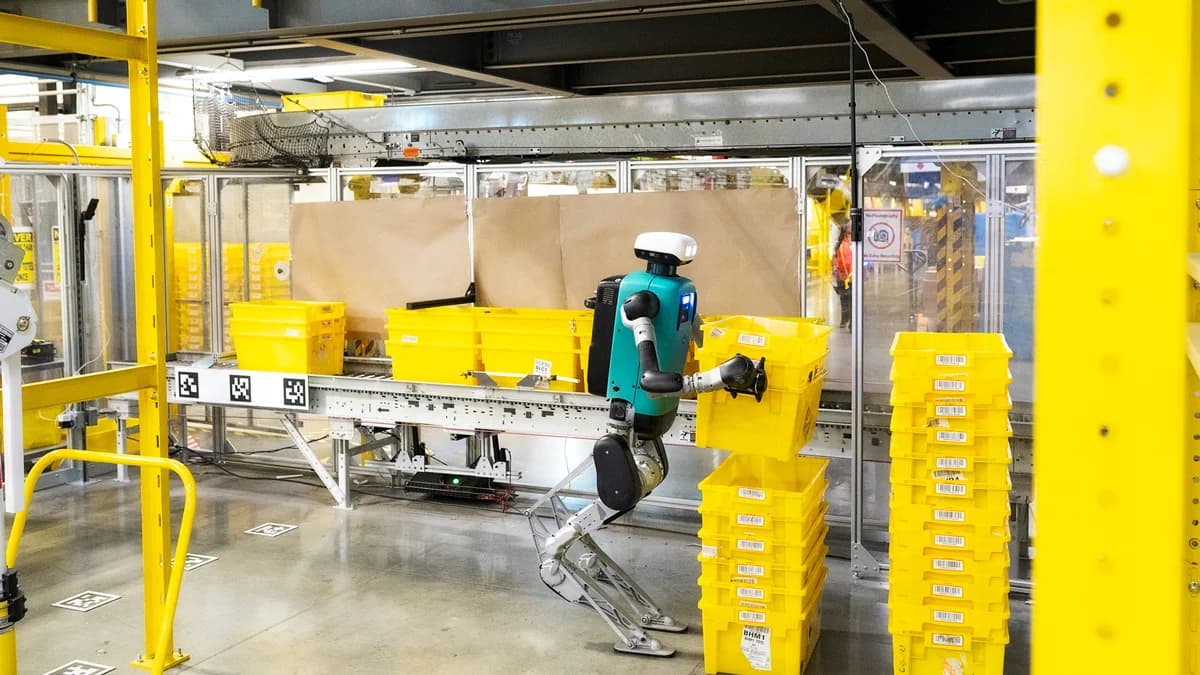
Agility Robotics Secures OSHA-Recognized Safety Approval, Widening the Gap Between ''Demo'' and ''Deployment''
- Published on
- Reading time
- 4 min read
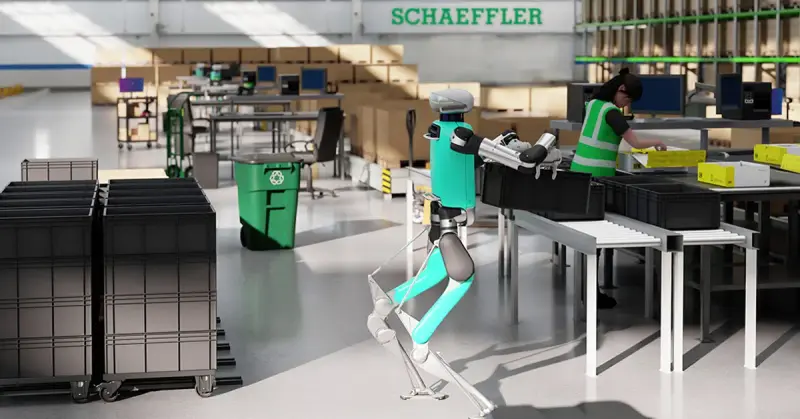
Schaeffler Explores AI-Driven Factories and Humanoid Co-Workers with Accenture, NVIDIA, Microsoft
- Published on
- Reading time
- 4 min read
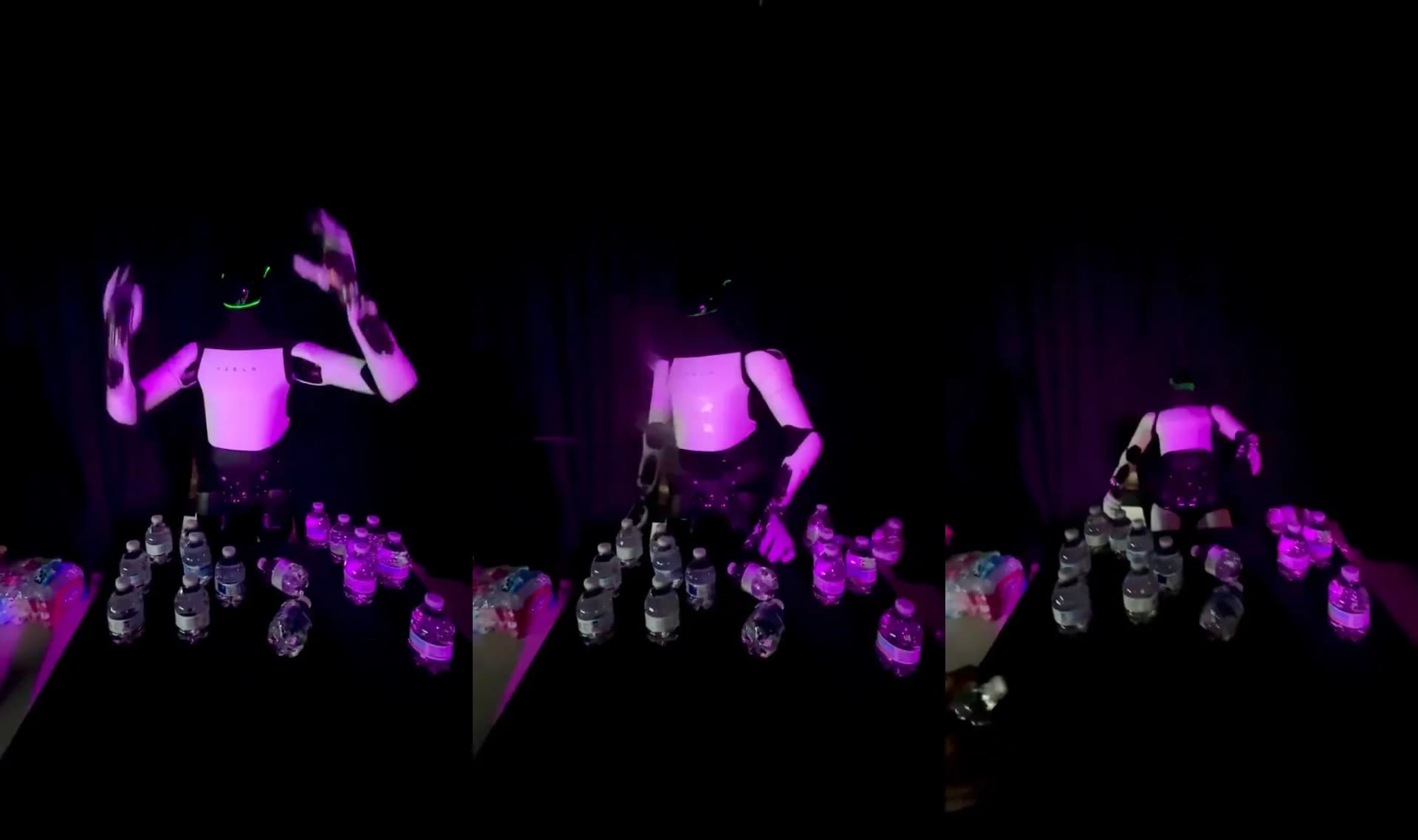
Tesla’s Miami Mishap Highlights the Fragile Reality of Teleoperation
- Published on
- Reading time
- 5 min read
Ex-Safety Head Sues Figure AI, Alleging Retaliation Over "Skull-Fracturing" Robot Risks
- Published on
- Reading time
- 5 min read
ISO Group Meets to Define Robot Safety Rules, as Memos From Figure's Ex-Safety Lead Detail 'Order of Magnitude' Challenge
- Published on
- Reading time
- 4 min read
IEEE Group Lays Groundwork for Humanoid Robot Standards to Ensure Safety and Trust
The weekly humanoid robotics briefing
One email a week: the launches, funding and research that mattered, with context from Humanoids Daily.
Read recent issues