- Published on
Unitree Kicks Off STAR Market IPO Amid Deepening US-China Robotics Rivalry
One tap, and our reporting appears more often in your Google Top Stories. It makes a real difference to a small newsroom.

Supported by RoboStrategySupport for Humanoids Daily comes from RoboStrategy
Sponsored
Investing involves risk, including possible loss of principal. Read the prospectus before investing.
- Unitree Robotics began preliminary price inquiries this week for its Shanghai STAR Market IPO, aiming to raise 4.2 billion yuan (roughly $590 million to $620 million).
- Underwriter Citic Securities estimates a post-IPO valuation of roughly 50.6 billion to 55.9 billion yuan (over $7.4 billion) within the first year of trading.
- The highly anticipated public debut arrives just days after the United States enacted a sweeping FCC ban on foreign-produced humanoids.
- Unitree plans to allocate nearly half of its IPO proceeds toward embodied AI model research, acknowledging that the robotics sector has yet to reach its true "ChatGPT moment."
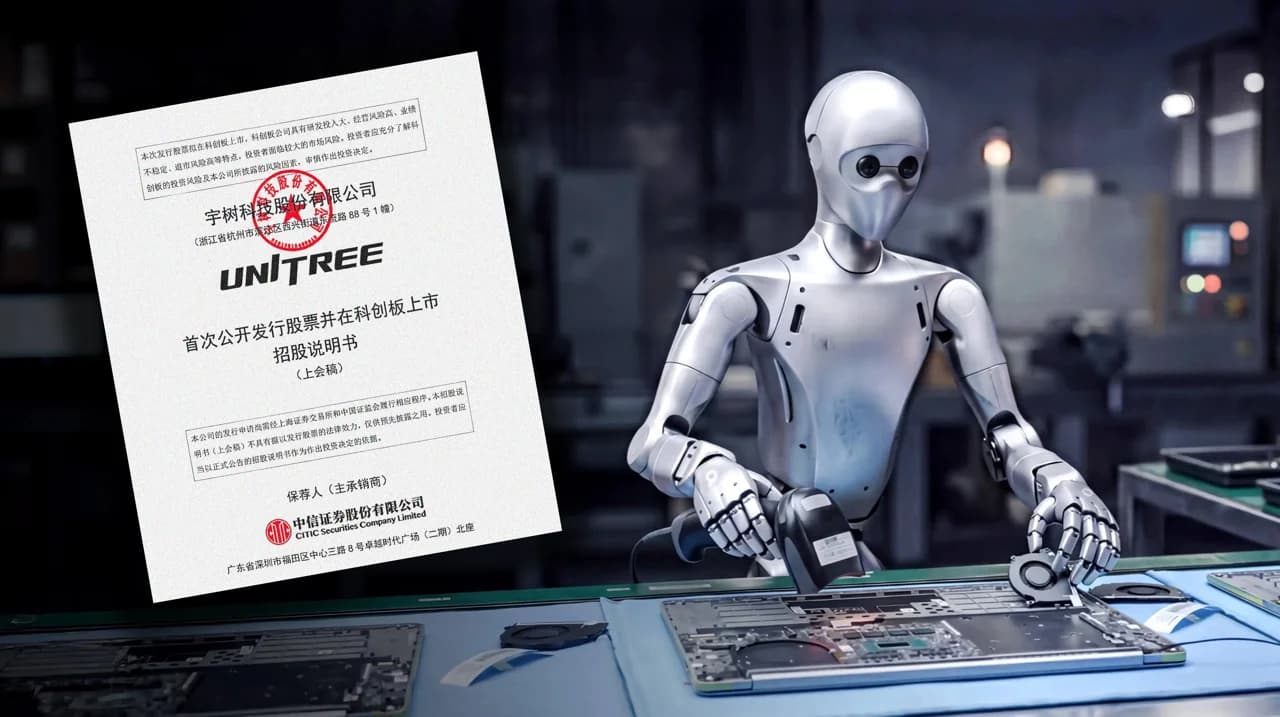
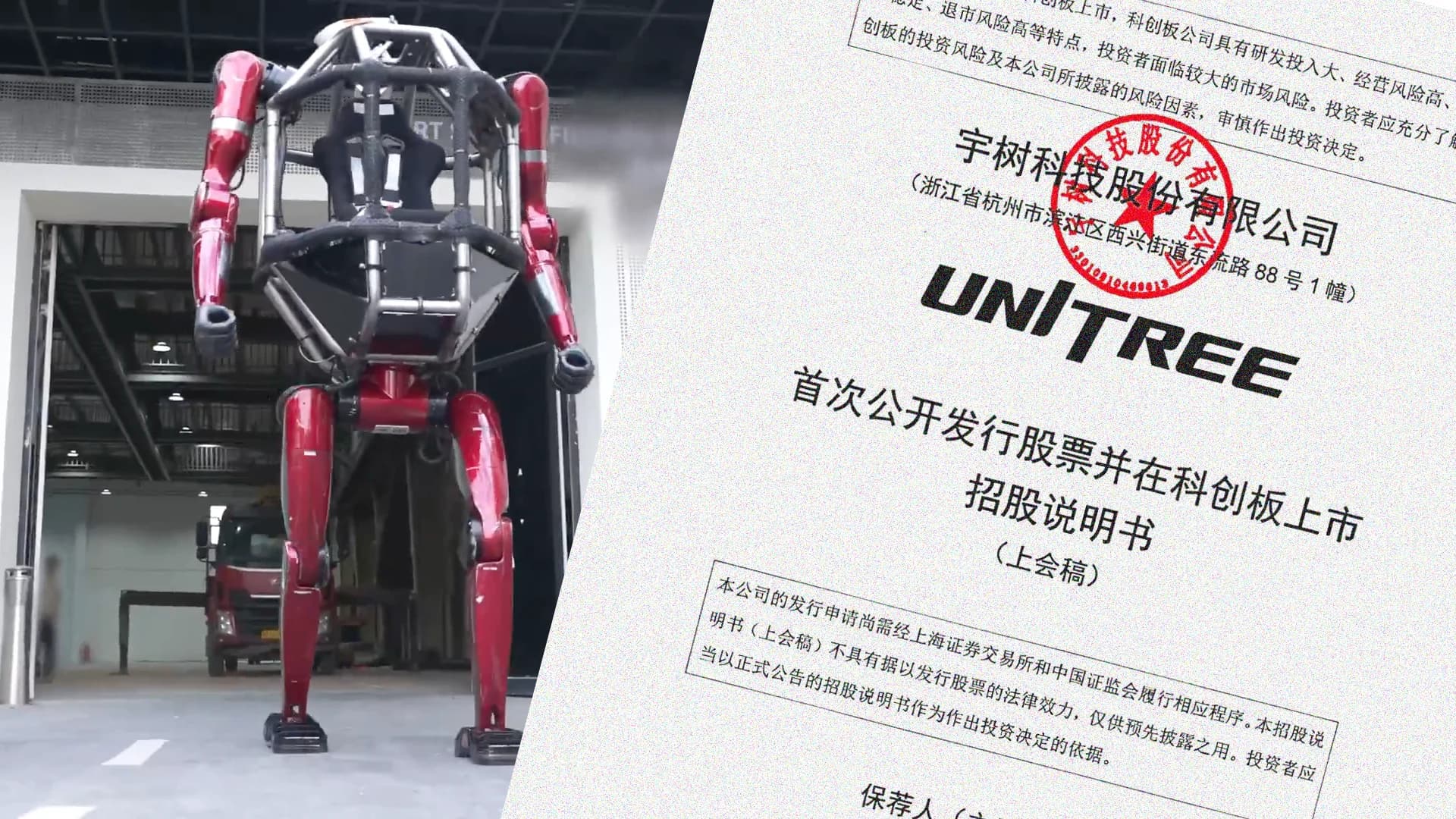
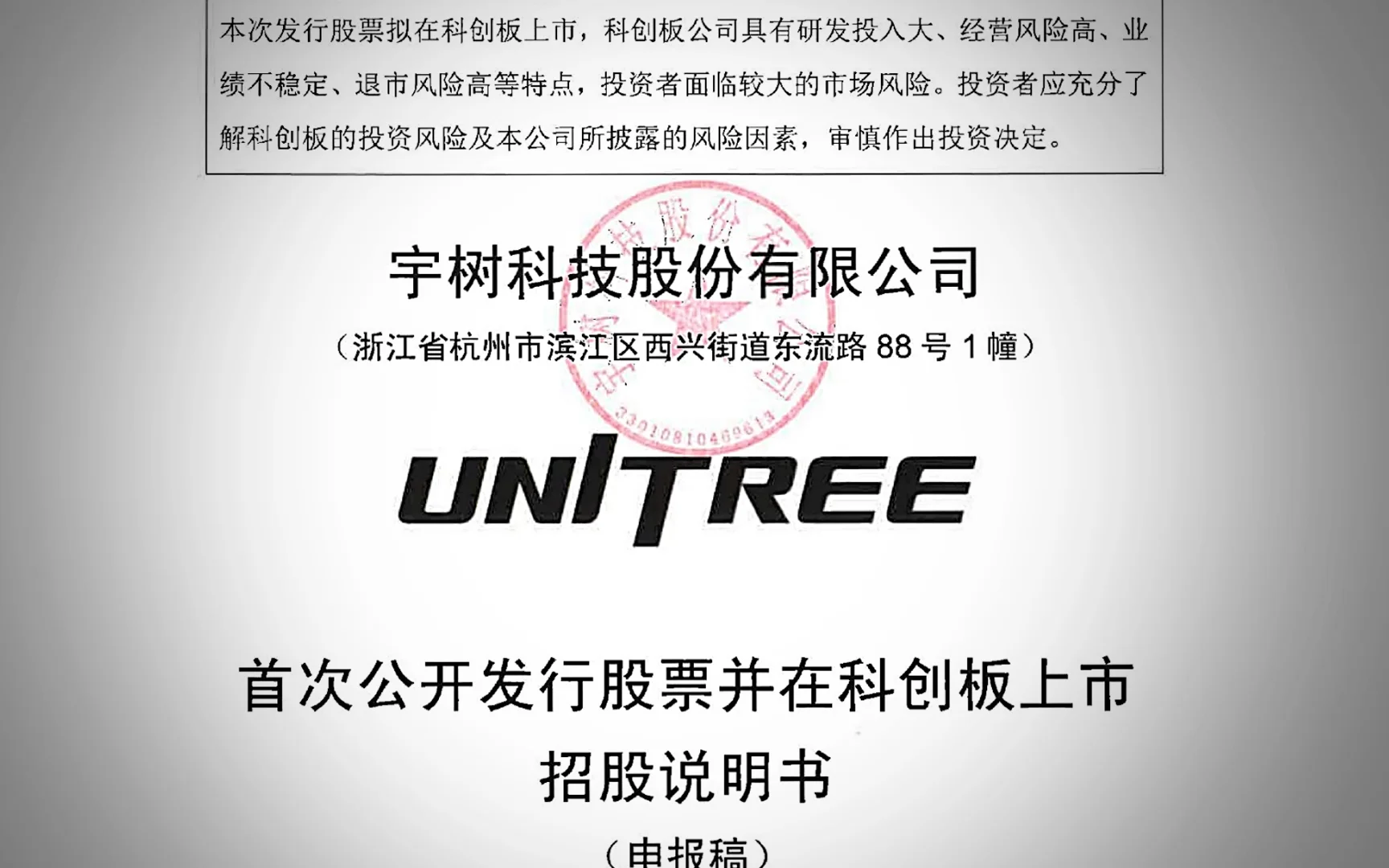
Unitree Robotics is officially transitioning from private hardware darling to public market heavyweight. Following its rapid STAR Market IPO approval earlier this summer, the Hangzhou-based company initiated preliminary price inquiries on August 5 for its highly anticipated debut on the Shanghai Stock Exchange.
The initial public offering represents a major milestone for the broader robotics industry, marking the first pure-play embodied AI listing on China's A-share market. However, Unitree's financial victory lap is set against the backdrop of a deeply fractured international tech landscape, underscoring the complexities of building a global hardware business in an era of intense geopolitical rivalry.
Valuation and the Shift to Humanoids
Unitree intends to issue 40.45 million shares—representing 10 percent of its enlarged share capital—to raise 4.2 billion yuan. With online and offline subscriptions scheduled to open on August 10, institutional demand appears robust.
According to a report distributed to investors by lead underwriter Citic Securities, Unitree’s overall valuation could reach between 50.6 billion and 55.9 billion yuan (approximately $7.4 billion to $8.2 billion) within six to twelve months post-listing. This valuation reflects a multiple of roughly 20 times expected annual sales and 80 times expected earnings. Other institutions, such as CCB International, have floated even more optimistic re-rating targets that stretch past 100 billion yuan.
The weekly humanoid robotics briefing
One email a week: the launches, funding and research that mattered, with context from Humanoids Daily.
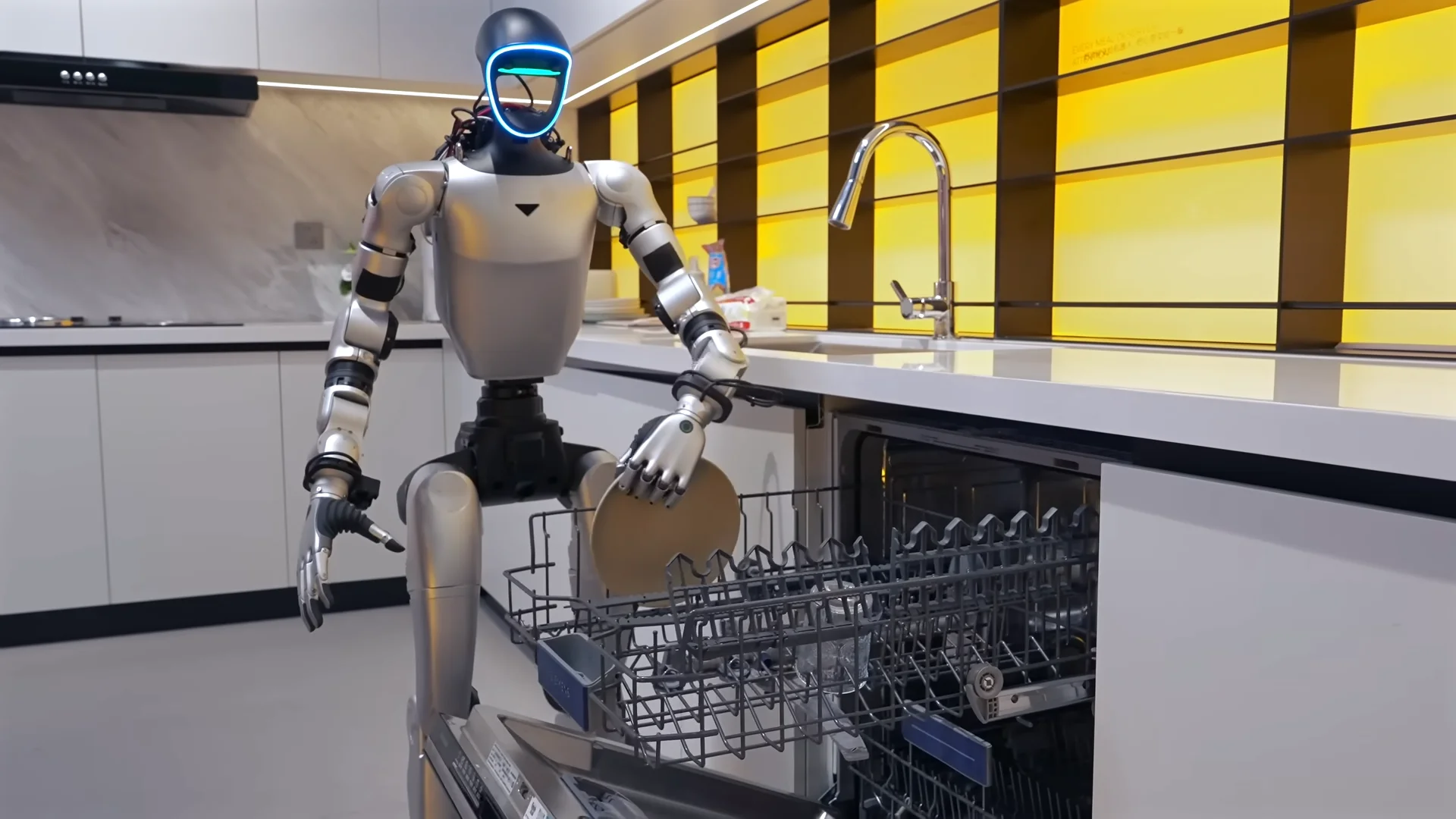
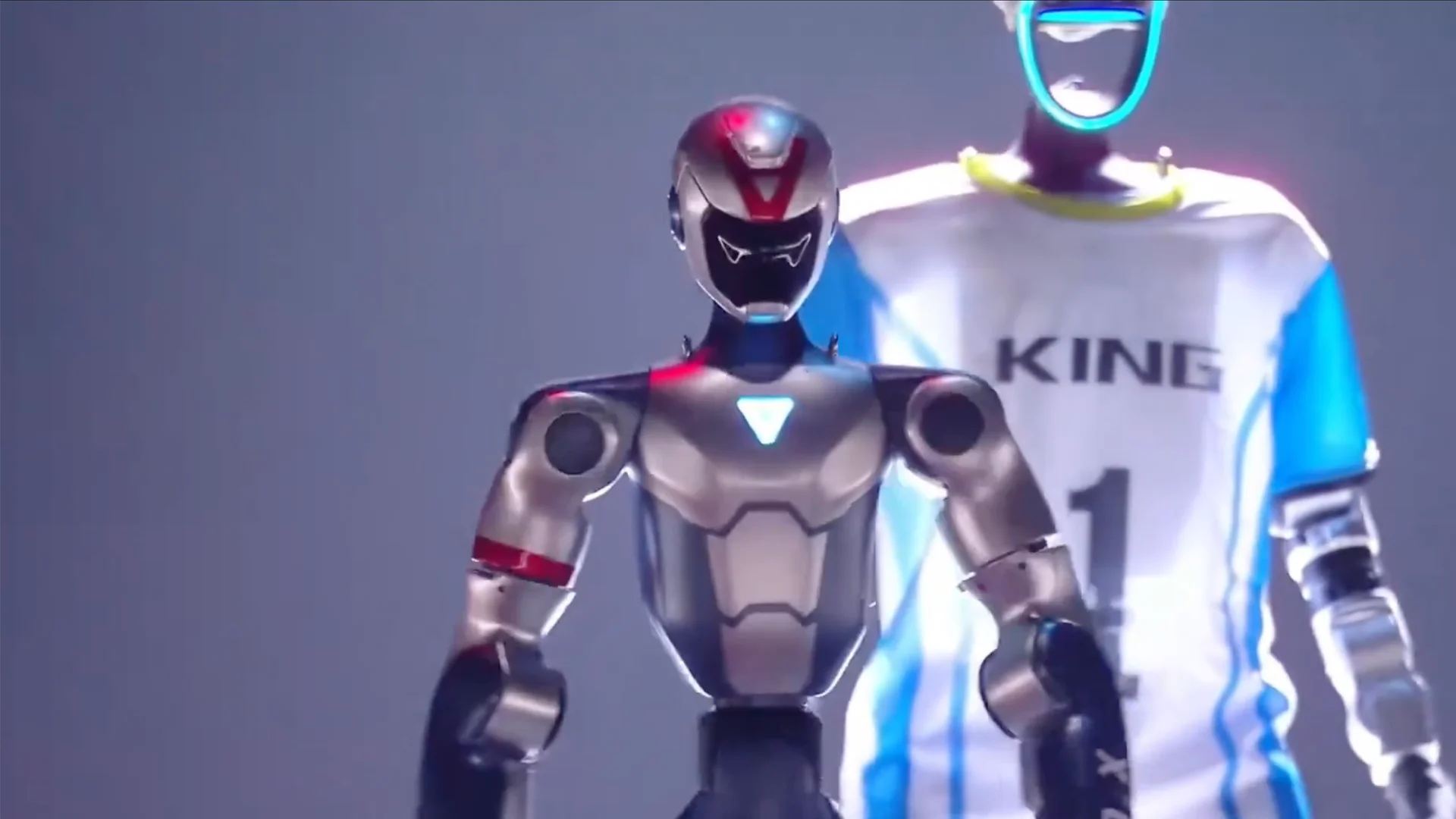
Read recent issuesThe market enthusiasm is largely driven by Unitree’s successful pivot from quadruped "robot dogs" to high-volume bipedal platforms. As noted in its updated prospectus, quadruped robots accounted for nearly 76 percent of the company's revenue in 2023. By the end of 2025, humanoid robots had become its largest segment, representing over 51 percent of total revenue on the back of 5,500 shipped units—securing Unitree the number one spot for global humanoid shipments.
Scaling Amid Sanctions
Unitree’s listing week coincides directly with an escalation in the US-China robotics trade war. Just days prior to the IPO price inquiry, the Federal Communications Commission (FCC) enacted an effective ban on the import and sale of new foreign-made advanced robotic devices, placing strict regulatory roadblocks on Chinese-manufactured platforms entering the United States. Furthermore, Unitree was added to a U.S. Department of Defense list of alleged military-backed companies in June.
Despite these hurdles, Unitree's aggressive vertical integration and cost-efficiency—a strategy industry analysts have dubbed the DJI playbook—has made its hardware indispensable to AI research globally. Its platforms continue to serve as the physical baseline for top-tier Western initiatives, most notably anchoring the recently unveiled Isaac GR00T reference design from NVIDIA and Sharpa.
Because of this deep structural reliance, Unitree's IPO will inject fresh capital into a supply chain that is already 90 percent domesticated within China, further solidifying the country's manufacturing dominance in the sector.
Funding the "ChatGPT Moment"
While Unitree commands an impressive volume lead, the company's leadership remains pragmatic about the state of the technology. Co-founder Chen Li recently cautioned that embodied intelligence has not yet matured enough for true general-purpose application, noting that the industry has not yet experienced its "ChatGPT moment."
To accelerate that timeline, Unitree’s capital allocation strategy is heavily weighted toward software. Of the 4.2 billion yuan raised, 2.022 billion yuan—nearly half the total proceeds—is earmarked directly for intelligent robot model research and development. An additional 1.11 billion yuan will fund robot body development, while 624 million yuan is allocated to constructing a massive intelligent manufacturing base.
As Unitree prepares to set its final offer price and transition to the public markets, investors are betting that this capital influx will allow the company to maintain its hardware dominance while finally bridging the gap between mechanical capability and autonomous industrial utility.
Share this article
Read next
- Published on
- Reading time
- 4 min read
Unitree Soars Over 600% in Shanghai IPO, Cements China’s Lead in Humanoid Hardware
- Published on
- Reading time
- 5 min read
Unitree’s Blockbuster IPO Highlights the Scramble for Embodied AI Supremacy
- Published on
- Reading time
- 6 min read
Unitree Clears Major Hurdle with Fast-Track STAR Market IPO Approval
- Published on
- Reading time
- 5 min read
Inside Unitree’s Prospectus: Revenue Climbs and Profits Dip as Star Market IPO Hearing Approaches
- Published on
- Reading time
- 6 min read
Unitree Files for $580M IPO: Humanoid Sales Surpass Robot Dogs as Profits Soar
- Published on
- Reading time
- 4 min read
Unitree Completes IPO Tutoring, Clearing Key Hurdle for A-Share Listing
The weekly humanoid robotics briefing
One email a week: the launches, funding and research that mattered, with context from Humanoids Daily.
Read recent issues