- Published on
Phybot M1 Debuts with a Backflip and a ‘Most Powerful’ Claim
One tap, and our reporting appears more often in your Google Top Stories. It makes a real difference to a small newsroom.


Your guide
Rich Robinson
Jee Chee Ren · Executive tour
See China’s AI and robotics ecosystem first-hand.
Six days exploring AI, robotics and advanced manufacturing.
With Rich Robinson, Clinical Professor of Entrepreneurship at Peking University
Beijing · Guangzhou · Shenzhen
29 November–4 December 2026
Referral partnership · We earn a commission on referred bookings.
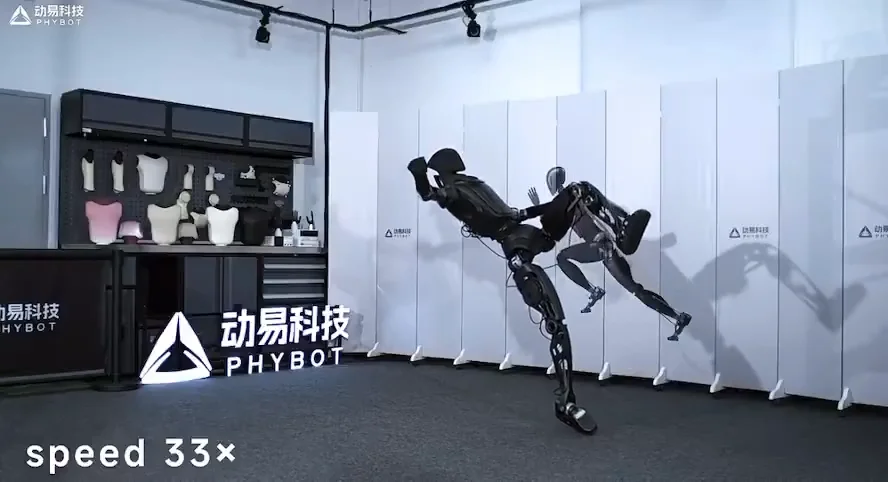
Just days after AgiBot set a world record for endurance on the streets of Shanghai, a new challenger from Beijing has emerged with a focus on raw explosive power. PHYBOT, a startup founded by Tsinghua University alumni, has unveiled the M1—a full-sized electric humanoid that announced its arrival by performing a standing backflip.
While acrobatic feats have become the standard marketing currency for humanoid robotics—pioneered by Boston Dynamics' Atlas —PHYBOT is positioning the stunt not just as a display of agility, but as proof of superior torque density. The company explicitly claims the M1 is the "most powerful humanoid robot ever created," a bold assertion in an increasingly crowded field.
The Engineering Behind the Flip
The footage shows the M1 performing a high-impact backflip from a standing position. According to data released by the company and analyzed by industry observers, the secret lies in the robot's proprietary actuation.
The M1 reportedly utilizes five-arc cycloidal drives developed entirely in-house. These joints are capable of a peak torque of 530 N·m, a figure that significantly outstrips many contemporary electric humanoids. Perhaps more critical for dynamic movement is the claimed torque density of 200 N·m/kg.
The weekly humanoid robotics briefing
One email a week: the launches, funding and research that mattered, with context from Humanoids Daily.
Read recent issues"Higher torque translates to greater explosive power," noted industry commentator CyberRobo. "A higher peak torque density, much like denser muscles, allows for tremendous force within a smaller and lighter volume."
PHYBOT states that the robot can generate more than 10 kW of instantaneous power. The drivetrain is also rated to withstand shock loads of up to five times its overload capacity, a necessary durability feature for a machine designed to catch its own weight after airborne maneuvers.
Specs and Strategy: The "No Crutches" Approach
Standing 172cm (5'7") tall, the M1 is sized to navigate human environments. Under the hood, the robot's intelligence is powered by a hybrid compute architecture pairing an Nvidia Jetson Orin with an Intel Core i7 processor. For perception, it relies on a standard but robust suite of 3D LiDAR, stereo cameras, and an inertial measurement unit (IMU).
Notably, the company emphasizes that the M1 was developed without reliance on open-source frameworks or what it terms "technical crutches," signaling a vertical integration strategy similar to that of Tesla or AgiBot.
The founders, CEO Ren Shiau and co-founder Mao Shuhan, are former roommates from Tsinghua University’s mechanical engineering program. Ren brings specific domain expertise from stints at major Chinese robotics firms UBTech and Fourier Intelligence.
Their market entry strategy appears to be aggressive on price. PHYBOT is targeting a price point below $42,000.
Share this article
Read next
- Published on
- Reading time
- 4 min read
Generative Bionics Plans Major Humanoid Training Hub in Italy With AMD
- Published on
- Reading time
- 3 min read
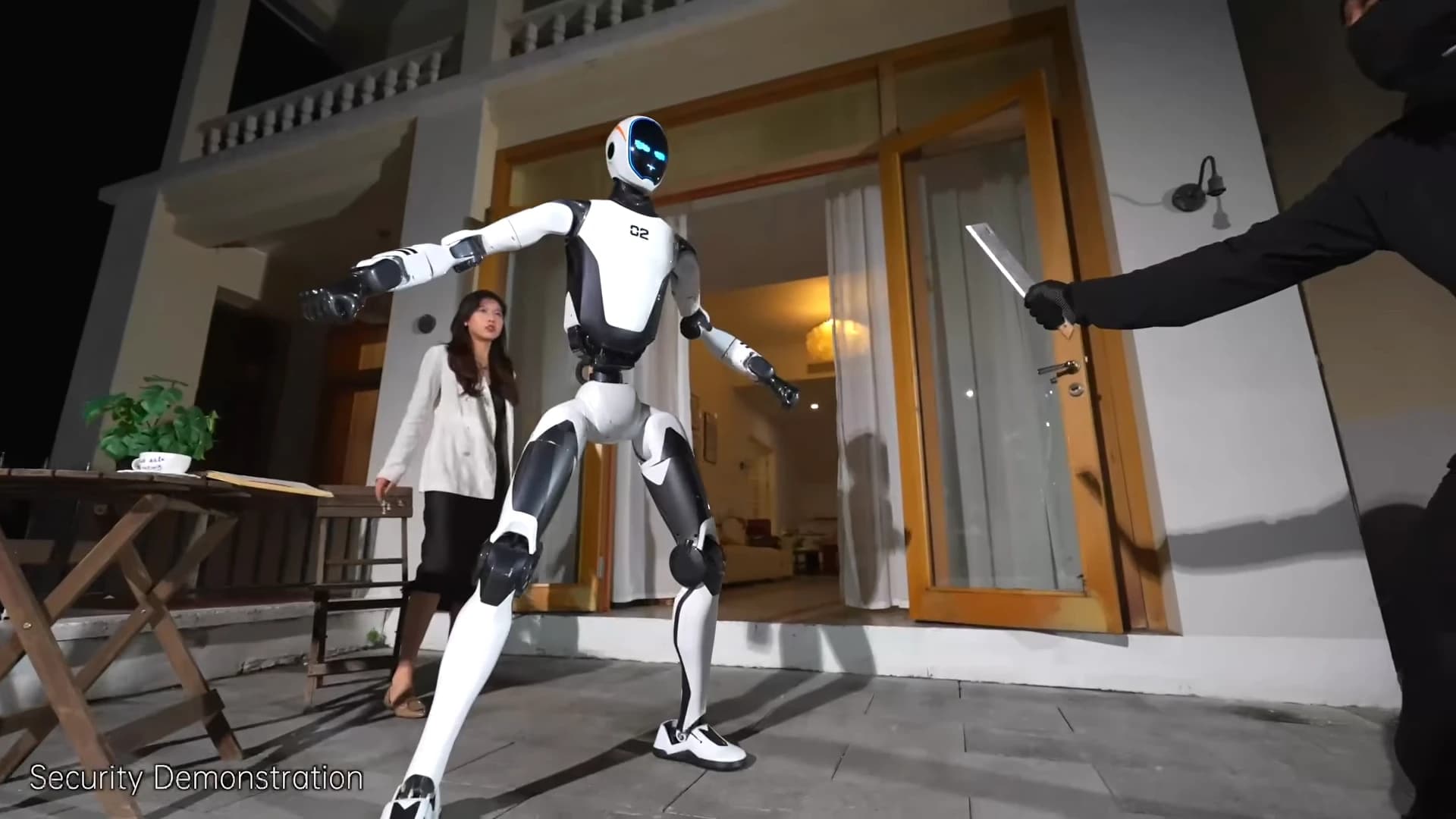
Unitree’s H2-X Flips Off Cars in New Kung Fu “Guardian” Video
- Published on
- Reading time
- 4 min read
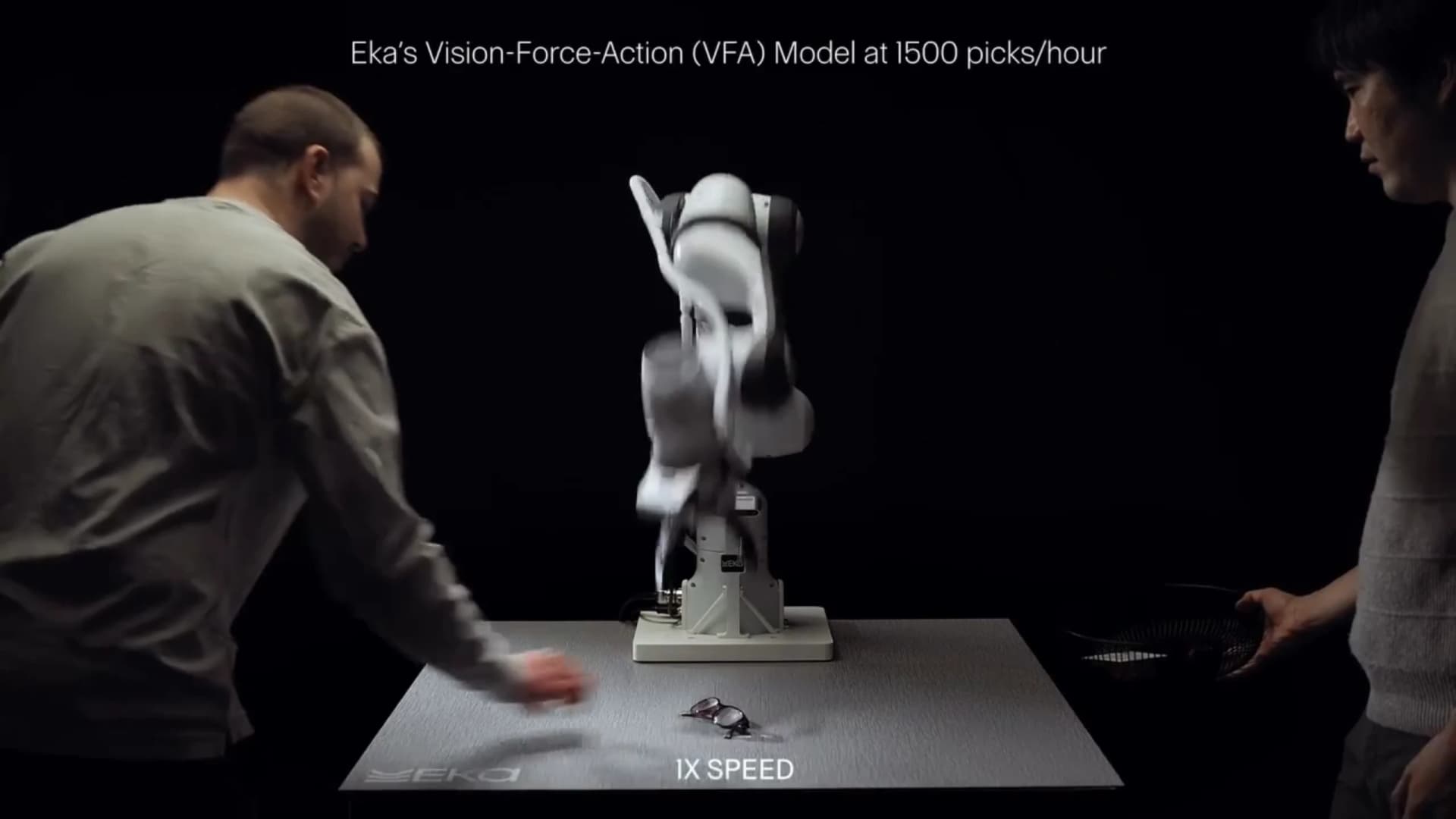
Eka Robotics Raises $150 Million to Give Robots a Better Feel for the Physical World
- Published on
- Reading time
- 4 min read
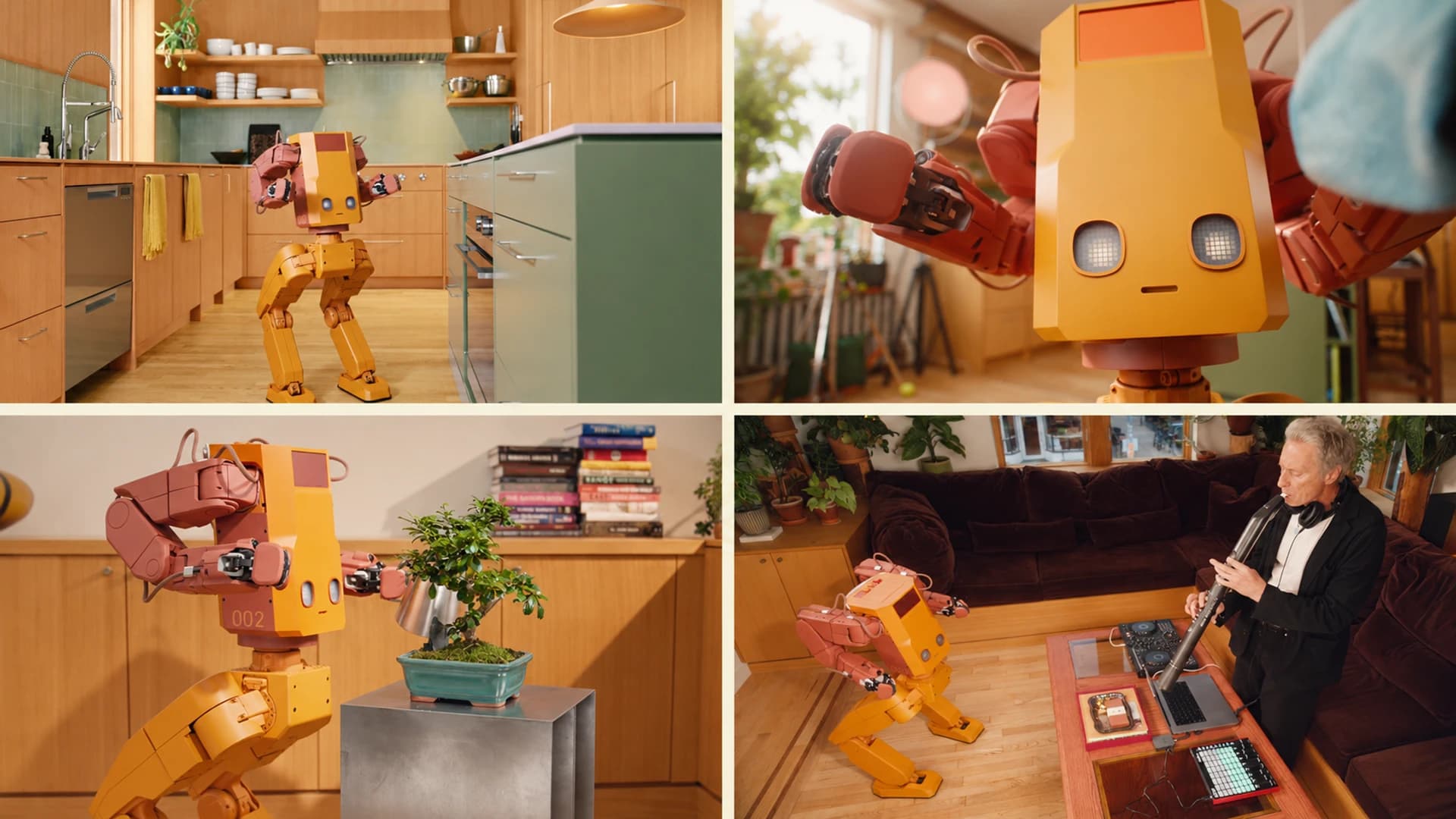
Former Boston Dynamics Roboticist Unveils Voxel, a $20,000 Home-Tidying Robot
- Published on
- Reading time
- 2 min read
This Week’s Newsletter: Gemini 4 Meets Apollo, PI Opens Its API and Robots Get to Work
- Published on
- Reading time
- 3 min read
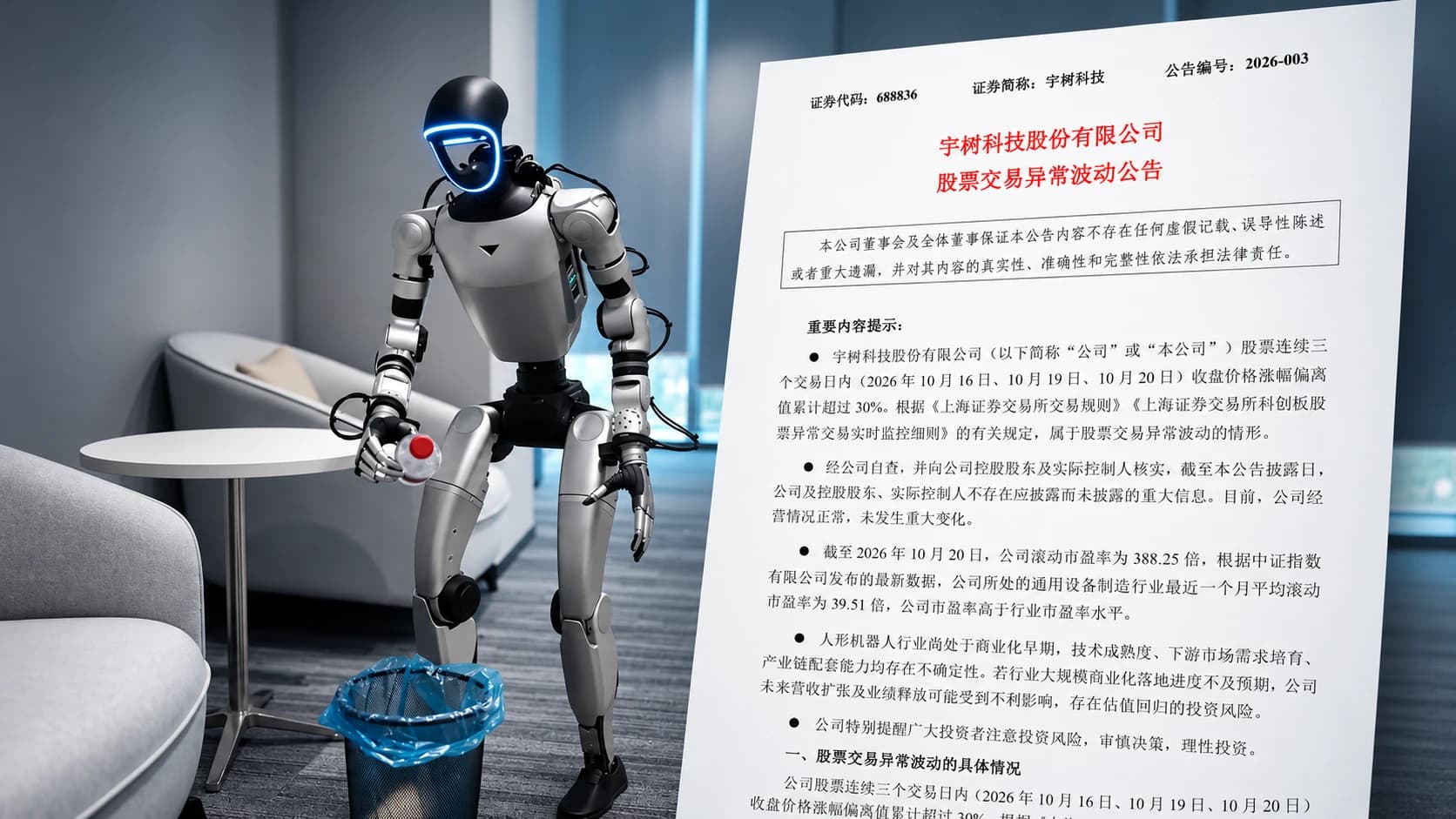
After Its Stock Surge, Unitree Warns Humanoid Commercialization Is Still in Its Early Days

The weekly humanoid robotics briefing
One email a week: the launches, funding and research that mattered, with context from Humanoids Daily.
Read recent issues