- Published on
Physical Intelligence in Talks for $1 Billion Round, Eyeing an $11 Billion Valuation
One tap, and our reporting appears more often in your Google Top Stories. It makes a real difference to a small newsroom.

Supported by RoboStrategySupport for Humanoids Daily comes from RoboStrategy
Sponsored

Investing involves risk, including possible loss of principal. Read the prospectus before investing.
Physical Intelligence, the San Francisco-based AI robotics startup, is reportedly in talks to raise approximately $1 billion in fresh capital, a deal that would propel the company's valuation to over $11 billion.
According to a Bloomberg report published late Friday, Peter Thiel’s Founders Fund is set to participate in the round, alongside potential investments from Lightspeed Venture Partners and existing backers Thrive Capital and Lux Capital. If finalized, this deal would effectively double Physical Intelligence’s valuation in just four months, following its massive $600 million funding round late last year.
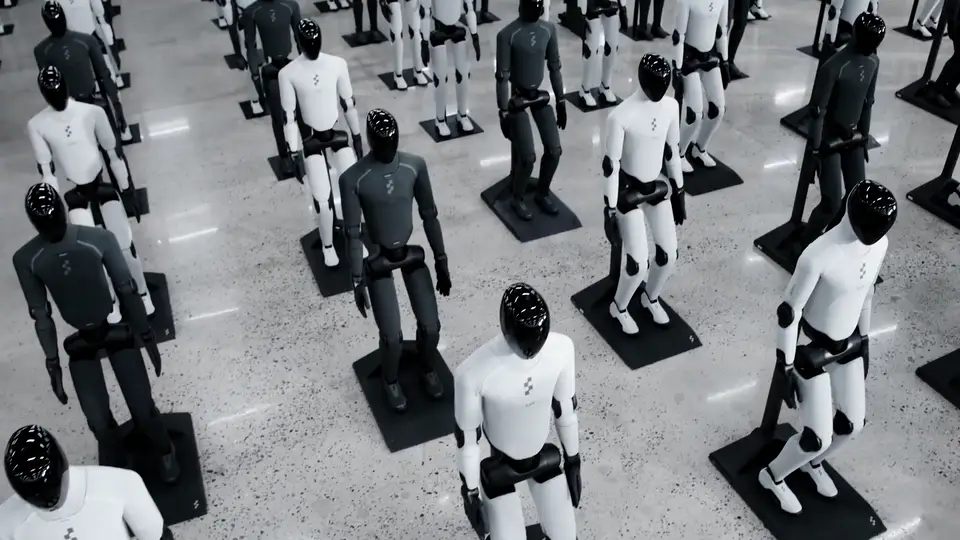
The rapid influx of capital underscores a broader venture capital gold rush into "physical AI"—software foundation models designed to operate hardware in the messy, unpredictable real world.
Moving Beyond "Scripted" Robotics
Founded by former Google DeepMind researchers and AI academics, Physical Intelligence is attempting to solve what is often called Moravec's paradox: the observation that high-level reasoning requires very little computation, but low-level sensorimotor skills require enormous computational resources.
The weekly humanoid robotics briefing
One email a week: the launches, funding and research that mattered, with context from Humanoids Daily.
Read recent issues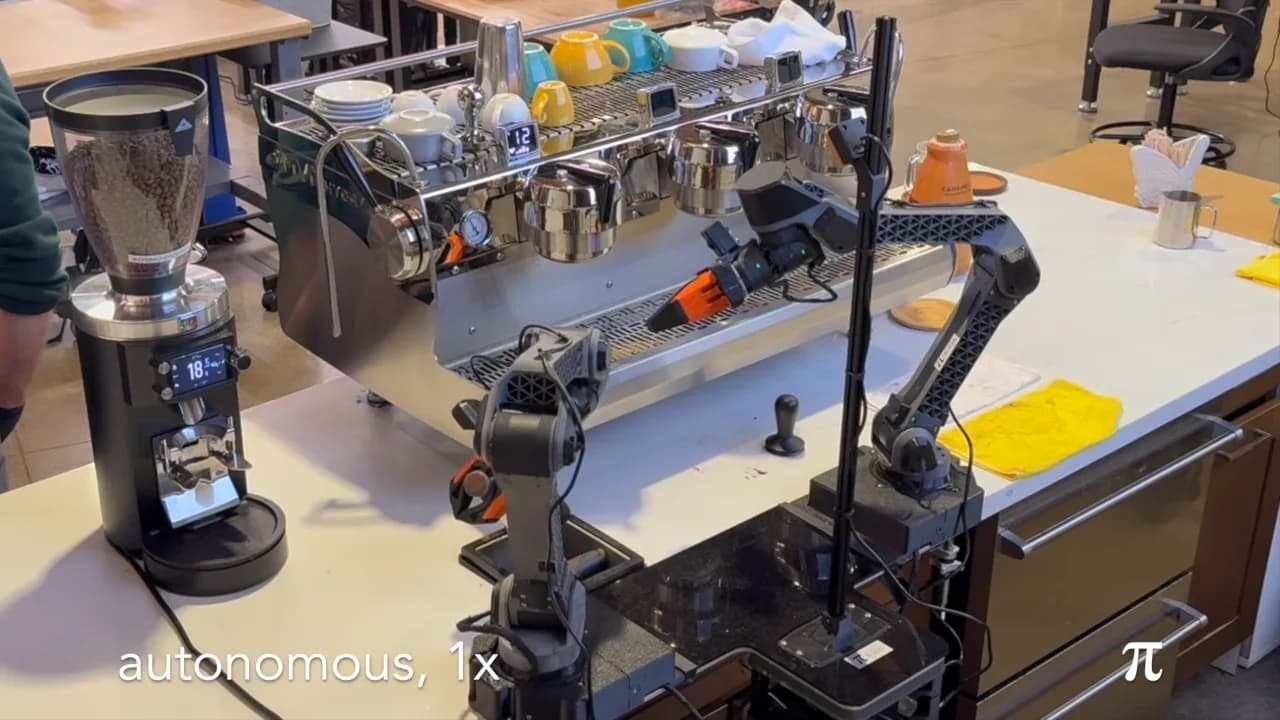
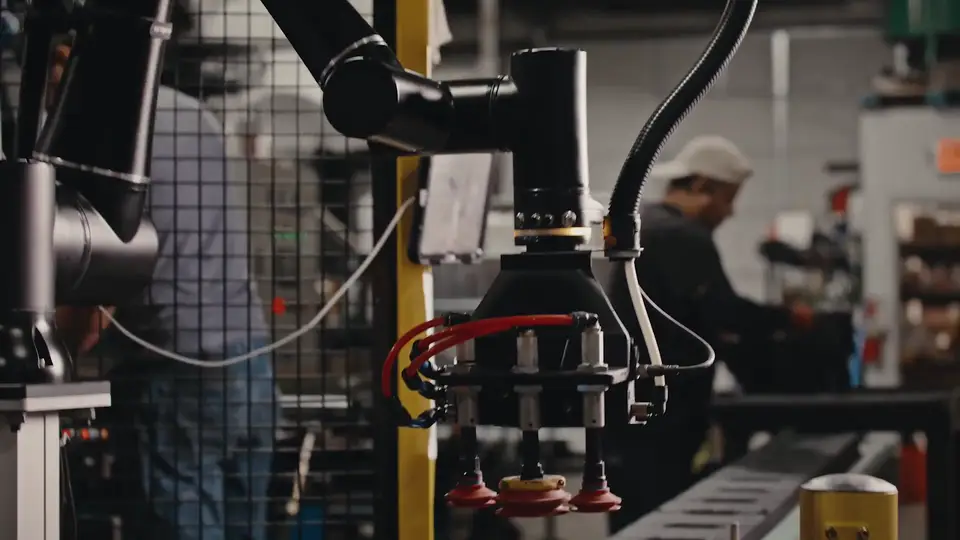
For decades, the industry has bypassed this issue by tightly controlling the robot's environment. "The previous era of robotics was almost entirely scripted," explained Lachy Groom, co-founder of Physical Intelligence, in a recent interview. "You deploy them into a factory. It picks up the same object in the same location... The world that we operate in is not at all constrained. Our kitchens are not at all constrained. That requires some amount of intelligence to operate in, and that has been an unsolved problem."
The company is developing Vision-Language-Action (VLA) models designed to act as a "universal brain" for any robotic chassis. By feeding massive amounts of data into these models, the startup aims to give robots the "physical intelligence" required to adapt to variability on the fly.
"Two to Three Times Faster"
The $11 billion valuation target is staggering for a two-year-old company, but investors point to an unprecedented pace of technical development.
Philip Clark, an investment partner at Thrive Capital, which led the startup's seed and Series A rounds, noted that the team is progressing at an unexpected rate. "We're probably today 18 months into the company where I thought we would be three or four or five years into the company," Clark said. "They've moved something like two to three times faster on that front than I would have thought possible in my more optimistic expectations."
Indeed, the past month alone has seen a flurry of research and product updates from the company that signal a shift from lab experiments to commercially viable applications:
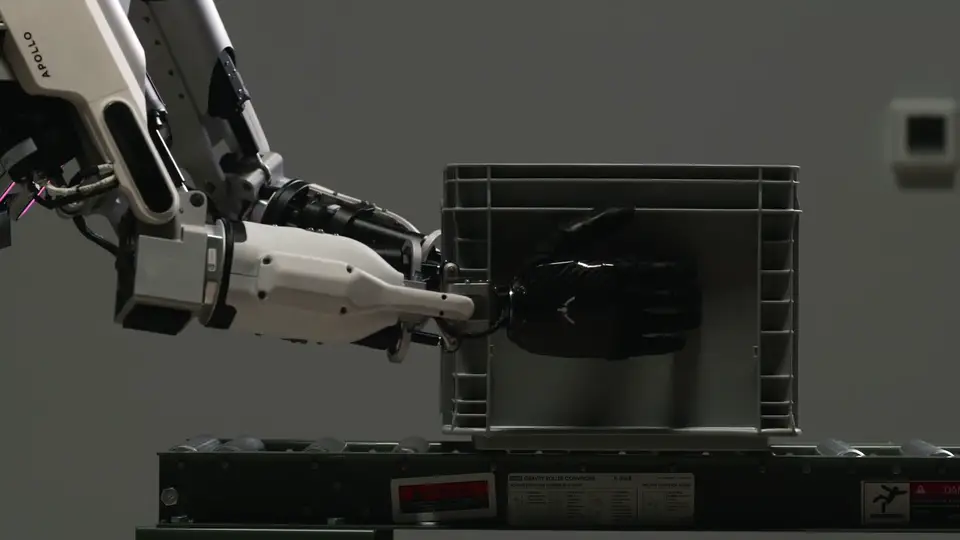
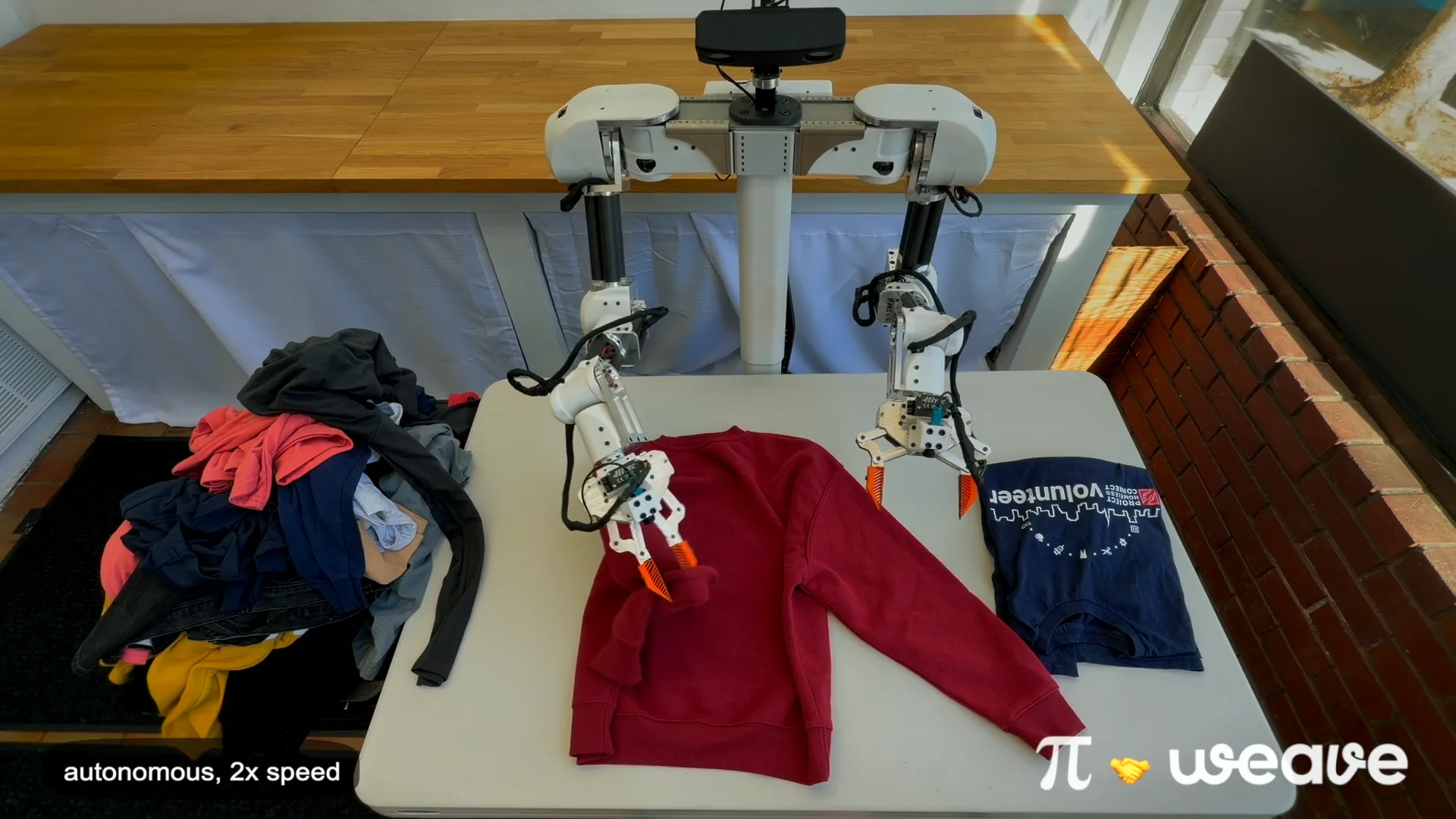
- Late February: The company detailed how its latest model is being deployed to power third-party hardware, reducing human intervention in tasks like laundry folding and e-commerce packaging.
- Early March: Physical Intelligence unveiled its Multi-Scale Embodied Memory architecture, allowing robots to maintain context for up to 15 minutes to complete multi-step chores.
- Last Week: The startup introduced RL Tokens, a reinforcement learning method that enables robots to master hyper-precise, sub-millimeter tasks in as little as 15 minutes of practice.
The Mountain Ahead
Despite the momentum and a total funding pool that would exceed $1.6 billion with this new round, the path to a fully generalized robot remains uncertain.
Groom acknowledges the difficulty of predicting when a true general-purpose robot will arrive. "You're summiting a mountain and you just don't know how many mountains are behind you and how steep those mountains are," he said. "While the progress we've made to date has astounded us in how rapid it has been, you just never know if a plateau is on the horizon."
However, if the current trajectory holds, Groom remains optimistic about the near future. "If things continue as they have, it will be hard to believe that in the next few years everyone doesn't have generally useful robots in their homes," he noted. "I doubt we'll fully solve the problem and can go do anything and everything... but there are certain things that require a level of intelligence, an ability to deal with variability, like even just doing your dishes or folding your laundry, that feels like we're on the path to solving."
Representatives for Physical Intelligence and the venture firms involved have declined to comment on the pending deal.
Share this article
Read next
- Published on
- Reading time
- 5 min read
The API-fication of Robotics: Physical Intelligence Unveils Real-World Performance Data with Weave and Ultra
- Published on
- Reading time
- 4 min read
Sunday Robotics Raises $165M to Transition from Demos to Real-World Deployment
- Published on
- Reading time
- 3 min read
Apptronik Nears $1 Billion Milestone with Massive $520 Million Funding Extension
- Published on
- Reading time
- 4 min read
Skild AI Secures $1.4 Billion Series C, Tripling Valuation to Over $14 Billion
- Published on
- Reading time
- 3 min read
Figure AI Secures Over $1B to Accelerate Humanoid Robot Rollout
- Published on
- Reading time
- 3 min read
EngineAI Secures $200 Million Series B as Manufacturing Giant Luxshare Joins the Cap Table


The weekly humanoid robotics briefing
One email a week: the launches, funding and research that mattered, with context from Humanoids Daily.
Read recent issues