- Published on
A 'Formula One' Pace: Tesla's Optimus Director Teases Gen 3 Prototype in New Recruitment Push
One tap, and our reporting appears more often in your Google Top Stories. It makes a real difference to a small newsroom.

Supported by RoboStrategySupport for Humanoids Daily comes from RoboStrategy
Sponsored
Investing involves risk, including possible loss of principal. Read the prospectus before investing.
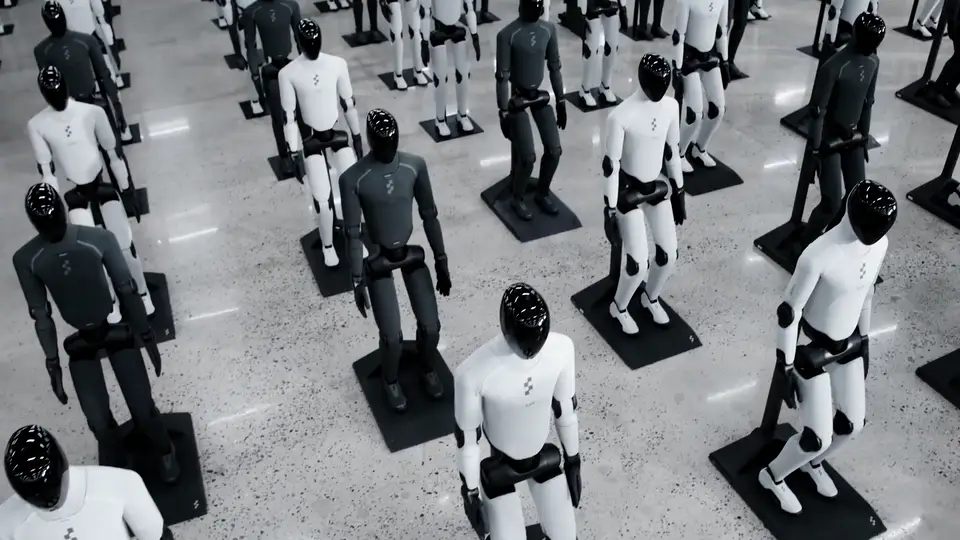
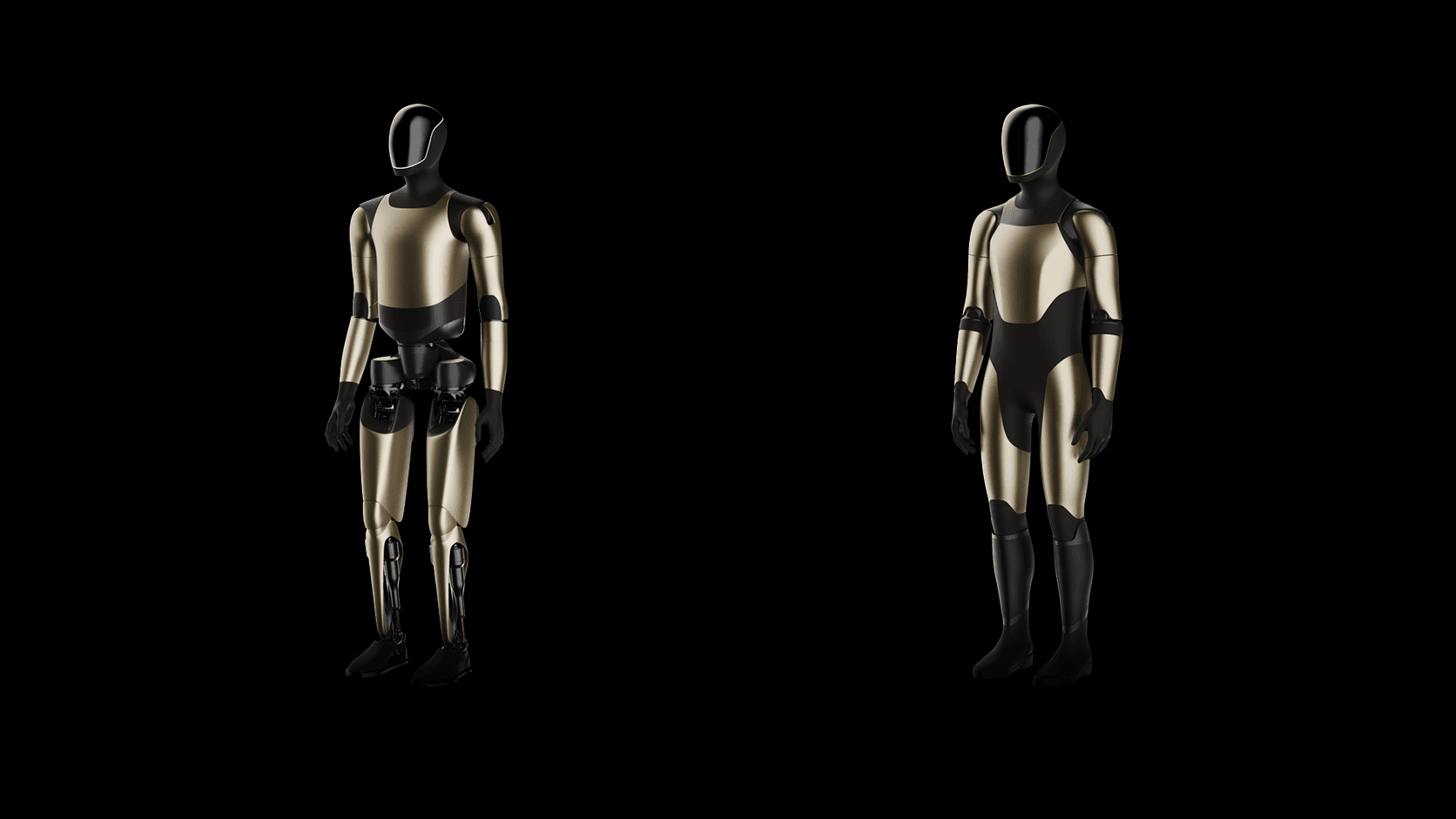
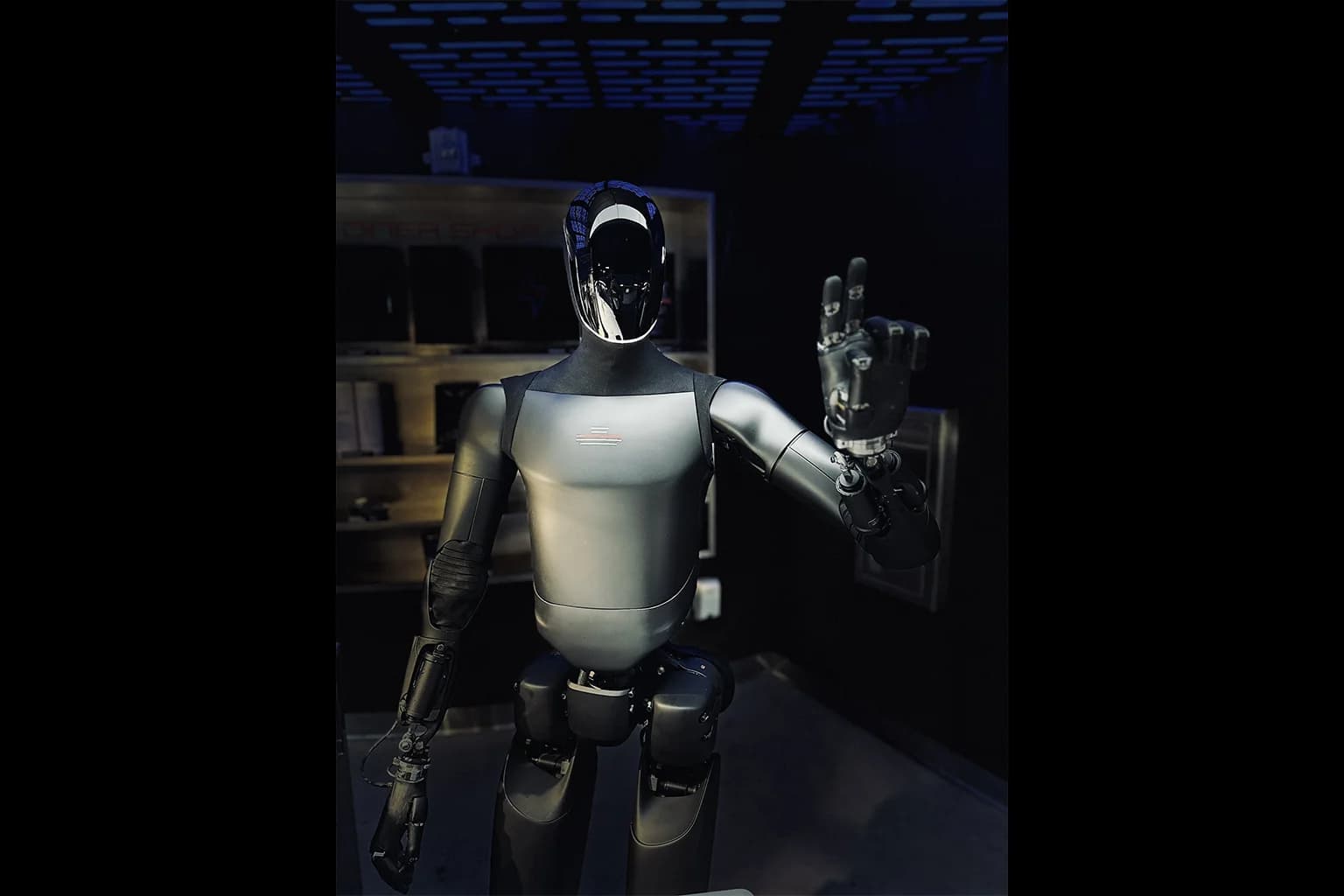
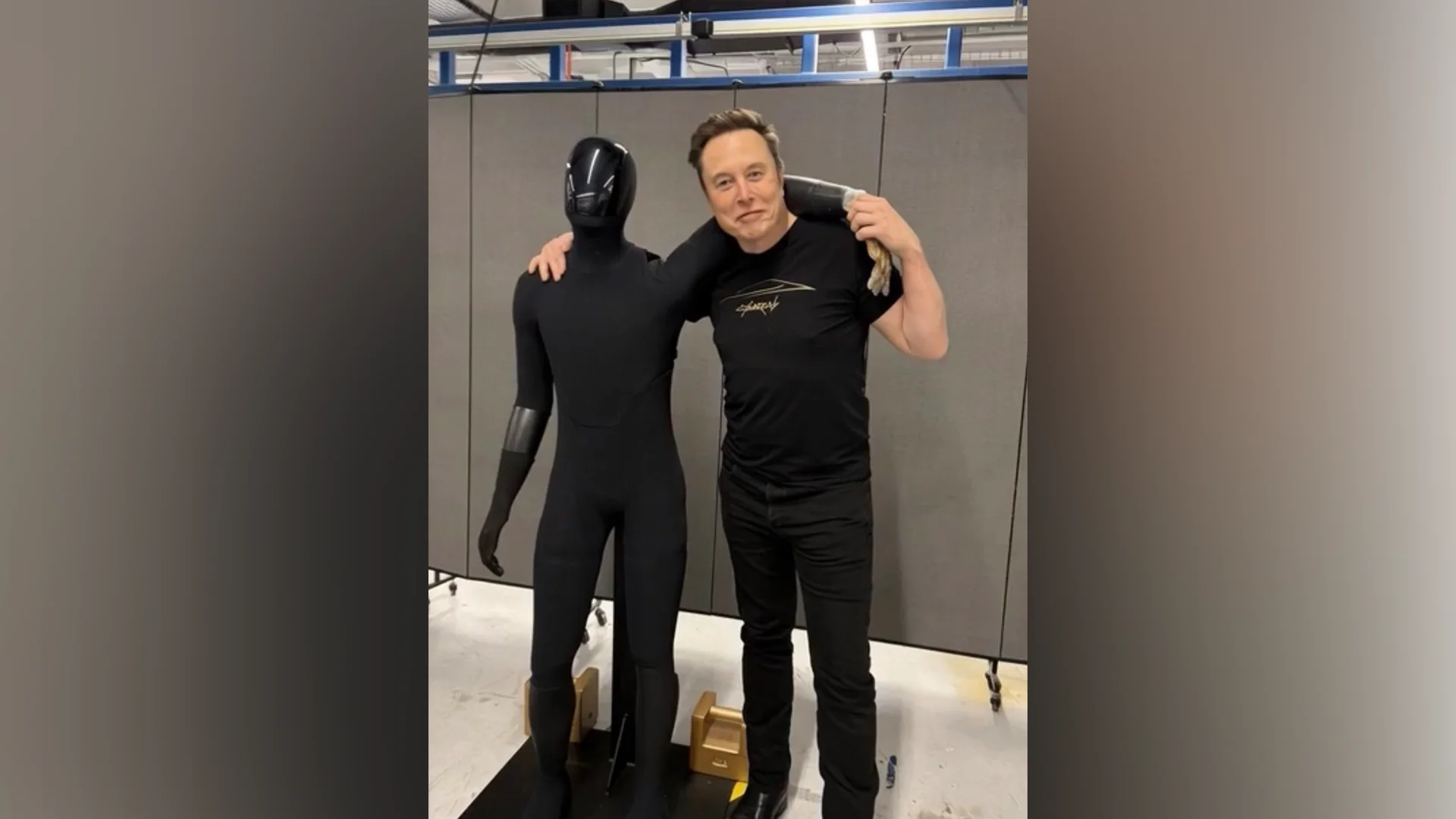
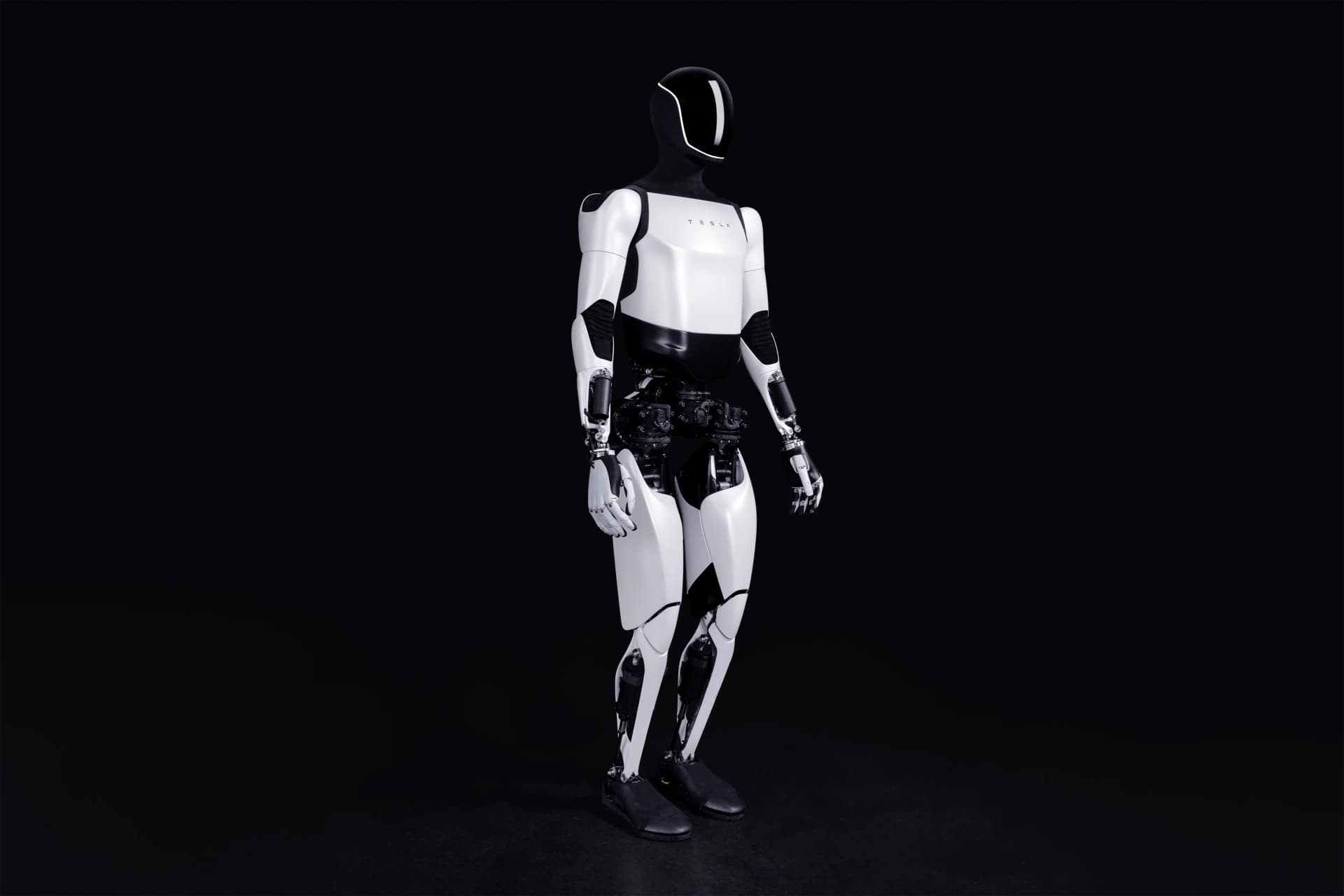
Tesla’s Optimus program is simultaneously accelerating its public relations and its recruitment engines. In a recent social media push across X and LinkedIn, Konstantinos Laskaris, Director and Lead of the Optimus program, shared a team photo that has immediately sparked industry speculation. Centered among the engineers is a sleek, faceless, all-black humanoid figure. The aesthetic closely mirrors recent teases of the Gen 3 model, which engineers have previously described as looking less like a traditional robot and more like a "human in a superhero suit".
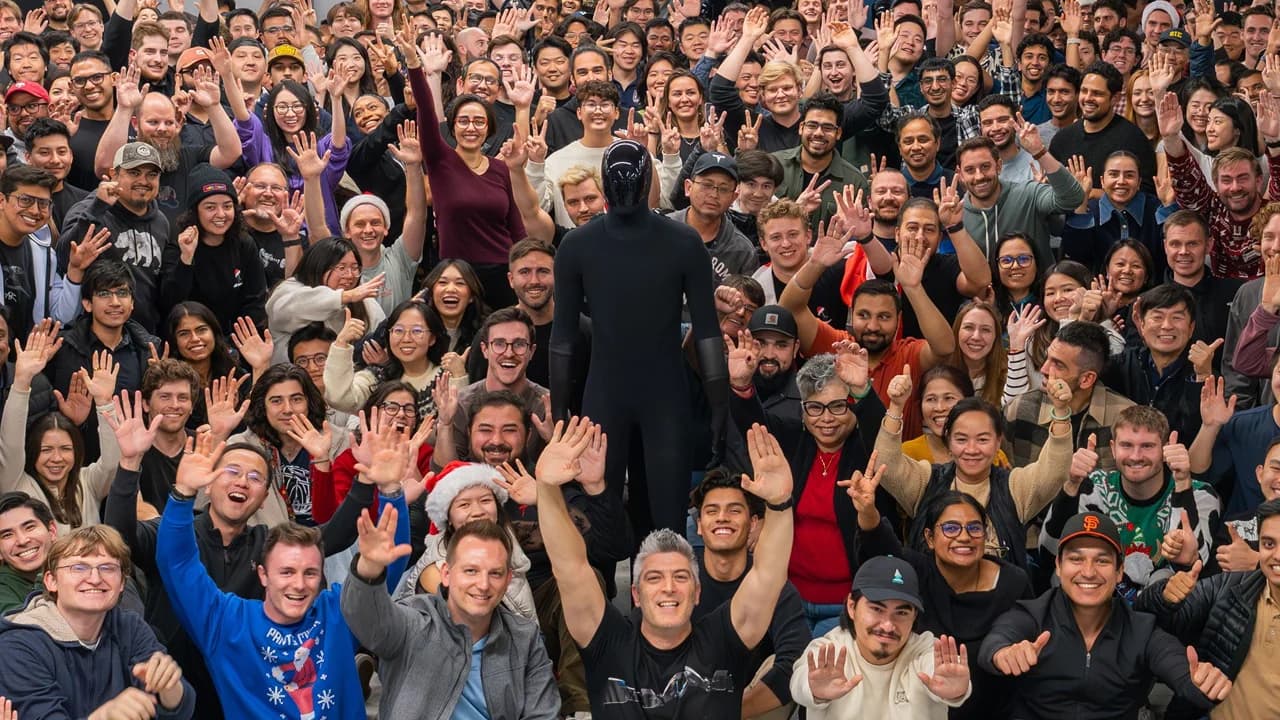
While the presence of the black figure has fueled rumors of an early Gen 3 prototype, contextual clues suggest the image might be a retrospective or the robot itself a static mockup. Several team members in the photo are wearing Christmas sweaters and Santa hats. The festive attire likely points to a December timeline. Regardless of whether the unit is a functional prototype or a design shell, its appearance aligns with Tesla's timeline for a formal Gen 3 unveiling expected in Q1 2026.
The Physics of High-Volume Production
Laskaris used the photo to anchor a highly technical recruitment pitch, comparing Tesla's current developmental velocity to a Formula One car that increases its acceleration in proportion to its speed by utilizing aerodynamic downforce. "Our goal is to get Optimus to high-volume production as fast as possible," Laskaris stated.
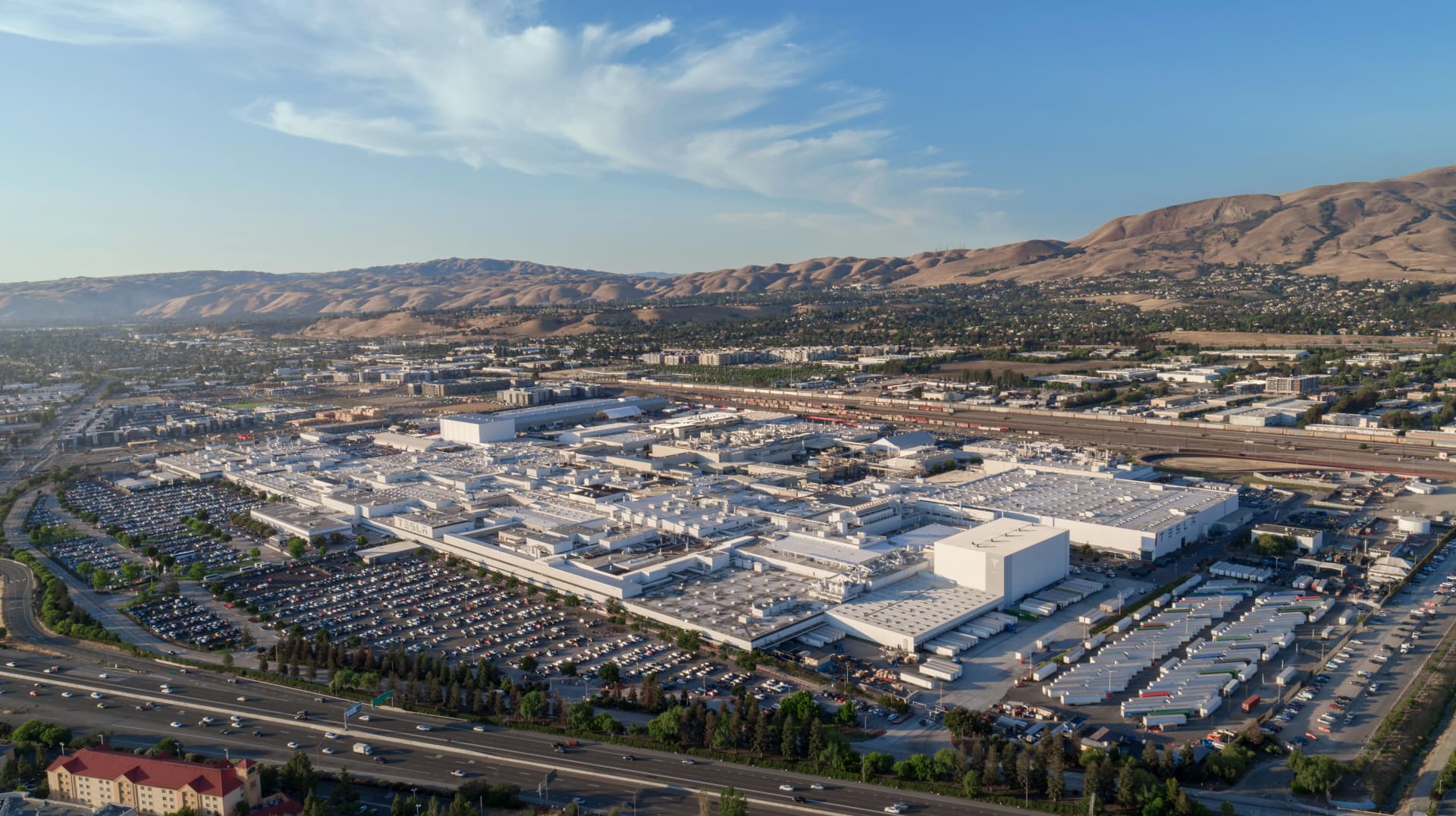
To achieve the aggressive target of eventually scaling to 1 million robots per year at the Fremont facility, Laskaris emphasized the physical limitations of current electric motors. He noted that while direct-actuated human muscle force density can reach several thousand newtons per kilogram, electromagnetic shear stress in motors faces a ~2 Tesla saturation threshold and conductivity ceilings.
The weekly humanoid robotics briefing
One email a week: the launches, funding and research that mattered, with context from Humanoids Daily.
Read recent issuesConsequently, building force density requires advanced gearing. Tesla is aggressively hiring gear design, manufacturing, and integration engineers to overcome these micron-tolerancing challenges and build the physical architecture necessary for mass production.
The "Special" Hand and the Talent War
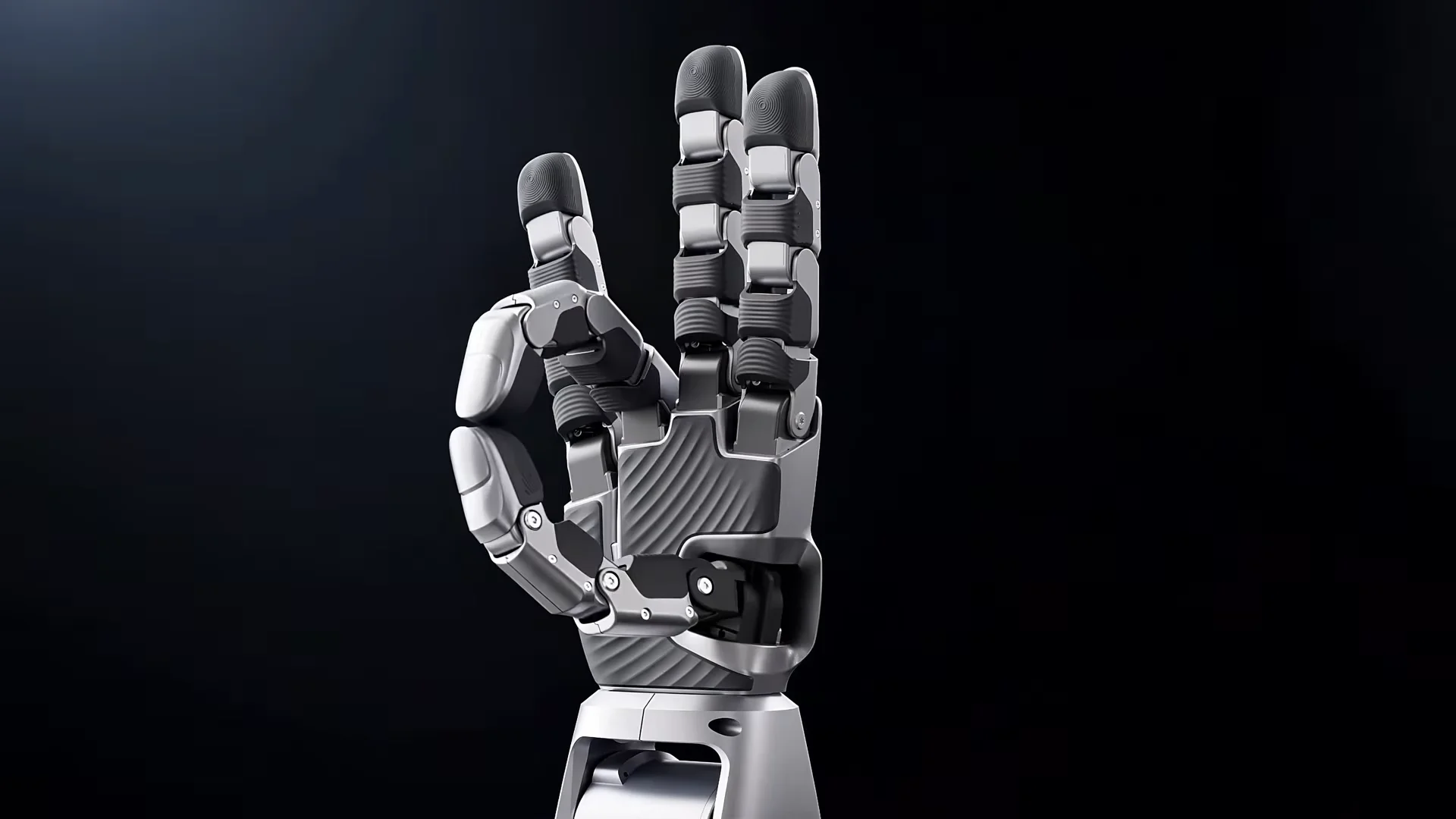
The recruitment drive also targets electrical engineers to integrate high-performance inverters and sensing systems, alongside a specific call for a Technical Program Manager for the "Optimus Hand." This aligns with the company's focus on an overhauled mechanical system, which reportedly includes a highly complex actuator system designed for superhuman precision.
This public push for talent arrives during a period of intense industry reshuffling. Tesla is currently navigating a highly competitive landscape and witnessing a noticeable migration of specialized talent to rival robotics startups. The recent departures of key figures, such as former Optimus head Milan Kovac to Boston Dynamics, underscore the urgency of Laskaris's message.
As the company restructures its manufacturing space to drive production costs down to a target of $20,000 per unit, securing top-tier mechanical and electrical engineering talent will be just as critical as finalizing the Gen 3 hardware itself.
Share this article
Read next
- Published on
- Reading time
- 5 min read
Tesla App Contains Optimus Gen 3 Renders—Here’s What They Show
- Published on
- Reading time
- 4 min read
Supply Chain Rumors Hint at Massive Optimus Order as Fremont Production Line Ramps Up
- Published on
- Reading time
- 5 min read
The Terafab Manifesto: Tesla and Intel Join Forces to Power Musk’s "Galactic" AI Ambitions
- Published on
- Reading time
- 3 min read
Finishing Touches: Tesla Misses Self-Imposed Q1 Deadline for Optimus Gen 3 Reveal
- Published on
- Reading time
- 3 min read
Tesla Reportedly Begins New Optimus Supplier Audits in China
- Published on
- Reading time
- 3 min read
Tesla’s Optimus Factory Nears a Steel-Frame Milestone in Texas
The weekly humanoid robotics briefing
One email a week: the launches, funding and research that mattered, with context from Humanoids Daily.
Read recent issues