- Published on
Schaeffler COO Sees Humanoid Opportunities in Components, Factories and Services
One tap, and our reporting appears more often in your Google Top Stories. It makes a real difference to a small newsroom.


Your guide
Rich Robinson
Jee Chee Ren · Executive tour
See China’s AI and robotics ecosystem first-hand.
Six days exploring AI, robotics and advanced manufacturing.
With Rich Robinson, Clinical Professor of Entrepreneurship at Peking University
Beijing · Guangzhou · Shenzhen
29 November–4 December 2026
Referral partnership · We earn a commission on referred bookings.
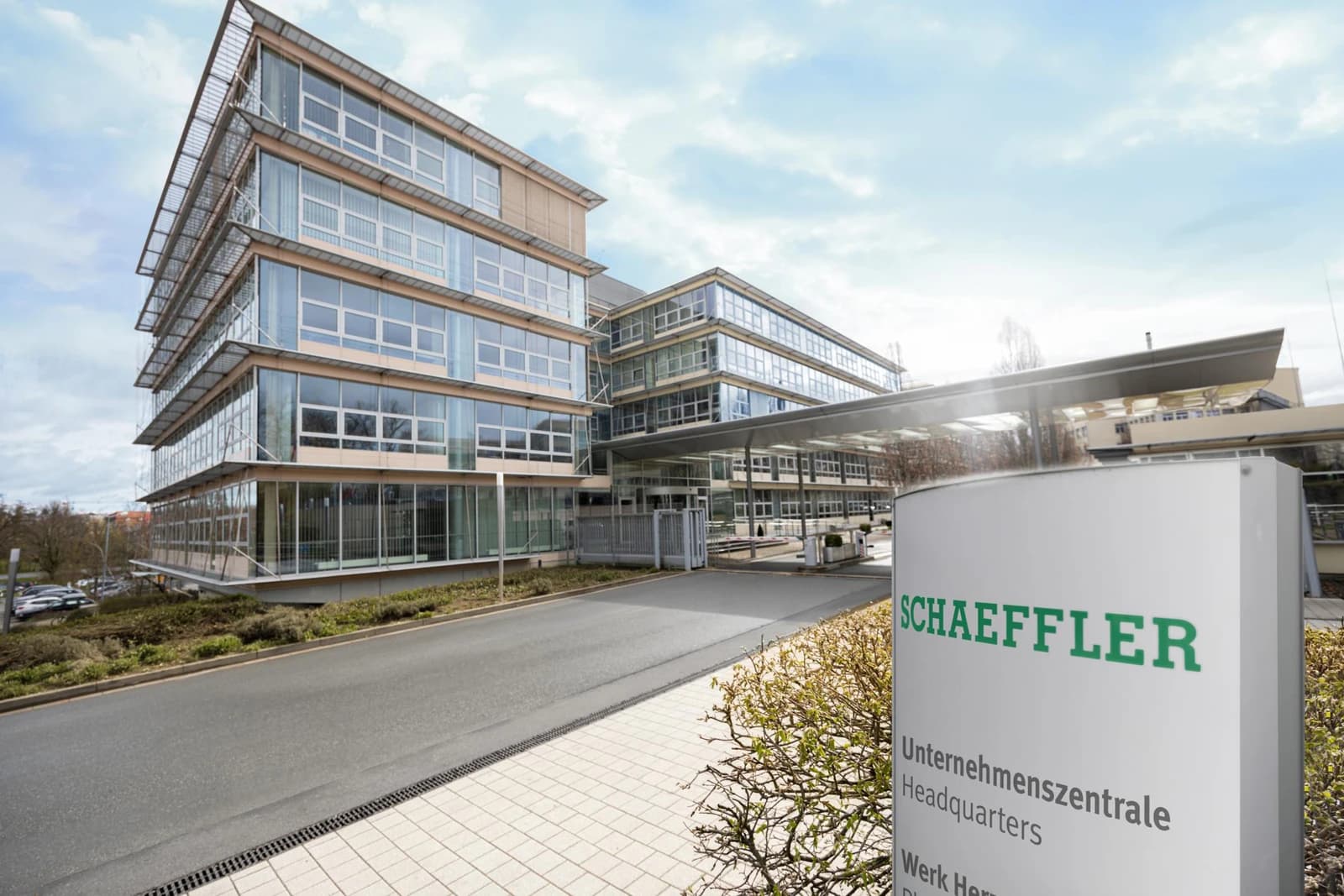
Schaeffler COO Dr. Jochen Schröder sees humanoid robotics opening opportunities across component supply, factory automation, customer integration and maintenance. In a short video interview published by Gasgoo, he outlines how the technology could reach several parts of the industrial group's business.
- Schröder identifies opportunities in robot components, Schaeffler's own factories, integration for customers and aftermarket services.
- He points to the company's network of more than 100 production plants as a potential setting for productivity improvements.
- The interview sets out a strategic direction without announcing new contracts, deployment targets or quantified productivity gains.
From supplying joints to servicing robots
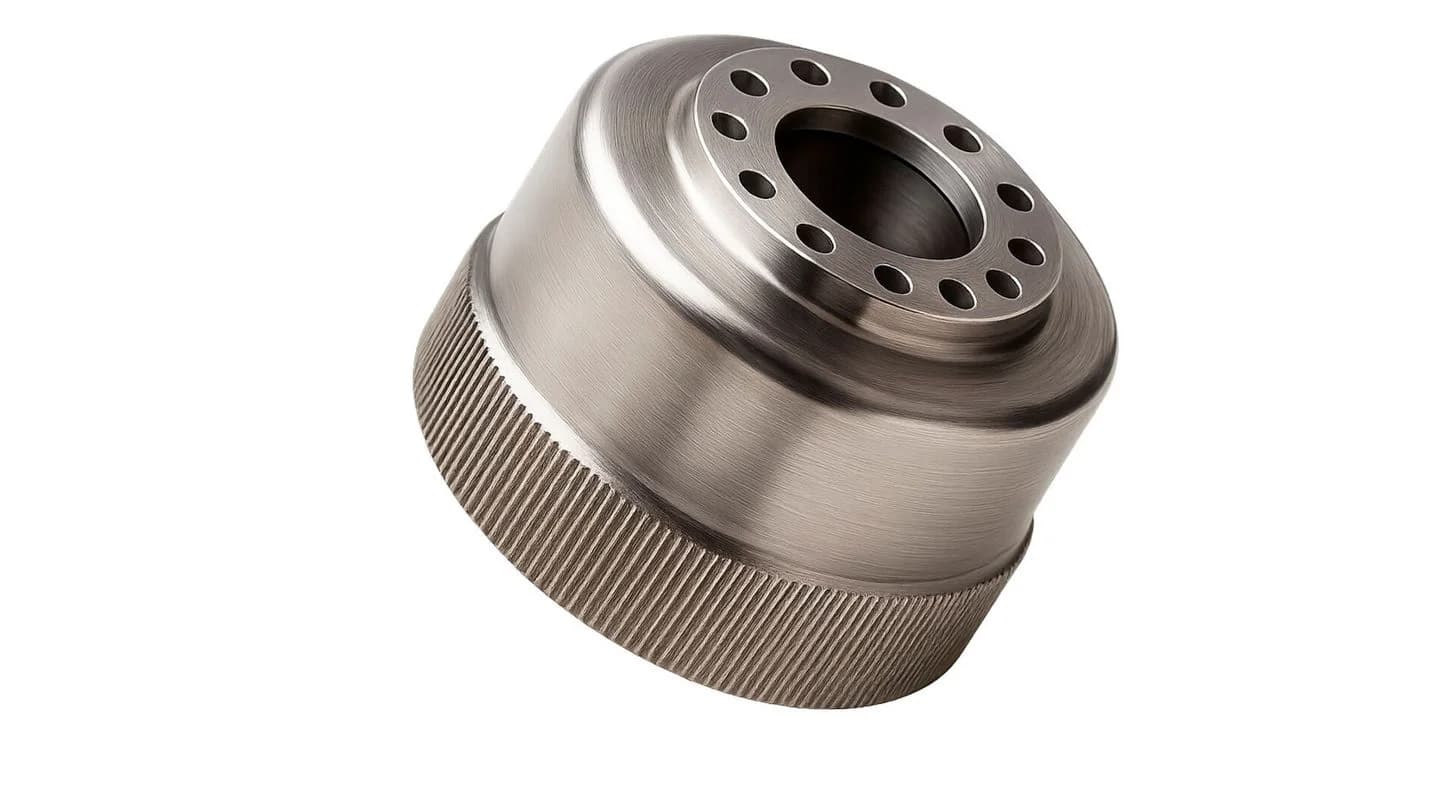
“We are a motion technology company,” Schröder says, pointing to Schaeffler's expertise in joints, actuators, components and electronics. Humanoids contain many of the high-precision technologies the company already specializes in.
There is also an internal market. Schröder says Schaeffler operates more than 100 production plants worldwide, with thousands of industrial applications. He expects humanoids to help improve productivity and optimize production, although the clip does not put figures on those expected gains.
His comments extend beyond supplying and using the machines. Schaeffler's special-machinery business has developed automated solutions for its own plants and external customers for years. Schröder suggests that experience could support customers seeking to introduce humanoids into their production systems.
Follow humanoid robotics without following every announcement.
Get the week’s most important launches, funding and research—and why they matter—in one email from Humanoids Daily.
Once a week. Unsubscribe anytime.
Read recent issuesHe also identifies spare parts, maintenance and aftermarket services as relevant opportunities once robots are deployed. That broadens the potential business from selling components to supporting machines through their working lives.
A strategy already taking shape
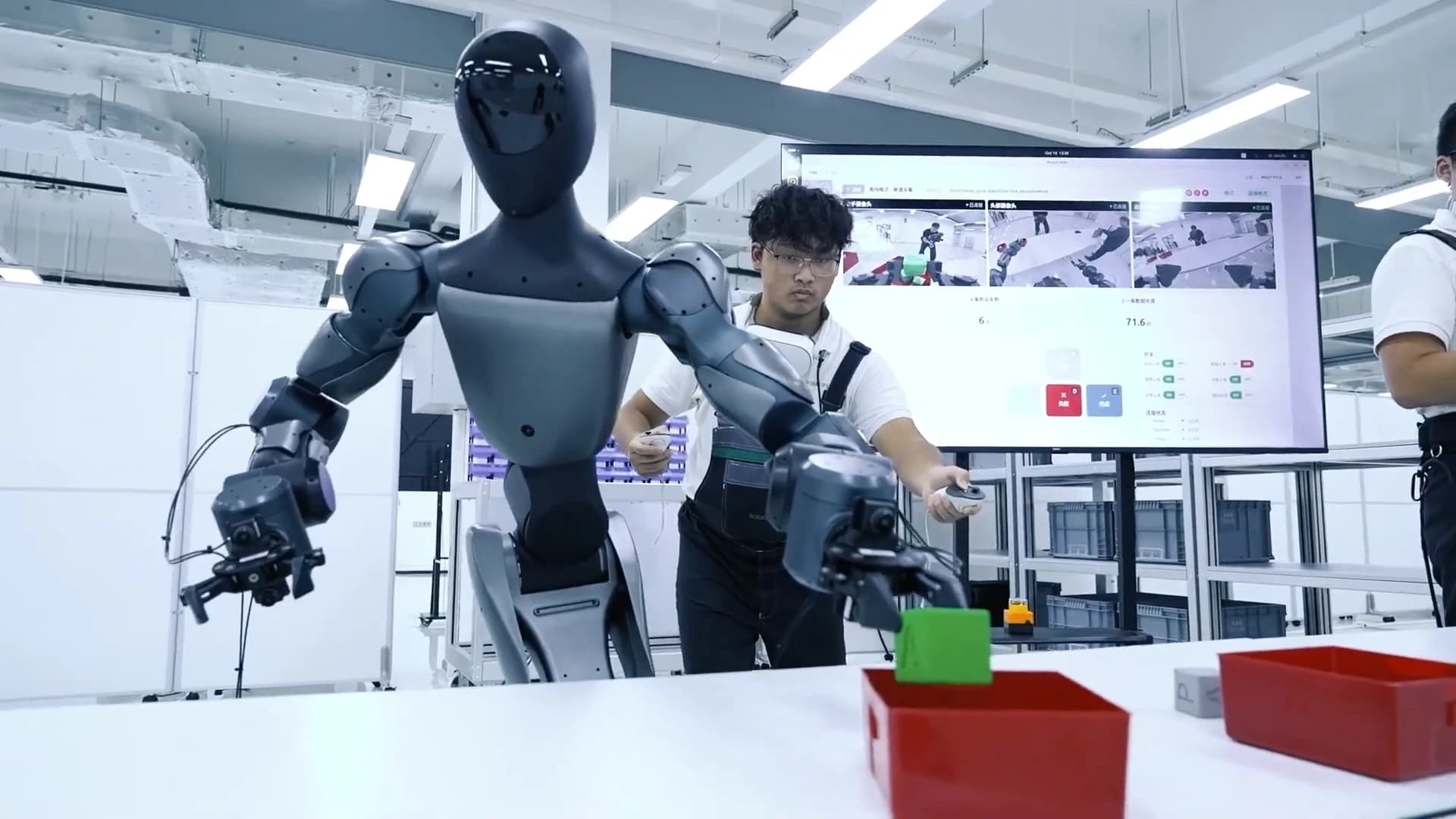
The interview follows the opening of Schaeffler's Taicang humanoid-component factory, where the company says six humanoids work across five stations producing parts for other robots. The site combines manufacturing with training and data collection, giving a concrete example of Schaeffler's position as both a supplier and a user.
On the hardware side, we previously covered its formed strain wave gearboxes, targeted for mass production in 2027. Schaeffler says the manufacturing approach can lower costs for precision robot joints.
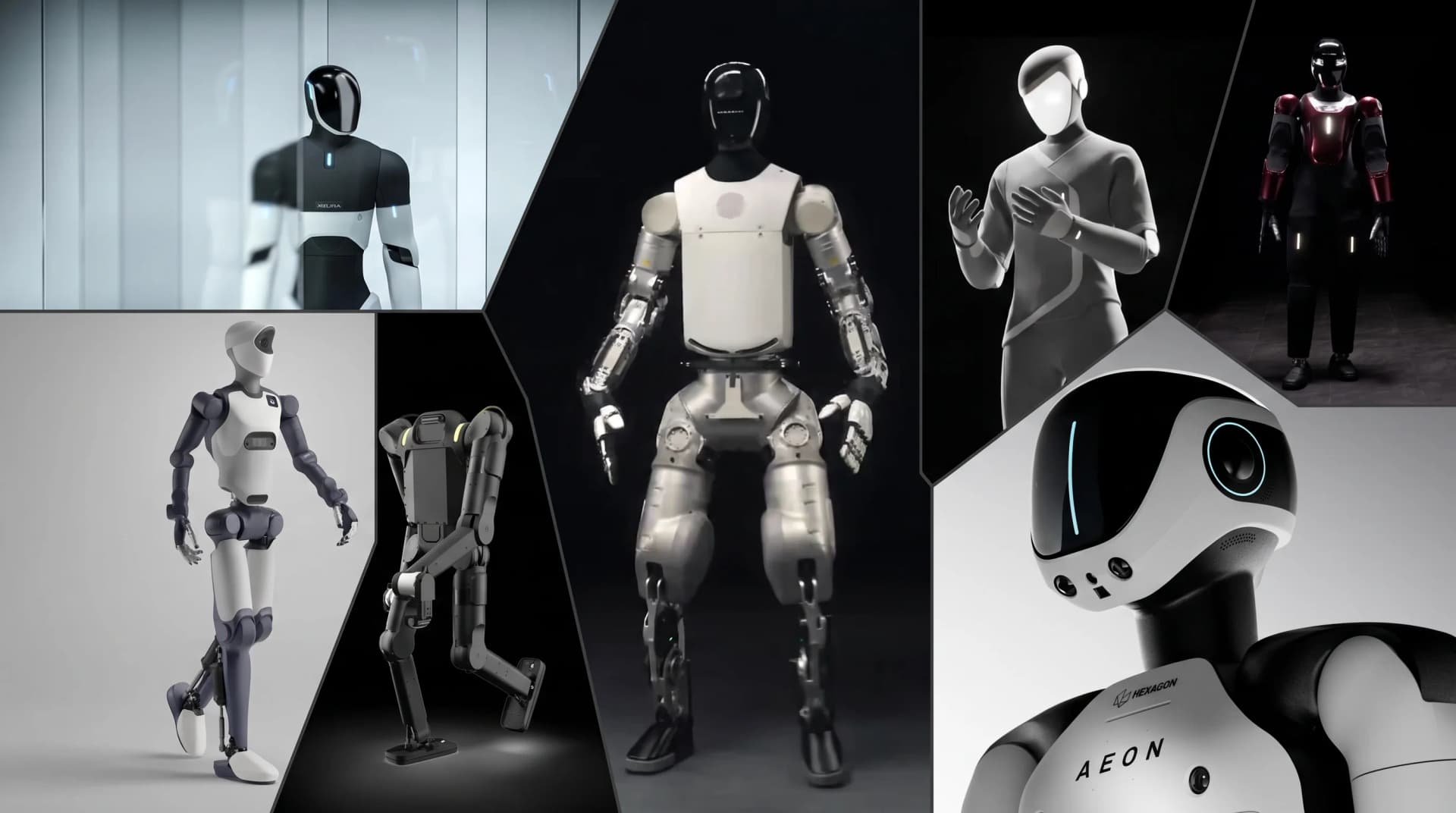
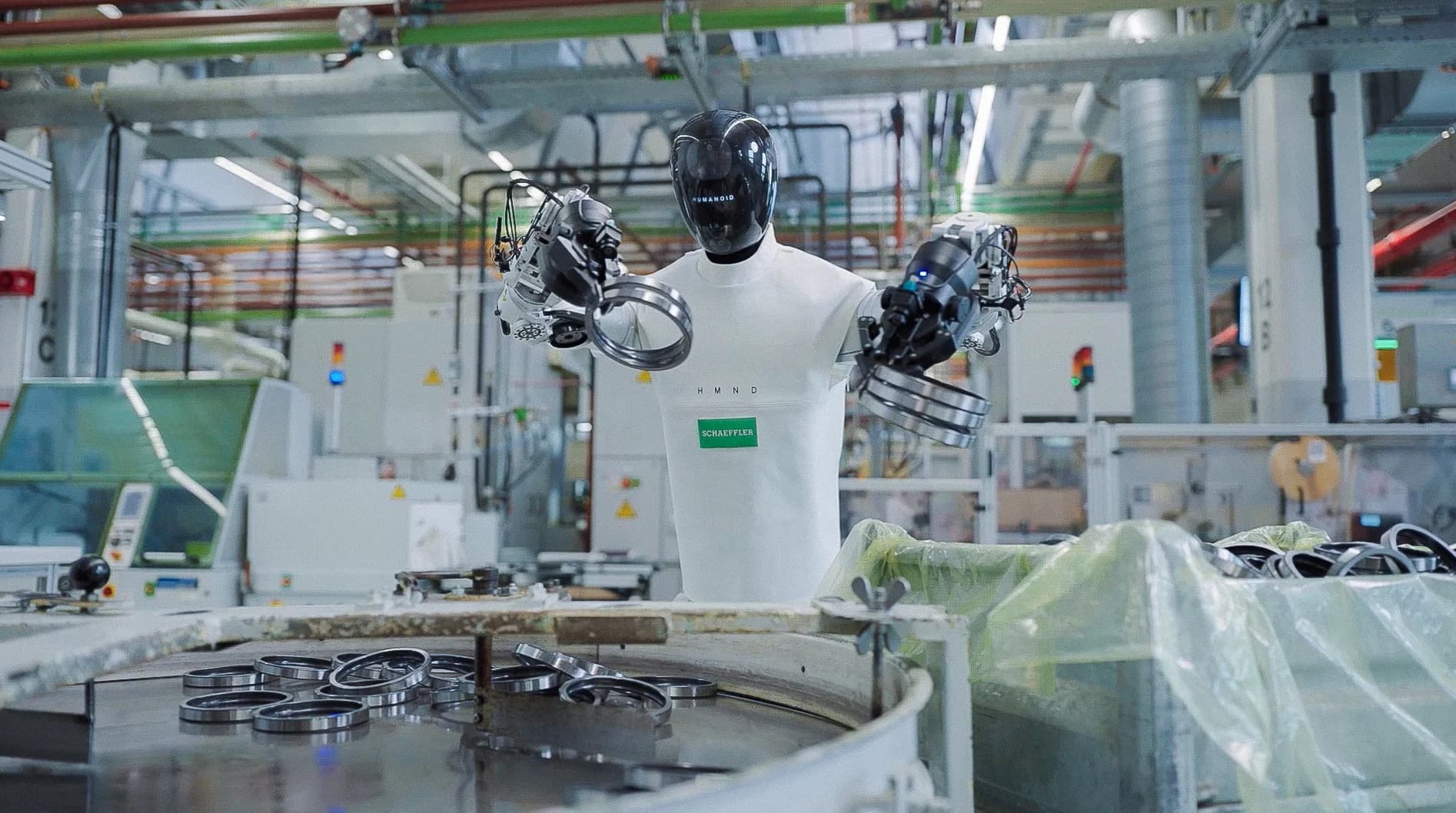
Its deployment commitments also span multiple developers, including Hexagon's AEON and UK-based Humanoid. Schröder's remarks place those partnerships within a wider ambition that also includes helping other manufacturers integrate and maintain robots.
The short interview offers no new delivery schedule or service-business launch. It does, however, explain why Schaeffler sees humanoids as relevant to several existing operations, from the parts inside a robot to the factory systems around it.
Share this article
Follow humanoid robotics without following every announcement.
Get the week’s most important launches, funding and research—and why they matter—in one email from Humanoids Daily.
Once a week. Unsubscribe anytime.
Read recent issuesRead next
- Published on
- Reading time
- 3 min read
Schaeffler Puts Humanoids to Work Building Parts for Other Humanoids
- Published on
- Reading time
- 8 min read
Analysts See a PEEK Boom in Humanoid Robots. Kingfa’s Robotics Lead Says Most of It Is Hype
- Published on
- Reading time
- 25 min read
The Humanoids of Europe: Built by Their Customers
- Published on
- Reading time
- 4 min read
Schaeffler Cracks the Cost Bottleneck: Formed Strain Wave Gearboxes Target 2027 Mass Production
- Published on
- Reading time
- 4 min read
Scale at Speed: Humanoid and Schaeffler Move to Massive Multi-Thousand Unit Rollout
- Published on
- Reading time
- 3 min read
Building the Backlog: Schaeffler Targets Multi-Million Euro Order Book for Humanoid Components by 2030