- Published on
Schaeffler Cracks the Cost Bottleneck: Formed Strain Wave Gearboxes Target 2027 Mass Production
One tap, and our reporting appears more often in your Google Top Stories. It makes a real difference to a small newsroom.


- Schaeffler has introduced a new high-speed forming process for strain wave gearboxes, pivoting away from slow, capital-intensive precision machining.
- The automotive-derived manufacturing method reduces component costs by more than 25 percent and cuts material consumption by over 75 percent.
- Mass manufacturing is scheduled to begin in Germany in 2027 before expanding globally to support the company's numerous humanoid robotics partners.
- The breakthrough secures the other half of Schaeffler's actuation portfolio, complementing the planetary gear actuators it unveiled in late 2025.
If the humanoid robotics industry has a pacing problem, it lives inside the joints. Actuators—the motors, gearboxes, and controllers that act as the "muscles" of a robot—can account for up to half of a machine's total manufacturing cost. Now, German industrial supplier Schaeffler claims to have solved one of the sector's most persistent supply chain bottlenecks.
On Thursday, the company announced the successful validation of "formed" strain wave gearboxes, a manufacturing breakthrough that dramatically reduces both the time and cost required to produce high-precision robotic joints. With mass manufacturing slated for 2027, the move accelerates Schaeffler’s aggressive bid to become the undisputed Tier 1 supplier for the humanoid era.
From Minutes to Seconds: The Forming Advantage
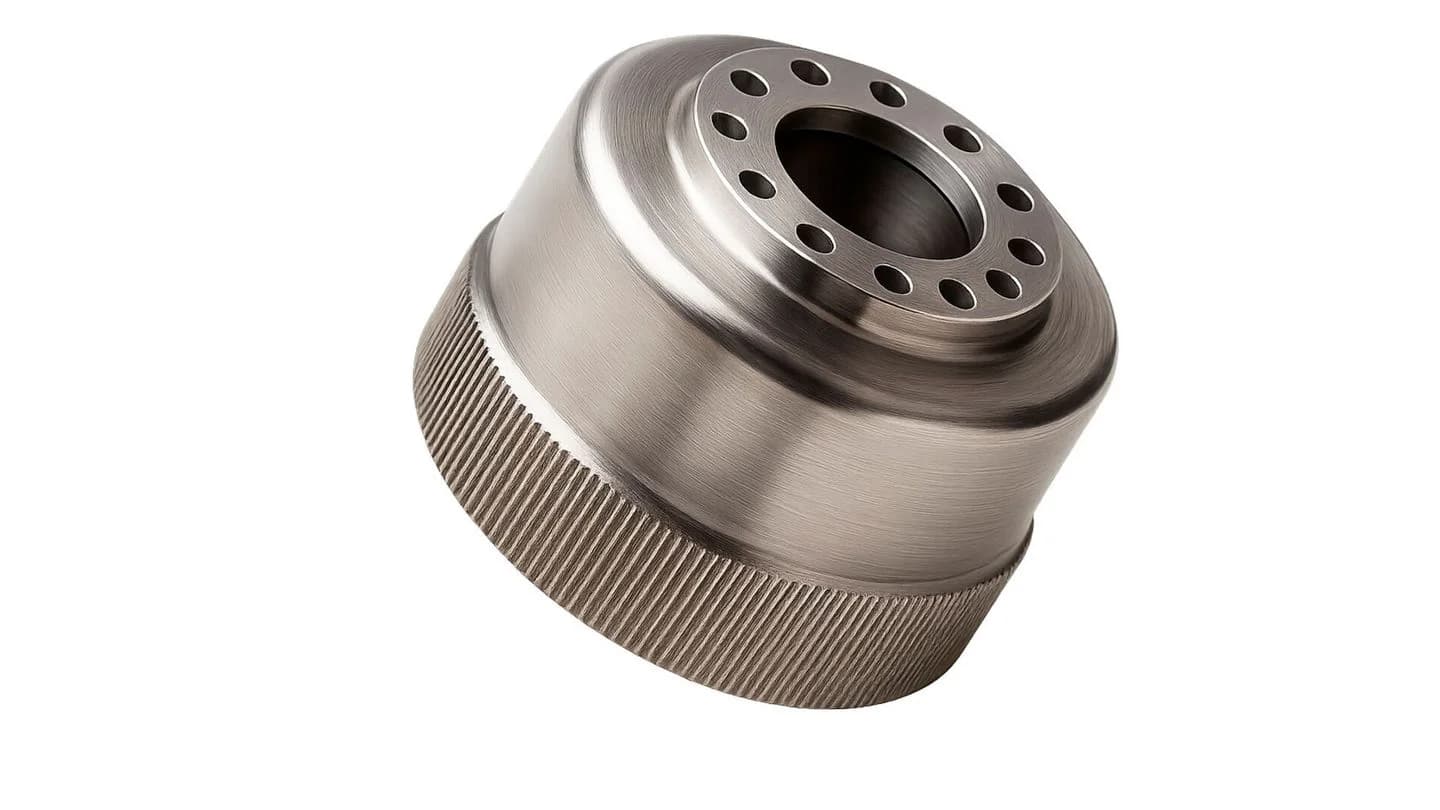
Strain wave gearboxes are critical for humanoid robotics. Unlike standard planetary gears, they offer zero backlash, high gear reduction ratios, and exceptional precision in a highly compact footprint—essential characteristics for sensitive joints like wrists, ankles, and elbows.
However, the traditional method for manufacturing these components is precision machining. This subtractive process, which involves slowly cutting away metal to create high-precision gear geometries, is highly capital-intensive and time-consuming. As humanoid companies prepare to scale from hundreds of units to thousands, machined gears were widely viewed as a looming supply chain choke point.
The weekly humanoid robotics briefing
One email a week: the launches, funding and research that mattered, with context from Humanoids Daily.
Read recent issuesSchaeffler’s solution leverages its core "automotive DNA": forming technology. Instead of cutting material away, the new process uses high pressing forces to stamp and shape the components into their desired geometry in a matter of seconds. According to the company, this shift cuts manufacturing costs by more than 25 percent and reduces material consumption by more than 75 percent.
Despite the aggressive high-speed manufacturing process, Schaeffler reports that the formed gearboxes achieve dimensional accuracy, torque limits, and efficiencies comparable to their machined counterparts.
Completing the "Muscle" Portfolio
This announcement is the missing puzzle piece in Schaeffler's broader hardware strategy. Late last year, the company introduced an all-in-one planetary gear actuator designed for the heavy-lifting, high-torque joints like hips and knees. By adding formed strain wave gearboxes to its portfolio, Schaeffler can now offer a complete suite of actuation solutions to OEM robot manufacturers.
"Schaeffler will take a leading role in the market for humanoid robots," stated David Kehr, President of Humanoid Robotics at Schaeffler. "The formed strain wave gearbox is another example of how we are readying key robot components for industrial high-volume mass manufacturing."
Kehr noted that Schaeffler has already produced over two million formed strain wave gearboxes for the automotive sector over the last decade, giving the firm a massive head start in operationalizing the technique for robotics.
The "User-Supplier" Ecosystem Readies for 2027
The guarantee of scalable, lower-cost components is vital for Schaeffler's deep network of partners. The company's massive market re-rating over the past year has been driven by its unique "user-supplier" strategy, wherein it acts as both a primary customer and a critical hardware provider.
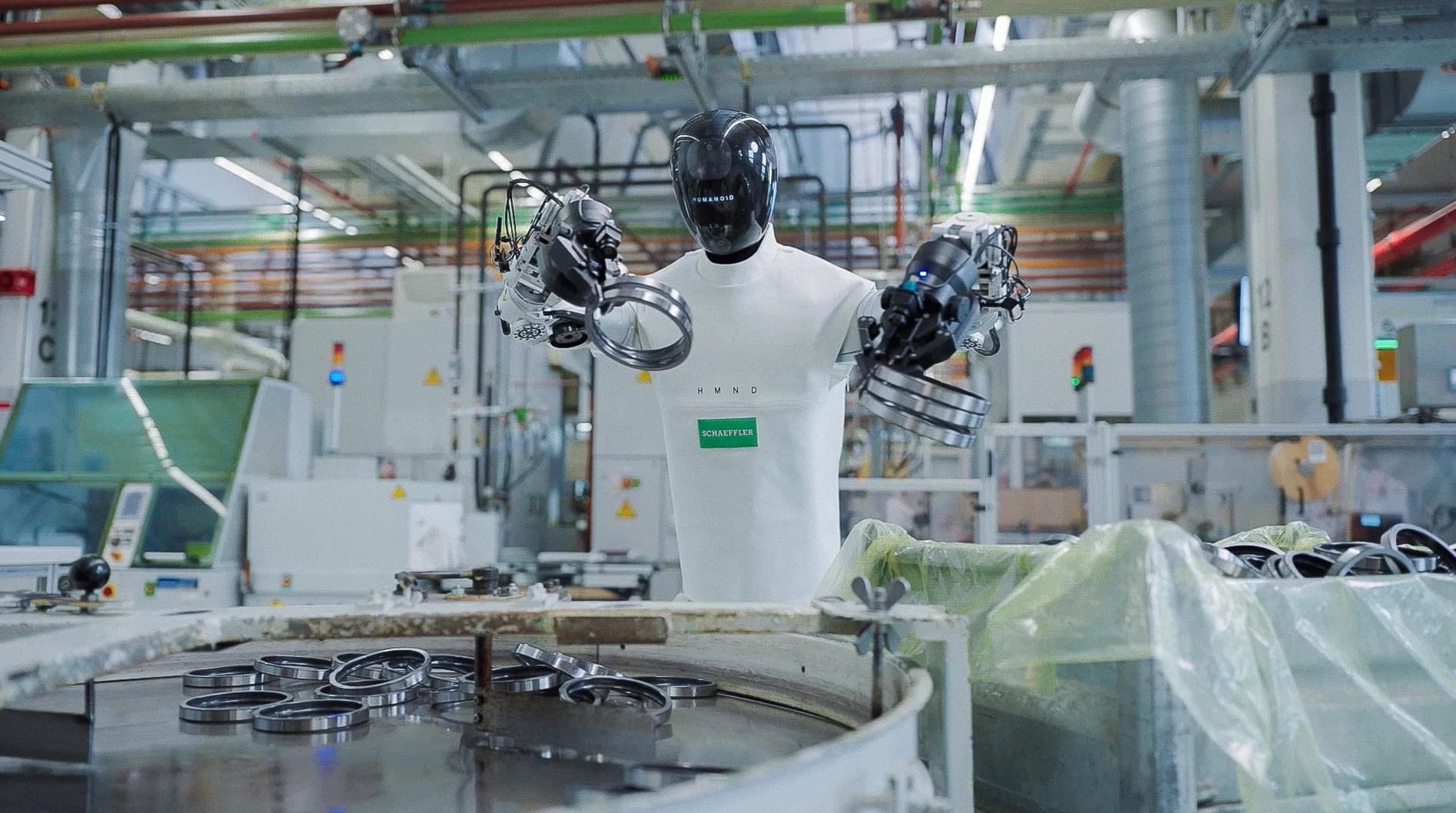
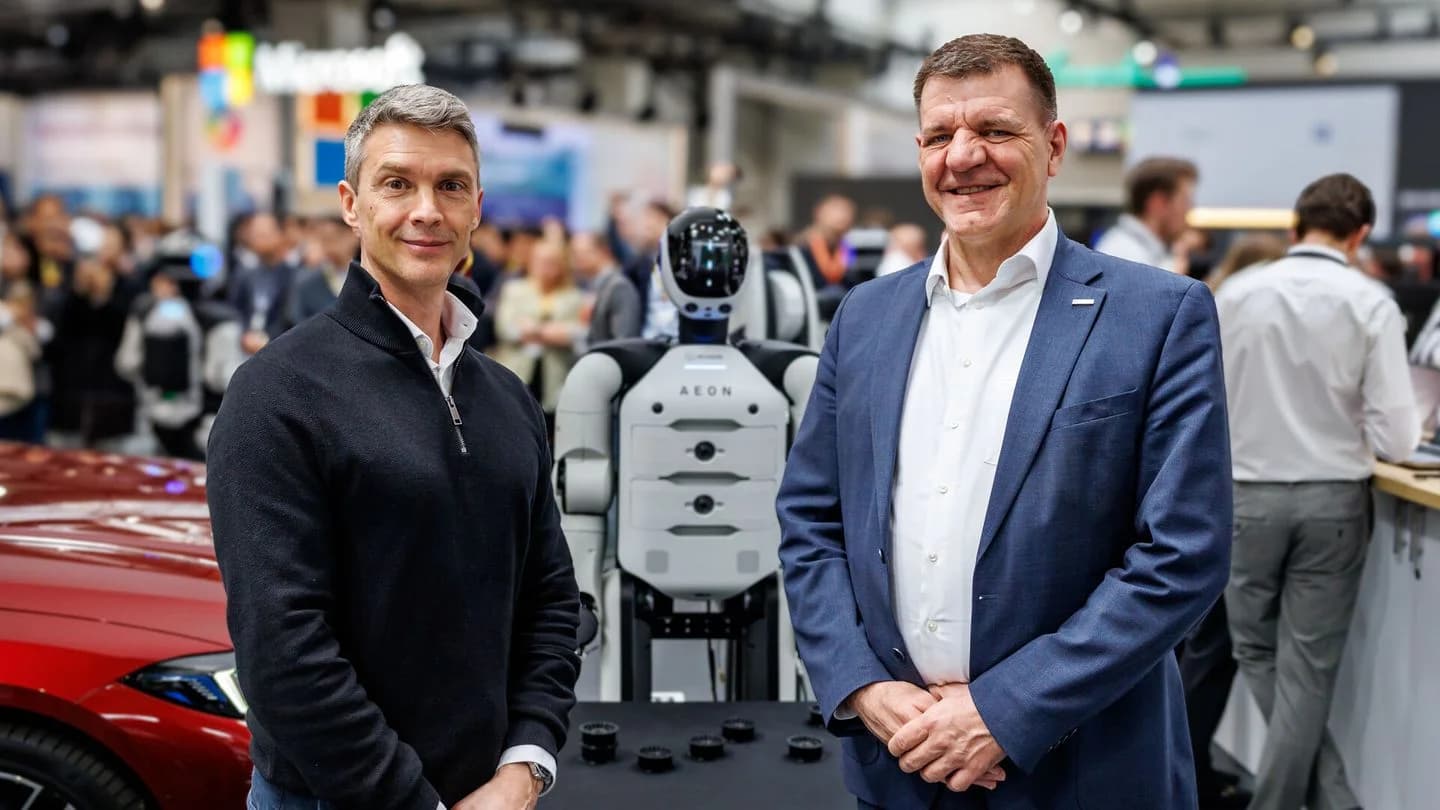
Schaeffler has already committed to purchasing thousands of robots across multiple platforms, including a four-digit rollout with Humanoid starting in late 2026, and a massive deployment of Hexagon’s AEON platform. Notably, the April 2026 agreement with Hexagon explicitly cited Schaeffler’s strain wave gears as a prioritized component for the AEON robot's sensitive joints.
With extensive validation testing now concluded, Schaeffler plans to spin up mass manufacturing of the formed gearboxes at its German facilities in 2027, with a gradual rollout to other global regions. By aggressively attacking the cost and speed of actuator production, Schaeffler is betting that the ultimate victor of the humanoid race won't just be the company with the smartest AI, but the one that can actually afford to build a million bodies.
Share this article
Read next
- Published on
- Reading time
- 8 min read
Analysts See a PEEK Boom in Humanoid Robots. Kingfa’s Robotics Lead Says Most of It Is Hype
- Published on
- Reading time
- 25 min read
The Humanoids of Europe: Built by Their Customers
- Published on
- Reading time
- 4 min read
Scale at Speed: Humanoid and Schaeffler Move to Massive Multi-Thousand Unit Rollout
- Published on
- Reading time
- 3 min read
Building the Backlog: Schaeffler Targets Multi-Million Euro Order Book for Humanoid Components by 2030
- Published on
- Reading time
- 4 min read
The Tier 1 Play: Schaeffler Commits to 1,000 Hexagon AEON Humanoids in Deep Component Deal
- Published on
- Reading time
- 4 min read
Schaeffler Partners with Leju Robotics as CEO Klaus Rosenfeld Defends "Physical AI" Strategy Amid Cautious Outlook

The weekly humanoid robotics briefing
One email a week: the launches, funding and research that mattered, with context from Humanoids Daily.
Read recent issues