- Published on
Building the Backlog: Schaeffler Targets Multi-Million Euro Order Book for Humanoid Components by 2030
One tap, and our reporting appears more often in your Google Top Stories. It makes a real difference to a small newsroom.

Supported by RoboStrategySupport for Humanoids Daily comes from RoboStrategy
Sponsored

Investing involves risk, including possible loss of principal. Read the prospectus before investing.
- Schaeffler expects its humanoid robotics business to build an order book in the hundreds of millions of euros by 2030.
- The company is currently collaborating with 45 humanoid robotics players globally, including major firms in China and the United States.
- The 2030 financial projections assume a global market production of at least 1 million humanoid units by the end of the decade.
- Schaeffler estimates it can address 50% of the materials bill for a standard humanoid and aims to capture 10% of that total market opportunity.
- Despite accounting for less than 1% of sales in 2025, the robotics segment has significantly insulated Schaeffler’s stock from automotive sector volatility.
The "Schaeffler Effect"—the industrial giant’s aggressive market re-rating as a primary humanoid proxy—now has a concrete financial target attached to it. Speaking to Reuters following the company's first-quarter results for 2026, CEO Klaus Rosenfeld revealed that Schaeffler expects its humanoid robotics division to secure an order book in the hundreds of millions of euros by 2030.
While the robotics segment represented less than 1% of group sales in 2025, the forward-looking projections underscore a massive shift in the firm's capital allocation and strategic priorities. Rosenfeld noted that the company is currently engaged with approximately 45 humanoid robotics players worldwide, a group that includes developers in the U.S. and China.
Scaling the "User-Supplier" Strategy
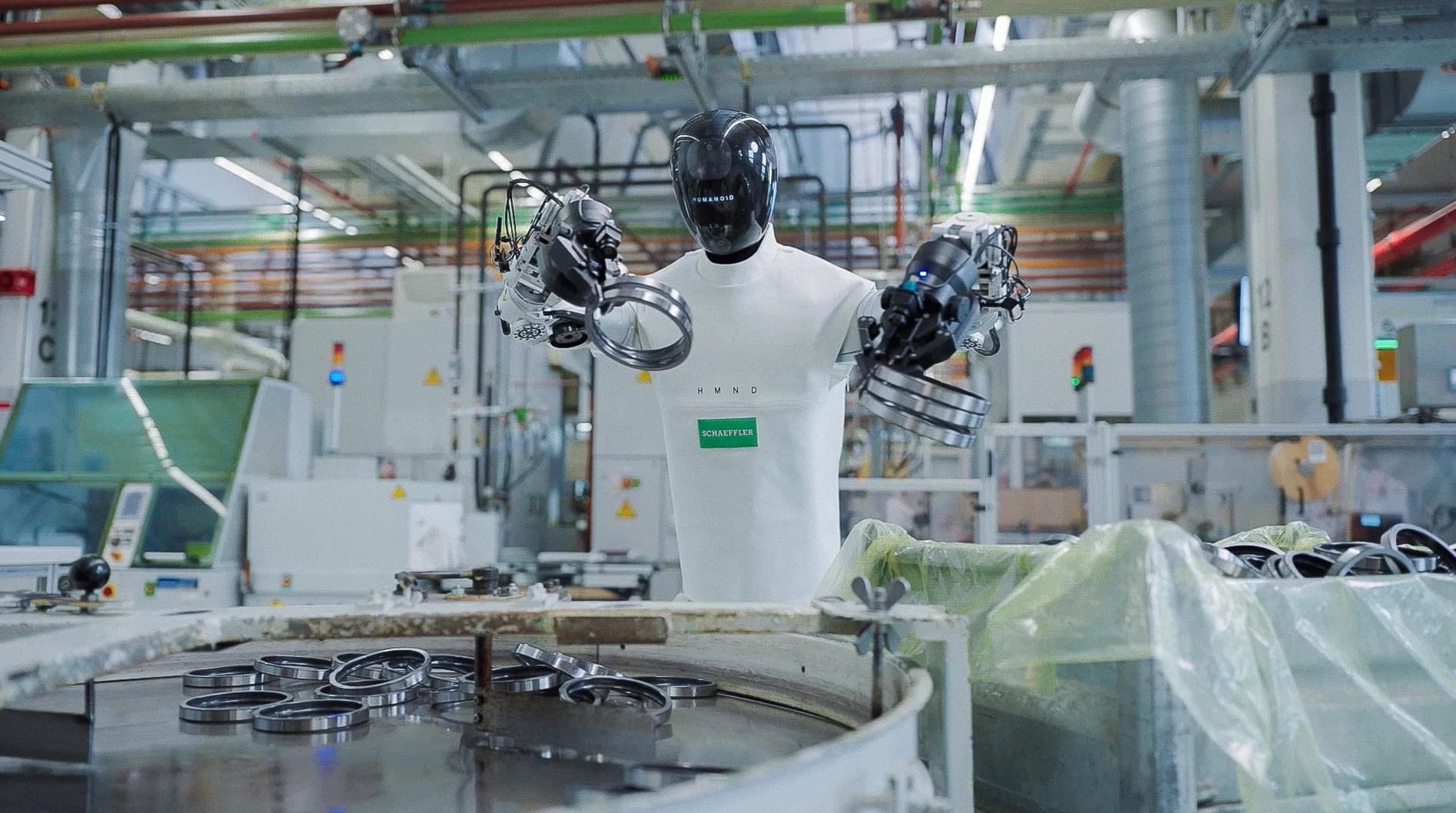
Schaeffler’s roadmap relies on its pioneered "user-supplier" model, where it acts as both an early adopter of robotic labor and a Tier 1 component provider. The company has already ratified five major customer contracts in the humanoid segment, with the largest agreements reportedly centered on leading players in the United States and China.
These deals likely build upon established relationships, such as its strategic partnership with Leju Robotics and the creation of its dedicated Taicang subsidiary for embodied AI. By exchanging prototypes and jointly developing manufacturing concepts, Schaeffler is positioning its hardware as the industry standard before the market reaches high-volume production.
The weekly humanoid robotics briefing
One email a week: the launches, funding and research that mattered, with context from Humanoids Daily.
Read recent issuesCapturing the Bill of Materials
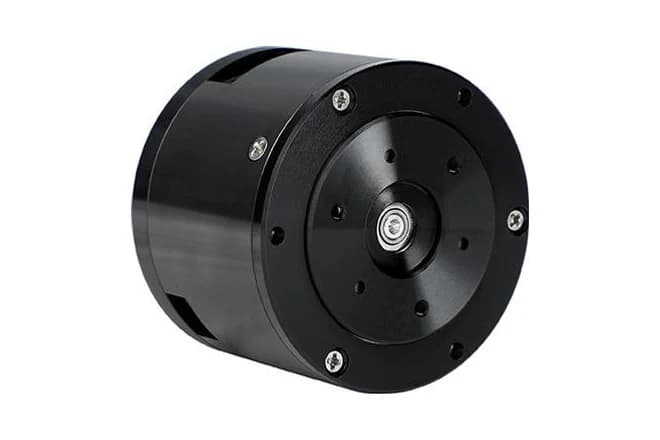
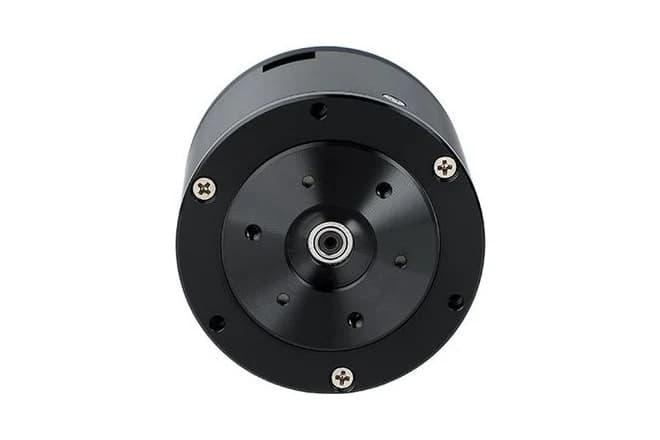
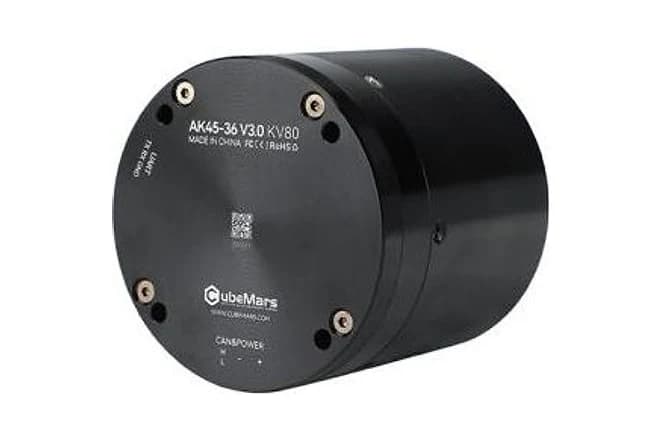
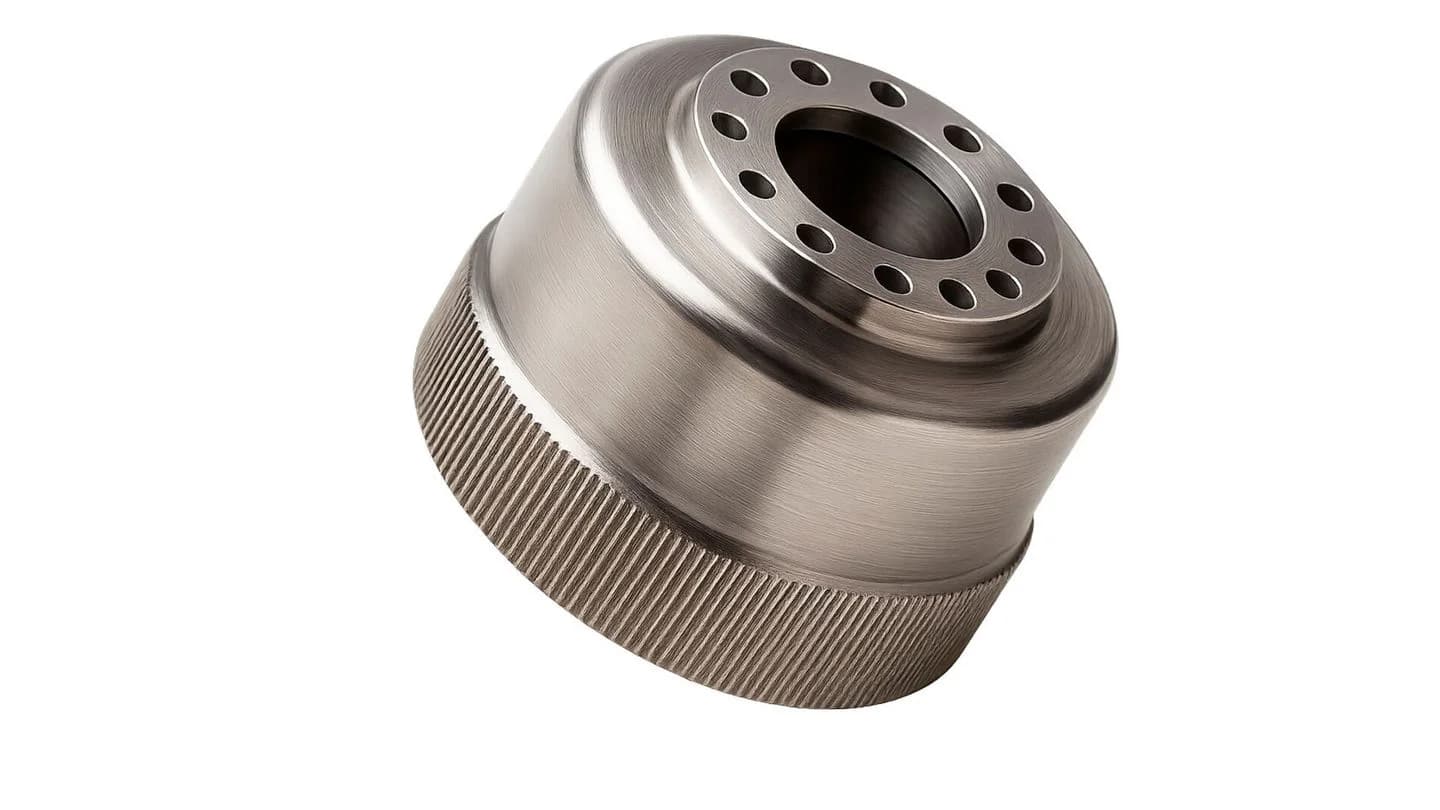
The financial optimism is grounded in a specific calculation of the humanoid "bill of materials" (BoM). Schaeffler estimates that its current and upcoming hardware portfolio—including all-in-one planetary gear actuators and strain wave gears—represents roughly 50% of the total material costs required to build a humanoid robot.
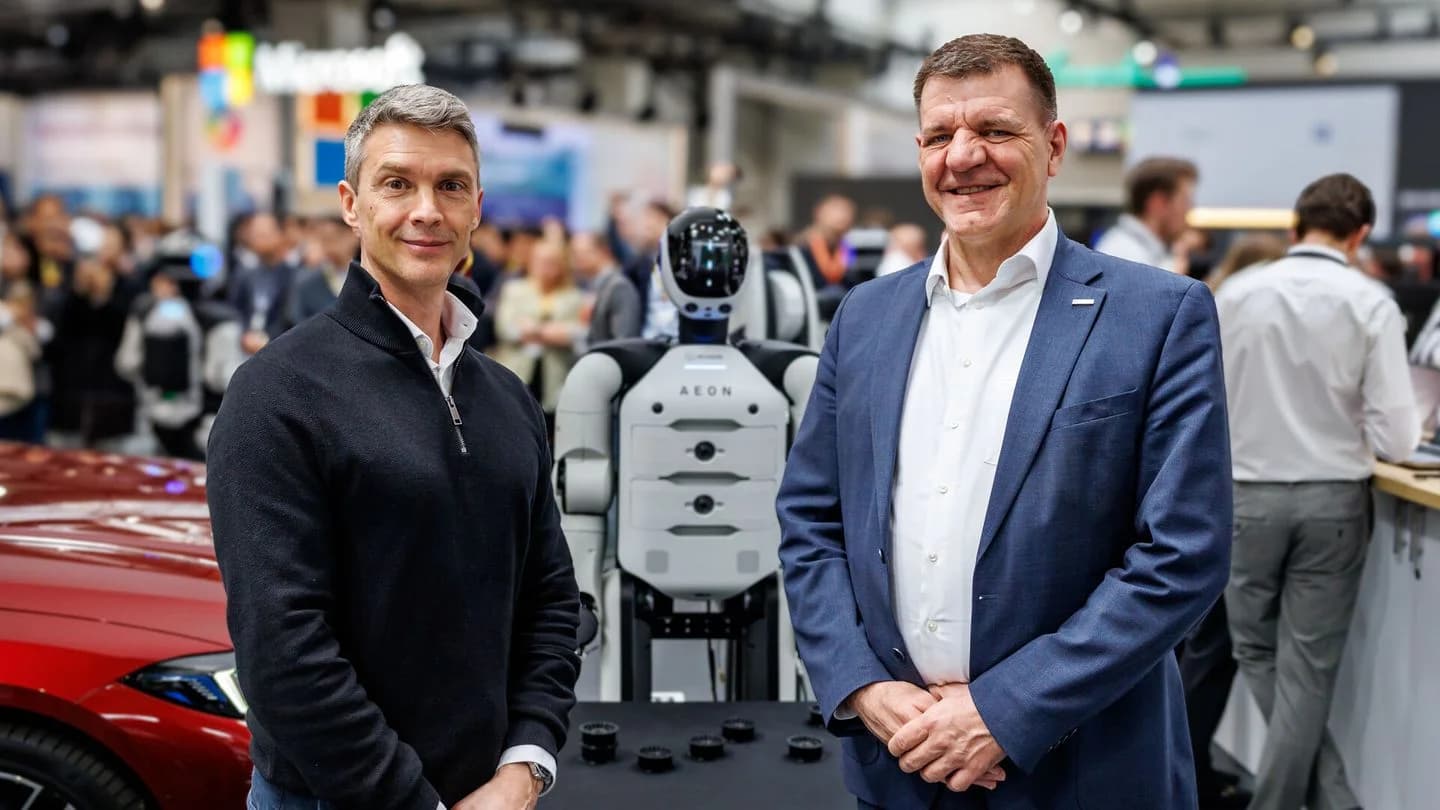
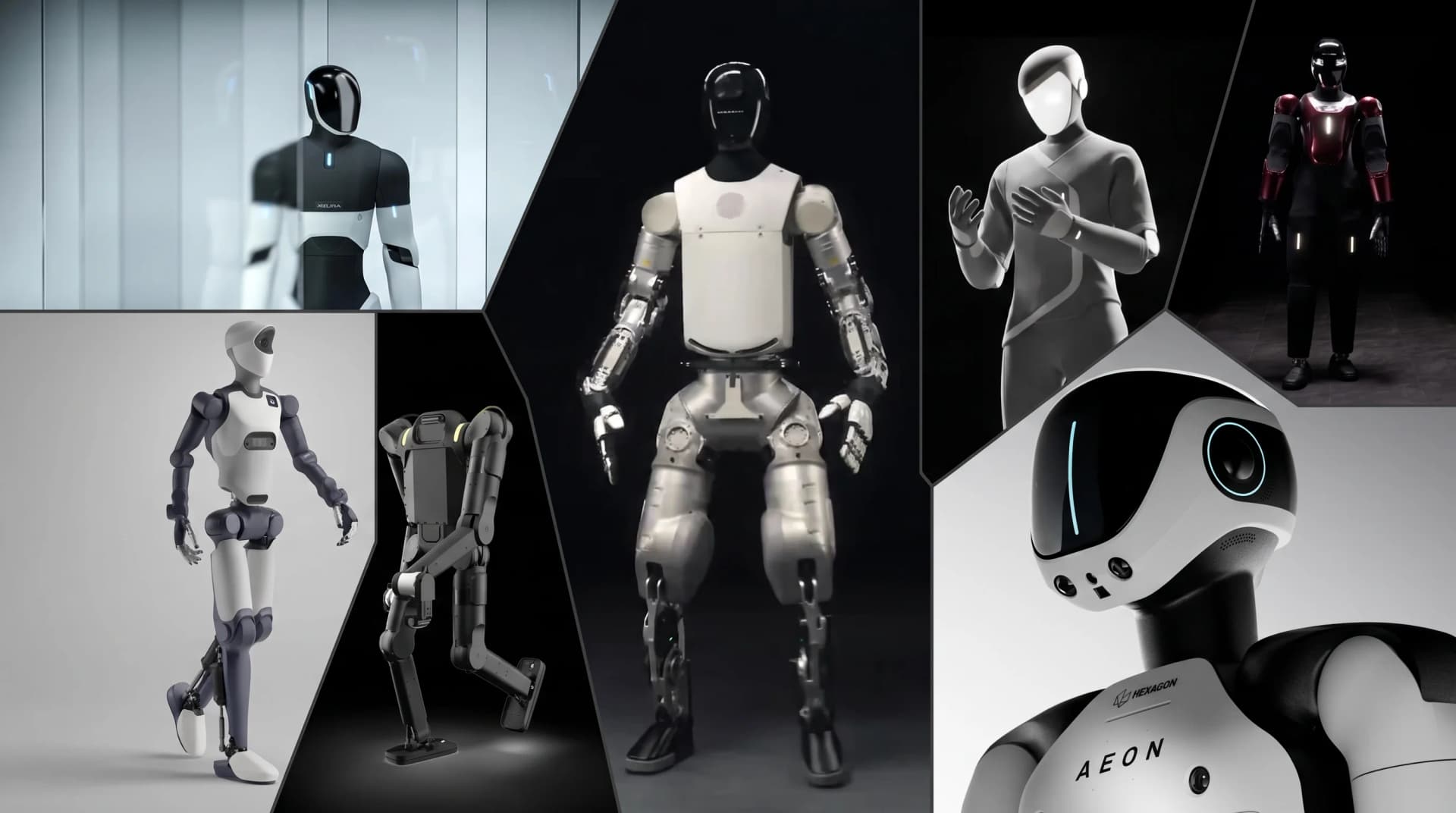
The company aims to capture approximately 10% of that addressable market by 2030. This target assumes the humanoid industry can meet a global production milestone of 1 million units by the end of the decade. This aggressive outlook aligns with recent large-scale commitments, including Schaeffler's own plans to deploy thousands of units from Neura Robotics, Hexagon, and Humanoid.
A Hedge Against Automotive Volatility
The market has already rewarded this diversification. While European carmakers have struggled with stagnant volumes and the complex transition to electric mobility, Schaeffler’s shares have outperformed the sector. Analysts suggest that the "Humanoid Premium" is providing a necessary buffer against the volatility of the traditional auto market.
Rico Luman, senior economist at ING Research, noted that while the European automotive market remains at roughly 85% of its pre-pandemic levels, Schaeffler's pivot into robotics and defense has positioned it as a more resilient industrial play. With its first "meaningful contracts" for actuators already secured, the company is moving past the pilot phase and into the phase of industrial-scale revenue generation.
As the industry watches for the projected 1-million-unit surge, Schaeffler is betting that the path to profitability in 2030 will be paved with the very gears and joints it is currently validating on its own factory floors.
Share this article
Read next
- Published on
- Reading time
- 4 min read
The Tier 1 Play: Schaeffler Commits to 1,000 Hexagon AEON Humanoids in Deep Component Deal
- Published on
- Reading time
- 25 min read
The Humanoids of Europe: Built by Their Customers
- Published on
- Reading time
- 4 min read
Schaeffler Cracks the Cost Bottleneck: Formed Strain Wave Gearboxes Target 2027 Mass Production
- Published on
- Reading time
- 4 min read
Scale at Speed: Humanoid and Schaeffler Move to Massive Multi-Thousand Unit Rollout
- Published on
- Reading time
- 4 min read
Schaeffler Partners with Leju Robotics as CEO Klaus Rosenfeld Defends "Physical AI" Strategy Amid Cautious Outlook
- Published on
- Reading time
- 3 min read
The Taicang Nexus: Schaeffler Launches Dedicated Embodied AI Subsidiary in China


The weekly humanoid robotics briefing
One email a week: the launches, funding and research that mattered, with context from Humanoids Daily.
Read recent issues