- Published on
Analysts See a PEEK Boom in Humanoid Robots. Kingfa’s Robotics Lead Says Most of It Is Hype
One tap, and our reporting appears more often in your Google Top Stories. It makes a real difference to a small newsroom.

Supported by RoboStrategySupport for Humanoids Daily comes from RoboStrategy
Sponsored


Investing involves risk, including possible loss of principal. Read the prospectus before investing.

- Barclays analyst Katie Richards told Bloomberg that one million humanoid robots by 2030 could add about 10,000 tons of demand for PEEK, a high-performance plastic with potential applications in robot components. Spread across those robots, that is roughly 10 kg each; the report does not specify whether the figures are annual or cumulative.
- Yu Fei, robotics technical general manager at China’s Kingfa Sci. & Tech., says a humanoid today uses 6–10 kg of engineering plastics in total, and that most PEEK applications in embodied AI are “hype.” Kingfa’s broader materials portfolio includes substantially more capacity for PPA nylon and LCP than for PEEK.
- Berenberg’s Sebastian Bray expects humanoids to support “small, good niche businesses” for polymer makers, but doubts they will transform demand across the global polymers market without hundreds of millions of humanoids. PEEK could see a proportionally larger effect.
A high-performance plastic called PEEK has become the latest materials trade attached to humanoid robots. Bloomberg reported on 24 September that European producers such as Victrex, Evonik and Syensqo could benefit as robot makers scale up. In China, the robotics lead at one of the country’s largest plastics suppliers said the week before that most of the PEEK story in embodied AI is overstated.
The numbers highlight the question behind that disagreement. Barclays’ scenario implies roughly 10 kg of PEEK per robot, while Kingfa’s Yu Fei estimates 6–10 kg of all plastics combined in a humanoid today. The comparison is not a direct contradiction: one describes a possible future market, the other current material use. It does show how much depends on future designs and material choices.
What PEEK is, and where it could go in a robot
Polyether ether ketone (PEEK) is a semi-crystalline thermoplastic valued for its resistance to heat, chemicals and wear. It is available in unfilled, glass- or carbon-fiber-reinforced, and wear-modified grades. Its strength decreases as temperature rises, so suitable operating conditions depend on the grade, load and application, as Victrex’s material data illustrates. Its established markets are aircraft interiors, oil and gas seals, semiconductor wafer handling and medical implants. It is also expensive: the Pacific Auto interview with Yu Fei, robotics technical general manager at Chinese plastics maker Kingfa, describes prices as high as ¥1,000 per kilogram. Prices vary by grade and order.
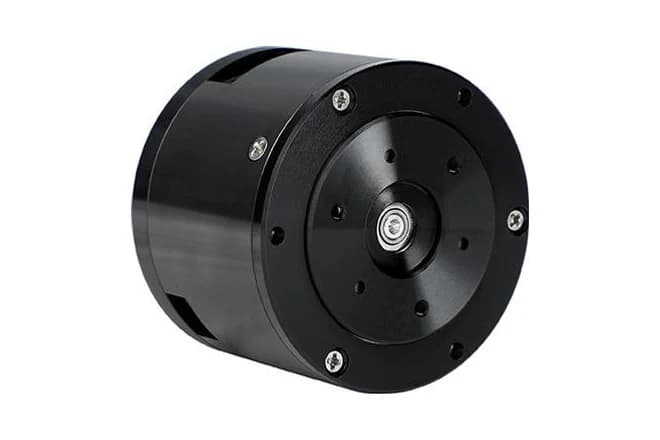
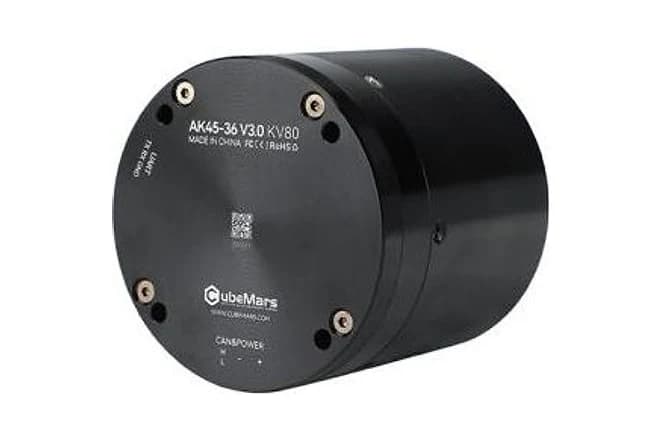
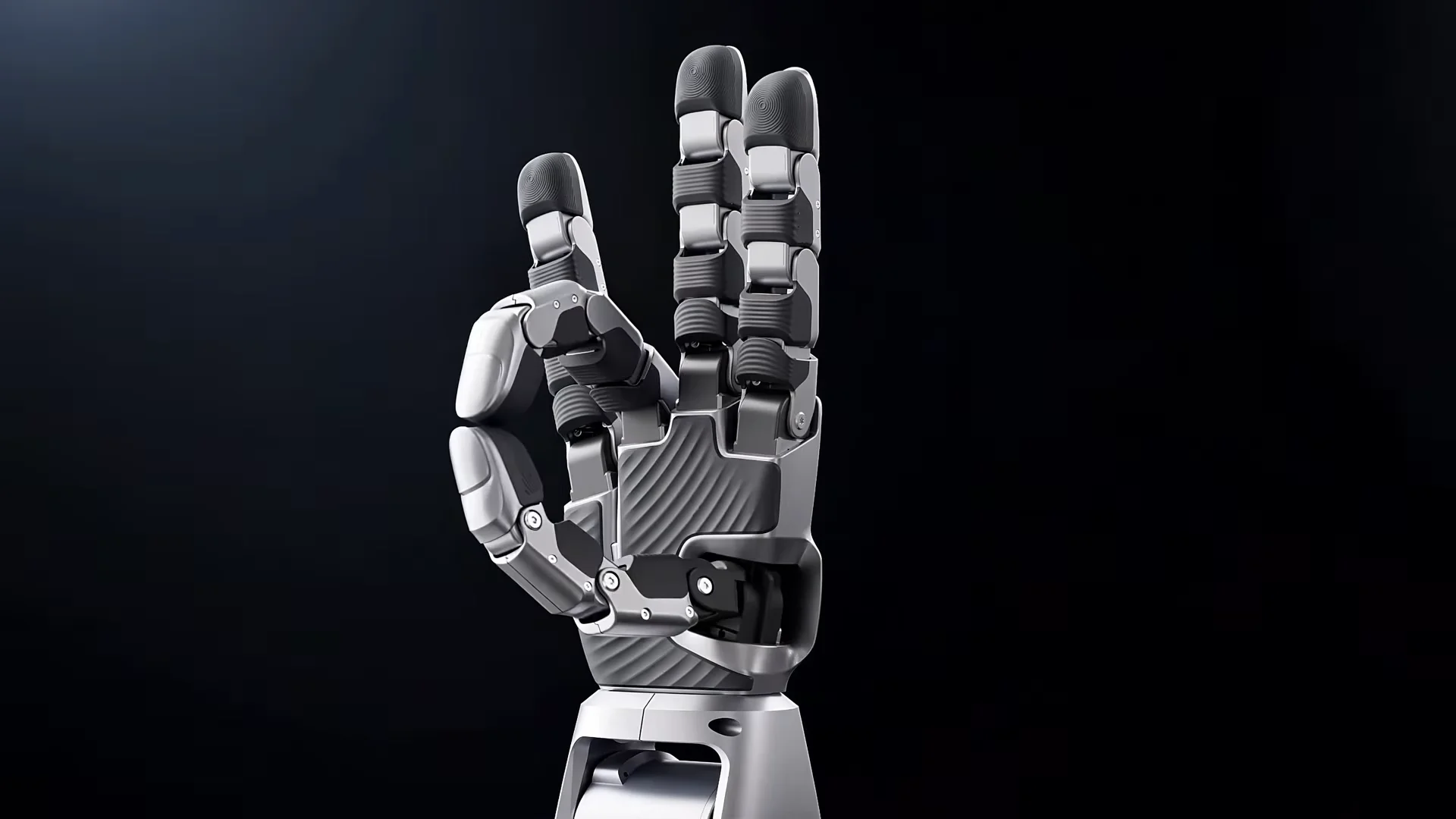
Potential humanoid applications include gears, bushings, thrust washers and bearing cages, as well as electrical insulation. These are candidate uses, rather than a confirmed parts list for a particular humanoid. Bloomberg’s report places it in “joints and limbs,” specifically the actuator, which converts motor energy into motion. That creates a potential supply opportunity with actuator specialists such as Germany’s Schaeffler, which Bloomberg suggests could be a partnership route for the European producers.
The weekly humanoid robotics briefing
One email a week: the launches, funding and research that mattered, with context from Humanoids Daily.
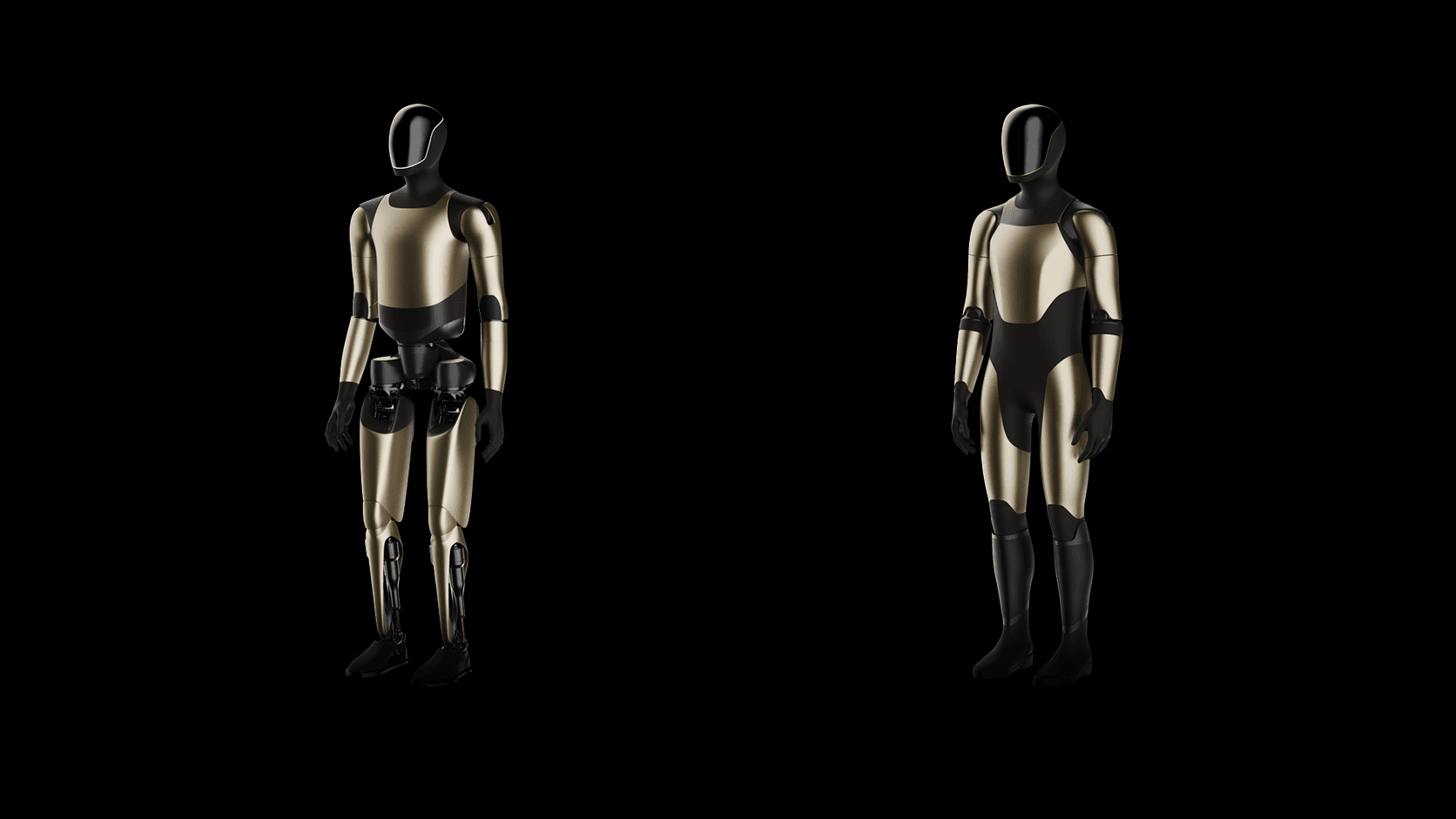
Read recent issuesA frequently repeated claim is that Tesla’s Optimus Gen 2 owes its 10 kg weight reduction to PEEK. Tesla announced the 10 kg saving in its December 2023 Gen 2 reveal, but that announcement did not identify PEEK as the cause. The weight reduction alone therefore does not establish how much PEEK, if any, was used.
The bull case: Barclays and a Chinese capacity build-out
Barclays analyst Katie Richards told Bloomberg that one million robots by 2030 could represent 10,000 tons of incremental PEEK demand, and that the opportunity becomes “pretty exponential” beyond that. Bloomberg does not specify whether the robot count and incremental demand are annual or cumulative. For scale, Prismane Consulting expects the entire PEEK market to exceed $1.56 billion by 2034, more than double its 2025 size. Bloomberg also reports a forecast of about 18,000 tons of global capacity by 2034 and says about half of current capacity is in the UK. Lancashire-based Victrex specializes in PEEK and related high-performance PAEK polymers, including semi-finished and finished products, as described in its annual report.
Richards’ point is that the Western incumbents have said little about humanoids. Victrex mentioned robotics partnerships in a recent report and Syensqo has posted about the topic on LinkedIn. Meanwhile Chinese producers, including Jilin Joinature Polymer, have announced 26,000 tons of new PEEK capacity that starts ramping next year, according to Richards. That exceeds the global capacity forecast quoted in the same report. The figures are difficult to reconcile without their underlying assumptions, including which projects are counted and when they are expected to operate. Announced capacity is also not the same as actual output; the comparison alone does not establish a future price trend.
The timing lines up with the production plans of the robot makers Bloomberg names. XPENG says it has brought its robot production line into operation and held a supplier conference, with mass production still targeted for year-end in its September 23 announcement. Tesla has reportedly begun new Optimus supplier audits in China. Agility unveiled Digit 5 this month.
The skeptical case from inside the supply chain
Kingfa, headquartered in Guangzhou, is one of China’s largest modified-plastics producers. It lists robotics as a dedicated business line and says it supplies humanoid customers in volume. In a Pacific Auto interview published on Tencent News on 17 September, Yu said most current PEEK applications in embodied AI are “hype, though not absolutely.”
His reasons are mechanical and financial:
- Fatigue. Robot joints go through high-frequency reciprocating loads. Yu said PEEK’s fatigue strength trails metal by roughly two orders of magnitude, and that parts in PEEK have to be dimensioned very differently from metal ones. The interview provides no supporting test data, PEEK grade, metal alloy or loading conditions for that comparison, so it should not be treated as a general property of PEEK versus metals. Victrex’s technical guide shows that reinforcement and temperature affect fatigue performance. Fatigue is one critical property for a gear or joint running millions of cycles.
- Cost against benefit. At the price cited in the interview, PEEK can raise the customer’s bill of materials. Where the weight or wear gain is small, Yu said Kingfa would rather recommend a cheaper material.
- Designs are still metal-first. Current humanoid structures were designed around metal parts. Yu said large-scale PEEK use would need a significant structural redesign that exploits its properties. For load-bearing lower-body parts such as thighs, he said no company has yet replaced metal with plastic.
The interview lists capacity across Kingfa’s broader materials portfolio: 20,000 tons of PPA (high-temperature nylon), 11,000 tons of LCP, 6,000 tons of polysulfone and 1,500 tons per year of PEEK. These figures cover product lines serving multiple industries, rather than capacity identified as dedicated to robotics. The company is starting with upper-body parts such as face masks, upper-arm shells and the chest cavity. Yu said reinforced engineering plastics could offer weight savings of up to roughly 50% compared with aluminum, while emphasizing that changing materials also requires structural redesign.
He put total plastics use at 6–10 kg per humanoid, worth over ¥1,000 per robot at current modified-plastics prices. That estimate describes plastics collectively, rather than a measured PEEK content for any named robot.
How much PEEK will each robot need?
Berenberg analyst Sebastian Bray takes a position between the two. He called robotics “an offshoot of consumer electronics” and noted that consumer electronics is “notoriously cost-sensitive,” which leaves PEEK exposed to cheaper substitutes over time. Tens of millions of humanoids, he said, would be a “low single-digit percentage tailwind” for many polymers. Humanoids could account for a larger proportion of PEEK demand if designers make it an integral material. “I doubt it’s a game changer for global polymers demand unless we move to a hundreds of millions of humanoids world,” he told Bloomberg. He expects the segment to support small but profitable niche businesses in PEEK, polyphthalamide and polyphenylene sulfide.
The demand forecasts depend on production volumes that do not exist yet. A modest effect on the global polymers market could still be substantial for a specialty material such as PEEK. Only a handful of the roughly 400 Chinese robotics companies produce more than 1,000 units a year, according to Yu. At those volumes, humanoid demand for a specialty polymer is small next to the capacity being announced for it. Future PEEK demand will depend on whether actuator makers specify it for components such as gears and bearings, and how much they use in each robot as pressure to reduce costs grows. Where those actuators are built matters too: Apptronik’s CEO warned this week that the US lacks the parts base to build humanoids, while Richards points to a large capacity build-out planned in China. Robot production volume is only part of the equation; the amount of PEEK designed into each machine matters just as much.
Share this article
Read next
- Published on
- Reading time
- 3 min read
The Taicang Nexus: Schaeffler Launches Dedicated Embodied AI Subsidiary in China
- Published on
- Reading time
- 4 min read
Schaeffler Cracks the Cost Bottleneck: Formed Strain Wave Gearboxes Target 2027 Mass Production
- Published on
- Reading time
- 4 min read
Schaeffler Unveils "All-in-One" Actuator for Humanoids, Targeting the Industry’s Supply Chain Bottleneck
- Published on
- Reading time
- 3 min read
Neura Robotics Quietly Establishes €45 Million Subsidiary in China, Signaling Major Supply Chain Move
- Published on
- Reading time
- 4 min read
Schaeffler Partners with Leju Robotics as CEO Klaus Rosenfeld Defends "Physical AI" Strategy Amid Cautious Outlook
- Published on
- Reading time
- 25 min read
The Humanoids of Europe: Built by Their Customers

The weekly humanoid robotics briefing
One email a week: the launches, funding and research that mattered, with context from Humanoids Daily.
Read recent issues