- Published on
Schaeffler Puts Humanoids to Work Building Parts for Other Humanoids
One tap, and our reporting appears more often in your Google Top Stories. It makes a real difference to a small newsroom.


Your guide
Rich Robinson
Jee Chee Ren · Executive tour
See China’s AI and robotics ecosystem first-hand.
Six days exploring AI, robotics and advanced manufacturing.
With Rich Robinson, Clinical Professor of Entrepreneurship at Peking University
Beijing · Guangzhou · Shenzhen
29 November–4 December 2026
Referral partnership · We earn a commission on referred bookings.
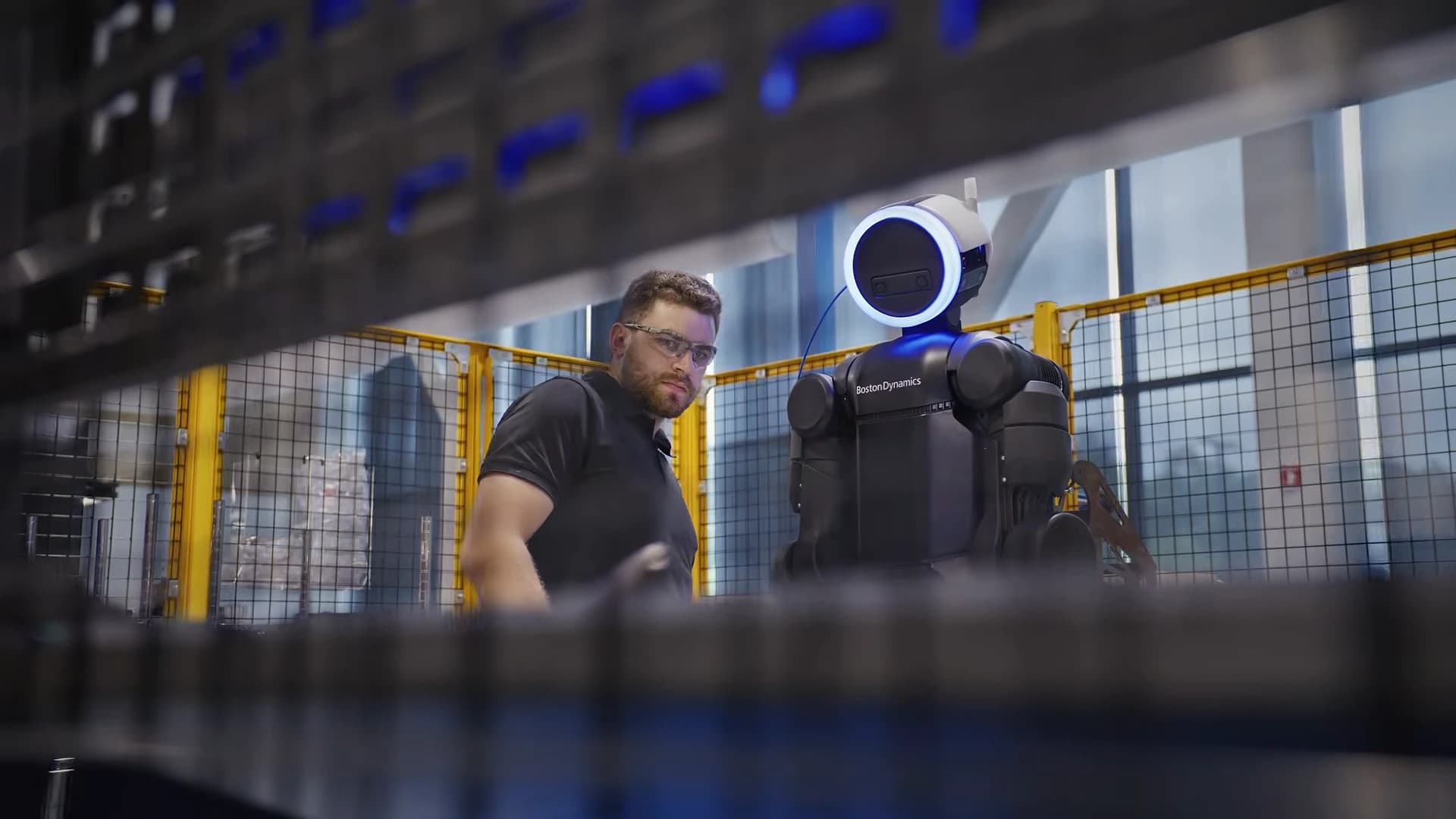
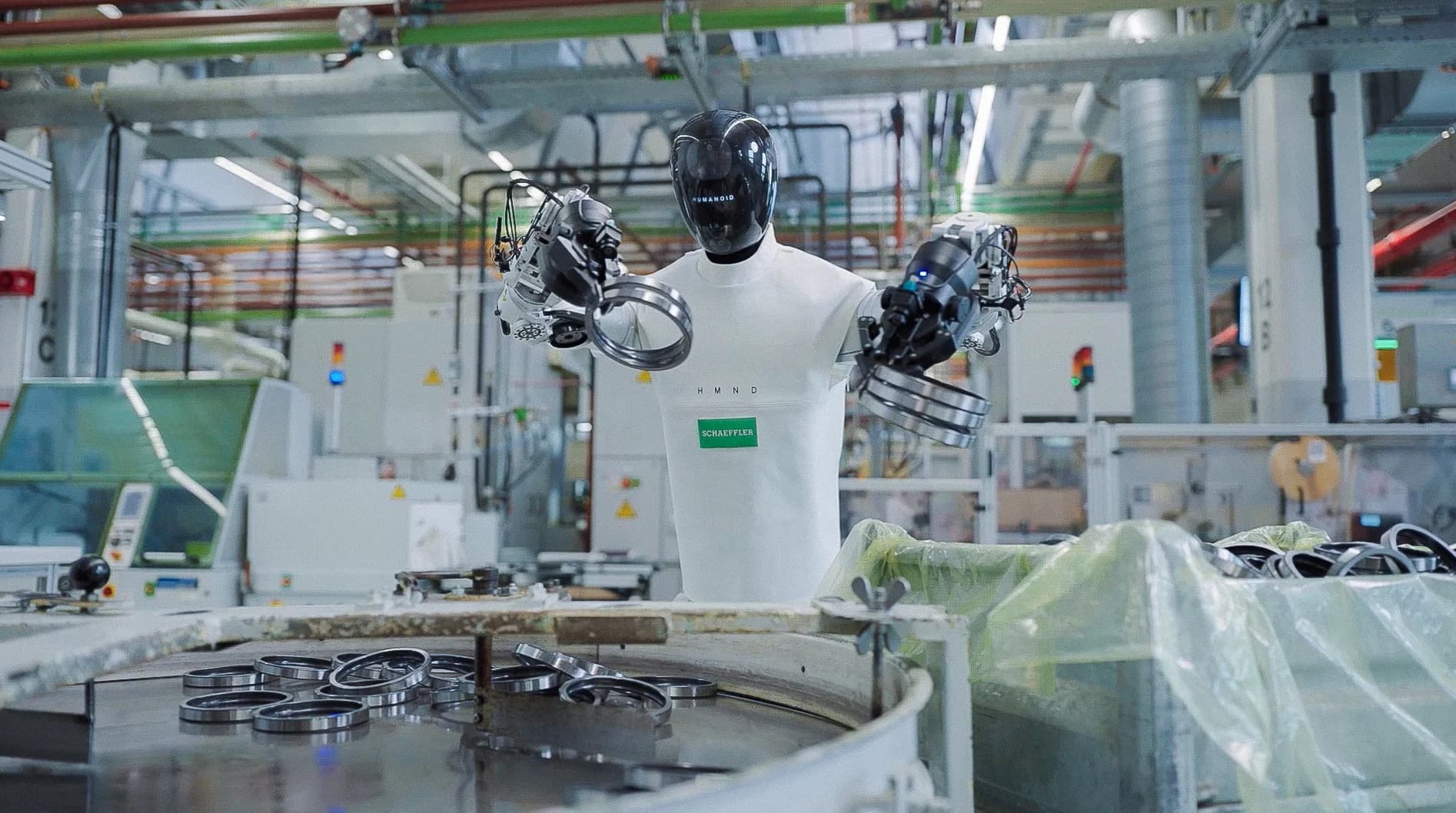
Schaeffler has opened a factory in Taicang, China, where humanoid robots assemble joint components for other humanoids. The company says six robots work across five stations on a line producing key components, including linear and rotary actuators.
- Six humanoids handle component assembly tasks across five stations at Schaeffler’s Taicang facility.
- The approximately 7,500-square-meter site combines manufacturing, robot training, data collection and digital twins.
- Schaeffler says global incoming orders for humanoid robotics have reached around €400 million; that figure is orders, not recognized revenue.
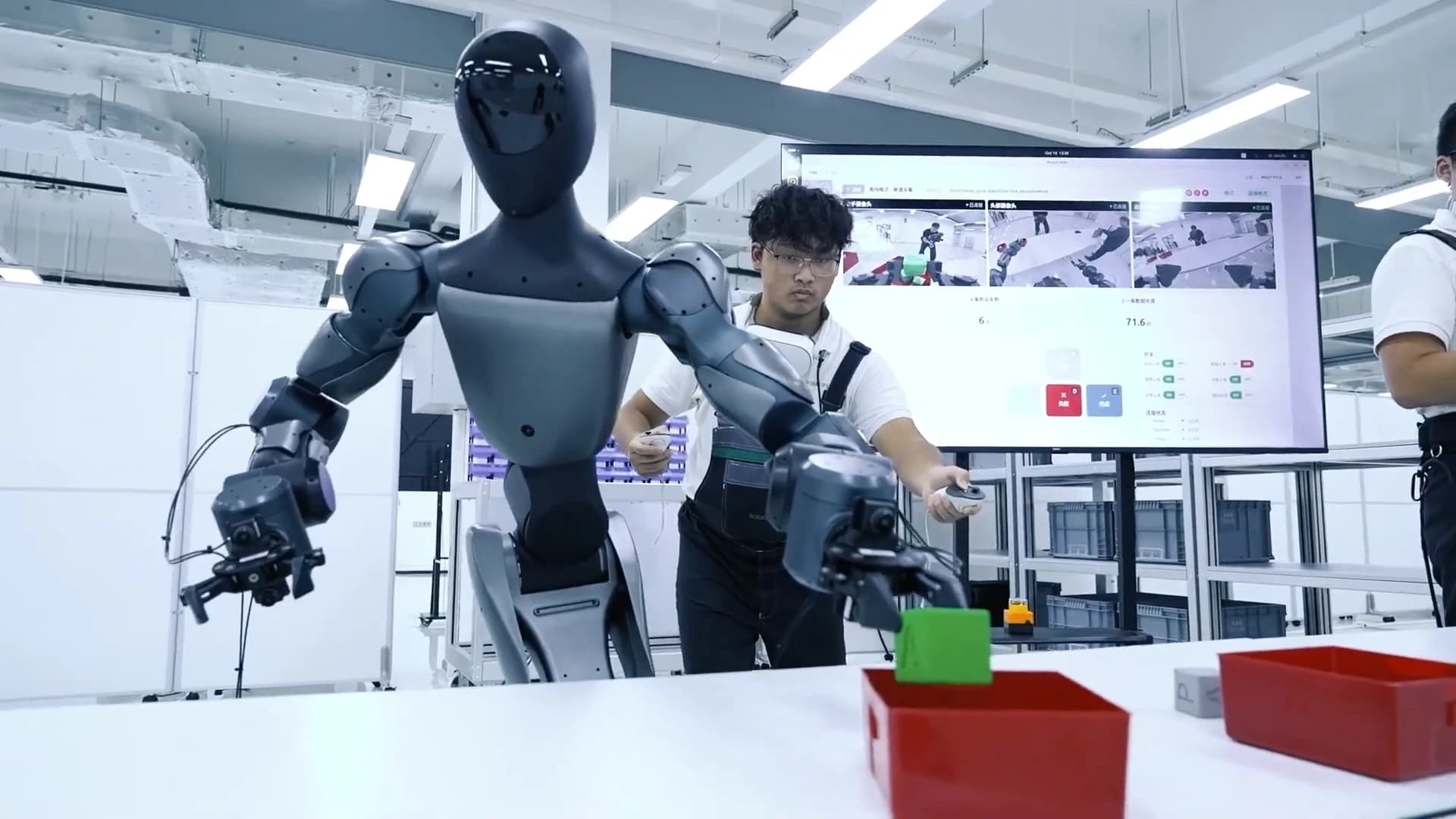
The October 20 announcement describes the opening as the start of mass production of these components for Schaeffler. It brings together the two sides of the company’s robotics strategy: supplying the mechanisms that move humanoids and using the robots in its own manufacturing operations.
Robots building the joints for robots
On the assembly line, humanoids prepare and sort parts, join them, then inspect, label and package them. Schaeffler calls the approach “humanoids making humanoids,” although the announced production scope is joint modules and other key components, rather than complete robots.
A digital twin mirrors the line, while sensors track assembly accuracy, task duration, energy use and equipment condition. Schaeffler says this allows changes to be tested virtually before being introduced into production.
The weekly humanoid robotics briefing
One email a week: the launches, funding and research that mattered, with context from Humanoids Daily.
Read recent issuesThe site also includes training and data-acquisition facilities based on tasks found across Schaeffler’s roughly 100 manufacturing plants. These include inspection, packaging, transport and replenishing materials beside production lines. Customers and partners can use the facility to train and test physical AI systems under industrial conditions.
Schaeffler has published a video showing the facility:
From partnerships to component production
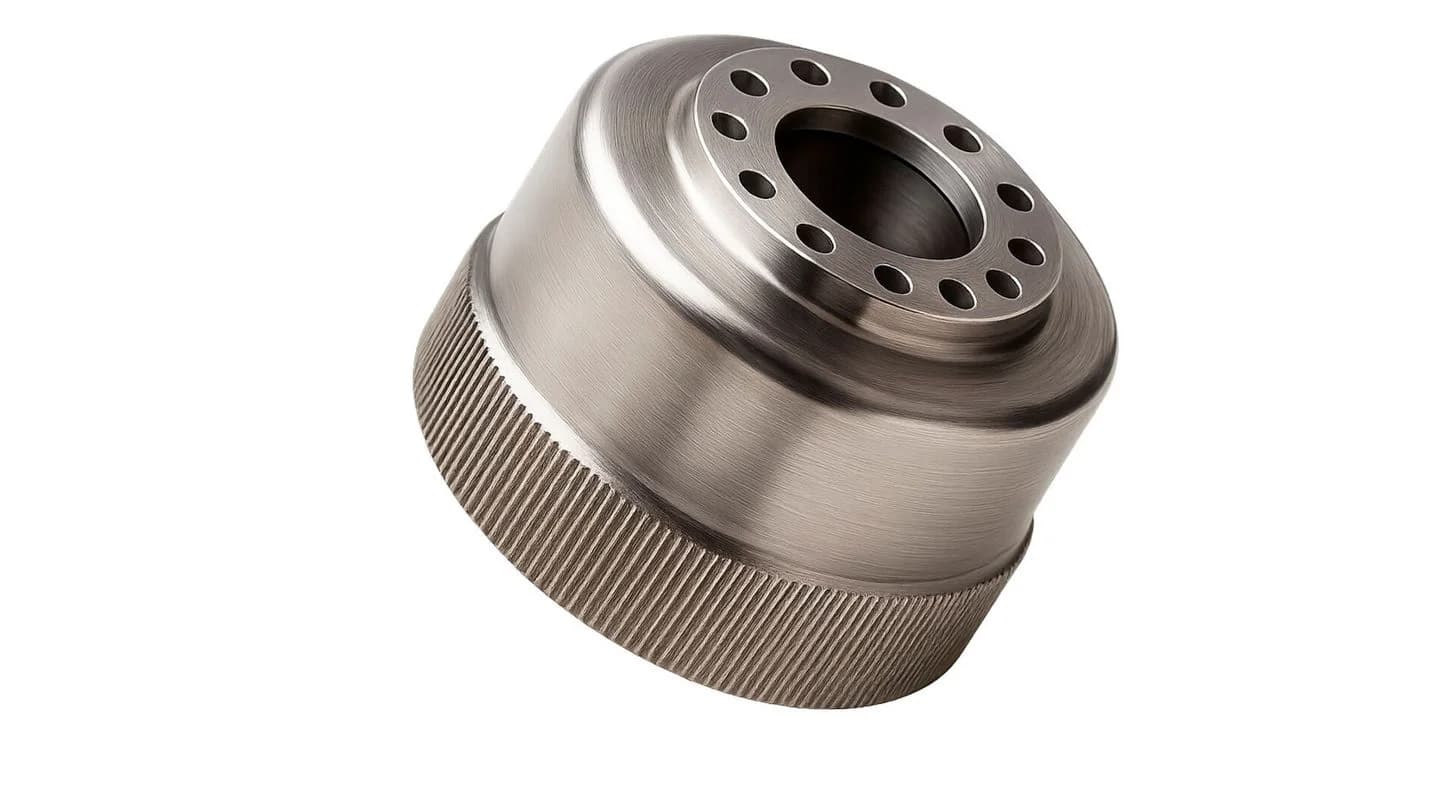
The opening builds on developments we have followed throughout Schaeffler’s humanoid push. Our earlier coverage of its dedicated Taicang robotics subsidiary described plans to bring component manufacturing and AI infrastructure together in China. Its integrated planetary gear actuator illustrated the hardware side of that strategy.
The latest announcement adds an operating configuration to that picture: a component line, a defined group of robots and a way to feed production experience back into training.
Schaeffler also says two new customers in Greater China, added in the third quarter, helped bring global incoming humanoid-robotics orders to approximately €400 million. The release does not name those customers or give a delivery schedule for the orders.
It also does not disclose the line’s production rate, robot intervention requirements or quantified productivity gains. Those details will matter in assessing how far this model can scale. For now, Taicang offers a concrete example of the role Schaeffler has been pursuing: a factory operator that is also a supplier to the robots working inside it.
Share this article
Read next
- Published on
- Reading time
- 8 min read
Analysts See a PEEK Boom in Humanoid Robots. Kingfa’s Robotics Lead Says Most of It Is Hype
- Published on
- Reading time
- 4 min read
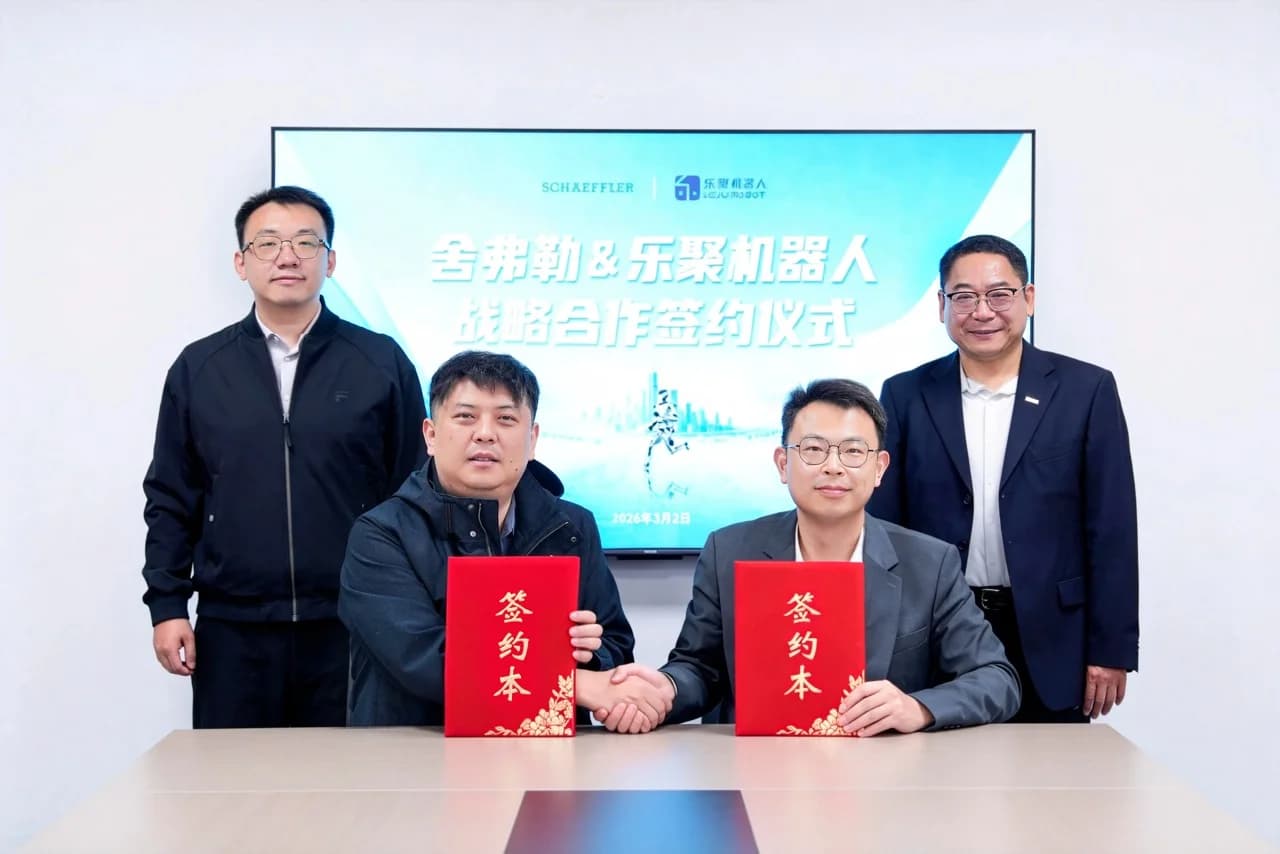
Schaeffler Partners with Leju Robotics as CEO Klaus Rosenfeld Defends "Physical AI" Strategy Amid Cautious Outlook
- Published on
- Reading time
- 3 min read
The Taicang Nexus: Schaeffler Launches Dedicated Embodied AI Subsidiary in China
- Published on
- Reading time
- 25 min read
The Humanoids of Europe: Built by Their Customers
- Published on
- Reading time
- 4 min read
Schaeffler Cracks the Cost Bottleneck: Formed Strain Wave Gearboxes Target 2027 Mass Production
- Published on
- Reading time
- 4 min read
Scale at Speed: Humanoid and Schaeffler Move to Massive Multi-Thousand Unit Rollout


The weekly humanoid robotics briefing
One email a week: the launches, funding and research that mattered, with context from Humanoids Daily.
Read recent issues