- Published on
Vulcan: Figure Unveils AI Balance Policy That Prevents 'Death' From Hardware Failure
One tap, and our reporting appears more often in your Google Top Stories. It makes a real difference to a small newsroom.


Your guide
Rich Robinson
Jee Chee Ren · Executive tour
See China’s AI and robotics ecosystem first-hand.
Six days exploring AI, robotics and advanced manufacturing.
With Rich Robinson, Clinical Professor of Entrepreneurship at Peking University
Beijing · Guangzhou · Shenzhen
29 November–4 December 2026
Referral partnership · We earn a commission on referred bookings.
- Figure has launched Vulcan, an AI balance policy designed to keep the Figure 03 upright despite significant mechanical failures.
- The system allows the humanoid to lose up to three actuators or joints in the lower body without falling, a feat previously impossible under traditional control systems.
- This "limp mode" enables robots to autonomously navigate to "hospital" repair bays at the Sunnyvale facility, reducing the need for human intervention.
- Vulcan marks a shift away from rigid heuristics toward a more resilient, Software 2.0 approach to physical embodiment.
In the world of humanoid robotics, a broken motor in the leg has historically been a death sentence for a shift. If a joint fails, the laws of physics and traditional control loops usually dictate a swift collapse to the floor. However, Figure CEO Brett Adcock today demonstrated a new breakthrough called Vulcan that aims to make these catastrophic falls a thing of the past.
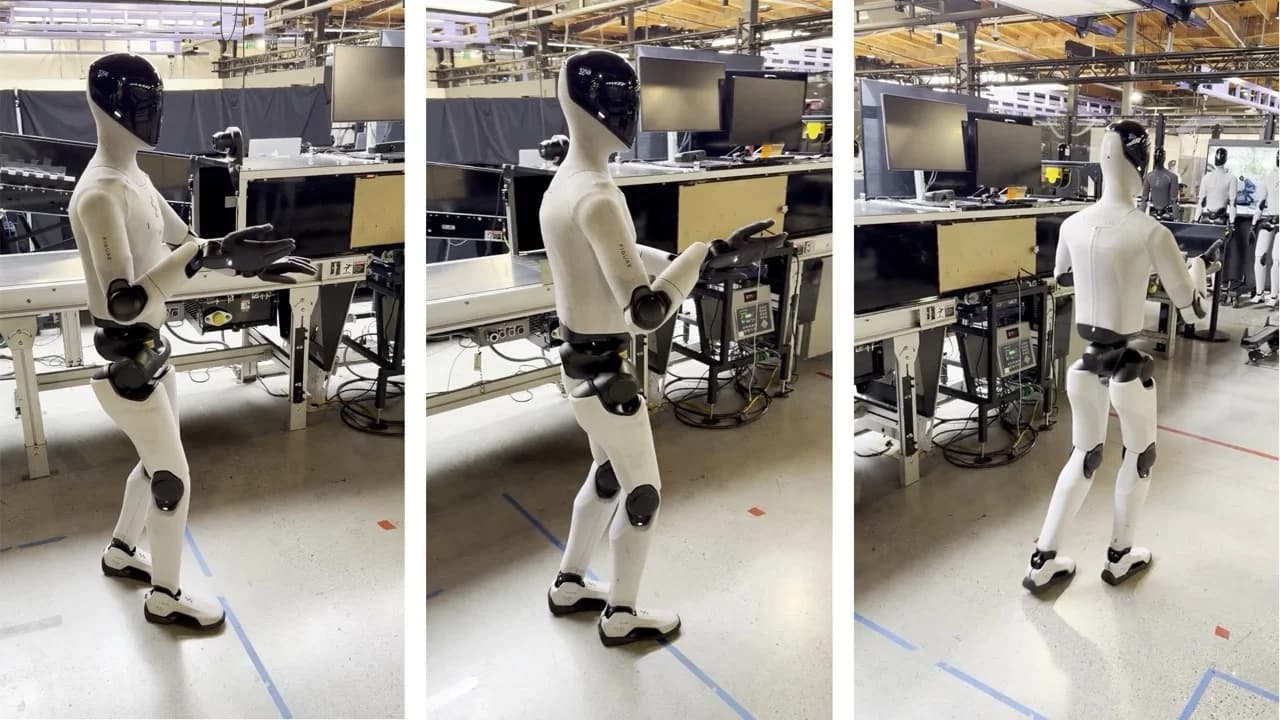
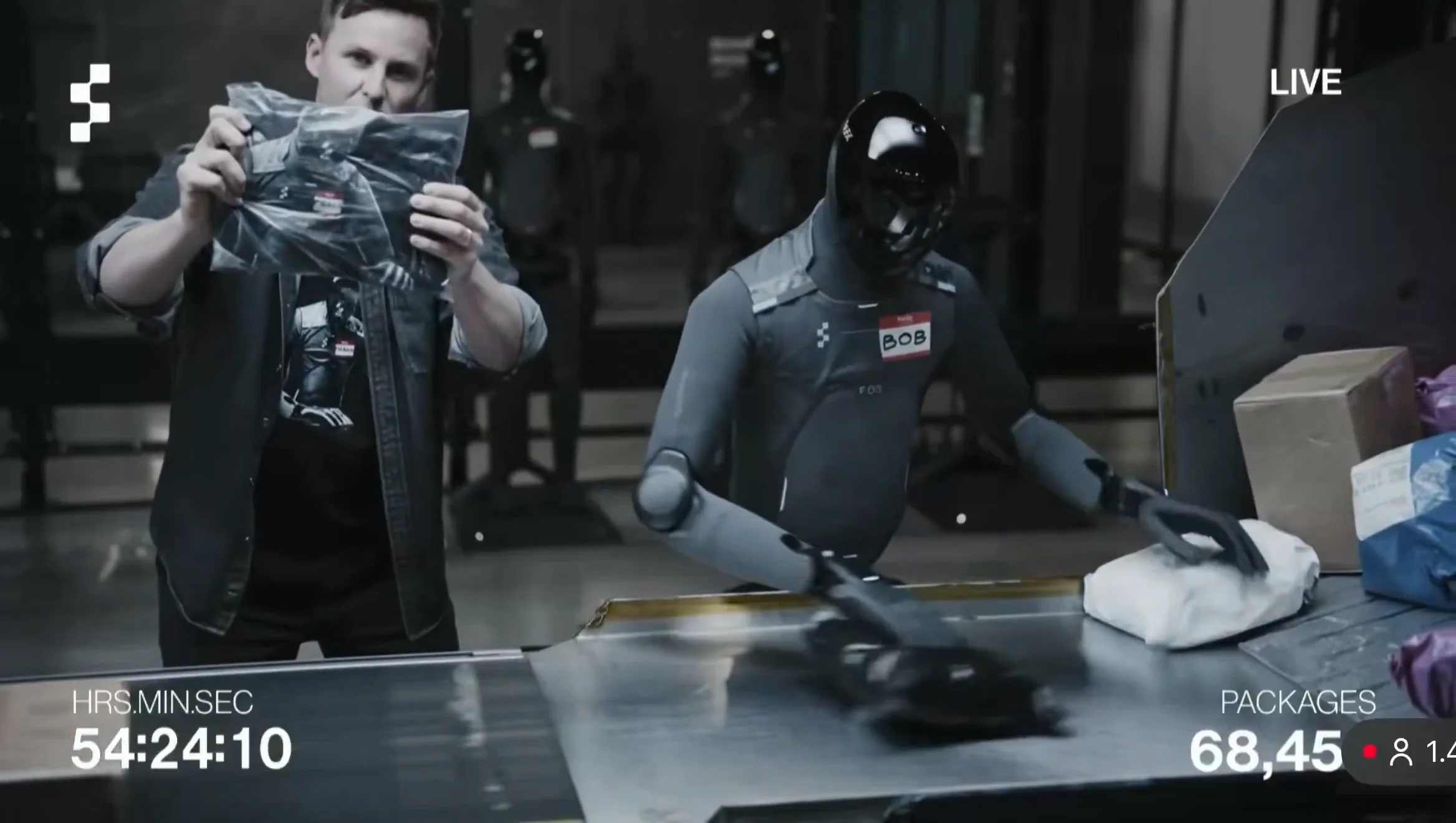
The demonstration, shared via a video from Figure HQ, shows a white Figure 03 humanoid operating at a sorting station—the same environment where the robot has recently matched human parity in package sorting. In the middle of the task, lead engineer Moritz "killed" the robot's right knee, simulating a total hardware failure. Instead of falling, the robot shifted its weight and began a slow, deliberate limp toward the maintenance lab.
The End of the "Single Point of Failure"
The Vulcan update is a direct response to the "limp mode" Adcock teased during his appearance on the Shawn Ryan Show. Historically, humanoid robots have been notoriously fragile; losing a single communication link or motor meant an immediate system failure.
"We're traditionally, if we lost any of the joints in the lower body, we would fall," Adcock explained in the video. "We now have a new AI policy called Vulcan, where the robot can lose up to three actuators or joints in the lower body and still stay balanced."
The weekly humanoid robotics briefing
One email a week: the launches, funding and research that mattered, with context from Humanoids Daily.
Read recent issuesBy allowing the robot to survive the loss of nearly half its lower-body mobility, Figure is addressing a major hurdle for commercial readiness: the cost of downtime and the danger of heavy machinery collapsing in a shared workspace.
Autonomous Self-Triage
Vulcan is more than just a balance trick; it is a critical component of Figure’s "lights-out" strategy in Sunnyvale. For a fleet to operate 24/7 without "babysitters," the machines must be able to handle their own emergencies.
When the failure was triggered in the demonstration, the robot did not just stay standing; it autonomously re-routed its path. Adcock noted that the goal is for the robot to "limp off into service" and head to the repair and maintenance lab to get checked out. This "self-triage" capability ensures that a single mechanical hiccup doesn't require a human technician to physically haul a 135-pound machine across a factory floor.
Driven by Helix 02
This leap in resilience is tied to Figure’s Helix 02 architecture, which replaced over 100,000 lines of hand-coded C++ with end-to-end neural networks. Because the Figure 03 computes torque directly from pixels and state history, the AI can learn to compensate for a "dead" limb in real-time, much like a biological organism adapts to an injury.
As Figure ramps up production at its BotQ facility to a target of 50,000 units per year, the ability for robots to "walk themselves to the hospital" will be a primary differentiator in maintaining the high throughput margins required by customers like BMW and major logistics firms.
Share this article
Read next
- Published on
- Reading time
- 6 min read
Figure CEO Brett Adcock Claims Humanoids Are Already Delivering ROI Amid Severe Labor Shortages
- Published on
- Reading time
- 4 min read
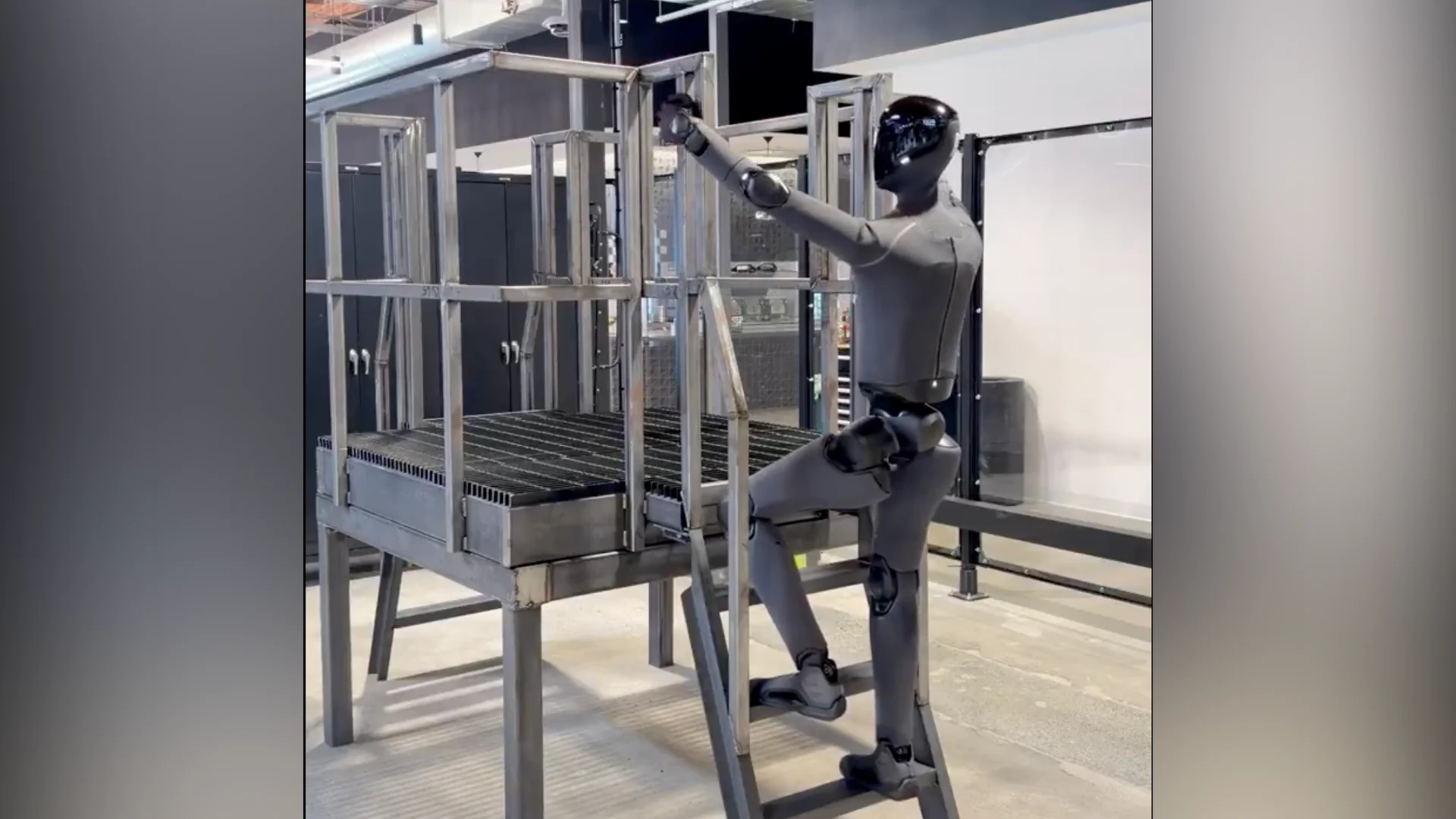
Stepping Up: Figure 03 Achieves Autonomous Ladder Climbing, Reigniting the Bipedal Debate
- Published on
- Reading time
- 4 min read
A Golden Milestone: Figure Manufactures Its 1,000th Figure 03 Humanoid
- Published on
- Reading time
- 4 min read
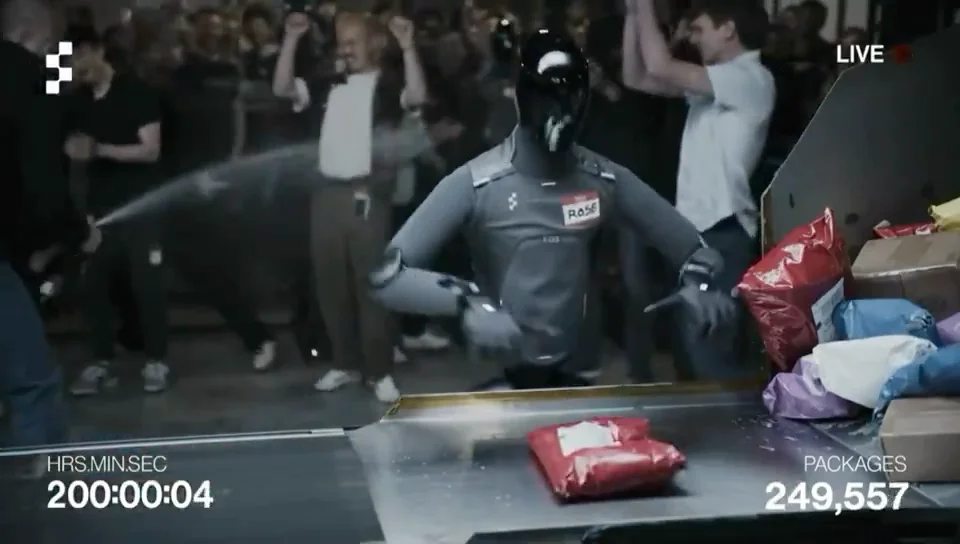
Figure AI Pops Champagne as Autonomous Marathon Crosses 200 Hours Without Hardware Failure
- Published on
- Reading time
- 5 min read
Man vs. Machine: Figure AI Intern Edges Out Humanoid Fleet in 10-Hour Sorting Challenge
- Published on
- Reading time
- 8 min read
Beyond the 60-Hour Mark: Figure AI’s Endurance Marathon Signals Playbook for Figure 4 and Supply Chain Independence



The weekly humanoid robotics briefing
One email a week: the launches, funding and research that mattered, with context from Humanoids Daily.
Read recent issues