- Published on
Tesla’s Optimus Data-Collection Effort Comes Into Focus After Scoble’s “Robot University” Claims
One tap, and our reporting appears more often in your Google Top Stories. It makes a real difference to a small newsroom.

Tesla’s effort to collect human demonstrations for Optimus is drawing fresh attention after technology commentator Robert Scoble described an around-the-clock training operation in Palo Alto. His account adds unverified details to an activity Tesla already documents publicly through its recruitment pages: hiring people to wear motion-capture equipment and perform physical tasks.
- Scoble claims Tesla workers collect Optimus training data using suits with up to 40 cameras, but does not disclose his source.
- Tesla’s own listings confirm motion-capture work, daytime and overnight schedules in Austin, and dual-shift operations at Fremont Factory and Milmont Academy.
- The listings support the broader data-collection story, but do not establish Scoble’s exact equipment specifications or claimed Palo Alto schedule.
What Scoble claims
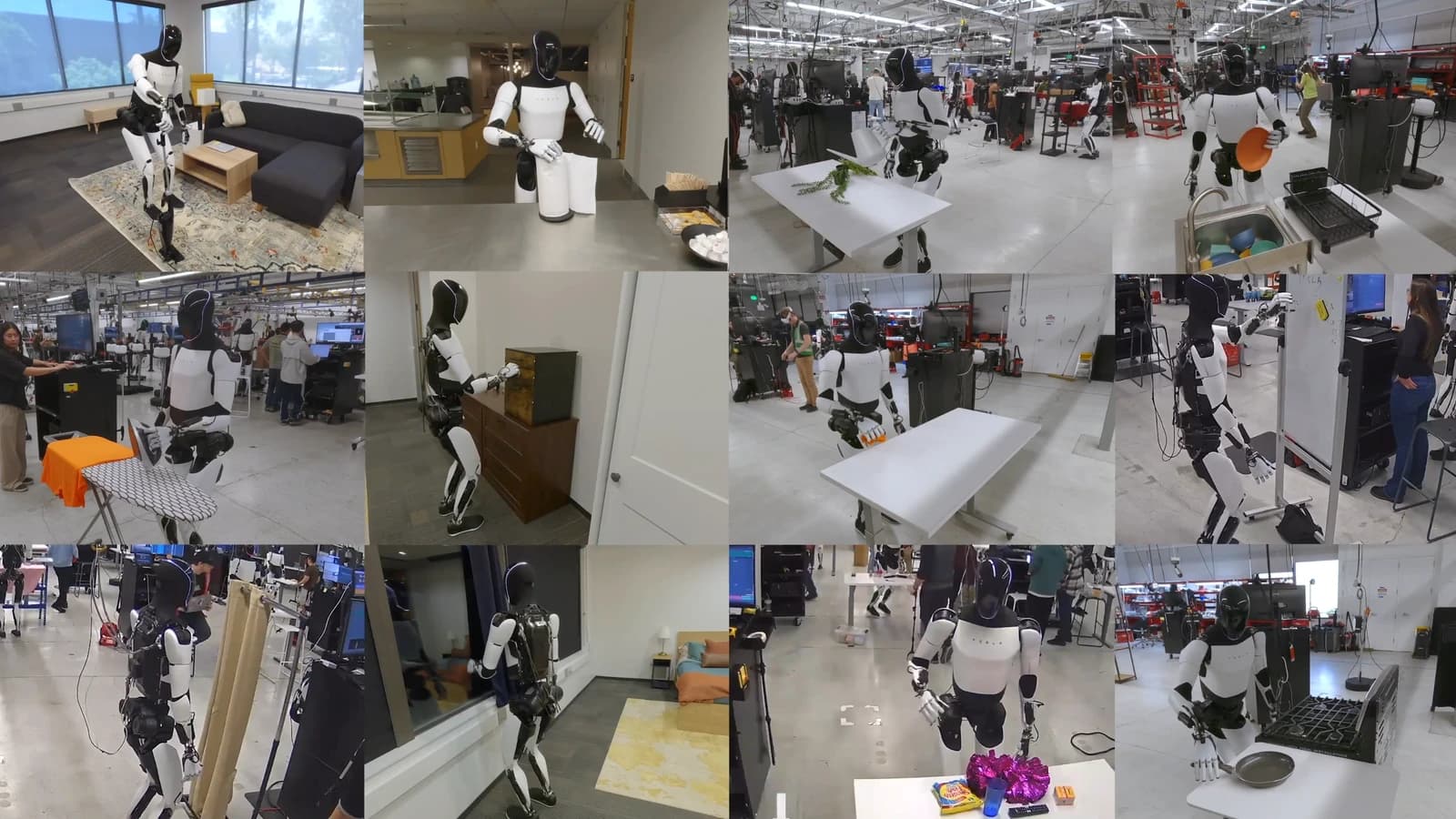
In an October 28 post on X, Scoble said workers at Tesla’s Palo Alto research facility have been collecting training data for months. He described 24-pound suits carrying as many as 40 cameras alongside 3D sensors, with multiple teams working three shifts around the clock.
He also described separate efforts to record domestic activities, such as sandwich preparation, and automotive work, including HVAC installation, with similar collection activity in Texas. Scoble did not identify his source or supply documentation supporting those details.
What Tesla’s listings establish
A Tesla listing for an Optimus data-collection operator in Austin describes workers manipulating objects, following prescribed routes and wearing motion-capture equipment while carrying out designated actions. Duties include operating recording devices, reporting equipment issues and reviewing collected data.
Follow humanoid robotics without following every announcement.
Get the week’s most important launches, funding and research—and why they matter—in one email from Humanoids Daily.
Once a week. Unsubscribe anytime.
Read recent issuesThe role requires walking for more than seven hours a day while carrying up to 30 pounds of equipment. It lists daytime and overnight schedules. That supports the existence of physically demanding, organized collection work, but the weight allowance does not verify Scoble’s specific suit description or camera count.
A separate Optimus data-collection management listing describes dual-shift operations across Fremont Factory and Milmont Academy. Responsibilities include overseeing supervisors, tracking collection metrics and improving data quality and efficiency.
These postings establish the kinds of work Tesla is recruiting for. They do not quantify its active workforce, total dataset or the precise operating schedule of the Palo Alto facility.
How Figure’s Index compares
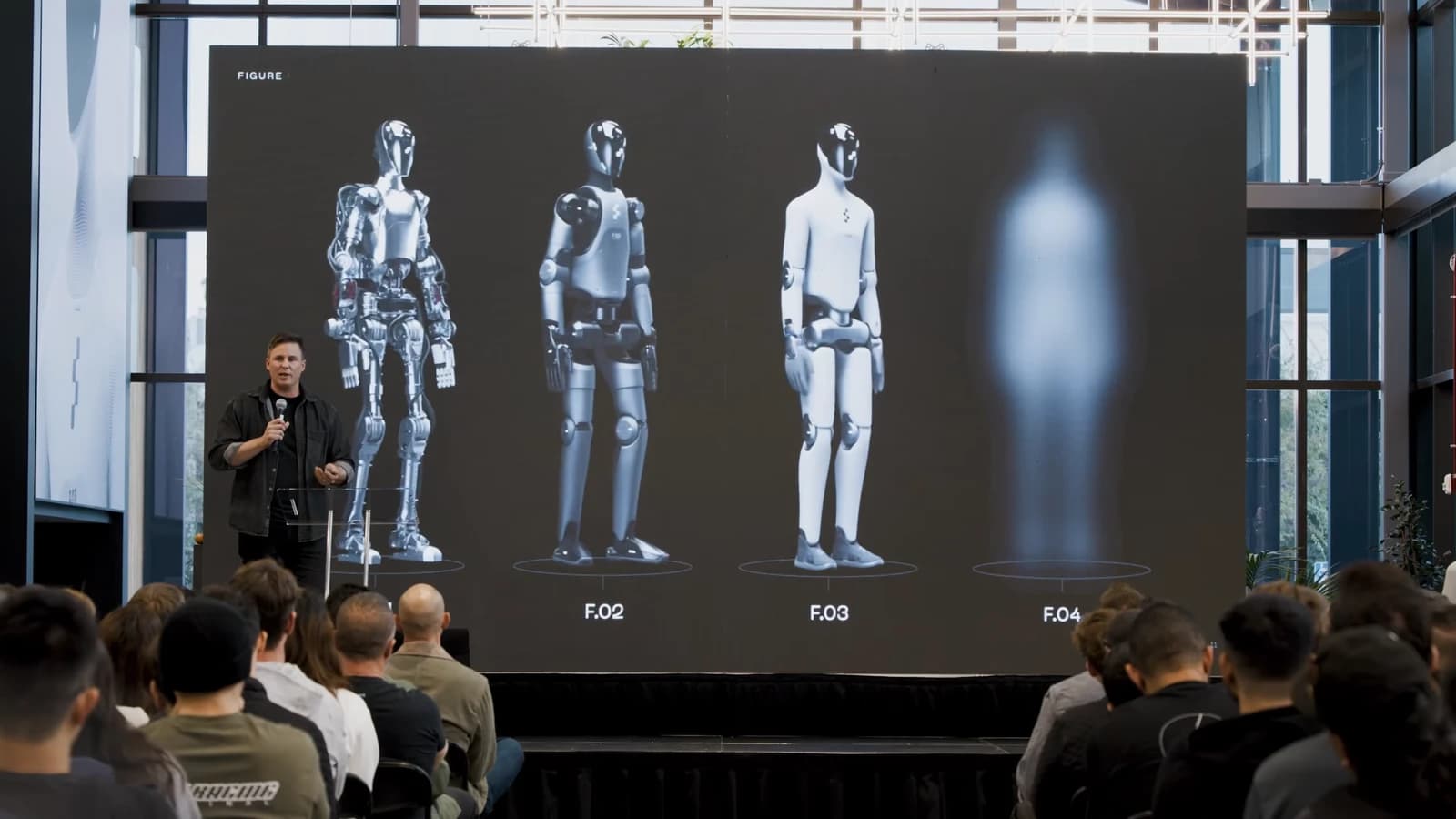
Figure is pursuing a different collection model with Index, its crowdsourced human-video platform. Contributors are paid to record everyday tasks in homes and workplaces, supplying footage for Helix training. Figure’s launch announcement describes filtering, fraud review, deduplication, rebalancing and annotation before that footage becomes training data.
In a September update covered by Humanoids Daily, Brett Adcock reported 69,943 weekly active users for the week ending September 4 and uploads equivalent to 35 minutes of video per second. Those are company-reported participation and intake figures, rather than measures of robot performance.
The distinction is in how the demonstrations are gathered. Tesla’s advertised roles describe employees following designated tasks while wearing motion-capture equipment. Index recruits a distributed contributor network, giving Figure access to varied homes, workplaces, objects and ways of completing tasks. The apparent trade-off is between control over collection conditions and breadth of environments, although these programs need not represent either company’s entire training strategy.
Their headline numbers are not directly comparable: video upload volume, contributor counts and motion-capture staffing describe different inputs. Both approaches still depend on turning human demonstrations into reliable robot actions.
The human work behind robot learning
The broader connection is to the demonstration-collection methods explored in Humanoids Daily’s UMI feature. Handheld grippers, wearable interfaces and motion-capture systems offer different ways to record human actions for robot learning. Their usefulness depends on how effectively those recordings translate into reliable robot behavior.
Scoble’s account raises questions about the scale and variety of Tesla’s collection effort. It does not establish a performance advantage: more cameras alone cannot determine the volume of usable training data or how well Optimus will perform unfamiliar tasks.
For now, the strongest evidence is Tesla’s own description of a collection organization spanning multiple facilities and shifts. Scoble’s additional details offer leads for further reporting, while robot reliability and useful deployment remain separate measures of progress.
Share this article
Follow humanoid robotics without following every announcement.
Get the week’s most important launches, funding and research—and why they matter—in one email from Humanoids Daily.
Once a week. Unsubscribe anytime.
Read recent issuesRead next
- Published on
- Reading time
- 2 min read
Tesla’s Lars Moravy Floats Optimus as a Cybercab Charging Helper
- Published on
- Reading time
- 19 min read
Tesla’s Optimus Gen 3, Figure 04 and the Next Apollo: When Each Could Be Revealed
- Published on
- Reading time
- 6 min read
Tesla Begins Optimus Production in Fremont, Targets Customer Deliveries in Late 2027
- Published on
- Reading time
- 3 min read
Tesla Makes Its Case for Board Continuity Ahead of December 3 Shareholder Vote
- Published on
- Reading time
- 2 min read
Musk Puts Optimus and Cybercab at the Center of Tesla’s Future Value
- Published on
- Reading time
- 5 min read
Musk Details Optimus Hand Challenges, Warns of Slow Initial Production Ramp