- Published on
Tesla’s Optimus Gen 3, Figure 04 and the Next Apollo: When Each Could Be Revealed
One tap, and our reporting appears more often in your Google Top Stories. It makes a real difference to a small newsroom.


Your guide
Rich Robinson
Jee Chee Ren · Executive tour
See China’s AI and robotics ecosystem first-hand.
Six days exploring AI, robotics and advanced manufacturing.
With Rich Robinson, Clinical Professor of Entrepreneurship at Peking University
Beijing · Guangzhou · Shenzhen
29 November–4 December 2026
Referral partnership · We earn a commission on referred bookings.
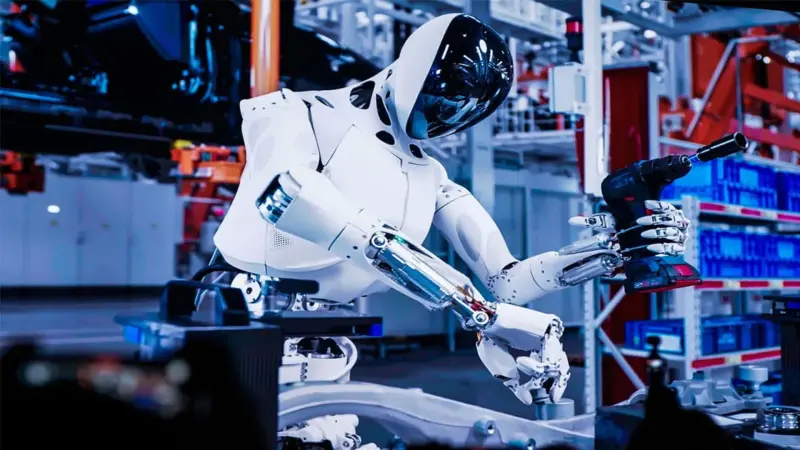
- Figure 04, Tesla’s Optimus Gen 3 and Apptronik’s successor to Apollo 2 are all in development, and none has a public reveal date.
- Figure says Figure 04 is in design lock with actuators, batteries and hands in testing. Based on that stage of work and Figure’s pace so far, we expect a reveal in late 2026 or early 2027.
- Tesla missed its own Q1 2026 target to show Gen 3, is already building V3-labeled robots in Fremont and plans customer deliveries toward the end of 2027. On the October 21 earnings call, Musk said Tesla may be ready to release a new Optimus video in a month or two, showing the robot doing more than predefined tasks.
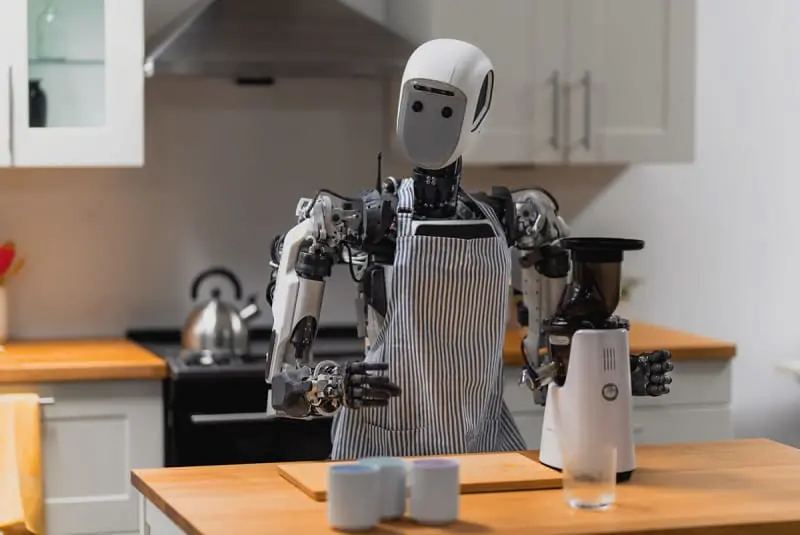
- Apptronik launched Apollo 2 quietly in June. CEO Jeff Cardenas has said a “significant jump up” would follow the refinement step; we see 2027 as the earliest realistic window.
- The other three leading American humanoid makers are further along: Boston Dynamics launched the production Atlas in January, Agility unveiled Digit 5 in September, and 1X has promised the first NEO consumer deliveries by the end of 2026.
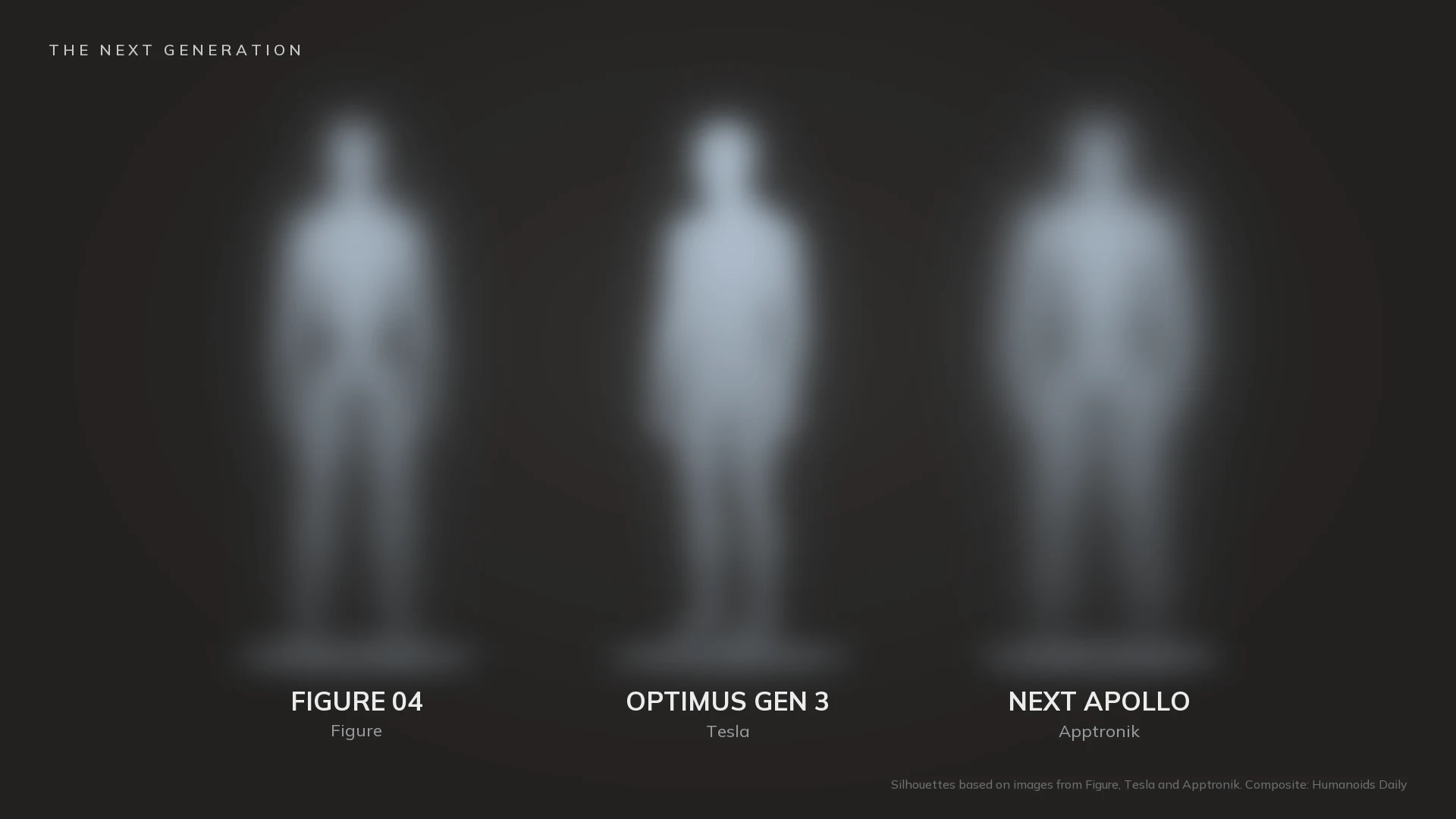
Six companies make up the front rank of American humanoid robotics: Figure, Tesla, Apptronik, Agility Robotics, Boston Dynamics and 1X. Boston Dynamics and Agility have already shown the robots they are betting on next, and 1X is preparing to deliver its NEO to the first customers. We cover those three further down.
Figure, Tesla and Apptronik are each working on a robot they describe as a major step beyond their current one. Figure has locked the design of Figure 04. Tesla has been talking about Optimus Gen 3 for more than a year and is already manufacturing robots that suppliers and reporters label V3. Apptronik shipped Apollo 2 in June and has said a bigger leap would come after it.
None of the three has said when it will show its robot. Below, we go through what each company has said publicly, what our own reporting adds, and the window we think is most likely for each reveal. The timing estimates are ours.
Figure 04: Adcock’s “iPhone 1 moment”
Where it stands
Figure CEO Brett Adcock first announced that Figure 04 had reached “full design lock” in May, saying the company was already shipping parts. At the time he cautioned that “a ton of work” remained before a functional unit was ready to be shown.
Follow humanoid robotics without following every announcement.
Get the week’s most important launches, funding and research—and why they matter—in one email from Humanoids Daily.
Once a week. Unsubscribe anytime.
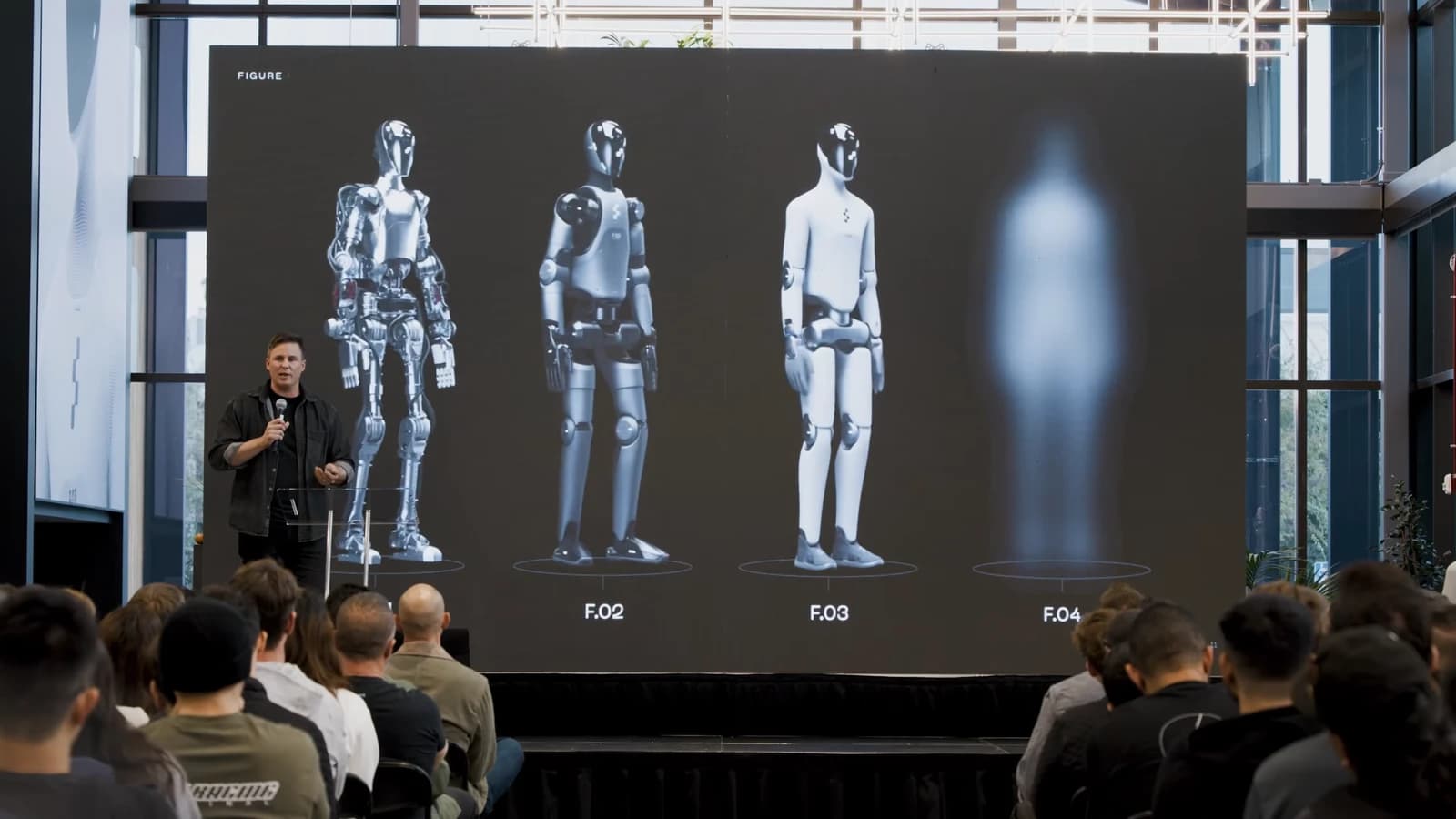
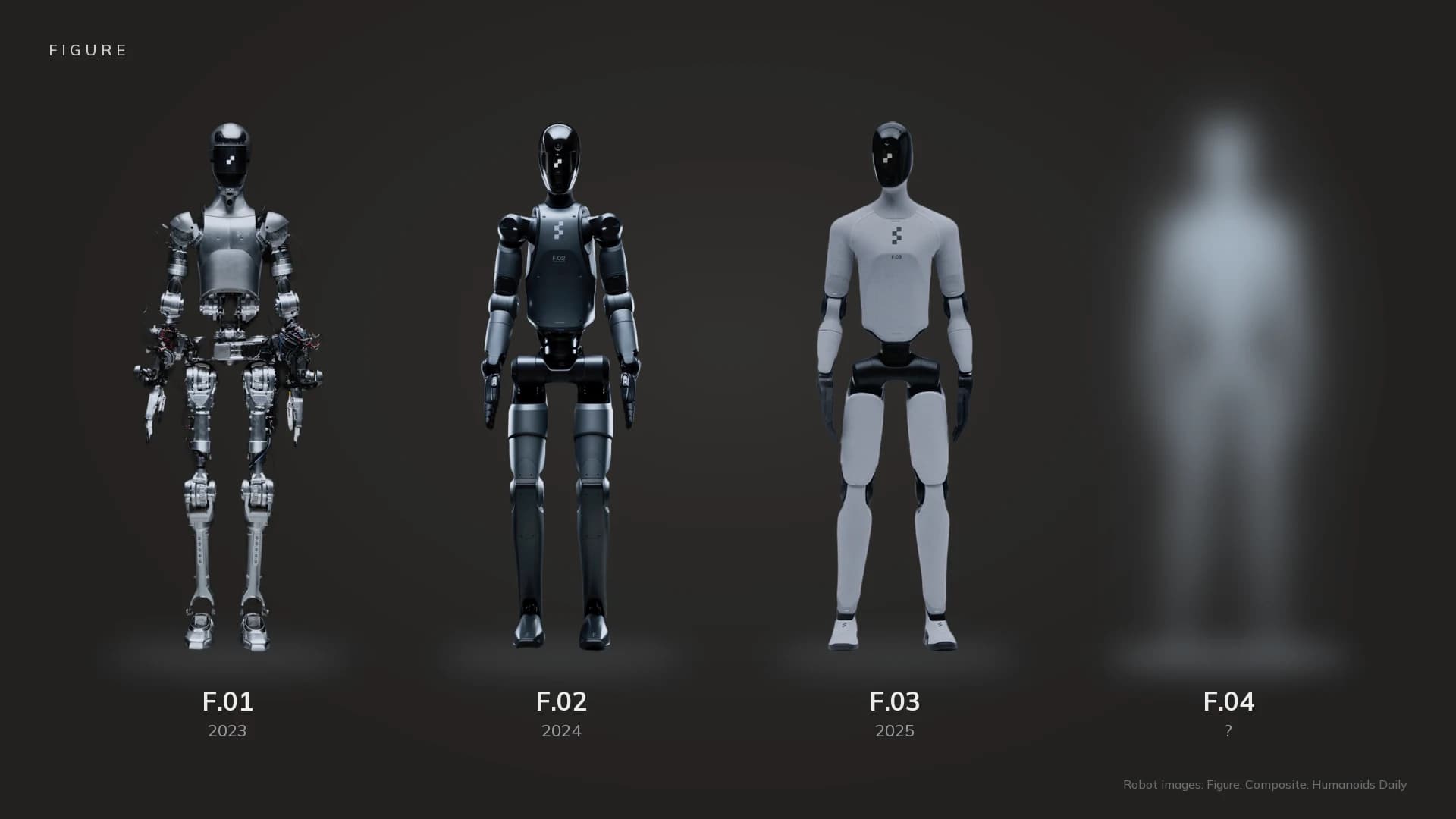
Read recent issuesFive months later, at an internal all-hands meeting that Figure published on October 22, Adcock gave the most detailed status update so far. Figure 04’s actuators were running in Figure’s test lab, the team had brought up ten full battery packs the week before, and battery load and thermal testing were next. A slide of Figure’s four robot generations showed Figure 04 blurred out.
What to expect
The hands. Adcock has made the hand the centerpiece of the redesign. In May he said the Figure 04 hand packs more actuators than the rest of the robot’s body combined and reaches full range-of-motion parity with a human hand. At the all-hands he described the fourth iteration of that hand and months of work on fingertip tracking at millimeter-level precision against human references. Figure has not published a dexterity benchmark.
A body built to copy people. The reason for those hands is data. Figure’s Index program pays people to upload videos of themselves doing everyday tasks; by October it had received 37.5 million uploads from 112 countries, and Figure estimated it spent $8.1 million on data in a single week. Adcock’s argument is that a robot whose hands and body move like a person’s can learn from that footage more directly. In May he said limited degrees of freedom “pollute” training data because the robot cannot reproduce what the human did.
Easier to build. Figure 03 was designed for its BotQ factory, and Figure built its 1,000th unit in July. Adcock still said parts of Figure 03 were “hard to manufacture,” and listed simpler assembly, home safety and the move from CNC-machined parts to die-casting and injection molding as goals for Figure 04.
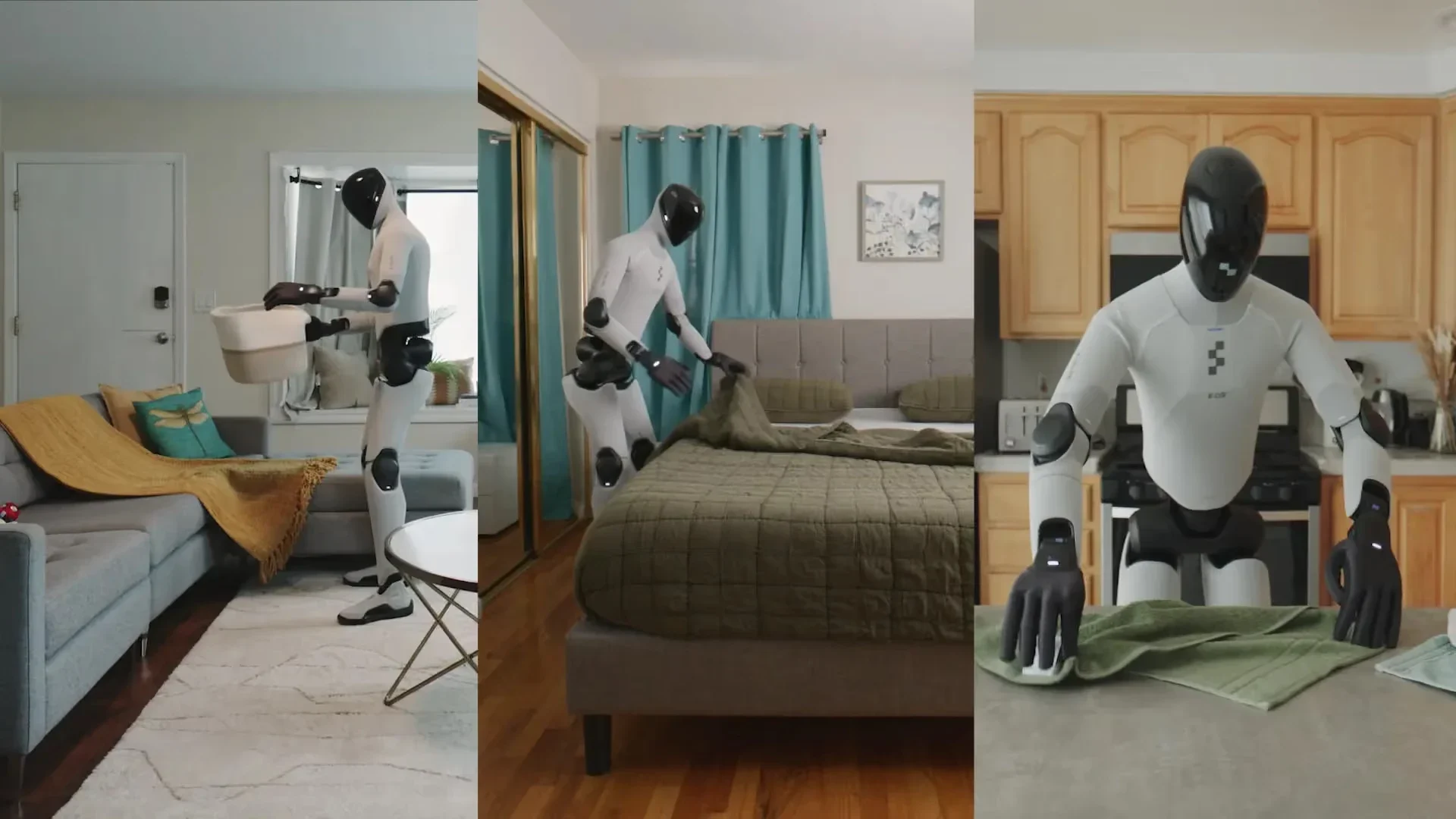
A new brain alongside it. The all-hands closed with a teaser for Helix 3.0, which Adcock said had been trained on more data and GPUs than any previous Figure model, with a still larger model expected “within weeks.” Figure’s current model, Helix 2.5, completed 237 of 420 full-task trials in 30 unseen homes. Helix 3.0 could arrive before the hardware it is meant to run on.
Adcock has repeatedly described the step from Figure 03 to Figure 04 as the largest hardware leap in Figure’s history. He has not given weight, payload, runtime or cost figures.
When could it be revealed?
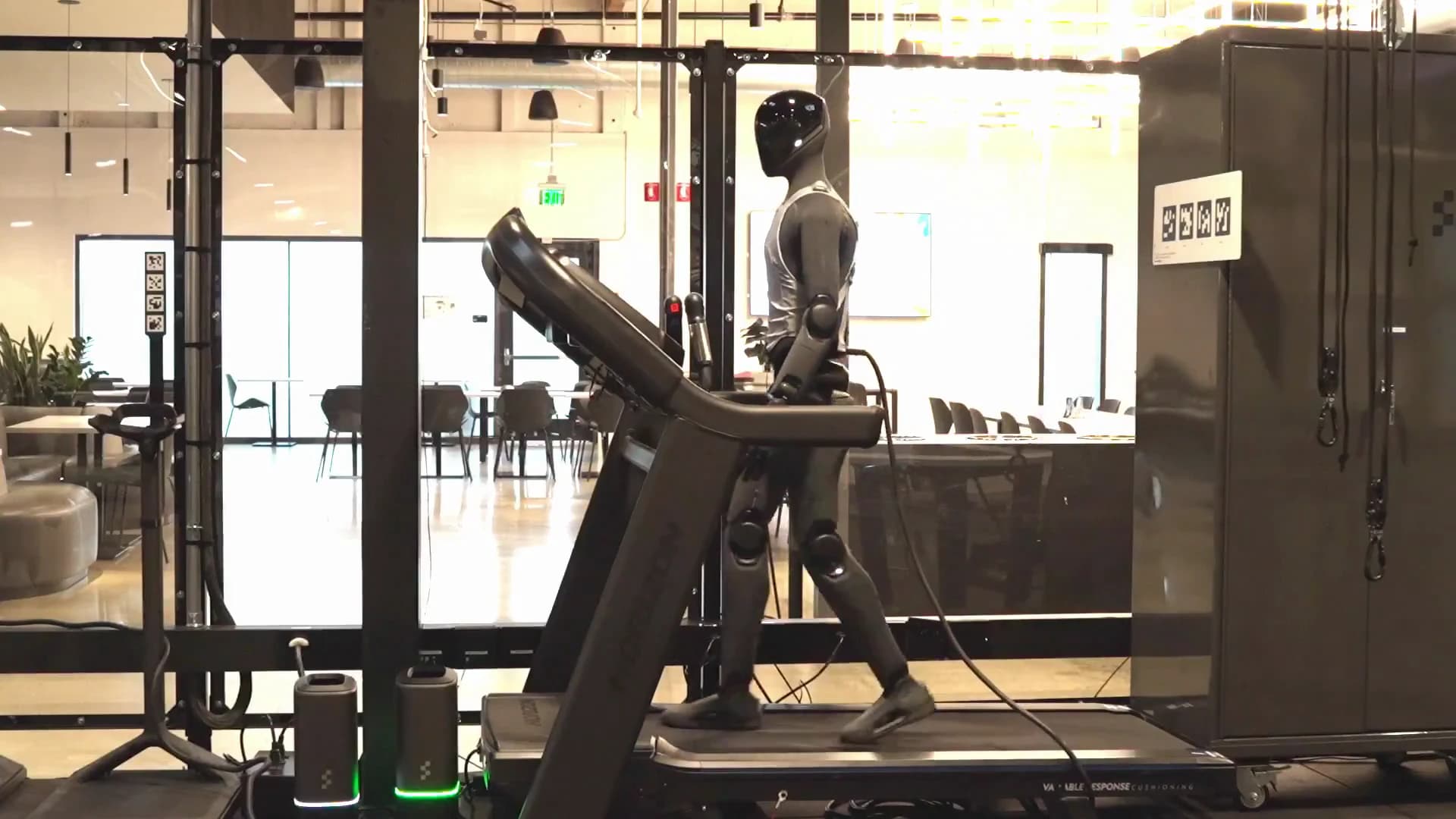
Figure has moved roughly once a year: Figure 02 was shown in August 2024 and Figure 03 on October 9, 2025. Matching that pace would put Figure 04 around now. The October all-hands showed work still under way: the battery packs were first brought up in mid-October, thermal testing was still to come, and the company’s 200-hour livestream and nine-day treadmill run have set an expectation of unedited, long-duration demonstrations. Figure has also moved quickly before. It declared design lock on Figure 04 in May, seven months after Figure 03’s launch, and had built its 1,000th Figure 03 by July.
Figure is clearing the stage for it. After Adcock said Figure was out of room at headquarters, the company retired Figure 02 and released a film on September 30 showing it lowered into a furnace in Finland, with Arnold Schwarzenegger taking part.
Our estimate: late 2026 or early 2027. A reveal in December is possible if testing goes smoothly. Figure announced the Figure 03 reveal only two days ahead, so the gap between the first public hint and the launch itself may be brief.
Tesla Optimus Gen 3: announced, built, not yet shown
Where it stands
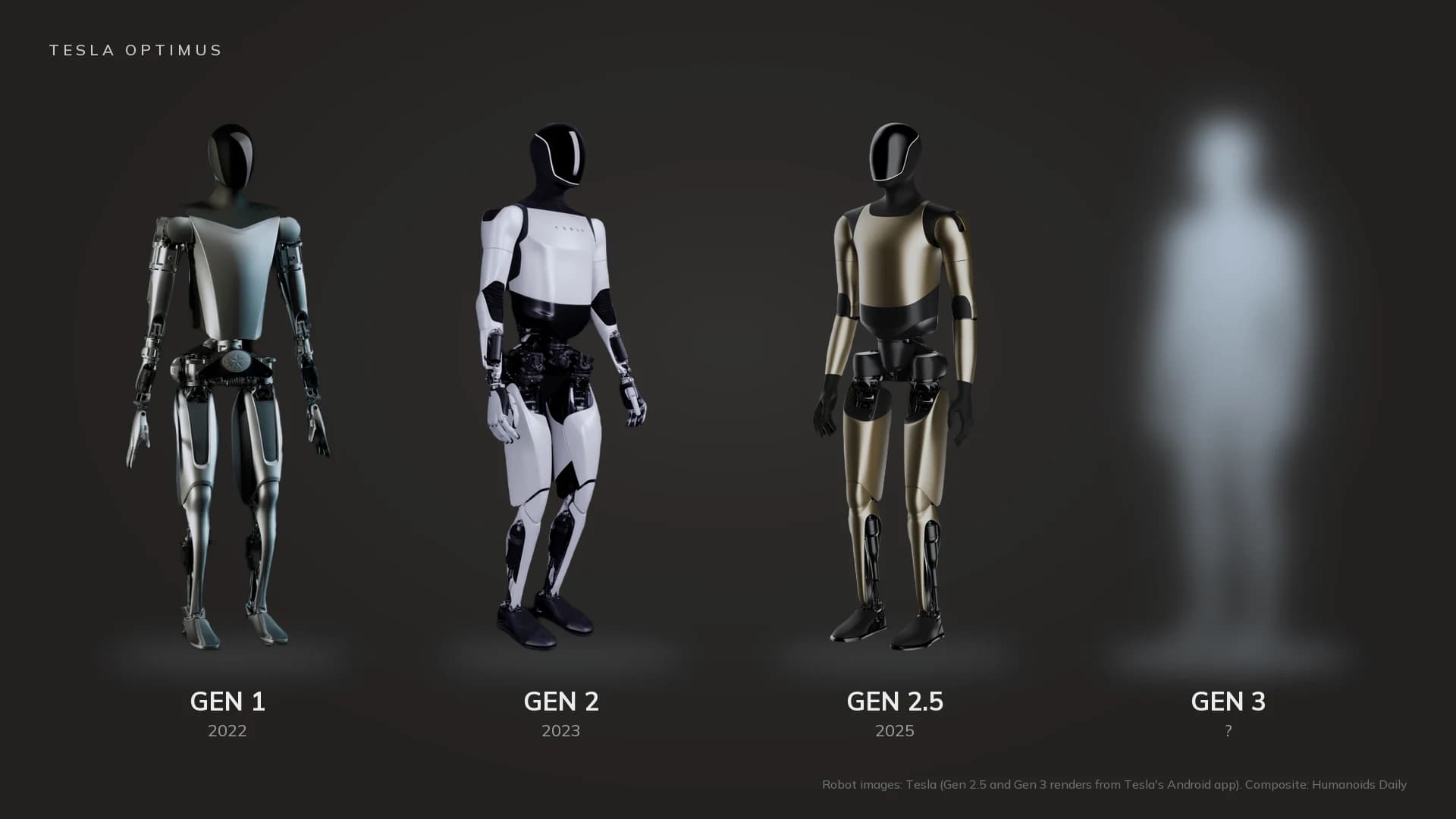
Tesla’s position is the oddest of the three. It announced Gen 3 long ago, described it in its Q4 2025 shareholder update as its “first design meant for mass production”, and set a Q1 2026 reveal. It missed that deadline; CEO Elon Musk said at the time that “Optimus 3 is walking around” but needed “finishing touches before it’s ready to be shown.”
Seven months on, Tesla still has not shown it, even though it is building robots in volume. The Information reported in September that Tesla was producing several hundred Optimus robots a week at Fremont in August, and identified them as V3. Its sources also said these were not the exact version Tesla intends to sell. On the October 21 earnings call, Tesla said the first “production-quality” robots were coming off the Fremont line, listed California production as an “early ramp,” and Musk said deliveries to outside customers were likely toward the end of 2027.
Filings from two Chinese component suppliers to the Shenzhen Stock Exchange add detail on where the hardware stands.
Hangzhou Xinjian Electromechanical Transmission, a planetary roller screw maker applying to list on Shenzhen’s ChiNext board, states in a 12 October reply to the exchange’s questions that Optimus V3’s hardware design is “basically frozen and finalized.” Its supporting section, however, presents this as the market’s general view, drawn from Tesla’s published patents and photos, and attributes the end-of-2026 mass-production date to public information. The filing does not name Tesla as a customer. It refers to a “Company A,” which it says has placed mass-production orders for humanoid robot screws, without giving volumes or values. Xinjian’s sales to Company A fell from about 16.6 million yuan in 2025 to 1.5 million yuan in the first half of 2026. The company attributes the drop to shrinking development orders as that customer moves toward volume production.
The second company, Ningbo Zhenyu Technology, is already listed in Shenzhen; its filing relates to a convertible bond issue. Its June reply to the exchange said its linear actuator modules, roller screws and micro ball screws were going through supplier qualification with an unnamed major overseas customer. It makes no statement about Tesla’s design.
Neither filing gives order volumes. Chinese media reported in September that Tesla had ordered components for about 5,000 robots; Tesla has not confirmed the order.
A 36Kr Europe article published October 26, originally written by Michael Yuan for the WeChat account Chezhi, reads the same earnings call more pessimistically. It describes mass production as pushed back to around the end of 2027 and says the dexterous hand currently has to be scrapped after about a month of use. The article does not give a source for the one-month figure.
Those accounts can both be right. A frozen hardware design for the robots Tesla builds and uses internally is a different milestone from a robot durable enough to sell.
What to expect
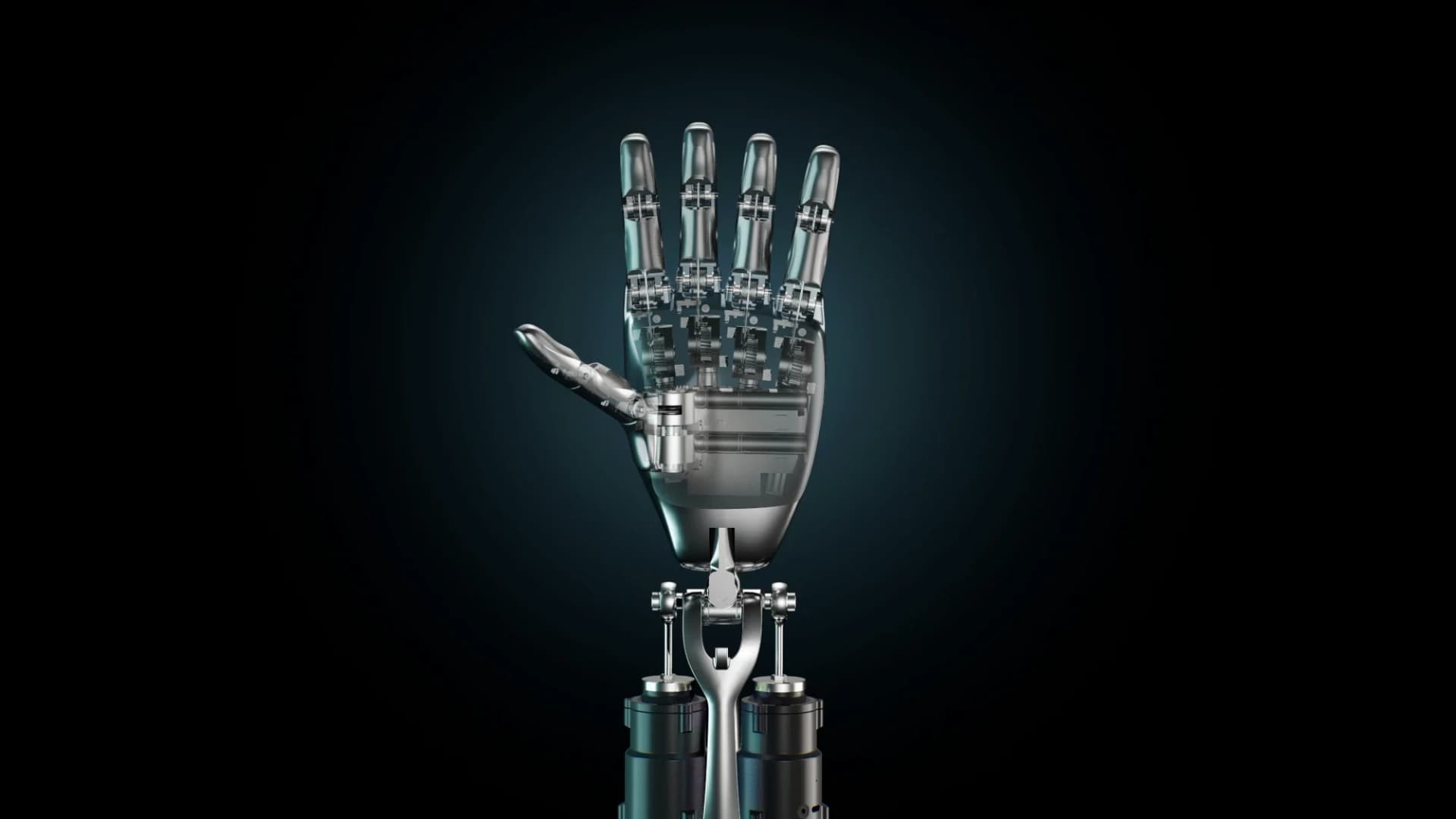
A hand with more actuators. Musk said last year that the next Optimus hand would have 50 actuators across both hands and forearms, or 25 per side. At X Takeover on October 10, he described why the hand is so hard: driving a screw into wood needs fine control and force at once, touch sensors near the surface wear out, and the rubber covering a finger can slip around the structure underneath when torque is applied, as when opening a tight jar. The Information reported that Tesla has developed a replaceable sensing glove, planned for 2027, and a Tesla patent application published October 8 describes flexible touch sensors molded around curved fingers and palms.
The opposite bet to Figure. Tesla’s hand is tendon-driven: the actuators sit in the forearm and pull on tendons that run to the fingers. That leaves room for larger motors, and the tendons give the fingers some compliance. Figure has gone the other way. Adcock has called the tendon-driven hand Figure built for its first robot his “biggest engineering mistake,” and Figure’s newer hands use direct drive, with the motors placed in the hand itself. That makes the fingers easier to control precisely, but limits how much motor fits inside each finger. Our feature on the dexterity divide sets out the trade-offs and where other hand makers stand.
A covered body. In March, a Tesla engineer said in a recruitment video that Gen 3 would “look like a human in a superhero suit”, and Tesla was hiring a soft-goods design engineer. The renders labeled _gen3 that we found in Tesla’s Android app fit that description: compared with the gold Gen 2.5 render, the _gen3 version covers the hips and lower legs with continuous gold and black panels. The files first appeared in the app on August 27 and are filed under assets/mock/, so they may not show the final design.
A new computer. Musk targeted around April 2027 for integrating the AI5 chip into Optimus, which he said offers roughly ten times the compute of AI4. Tesla has already halved AI5’s RAM allocation to 72GB to secure enough memory for robot production.
Scale. Tesla plans to build 10,000 to 20,000 robots for its Optimus Academy, where they would practice tasks to generate training data. The 36Kr article estimates that each of those robots currently costs $50,000 to $100,000 to make, putting the fleet at about 14 billion yuan including other costs; that is the author’s estimate, not a Tesla figure. A three-story Optimus factory at Giga Texas is also under construction, with about 40% of its steel structure up as of October 1.
When could it be revealed?
Two dates are in play:
- Late November to late December 2026. On the earnings call, Musk said Tesla may be ready to release a new Optimus video in about a month, though it could take a month or two. He wants it to show the robot using AI rather than performing predefined tasks. Tesla’s shareholder meeting on December 3 falls inside that window. Tesla used its October 2025 shareholder meeting video to show an updated Optimus design.
- Around April 2027, when AI5 is meant to arrive in the robot.
Our estimate: a partial look by the end of 2026, the full reveal in the first half of 2027. That video is about software and may well show Gen 3 hardware without Tesla presenting it as a launch. Musk said on the call that Tesla is still building robots with unfinished hand designs. As long as the hand is changing, a formal unveiling with a spec sheet looks less likely than another video.
Apptronik’s next Apollo: the quiet one
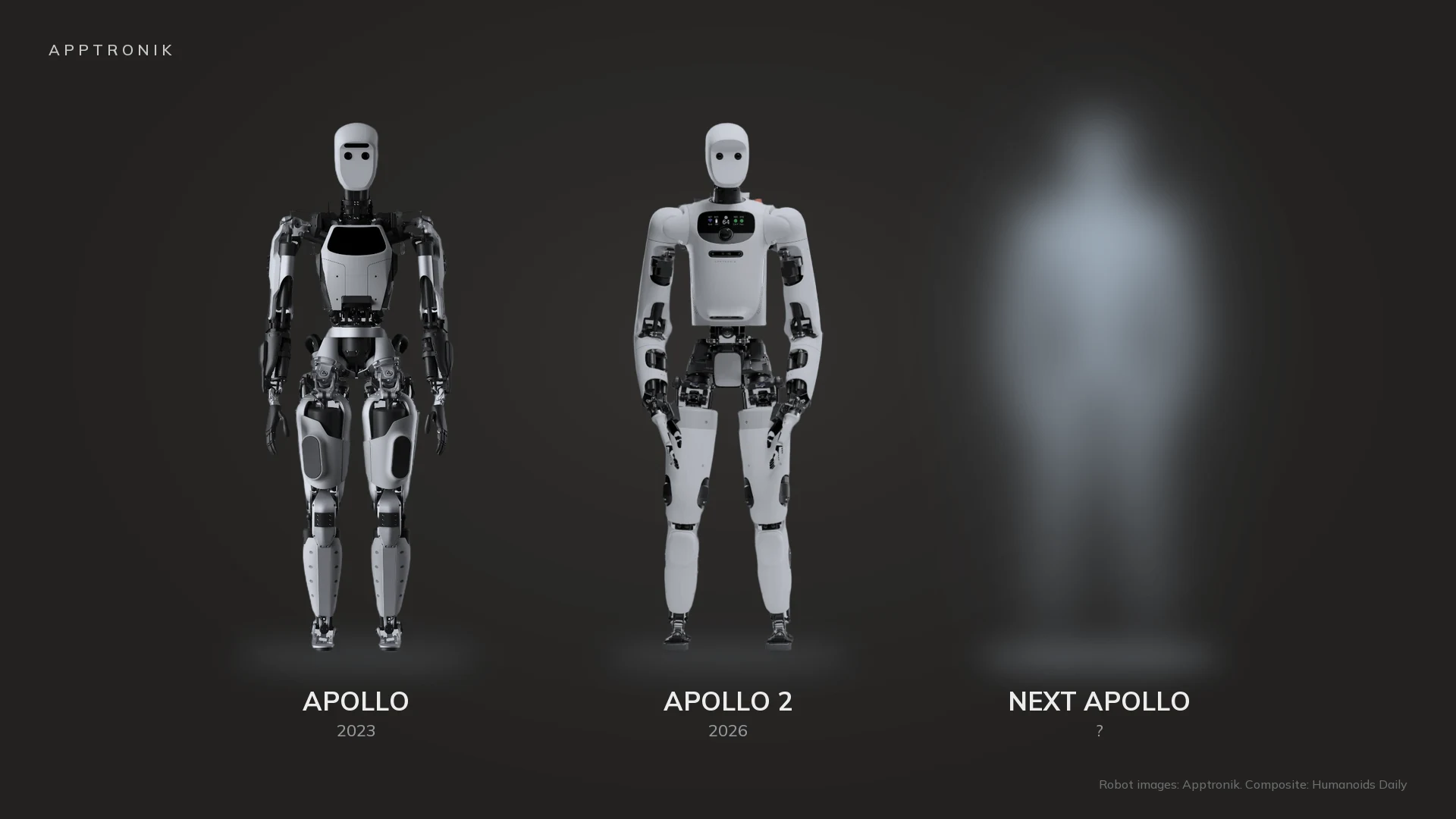
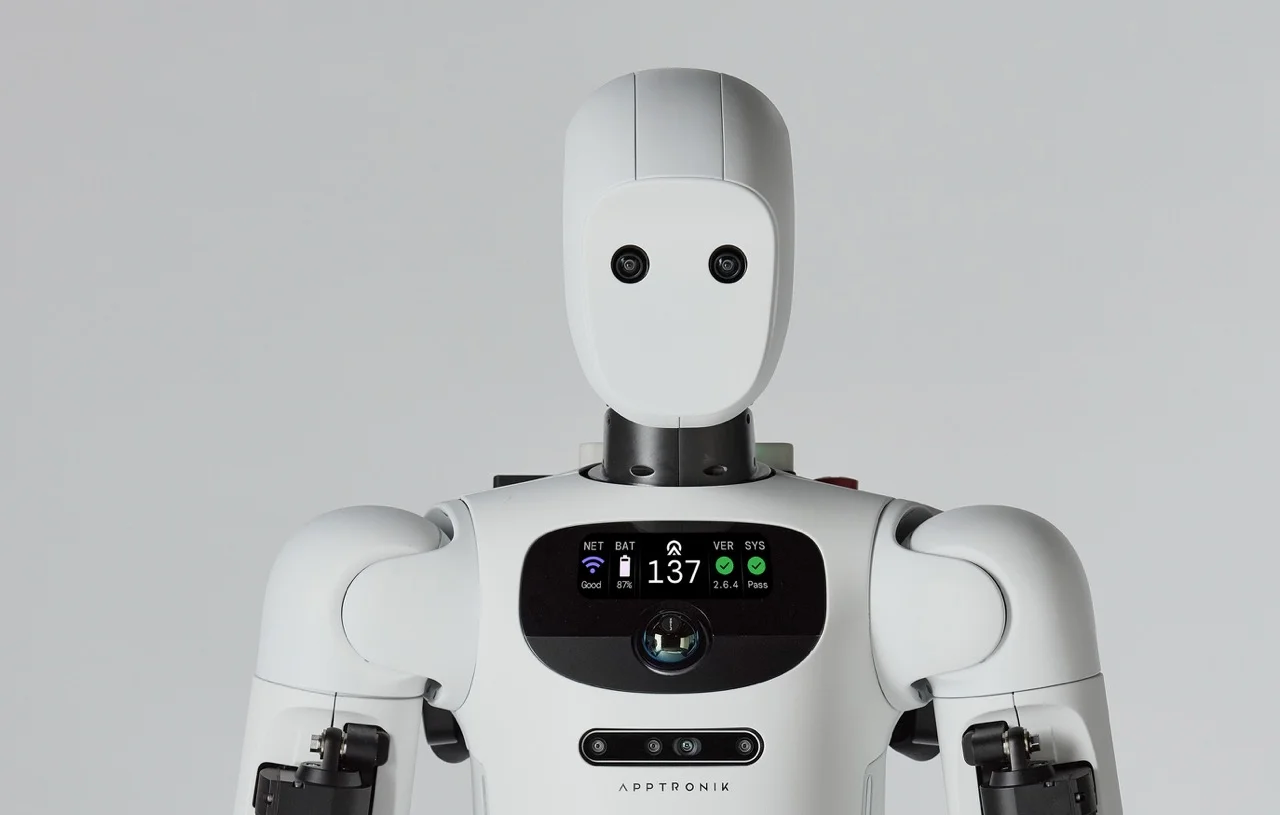
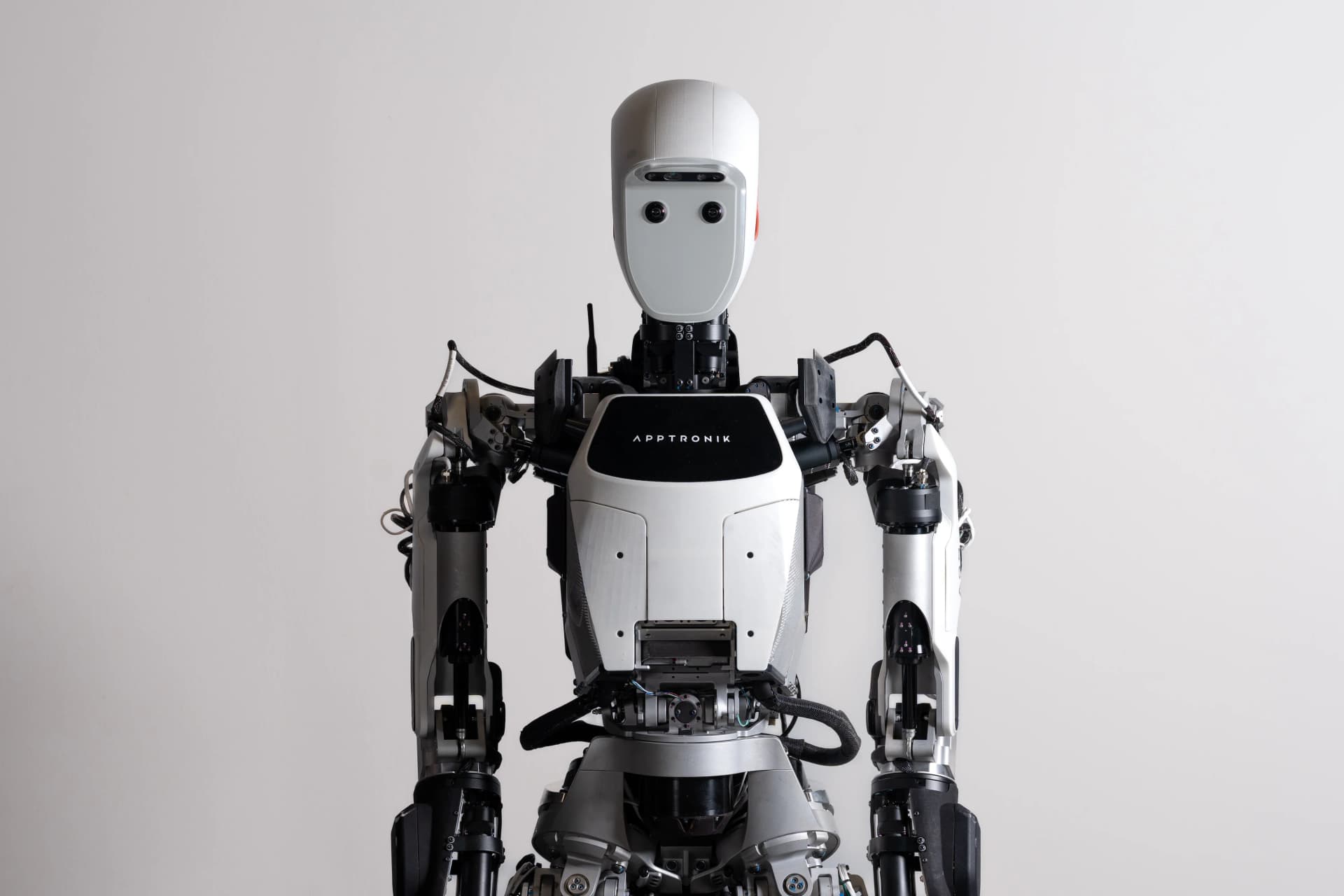
Apptronik has not given its next robot a name. We refer to it here as Apollo 3, the successor to Apollo 2.
Where it stands
Apptronik’s approach to launches is the opposite of Tesla’s and Figure’s. In February, CEO Jeff Cardenas told the Association for Advancing Automation that if he shows something in a video, “I should be able to show you the same thing in person live.” In the same interview, he said several next versions of Apollo were being developed in parallel. The first would be a “refinement,” followed quickly by a “significant jump up” in hardware and software integration.
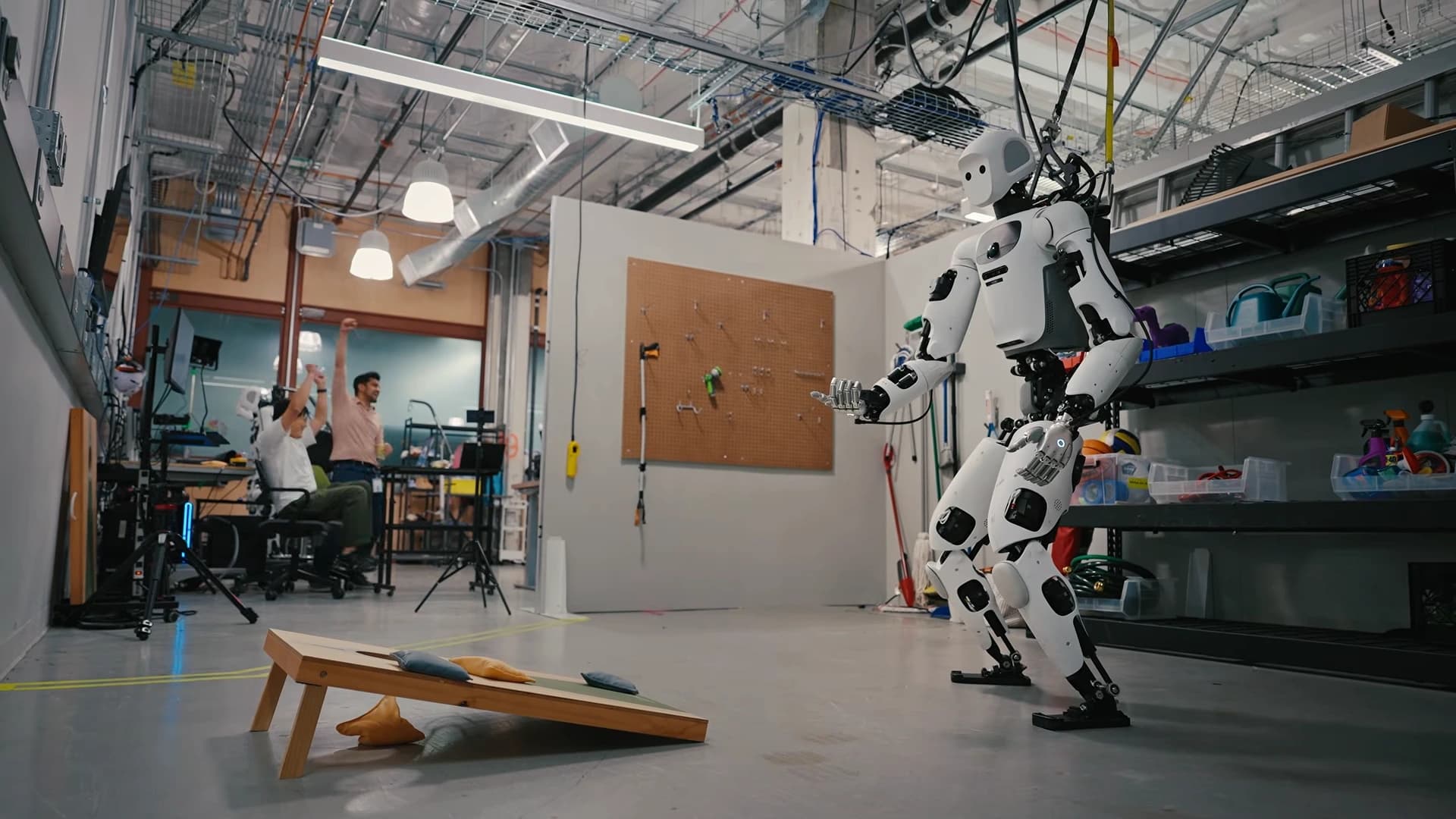
The refinement arrived in June, when Apptronik added Apollo 2 to its website without a press release or event. Apollo 2 can be configured with legs or a wheeled base, uses patented actuators Apptronik says are more than 90% energy efficient, and has swappable batteries. In October, Google DeepMind used it to show Gemini 4 Argon learning a cornhole throw from human video and sinking seven consecutive shots.
That leaves the “significant jump up” still to come.
What to expect
Actuators and supply chain. Cardenas told Fox Business in September that actuators can make up as much as 60% of a humanoid’s bill of materials, that Apptronik has developed more than 80 distinct electric actuators, and that the U.S. lacks a gear supply base. A robot designed around domestically sourced joints would fit both his argument and the FCC’s restrictions on foreign-made robotic devices.
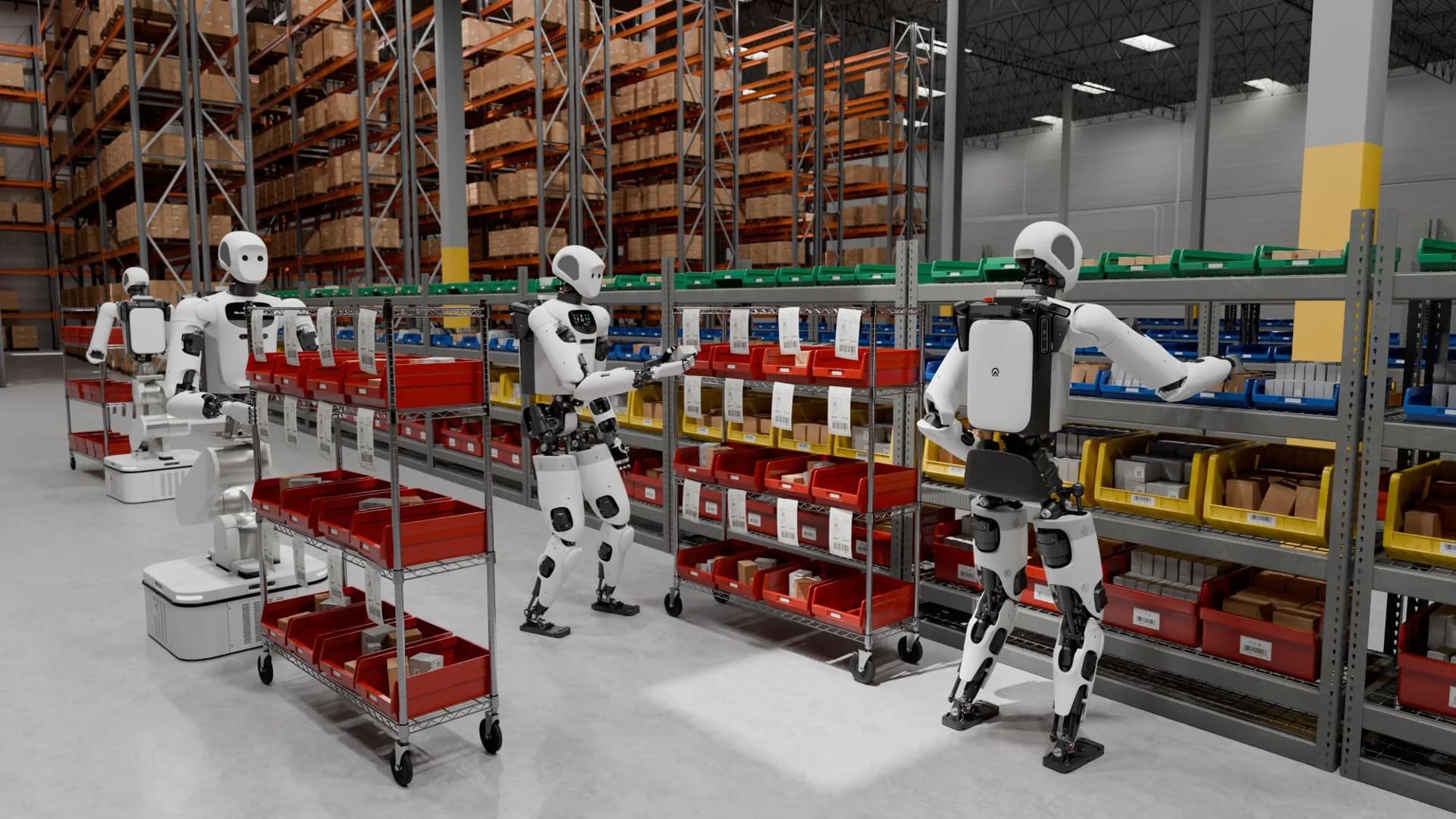
More capable manipulation. Apollo 2 targets six industrial uses, including kitting, packout and machine tending. Cardenas’ roadmap moves next into healthcare, hospitality and retail, which he has said require finer manipulation and collaborative safety. In April, Apptronik hired former Waymo chief product officer Daniel Chu as CPO, and Cardenas pointed to Chu’s 23andMe background as relevant to assistive care.
Gemini on board. Apollo has been DeepMind’s main humanoid platform. In July, DeepMind used Apollo 2 to show Gemini Robotics 2’s whole-body control: from a single instruction, the robot walked across a room, crouched and placed a watering can in a bin on a low shelf. A new Apollo would probably be presented alongside, or soon after, a Gemini Robotics release.
The relationship is not exclusive. DeepMind is also integrating its models with Boston Dynamics’ Atlas, and in March it signed a research partnership with Germany’s Agile Robots covering that company’s industrial robots, including its Agile ONE humanoid. DeepMind also appears to be developing hardware of its own. In October, Aaron Saunders, the former Boston Dynamics CTO who is now DeepMind’s vice president of hardware engineering, said the company is building a robotics lab in the Cambridge area for the hardware team he has assembled over the past year. He did not identify a robot, but said there would be more news in 2027.
When could it be revealed?
Apptronik raised a $520 million extension in February, bringing its total to nearly $1 billion, and said a new humanoid would debut in 2026. Apollo 2 met that commitment. Cardenas has not given a date for the bigger step, and in September he described Apollo 2 as the current focus.
Our estimate: 2027, with the least confidence of the three. Apptronik has twice shipped later than first expected: its next Apollo slipped from 2025 to 2026 before Apollo 2 arrived. It is also the hardest of the three to predict because it may not announce anything. Apollo 2 appeared as a website update. One change since then: Apptronik hired Dave Perry, an Emmy winner from Paramount+ and Amazon, as VP of marketing in April. The next Apollo may get a more public launch than the last one.
Already shown: Atlas, Digit 5 and NEO
The other three members of the group are further along with their next robots.
Boston Dynamics and its owner, Hyundai Motor Group, launched the production version of the electric Atlas at CES in January. The companies list 56 degrees of freedom, a 50 kg instantaneous and 30 kg sustained payload, and about four hours of runtime from two batteries the robot swaps itself. Atlas uses only two distinct actuator designs, and a technician can replace a limb in under five minutes. This year’s production is committed to Hyundai and Google DeepMind, orders for other early customers are expected to open in 2027, and Hyundai plans to deploy Atlas for sequencing work at its Georgia Metaplant by 2028. A factory designed to build 30,000 Atlas robots a year is also planned. The next milestone for Atlas is evidence from those first deployments.
Agility Robotics unveiled Digit 5 on September 15. The redesign has new legs with cycloidal actuators, a 50 lb (22.7 kg) payload, 90 minutes of runtime and a nine-minute charge. Agility describes it as its first humanoid engineered to work near people without physical barriers, though some of the safety features are still in development. Early access is expected in the first half of 2027 and general availability by the end of that year, later than the late-2026 initial release described in Agility’s registration statement. That filing also describes a $300 million commitment for 1,000 Digit 5 robots from a related-party customer.
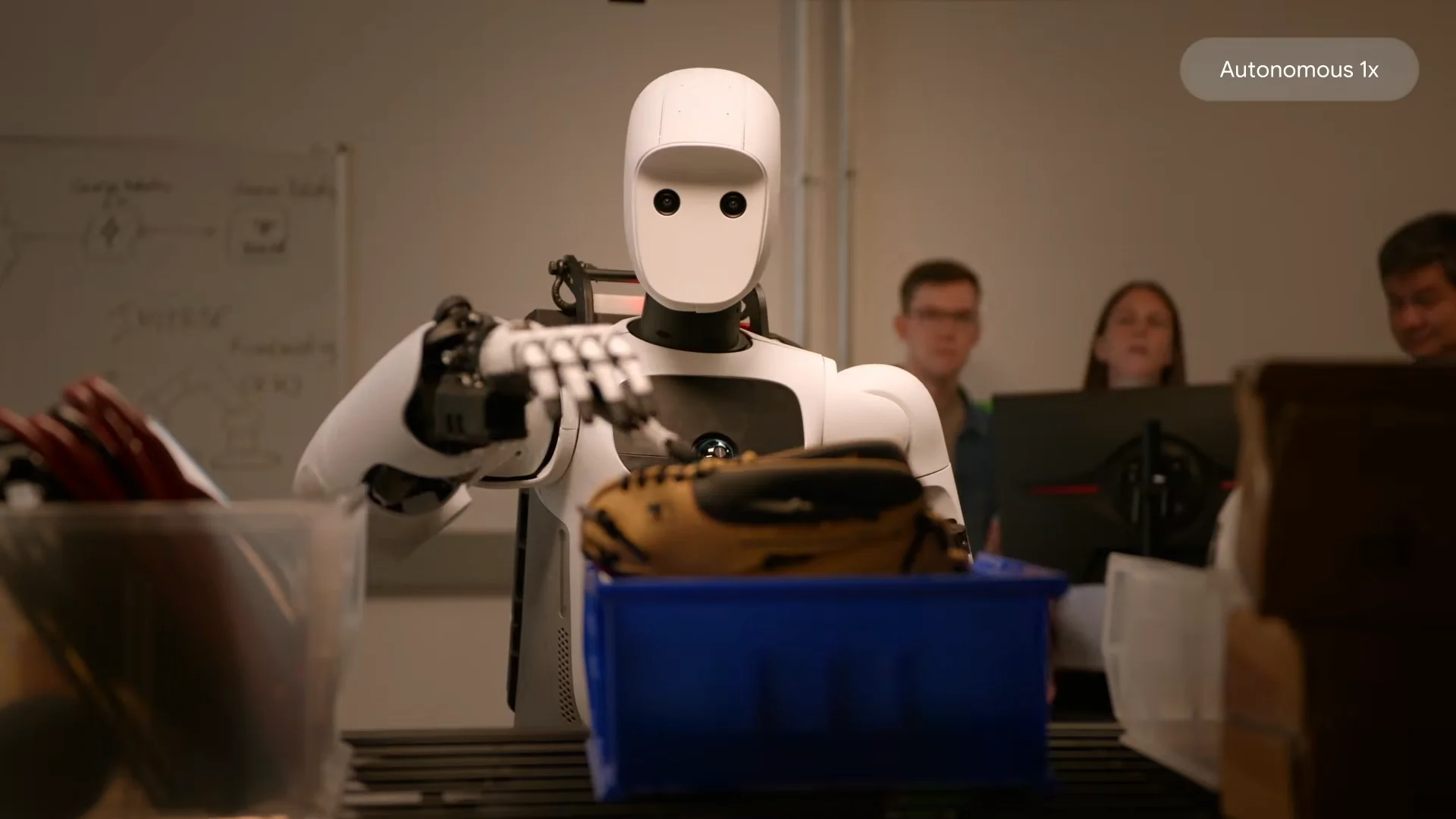
1X has not teased a successor to NEO. Its open question is delivery. 1X opened $20,000 pre-orders for NEO in October 2025 and has said the first consumer deliveries will come by the end of 2026. In September, CEO Bernt Børnich said 1X aims to ship 50,000 robots next year across homes, businesses and developers, and put the fully ramped annual capacity of its Hayward factory at about 10,000 units. The milestone to watch for 1X is the first NEO delivered to a paying customer’s home.
The three side by side
| Figure 04 | Optimus Gen 3 | Next Apollo | |
|---|---|---|---|
| Last official status | Design lock; actuators, batteries and hands in testing (Oct 22) | V3 robots in early production at Fremont; design still changing (Oct 21) | Apollo 2 launched June 2026; successor described as a “significant jump up” (Feb) |
| Original reveal target | None given | Q1 2026 (missed) | 2025, later 2026 (met by Apollo 2) |
| Headline hardware change | Hand with more actuators than the rest of the body | 25-actuator hand and forearm; enclosed “superhero suit” body | Not disclosed |
| Key dependency | Helix 3.0 and battery/thermal validation | Hand durability and AI5 (around April 2027) | Actuator supply, Gemini integration |
| Our reveal estimate | Late 2026 or early 2027 | Partial look late 2026; full reveal H1 2027 | 2027 |
What to watch
For Figure, watch for the release of Helix 3.0 and for Adcock’s posts. He tends to tease launches days in advance. For Tesla, watch for the video Musk said may be ready in a month or two, and the December 3 shareholder meeting, and check whether either shows the hand at work rather than the robot walking. For Apptronik, watch its website and DeepMind’s robotics announcements, since those are where Apollo 2 first appeared.
For all three, the first reveal will show the hardware. Reliability, uptime and the number of human interventions per task are the figures that will decide which of them sells, and none of the companies has published those yet for its next robot.
Humanoids Daily will report on each reveal as soon as it happens, and we will send newsletter subscribers a special edition for each of the three launches. To receive them, sign up for our newsletter using the form below this article. For an alert the moment we publish, click the bell icon at the top right of the page and allow notifications.
Share this article
Follow humanoid robotics without following every announcement.
Get the week’s most important launches, funding and research—and why they matter—in one email from Humanoids Daily.
Once a week. Unsubscribe anytime.
Read recent issuesRead next
- Published on
- Reading time
- 4 min read
Podcast Recap: Inside the Rotary-vs-Linear Actuator Showdown Shaping Humanoid Robots
- Published on
- Reading time
- 3 min read
Humanoid Robots: Insights from Agility Robotics and Apptronik Executives
- Published on
- Reading time
- 4 min read
Gemini 4 Argon Takes Apollo From Human Video to Seven Straight Cornhole Shots
- Published on
- Reading time
- 7 min read
Google DeepMind Unveils Gemini Robotics 2, Bringing Whole-Body Intelligence and Multi-Robot Teams to Physical AI
- Published on
- Reading time
- 6 min read
Substance Over Hype: Apptronik Quietly Unveils Apollo 2 Humanoid via Website Update
- Published on
- Reading time
- 4 min read
Apptronik Raids Tech Giants for Executive "Dream Team" Ahead of New Robot Reveal