- Published on
Supply Chain Rumors Hint at Massive Optimus Order as Fremont Production Line Ramps Up
One tap, and our reporting appears more often in your Google Top Stories. It makes a real difference to a small newsroom.


Your guide
Rich Robinson
Jee Chee Ren · Executive tour
See China’s AI and robotics ecosystem first-hand.
Six days exploring AI, robotics and advanced manufacturing.
With Rich Robinson, Clinical Professor of Entrepreneurship at Peking University
Beijing · Guangzhou · Shenzhen
29 November–4 December 2026
Referral partnership · We earn a commission on referred bookings.
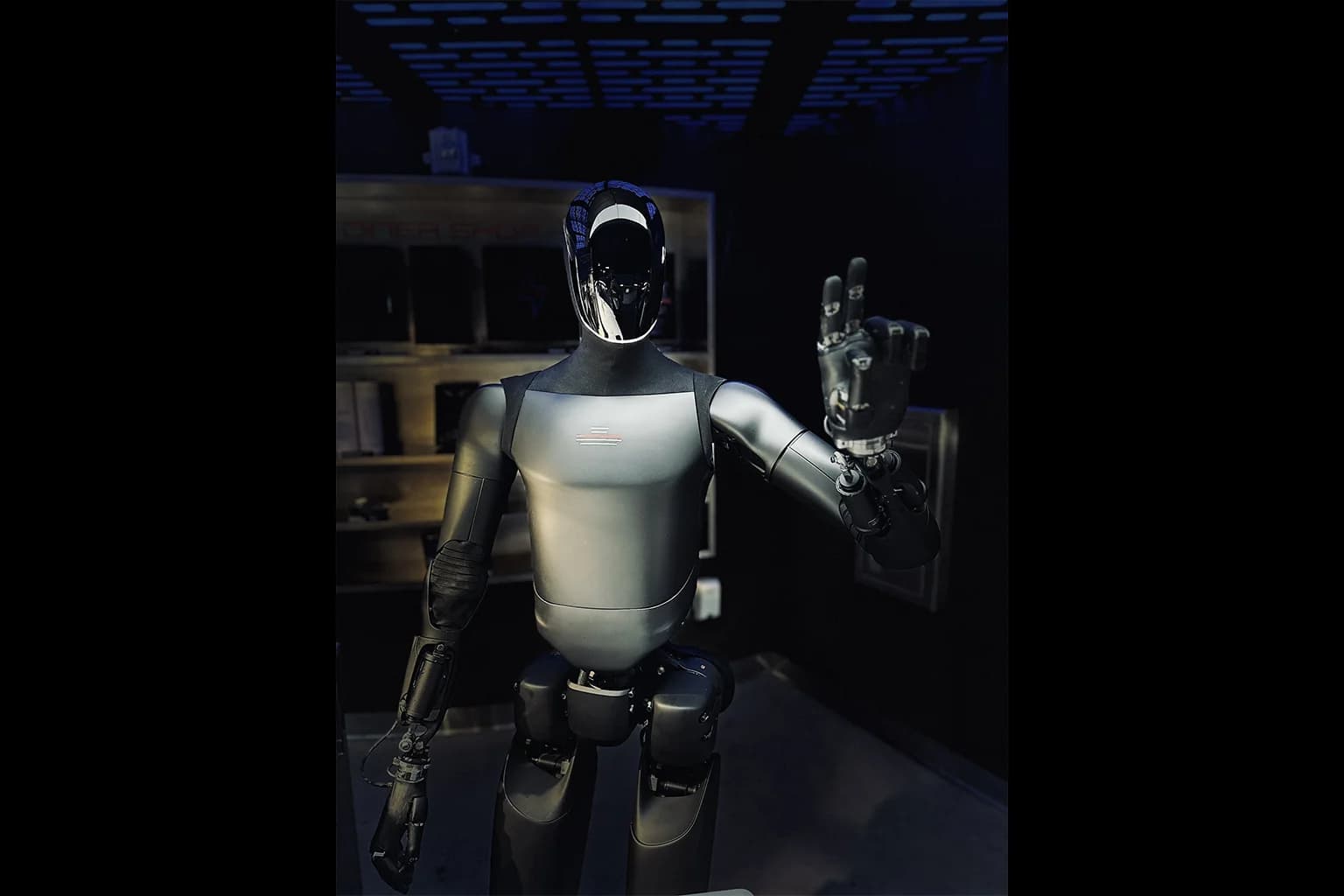
- Chinese financial outlets report that Tesla has issued its first multi-thousand-unit component orders for the Optimus program, targeting around 5,000 units across core "T-chain" suppliers.
- The order follows reported line commissioning at the Fremont facility, aligning with Tesla's broader target to deliver 10,000 to 20,000 humanoid units internally by the end of 2026.
- Domestic robotics suppliers saw immediate market gains, specifically vendors specializing in actuators, lead screws, and optical perception hardware.
- Tesla has not officially confirmed the purchase orders, and public visibility into the next-generation hardware remains limited despite enthusiastic claims from Silicon Valley insiders.
Reports emerging from Chinese industrial and financial channels indicate that Tesla may have quietly pulled the trigger on its first large-scale procurement order for the Optimus humanoid program. According to a report by Jiemian News, citing channel checks within Tesla’s core manufacturing network, the automaker placed bulk purchase orders for approximately 5,000 units’ worth of components in early September.
While Tesla has not publicly commented on the figures, the rumors sent immediate ripples through the Chinese robotics sector. Shares in component leaders tied to actuator assemblies, planetary roller screws, and machine vision—including Green Harmonic and Orbbec—rallied alongside China’s broader robotics indices. The move is being framed by market analysts as a tentative transition point: shifting the Optimus initiative from low-volume laboratory prototyping into a structured, production-level supply chain ramp.
Fremont Commissioning and the 2026 Ramp
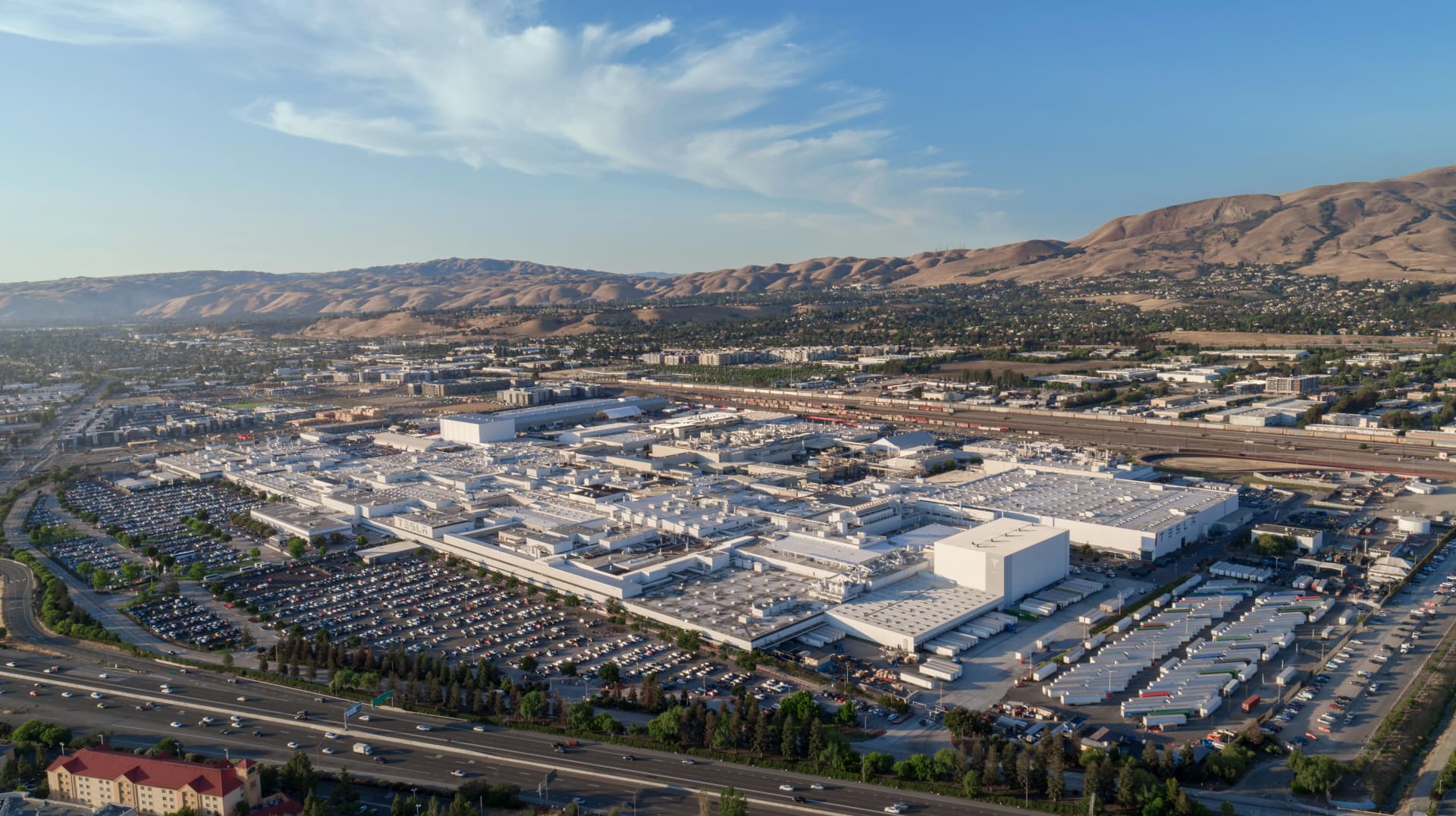
The reported procurement wave appears directly linked to manufacturing progress at Tesla’s Fremont, California plant. The Jiemian dispatch states that the primary humanoid assembly line underwent initial equipment debugging starting in July, finishing preliminary trial phases by mid-August. Yield improvements achieved during this summer setup reportedly served as the main operational prerequisite for clearing thousands of commercial-grade parts.
These operational breadcrumbs mesh closely with Tesla’s internal manufacturing roadmap. In its earlier financial disclosures, Tesla formally placed Optimus on its capital expenditure ledger, earmarking floor space at Fremont with the long-term objective of reaching an installed capacity of 1 million units per year.
The weekly humanoid robotics briefing
One email a week: the launches, funding and research that mattered, with context from Humanoids Daily.
Read recent issuesAccording to the supply chain chatter, Tesla is maintaining an internal baseline delivery target of 10,000 to 20,000 humanoid robots for internal deployment across 2026. If the current batch of 5,000 component sets clears assembly without major re-tooling, analysts cited in the report anticipate that production could ramp past weekly run rates of 2,500 units toward the end of the year—a critical inflection point along the steep manufacturing S-curve management has long outlined.
Actuators, Screws, and the Hardware Bottleneck
For suppliers, the sudden jump from pilot-scale batches of dozens of units to multi-thousand runs represents an acute industrial test. Humanoid platforms place unprecedented physical demands on motion-control components. As Tesla’s engineering leadership previously noted during recruitment drives focused on advanced gear design and motor force density, humanoid limbs cannot rely on standard off-the-shelf industrial servo hardware.
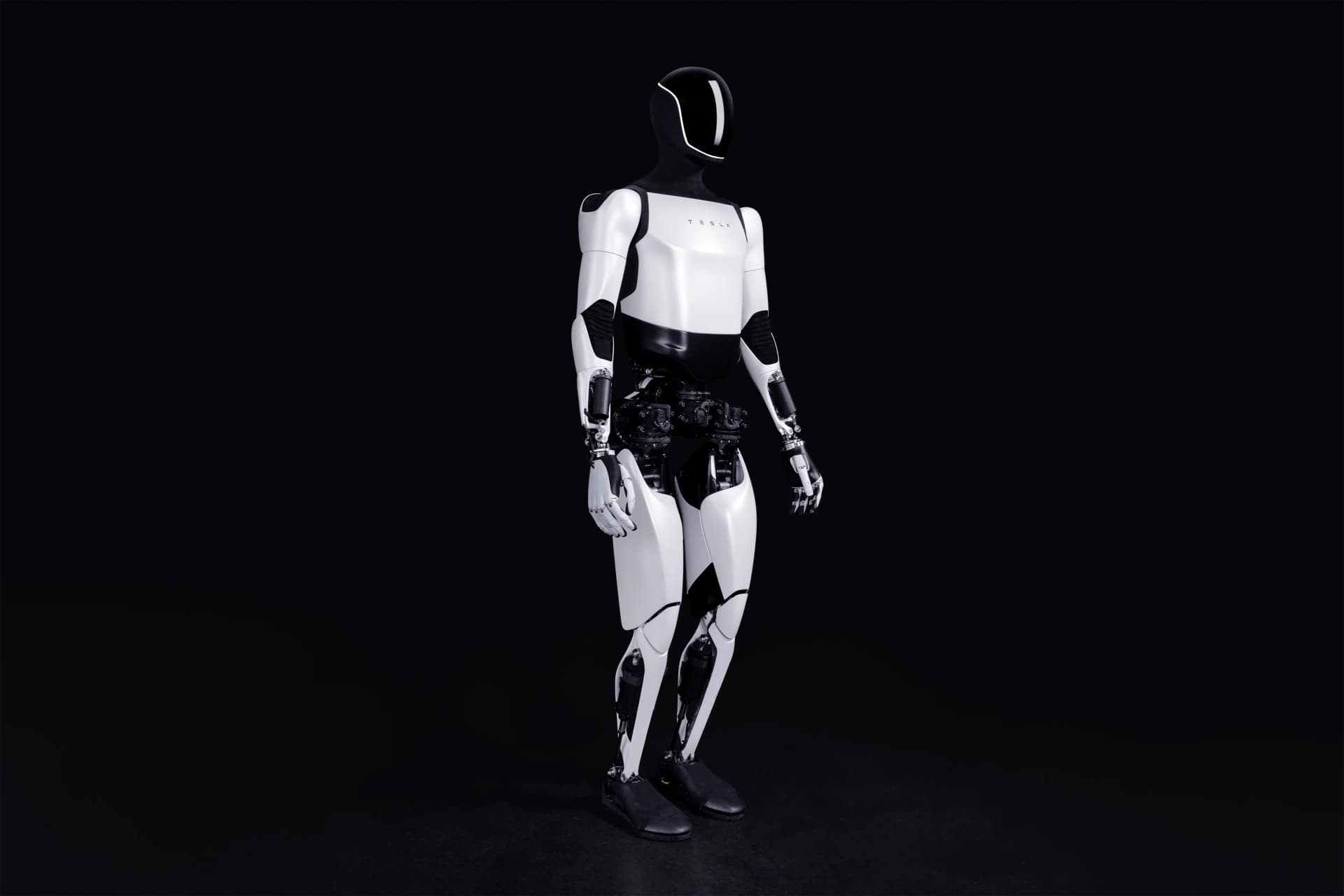
The segments feeling the highest operational pressure—and financial upside—are the mechanical actuator and precision lead screw manufacturers. Dexterous systems such as Tesla’s redesigned 25-actuator hand and forearm assembly require micro-tolerances that stretch global precision-machining capacity. Securing multi-thousand-unit batches suggests that design freezes on key sub-assemblies might finally be settling, allowing Tier-1 suppliers to dedicate dedicated tooling lines to the platform.
Private Demos and Lingering Skepticism
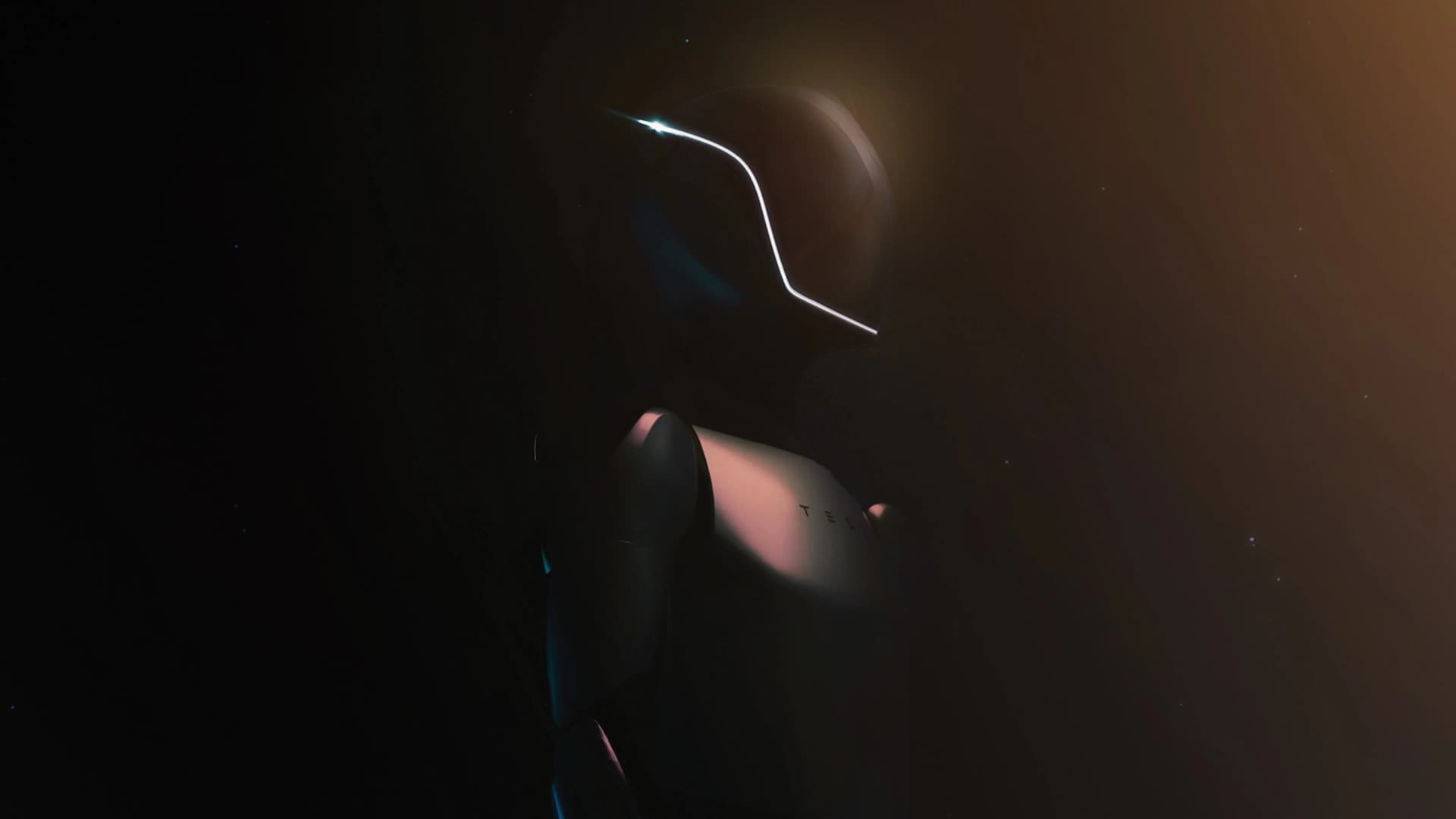
The unconfirmed supply chain movements arrive against a backdrop of renewed hype and notable secrecy surrounding the next physical iteration of the machine. After missing its Q1 timeline for the public debut of Gen 3, Tesla has kept updated hardware behind closed doors.
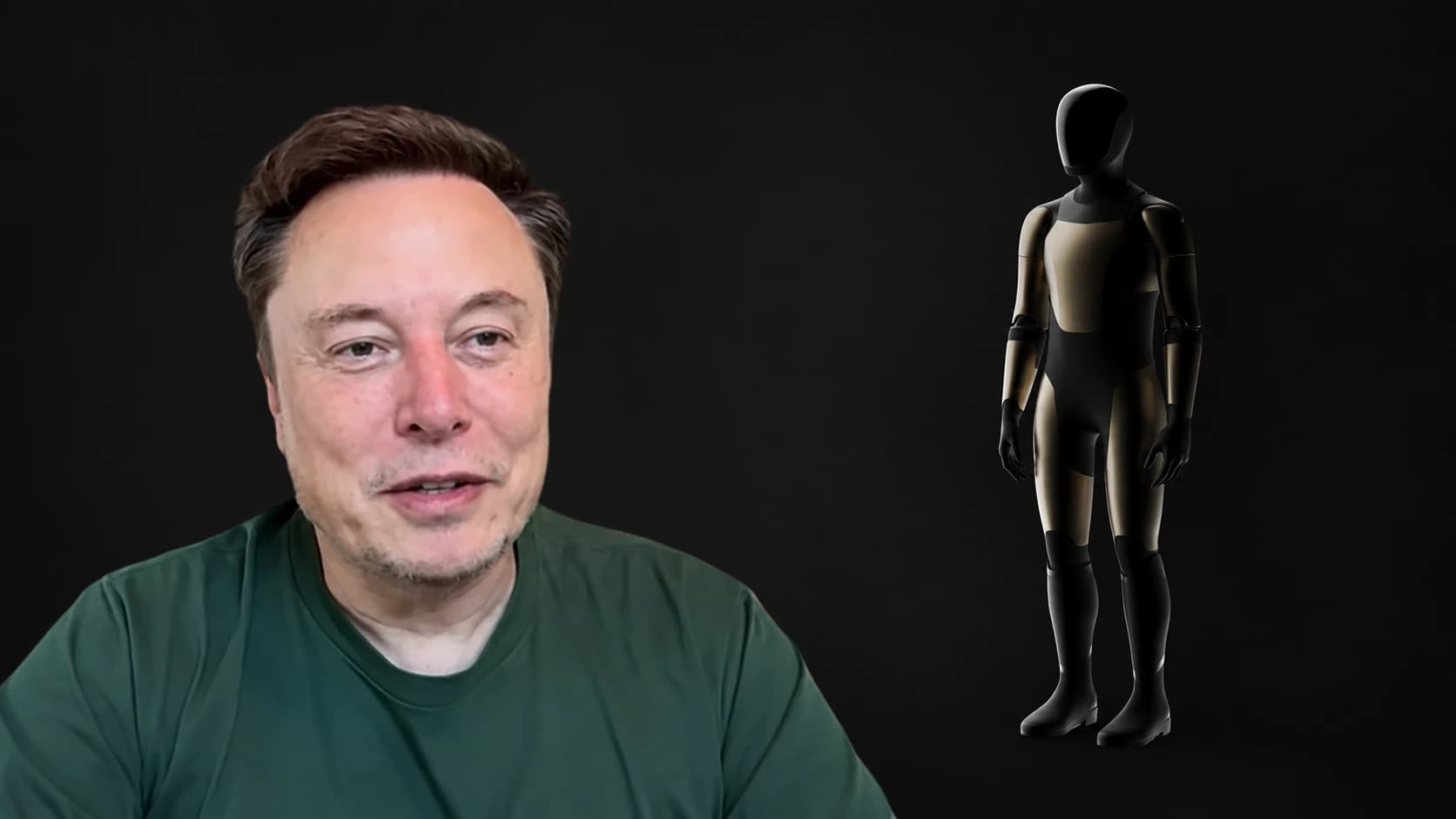
That opacity has not stopped vocal ecosystem boosters from stoking expectations. Speaking on an episode of the All-In Podcast, host Jason Calacanis claimed he was recently shown unreleased demonstration footage directly by Elon Musk, describing the platform’s motion as fluid enough to look like digital effects. "I saw the latest Optimus. It would win half of [the Robot Olympics competitions] already," Calacanis said, adding that he had to ask Musk if the video was CGI before declaring that "Optimus will be the best-selling product of all time."
Enthusiastic claims from close associates, however, are a staple of Tesla’s developmental cycles.
Share this article
Read next
- Published on
- Reading time
- 3 min read
Tesla Reportedly Begins New Optimus Supplier Audits in China
- Published on
- Reading time
- 3 min read
Tesla’s Optimus Factory Nears a Steel-Frame Milestone in Texas
- Published on
- Reading time
- 6 min read
Tesla Begins Optimus Production in Fremont, Targets Customer Deliveries in Late 2027
- Published on
- Reading time
- 3 min read
Tesla Makes Its Case for Board Continuity Ahead of December 3 Shareholder Vote
- Published on
- Reading time
- 5 min read
Musk Details Optimus Hand Challenges, Warns of Slow Initial Production Ramp
- Published on
- Reading time
- 3 min read
Musk Says Tesla Halved AI5 RAM to Secure Memory for Optimus Production
The weekly humanoid robotics briefing
One email a week: the launches, funding and research that mattered, with context from Humanoids Daily.
Read recent issues