- Published on
Musk Says Tesla Halved AI5 RAM to Secure Memory for Optimus Production
One tap, and our reporting appears more often in your Google Top Stories. It makes a real difference to a small newsroom.



- Elon Musk says Tesla halved AI5's RAM allocation to 72GB and cut AI6's by one-third to 144GB to secure enough memory for Optimus production.
- He says the changes substantially reduce cost while leaving memory bandwidth unchanged.
- Musk expects a negligible effect on Optimus performance, but the post provides no benchmarks or production-volume figures.
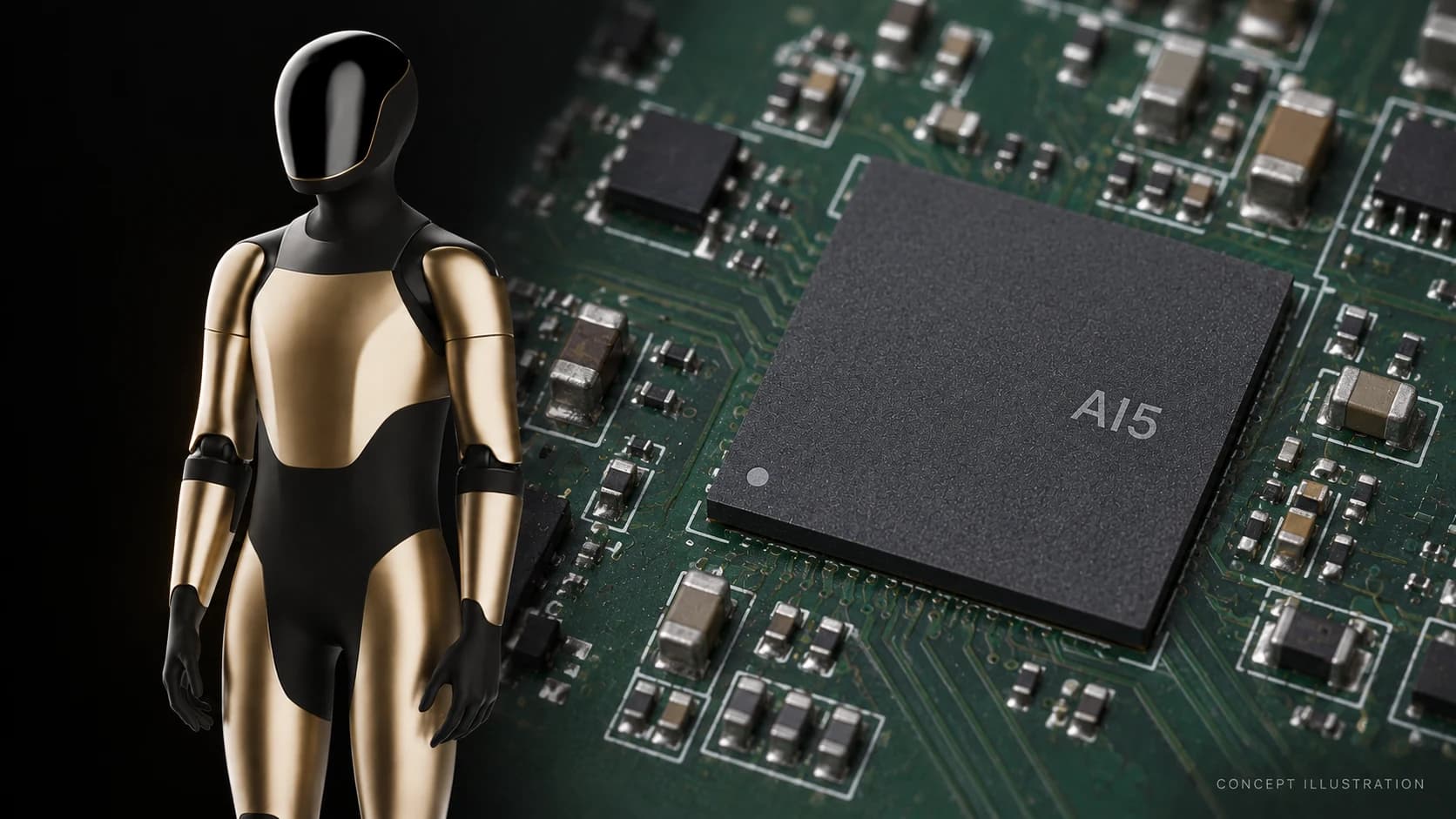
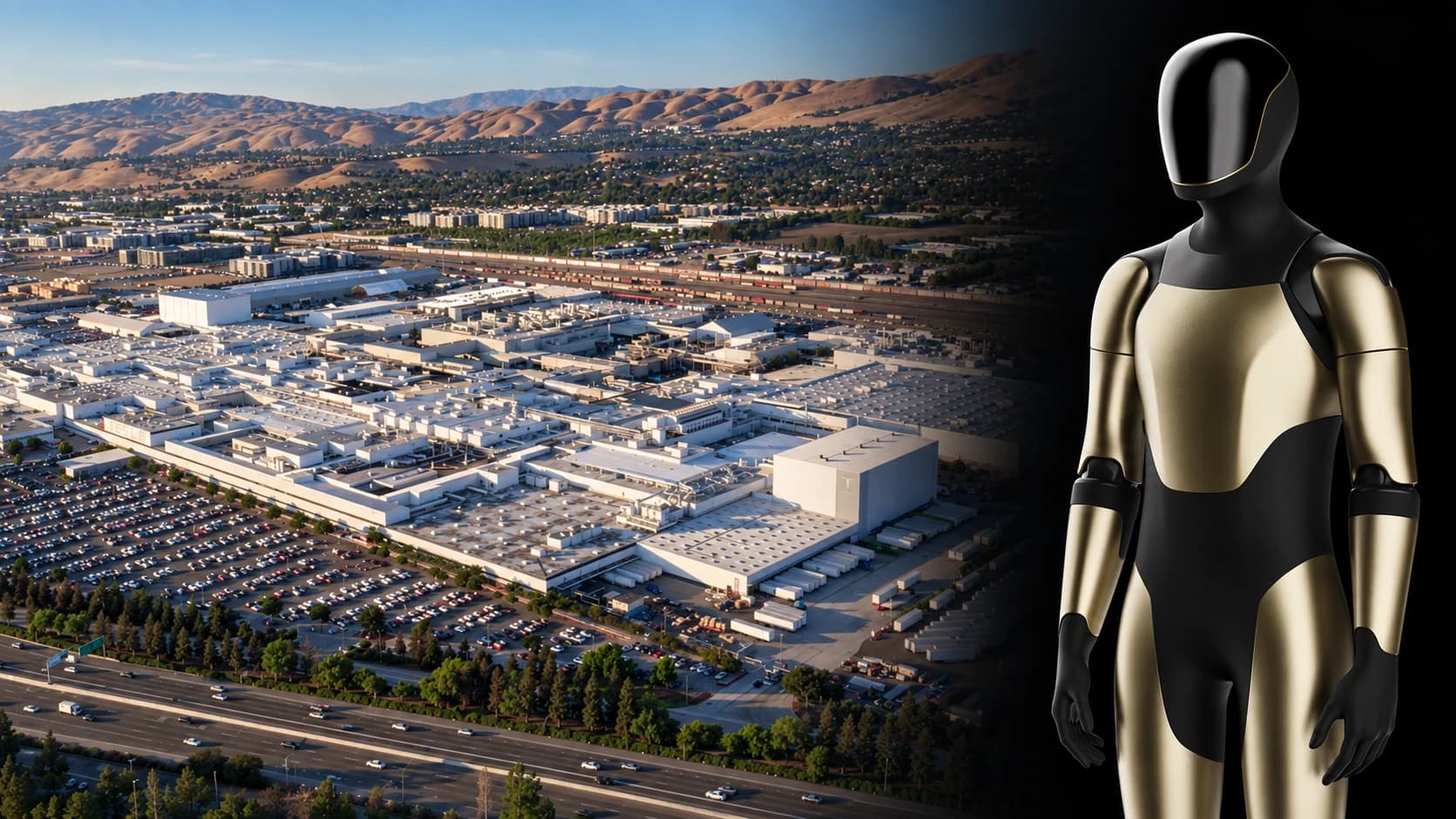
Tesla has reduced the memory planned for its AI5 and AI6 chips to support Optimus production, according to Elon Musk, highlighting a component-supply constraint behind its humanoid ambitions.
In an October 1 post on X, Musk said AI5's RAM allocation had been halved to 72GB of LP5, while AI6's had been reduced by one-third to 144GB of LP6. Those reductions imply previous allocations of 144GB and 216GB, respectively.
“This was the only way to get enough volume for Optimus production,” Musk wrote, adding that the change also substantially lowers cost.
Less capacity, unchanged bandwidth
Musk said Tesla expects the reductions to have a negligible effect on Optimus performance because memory bandwidth is a greater constraint than total capacity for its workloads. Bandwidth, he said, was held constant.
The weekly humanoid robotics briefing
One email a week: the launches, funding and research that mattered, with context from Humanoids Daily.
Read recent issuesThe distinction matters: capacity describes how much working data memory can hold, while bandwidth describes how quickly that data can move. Reducing one does not necessarily reduce the other, although the effect on performance depends on the workload and whether it still fits within the available memory.
Musk's statement describes Tesla's expectation, rather than a published comparison of robot performance before and after the change. It also gives memory figures for the chip designs without detailing the complete computing configuration of a production Optimus robot.
A supply constraint behind scaling
The announcement puts memory availability alongside the mechanical and software challenges of scaling humanoid robots. Reducing memory per computing unit can stretch available supply across more units and lower component costs, provided the smaller allocation remains sufficient for the intended tasks.
The change comes as Tesla is reportedly increasing Optimus output while working through manufacturing problems. As we covered in September, The Information reported that Tesla built several hundred robots a week in August, up from a few dozen in the second quarter. Most were reportedly used for internal testing, training and data collection, with hand-assembly difficulties, sensor failures and inconsistent supplier quality still complicating the ramp. Musk's memory update does not independently confirm those reported output figures.
Musk did not specify the production volume Tesla is designing around, identify memory suppliers or quantify the savings. His post therefore establishes a design change intended to support higher-volume production, rather than confirming that Tesla has secured every component needed for its Optimus rollout.
Share this article
Read next
- Published on
- Reading time
- 5 min read
Tesla App Contains Optimus Gen 3 Renders—Here’s What They Show
- Published on
- Reading time
- 4 min read
Supply Chain Rumors Hint at Massive Optimus Order as Fremont Production Line Ramps Up
- Published on
- Reading time
- 5 min read
The Terafab Manifesto: Tesla and Intel Join Forces to Power Musk’s "Galactic" AI Ambitions
- Published on
- Reading time
- 3 min read
Finishing Touches: Tesla Misses Self-Imposed Q1 Deadline for Optimus Gen 3 Reveal
- Published on
- Reading time
- 3 min read
A 'Formula One' Pace: Tesla's Optimus Director Teases Gen 3 Prototype in New Recruitment Push
- Published on
- Reading time
- 3 min read
Tesla Reportedly Begins New Optimus Supplier Audits in China

The weekly humanoid robotics briefing
One email a week: the launches, funding and research that mattered, with context from Humanoids Daily.
Read recent issues