- Published on
NEURA Robotics and SECO Team Up to Scale European Physical AI Hardware
One tap, and our reporting appears more often in your Google Top Stories. It makes a real difference to a small newsroom.


Your guide
Rich Robinson
Jee Chee Ren · Executive tour
See China’s AI and robotics ecosystem first-hand.
Six days exploring AI, robotics and advanced manufacturing.
With Rich Robinson, Clinical Professor of Entrepreneurship at Peking University
Beijing · Guangzhou · Shenzhen
29 November–4 December 2026
Referral partnership · We earn a commission on referred bookings.
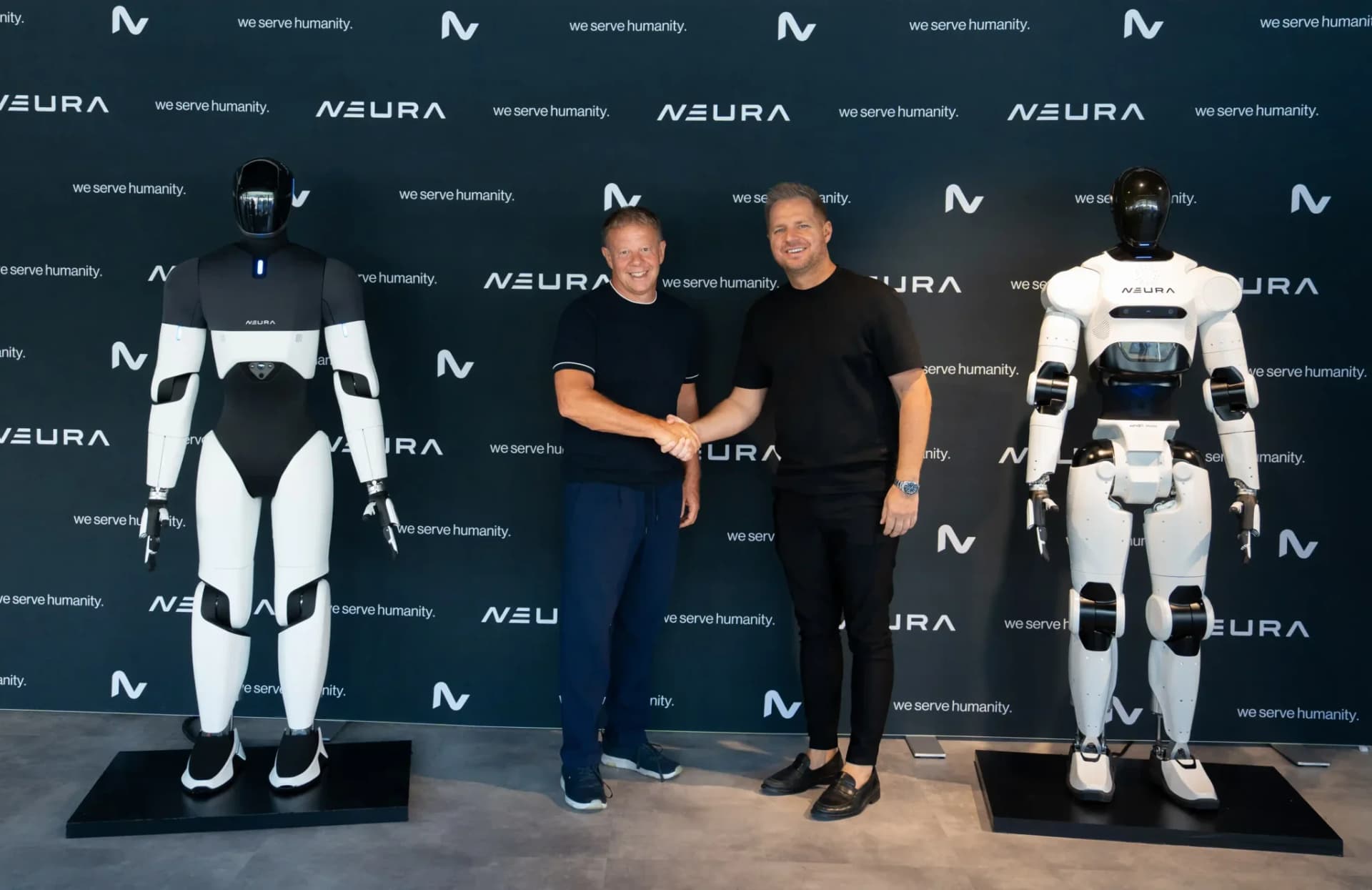
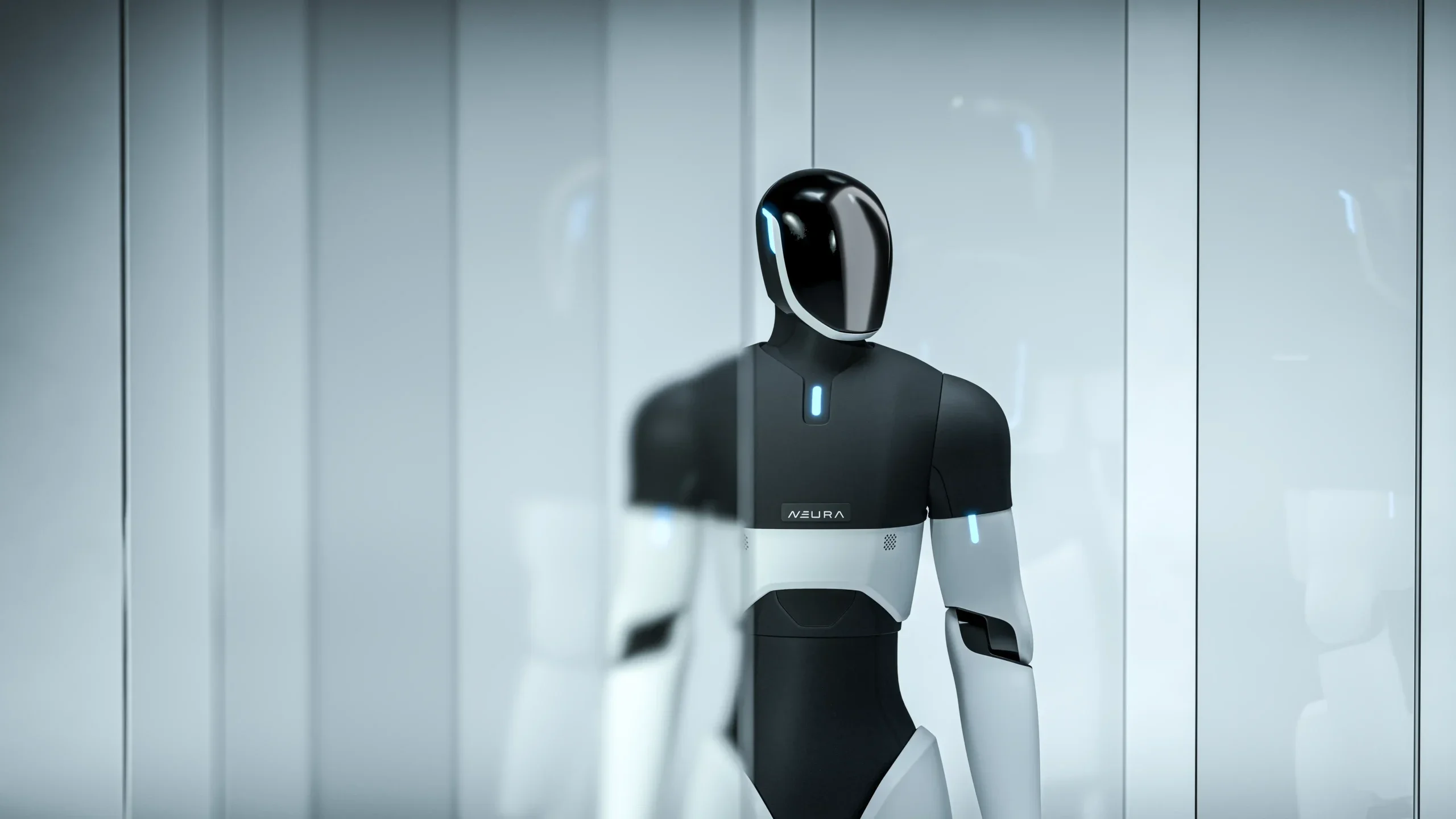
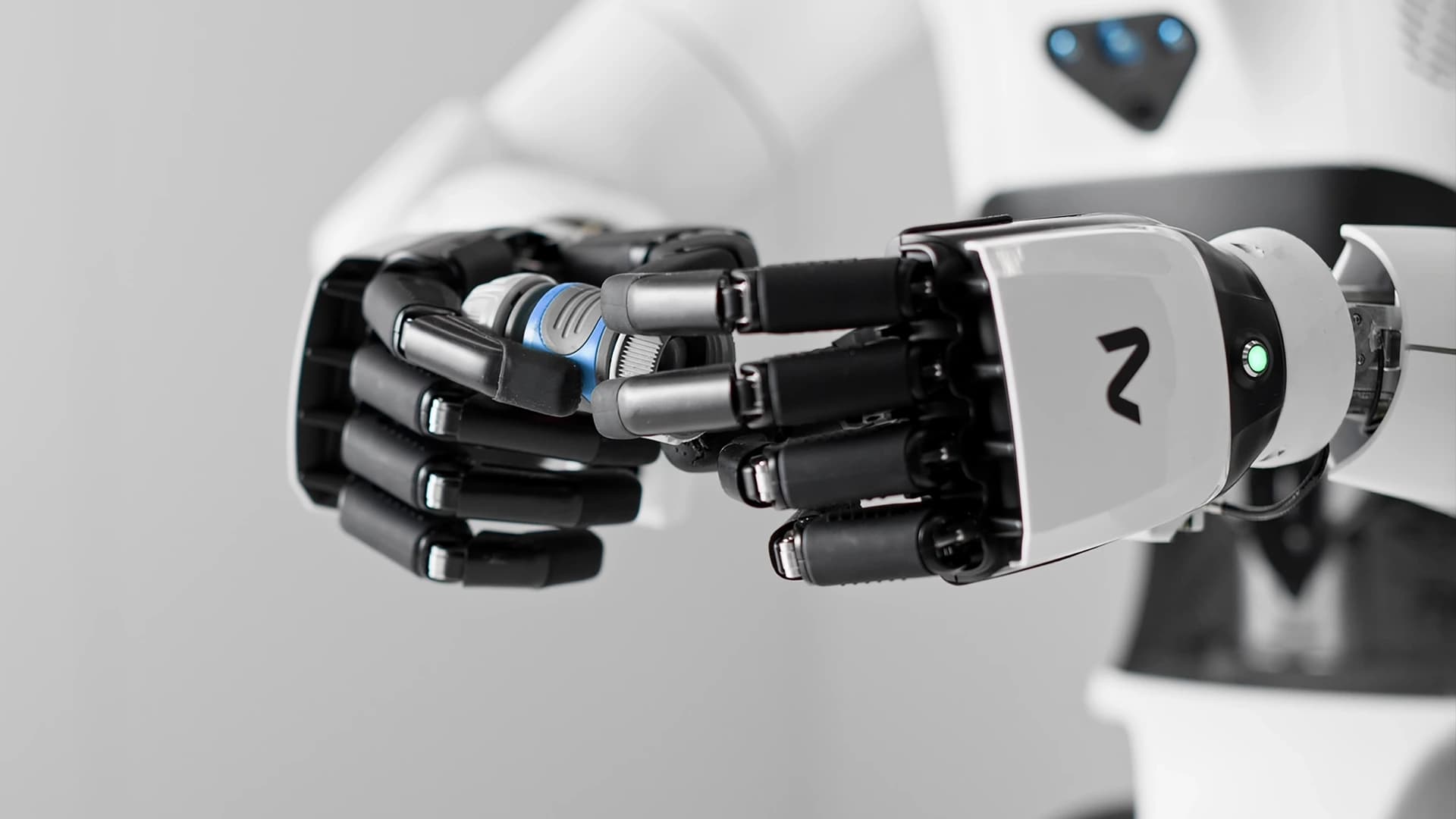
- NEURA Robotics and SECO S.p.A. have partnered to design, engineer, and manufacture distributed electronic compute modules for cognitive robots, including the 4NE-1 humanoid.
- The compute modules will integrate Qualcomm Dragonwing processors to drive NEURA’s decentralized "Brain + Nervous System" and "Smart Limbs" architecture.
- Hardware will be developed and produced in Europe, reinforcing domestic supply chains and building on NEURA’s standardized edge compute collaboration with Qualcomm.
- The alliance includes plans for a NEURA Gym training hub in Italy to collect real-world industrial data, targeting automated workflows in semiconductor and electronics manufacturing.
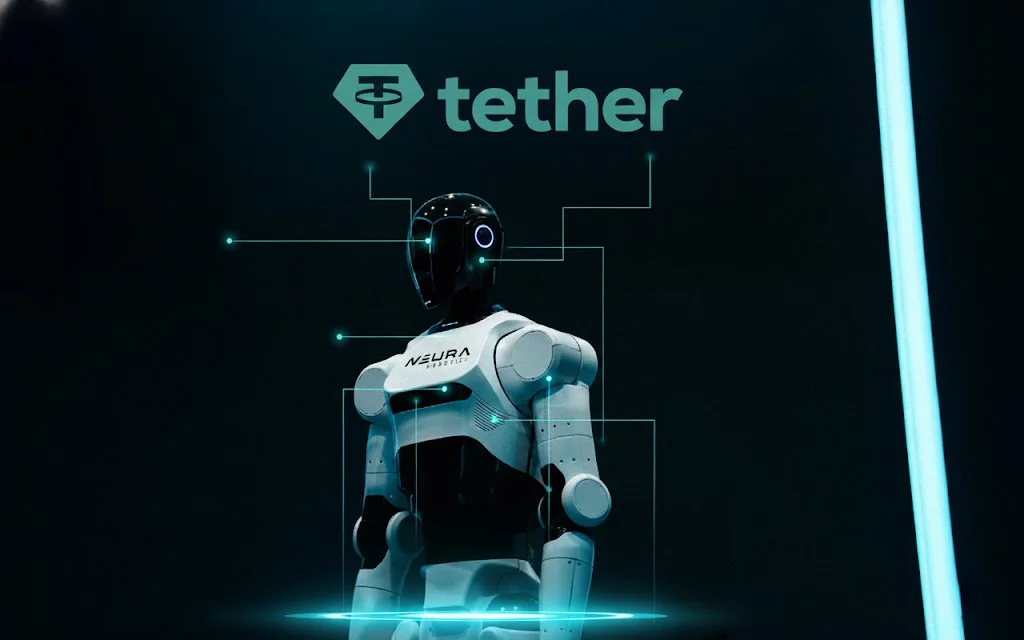
- The hardware push arrives as NEURA scales operations globally following its massive $1.4 billion Series C funding round.
As European robotics players seek to turn lab-bound physical AI into mass-market industrial hardware, the underlying supply chain is rapidly falling into place. Metzingen-based NEURA Robotics and Italian edge AI and embedded compute specialist SECO S.p.A. announced a strategic collaboration on September 7, 2026, aimed at industrializing and manufacturing the compute infrastructure required for NEURA's cognitive robots.
Under the partnership, SECO will take charge of designing, engineering, and producing industrial-grade electronic compute modules for NEURA’s machines, most notably its flagship humanoid platform, the 4NE-1. The modules integrate Qualcomm Dragonwing processors, serving as the physical backbone for NEURA’s decentralized compute strategy.
Distributing Silicon into "Smart Limbs"
The technical core of the agreement focuses on the transition from centralized compute blocks toward localized, real-time edge processing. NEURA divides its machine architecture into a layered model comprising sensing, compute, and cloud infrastructure, articulated on the device level as a "Brain + Nervous System."
Under this paradigm, the robot avoids routing all low-level motor calculations back to a central CPU. Instead, through what NEURA terms its "Smart Limbs" concept, sensing and compute hardware are embedded directly across the robot's limbs and joints. Placing edge compute closer to physical actuators and tactile sensors enables the ultra-low-latency responsiveness essential for safely managing human-robot interaction and unpredictable industrial environments.
The weekly humanoid robotics briefing
One email a week: the launches, funding and research that mattered, with context from Humanoids Daily.
Read recent issuesThe architectural foundation relies heavily on Qualcomm Technologies' Dragonwing robotics silicon, continuing work from the two companies' earlier architectural partnership. While Qualcomm supplies the high-efficiency silicon and edge AI runtimes, SECO brings the industrial-grade board-level engineering, carrier integration, and European production footprint necessary to turn reference designs into mass-produced components.
Broadening the Physical Data Pipeline
Beyond board manufacturing, the alliance outlines an operational expansion into Southern Europe. The partners announced plans to establish a "NEURA Gym" in Italy, marking NEURA’s first dedicated training facility in the region.
Modeled after NEURA’s existing facilities and the academic-led TUM RoboGym in Munich, the Italian site will focus on collecting real-world production data to train physical AI foundation models. Rather than relying solely on synthetic simulation, these training environments capture the unmodeled physical variables—wear, micro-slippages, and mechanical backlash—that typically break robotic autonomy in transition from sim-to-real.
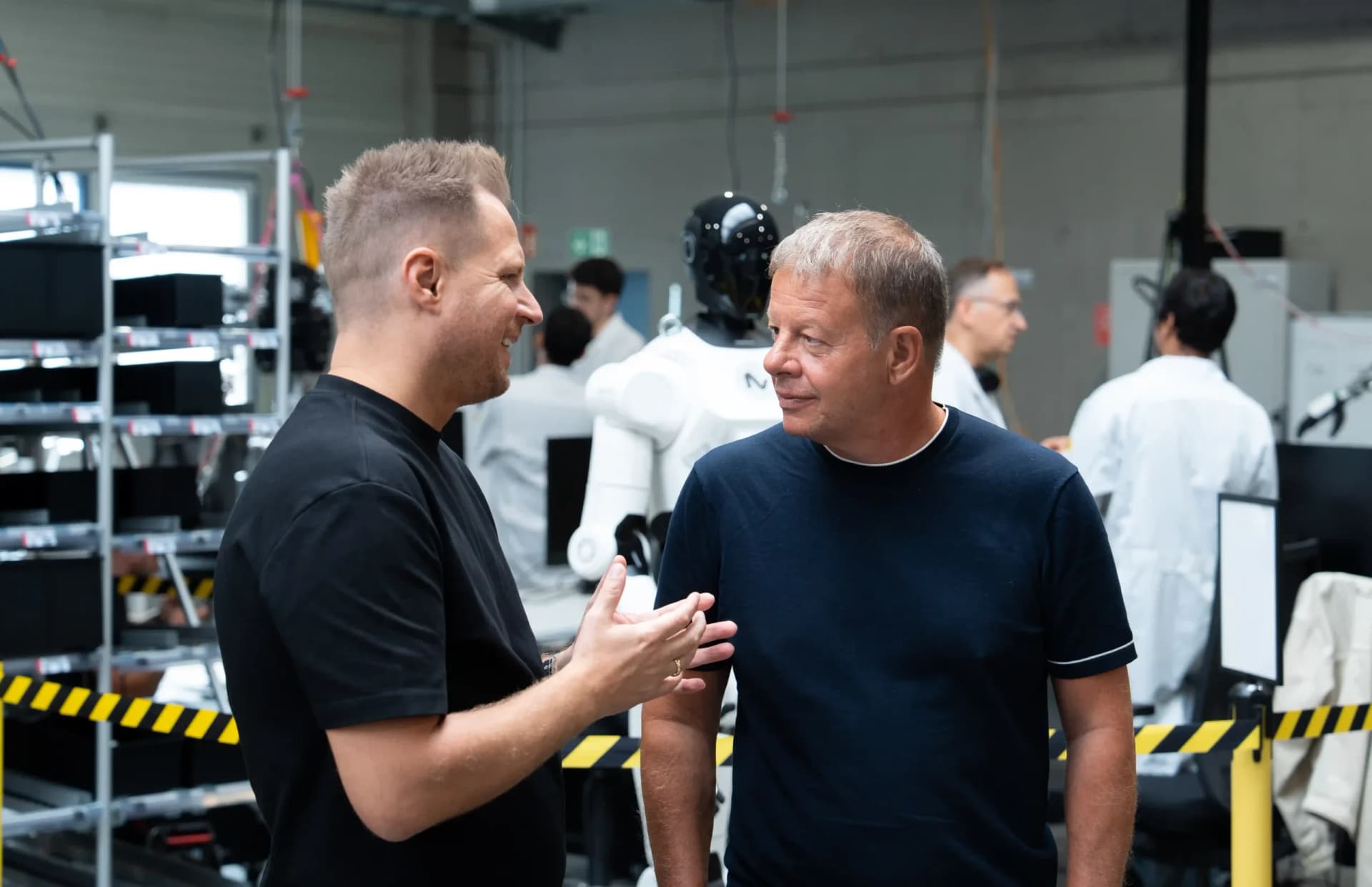
The operational focus of this data collection will be aimed directly at semiconductor and electronics manufacturing. NEURA and SECO plan to harvest telemetry from robots deployed across production environments to build automation modules specifically tailored to microelectronics assembly and handling. The resulting models and capabilities are slated to be integrated back into the Neuraverse, NEURA's shared cloud repository designed to distribute task capabilities across connected fleets.
Anchoring European Sovereignty at Scale
The partnership arrives amid aggressive scaling across NEURA’s entire hardware and software stack. Fueled by a record-breaking $1.4 billion Series C round closed earlier this summer, the German robotics firm has been systematically locking down its component pipelines.
While NEURA maintains manufacturing ties in India and supply chain footprints in Asia, partnering with SECO anchors critical electronic module manufacturing firmly within Europe. Developing and fabricating the compute boards domestically directly supports Europe's push for strategic technological sovereignty, particularly in high-reliability edge computing.
Translating reference platforms into reliable, high-yield series production remains one of the steepest hurdles in the humanoid industry. By offloading board manufacturing to an established European player like SECO and leaning on Qualcomm's silicon, NEURA aims to eliminate hardware bottlenecks as it prepares to deploy cognitive machines into commercial production lines worldwide.
Share this article
Read next
- Published on
- Reading time
- 6 min read
NEURA Robotics Secures Record $1.4 Billion Series C, Led by Tether, to Build the "Machine Economy"
- Published on
- Reading time
- 4 min read
Neura Robotics Reportedly Secures €1 Billion from Tether to Scale Humanoid Vision
- Published on
- Reading time
- 3 min read
Report: Crypto Giant Tether in Talks to Lead €1B Funding Round in Neura Robotics
- Published on
- Reading time
- 3 min read
NEURA Gives Its Robot AI Touch, Sound and Memory Ahead of 11-Minute Laundry Demo
- Published on
- Reading time
- 3 min read
NEURA Launches HealthTech Unit, With MiPA on Its Healthcare Roadmap
- Published on
- Reading time
- 25 min read
The Humanoids of Europe: Built by Their Customers

The weekly humanoid robotics briefing
One email a week: the launches, funding and research that mattered, with context from Humanoids Daily.
Read recent issues