- Published on
Japan Enters the Alliance War: ''KyoHA'' Taps Industrial Giants to Reclaim Humanoid Glory
One tap, and our reporting appears more often in your Google Top Stories. It makes a real difference to a small newsroom.


Your guide
Rich Robinson
Jee Chee Ren · Executive tour
See China’s AI and robotics ecosystem first-hand.
Six days exploring AI, robotics and advanced manufacturing.
With Rich Robinson, Clinical Professor of Entrepreneurship at Peking University
Beijing · Guangzhou · Shenzhen
29 November–4 December 2026
Referral partnership · We earn a commission on referred bookings.
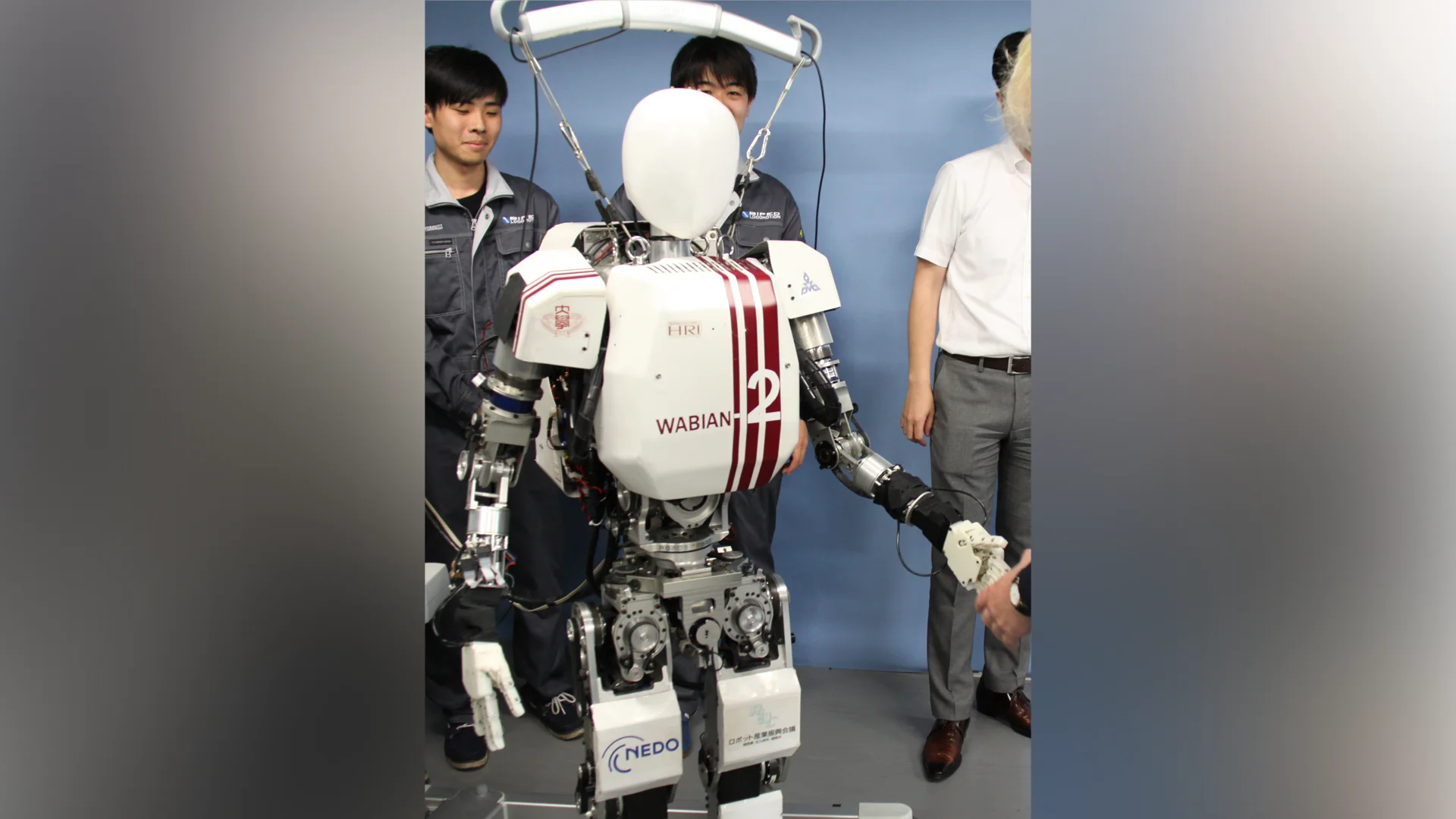
The geopolitical race to dominate the humanoid robotics sector has officially triggered a response from the industry's original pioneer.
The Kyoto Humanoid Association (KyoHA), a consortium aiming to revitalize Japan’s standing in the sector, announced a significant expansion of its roster this week. The alliance has added three heavyweights of Japanese industry—Sumitomo Heavy Industries, Renesas Electronics, and Japan Aviation Electronics (JAE)—to its ranks, effectively forming an "All-Japan" supply chain coalition designed to counter the surging momentum of competitors in the United States and China.
The "All-Japan" Counter-Offensive
The expansion of KyoHA marks a strategic pivot for Japan, which has seen its historical lead in robotics eroded by the aggressive commercialization efforts of companies like Tesla and Figure in the US and the rapid-fire hardware iterations coming out of China. In a statement outlining the group's mission, KyoHA leadership was blunt about the stakes: "Humanoid robot development is progressing rapidly, centered on US tech giants and Chinese IT, EV, and robot companies. Japan must demonstrate its presence as a former robotics powerhouse."
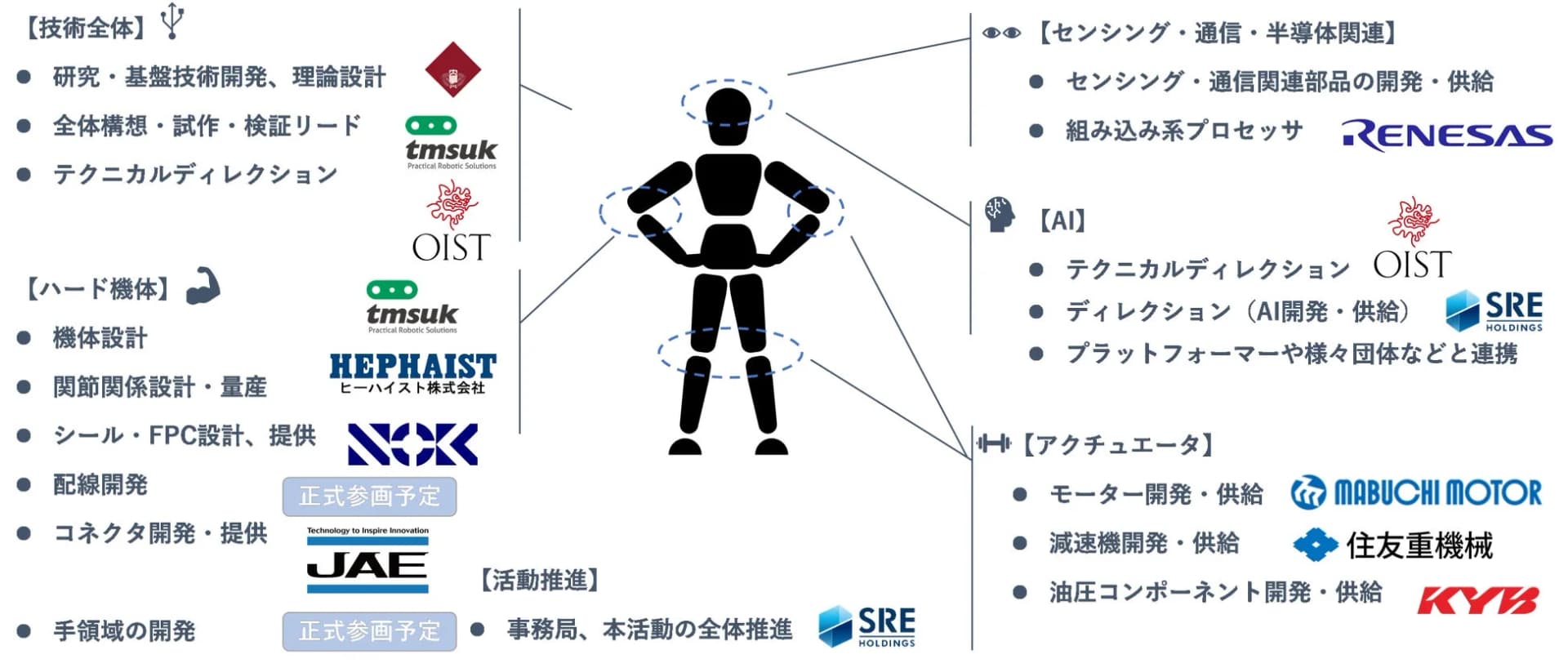
The addition of these three specific companies signals a focus on vertical integration—building a robot entirely from domestic components:
The weekly humanoid robotics briefing
One email a week: the launches, funding and research that mattered, with context from Humanoids Daily.
Read recent issues- Sumitomo Heavy Industries: A titan in industrial machinery, they are tasked with developing specialized reduction gears and actuators—the "muscle" required for dynamic movement.
- Renesas Electronics: A global leader in microcontrollers, Renesas brings the "nervous system" to the table, focusing on motor control MCUs and vision AI processors to enable embedded intelligence.
- Japan Aviation Electronics (JAE): Specializing in connectors and interface solutions, JAE will handle the complex internal wiring and signal transmission required for high-degree-of-freedom machines.
A Hardware-First Philosophy
While recent initiatives in neighboring countries have focused heavily on software—such as South Korea's M.AX Alliance partnering with Seoul National University to build "physical AI" models—KyoHA appears to be doubling down on Japan's traditional strength: Monozukuri (precision manufacturing).
The alliance argues that while AI software is evolving globally, the "domestic development system in the hardware domain" remains fragmented. By consolidating component manufacturers (motors, seals, hydraulics) under one umbrella in Kyoto—the country's manufacturing capital—the group aims to solve the integration bottlenecks that plague complex machines.
The coalition is chaired by Atsuo Takanishi of Waseda University, a veteran of the field and head of the Humanoid Robotics Institute, lending the project significant academic weight.
The Coalition Era
KyoHA's expansion confirms a clear trend we have tracked throughout late 2025: the shift from individual corporate competition to national "teams."
- South Korea: The recently formed K-Humanoid Alliance and M.AX Alliance have similarly united rivals like Samsung and Hyundai to create a unified industrial front.
- China: Beijing recently appointed a "Dream Team" committee led by the founders of Unitree and AgiBot to standardize the national industry.
Japan's entry into this "alliance war" adds a third major player to the mix. Existing KyoHA members already include Tmsuk (service robots), Murata Manufacturing (electronic components), and Mabuchi Motor, creating a formidable roster of hardware specialists. However, a critical question remains regarding the "brain" of the machine. While members like SRE Holdings and OIST (Okinawa Institute of Science and Technology) are focused on AI and data, the sheer weight of the alliance leans heavily toward the mechanical body. Whether an "All-Japan" chassis can compete with the "embodied intelligence" focus of US and Chinese rivals remains the defining question for KyoHA's success.
Share this article
Read next
- Published on
- Reading time
- 3 min read
Donut Robotics Secures ¥300 Million Charm Care Alliance for Eldercare Humanoids
- Published on
- Reading time
- 3 min read
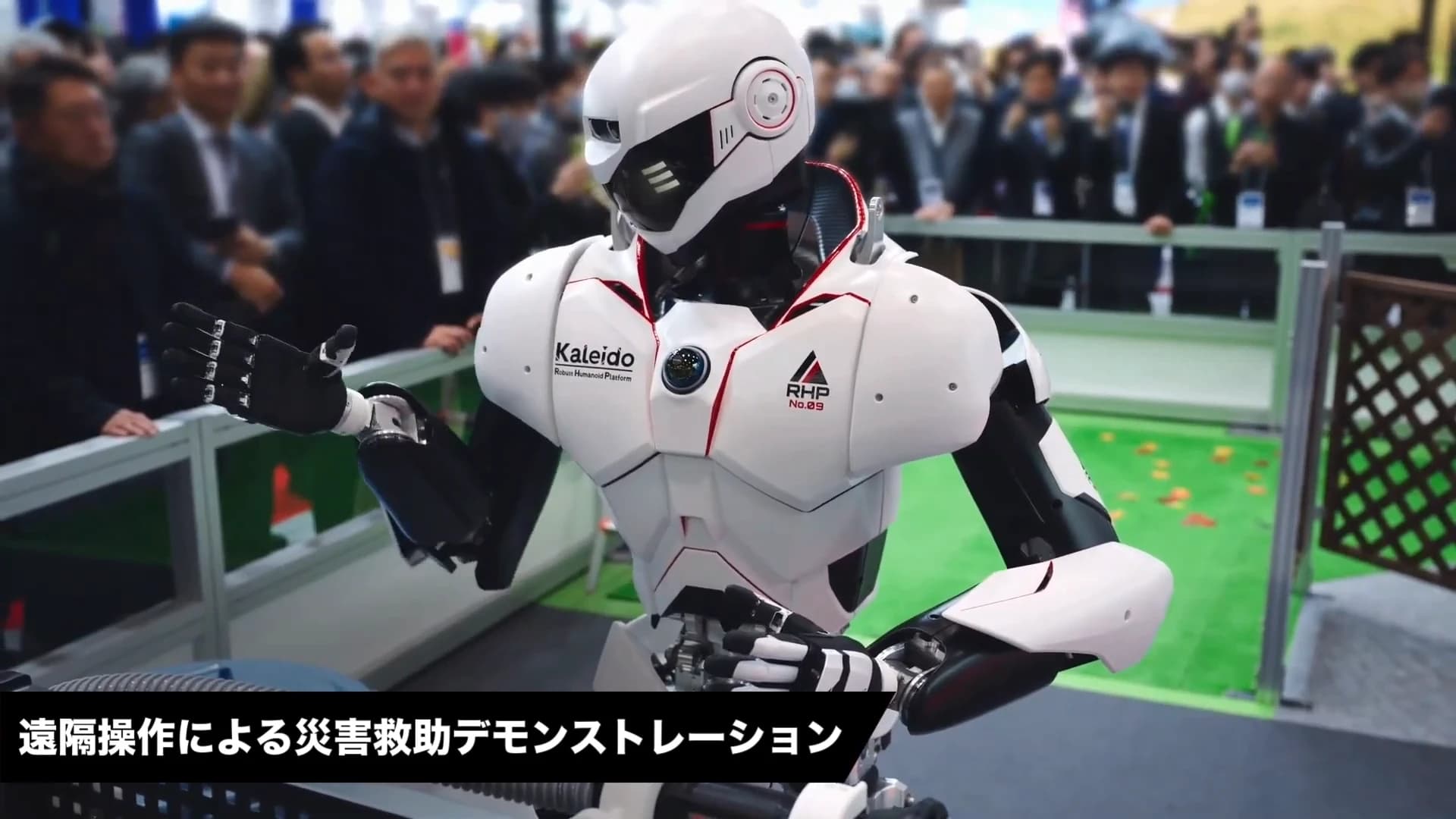
Kawasaki Plans Noetra-Powered Kaleido Rollout Around 2030, With Autonomy Expanding in Stages
- Published on
- Reading time
- 2 min read
Panasonic Targets Humanoid Robot Production by 2029, Citing Battery Safety
- Published on
- Reading time
- 6 min read
O-ID Raises $1.2M to Build Humanoids With Swappable Parts
- Published on
- Reading time
- 4 min read
Tokyo Now Has a Dedicated 911 Service—for Busted Humanoid Robots
- Published on
- Reading time
- 6 min read
SoftBank in Talks for Majority Stake in 1X at $6 Billion — Below the $10 Billion It Sought Last Year

The weekly humanoid robotics briefing
One email a week: the launches, funding and research that mattered, with context from Humanoids Daily.
Read recent issues