- Published on
Morgan Stanley Survey: Chinese Companies Want Humanoids, But the Products Aren't Ready
One tap, and our reporting appears more often in your Google Top Stories. It makes a real difference to a small newsroom.


Your guide
Rich Robinson
Jee Chee Ren · Executive tour
See China’s AI and robotics ecosystem first-hand.
Six days exploring AI, robotics and advanced manufacturing.
With Rich Robinson, Clinical Professor of Entrepreneurship at Peking University
Beijing · Guangzhou · Shenzhen
29 November–4 December 2026
Referral partnership · We earn a commission on referred bookings.
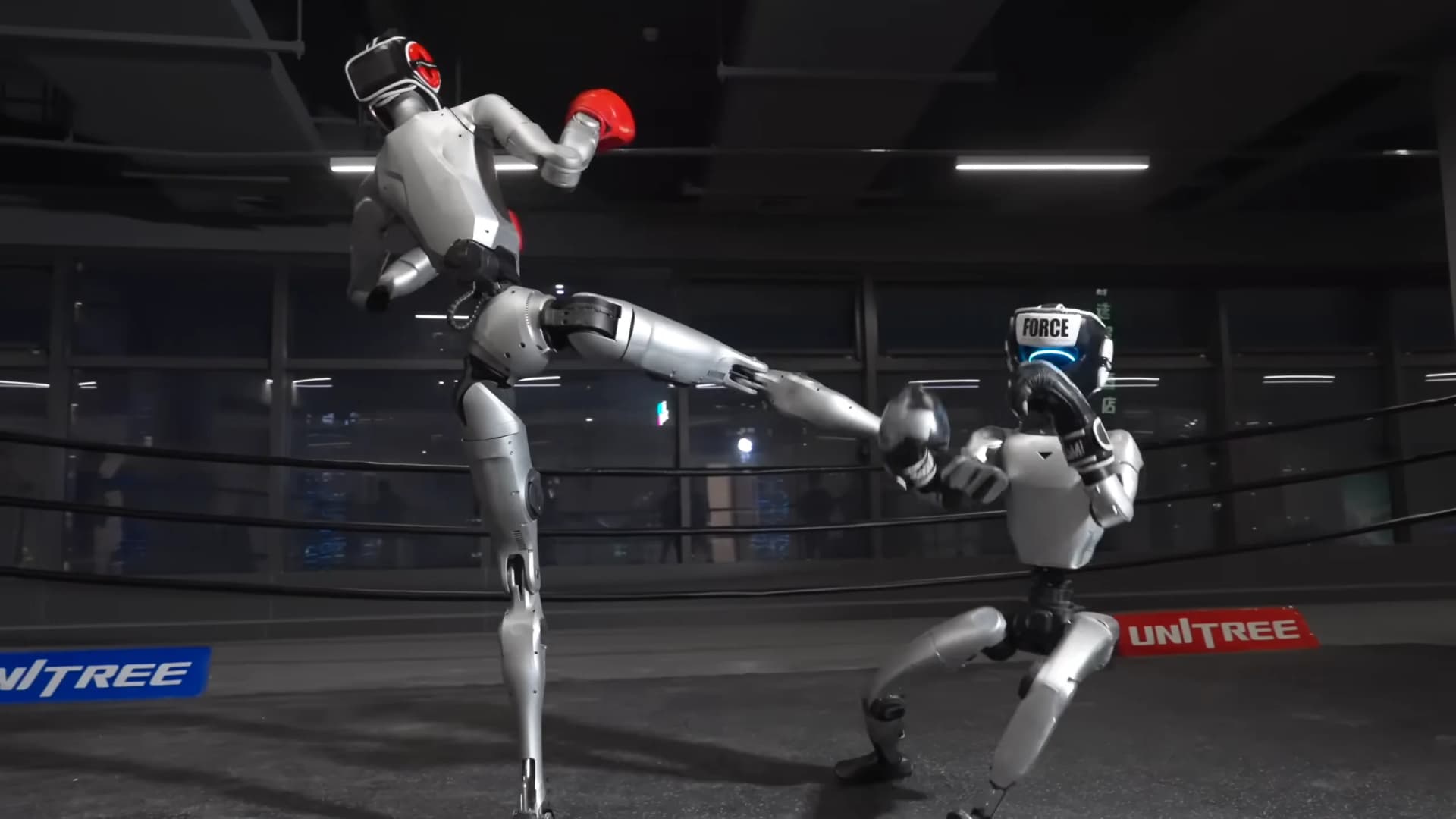
There is a disconnect in the Chinese humanoid robotics market: executives are desperate to buy robots, but they aren't happy with what is currently for sale.
That is the core finding of a new AlphaWise survey from Morgan Stanley, the bank's first comprehensive poll of C-suite executives across various Chinese industries regarding embodied intelligence. The report paints a picture of a sector fueled by high expectations but constrained by technological immaturity and high costs.
According to the survey, a staggering 62% of respondents indicated they are likely to adopt humanoid robots within the next three years. However, this enthusiasm crashes into a reality wall: only 23% of those surveyed expressed satisfaction with current products, citing issues with dexterity, functionality, and price.
The "Optimism Gap"
The disparity between adoption intent and product satisfaction suggests that while the demand for labor automation is real, the supply of capable products has not yet caught up.
The weekly humanoid robotics briefing
One email a week: the launches, funding and research that mattered, with context from Humanoids Daily.
Read recent issuesMorgan Stanley analyst Sheng Zhong noted that the 62% adoption figure is "both strong and, in some cases, surprising," though he cautioned that the figure "may be optimistic." The survey sample skewed heavily toward large enterprises that already utilize robotics, meaning these respondents are the "early adopters" of the industrial world.
Despite the high interest, actual deployment remains in the experimental phase. The report notes that "only ~10% of respondents are currently evaluating or launching pilot projects," a statistic that aligns with the industry-wide struggle to move from viral videos to factory floors.
This hesitation mirrors the sentiment we reported recently regarding Goldman Sachs' analysis, which suggested that "general purpose" robots are not yet ready for prime time, forcing the industry to pivot toward "dedicated purpose" machines for exhibitions and tourism in the short term.
The $28,000 Threshold
Beyond technical limitations like dexterity, cost remains the primary barrier to mass adoption.
The survey established a clear psychological price ceiling for commercial viability: 92% of respondents stated that unit costs must fall below 200,000 yuan (approx. $28,000) for widespread adoption to become feasible.
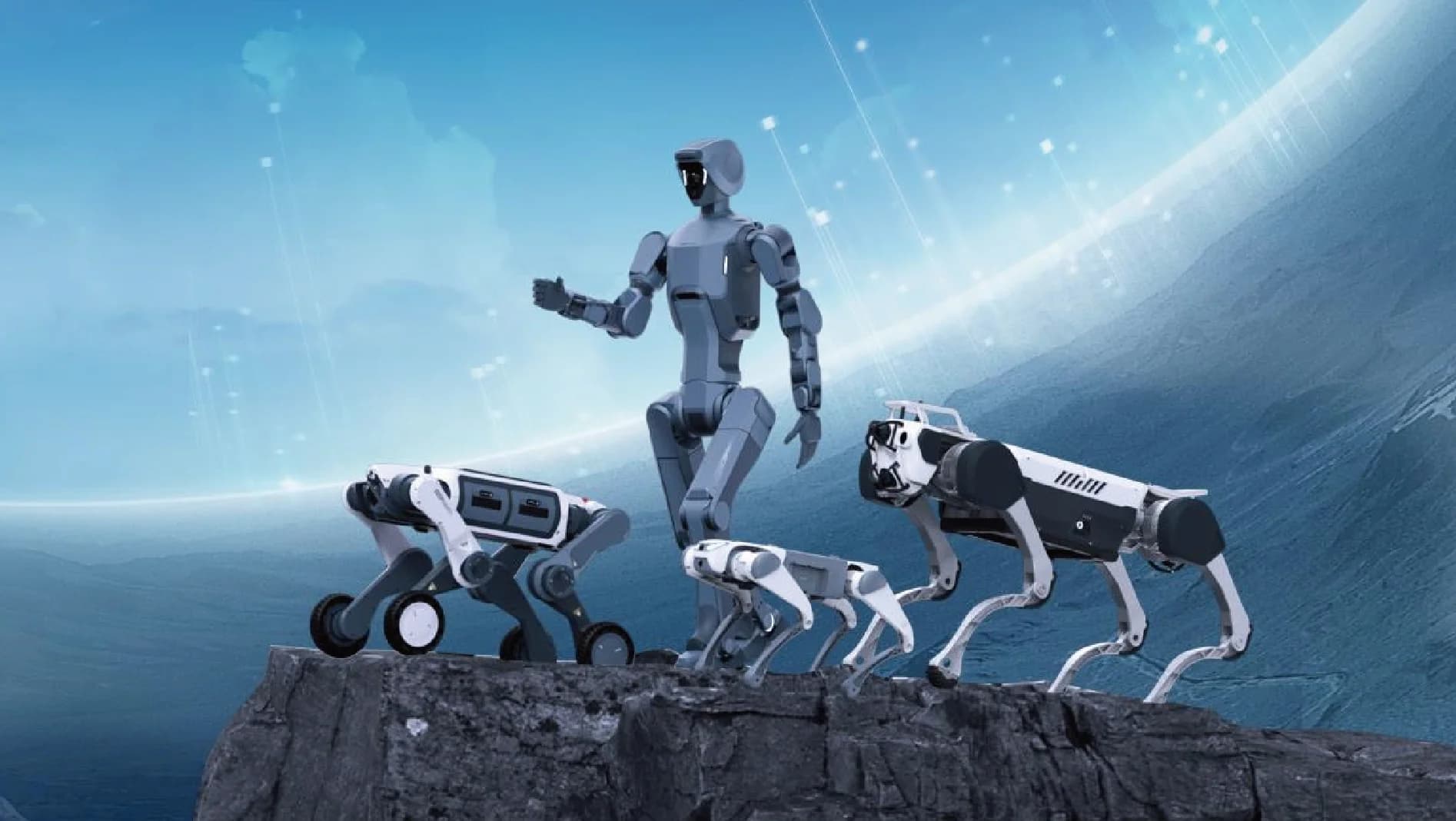
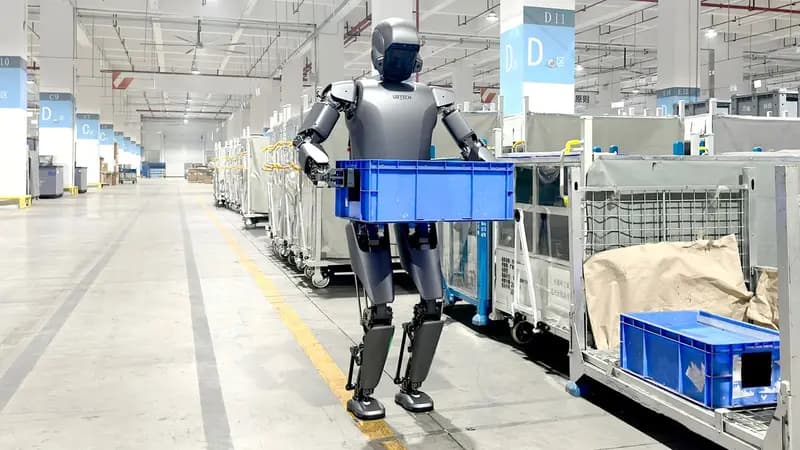
This price point explains the intense pressure on manufacturers to lower BOM (Bill of Materials) costs. It also highlights why Unitree Robotics was identified in the survey as the "most engaged brand," followed by Deep Robotics, UBTECH, and appliance giant Midea.
Unitree has aggressively targeted lower price points, positioning it favorably against the 200,000 yuan threshold. The company's prominence in the survey validates its recent momentum, which includes completing IPO tutoring to list on the A-share market.
Deep Robotics' high ranking is notable as well. Known primarily for quadrupeds, the company is rapidly pivoting to humanoids and, as noted in our coverage of Beijing's "bubble" warning, is also joining the rush toward a public listing.
The Replacement Forecast
Despite current dissatisfaction, Chinese executives view the displacement of human labor as inevitable. Respondents estimated that robots could replace 11% of jobs in the next 5 years and 28% in the next 10 years.
Morgan Stanley maintains a "constructive" long-term view on the sector, predicting that the market will be sustained in 2026 by three factors:
- The release of new, more capable models.
- Continued government subsidies (though Beijing is becoming more selective).
- A wave of IPOs providing capital for R&D.
However, the bank identifies component manufacturers—the "picks and shovels" of the robot gold rush—as the earliest beneficiaries. The report specifically highlighted Inovance, Leaderdrive (Green Harmonic), Hesai, and Hengli Hydraulic as companies poised to profit from the capacity build-out, regardless of which humanoid brand ultimately dominates the market.
Share this article
Read next
- Published on
- Reading time
- 5 min read
Unitree’s Stock Slump Puts China’s Robot IPOs Under Scrutiny
- Published on
- Reading time
- 4 min read
State Grid’s $995 Million Bet: 8,500 Robots to Spearhead "Deployment Year One" in Energy
- Published on
- Reading time
- 6 min read
Global Humanoid Shipments Surpass 22,000 in H1 2026 as AGIBOT Leads and Form-Factor Debates Intensify
- Published on
- Reading time
- 4 min read
Deep Robotics Secures $68M in Series C to Fuel Humanoid and ‘Embodied AI’ Push
- Published on
- Reading time
- 4 min read
OpenMind Launches Hardware-Agnostic App Store to Unify Humanoid "Skills"
- Published on
- Reading time
- 3 min read
UBTech and Midea Push Humanoid Robots Onto Chinese Factory Floors

The weekly humanoid robotics briefing
One email a week: the launches, funding and research that mattered, with context from Humanoids Daily.
Read recent issues