- Published on
AGIBOT Says A3 Ultra Is Going to Work in Hotels, Shops and Metro Inspection
One tap, and our reporting appears more often in your Google Top Stories. It makes a real difference to a small newsroom.

Supported by RoboStrategySupport for Humanoids Daily comes from RoboStrategy
Sponsored


Investing involves risk, including possible loss of principal. Read the prospectus before investing.
- AGIBOT says A3 Ultra is working in hotels, auto dealerships, supermarkets and metro inspection, with further deployments underway.
- A new promotional video presents its pitch for a humanoid that can handle different tasks and coordinate with other robots.
- The product page distinguishes continuous operation supported by charging and battery changes from battery endurance, and says comparable applications can require custom development.
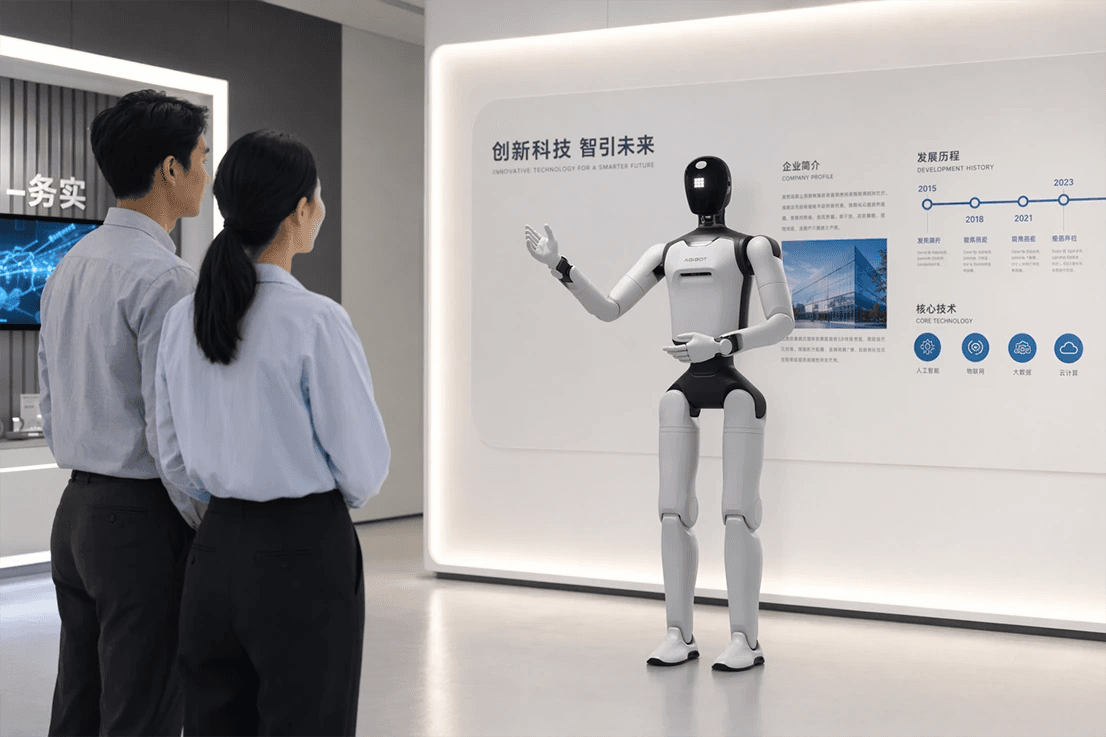
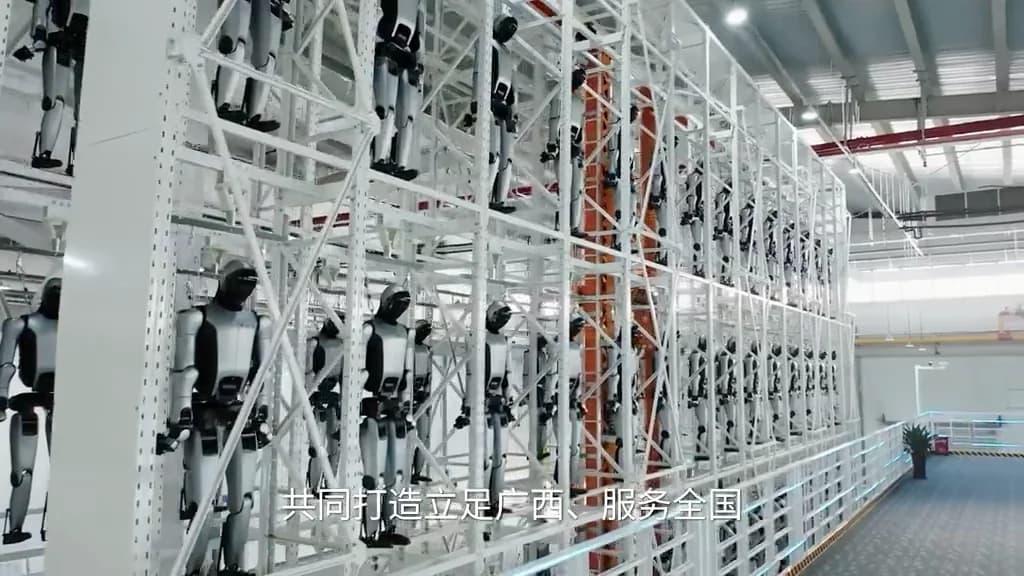
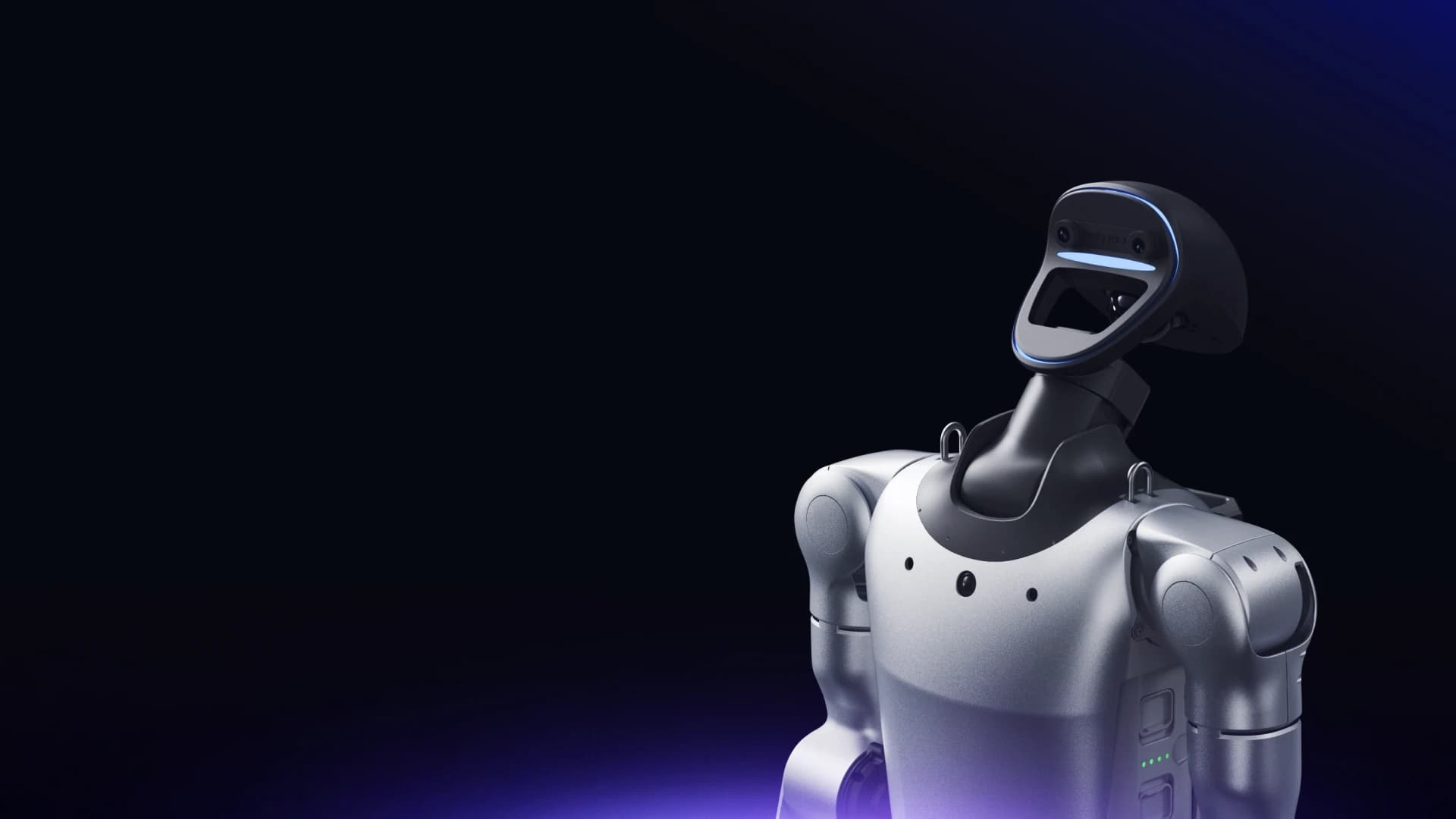
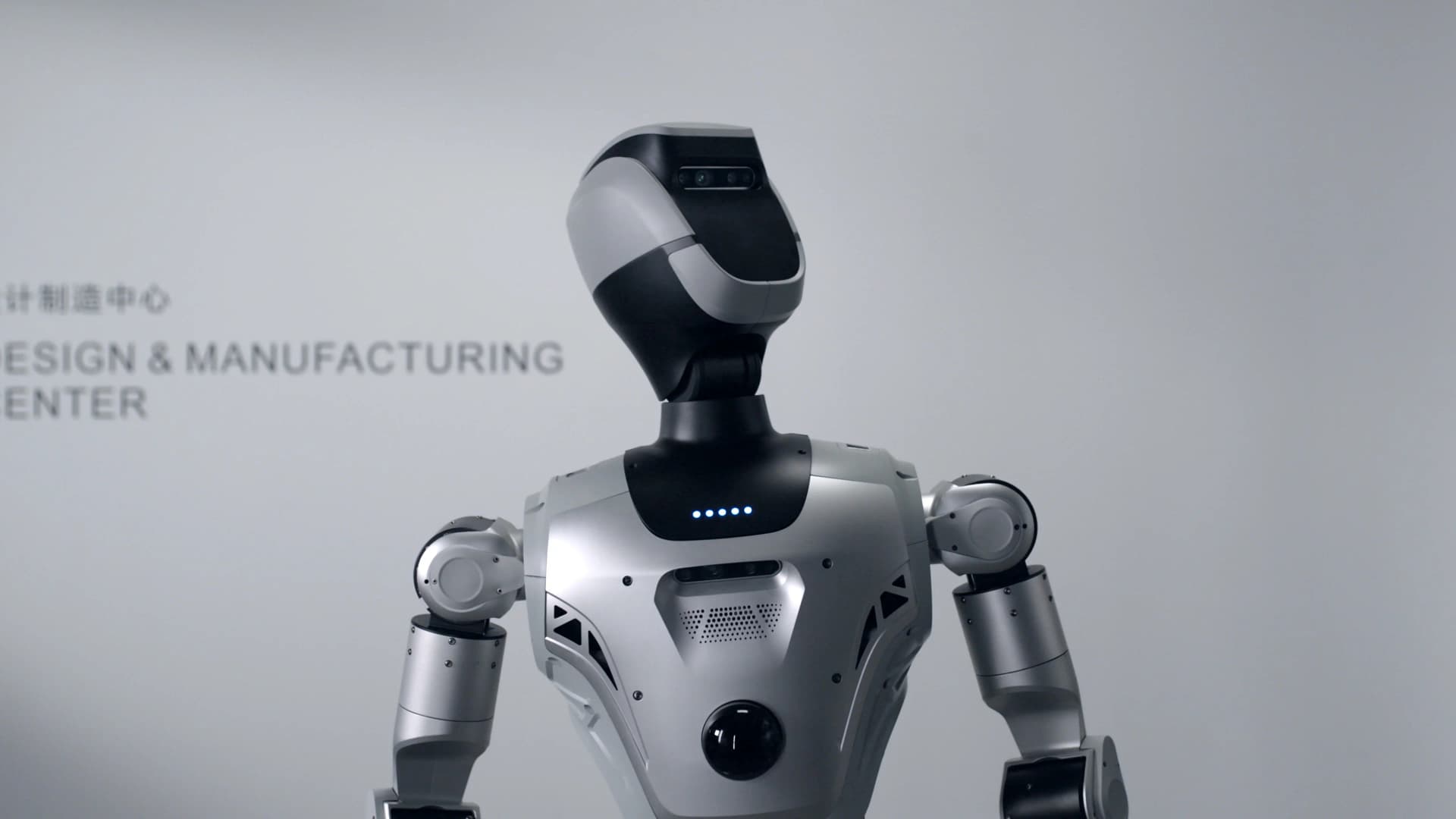
AGIBOT is putting everyday service work at the center of its latest A3 Ultra promotion. In a September 17 update, the company says the humanoid is already working across hotels, auto dealerships, supermarkets and metro inspection scenarios, with more deployments underway.
The accompanying video promotes a move from manufacturing robots to putting them into operation. AGIBOT says A3 Ultra can work autonomously, perform different tasks and collaborate with other robots. These are company claims; the post does not provide a deployment count or operational performance figures.
A broader service pitch
The update follows A3 Ultra’s introduction at WAIC 2026 and AGIBOT’s commercial push at IFA in Berlin. The new post brings the focus back to the environments where the company wants its full-size humanoid to earn its keep.
That mix of settings is worth watching. Reception, shopping assistance and inspection place different demands on a robot, from interacting with visitors to navigating a site and carrying out a defined routine. A shared platform could serve several markets, but each application still needs to work within the customer’s particular environment.
The weekly humanoid robotics briefing
One email a week: the launches, funding and research that mattered, with context from Humanoids Daily.
Read recent issuesWhat continuous operation means
AGIBOT’s A3 Ultra product page lists up to eight hours of battery life under conditions with equal walking and standing time. It also advertises autonomous charging and a ten-second battery swap. Its around-the-clock operating claim therefore should not be read as 24 hours on a single charge.
The same page notes that its A3 platform capability demonstrations are not applications enabled by default on A3 Ultra. Comparable functionality requires application-specific programming, model integration, environment configuration and validation.
That leaves the video useful as a view of AGIBOT’s commercial direction, while longer operating records would establish more about reliability. Fleet size, task-completion rates and the frequency of human assistance would help customers judge how these deployments perform beyond the promotional edit.
Share this article
Read next
- Published on
- Reading time
- 6 min read
Global Humanoid Shipments Surpass 22,000 in H1 2026 as AGIBOT Leads and Form-Factor Debates Intensify
- Published on
- Reading time
- 4 min read
The Shipment Wars: AgiBot Claims Top Spot in Five Industry Sectors as Global Market Surges
- Published on
- Reading time
- 4 min read
The Great Numbers War: Unitree Claims Global Shipment Lead, Rebuts AgiBot's 'No. 1' Title
- Published on
- Reading time
- 4 min read
Rumored $13 Million Gala Bid Sparks Fears of a Humanoid Robotics ‘Bubble’ in China
- Published on
- Reading time
- 3 min read
Unitree Says It Won’t Become a Robot Integration Company
- Published on
- Reading time
- 4 min read
LimX Dynamics Secures $200 Million Series B to Scale Modular and General-Purpose Humanoids


The weekly humanoid robotics briefing
One email a week: the launches, funding and research that mattered, with context from Humanoids Daily.
Read recent issues