- Published on
Beyond the Showcase: AGIBOT Expands Embodied AI Portfolio at WAIC 2026
One tap, and our reporting appears more often in your Google Top Stories. It makes a real difference to a small newsroom.


Your guide
Rich Robinson
Jee Chee Ren · Executive tour
See China’s AI and robotics ecosystem first-hand.
Six days exploring AI, robotics and advanced manufacturing.
With Rich Robinson, Clinical Professor of Entrepreneurship at Peking University
Beijing · Guangzhou · Shenzhen
29 November–4 December 2026
Referral partnership · We earn a commission on referred bookings.
- AGIBOT introduced four new embodied AI products at WAIC 2026 in Shanghai, expanding its portfolio across commercial, educational, and industrial sectors.
- The A3 Ultra humanoid and G2 Max heavy-payload robot underscore a shift from isolated demonstrations to continuous, reliable real-world deployment.
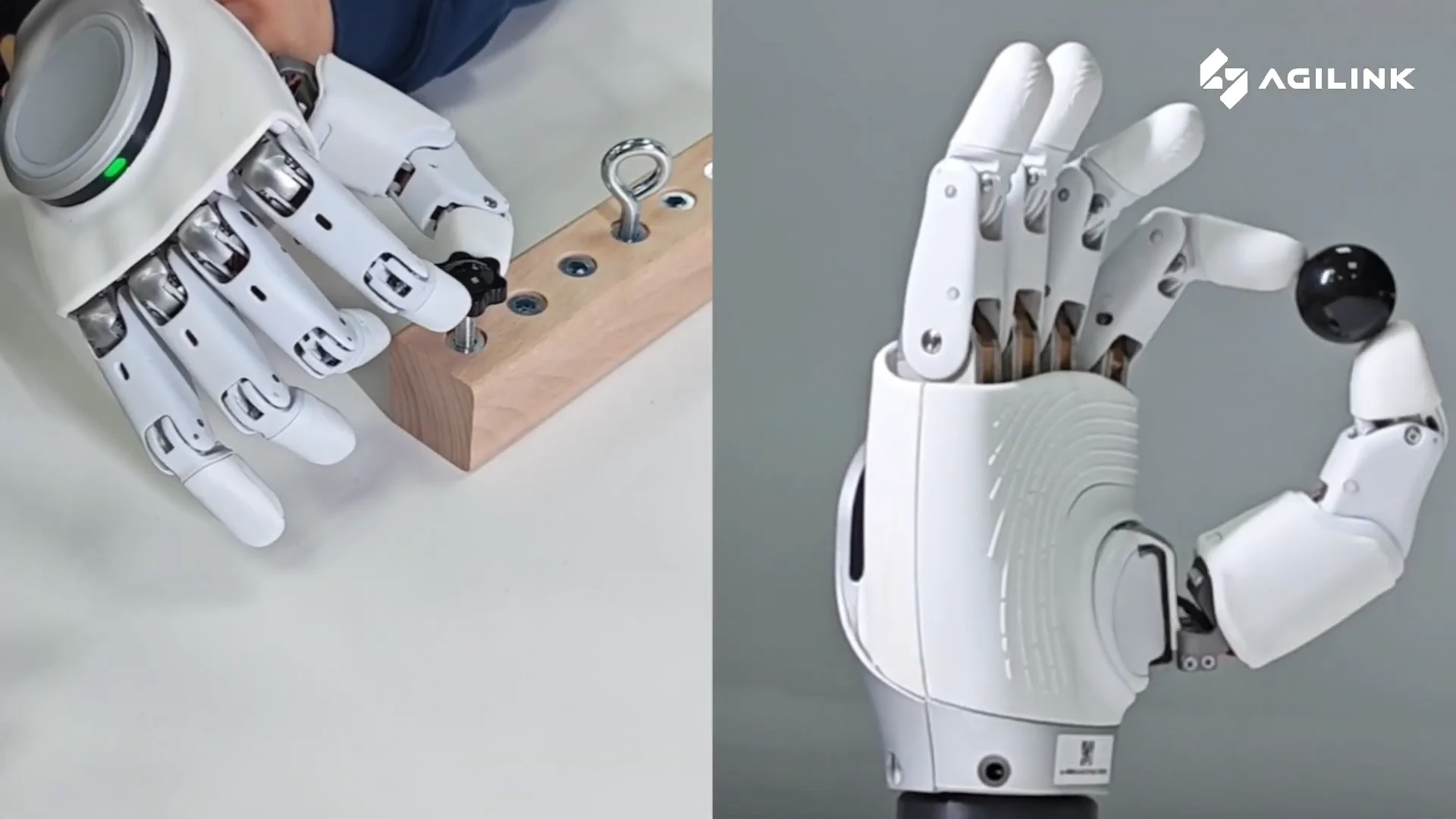
- The OmniHand 3 Ultra-M offers a flagship direct-drive dexterous manipulation system featuring 20 active degrees of freedom and vision-based tactile sensing.
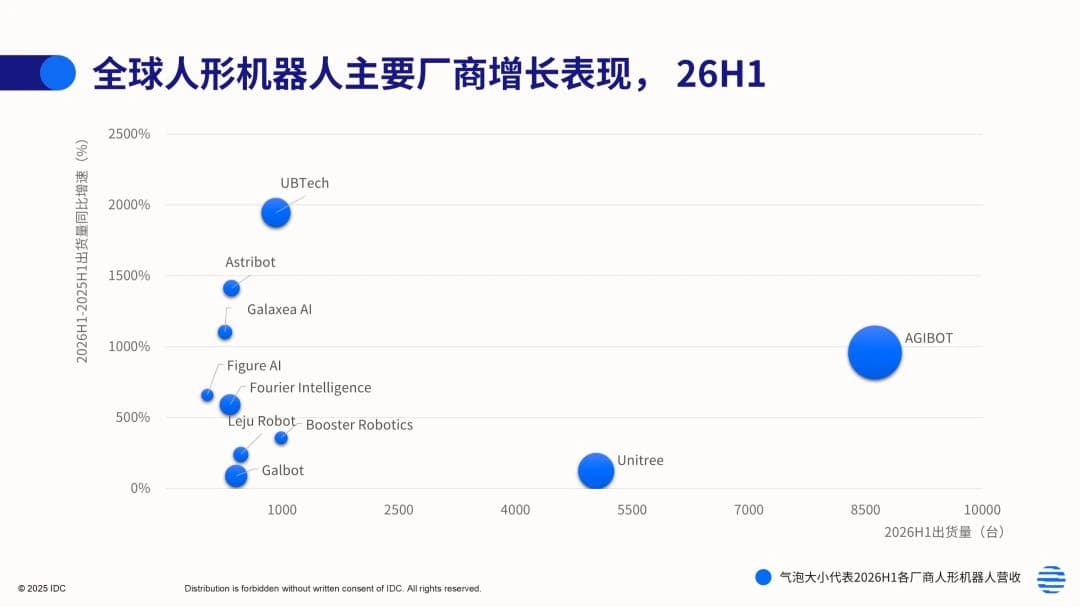
- Demonstrating scalable capabilities, AGIBOT deployed over 60 robots across WAIC venues for visitor guidance and interactive services, building on the company's recent 15,000-unit production milestone.
The physical AI robotics industry is facing increasing pressure to graduate from the laboratory to the factory floor, and AGIBOT is positioning itself to lead that transition. At the World Artificial Intelligence Conference (WAIC) 2026 in Shanghai, the global embodied AI manufacturer unveiled four new hardware products designed to expand its footprint in full-size humanoid platforms, heavy-payload industrial robotics, and dexterous manipulation systems.
The launch of the AGIBOT A3 Ultra, X2 EDU, G2 Max, and OmniHand 3 Ultra-M marks a concerted effort to broaden the company's portfolio beyond general-purpose models. Co-founder, President, and CTO Peng Zhihui emphasized this pragmatic approach, stating that the industry must stop judging embodied AI by one-off impressive demonstrations. Instead, the benchmark should be whether these systems can be reliably manufactured, delivered, and integrated into active operating environments.
The Humanoid Fleet: A3 Ultra and X2 EDU
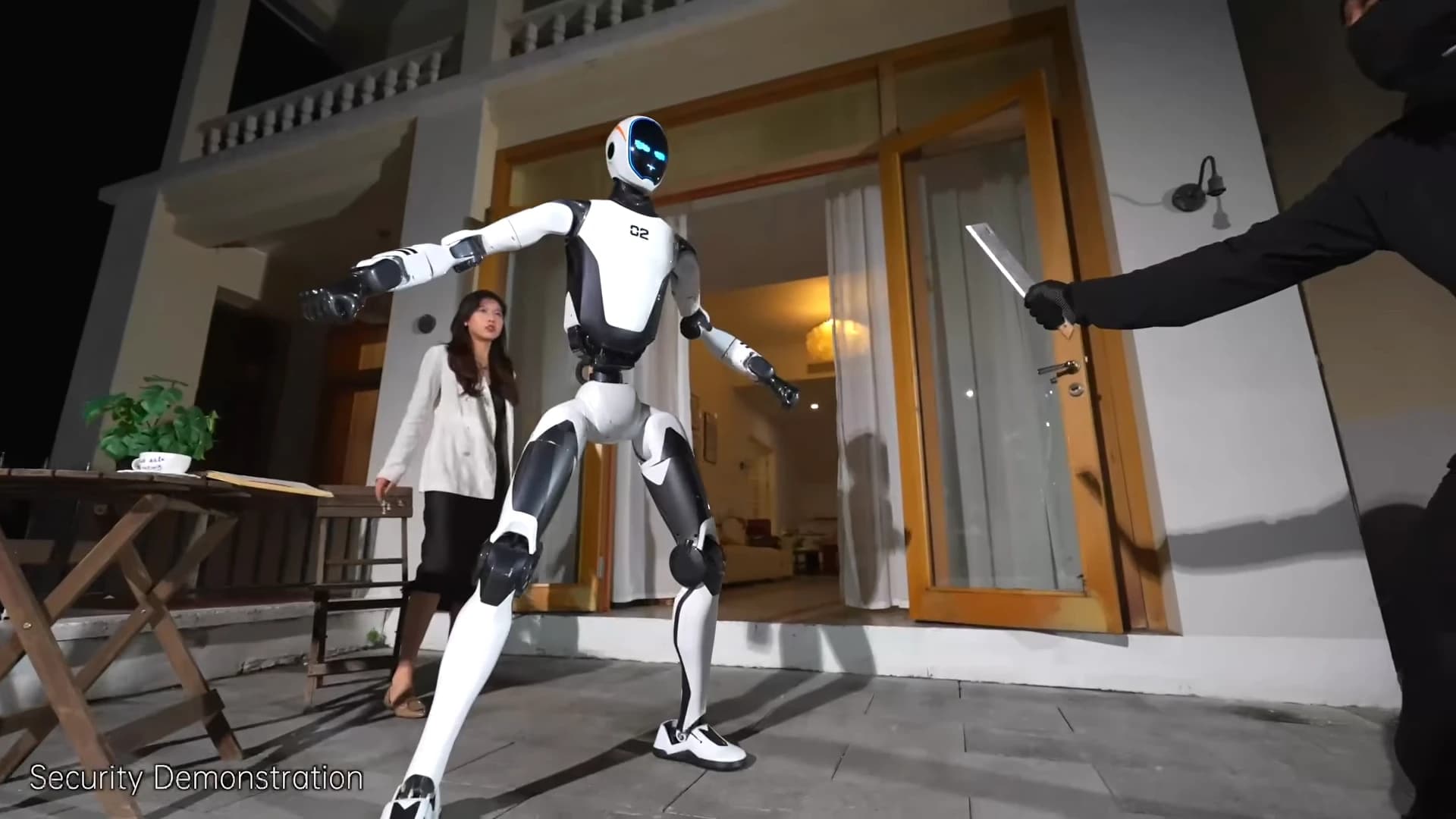
To address long-duration commercial and service operations, AGIBOT introduced the A3 Ultra. This full-size humanoid stands 1.74 meters tall, weighs 60 kilograms, and offers 51 active degrees of freedom. Powered by NVIDIA Thor for high-level AI processing, the A3 Ultra supports a five-kilogram payload capacity per arm and can operate for up to eight hours continuously. Its perception suite—including 3D LiDAR, RGB-D cameras, fisheye lenses, and binocular vision—enables navigation across complex public-facing environments.
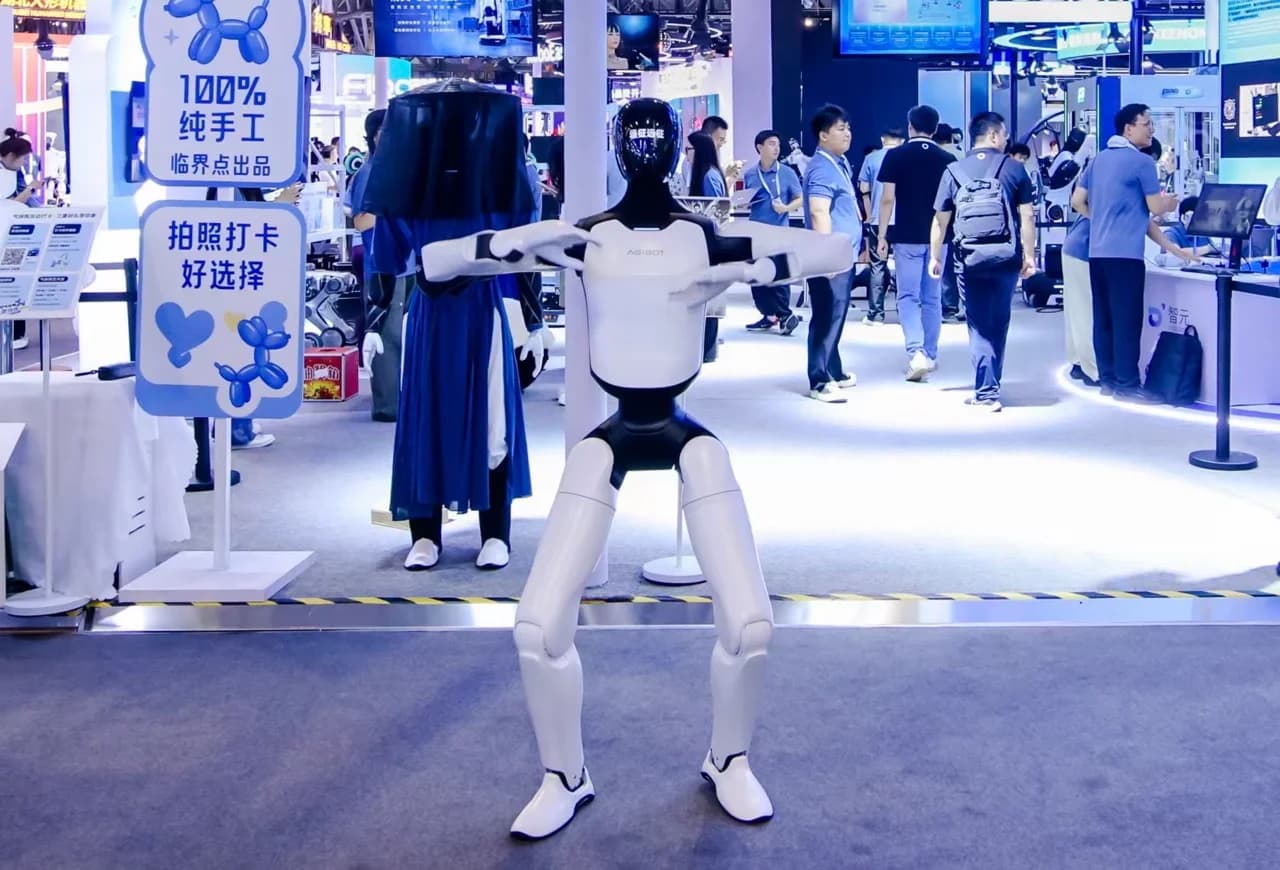
For the research and academic sectors, the company debuted the X2 EDU, an open and modular development platform. Standing at approximately 1.3 meters, the X2 EDU provides 29 degrees of freedom and supports end-effector payloads of up to three kilograms. Its modular architecture allows developers to integrate custom sensors, computing modules, and hardware chain configurations, lowering the barrier to entry for secondary research and competition development.
The weekly humanoid robotics briefing
One email a week: the launches, funding and research that mattered, with context from Humanoids Daily.
Read recent issues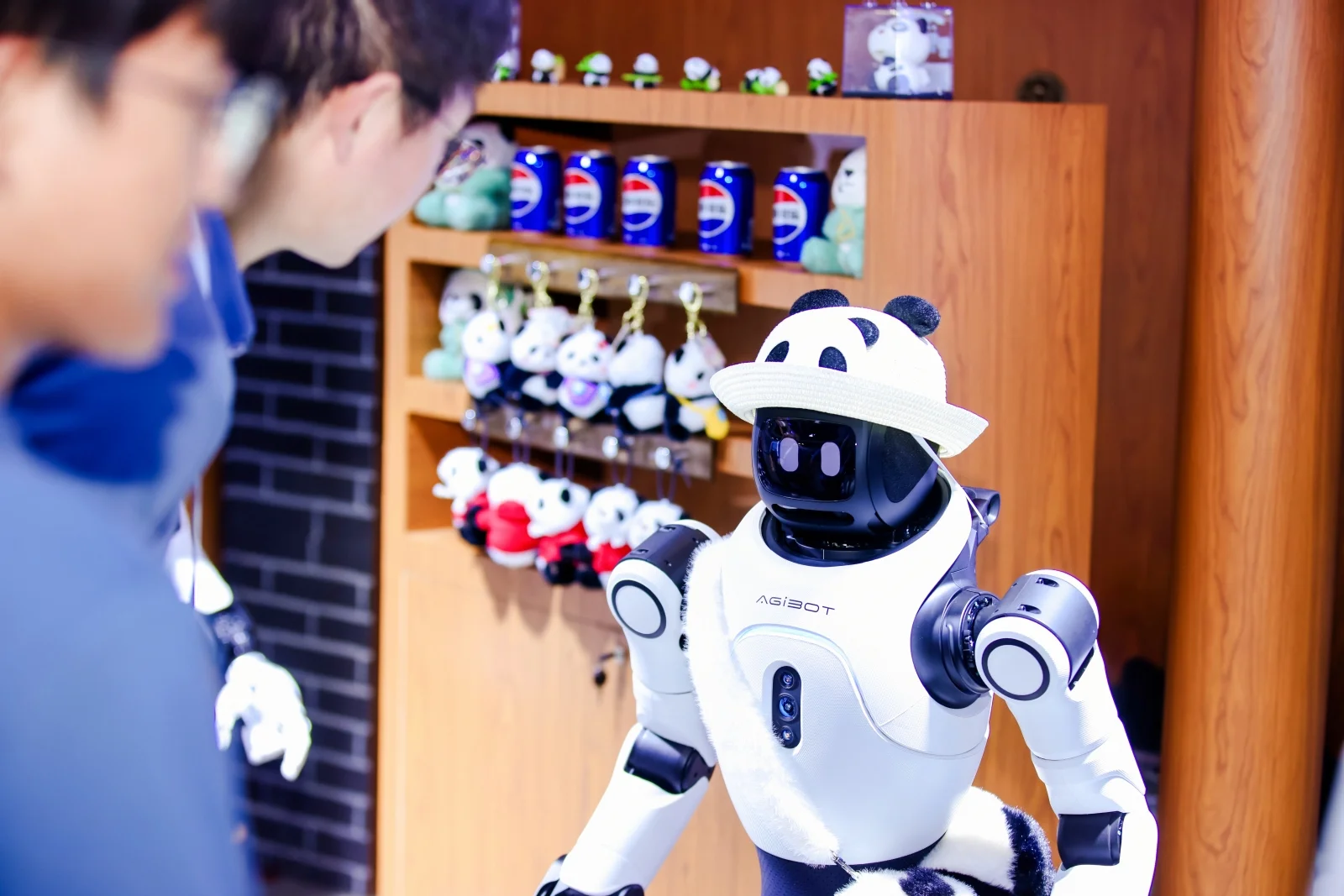
Tackling Industrial Realities: The G2 Max
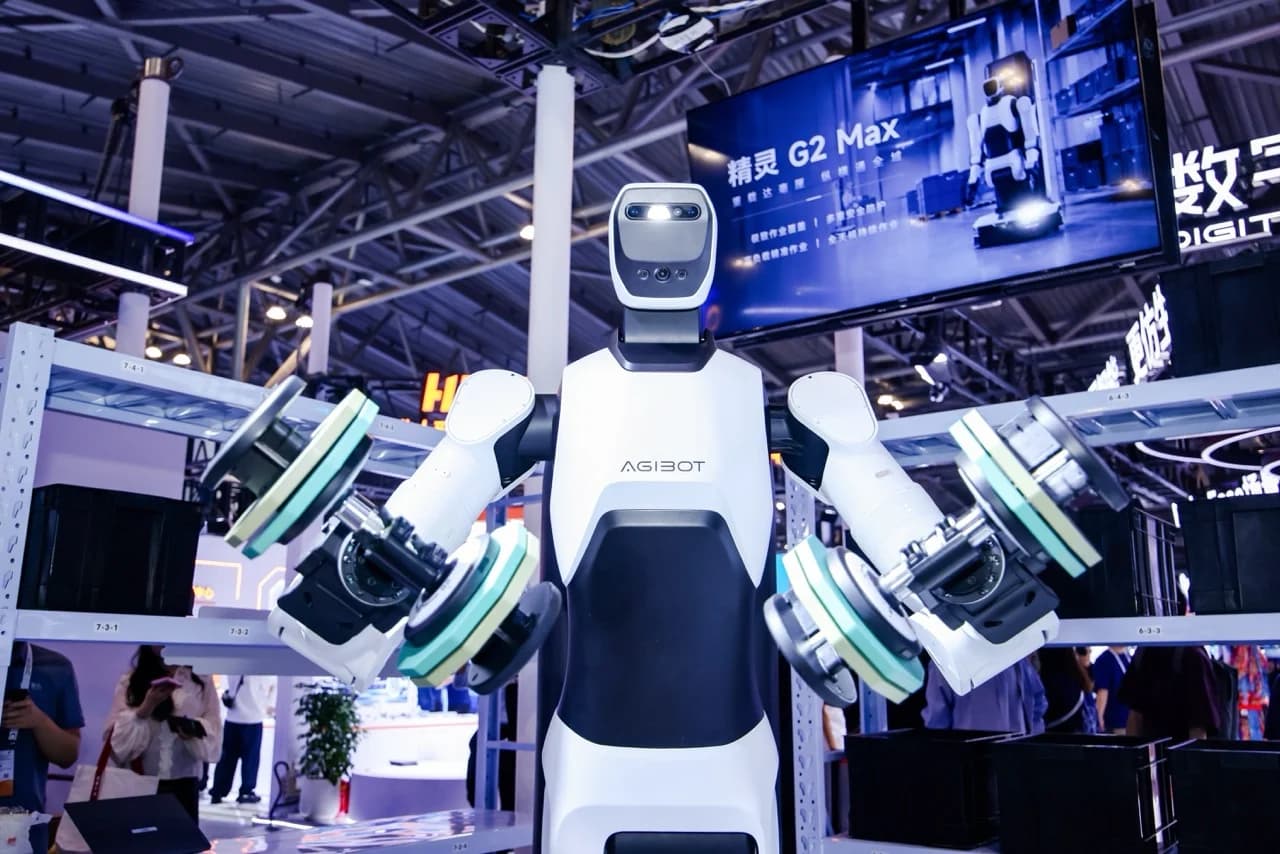
While humanoids capture the public imagination, heavy-duty mobile manipulators remain critical for near-term industrial ROI. The new G2 Max is AGIBOT's first heavy-payload, force-controlled embodied task robot built specifically for material handling and palletizing.
Equipped with omnidirectional wheeled mobility and adjustable working heights, the G2 Max is designed to integrate into existing factory systems without requiring manufacturers to completely rebuild their production lines around the robot. This launch aligns directly with the company's broader "Deployment Year One" strategy, as AGIBOT has aggressively moved to validate its hardware in active manufacturing settings.
The company recently showcased similar operational stability by deploying its industrial robots in a live tablet mass-production facility alongside human workers. According to AGIBOT, its integration at Longcheer Technology's facility achieved a closed-loop workflow with downtime loss kept below 4% across 64 hours of cumulative continuous operation.
Elevating Manipulation: OmniHand 3 Ultra-M
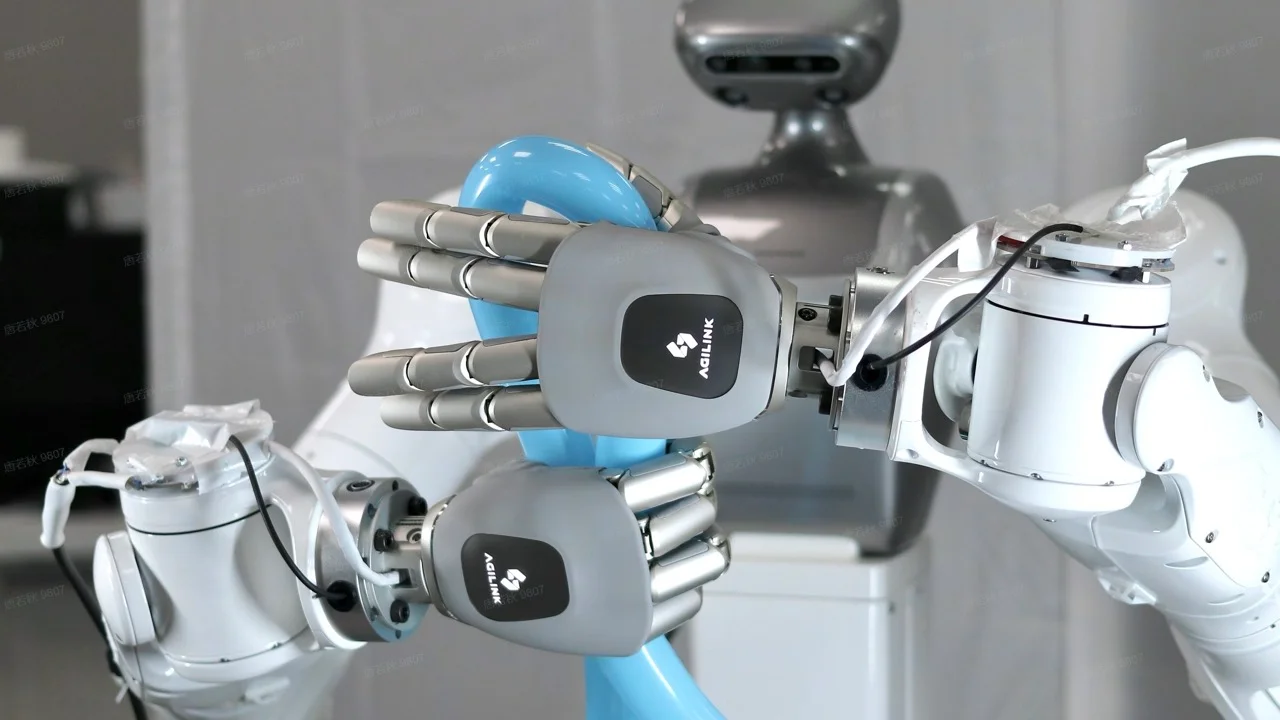
Perhaps the most technically significant reveal at WAIC 2026 is the OmniHand 3 Ultra-M, a flagship direct-drive dexterous hand. Dexterous manipulation has historically been a major bottleneck for the industry, prompting AGIBOT to spin off its specialized hand-development subsidiary, AGILINK, which recently reached unicorn status after raising hundreds of millions of yuan.
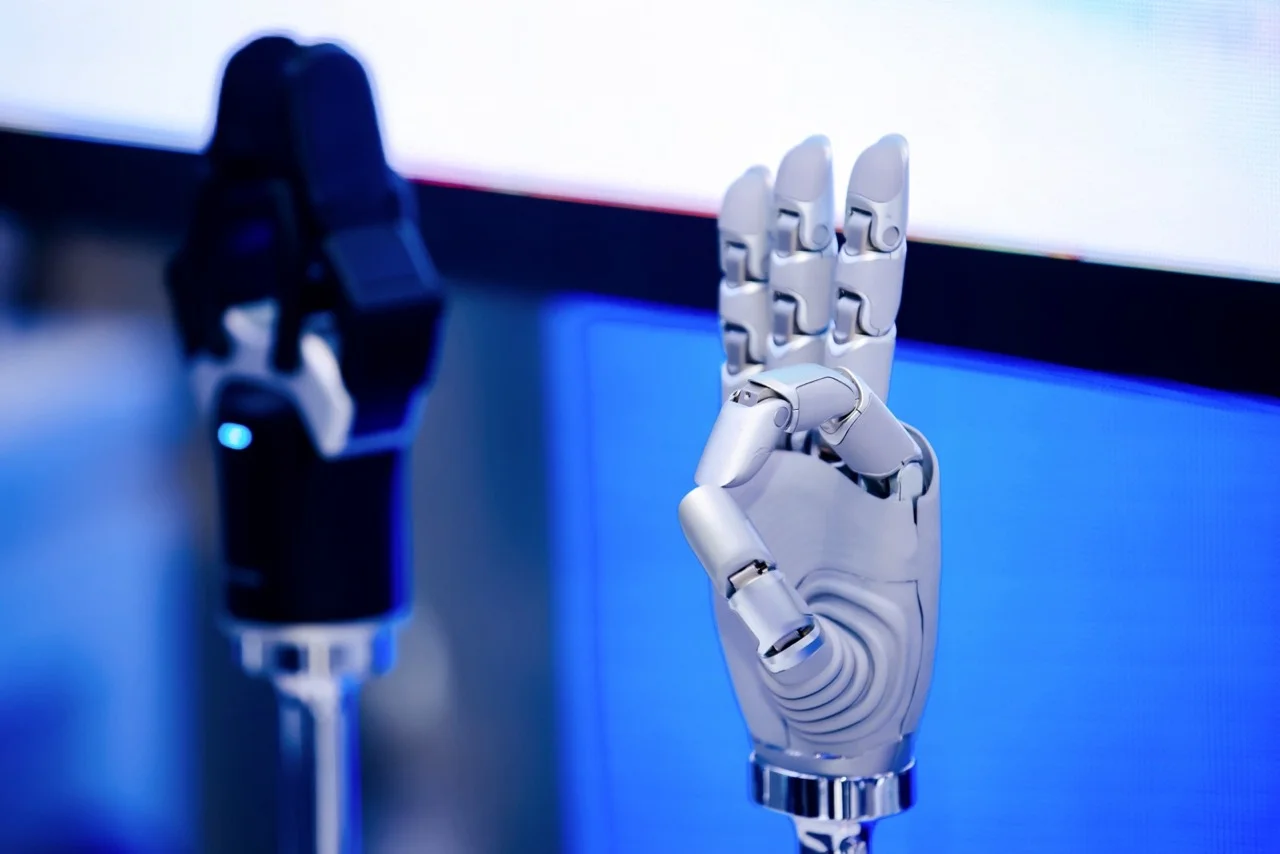
Weighing just 630 grams, the human-scale OmniHand 3 Ultra-M integrates 20 active degrees of freedom and supports a whole-hand gripping load of up to 5 kilograms. Actuation speed sits at a typical 0.3 seconds for opening or closing, with a repeatability of ±0.2 millimeters. Crucially, the hand features vision-based tactile sensors at each fingertip and a tactile array across the palm to detect minute changes in contact, force, and object positioning in real time. As AGILINK CTO Kun Xiong previously explained when discussing how the platform confronts the industry's underlying contact problem, this direct-drive architecture combined with high-resolution tactile perception is engineered specifically to maintain interaction stability during dense, contact-rich manipulation tasks.
Validating Hardware at Scale
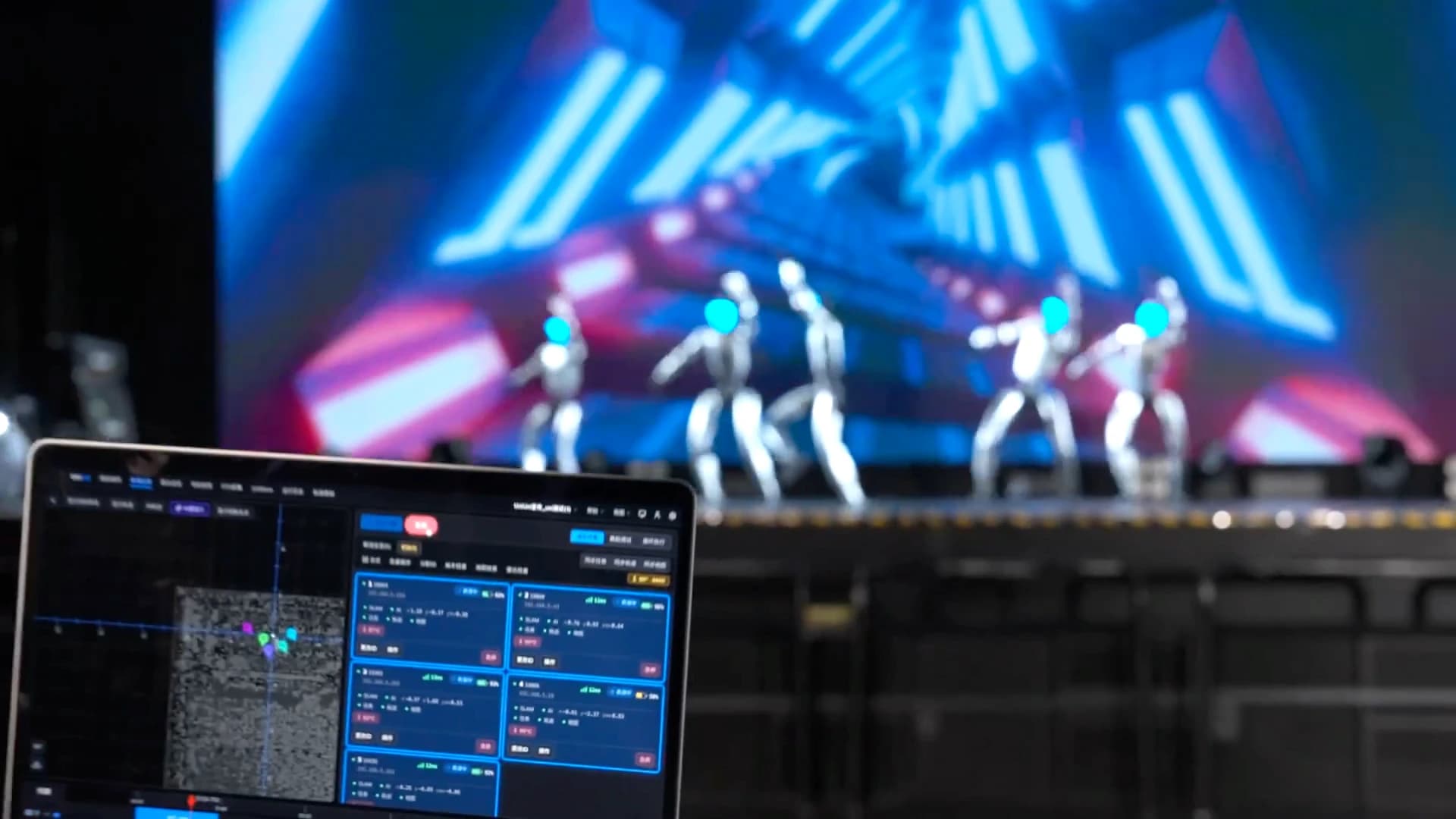
To prove that its systems are ready for prime time, AGIBOT didn't restrict its hardware to the 200-square-meter exhibition booth. The company deployed more than 60 robots across the WAIC venues to support visitor guidance, information services, and live demonstrations. These active deployments push the robots to navigate around unpredictable human foot traffic, respond to changing conditions, and maintain consistent performance over extended multi-day events.
By coupling these new hardware platforms with its ongoing AGIBOT World Challenge initiatives to test models in real-world scenarios, the company is attempting to establish a comprehensive pipeline from foundational research to mass commercialization. As embodied AI moves firmly out of its infancy, the ability to rapidly manufacture and iterate upon practical, deployment-ready hardware will determine which companies survive the transition from hype to utility.
Share this article
Read next
- Published on
- Reading time
- 4 min read
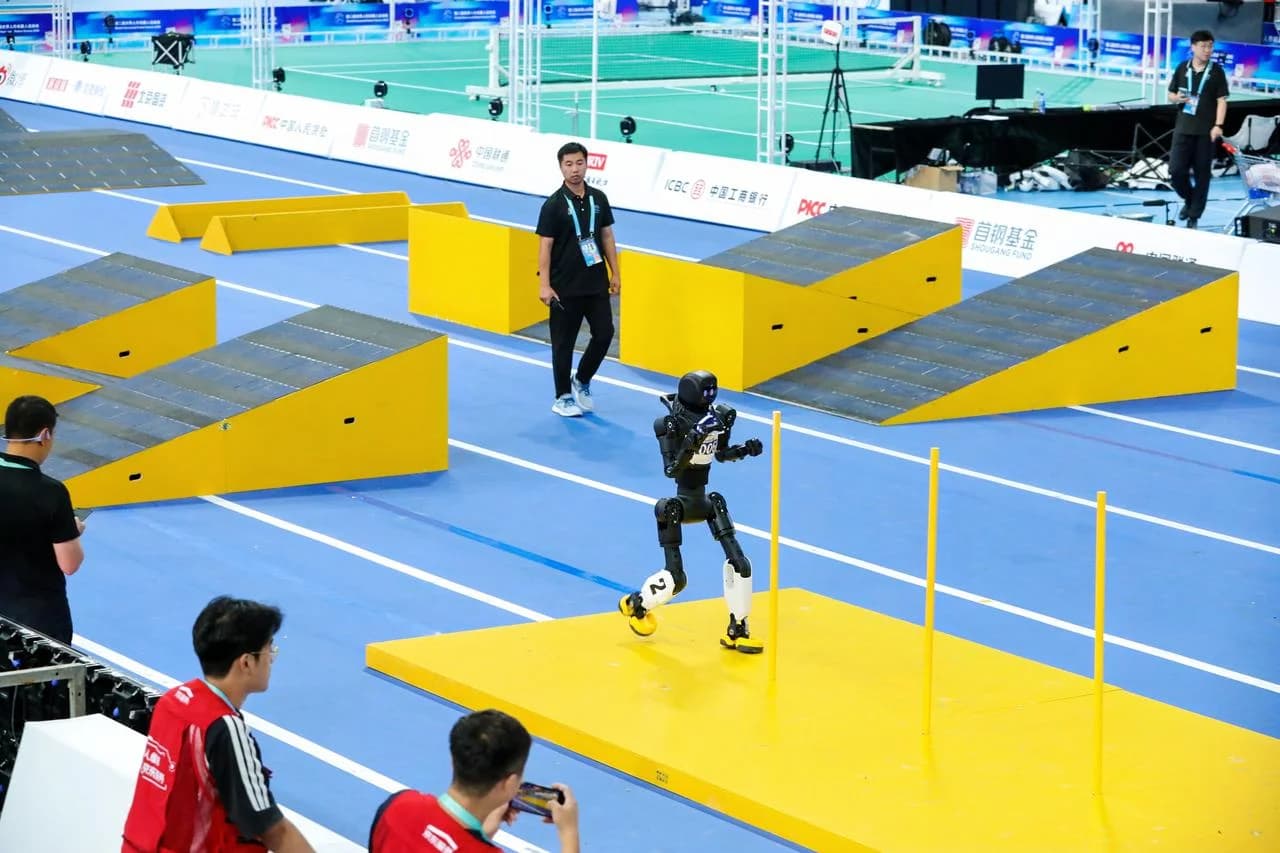
AGIBOT Tops Medal Table at 2nd World Humanoid Robot Games as Beijing Showdown Concludes
- Published on
- Reading time
- 5 min read
AGILINK Hits Unicorn Status: AGIBOT’s Dexterous Hand Spin-off Raises Hundreds of Millions
- Published on
- Reading time
- 10 min read
The Contact Problem: How AGILINK’s New OmniHand 3 Ultra-M is Teaching Robots to Feel
- Published on
- Reading time
- 3 min read
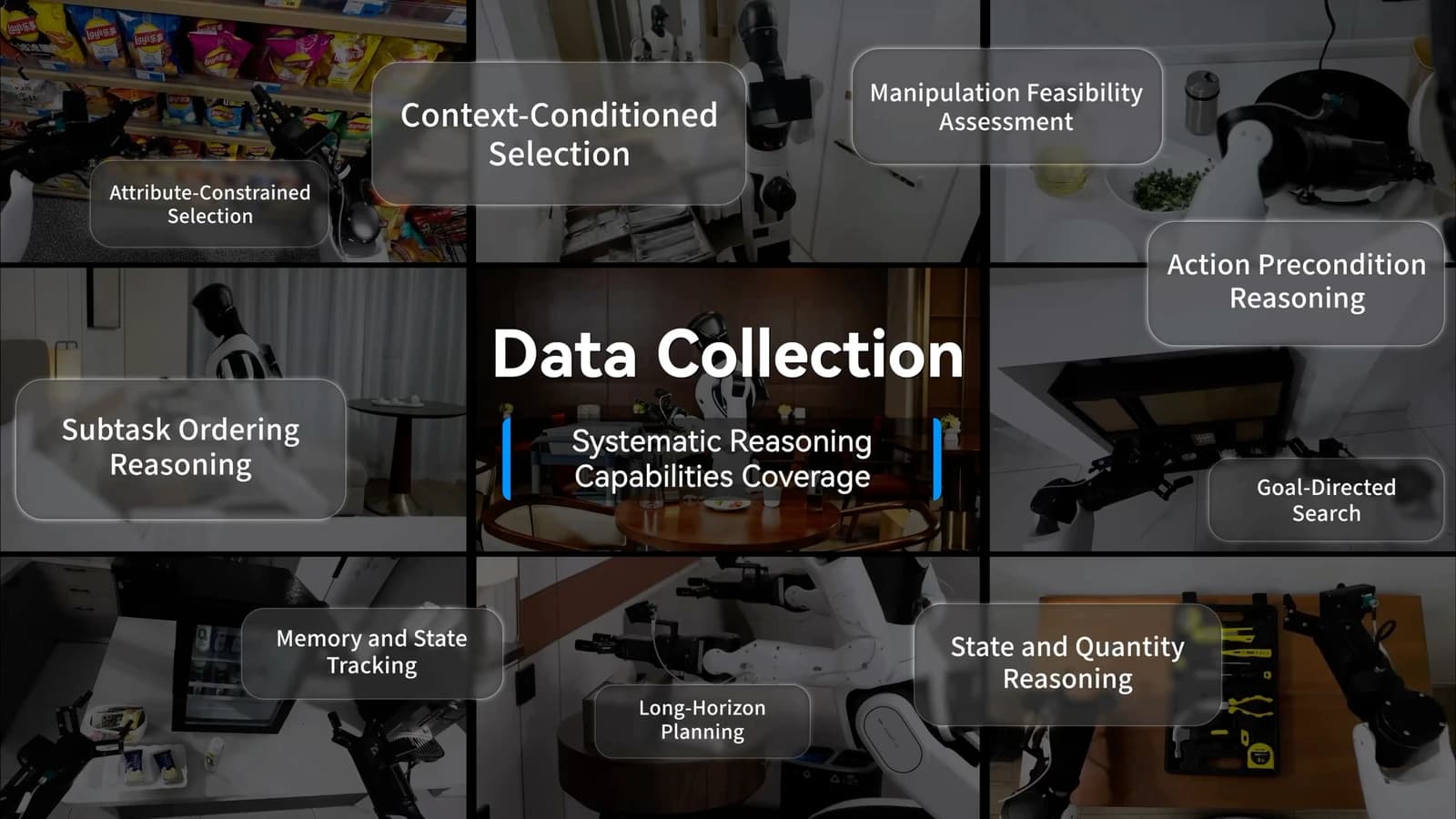
AGIBOT Releases Physical Reasoning Dataset to Connect Robot Decisions With Actions
- Published on
- Reading time
- 3 min read
IDC Puts H1 Humanoid Shipments Near 25,000, With AGIBOT Leading
- Published on
- Reading time
- 4 min read
AGIBOT Says 100 X2 Humanoids Are Working Across 100 ASD Retail Stores
The weekly humanoid robotics briefing
One email a week: the launches, funding and research that mattered, with context from Humanoids Daily.
Read recent issues