- Published on
The Shipment Wars: AgiBot Claims Top Spot in Five Industry Sectors as Global Market Surges
One tap, and our reporting appears more often in your Google Top Stories. It makes a real difference to a small newsroom.

Supported by RoboStrategySupport for Humanoids Daily comes from RoboStrategy
Sponsored


Investing involves risk, including possible loss of principal. Read the prospectus before investing.
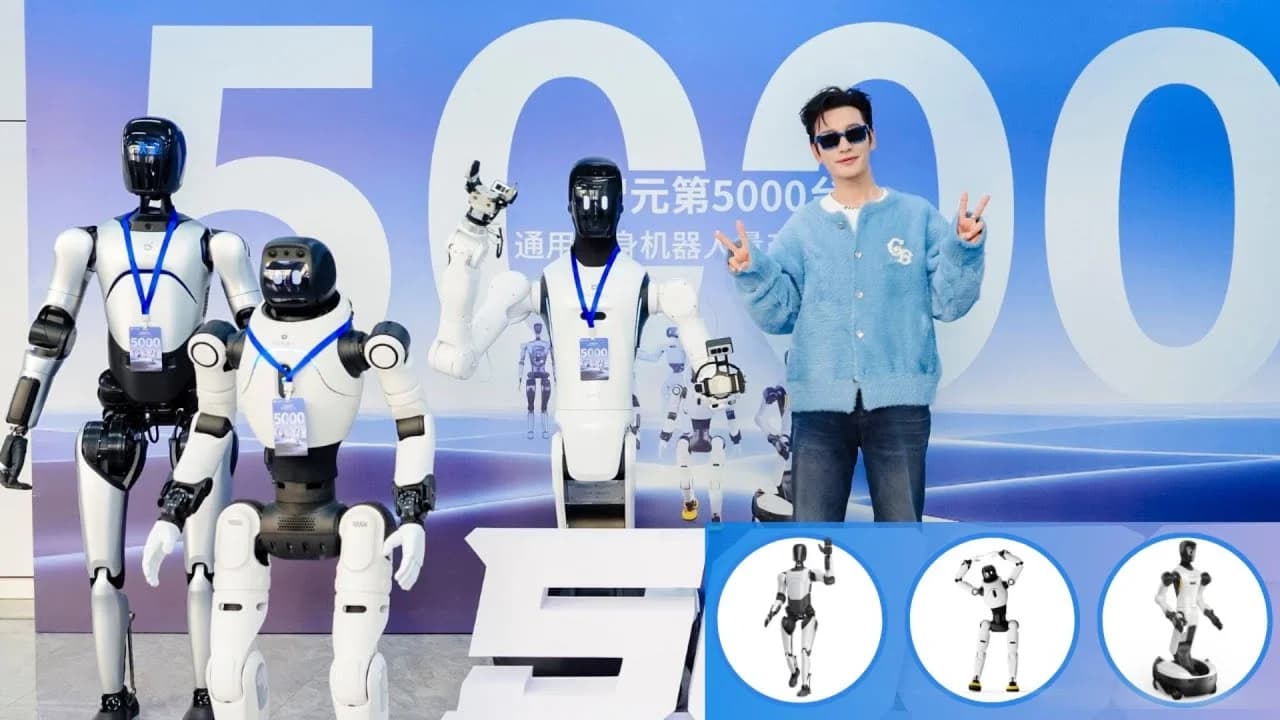
The humanoid robotics industry has officially moved from a race of technical demos to a high-stakes war of spreadsheets. Soon after the market witnessed a flurry of conflicting data, a new report from IDC’s 2025 Global Market Analysis has officially weighed in, crowning Shanghai-based AgiBot as the global leader in shipments.
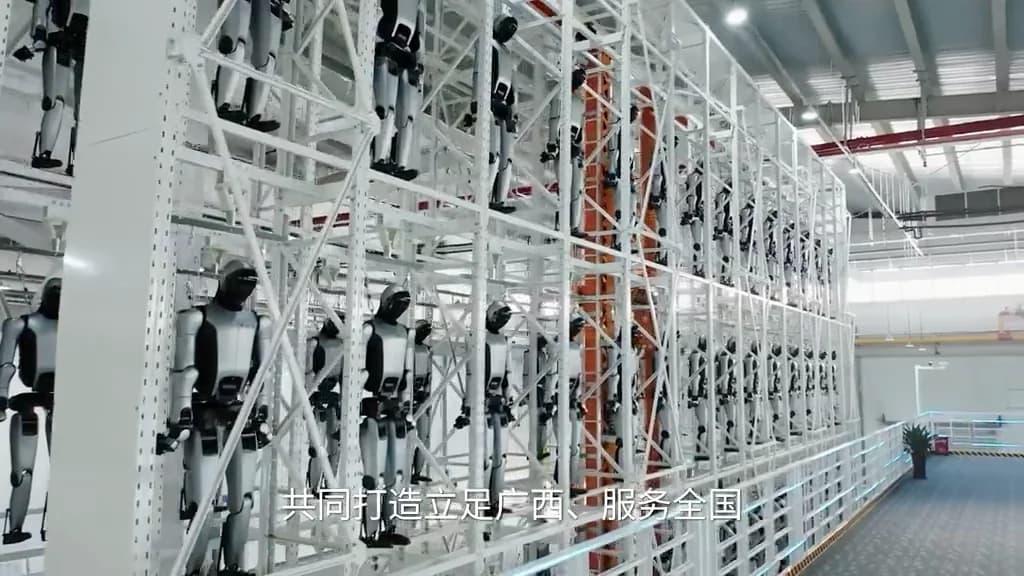
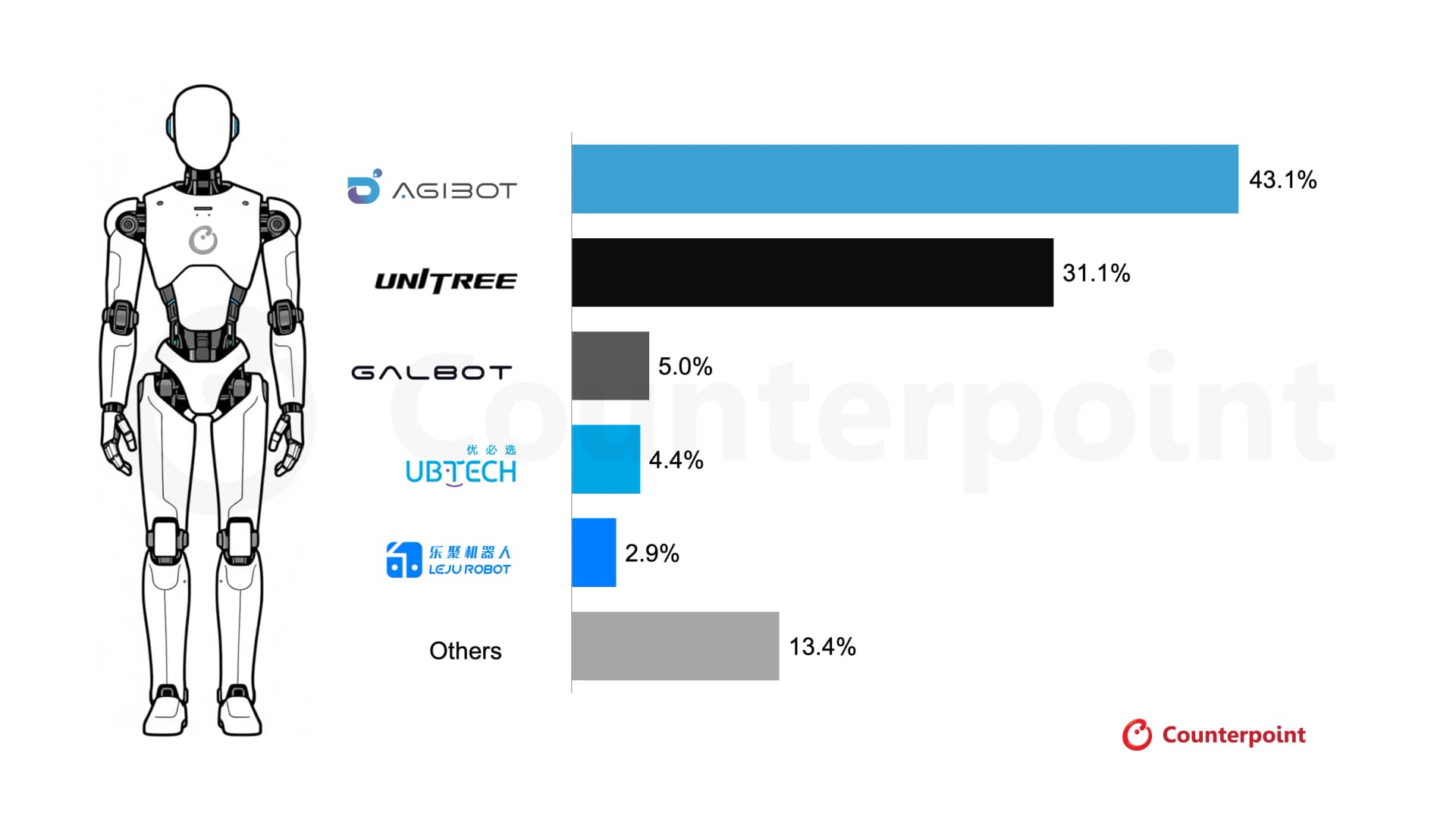
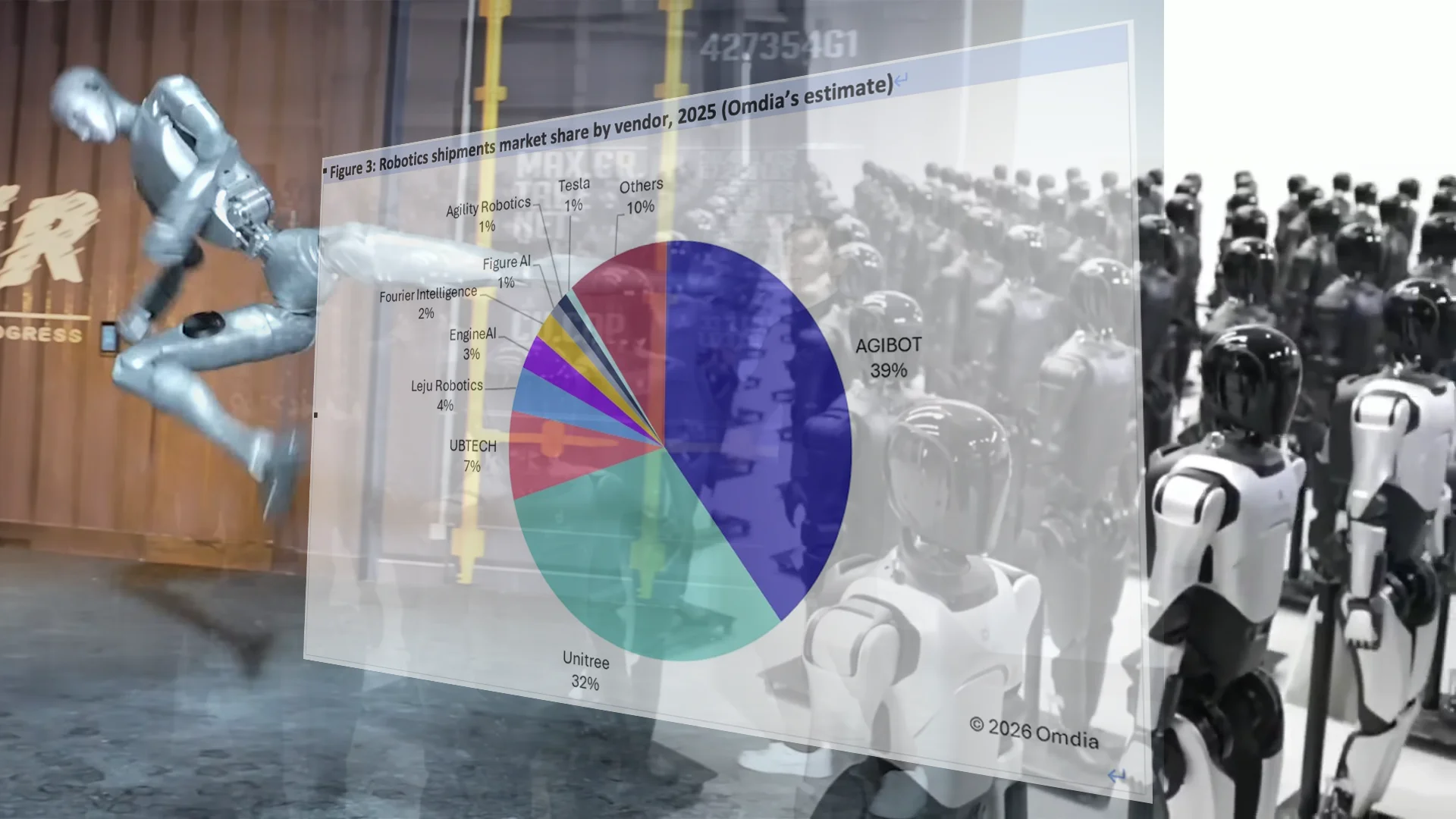
The figures paint a picture of an industry in the midst of an explosive growth phase. According to IDC, global humanoid shipments surged to approximately 18,000 units in 2025, a staggering 508% year-on-year increase. Within this boom, AgiBot reportedly delivered 5,200 units, capturing nearly 30% of the total market.
Dominance Across Five Scenarios
Perhaps more significant than the raw volume is where these robots are going. The IDC report highlights that AgiBot secured the No. 1 ranking in five out of six primary application sectors:
- Entertainment and Commercial Performance
- Research and Education
- Data Collection
- Exhibition and Reception
- Industrial Intelligent Manufacturing
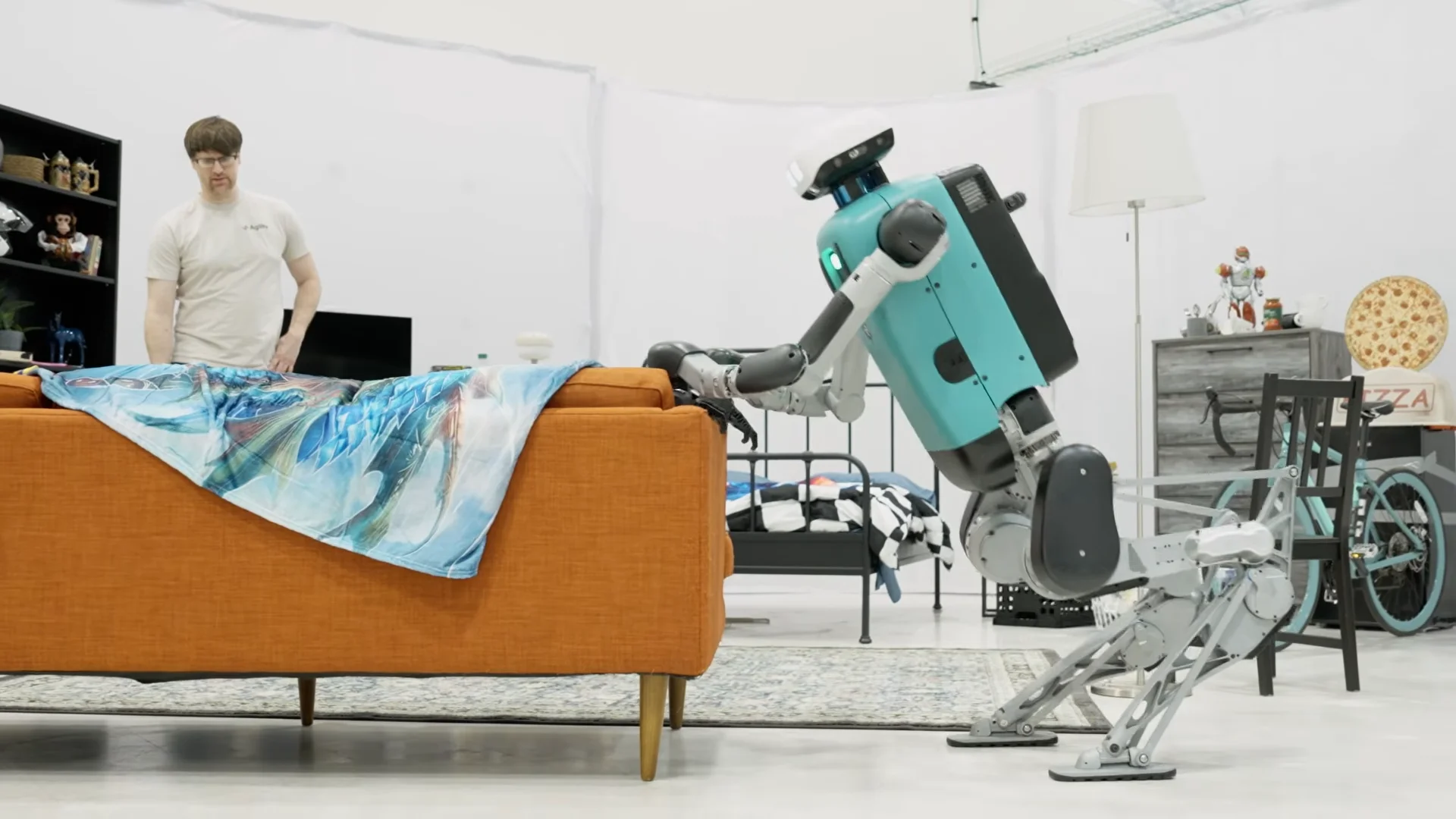
The only sector where the company did not claim the top spot was warehousing and logistics. This broad-based leadership suggests that AgiBot’s "mixed-fleet" strategy—which includes the wheeled Genie G-Series alongside its bipedal Expedition A-Series and Lingxi X-Series—is successfully penetrating diverse real-world use cases.
The weekly humanoid robotics briefing
One email a week: the launches, funding and research that mattered, with context from Humanoids Daily.
Read recent issuesThe "Full-Size" Premium
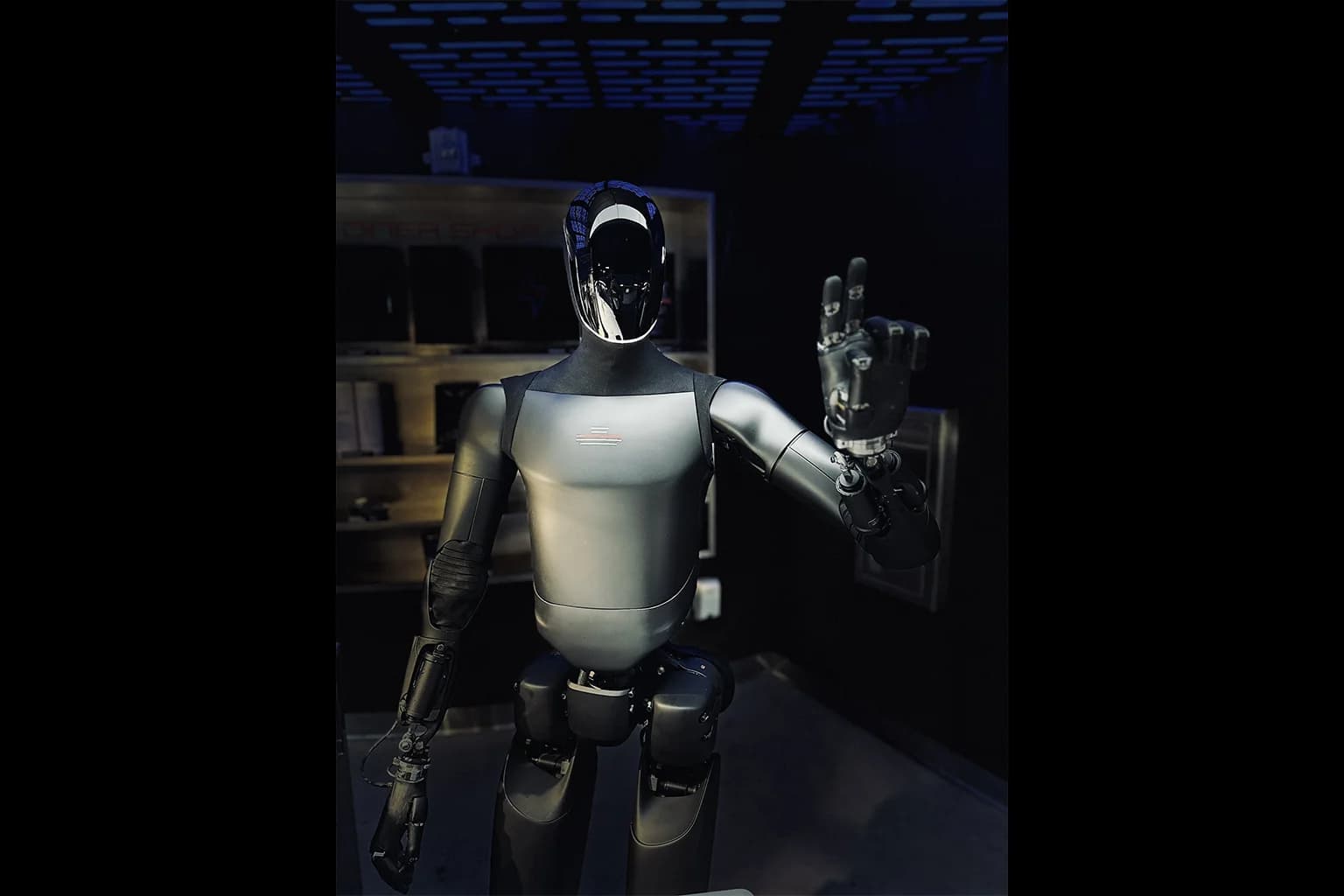
The report also identifies full-size humanoid robots as a critical revenue driver, accounting for 41.6% of total global revenue in 2025. In this high-value segment, AgiBot reportedly delivered 1,300 units, ranking first worldwide. This aligns with the company's recent push to prove its hardware's durability, such as when its Expedition A2 completed a 106km autonomous trek to demonstrate real-world endurance.
A Contested Crown
Despite the IDC findings, the title of "No. 1" remains a point of intense friction. Rival Unitree Robotics recently released a pointed "clarification" of its own, disclosing that its 2025 shipment volume exceeded 5,500 units—surpassing AgiBot's IDC-reported figure.
The discrepancy highlights a growing debate over what actually constitutes a "humanoid." Unitree has publicly criticized competitors for inflating their numbers by including wheeled platforms, insisting that its own figures consist "solely of pure humanoid robots". This "Great Numbers War" is driven by more than just bragging rights; with both companies vying for multi-billion dollar IPOs, shipment volume has become the primary metric used to justify massive valuations in a market increasingly wary of a potential bubble.
The Path to Commercialization
The path to commercialization is increasingly being paved by software. IDC projects that the industry is now shifting from "broad-based participation" to a stage of strategic consolidation, with technical barriers lowering as real-world deployment accelerates. To stay ahead, leaders are moving beyond hardware sales toward Robot-as-a-Service (RaaS) models and platform-based ecosystems.
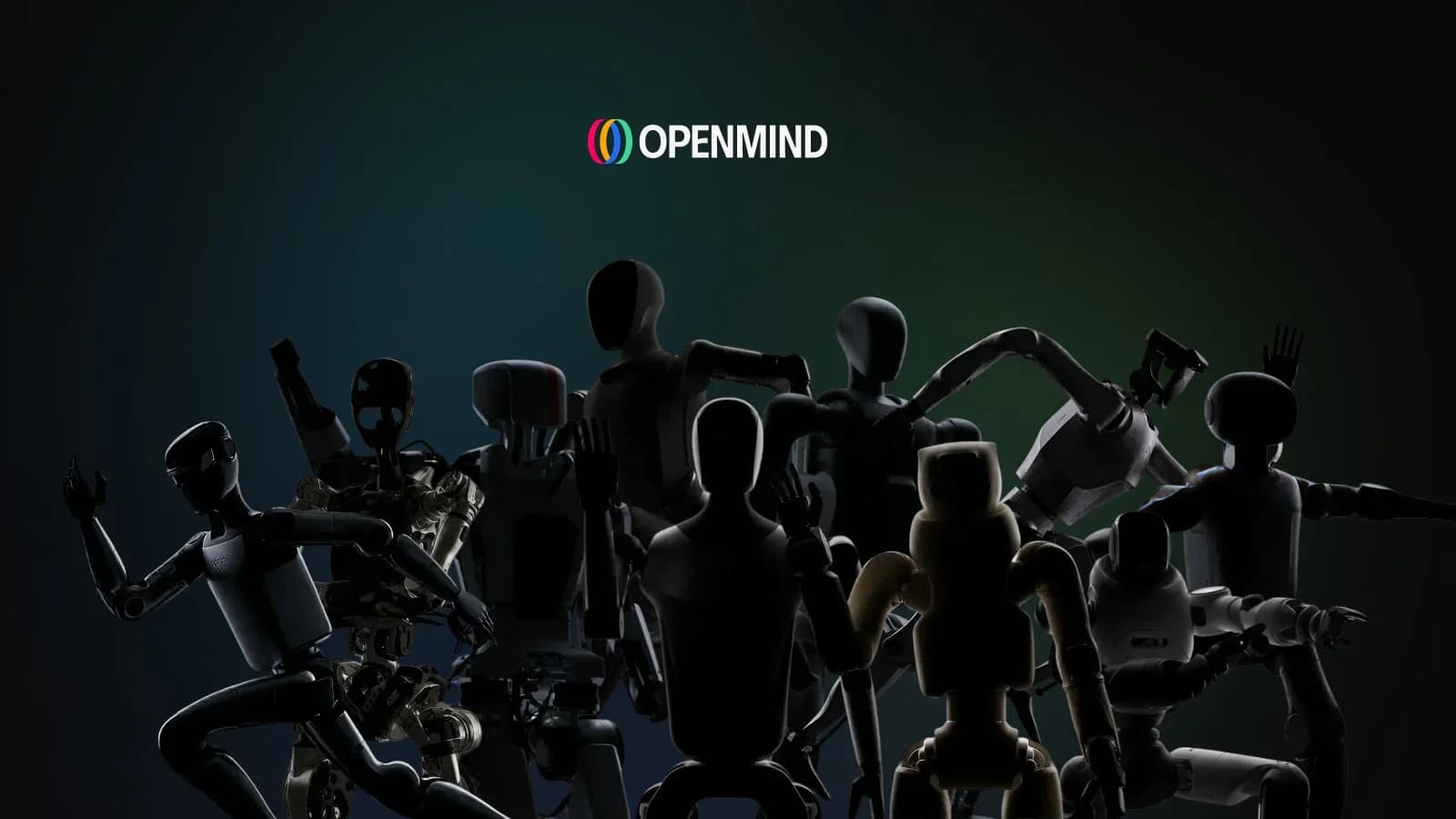
AgiBot has already begun this transition with software tools like LinkCraft, a "zero-code" platform designed to lower the barrier for commercial users. This push toward software interoperability took a major step forward recently, as AgiBot joined a founding consortium for OpenMind’s hardware-agnostic App Store. Alongside other industry heavyweights like UBTECH, Deep Robotics, and LimX Dynamics, AgiBot is helping to define shared interfaces that could allow skills to be shared across different robotic platforms. While the "numbers war" over shipments rages on, the true test for the industry will be whether these shared software ecosystems can finally bridge the "utility gap" and make humanoid robots as versatile and customizable as the modern smartphone.
Share this article
Read next
- Published on
- Reading time
- 6 min read
Global Humanoid Shipments Surpass 22,000 in H1 2026 as AGIBOT Leads and Form-Factor Debates Intensify
- Published on
- Reading time
- 4 min read
The Great Numbers War: Unitree Claims Global Shipment Lead, Rebuts AgiBot's 'No. 1' Title
- Published on
- Reading time
- 4 min read
Rumored $13 Million Gala Bid Sparks Fears of a Humanoid Robotics ‘Bubble’ in China
- Published on
- Reading time
- 5 min read
Global Humanoid Shipments Surge 272% in 1H 2026 as AGIBOT Overtakes Unitree
- Published on
- Reading time
- 4 min read
Morgan Stanley Survey: Chinese Companies Want Humanoids, But the Products Aren't Ready
- Published on
- Reading time
- 4 min read
State Grid’s $995 Million Bet: 8,500 Robots to Spearhead "Deployment Year One" in Energy

The weekly humanoid robotics briefing
One email a week: the launches, funding and research that mattered, with context from Humanoids Daily.
Read recent issues