- Published on
Dyna Reveals Taku Robot and Dyna-2.1 With an Hour-Long Autonomous Laundry Demo
One tap, and our reporting appears more often in your Google Top Stories. It makes a real difference to a small newsroom.


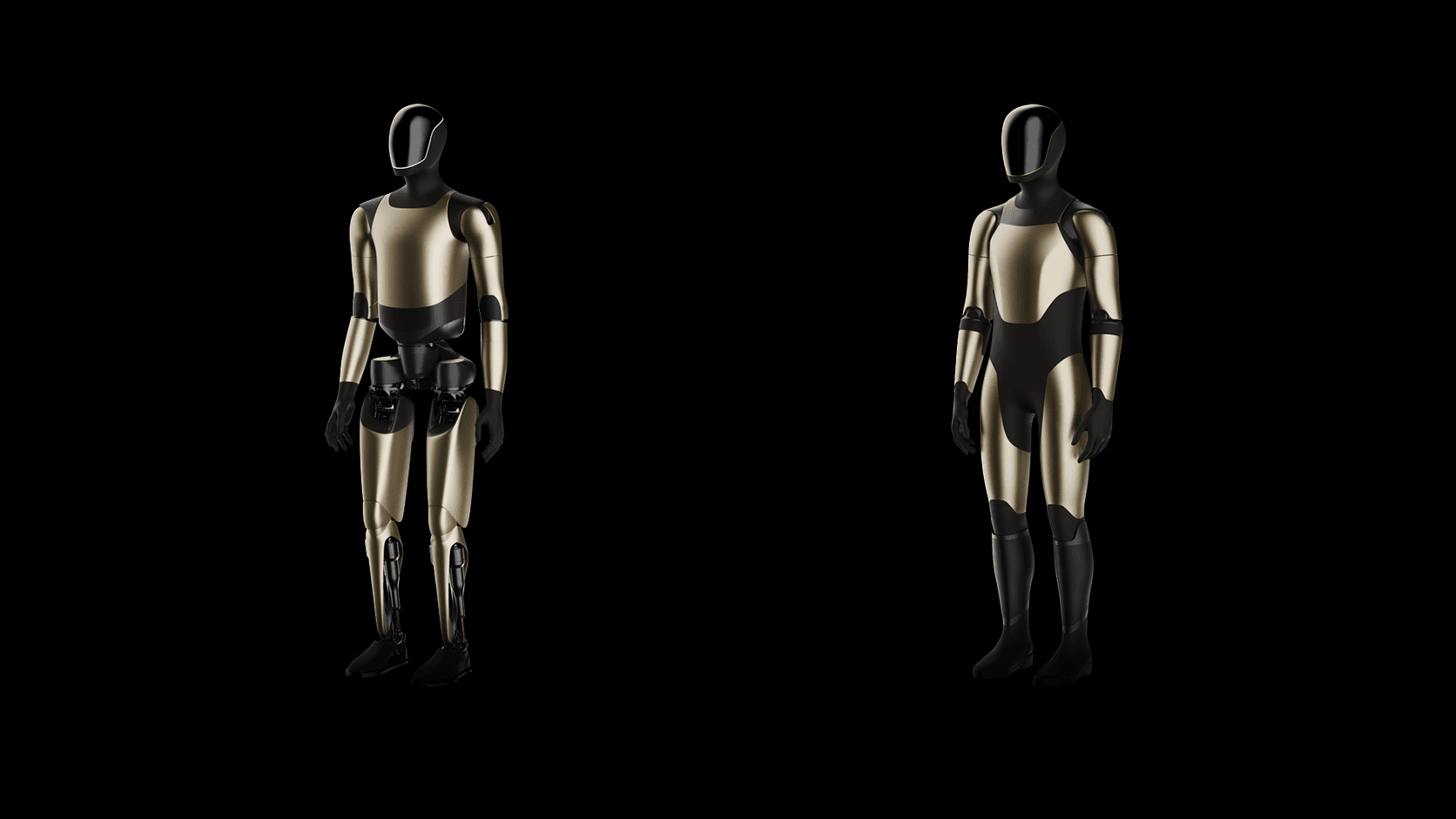
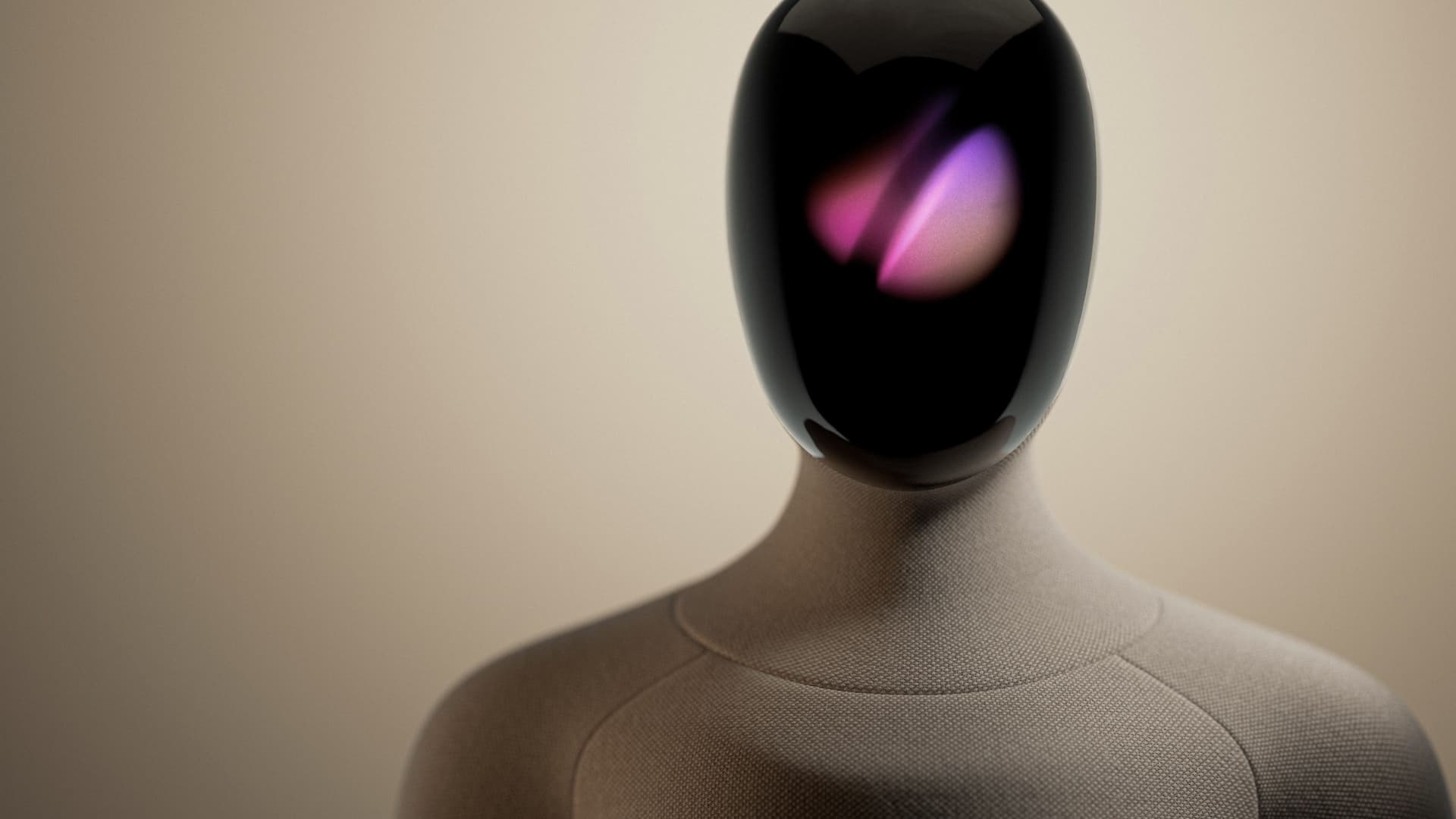
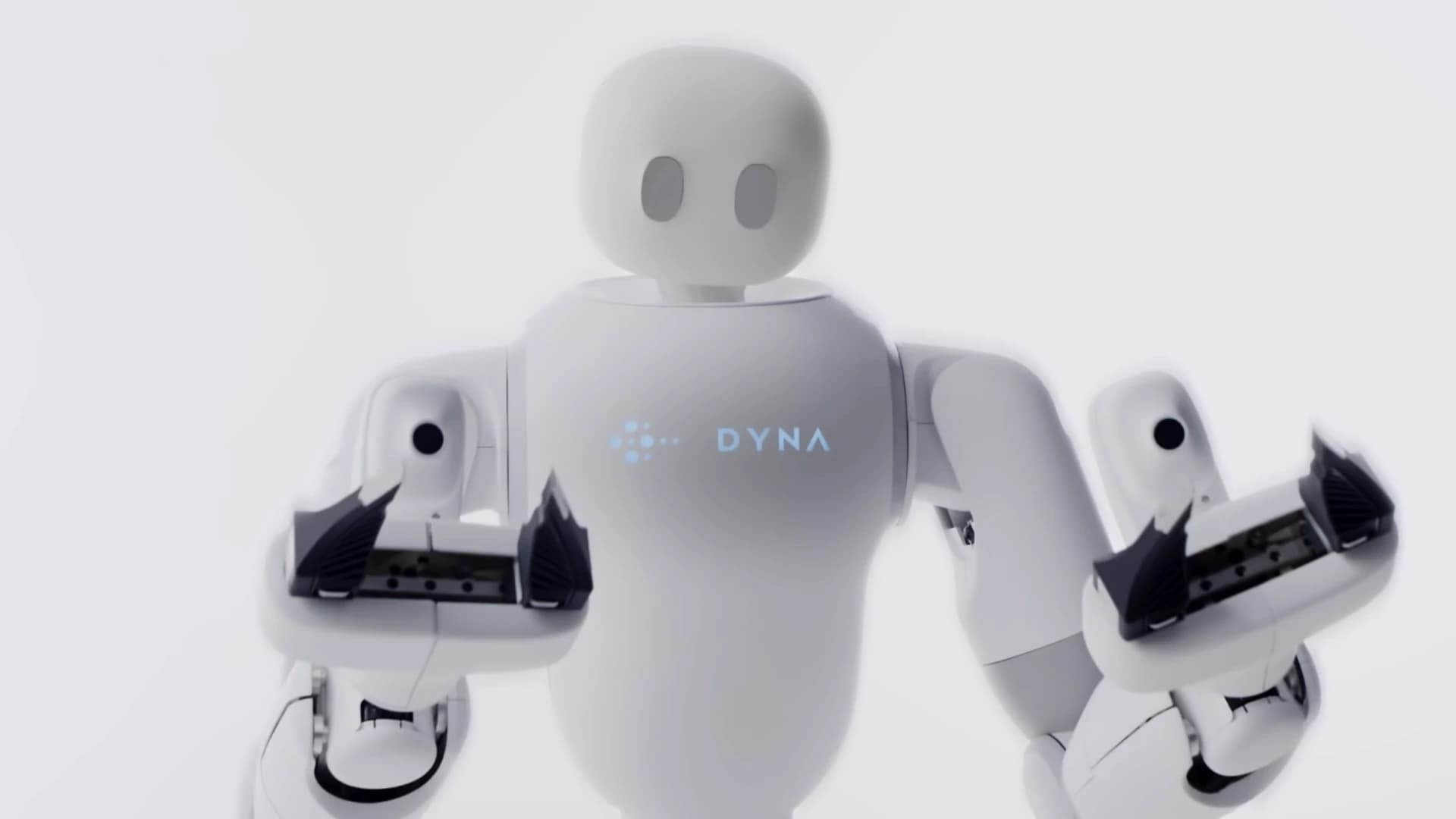
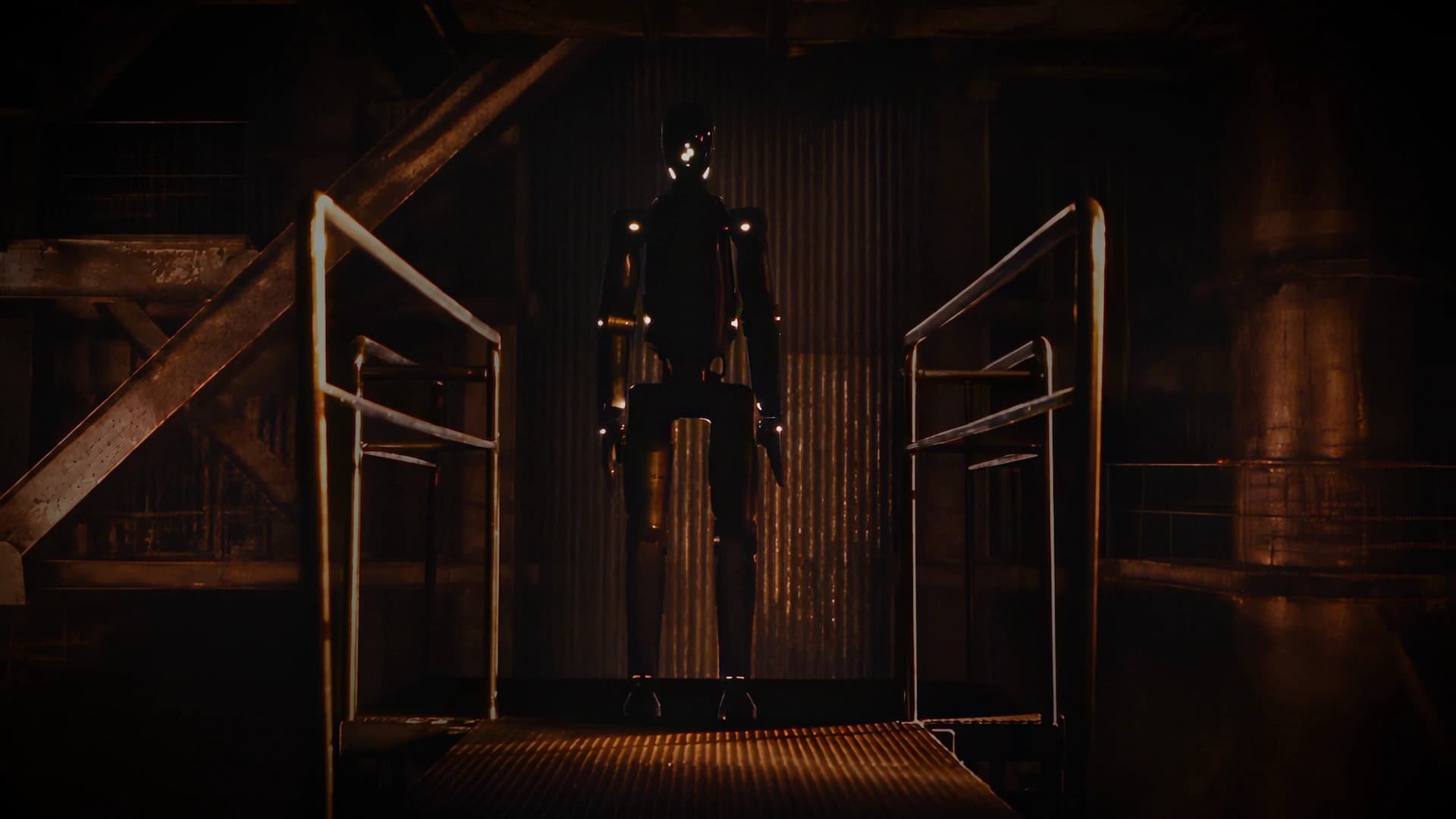
Dyna Robotics has revealed Taku, a wheeled semi-humanoid robot, alongside Dyna-2.1, the software and hardware system behind an hour-long laundry demonstration that the company describes as autonomous and uncut.
The September 29 announcement follows the robot teaser we covered yesterday. It puts a name and a purpose to the new machine: handling a connected sequence of jobs across a room, with the ability to decide what comes next.
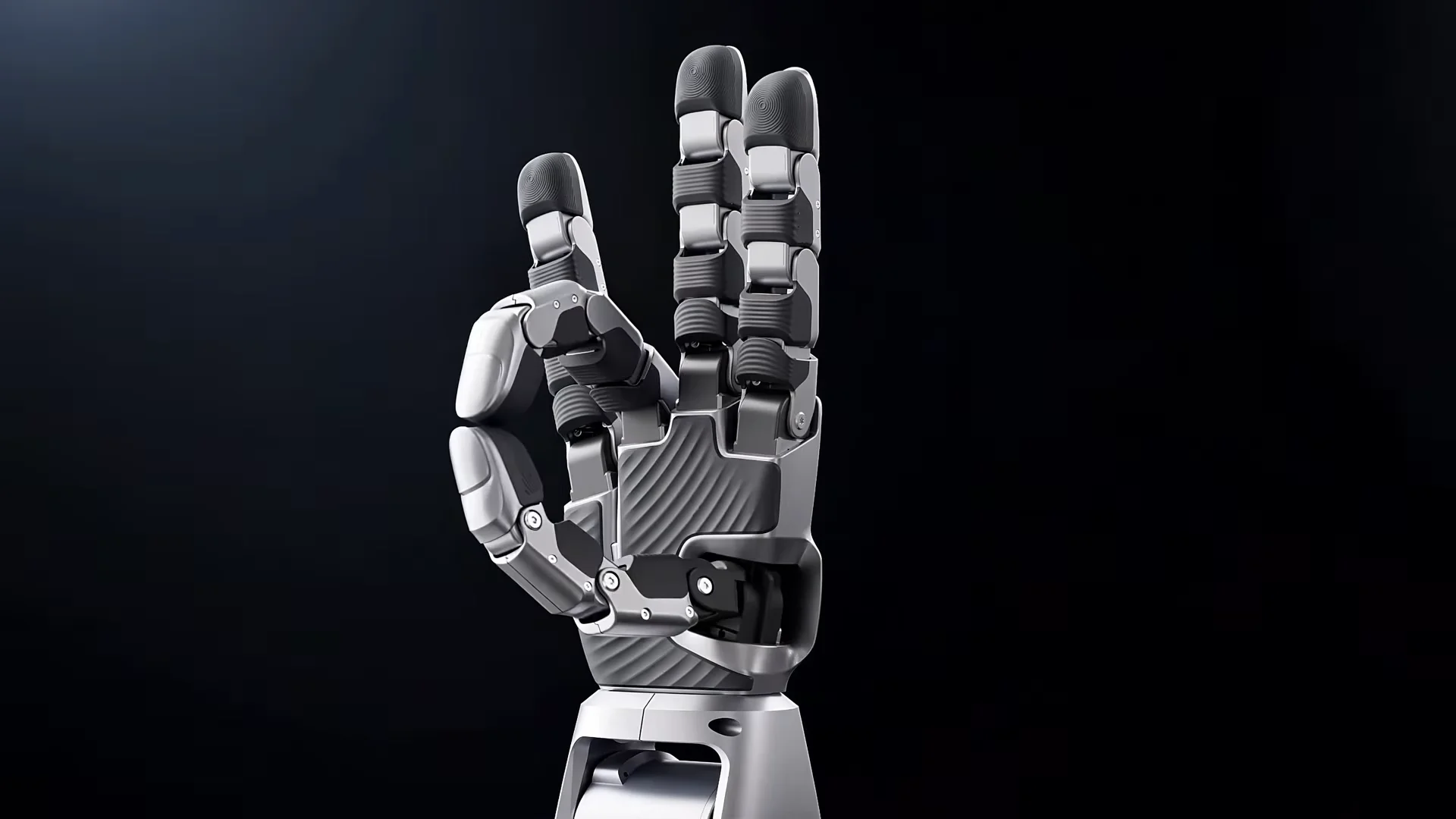
- Taku combines a humanlike upper body, two seven-degree-of-freedom arms, a folding lower body and four steerable wheels.
- Dyna says its new system completes an hour-long laundry workflow autonomously, including coordinating work across machines and a folding station.
- Dyna-2.1 combines whole-body control, a Dyna-2 manipulation policy and a vision-language model for workflow decisions and memory.
- Customer-site deployment of this new system is the next milestone, according to Dyna’s technical report.
Why the laundry room matters
The strongest idea in Dyna’s technical report is the distinction between completing a task and taking responsibility for a workflow. The company acknowledges that its earlier napkin-folding system still needed someone to replenish the input and remove finished stacks, even when the folding itself ran without intervention.
The new demonstration addresses that surrounding work. Dyna describes Taku moving towels through washing, drying, folding and shelving, while deciding when to interrupt one activity to attend to another machine. Recovery is part of the process: a dropped towel, for example, must return to the dirty laundry rather than join a clean stack.
The weekly humanoid robotics briefing
One email a week: the launches, funding and research that mattered, with context from Humanoids Daily.
Read recent issuesThat changes what success means. A robot may fold accurately yet save little labor if someone must remain beside it to keep the process moving. The more compelling commercial proposition is a machine that can handle the handoffs as well as the manipulation.
Meet Taku: reach and mobility on wheels
Taku’s name comes from the Japanese word takumi, meaning master craftsman. Dyna chose wheels because its target workflows primarily demand reach and precise manipulation. Its articulated lower body allows the upper body to move between low shelves, work surfaces and the interiors of laundry machines.
The choice places Taku among robots built around a humanlike working envelope without adopting bipedal locomotion. For laundry rooms and similar workplaces, the relevant question is whether the machine can access the stations and tools involved in the job.
Three layers share the work
Dyna-2.1 separates fast physical control from slower decisions about the overall process. A controller trained with reinforcement learning in simulation coordinates the body. An improved Dyna-2 policy supplies movement targets. Above those sits a vision-language orchestrator that selects the next task and maintains a text memory of progress.
The report describes that memory tracking machine status and completed work, allowing folding to resume after another job interrupts it. The orchestrator is trained on the workflow’s branches; this is a system prepared for a particular business process, rather than evidence that it can independently master any unfamiliar workplace.
The learning approach builds on Dyna-2’s million-hour human-video research. In the earlier Dyna-2 report, the company studied how increasing human-video pretraining improved transfer to robot tasks. Dyna-2.1 extends that direction with a shared motion representation for human demonstrations and robot actions, intended to make training data useful across hardware changes.
From a demonstration to customer shifts
Dyna’s updated homepage now centers its pitch on complete workflows across hospitality, logistics and factory operations. It also advertises performance figures for laundry, food handling and assembly. Those broader company claims should not be read as measured results from this particular Taku demonstration.
The technical report explicitly identifies taking the new system to customer sites as the next step. That matters because Dyna’s existing commercial work and the readiness of Taku are separate questions.
The uncut recording offers more to examine than a short highlights reel, but a successful run does not establish a repeatable success rate across different rooms, shifts and customer procedures. Dyna’s claim to be the first system of its kind is also the company’s assessment, rather than an independently established ranking.
The next useful evidence will be how long Taku can work between interventions, how much customer-specific preparation it needs, and how consistently it completes the whole process. Those are the measurements that would show whether an hour-long demonstration can become a dependable working shift.
Share this article
Read next
- Published on
- Reading time
- 3 min read
Dyna Robotics Teases a New Robot Built for Real Work
- Published on
- Reading time
- 5 min read
Dyna-2 Proves Scaling Laws for Robotics: 1 Million Hours of Human Video Unlocks Zero-Shot Dexterity
- Published on
- Reading time
- 4 min read
Chestnut Launches Aero Hand and Aero UMI, Pairing Dexterous Hardware With Its Data Collector
- Published on
- Reading time
- 3 min read
Hasta La Vista, Figure 02: Adcock Teases a Terminator-Style Sendoff
- Published on
- Reading time
- 8 min read
Tesla Reportedly Builds Hundreds of Optimus Robots a Week
- Published on
- Reading time
- 5 min read
Feather launches a $30,000 wheeled humanoid for developers, announces $7.6M funding

The weekly humanoid robotics briefing
One email a week: the launches, funding and research that mattered, with context from Humanoids Daily.
Read recent issues