- Published on
T-Robotics to Lead KRW 4.5 Billion Humanoid Project for Korean Display Factories
One tap, and our reporting appears more often in your Google Top Stories. It makes a real difference to a small newsroom.


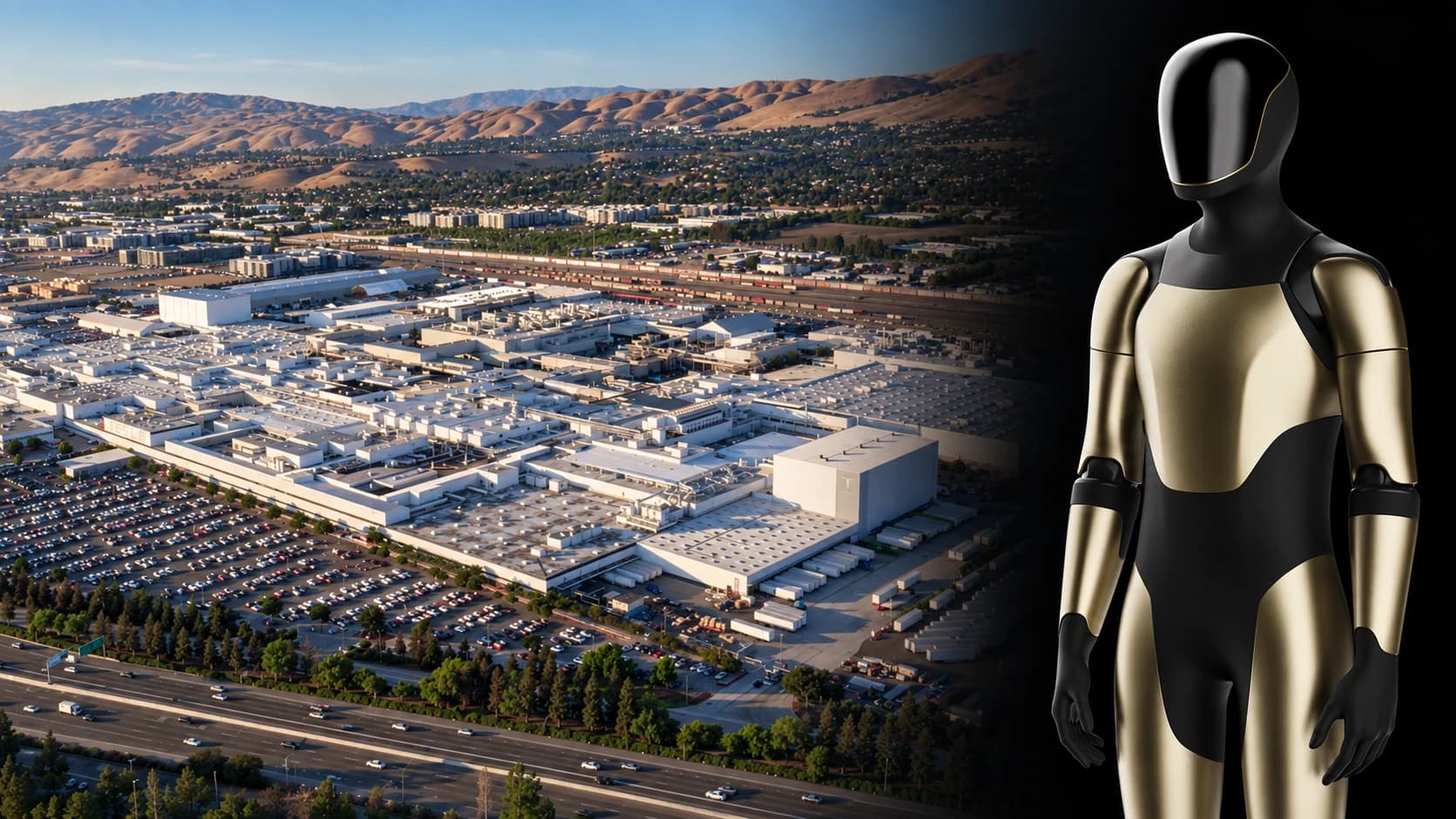
South Korea’s humanoid ambitions are getting a more specific industrial destination: display manufacturing. T-Robotics says it has been selected to lead a government-backed project with KAIST and an unnamed major Korean display manufacturer, according to Maeil Business Newspaper’s September 29 report.
- The project carries KRW 4.5 billion in government funding and runs through December 2030.
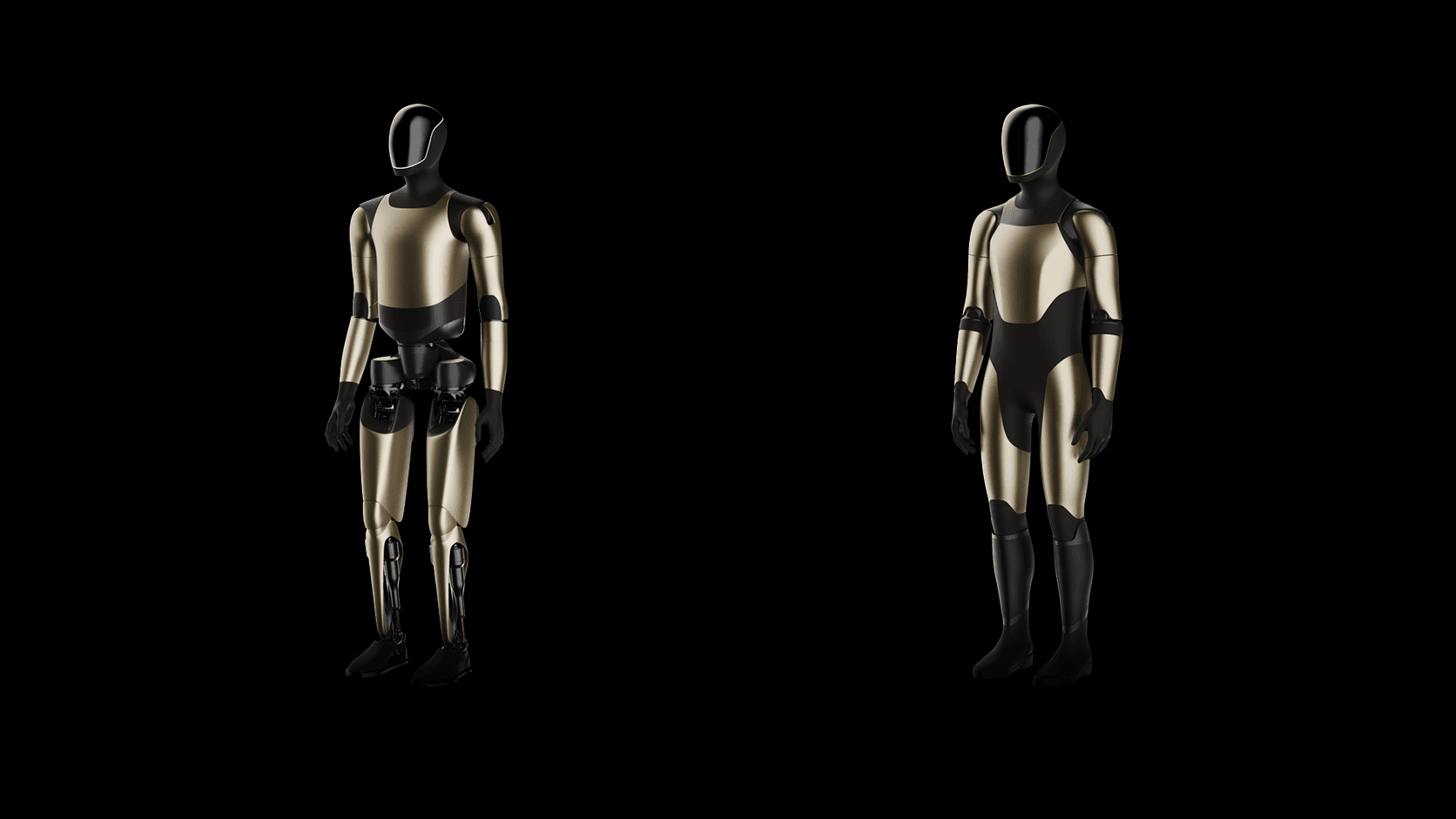
- T-Robotics plans to develop mobile humanoids and test them on participating manufacturers’ production lines.
- The announcement concerns development and validation; it does not establish a commercial fleet deployment.
From TR-WORKS to production-line trials
The project falls under KEIT’s humanoid robot AI transformation program. According to the original Korean report, the aim is to combine environmental perception and decision-making with coordinated movement and task execution. Trials are intended to begin during development, with applications introduced progressively into display manufacturing processes.
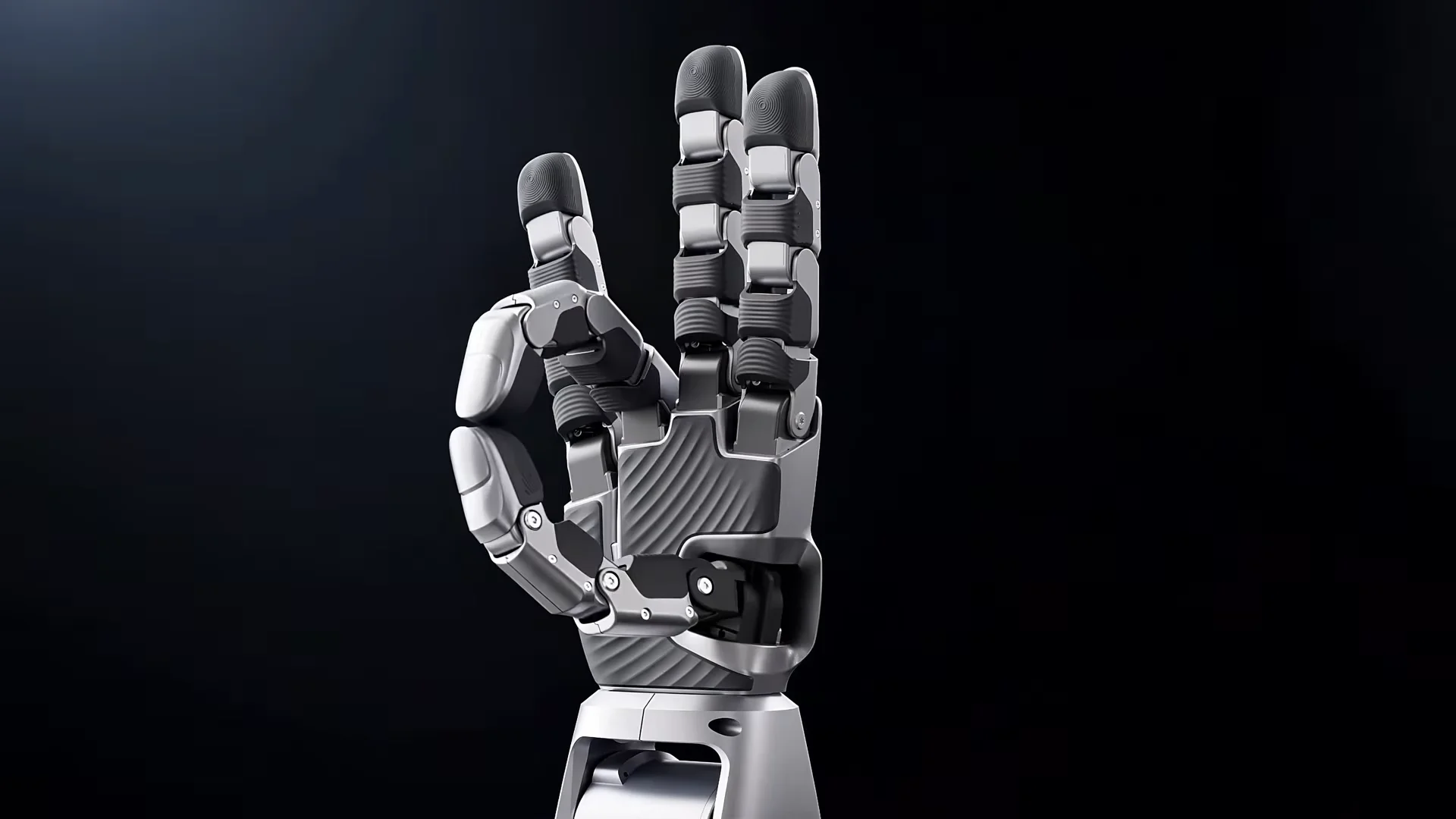
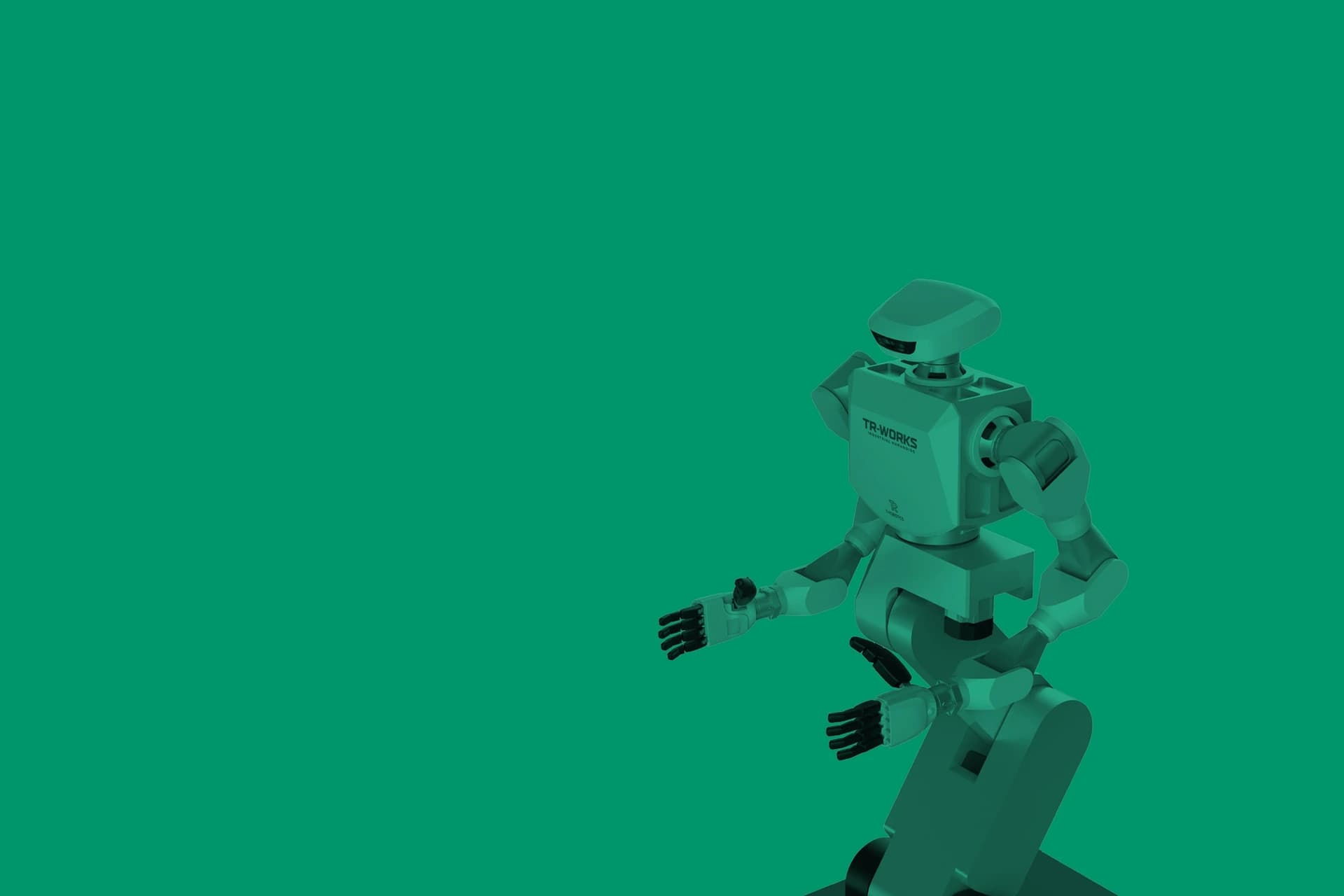
The work will build on TR-WORKS. T-Robotics’ own product page describes that platform as a next-generation humanoid optimized for process logistics in semiconductor and display production. Its existing product portfolio also includes vacuum robots and autonomous mobile robots.
That background makes the project an interesting example of an established automation supplier moving toward more adaptable machines. The question is how much of the precision and reliability associated with specialized equipment can carry over when a robot must perceive its surroundings and choose how to act.
The weekly humanoid robotics briefing
One email a week: the launches, funding and research that mattered, with context from Humanoids Daily.
Read recent issuesA related example comes from China, where AGIBOT has reported deploying G2 robots at Longcheer’s tablet factory in Nanchang. In June, we covered its plan to livestream robots working in the line’s quality-inspection section, including loading and unloading testing stations. Tablet testing is a different application from display manufacturing, but it illustrates the broader move toward validating adaptable robots inside customers’ electronics factories. T-Robotics is now outlining its own development and trial program.
A concrete application for Korea’s broader strategy
The project fits the direction of South Korea’s KRW 2.3 trillion humanoid ecosystem plan. Announced in August, that strategy aims to establish production systems for humanoids tailored to ten industries by 2030 and raise domestic sourcing of key components from roughly 45% to 80%.
The government’s policy announcement explicitly puts customer workplaces at the center of development, starting with relatively structured manufacturing and logistics settings before expanding into less predictable environments. T-Robotics’ proposed factory trials follow that logic, although the reporting does not establish how this particular grant relates to the broader funding package.
It also gives a practical example of the industrial advantage discussed in our coverage of KIST’s argument that Korea could become a third humanoid power alongside the US and China: local manufacturers can supply both engineering expertise and places to test robots. KAIST, the university involved in this project, is a separate institution from KIST.
The next milestone is evidence from the factory floor
The reports leave the customer identity, specific tasks, robot quantities and detailed trial schedule undisclosed. The KRW 4.5 billion is government project funding, not an announced robot sales contract.
For readers following Korea’s push, the useful next evidence will be operational: which process the robot handles, how often people intervene, and whether it meets the customer’s requirements for throughput and reliability. Bringing the customer into development can help expose those problems earlier. Solving them is what would turn this project into a commercial milestone.
Share this article
Read next
- Published on
- Reading time
- 5 min read
KAIST Humanoid v0.7: High-Speed Locomotion and the "Moonwalk" of Technical Independence
- Published on
- Reading time
- 4 min read
HD Hyundai Wants Humanoid AI to Upgrade Its Existing Factory Robots
- Published on
- Reading time
- 4 min read
South Korea Plans Robot AI Push in 2027, Starting With Logistics
- Published on
- Reading time
- 4 min read
Robros Adds Full-Body Teleoperation to Its Korean Humanoid
- Published on
- Reading time
- 5 min read
KIST Chief Says Korea Can Join the US and China as a Humanoid Power
- Published on
- Reading time
- 5 min read
CJ Logistics Puts ROBOTIS Dual-Arm "AI Worker" on Live Olive Young Fulfillment Lines
The weekly humanoid robotics briefing
One email a week: the launches, funding and research that mattered, with context from Humanoids Daily.
Read recent issues