- Published on
GXO Signs Letter of Intent for Up to 1,000 Apptronik Apollo Humanoids
One tap, and our reporting appears more often in your Google Top Stories. It makes a real difference to a small newsroom.

GXO Logistics has signed a letter of intent with Apptronik to expand trials of the Apollo humanoid in its warehouses and to work out terms for a commercial rollout. If the robots meet performance and safety targets the two companies agree on, they intend to deploy up to 1,000 Apollo humanoids worldwide over the next four years, starting in North America in late 2027, according to GXO's November 12 announcement.
- GXO and Apptronik signed a letter of intent, not a purchase order, covering expanded Apollo trials from 2027 and a Robotics-as-a-Service (RaaS) framework for commercial deployment.
- The companies intend to roll out up to 1,000 Apollo robots over four years, with the first North American deployment in late 2027, if the trials meet jointly agreed productivity, safety and operational KPIs.
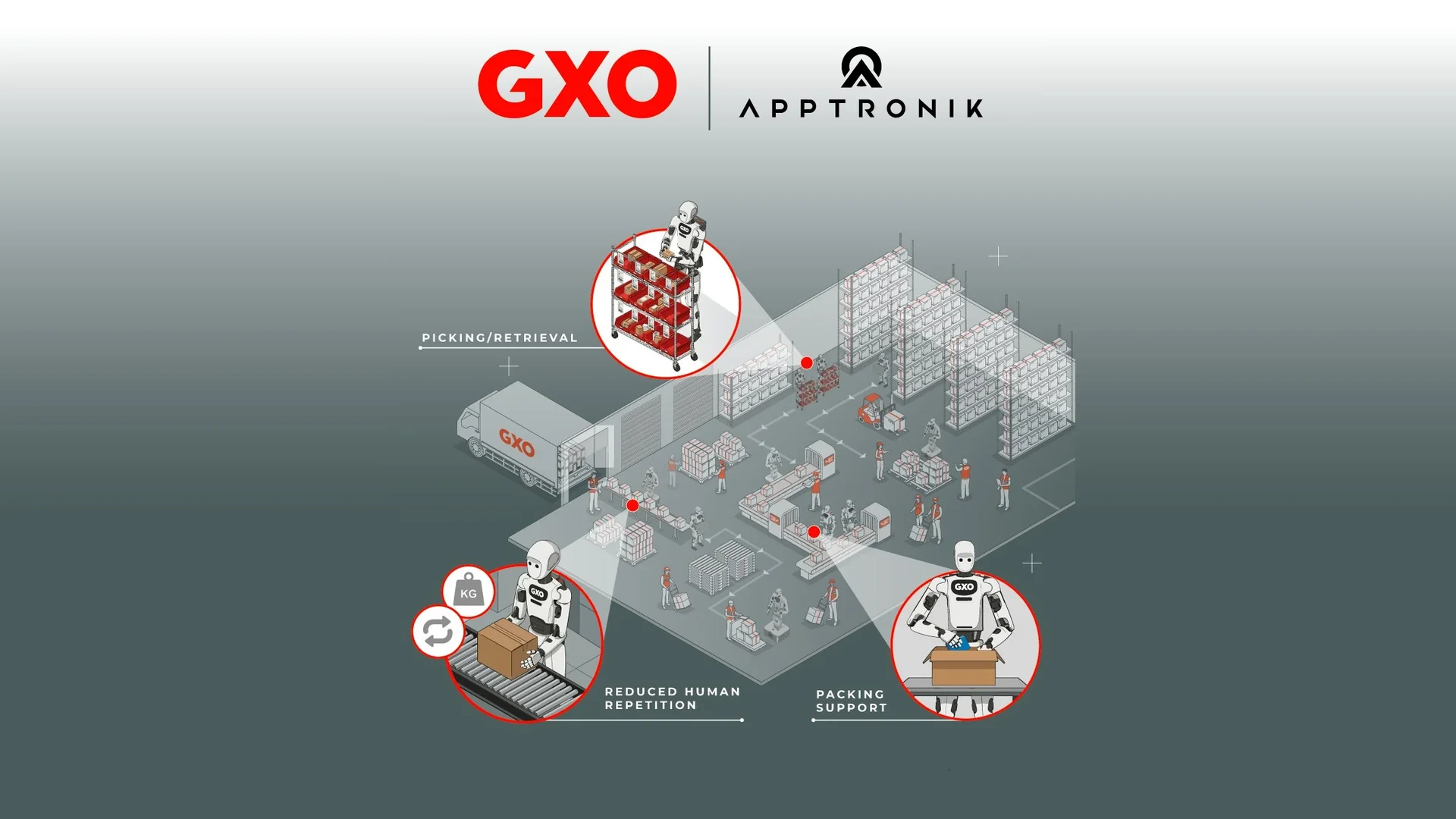
- The trials cover goods-to-person and person-to-goods picking, case and tote handling, packing and sortation. Apptronik and GXO say they have already collected data and run autonomous evaluations on more than 50 logistics tasks at Apptronik's Robot Park.
- The release names no sites, prices or Apollo generation, and does not mention Google DeepMind, whose Gemini Robotics 2.5 model ran Apollo 2 on Mercedes-Benz lines two days earlier.
From pilot to letter of intent
The partnership started in 2024 as a proof of concept to find practical uses for Apollo in a warehouse. When GXO first described its humanoid program in April 2025, Apollo was in a pilot with an unnamed technology customer and its task had not been settled. According to the new release, Apollo completed a pilot with GXO in the U.S. earlier this year focused on autonomous picking of small consumer goods. GXO has not said where that pilot ran or how many robots were involved.
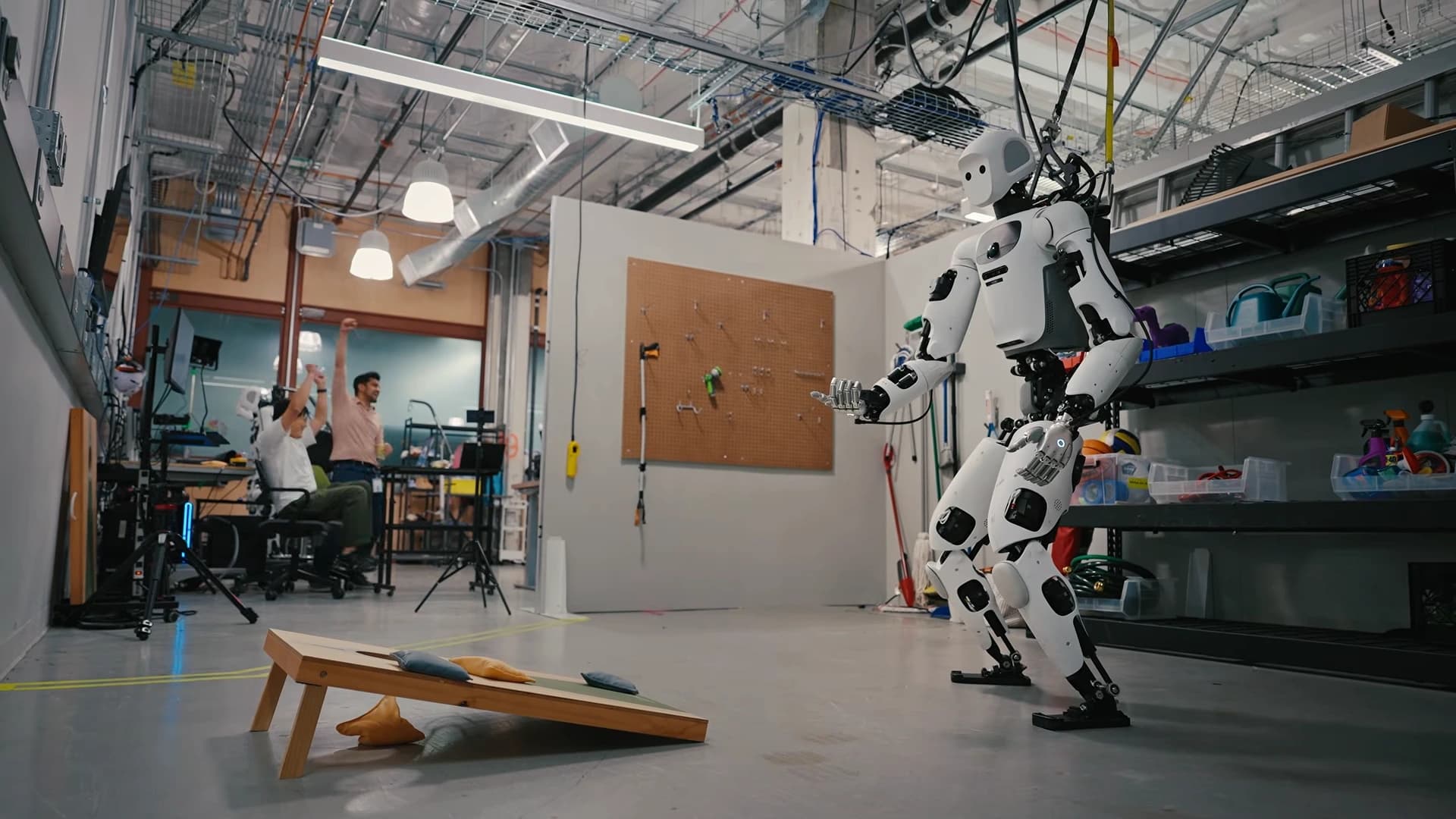
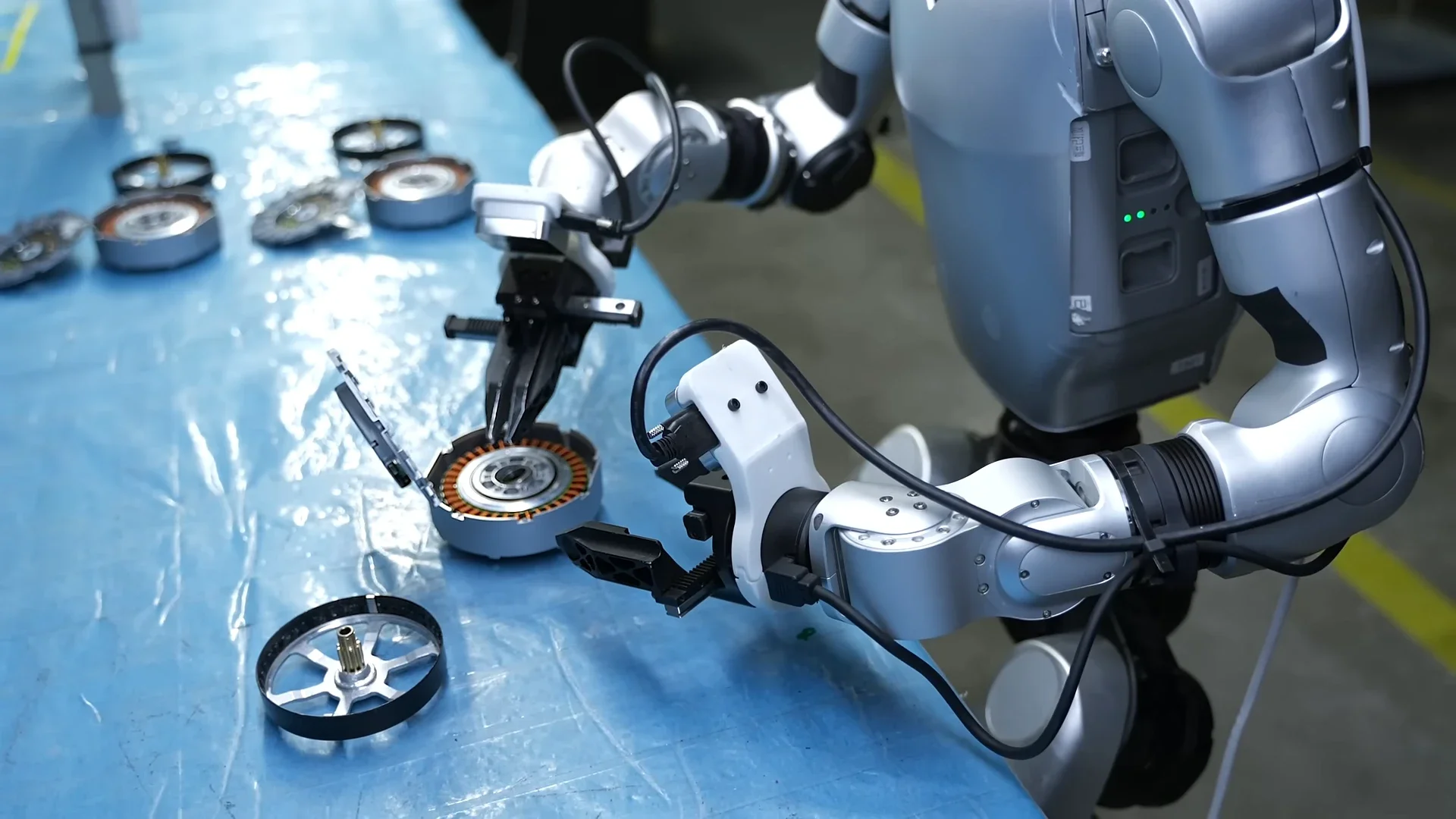
Apptronik and GXO have also worked together at Apptronik's Robot Park, the facility where the company collects training data with Apollo 2 robots. There, the companies ran data collection and live autonomous evaluations on more than 50 logistics tasks.
The expanded trials, beginning in 2027, move that work into live operations. They cover:
Follow humanoid robotics without following every announcement.
Get the week’s most important launches, funding and research—and why they matter—in one email from Humanoids Daily.
Once a week. Unsubscribe anytime.
Read recent issues- goods-to-person and person-to-goods picking
- case and tote movement
- packing
- sortation
Each use case will be assessed and sequenced against productivity, safety and operational KPIs that GXO and Apptronik agree on together. The trials are also meant to validate safety, security and technical requirements for scaled deployment, and to show how Apollo works alongside GXO's existing automation and staff.
GXO CEO Patrick Kelleher called humanoid robots "the latest evolution of intelligent automation," and said their growing dexterity would make them one of the most transformative uses of physical AI in logistics. Jeff Cardenas, co-founder and CEO of Apptronik, said: "GXO has the network and the operating discipline to take this technology to real scale." He added that the partnership is defining what it takes to put humanoids to work, measured against real operational KPIs in live facilities.
Up to 1,000 robots, on conditions
The 1,000-robot figure is conditional. The release says the companies "intend to progress toward" a global rollout of up to that number, "subject to the success of the deployments" and to Apollo meeting the agreed KPIs. The commercial framework is expected to follow a RaaS structure, in which GXO would pay for the robots as a service instead of buying them outright. No fees, contract value or term are disclosed.
Spread across four years, 1,000 robots would still cover a small part of GXO's operation. The company has more than 150,000 employees in over 1,000 facilities, and the release does not say how many sites the robots would go to.
The announcement does not specify which version of Apollo GXO will deploy. Apptronik shipped Apollo 2 in June, and Cardenas has said a "significant jump up" in hardware would follow. As we wrote in October, the next Apollo has no reveal date, and we see 2027 as the earliest realistic window. A late-2027 start in North America could use either generation.
GXO's second humanoid expansion in three weeks
GXO runs humanoid trials with several vendors. On October 26 it extended its Agility Robotics partnership to two more U.S. sites, in Statesville, North Carolina, and Lebanon, Tennessee, where Digit 4 deployments are expected to begin in early 2027. Agility's relationship with GXO is further along: Digit has been working under a multi-year RaaS agreement at GXO's Flowery Branch, Georgia, facility since 2024 and has moved more than 100,000 totes there.
The two deals differ in what is committed. The Agility expansion names sites and a start date but no robot count. The Apptronik letter of intent gives a robot count and a region, but no sites, and both the count and the rollout depend on trials that have not started yet.
What the release leaves out
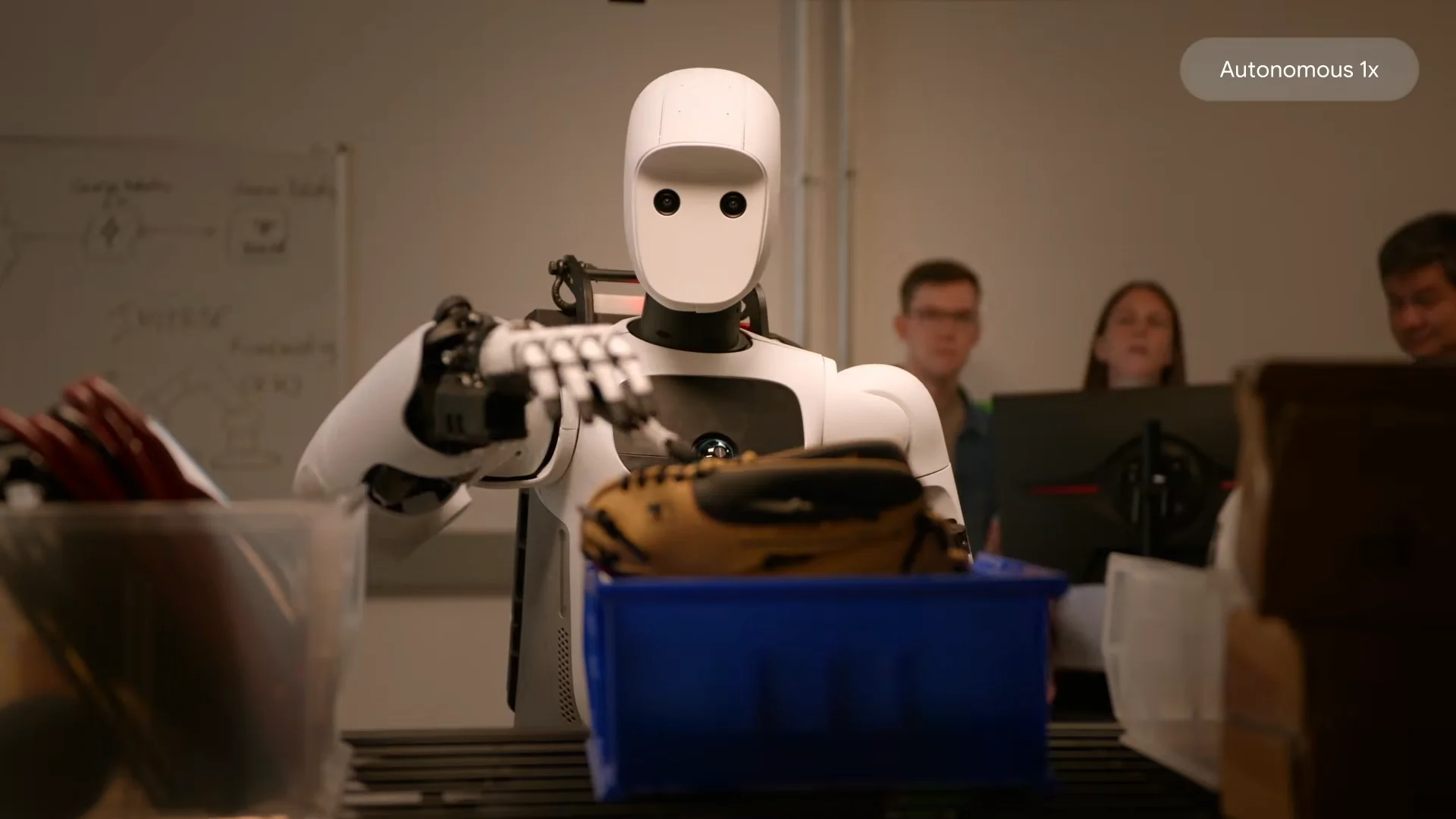
GXO's announcement does not mention Google DeepMind, which has used Apollo as its main humanoid platform and is an Apptronik investor through Google. On November 10, DeepMind released Gemini Robotics 2.5 and showed Apollo 2 sorting metal brackets into sequencing trays on active Mercedes-Benz lines in Kecskemét, Hungary, and Sindelfingen, Germany, with a reported 96% success rate. That was also a proof of concept, and DeepMind did not say how many picks the figure covered or how the cycle time compared with a human worker's.
The GXO tasks overlap with that work. Picking parts from bins and placing them in trays is close to warehouse picking and packing, and the Robot Park data collection supports Apptronik's work with DeepMind. Neither GXO nor Apptronik has said whether the warehouse trials will run Gemini Robotics models, and Gemini Robotics 2.5 is currently available only to DeepMind's robotics partners.
Share this article
Follow humanoid robotics without following every announcement.
Get the week’s most important launches, funding and research—and why they matter—in one email from Humanoids Daily.
Once a week. Unsubscribe anytime.
Read recent issuesRead next
- Published on
- Reading time
- 5 min read
Nucleus Pivots to Wheeled Base for "Nucleus II" Following Factory Floor Pushback
- Published on
- Reading time
- 3 min read
X Square’s Robot Starts Work at Lululemon’s Wuhan Warehouse
- Published on
- Reading time
- 3 min read
GXO Tests Humanoid Workforce: Logistics Giant Pilots Robots from Agility, Apptronik, and Reflex
- Published on
- Reading time
- 19 min read
Tesla’s Optimus Gen 3, Figure 04 and the Next Apollo: When Each Could Be Revealed
- Published on
- Reading time
- 4 min read
Gemini 4 Argon Takes Apollo From Human Video to Seven Straight Cornhole Shots
- Published on
- Reading time
- 7 min read
Google DeepMind Unveils Gemini Robotics 2, Bringing Whole-Body Intelligence and Multi-Robot Teams to Physical AI